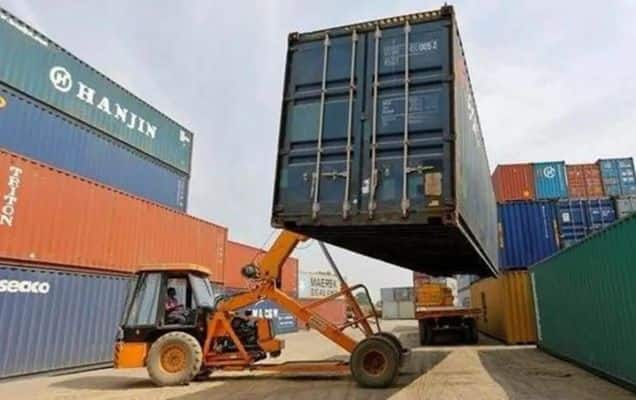
India now ranks amongst the top five countries when it comes to 45 of the 64 technologies as per the ASPI Critical Technology Tracker. The study tracks the development of critical technologies, including the race for scientific and research breakthroughs, and the ability to retain global talent. The study also documents crucial ingredients that underpin the development and control of the world’s most important technologies, and how it measures up to a country’s economic prowess.

Ashwini Vaishnaw, Union Minister for Railways, Information & Broadcasting and Electronics & IT responding to the findings, stated, “This is a testament to the progress India has made in the last ten years on the manufacturing front.. When it comes to vaccine and medical countermeasure technologies, India ranks fifth, while on advanced aircraft engines, we are ranked ahead of France and the United Kingdom, at number three. On a high-specification machining process and biofuels, we are rated higher than the United States of America even, and second only to China”, Vaishnaw elaborated.

“The government has delivered a big push for manufacturing in the last ten years, even when many in the opposition have opposed it. These technologies must not be viewed in manufacturing alone but from a supply chain perspective as well. In the years to come, these industries will create a significant number of employment opportunities for our youth population as well. Take this for example. In protective cybertechnologies, advanced data analytics, machine learning, and distributed ledgers, India ranks at number three, ahead of its European Counterparts. This shows how our sustained focus, both on the manufacturing and services sector, is beginning to show results’, Vaishnaw commented.

The Australian Strategic Policy Institute (ASPI), established in 2001, operates as an independent and non-partisan think tank. ASPI plays a crucial role in educating the public on various strategic matters, fostering new ideas for governmental policies, and engaging with global strategic thought.

Explore More
ଶ୍ରୀରାମ ଜନ୍ମଭୂମି ମନ୍ଦିର ଧ୍ଵଜାରୋହଣ ସମାରୋହରେ ପ୍ରଧାନମନ୍ତ୍ରୀଙ୍କ ଅଭିଭାଷଣ

ଲୋକପ୍ରିୟ ଅଭିଭାଷଣ

ଶ୍ରୀରାମ ଜନ୍ମଭୂମି ମନ୍ଦିର ଧ୍ଵଜାରୋହଣ ସମାରୋହରେ ପ୍ରଧାନମନ୍ତ୍ରୀଙ୍କ ଅଭିଭାଷଣ
Why The SHANTI Bill Makes Modi Government’s Nuclear Energy Push Truly Futuristic

Media Coverage

Why The SHANTI Bill Makes Modi Government’s Nuclear Energy Push Truly Futuristic
NM on the go

Nm on the go

Always be the first to hear from the PM. Get the App Now!
...
PM to visit Assam on 20-21 December
December 19, 2025
PM to inaugurate and lay the foundation stone of projects worth around Rs. 15,600 crore in Assam
PM to inaugurate New Terminal Building of Lokapriya Gopinath Bardoloi International Airport in Guwahati
Spread over nearly 1.4 lakh square metres, New Terminal Building is designed to handle up to 1.3 crore passengers annually
New Terminal Building draws inspiration from Assam’s biodiversity and cultural heritage under the theme “Bamboo Orchids”
PM to perform Bhoomipujan for Ammonia-Urea Fertilizer Project of Assam Valley Fertilizer and Chemical Company Limited at Namrup in Dibrugarh
Project to be built with an estimated investment of over Rs. 10,600 crore and help meet fertilizer requirements of Assam & neighbouring states and reduce import dependence
PM to pay tribute to martyrs at Swahid Smarak Kshetra in Boragaon, Guwahati

Prime Minister Shri Narendra Modi will undertake a visit to Assam on 20-21 December. On 20th December, at around 3 PM, Prime Minister will reach Guwahati, where he will undertake a walkthrough and inaugurate the New Terminal Building of Lokapriya Gopinath Bardoloi International Airport. He will also address the gathering on the occasion.

On 21st December, at around 9:45 AM, Prime Minister will pay tribute to martyrs at Swahid Smarak Kshetra in Boragaon, Guwahati. After that, he will travel to Namrup in Dibrugarh, Assam, where he will perform Bhoomi Pujan for the Ammonia-Urea Project of Assam Valley Fertilizer and Chemical Company Ltd. He will also address the gathering on the occasion.

Prime Minister will inaugurate the new terminal building of Lokapriya Gopinath Bardoloi International Airport in Guwahati, marking a transformative milestone in Assam’s connectivity, economic expansion and global engagement.

The newly completed Integrated New Terminal Building, spread over nearly 1.4 lakh square metres, is designed to handle up to 1.3 crore passengers annually, supported by major upgrades to the runway, airfield systems, aprons and taxiways.

India’s first nature-themed airport terminal, the airport’s design draws inspiration from Assam’s biodiversity and cultural heritage under the theme “Bamboo Orchids”. The terminal makes pioneering use of about 140 metric tonnes of locally sourced Northeast bamboo, complemented by Kaziranga-inspired green landscapes, japi motifs, the iconic rhino symbol and 57 orchid-inspired columns reflecting the Kopou flower. A unique “Sky Forest”, featuring nearly one lakh plants of indigenous species, offers arriving passengers an immersive, forest-like experience.

The terminal sets new benchmarks in passenger convenience and digital innovation. Features such as full-body scanners for fast, non-intrusive security screening, DigiYatra-enabled contactless travel, automated baggage handling, fast-track immigration and AI-driven airport operations ensure seamless, secure and efficient journeys.

Prime Minister will visit the Swahid Smarak Kshetra to pay homage to the martyrs of the historic Assam Movement, a six-year-long people’s movement that embodied the collective resolve for a foreigner-free Assam and the protection of the State’s identity.

Later in the day, Prime Minister will perform Bhoomipujan of the new brownfield Ammonia-Urea Fertilizer Project at Namrup, in Dibrugarh, Assam, within the existing premises of Brahmaputra Valley Fertilizer Corporation Limited (BVFCL).

Furthering Prime Minister’s vision of Farmers’ Welfare, the project, with an estimated investment of over Rs. 10,600 crore, will meet fertilizer requirements of Assam and neighbouring states, reduce import dependence, generate substantial employment and catalyse regional economic development. It stands as a cornerstone of industrial revival and farmer welfare.