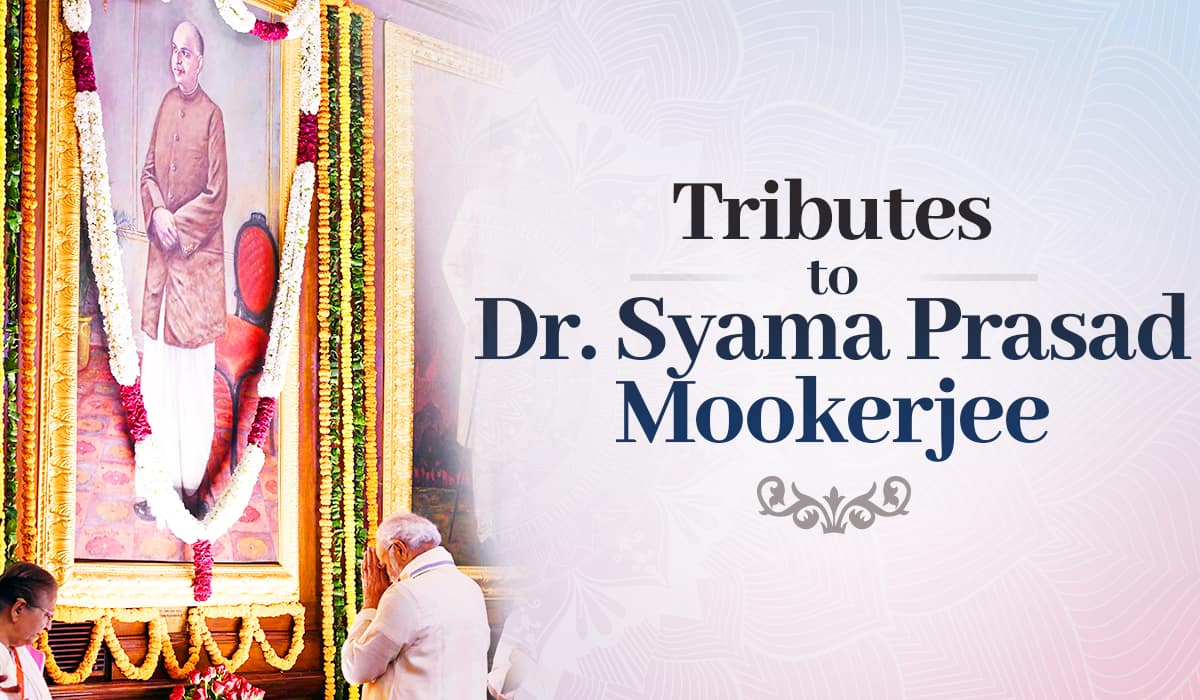
आज सहा जुलै, राष्ट्रवाद आणि निस्वार्थ सेवेचा आदर्श मानणाऱ्या, त्यांची जपणूक करणाऱ्या सर्व लोकांसाठी आजचा दिवस विशेष आहे. आज डॉ. श्यामा प्रसाद मुखर्जी यांची 125वी जयंती आहे. भारत मातेच्या सेवेप्रती कटिबद्धता आणि धैर्य यांचे ते कालातीत मूर्तिमंत उदाहरण आहेत. आधुनिक भारताच्या इतिहासात, असे अगदी कमी लोक आहेत, ज्यांच्यात बुद्धीमत्ता, सार्वजनिक सेवाभाव आणि नैतिक दृढनिश्चय यांचा संगम आढळतो, डॉ. श्यामा प्रसाद मुखर्जी त्यांच्यापैकीच एक आहेत.
श्यामाप्रसाद मुखर्जी यांचा जन्म अशा परिस्थितीत झाला होता, जिथे, त्यांना सहज एक आरामदायी आणि सुरक्षित आयुष्य मिळू शकले असते. त्यांचे पिता, सर आशुतोष मुखर्जी, त्या काळातील एक आघाडीचे शिक्षणतज्ज्ञ आणि प्रखर बुद्धिवादी होते. नियतीने त्यांना, एक अत्यंत उच्चभ्रू, सुखासीन आयुष्य दिले असले, तरी त्यांच्यातील विवेकाने, त्यांना देशसेवा आणि त्यागाचा मार्ग दाखवला. त्या काळातील अत्यंत अस्थिर परिस्थितीत आपण केवळ बघ्याची भूमिका घेऊ शकत नाही, असा कौल त्यांच्या मनाने त्यांना दिला. मग ती वसाहतवादी शक्तींशी लढाई असो, जातीवाद, धर्मभेद किंवा मग मानवतेसमोरची आव्हाने असोत, अथवा इतर काही. त्यांच्या या प्रवासात त्यांना वैयक्तिक आयुष्यात अनेक संकटे, दु:खाचा सामना करावा लागला, यात अगदी त्यांचं बाळ आणि नंतर त्यांच्या पत्नीचे झालेले देहावसान, अशा अपार दु:खाच्या प्रसंगांचा त्यांना सामना करावा लागला. मात्र अशा सगळ्या दु:खांनी, त्यांचा दृढनिश्चय अधिक वाढवला आणि देशाची सेवा करण्याची कटिबद्धता अधिक दृढ केली.
डॉ. श्यामा प्रसाद मुखर्जी यांच्या सार्वजनिक जीवनातील एक आदर्श, जो या सगळ्या गुणांच्या वर होता, असे सांगायचे झाले, तर तो आदर्श गुण ठरेल, अखंड भारताप्रती त्यांची निष्ठा! फाळणीच्या गदारोळात, हिंसाचारातही, पश्चिम बंगाल हा भारताचा अविभाज्य घटक राहील, यासाठी ते पाय घट्ट रोवून उभे राहिले. काही वर्षांनी, त्यांच्या याच अखंडतेच्या ध्यासाने, ते जम्मू आणि काश्मीरला गेले. तिथे झालेला तुरुंगवास ही त्यांना त्यांच्या ध्येयापासून परावृत्त करु शकला नाही. मात्र, याच तुरुंगवासात त्यांचा अकाली मृत्यू झाला. तुरुंगावासात, अशा ठिकाणी..एकटेपणात.. ज्या लाखो लोकांचं आयुष्य त्यांनी स्वतःचे आयुष्य बनवले होते, अशा सगळ्या मोलाच्या माणसांपसून दूर. इतिहासात असे काही क्षण येतात, जेव्हा एखाद्या व्यक्तीच्या सर्वोच्च बलिदानामुळे ती व्यक्ती राजकारणाच्या पलीकडे जाते आणि त्यांचे कर्तव्य, एका राष्ट्रीय स्मृती ठरतात. आचार्य विनोबा भावे एकदा असे म्हणाले होते की, ज्या तत्वावर श्यामाप्रसाद मुखर्जी यांचा दृढविश्वास होता, त्यासाठी त्यांनी आपल्या स्वतःचे बलिदान दिले. या घटनेनंतर अनेक वर्षांनी, कलम 370 आणि अनुच्छेद 35 (अ) हटवणे (2019 चा कायदा), ही त्यांच्या बलिदानाला दिलेली सर्वोच्च मानवंदना होती.
डॉ. मुखर्जी यांनी, कायमच भारताला आणि भारतीय मूल्यांना प्रथमस्थानी ठेवले. त्यासाठी त्यांनी त्या काळातील प्रचलित विचारसरणींना छेद देणाऱ्या संस्था उभारून आणि सक्षम व्यवस्था घडवून हे सिद्ध केले. ते कलकत्ता विद्यापीठाचे सर्वांत तरुण कुलगुरू बनले. आपल्या वैशिष्ट्यपूर्ण कार्यशैलीद्वारे त्यांनी देशभक्तीची प्रेरणा देणारे आणि भविष्याची दृष्टी असलेले सकारात्मक बदल घडवून आणले. शिक्षणतज्ज्ञांच्या एका परिषदेला संबोधित करताना डॉ. मुखर्जी यांनी अतिशय समर्पक शब्दांत म्हटले होते की, शैक्षणिक संस्थांकडे संभाव्य कारकून आणि अल्प वेतनावर काम करणारे कर्मचारी तयार करणारे कारखाने म्हणून पाहणे चुकीचे आहे. नगरपालिका, प्रांतीय आणि केंद्रीय विधिमंडळे यांसारख्या आपल्या स्वशासित संस्थांना नेतृत्व देण्यास सक्षम असलेले, तसेच वित्तीय, व्यापारी आणि औद्योगिक अशा जीवनाच्या विविध क्षेत्रांतील कामकाजाचे संचालन करू शकणारे विद्यार्थी घडविणे आवश्यक आहे.
त्यांच्या नेतृत्वाखाली कलकत्ता विद्यापीठाने ग्रंथालयाच्या पायाभूत सुविधांमध्ये सुधारणा करणे, विज्ञान विषयातील संशोधनाला चालना देणे, पुरावस्तूंच्या अध्ययनाला प्रोत्साहन देणे तसेच कृषी विषयातील अभ्यासक्रम सुरू करणे, अशा अनेक वैशिष्ट्यपूर्ण उपक्रमांची अंमलबजावणी केली. त्यांनी क्रीडा, शिक्षक प्रशिक्षण आणि विद्यार्थी कल्याण यांसारख्या क्षेत्रांकडेही विशेष लक्ष वेधले. विद्यार्थी आणि माजी विद्यार्थ्यांमध्ये विद्यापीठाबद्दल अभिमानाची भावना निर्माण व्हावी, यासाठी त्यांनी 24 जानेवारी हा दिवस विद्यापीठाचा स्थापना दिन म्हणून साजरा करण्याची परंपरा सुरू केली. विद्यापीठासाठी गीत रचण्याची विनंती त्यांनी थेट गुरुदेव रवींद्रनाथ टागोर यांनाच केली होती.
त्यांच्या आयुष्याच्या उत्तरार्धात त्यांनी भारतीय जनसंघाची स्थापना करण्याचा निर्णय घेतला, त्यातूनही हीच भावना दिसून येते. त्या काळात काँग्रेस पक्षाचे सगळीकडे वर्चस्व असताना, भारताच्या प्रगतीसाठी आपल्या सांस्कृतिक मुळांशी जोडलेले राहून पर्यायी आवाज उभा राहणे अधिक आवश्यक असल्याचे त्यांना वाटत होते. कदाचित म्हणूनच त्या पक्षाचे निवडणूक चिन्ह मातीचा दिवा होते. एक दिवा दिसायला साधा वाटू शकतो; मात्र स्वतःच्या मर्यादेपेक्षा कितीतरी अधिक अंधार दूर करण्याची क्षमता त्याच्यामध्ये असते. जनसंघाने आपल्या कार्यरत असलेल्या काळात आणि त्यानंतरही नेमके हेच कार्य केले.
भारताचे पहिले उद्योग आणि पुरवठा मंत्री म्हणून डॉ. श्यामाप्रसाद मुखर्जी यांचा कार्यकाळ हा विकासाविषयी अत्यंत व्यापक आणि मानवतावादी दृष्टिकोन असलेल्या एका नेत्याचे दर्शन घडवतो. नव्याने स्वतंत्र झालेल्या राष्ट्राचा सन्मान, संधी आणि आत्मविश्वास पुनर्स्थापित करण्याचे साधन म्हणून त्यांनी उद्योगांकडे पाहिले. संपत्तीची निर्मिती आणि मूल्यवर्धन यांचा त्यांनी आदर केला. दामोदर व्हॅली कॉर्पोरेशन, सिंद्री खत प्रकल्प आणि भक्कम औद्योगिक धोरण यांसारख्या अग्रणी उपक्रमांद्वारे आधुनिक औद्योगिक भारताचा पाया रचत असतानाच, भारताच्या पारंपरिक सामर्थ्याकडे दुर्लक्ष होणार नाही, याचीही त्यांनी खात्री केली. हातमाग, कुटीर उद्योग, कारागीर आणि वस्त्रोद्योगातील कामगार यांनाही त्यांच्यामध्ये तितकाच कटिबद्ध पुरस्कर्ता लाभला.
याठिकाणी मला एक वैयक्तिक अनुभव सांगायचा आहे. आत्मनिर्भरतेच्या स्पष्ट दृष्टिकोनातून डॉ. मुखर्जी यांनी प्रयत्नपूर्वक उभारलेल्या सिंद्री खत प्रकल्पाकडे अनेक दशके देशाचे नेतृत्व करणाऱ्यांनी दुर्लक्ष केले. मला याचा अभिमान वाटतो की, आमच्या सरकारला या परंपरेच्या पुनरुज्जीवनात योगदान देण्याची संधी मिळाली. त्या कार्यक्रमात उपस्थित राहणे हा खरोखरच सर्वात विशेष क्षणांपैकी एक होता.
भारताच्या सांस्कृतिक परंपरेने फार पूर्वीपासून संवाद आणि चर्चांना महत्त्व दिले आहे. डॉ. मुखर्जी यांनी याच लोकशाही मूल्यांचे प्रतिनिधित्व केले होते. सुरुवातीच्या काळात राष्ट्र उभारणीचे कार्य राजकीय मतभेदांच्या पलीकडचे आहे, असा विश्वास बाळगून ते पंडित नेहरूंच्या मंत्रिमंडळात सामील झाले. त्यांनी प्रामाणिकपणे आणि विधायक भावनेने काम केले; परंतु जेव्हा त्यांना वाटले की राष्ट्रीय महत्त्वाच्या प्रश्नांसाठी वेगळ्या मार्गाची आवश्यकता आहे, तेव्हा त्यांनी सन्मानाने पदाचा त्याग केला आणि राष्ट्राला आवश्यक असलेल्या राजकीय कार्यासाठी स्वतःला पूर्णपणे वाहून घेतले.
75 वर्षांपूर्वी, पंडित नेहरूंनी पहिले घटनादुरुस्ती विधेयक आणले, जे अभिव्यक्ती स्वातंत्र्यावर थेट आघात करणारे होते. डॉ. मुखर्जी हे त्याच्या सर्वात कट्टर विरोधकांपैकी एक होते. काँग्रेस काय करू शकते, याची त्यांना पूर्ण जाणीव होती. आणि पुढील घडामोडींनी त्यांची भूमिका योग्य असल्याचे सिद्ध केले. ज्यांनी 75 वर्षांपूर्वी पहिले घटनादुरुस्ती विधेयक आणले, त्यांनीच 1975 मध्ये आणीबाणी लादली आणि त्यानंतर 50 वर्षांपूर्वी 42वी घटनादुरुस्ती करून उदारमतवादी लोकशाही मूल्यांच्या मुळावरच घाव घातला.
डॉ. मुखर्जी त्यांचा मानवतावादी कार्यासाठीही ओळखले जातात. 1943 मध्ये जेव्हा बंगालमध्ये भीषण दुष्काळ पडला, तेव्हा डॉ. मुखर्जींनी स्वतःला पीडितांच्या सेवेत झोकून दिले. लोकांना अन्न मिळावे, यासाठी त्यांनी अनेक उपहारगृहे आणि मदत केंद्रे उघडली जातील याची खात्री केली. एकीकडे ते आपल्या लोकांच्या दुर्दशेने अत्यंत व्यथित झाले होते, तर दुसरीकडे वसाहतवादी शासकांच्या असंवेदनशीलतेमुळे ते व्यथित झाले होते. त्यांनी ‘पंचशेर मनवंतर’ नावाचे एक पुस्तकही लिहिले, ज्यात त्यांनी आपली व्यथा मांडली. 1942 मध्ये जेव्हा मेदिनीपूरला महाचक्रीवादळाचा तडाखा बसला, तेव्हा परिस्थिती पूर्ववत करण्यासाठी त्यांनी केलेल्या प्रयत्नांची सर्वत्र प्रशंसा झाली.
कोलकाता येथील एका महाविद्यालयात बोलताना डॉ. मुखर्जी यांनी तरुणांना आवाहन केले, “तुम्ही जे काही काम हाती घ्याल, ते गांभीर्याने, सखोलपणे आणि उत्तमरित्या करा; ते कधीही अर्धवट किंवा अपूर्ण सोडू नका, आणि जोपर्यंत तुम्ही तुमचे सर्वोत्तम योगदान देत नाही, तोपर्यंत समाधानी राहू नका.”
भारत देश ‘विकसित भारता’च्या ध्येयाकडे वाटचाल करत असताना, त्यांनी ज्या मजबूत, एकसंध, आत्मविश्वासी आणि करुणामय भारतावर दृढ विश्वास ठेवला होता, तो घडवण्यासाठी दररोज प्रयत्न करणे, हीच त्यांच्या स्मृतीला वाहीलेली सर्वोत्तम आदरांजली आहे. आजच्या तरुण पिढीवर माझा पूर्ण विश्वास आहे की ते या आवाहनाला समर्थन देतील.