"You have also seen that due to the wrong policies of the past, many villages of Uttarakhand were deserted. There was a lack of roads, electricity, water, education, medicine, income, everything and due to this lack of amenities, people had to leave their homes. Now the circumstances are changing. As new opportunities and new facilities are being developed in Uttarakhand, many friends have started returning to their villages."
-PM Narendra Modi, At Pithoragarh, Uttarakhand
Uttarakhand, popularly known as Devbhumi, is one of India's most popular tourist destinations and a hub for pilgrimage. The state is naturally endowed with picturesque views and is heaven for nature lovers. Be it Jim Corbett National Park or Char Dham, Rishikesh, Valley of Flowers, Nainital, and Ranikhet, Uttarakhand is a region of spiritual enlightenment and a favoured destination for tourists. The state has been in the news lately for a good cause. Under the double-engine government led by PM Modi, Uttarakhand is showered with an infrastructure push leading to increasing tourism and expanding the circular economy. Uttarakhand is receiving the attention it deserves. The state is witnessing an all-inclusive growth coupled with cultural resurgence.
The focus on infrastructure development has been one of the main goals of the Modi-led government in Uttarakhand. The state has made substantial investments to improve electrical infrastructure, enhance digital connectivity, and upgrade road and rail connectivity. The development of the Delhi-Dehradun Economic Corridor, the Rishikesh-Karnaprayag Rail Project, and the Char Dham Highway Development Programme are just a few of the initiatives that have been instrumental in enhancing connectivity and promoting economic growth in Uttarakhand. The state was connected with the Vande Bharat Network in May 2023, with the inauguration of the Vande Bharat Express from Dehradun to Delhi by PM Narendra Modi. Moreover, Uttarakhand is now 100% electric traction. The state has seen a significant thrust in air connectivity under the UDAN scheme. Uttarakhand is marked as a priority area under UDAN. Furthermore, Pantnagar, Pithoragarh, Sahastradhara, Chinyalisaur, Gaucher, New Tehri, Haldwani, Almora and Srinagar have been developed/revived under the "Revival/upgradation of unserved and underserved airports/heliports/water aerodromes" with an expenditure of Rs. 37.82 crore until February 28, 2023. UDAN flights have already begun operating from these aerodromes.
The government under PM Modi has made it a top priority to protect Uttarakhand's pristine environment and diverse ecosystem. Like the Namami Gange, the Modi government Program seeks to restore rivers, conserve forests, and advance sustainable development in the region. In addition, measures have been taken to safeguard the people of Uttrakhand from natural disasters by deploying early warning systems and developing flood-resilient buildings. In September 2020, as part of the Namami Gange initiative, six significant projects were inaugurated in Uttarakhand to cleanse and maintain continuous flow in the river Ganga.
Uttarakhand has an abundance of potential for the growth of tourism because of its natural beauty and spiritual significance. With programmes like the Swadesh Darshan and PRASHAD projects, the government has made a significant effort to promote tourism in the region. Under the PRASHAD scheme, three major development projects of tourist destinations have been identified and allocated more than Rs. 145 crore. These projects have improved the amenities and infrastructure of popular tourist spots like Rishikesh, Haridwar, and Nainital, drawing domestic and foreign visitors to Uttarakhand. With a surge in domestic travel interest, the Uttarakhand Tourism Development Board foresee a twofold increase in tourist arrivals to the state, from 39.2 million visitors in 2018-19 to 74 million by the conclusion of FY24.
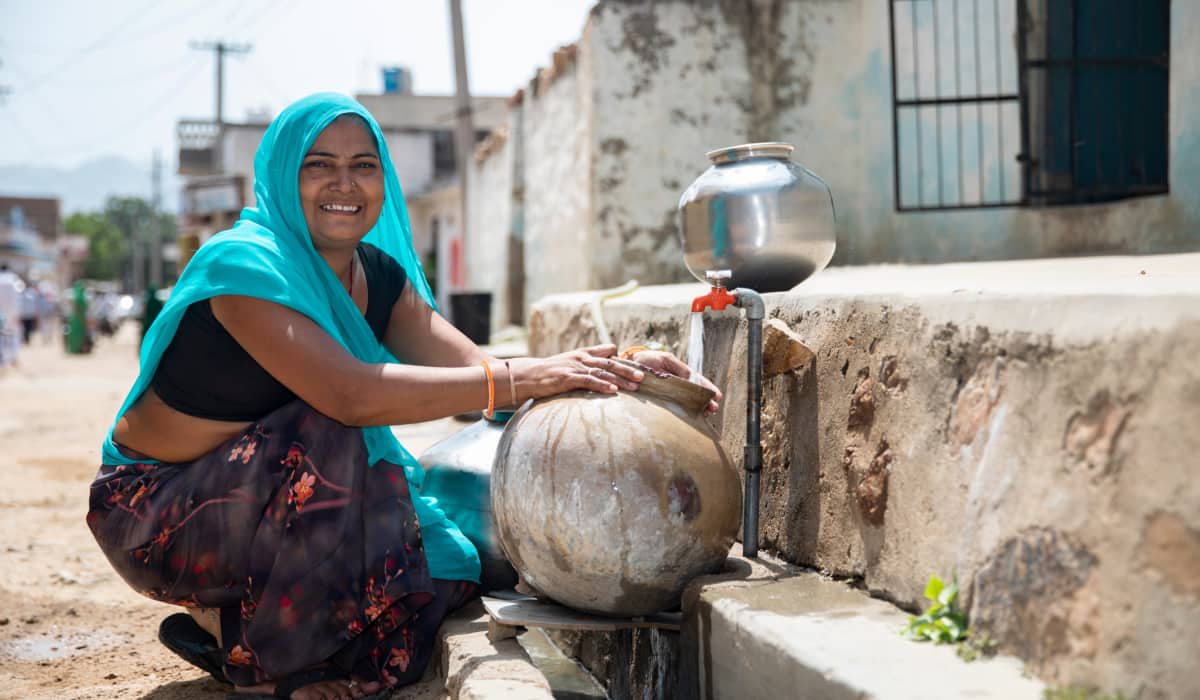
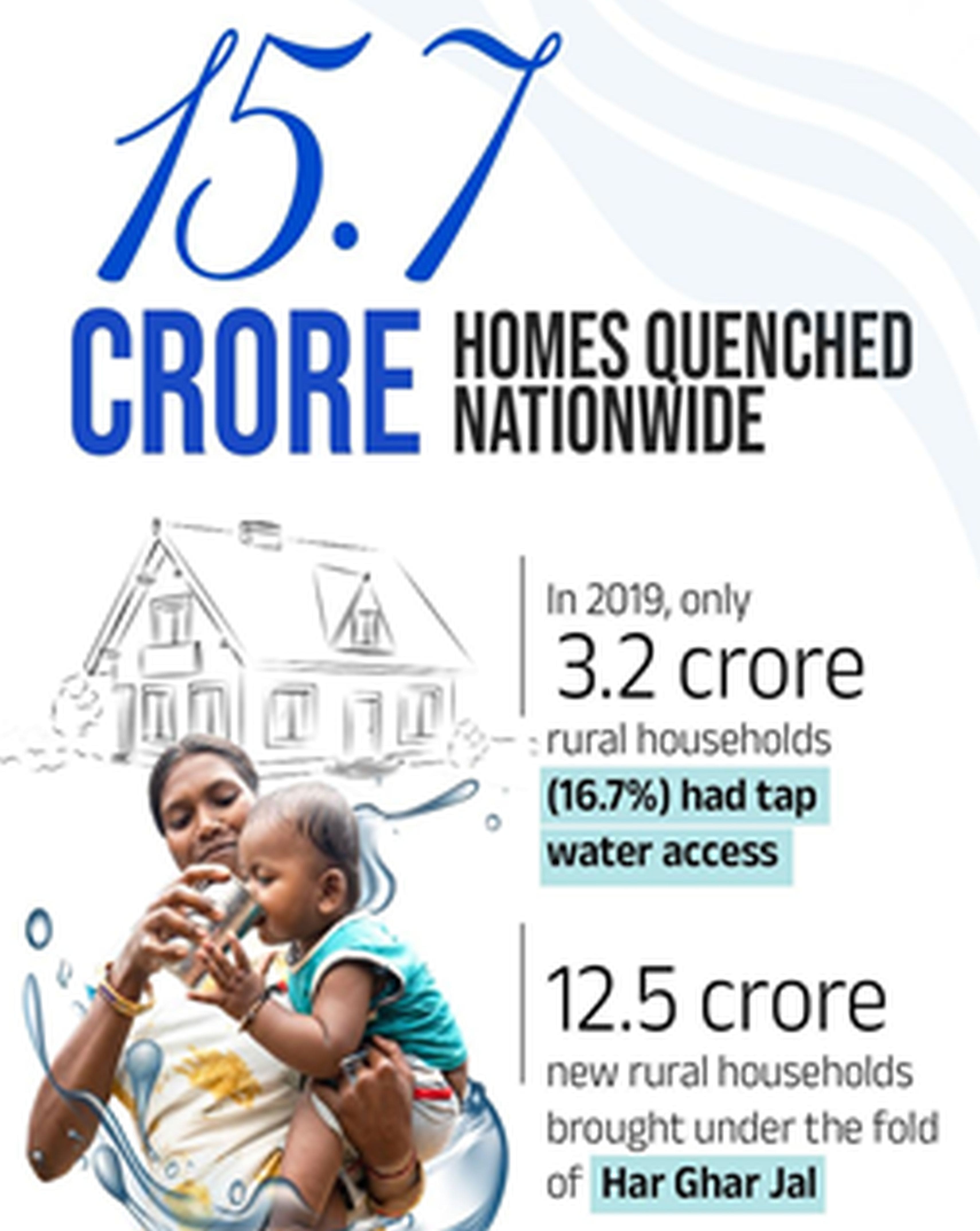
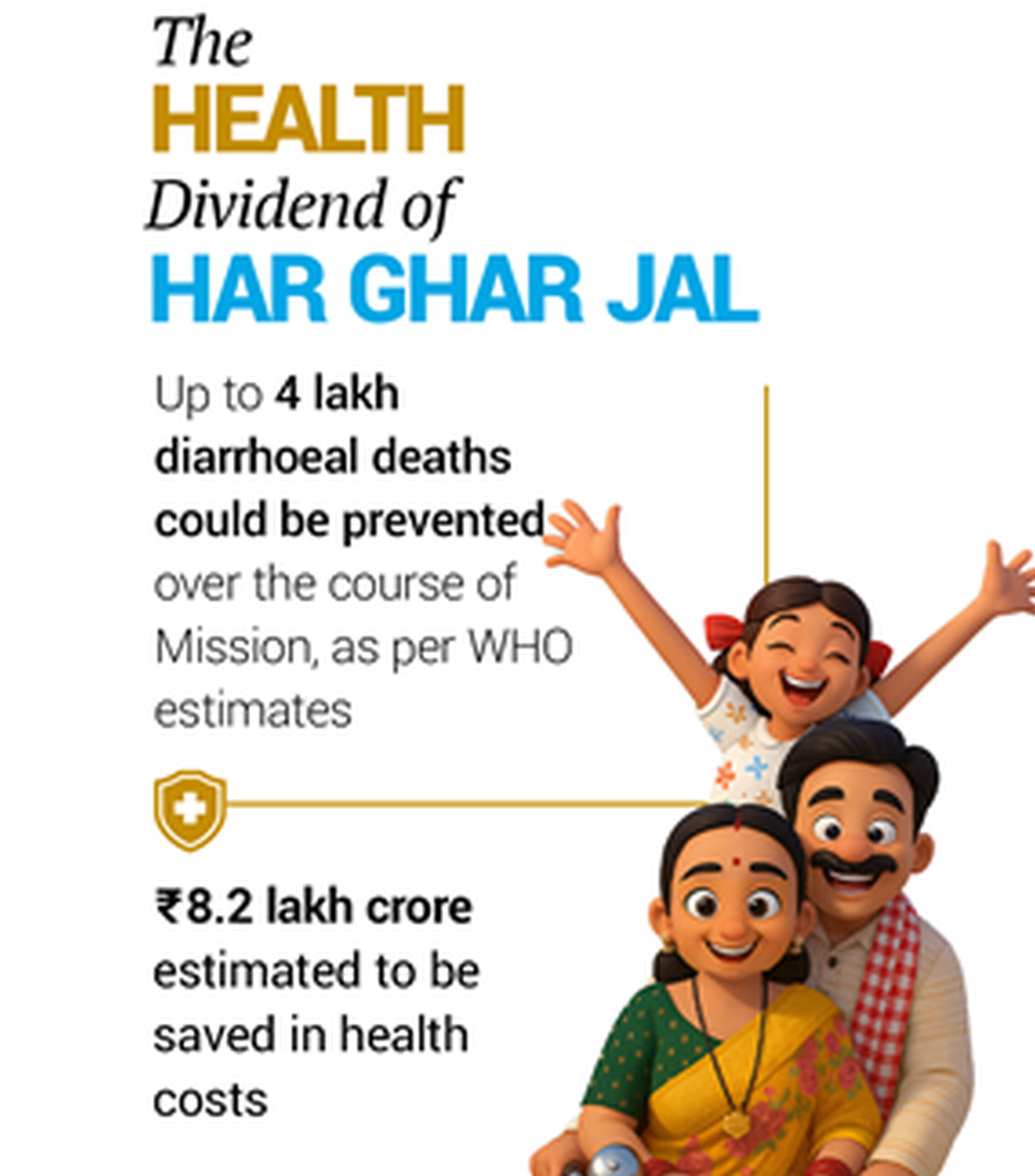
Along with promoting the state's unique culture, the double-engine government in Uttarakhand is committed to the upliftment of everyone. Many central government schemes have shown wider acceptance and success in the state. Under Jal Jeevan Mission, more than 12 lakh households have been connected to tap water for the first time since its launch in 2019.
Under PMAY-G, over 69 thousand houses are sanctioned in the state. Regarding financial inclusion, the Mudra Scheme has facilitated over 25.32 lakh loans in Uttarakhand, with a disbursed amount totalling Rs. 21,426.12 crore as of February 2023. Similarly, the state has seen a big boost to the healthcare infrastructure. Under the centrally sponsored scheme, four new medical colleges have been approved since 2014. Moreover, under the aegis of Ayushman Bharat, over 65 lakh Ayushman Bharat Health Accounts (ABHA) were created. From house to health, the government led by PM Modi has ensured that the people of Uttarakhand prosper.
Due to the holistic efforts of the government, Uttarakhand is on the verge of becoming a magnet for investments and a favourable destination for future businesses across the nation. In 2020, the Export Preparedness Rankings placed Uttarakhand top among the Himalayan states, having increased its exports in the previous five years. With more avenues opening up and more investments and capital flowing in the state, the day is not far away when once touted as inaccessible and seemingly closed for businesses and economic activities, the state will flourish with employment and economic prospects. From 2020-21 to August 2023, over 11 lakh persons have been employed in MSMEs as per the Udyam Registration Portal. Another step in this direction is evident with the recently organised 'Uttarakhand Global Investors Summit 2023', aimed at positioning Uttarakhand as a premier investment hub. With all these initiatives, Uttarakhand is witnessing both development and divinity together.
The government led by Prime Minister Narendra Modi has played a pivotal role in propelling development and bringing cultural resurgence to Uttarakhand. Notable strides have been made in improving Uttarakhand's infrastructure, boosting tourism, protecting the environment, and maintaining its cultural legacy through deliberate investments, legislative changes, and cooperative efforts with the local government and people. The effects of these measures are anticipated to support Uttarakhand's growth and prosperity in the years to come as the state progresses in its development trajectory.