Published By : Admin |
September 5, 2014 | 23:20 IST
Share
Your Excellency, Prime Minister Tony Abbott Friends from the Media
I am delighted to welcome Prime Minister Tony Abbott to India. We are fortunate to host him as our government`s first guest on a State Visit to India, because we consider Australia to be a very important strategic partner and we wish to deepen our relations further.
India and Australia are peace-loving democratic nations, blessed with great diversity in their societies. We are linked by the Indian Ocean. Australia can make a very important contribution to India`s development. India is a resource-constrained country and can meet a considerable part of its requirements from Australia, a country blessed with abundant natural resources. There are enormous possibilities in the area of manufacturing and infrastructure. In the coming years, India can emerge as a major source of highly skilled human resources.
We have growing cooperation in science, education and skill development. More than 400,000 people of India origin in Australia are making significant contribution to the Australian society and also constitute an effective bridge of friendship between the two countries.
India and Australia must not only work together with a sense of priority to promote peace and prosperity in Asia, Pacific and Indian Ocean Region, but also take on the responsibility of bringing together all other countries in this endeavour.
Prime Minister Abbott and I have had detailed discussions on enhancing our cooperation in all areas of our relationship.
At first, I would like to convey to Prime Minister Abbott the deep sense of gratitude of 1.25 billion people of India for the efforts he has made to bring with him two ancient statues that were stolen from India.
The moment we had conveyed our request for the return of these statues, his government took this decision with great speed. Prime Minister Abbott and the people of Australian have shown enormous respect and regard not only for our ancient treasure, but also for our cultural heritage.
The signing of the civil nuclear cooperation agreement is a historic milestone in our relationship. It is a reflection of a new level of mutual trust and confidence in our relationship and will open a new chapter in our bilateral cooperation. It will support India`s efforts to fuel its growth with clean energy and minimize the carbon footprint of its growth.
Regular and robust dialogue provides a strong foundation for a strong strategic partnership. Prime Minister Abbott and I have decided to enhance our political dialogue and increase our security and defence cooperation, to which we attach great importance in our relationship. We will also enhance exchanges between elected representatives in the Parliament and state assemblies of the two countries.
There has been no prime ministerial visit from India since 1986. I have accepted Prime Minister Abbott`s invitation to pay a bilateral visit to Australia after the G 20 Summit. We will try and meet each other at every available opportunity. We will increase our dialogue at senior officials` level, including in the political, economic and security areas. We will also increase our consultation and coordination in important forums like the Indian Ocean Region Association and East Asia Summit.
We will hold our first bilateral naval exercise in 2015 and intend to enhance our exercises in the coming years. Our two countries can contribute to a variety of objectives in the Indian Ocean Region, including in humanitarian assistance and disaster relief. We will also join together in the commemoration of 100 years of the First World War, in which our soldiers fought together. We will also increase our security cooperation to counter terrorism, cyber threats and other security challenges.
There are vast possibilities for increasing trade and investment cooperation. Prime Minister Abbott has been supportive of Indian investors in Australia and has assured me of speedy clearances for Indian investment proposals in the pipeline. I invited Australian investments into India, including in infrastructure and high technology areas.
We are concerned about the decline in bilateral trade in the last two years. We have committed to an early conclusion of the Comprehensive Economic Cooperation Agreement (CECA).
I am delighted that we are announcing fresh funding for the Australia India Strategic Research Fund, which supports research activities in areas like clean energy, water, health, environment and food processing.
I am pleased that Prime Minister Abbott has announced a new Colombo Plan to increase the flow of Australian students to India. Increase in youth exchanges will deepen mutual understanding and friendship between the two countries.
Prime Minister Abbott has assured me of full cooperation in the area of skill development, which is a priority sector for me. We have also decided to promote cooperation in higher education, especially at the level of universities, to create world class educational opportunities for Indian youth.
Our two countries are bound by shared love for cricket and hockey. Today, I have requested Prime Minister Abbott for cooperation in establishing sports universities in India.
We welcomed the growing people-to-people ties, reflected in the increasing flow of students and tourists between the two countries.
We cooperate with each other in multilateral forums. I thanked Prime Minister Abbott for the continuing Australian support for India`s permanent membership of the United Nations Security Council.
I am keenly looking forward to the G 20 Summit. I am confident that under the leadership of Prime Minister Abbott, G 20 will be able to effectively address the global challenges. I also conveyed to him our best wishes for hosting the 2015 Cricket World Cup.
I am very satisfied with our meeting today. I believe that it will set a new direction in our relationship. I am confident that we will make further progress on our bilateral agenda before the November Summit. I am also confident that Australia will emerge as a strong strategic partner for India a very important part of our Look East Policy.
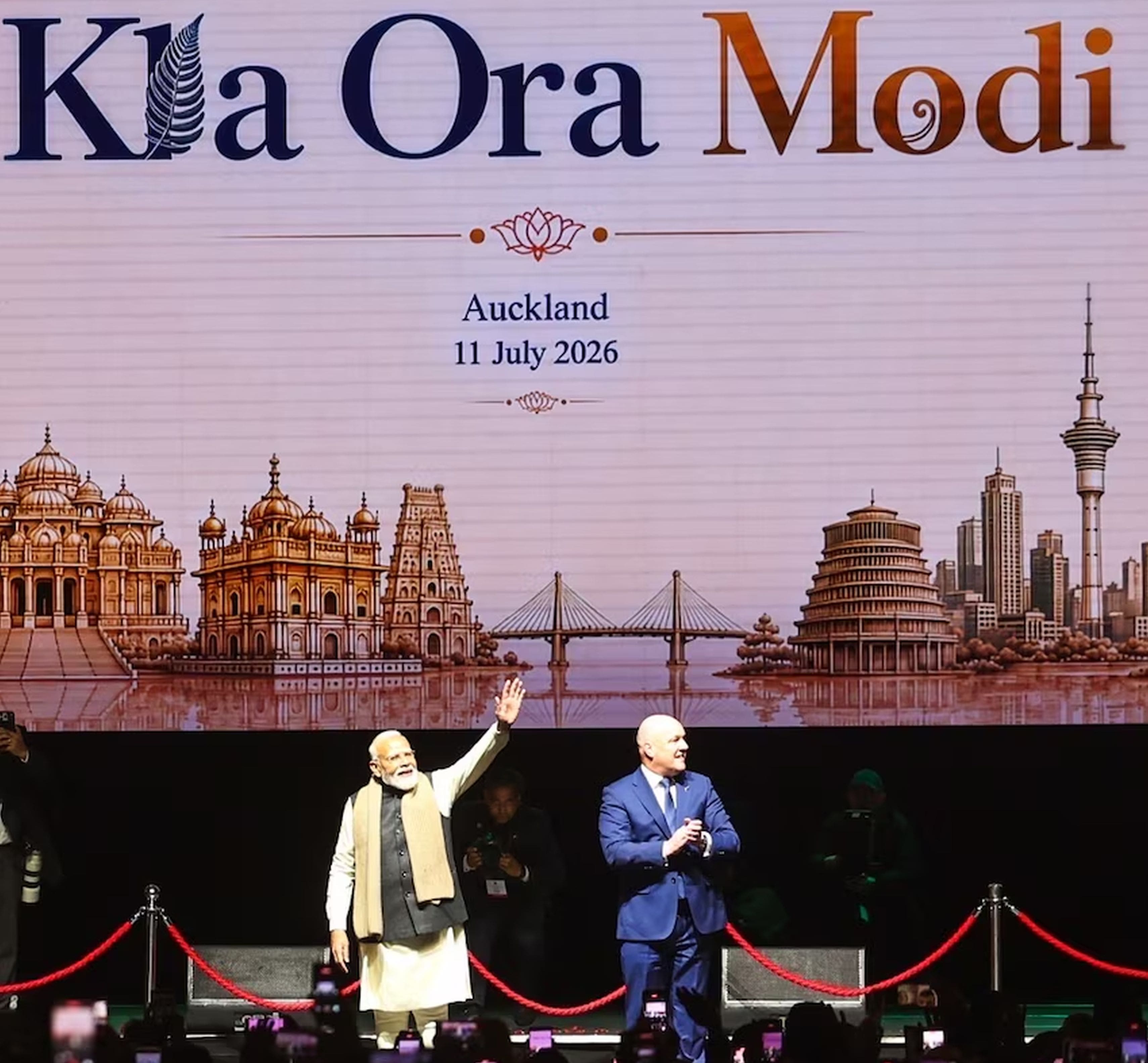
India-New Zealand relationship built on enduring friendship, shared values, common commitment: PM Modi in Auckland
July 11, 2026
Share
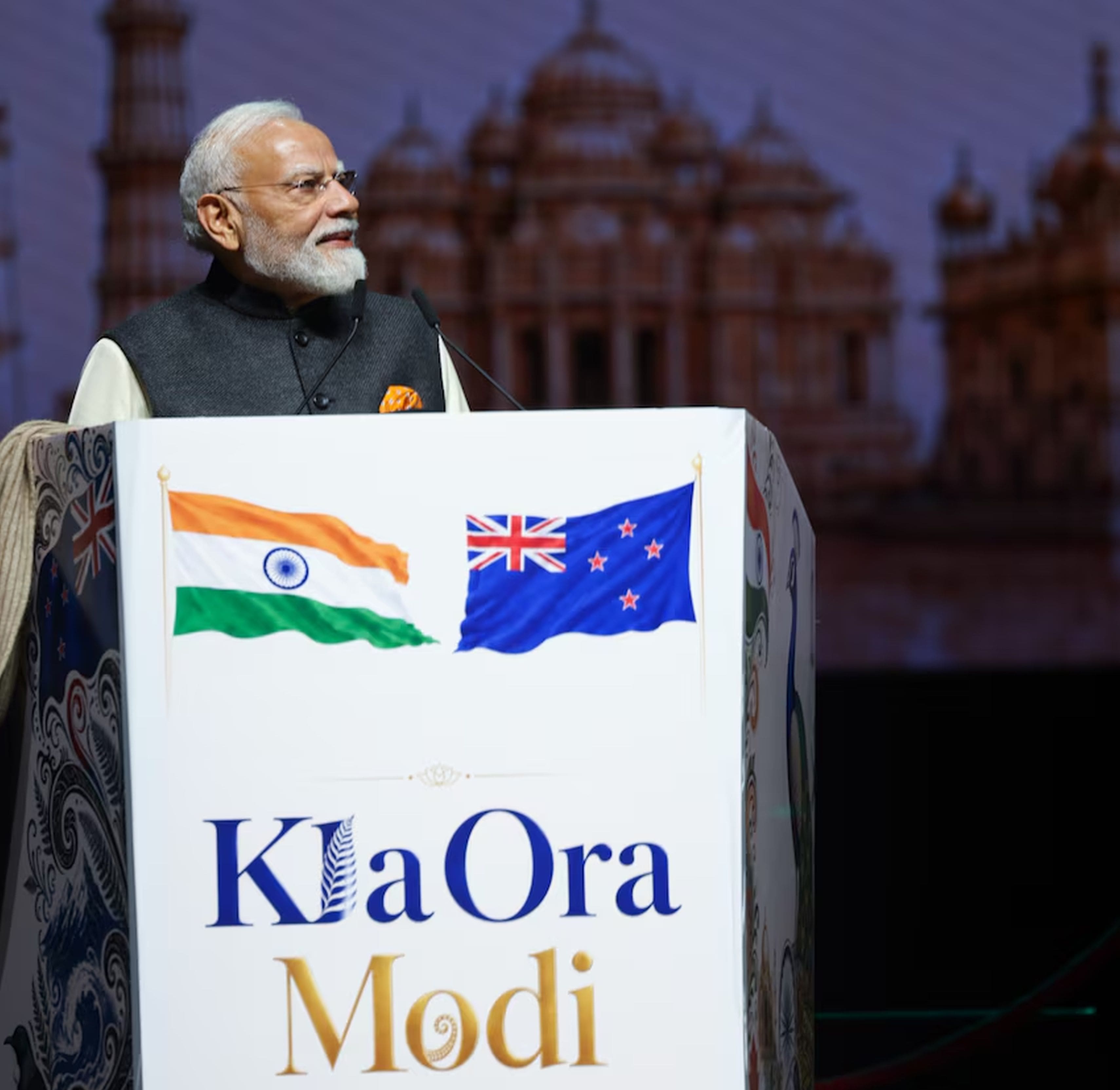
नमस्ते ! की ओरा New Zealand!
हम भारत के लोग सुनते आए थे, 20 साल के बाद। लेकिन आज चालीस साल बाद कोई भारतीय पीएम न्यूज़ीलैंड की धरती पर आया है। ये मेरा सौभाग्य है। मैं न्यूजीलैंड के सभी निवासियों के लिए, आप सभी लोगों के लिए, 140 करोड़ भारतीयों की शुभकामनाएं लेकर आया हूं।
साथियों,
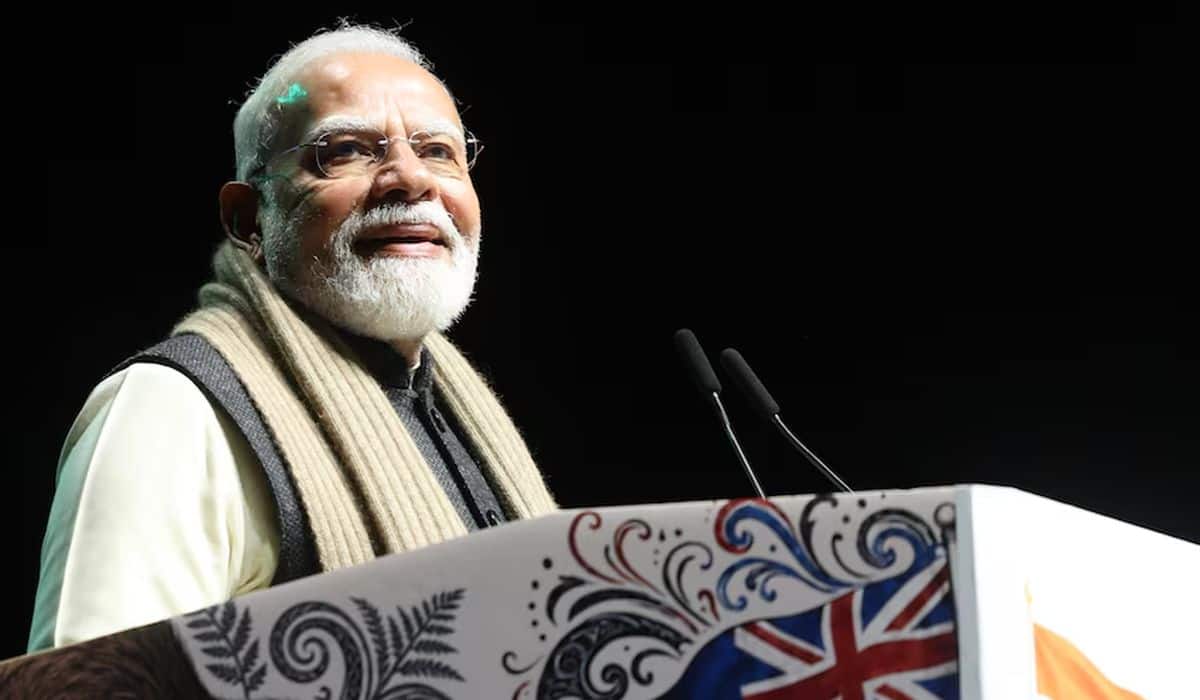
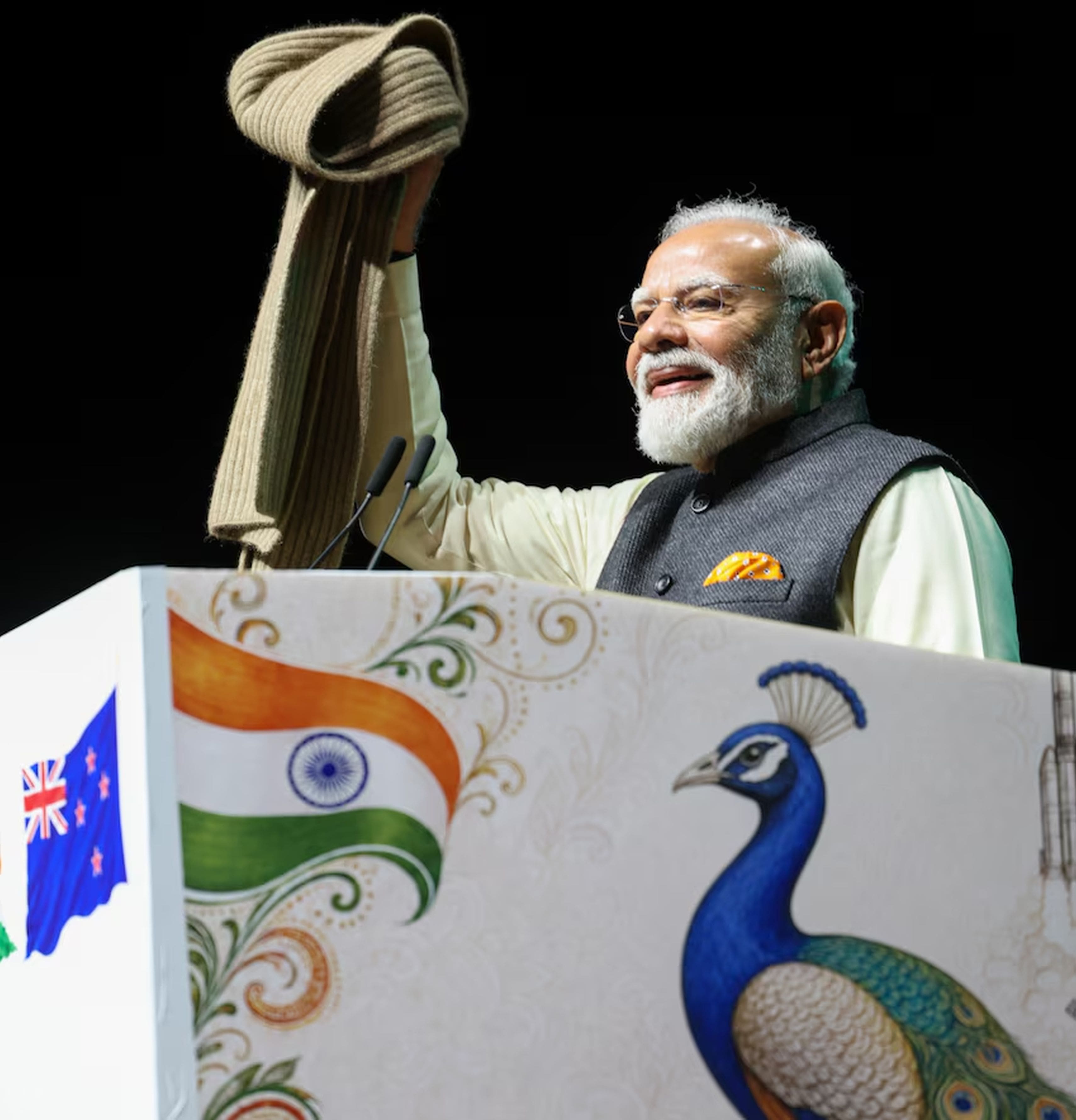
ये प्रधानमंत्री के रूप में भले ही मेरा पहला न्यूज़ीलैंड दौरा है। लेकिन 25-30 साल पहले, जब मैं किसी सरकार में भी हिस्सा नहीं था, सार्वजनिक जीवन में मुझे कोई जानता नहीं था, तब भी मुझे यहां न्यूजीलैंड आने का अवसर मिला था। और उस समय, मुझे किसी ने गिफ्ट में तीन चीजें दी थीं जो मैं वापस इंडिया लेकर के गया था। एक, यह मफ़लर। एक कैप, और एक दस्ताना। क्योंकि ठंड का मौसम था।
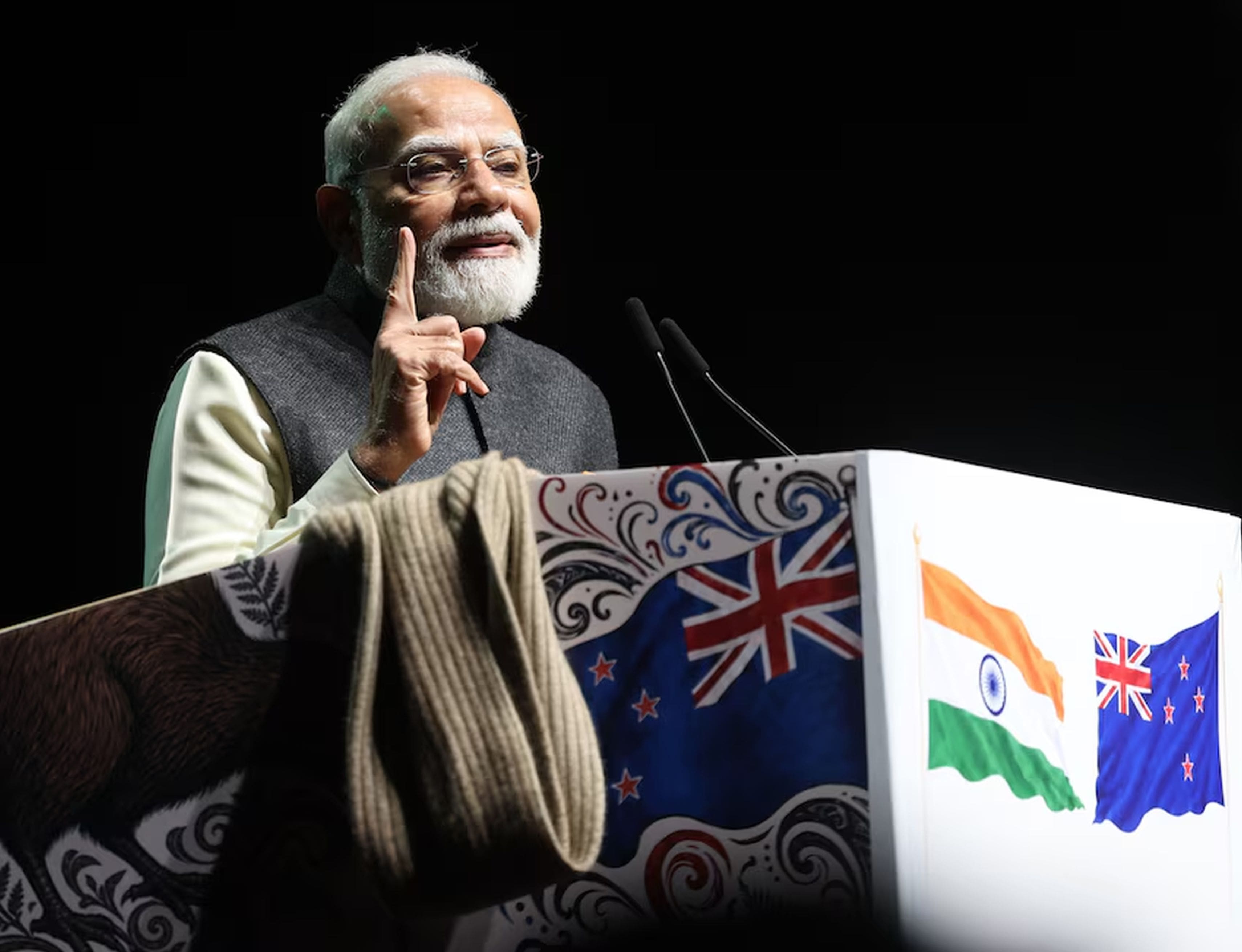
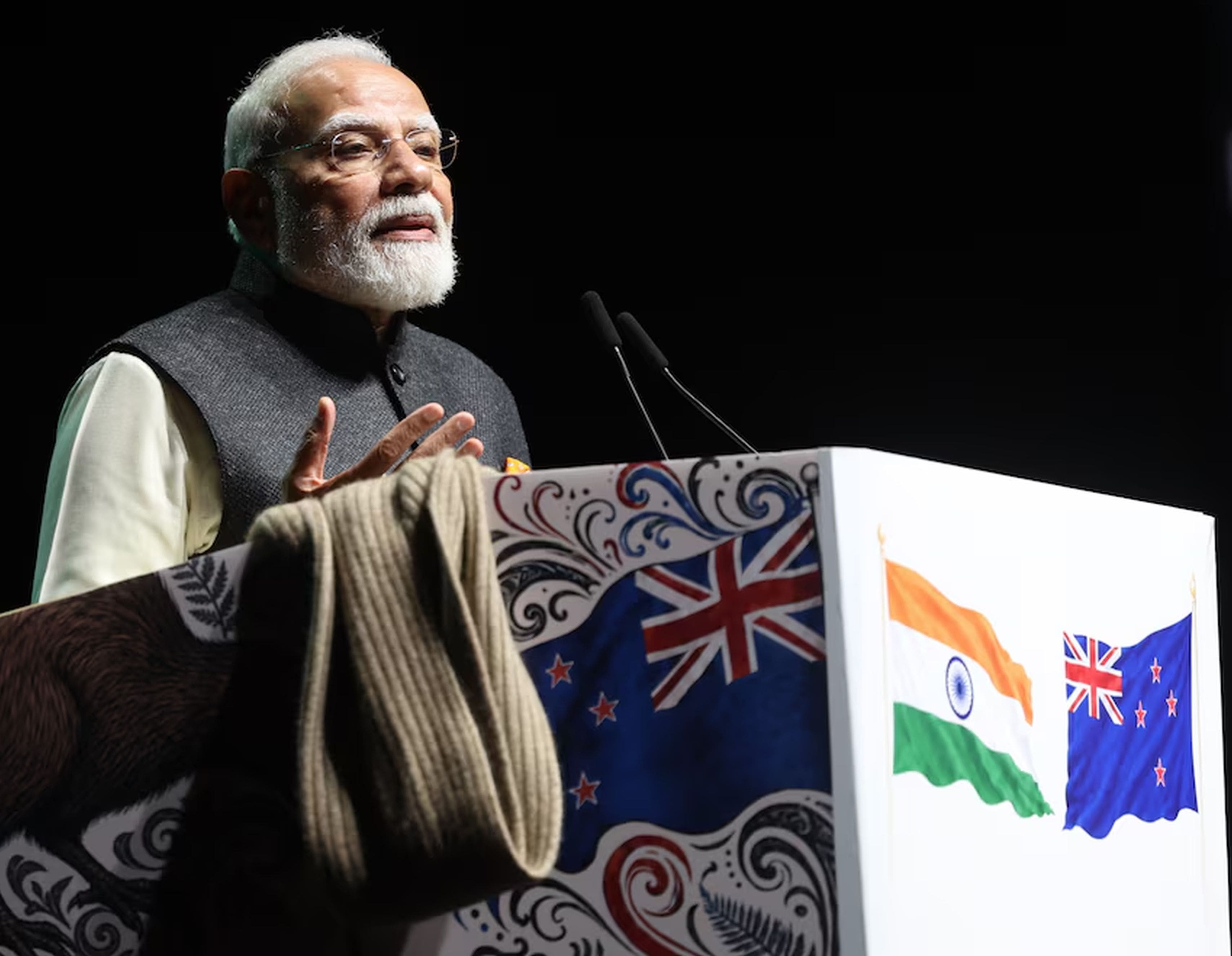
और उसमें से एक चीज़ मैं अभी यहां इस कार्यक्रम में भी लेकर आया हूं। यह मफ़लर जो आप देख रहे हैं, यह 25-30 साल पहले मुझे न्यूजीलैंड के एक साथी ने दिया था। इतने साल में मैंने कई बार इसका उपयोग किया, और आज भी इसे बहुत संभाल कर के रखा है। जैसे आपके प्यार को संभाल के रखता हूं।
इस बार जब मेरा यहां आने का कार्यक्रम बना, तो मैं विशेष तौर पर इसे अपने साथ लेकर के आया क्योंकि खबर थी कि ठंड ज्यादा है।
साथियों,
भारत और न्यूज़ीलैंड के रिश्ते में यादें भी हैं, दोस्ती भी है, वैल्यूज़ भी हैं और एक कमिटमेंट भी है। इस रिश्ते को न्यूज़ीलैंड की एक सुंदर परंपरा अच्छे से डिफाइन करती है। यहाँ सदियों से एक शब्द लोगों को जोड़ता आया है - वाका। वाका सिर्फ़ एक नाव का नाम नहीं है, वाका हमारी शेयर्ड जर्नी की प्रतीक है। और आज भारत-न्यूजीलैंड की यही वाका एक नई यात्रा पर निकलने के लिए तैयार है।
हमारे सामने अवसरों से भरा खुला समुद्र है, हवाएँ हमारे साथ हैं, समंदर की विशाल लहरें हमारे साथ हैं, इच्छाशक्ति का नीला आसमान हमारे साथ है, पाने को काफी कुछ है, और मैं जानता हूं, हम सफल होंगे।
साथियों,
मुझे इस यात्रा की सफलता पर पूरा भरोसा है, जानते हैं क्यों? मोदी नहीं, क्योंकि इसके असली नाविक आप सभी हैं। ऑकलैंड से वेलिंगटन तक, क्राइस्टचर्च से क्वीन्सटाउन तक, न्यूज़ीलैंड के कोने-कोने में फैला भारतीय समुदाय इस शेयर्ड जर्नी का एक नाविक है।
साथियों,
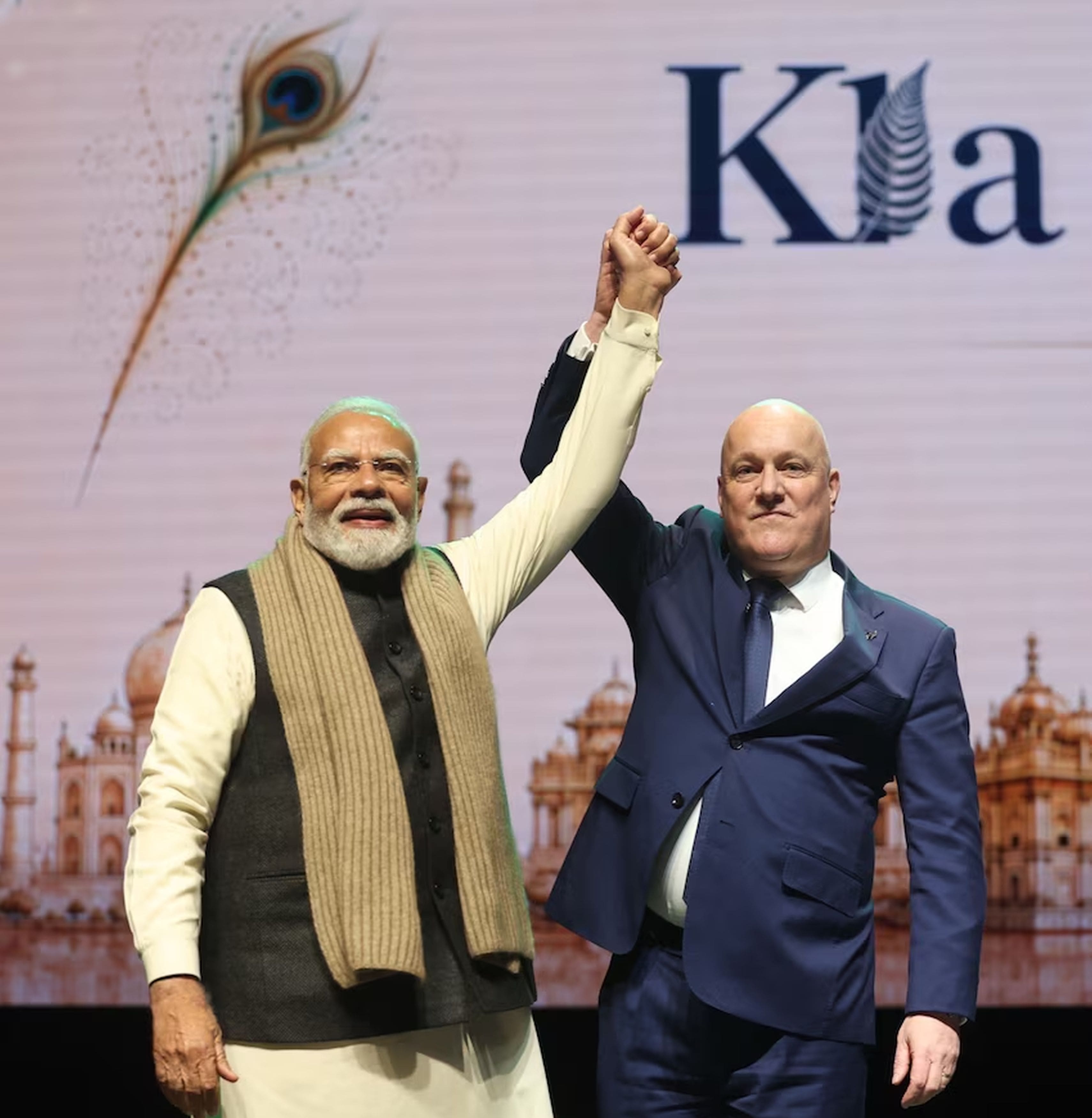
आगे बढ़ने से पहले, मैं अपने मित्र, प्राइम मिनिस्टर क्रिस्टोफर लक्सन, न्यूज़ीलैंड सरकार के सभी साथियों और यहां लेबर पार्टी के मंबर्स का अभिनंदन करूंगा।
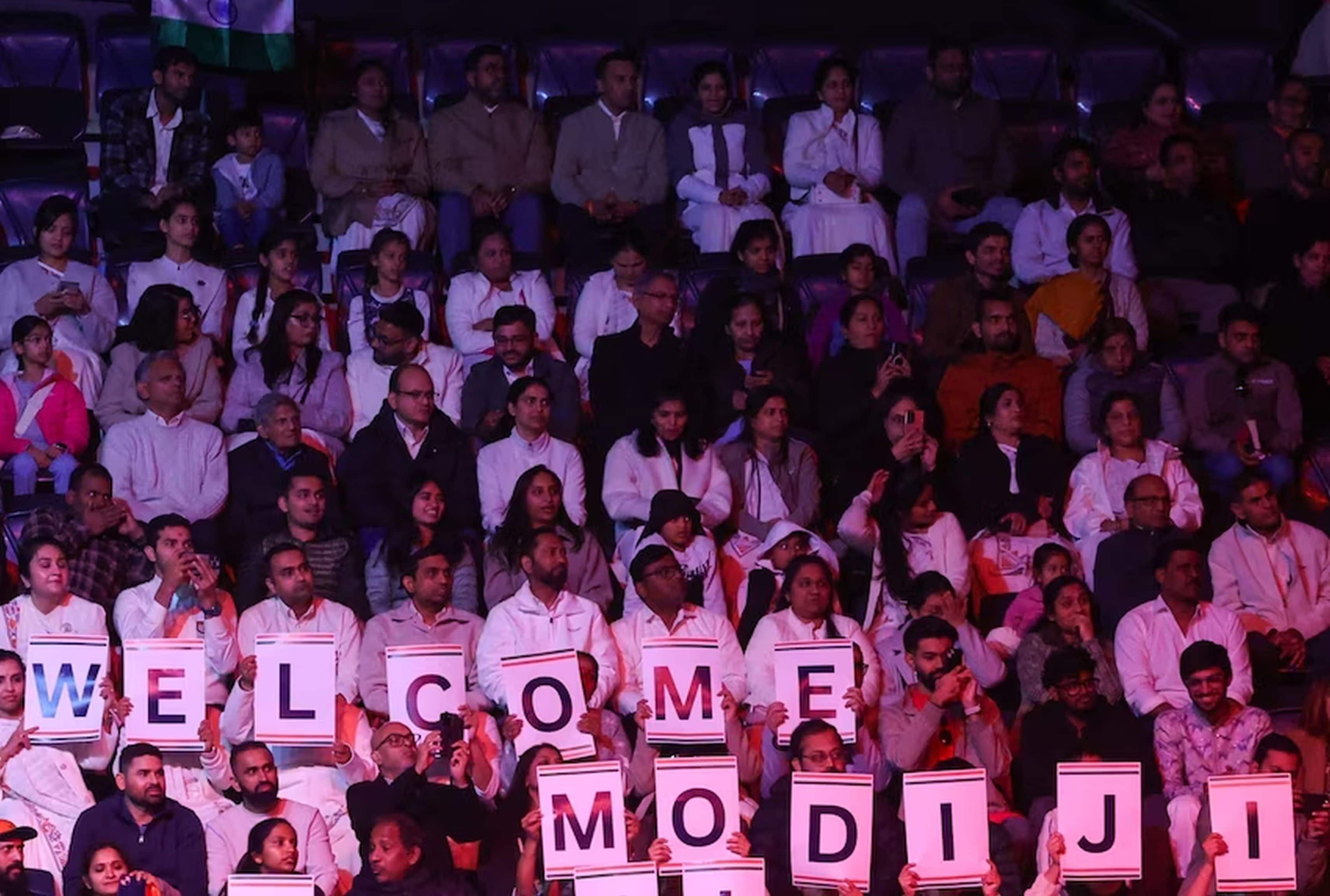
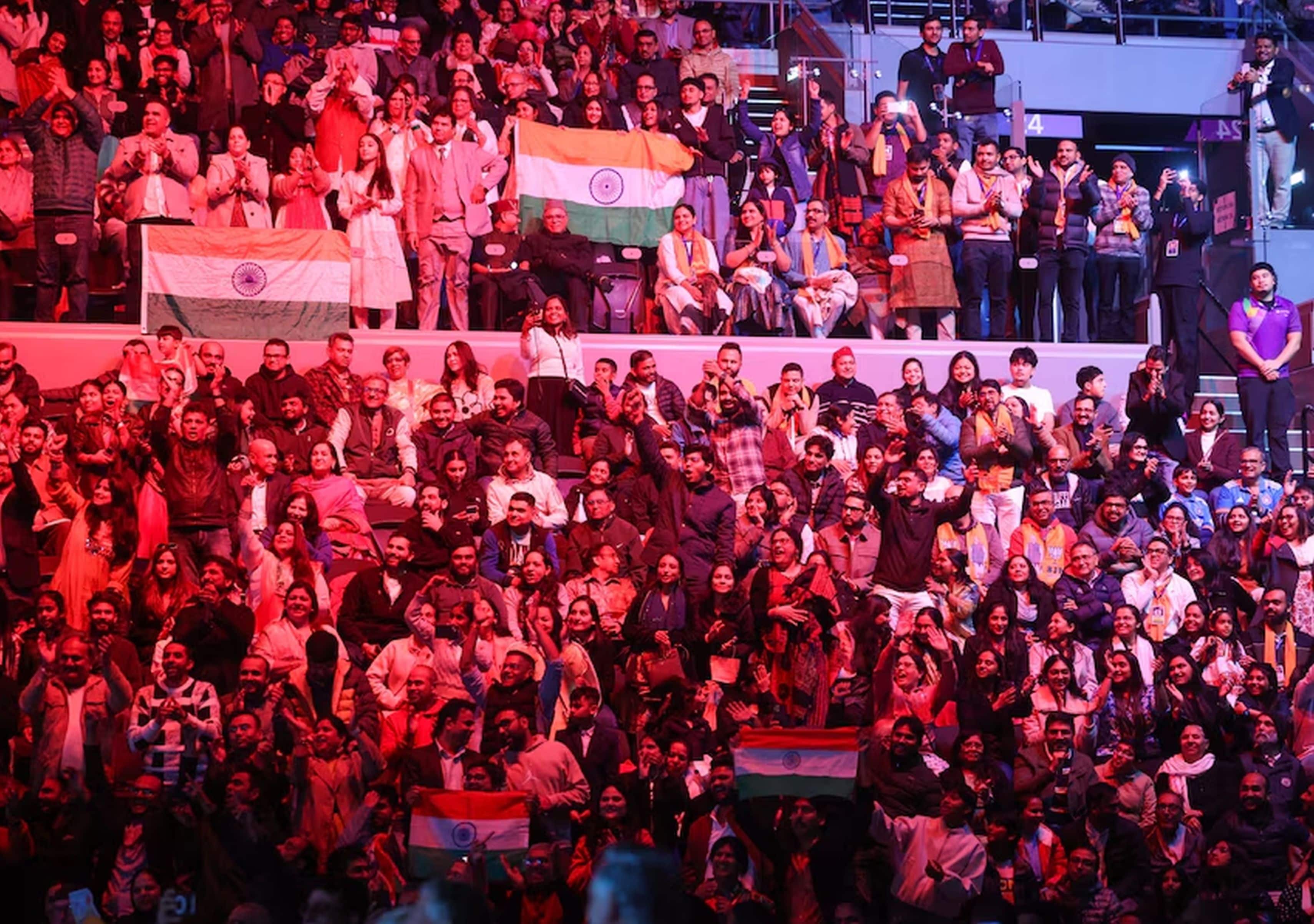
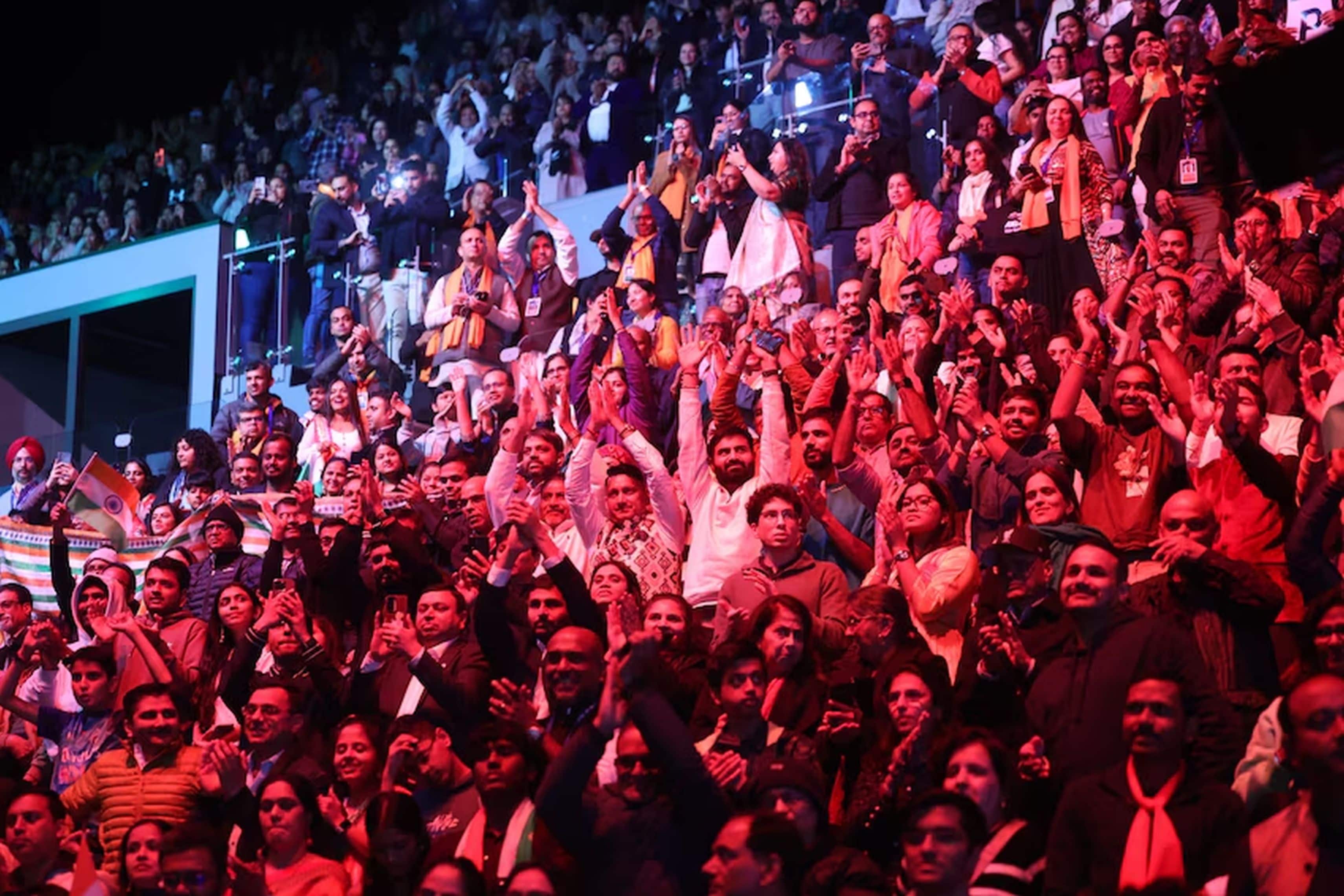
ये दिखाता है कि भारत-न्यूज़ीलैंड रिश्ते को कितना बड़ा बाइ-पार्टिसन सपोर्ट है। इससे ये भी पता चलता है कीवी इंडियन कम्यूनिटी की अचीवमेंट्स आपका कंट्रीब्यूशन कितना बड़ा है। आप यहां आए किवी इंडियन कम्यूनिटी के इस उत्सव का हिस्सा बने इससे ये सेलिब्रेशन और वाइब्रेंट हो गया है।
आपने जिस गर्मजोशी से जिस स्नेह और उत्साह से, आप ने हम सभी का स्वागत किया है मैं आपका बहुत-बहुत आभारी हूं।
वैसे एक्सीलेंसी, किवी इंडियन कम्यूनिटी में भी सुपरहिट हैं। भारत के इंडिपेंडेंस डे पर आपने क्रिस हिपकिंस के साथ मिलकर दमादम मस्त कलंदर गाने पर जो डांस किया वो काफी वायरल हुआ। आपके वो मूव, Kiwi Indians के दिलों में छप गए हैं।
साथियों,
न्यूज़ीलैंड वाकई एक अद्भुत देश है। यहां पीस है, प्रॉसपैरिटी है, नेचर है, कल्चर है, और न्यूज़ीलैंड की असली ताकत, यहां के स्थानीय लोग हैं। न्यूज़ीलैंड के लोगों ने दिखाया है कि कोई देश जब एक जूनून, एक जज्बे के साथ आगे बढ़ता है, तो वो दुनिया को इंस्पायर करता है।
यहां जो किवी इंडियन कम्यूनिटी है, आप सभी को भी न्यूज़ीलैंड के दिलदार लोगों ने बहुत प्रेम से अपनाया है, अपनी टीम का हिस्सा बनाया है। उन्होंने आपके टैलेंट, आपके विजन पर ट्रस्ट किया है। और आज देखिए, न्यूज़ीलैंड की इकॉनॉमी हो, यहां की सोसायटी हो, किवी इंडियन्स नए-नए रंग भर रहे हैं।
न्यूजीलैंड वो जगह है जहां निखिल रविशंकर Air New Zealand के CEO बन सकते हैं। जहां आनंद सत्यानंद गवर्नर जनरल बन सकते हैं जहां क्रिकेट टीम में रचिन रविंद्र, ईश सोढी और एजाज़ पटेल जैसे टैलेंट को अवसर मिल सकता है।
न्यूजीलैंड वो जगह है जहां की सड़कों में भी भारतीय शहरों को सम्मान दिया गया है। कहीं खंडाला है। कहीं बॉम्बे हिल्स हैं। कहीं कोरोमंडल है।
कलकत्ता स्ट्रीट, दिल्ली क्रिसेंट, अमृतसर स्ट्रीट, ऐसे कितने ही नाम हैं। यहां रहते-रहते आप भी पूरे के पूरे Kiwi हो गए हैं। जैसे मुझे बताया गया है कि किसी भी विषय पर बात शुरू कीजिए थोड़ी ही देर में बात मौसम पर पहुँच जाती है!
साथियों,
मैं न्यूज़ीलैंड की लीडरशिप से जब भी मिला हूं, वो आप सभी की बहुत प्रशंसा करते हैं। प्रशंसा आपकी होती है, और माथा मेरा ऊंचा होता है।
साथियों,
आप सभी जानते हैं, कि भारत, हज़ारों वर्षों पुरानी सभ्यता है जो आज अपनी प्राचीनता को सहेजते हुए आधुनिकता को स्वीकार कर रहा है। हर युग में हर दौर में भारत ने खुद को ट्रांसफॉर्म किया है और इसका कारण है, हमारी सीखने की ललक।
भारत सबसे सीखता है हमारे लिए सामने वाले देश की जनसंख्या नहीं जनकल्याण की भावना मायने रखती है और इसलिए हमने न्यूज़ीलैंड से भी बहुत कुछ सीखा है और अब भी सीख रहे हैं।
न्यूज़ीलैंड, दुनिया का वो देश है जिसने सबसे पहले महिलाओं को वोटिंग का राइट दिया था। आज हम देखते हैं कि न्यूज़ीलैंड की सोसायटी में वीमेन, बहुत बड़े पैमाने में कंट्रीब्यूट कर रही हैं। भारत भी आज Women Led Development के मंत्र के साथ महिलाओं के लिए संभावनाओं के नए द्वार खोल रहा है।
साथियों,
रूरल इकॉनॉमी, कैसे किसी देश की तकदीर बदल सकती है ये न्यूज़ीलैंड ने करके दिखाया है। न्यूज़ीलैंड की ताकत, एग्रीकल्चर के इर्द-गिर्द बनाया गया एक एफिशियंट इकोसिस्टम है। ट्रेसेबिलिटी हो, फूड सेफ्टी हो, कंप्लायंस सिस्टम हो ये बहुत बड़ी प्रेरणा है। ये भारत जैसे, छोटे किसानों वाले बड़े एग्रीकल्चर नेशन के लिए बहुत बड़ी सीख है।
न्यूज़ीलैंड ने ज़ेस्प्री मॉडल से दिखाया है कि छोटे किसान भी बाज़ार के एक बड़े ब्रैंड बन सकते हैं। न्यूज़ीलैंड की क्लाइमेट-स्मार्ट प्रिसिजन फार्मिंग टेक्नॉलॉजी में भी हमारे लिए सीखने को बहुत कुछ है।
साथियों,
यहां के मानुका हनी को लिक्विड गोल्ड कहा जाता है। जैसे यहां हनी ट्रेडिशन और टेस्ट के अलावा हेल्थ एंड वेलनेस से जुड़ा है वैसे ही भारत के आयुर्वेद में भी हनी का बहुत बड़ा महत्व है। आपको ये जानकर अच्छा लगेगा कि भारत में भी हम बी-कीपिंग को लेकर एक मिशन चला रहे हैं। इससे भारत में हनी प्रोडक्शन में काफी बढ़ोतरी हुई है।
और आजकल तो हिमालय की ऊंचाइयों से जो हनी आता है, वो गोल्ड क्या, डायमंड बनता जा रहा है। मैं समझता हूं, न्यूजीलैंड से हम हनी प्रोडक्शन और बढ़ाने के बारे में भी बहुत कुछ सीख सकते हैं।
साथियों,
इस साल इंडिया–न्यूजीलैंड स्पोर्टिंग रिलेशन्स के सौ साल पूरे हो रहे हैं। सौ साल पहले हमारी हॉकी टीम न्यूजीलैंड खेलने आई थी। उस टूर में मेजर ध्यानचंद के शानदार परफॉर्मेंस की हर तरफ चर्चा हुई थी। उनकी हॉकी ने न्यूजीलैंड के लोगों का भी दिल जीत लिया था।
साथियों,
कंटेंट क्रिएटर्स की भाषा में कहूं, तो ये कोलैब का जमाना है। न्यूज़ीलैंड और भारत स्पोर्ट्स में भी बहुत ही शानदार कोलैब कर सकते हैं। जैसे एक उदाहरण रग्बी का है। मुझे अभी-अभी बताया गया है कि कुछ देर पहले ही ऑल ब्लैक ने रग्बी के मैच में शानदार जीत दर्ज की है। भारत रग्बी में न्यूजीलैंड से सीखना चाहता है। भारत भी रग्बी में आगे आए, इसके लिए हमें हमें कोच चाहिए, एक्सपर्ट्स चाहिए, इसमें न्यूज़ीलैंड इसमें हमारी बहुत help कर सकता है। हाल ही में भुवनेश्वर में “न्यूज़ीलैंड रग्बी” और “रग्बी इंडिया” के coaching program को मैं एक अच्छी शुरुआत मानता हूं।
साथियों,
आज यहां आने से पहले, मैं यहाँ न्यूज़ीलैंड के एक स्पोर्ट्स स्टार्टअप event में गया था। स्पोर्ट्स टेक में हो रहे इनोवेशन्स ने नए ideas ने वाकई मुझे प्रभावित किया। मुझे विश्वास है कि हम स्पोर्ट्स टेक में साथ मिलकर काफी कुछ कर सकते हैं।
भारत और न्यूज़ीलैंड का फ्यूचर, आपस में जुड़ा हुआ है। इसका एक उदाहरण, स्पेस सेक्टर भी है। भारत का चंद्रयान जब मून के साउथ पोल पर लैंड किया, पूरा न्यूजीलैंड नाच रहा था उस दिन। और उस दिन हम सबको गर्व हुआ।
अब आपको मैं गर्व की एक और बात बताता हूं। आपको गर्व दिलाने में इस सक्सेस में न्यूजीलैंड की टेक्नॉलजी का भी योगदान रहा है। न्यूजीलैंड की स्पेस कंपनी ने कई अवसरों पर हमारे साथ मिलकर काम किया है। हम इस सहयोग को और आगे ले जाने के लिए काम कर रहे हैं।
साथियों,
स्पेस सेक्टर ये बताने के लिए काफी है कि भारत और न्यूज़ीलैंड की इकॉनॉमी, एक-दूसरे को कितना कुछ दे सकती हैं। यही हमारे ट्रेड अग्रीमेंट की भी स्पिरिट है। ये ट्रेड अग्रीमेंट विकसित भारत की तरफ हमारी यात्रा को गति देगा। और भारत और न्यूज़ीलैंड दोनों के बिजनेस को नए अवसर देगा।
साथियों,
भारत और न्यूज़ीलैंड के बीच एक और बहुत बड़ी सम्मानता है। ये समानता, हमारे इंडिजनेस कल्चर की है, इंडिजनेस कल्चर को सेलिब्रेट करने, उसको संरक्षण देने की है। और आज मैं माओरी समाज को विशेष रूप से याद करना चाहता हूं।
मैंने हाका को केवल एक performance के रूप में ही नहीं देखा। मैंने हाका में, एक समाज की आत्मा देखी है। उसमें साहस है, आत्मसम्मान है, अपने पूर्वजों के प्रति श्रद्धा है, और पूरे समुदाय की सामूहिक शक्ति का एहसास है।
साथियों,
माओरी संस्कृति में एक बहुत सुंदर शब्द है- मना-कितांगा। इसका मतलब है, सम्मान देना, अपनापन देना, और पूरे मन से उसकी देखभाल करना। भारत में भी हम कहते हैं 'अतिथि देवो भवः।'
शब्द अलग हैं, परिवेश अलग हैं, पहनावा अलग हैं, भाषाएं अलग हैं, लेकिन भावना बिल्कुल एक ही है।
ऐसे ही माओरी संस्कृति में परिवार के लिए एक सुंदर शब्द है—फानो यानि परिवार। इसमें कई पीढ़ियाँ होती हैं। रिश्ते होते हैं। पूरा समुदाय होता है। भारत भी, परिवार को केवल एक सामाजिक व्यवस्था नहीं मानता, हमारे लिए फैमिली, एक इंस्टीट्यूशन है।
साथियों,
माओरी परंपरा का एक और सुंदर विचार है— काईत्या कितांगा। ये हमें सिखाती है कि हम प्रकृति के मालिक नहीं हैं। हम उसके संरक्षक हैं। भारत में भी कहा गया है— 'माता भूमिः पुत्रोऽहं पृथिव्याः।' पृथ्वी हमारी माता है। इसी सोच को आधार बनाते हुए हम भारत में धरती मां के संरक्षण के लिए, एक पेड़ मां के नाम, प्राकृतिक खेती मिशन, जैसे अनेकों अभियान चला रहे हैं।
साथियों,
मैं जानता हूं, हजारों किलोमीटर दूर रहते हुए भी आपके दिल के किसी न किसी कोने में, दिनभर की प्रक्रिया में कहीं न कहीं हिंदुस्तान झलकता ही रहता है, हिंदुस्तान बसता ही है। सही है कि नहीं है? शरीर यहां होगा, मन? और इसीलिए, आप भारत की हर उपलब्धि पर भी नज़र रखते हैं।
और जब क्रिकेट स्टेडियम में बैठकर के देखते हैं, तो बहुत सी चीज़ें देखने की छूट जाती हैं। लेकिन घर में टी.वी. पर बैठकर के जब देखते हैं, तो हर बारीकी का पता चलता है। वैसा ही, आपको भी भारत की हर बारीकी का पता चलता है। और यही बात हमें सबसे खास बनाती है।
भारतीय देश से बाहर जिस देश में रहते हैं, वहां उस देश की प्रगति में मदद करते हैं, और अपने देश के विकास की भी जानकारी रखते हैं।
साथियों,
हम जितना प्यार जन्मभूमि को करते हैं, उतना ही समर्पण कर्मभूमि को भी करते हैं।
साथियों,
वैश्विक चुनौतियों के बीच, आज भारत जिस तेजी से विकास कर रहा है वो अभूतपूर्व है। मैं आपके सामने देश की उपलब्धियों का भारत के सामर्थ्य का एक गुलदस्ता प्रस्तुत करुंगा। यह गुलदस्ता मैं आपके लिए लेकर के आया हूँ। और मैं पक्का मानता हूँ इस गुलदस्ते में आपकी पसंद का कोई न कोई फूल ज़रूर होगा, जो आपको सुंदर भी लगेगा और गर्व से भर भी देगा।
तो आप तैयार हैं? गुलदस्ता पेश करूँ? अब आपको ढूँढना है आपका फूल कहाँ है उसमें, या तो सारे के सारे फूल आपके हैं।
साथियों,
भारत आज दुनिया की fastest growing major economy है। भारत दुनिया का सबसे बड़ा Vaccine Producer है। भारत Mobile Data Consumption में दुनिया के अग्रणी देशों में है। आज भारत दुनिया का दूसरा सबसे बड़ा Mobile Manufacturer है। आज भारत दुनिया का दूसरा सबसे बड़ा Telecom Market है। आज भारत दुनिया का दूसरा सबसे बड़ा Wheat Producer है। आज भारत दुनिया का सबसे बड़ा Milk Producer है। आज भारत दुनिया का दूसरा सबसे बड़ा Fish Producer है।
साथियों,
इतना ही नहीं, आज भारत दुनिया का तीसरा सबसे बड़ा Automobile Market है। आज भारत दुनिया का तीसरा सबसे बड़ा Startup Ecosystem बन चुका है। भारत बहुत जल्द दुनिया का तीसरा सबसे बड़ा Renewable Energy Producer बनने जा रहा है। Solar Energy Capacity में भी भारत दुनिया के बड़े देशों में शामिल हो चुका है।
साथियों,
आज का भारत, दुनिया को विकास के नए मॉडल भी दे रहा है। आज भारत दुनिया के सबसे बड़े Digital Identity Platform का सफल संचालन कर रहा है। आज भारत में UPI के माध्यम से हर महीने अरबों Digital Transactions हो रहे हैं। भारत के Digital Public Infrastructure में आज दुनिया के दर्जनों देश दिलचस्पी दिखा रहे हैं। Drone Technology और Space Economy में भारत नई ऊंचाइयों को छू रहा है।
साथियों,
ये उस नए भारत की तस्वीर हैं, जो दिखाती हैं कि कैसे भारत न्यूजीलैंड की तरह की इकॉलॉजी और इकॉनॉमी दोनों में बैलेंस बनाकर चल रहा है।
साथियों,
भारत की इस ग्रोथ का एक और पहलू भी है, ये पहलू हमारी विरासत है, हमारी हैरिटेज है। भारत, जितना महत्व अपनी इकॉनॉमी और इकॉलॉजी को देता है, उतना ही फोकस, अपनी हैरिटेज पर भी करता है।
साथियों,
भारत कैसे काम करता है, इसका उदाहरण श्री गुरु ग्रंथ साहिब जी के पवित्र स्वरूप हैं। जब अफगानिस्तान में संकट आया, तो हम गुरू ग्रंथ साहिब के पवित्र स्वरूपों को पूरे मान के साथ भारत लेकर आए।
साथियों,
हमारे महान सिख गुरुओं ने पूरी मानवता को सेवा, साहस, समानता और करुणा का संदेश दिया है। दुनिया के हर हिस्से में गुरुद्वारे, सेवा के सेंटर हैं। कोई भूखा आए, उसे भोजन मिलता है। कोई संकट में हो, उसे सहारा मिलता है।
इसी माहौल में सिख कम्युनिटी के कुछ भाइयों और बहनों ने हमें बताया था कि श्री हरमंदिर साहिब में सेवा के लिए FCRA से जुड़ी कुछ परेशानियां आ रही हैं। हमने उस समस्या का तुरंत समाधान किया।
साथियों,
आप सभी श्री हेमकुंड साहिब जी के बारे में भी जानते हैं। हैं। हिमालय की ऊंचाइयों पर है। साल का लंबा समय बर्फ की चोटियों से घिरा रहता है। वहाँ अगर कोई दर्शन करने के लिए जाना चाहे तो बड़ा कठिन मार्ग है, बहुत कम लोग जा पाते हैं। खास करके हमारे सिख भाई-बहन वहाँ यात्रा के लिए जाते हैं।
वहाँ दर्शन के लिए जाने में, खास करके हमारे बुज़ुर्गों को, हमारे सिख भाई-बहनों को सहूलियत हो, इसलिए सरकार हेमकुंड साहिब तक रोपवे भी बनवा रही है।
साथियों,
हमारी ही सरकार ने साहिबजादों के शौर्य और बलिदान की अमर स्मृति में प्रति वर्ष 26 दिसंबर को ‘वीर बाल दिवस’ मनाना प्रारंभ किया है। आज यह दिवस पूरे देश के लिए, प्रेरणा का पर्व बन चुका है। आज केरलम से लेकर असम तक का बच्चा भी चारो साहिबजादों और माता गुजरी के बलिदान के बारे में जानने लगा है।
‘वीर बाल दिवस’ ने भारत के अनगिनत बच्चों के मन में युवाओं के हृदय में अटूट साहस का संचार किया है।
साथियों,
मैं आपसे पवित्र जोड़े साहब की भी बात करूंगा। मेरी सरकार में मेरे एक साथी हैं, श्रीमान हरदीप पुरी जी। पुरी परिवार के पूर्वज श्री गुरु गोबिंद सिंह जी के सेवादार थे। हरदीप पुरी जी ने मुझे यह बताया था की उनके परिवार ने श्री गुरु गोबिंद सिंह जी और माता साहिब कौर जी के “जोड़े साहब” 300 साल से संजो के रखे हैं।
बंटवारे के समय पुरी साहब के पूर्वज इन्हें सुरक्षित दिल्ली ले आए थे। पवित्र “जोड़े साहब” को उनका परिवार सिख संगत को सौंपना चाहता था जिससे की ज़्यादा से ज़्यादा लोग इनके दर्शन कर सकें।
फिर हमने एक समिति बनाई, जो सिख परंपराओं को जानते हैं, जानकारों की हमने advice ली और हमने निर्णय लिया कि इन पवित्र जोड़े साहब को वहां ले जाया जाए जहां श्री गुरु गोविंद सिंह जी के चरण पहली बार पावन भूमि पर आए, जहां उनका जन्म हुआ, यानी हमारे श्री पटना साहिब।
मुझे बहुत खुशी है कि अब यह पवित्र जोड़े साहब पटना साहिब की पावन भूमि पर है और यह मेरा सौभाग्य है कि उस पवित्र अवसर का मुझे साक्षी बनने का, वहां मौजूद रहने का सौभाग्य मिला था। मैं आपसे भी आग्रह करूंगा कि जब भी भारत जाएं, पटना साहिब में उनके दर्शन जरूर करें।
साथियों,
आज मैं यहां से बहुत सारा विश्वास, बहुत सारा प्यार, और बहुत सारी स्मृतियां लेकर जा रहा हूं। और मैं आपसे ये भी कहूंगा, इस बार भारतीय पीएम को न्यूज़ीलैंड आने में 40 साल लगे हैं, लेकिन अब इतना लंबा इंतज़ार आपको नहीं करना पड़ेगा। अब 40 साल नहीं लगेंगे, ये मोदी की गारंटी है।
और मोदी की गारंटी मतलब, गारंटी पूरा होने की गारंटी।
साथियों,
मैं आपसे एक आग्रह भी करना चाहता हूं। हमने कुछ समय पहले, हमारी इंडियन डायस्पोरा के बच्चों के लिए एक नया प्रयोग किया है। हमारे बच्चे भारत को समझें और भारत की विविधता की बात दुनिया तक पहुँचे, इसके लिए हमने भारत को जानो क्विज की शुरुआत की है। अभी इसका कर्टेन रेजर ही हुआ है, और हमारे साथियों ने इसमें ही जिस एनर्जी से पार्टिसिपेट किया है, मैं वही देखकर बहुत प्रभावित हूं।
अब हम इस इवेंट के सिक्स्थ एडिशन को और हाईटेक बना रहे हैं। बहुत सारे इवेंट्स इस बार ऐप के माध्यम से होने वाले हैं। मेरा आग्रह है कि यहाँ जितने भी युवा साथी हैं, वो इस कार्यक्रम का हिस्सा बनें। भारत को जाने और भारत की विरासत को न्यूजीलैंड के लोगों से जोड़ें।
साथियों,
मैं एक शानदार फ्यूचर सामने देख रहा हूं, जिसमें विकसित भारत की रोशनी भी है, और न्यूज़ीलैंड की प्रॉसपैरिटी भी है। इसी विश्वास के साथ, आप सभी का फिर से बहुत-बहुत धन्यवाद।
प्राइम मिनिस्टर लक्सन और उनकी टीम का आभार! न्यूज़ीलैंड की जनता का धन्यवाद!
एक बार फिर मेरे साथ बोलिए, भारत माता की जय! वंदे मातरम्!