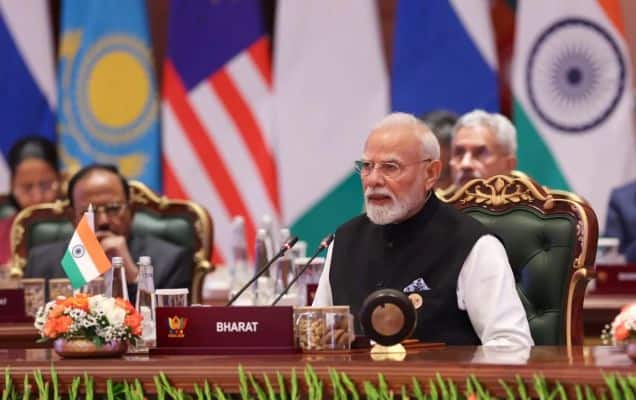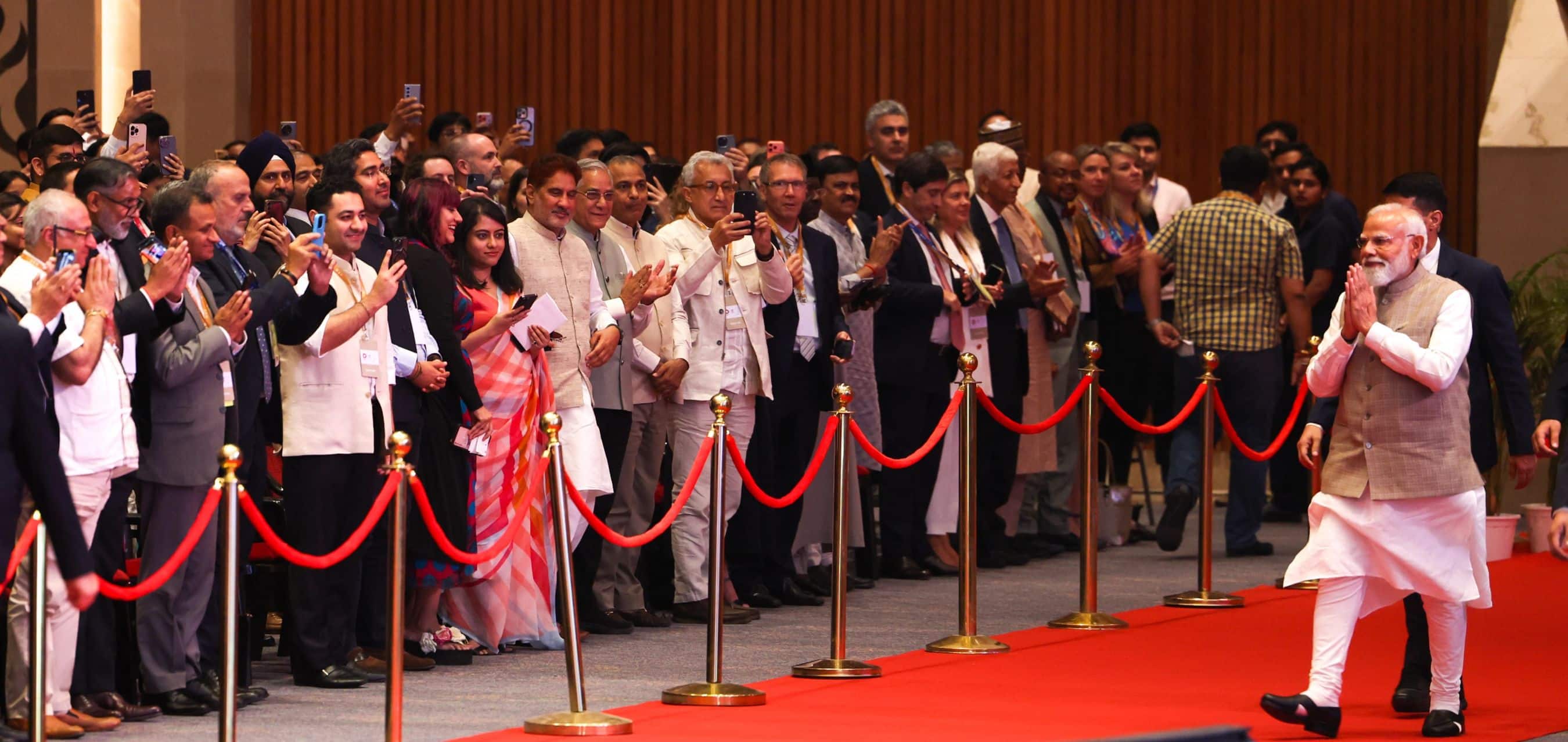


ಪ್ರಧಾನಮಂತ್ರಿ ಶ್ರೀ ನರೇಂದ್ರ ಮೋದಿ ಅವರಿಂದು ಐಟಿವಿ ನೆಟ್ವರ್ಕ್ನ ಎನ್ಎಕ್ಸ್ಟಿ ಶೃಂಗಸಭೆ ಉದ್ದೇಶಿಸಿ ಮಾತನಾಡಿದರು. ದಂಡಿಯಾತ್ರೆಯ ಐತಿಹಾಸಿಕ ವಾರ್ಷಿಕೋತ್ಸವ ಗುರುತಿಸಿದ ಅವರು, ಭಾರತದ ಅಂದಿನ ಸ್ವಾತಂತ್ರ್ಯ ಹೋರಾಟ ಮತ್ತು ಅಭಿವೃದ್ಧಿ ಹೊಂದಿದ ರಾಷ್ಟ್ರವಾಗುವ ಇಂದಿನ ಅನ್ವೇಷಣೆಯ ನಡುವಿನ ಸಮಾನಾಂತರ ಚಿಂತನೆಯನ್ನು ಪ್ರಸ್ತಾಪಿಸಿದರು. 1930ರ ದಂಡಿಯಾತ್ರೆಯು ದೇಶವನ್ನು ಸ್ವಾತಂತ್ರ್ಯದತ್ತ ಒಗ್ಗೂಡಿಸಿದಂತೆ, ಪ್ರಸ್ತುತ "ವಿಕಸಿತ ಭಾರತ" ಮಿಷನ್ 140 ಕೋಟಿ ಭಾರತೀಯರ ಸಾಮೂಹಿಕ ಗುರಿಯಾಗಿದೆ ಎಂದು ಮೋದಿ ಹೇಳಿದರು. "ಇಂದು ಆ ಐತಿಹಾಸಿಕ ಪ್ರಯಾಣದ ಸುಮಾರು 100 ವರ್ಷಗಳ ನಂತರ, ನಾವು ಭಾರತೀಯರು ಮತ್ತೊಮ್ಮೆ 'ವಿಕಸಿತ ಭಾರತ' (ಅಭಿವೃದ್ಧಿ ಹೊಂದಿದ ಭಾರತ)ಕ್ಕಾಗಿ ಹೊಸ ಪ್ರಯಾಣ ಆರಂಭಿಸಿದ್ದೇವೆ" ಎಂದು ಪ್ರಧಾನಿ ಹೇಳಿದರು.
21ನೇ ಶತಮಾನದ ವಿಶಿಷ್ಟ ಸವಾಲುಗಳನ್ನು ಪ್ರತಿಬಿಂಬಿಸಿದ ಅವರು, ಜಾಗತಿಕ ಸಂಘರ್ಷಗಳು ಮತ್ತು ಅಡ್ಡಿಪಡಿಸಿದ ಪೂರೈಕೆ ಸರಪಳಿಗಳ ಹೊರತಾಗಿಯೂ ಭಾರತವು ಭರವಸೆ ಮತ್ತು ಸ್ಥಿರತೆಯ ದಾರಿದೀಪವಾಗಿ ಹೊರಹೊಮ್ಮುತ್ತಿದೆ. ಉನ್ನತ ಜಾಗತಿಕ ನಾಯಕತ್ವ ಮತ್ತು ತಜ್ಞರು ಈಗ ಭಾರತವನ್ನು ಹೊಸ ವಿಶ್ವ ಕ್ರಮದ ಪ್ರಾಥಮಿಕ ಚಾಲಕನಾಗಿ ಹೇಗೆ ನೋಡುತ್ತಾರೆ ಎಂಬುದನ್ನು ಪ್ರಧಾನಿ ಎತ್ತಿ ತೋರಿಸಿದರು, ಇತ್ತೀಚಿನ ಭೇಟಿಯ ಸಮಯದಲ್ಲಿ, ಫಿನ್ ಲ್ಯಾಂಡ್ ಅಧ್ಯಕ್ಷ ಅಲೆಕ್ಸಾಂಡರ್ ಸ್ಟಬ್, ವಿಶ್ವದ ದಿಕ್ಕನ್ನು ಈಗ ಜಾಗತಿಕ ದಕ್ಷಿಣ ನಿರ್ಧರಿಸುತ್ತದೆ ಎಂದು ಹೇಳಿದ್ದಾರೆ. ಕೆನಡಾದ ಮಾರ್ಕ್ ಕಾರ್ನಿ ಅವರು, ಭಾರತವನ್ನು ಮುಂದಿನ 3 ದಶಕಗಳಲ್ಲಿ ವಿಶ್ವದ ಆರ್ಥಿಕ ಗುರುತ್ವಾಕರ್ಷಣೆ ಬದಲಾಗುತ್ತಿರುವ ಕೇಂದ್ರವೆಂದು ಗುರುತಿಸಿದ್ದಾರೆ. ಫ್ರೆಂಚ್ ಅಧ್ಯಕ್ಷರಾದ ಮ್ಯಾಕ್ರನ್ ಅವರು, ಜಾಗತಿಕ ಸವಾಲುಗಳನ್ನು ಪರಿಹರಿಸಲು ಭಾರತವನ್ನು ಅತ್ಯಗತ್ಯ ಪಾಲುದಾರ ಎಂದು ಹೇಳಿದ್ದಾರೆ. "ನೀವು ಭವಿಷ್ಯದ ಭಾಗವಾಗಲು ಬಯಸಿದರೆ, ನೀವು ಭಾರತದೊಂದಿಗೆ ಸಂಬಂಧ ಹೊಂದಿರಬೇಕು ಮತ್ತು ನೀವು ಭಾರತದಲ್ಲಿರಬೇಕು" ಎಂದು ಮೋದಿ ಪ್ರತಿಪಾದಿಸಿದರು. ಭಾರತೀಯ ನಾಗರಿಕರಲ್ಲಿ ಅಭೂತಪೂರ್ವ ಮಟ್ಟದ ವಿಶ್ವಾಸ ಮತ್ತು ಆಕಾಂಕ್ಷೆಗಳಿವೆ. ಆರ್ಥಿಕ ಬೆಳವಣಿಗೆಯಲ್ಲಿ ಸಾರ್ವಜನಿಕರ ಆಸಕ್ತಿಯನ್ನು ಕ್ರಿಕೆಟ್ ಬಗ್ಗೆ ಇರುವ ರಾಷ್ಟ್ರೀಯ ಉತ್ಸಾಹಕ್ಕೆ ಹೋಲಿಸಿದರು. ದೇಶವು "ಮುಂದಿನ ಹಂತದ" ಕಾರ್ಯಾಚರಣೆಗಳಿಗೆ, ವಿಶೇಷವಾಗಿ ಡಿಜಿಟಲ್ ಪಾವತಿಗಳು ಮತ್ತು ಒಂದು ಕಾಲದಲ್ಲಿ ಅಸಾಧ್ಯವೆಂದು ಪರಿಗಣಿಸಲಾದ ದೊಡ್ಡ ಪ್ರಮಾಣದ ಸುಧಾರಣೆಗಳಲ್ಲಿ ಹೇಗೆ ಪರಿವರ್ತನೆಗೊಂಡಿದೆ. "ಭಾರತ ಕೇವಲ ಪ್ರಗತಿ ಸಾಧಿಸುತ್ತಿಲ್ಲ; ಭಾರತ ಮುಂದಕ್ಕೆ ಸಾಗುತ್ತಿದೆ" ಎಂದು ಶ್ರೀ ಮೋದಿ ಪ್ರತಿಪಾದಿಸಿದರು.
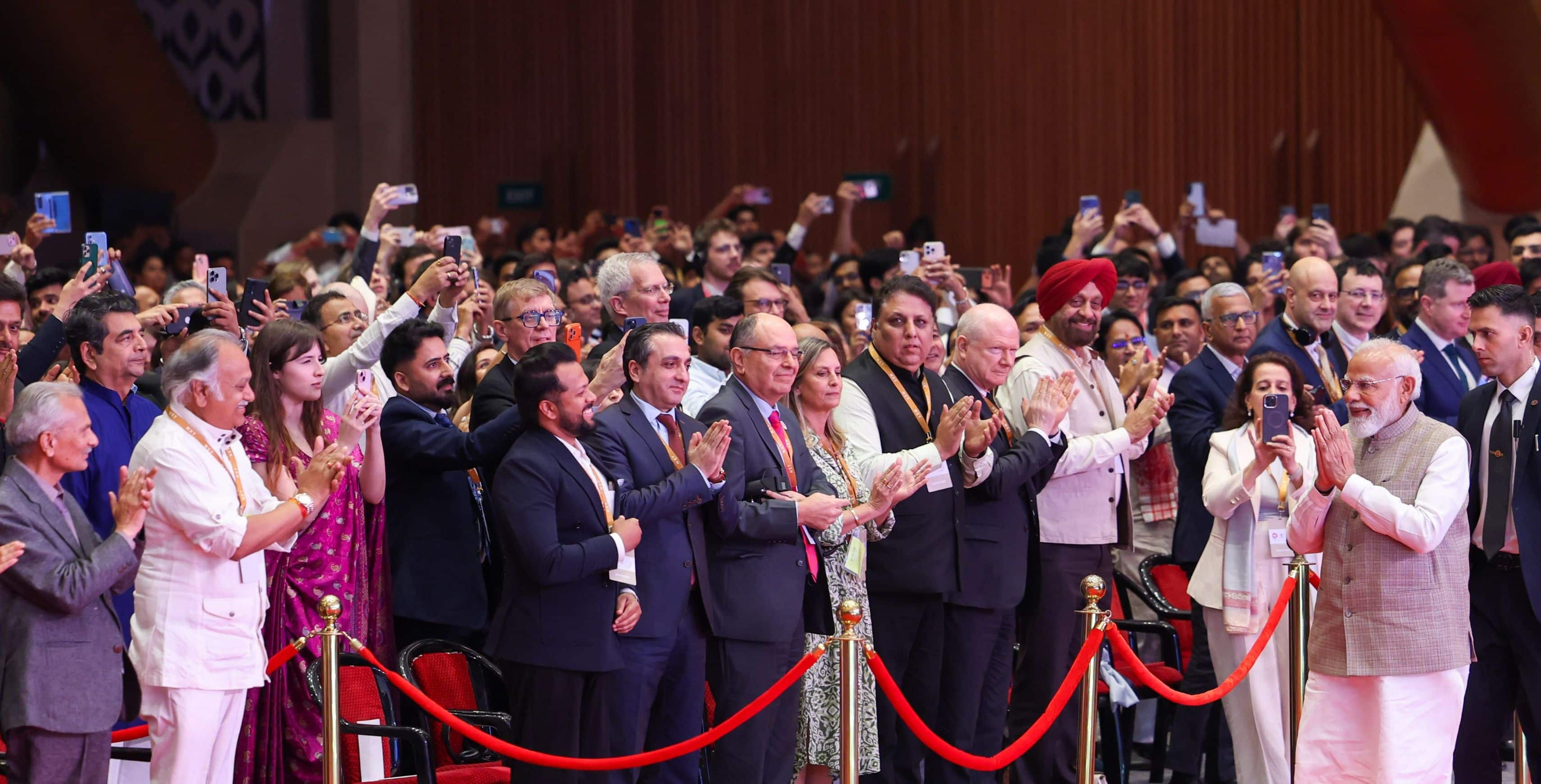
ಕ್ರಿಕೆಟ್ ಬಗ್ಗೆ ದೇಶ ಹೊಂದಿರುವ ಉತ್ಸಾಹ ಮತ್ತು ಭಾರತದ ಬೆಳವಣಿಗೆಯ ಯಶೋಗಾಥೆಯಲ್ಲಿ ಪ್ರಸ್ತುತ ಸಾರ್ವಜನಿಕರು ಹೊಂದಿರುವ ಆಸಕ್ತಿಯ ನಡುವೆ ಪ್ರಧಾನ ಮಂತ್ರಿ ಅವರು ಎದ್ದುಕಾಣುವ ಸಮಾನಾಂತರವನ್ನು ಚಿತ್ರಿಸಿದರು, ನಾಗರಿಕರು ಟಿ -20 ವಿಶ್ವಕಪ್ ಸ್ಕೋರ್ ಅನ್ನು ಕುತೂಹಲದಿಂದ ಆಲಿಸುವಂತೆಯೇ, ಅವರು ಈಗ ದೇಶದ ಆರ್ಥಿಕ ಸ್ಥಿತಿಯ ಬಗ್ಗೆ "ರನ್ನಿಂಗ್ ಕಾಮೆಂಟರಿ" ಹುಡುಕುತ್ತಿದ್ದಾರೆ. ಈ ಅಭೂತಪೂರ್ವ ಕುತೂಹಲವು ಭಾರತೀಯ ಜನರ ಹೆಚ್ಚುತ್ತಿರುವ ಆಕಾಂಕ್ಷೆಗಳು ಮತ್ತು ಆತ್ಮವಿಶ್ವಾಸವನ್ನು ಪ್ರತಿಬಿಂಬಿಸುತ್ತಿದೆ, ಇದು ರಾಷ್ಟ್ರದ ಮೇಲಿನ ಜಾಗತಿಕ ನಂಬಿಕೆಗೆ ಅಡಿಪಾಯವಾಗಿ ಕಾರ್ಯ ನಿರ್ವಹಿಸುತ್ತಿದೆ. ಭಾರತದ ಪ್ರಗತಿಯ ಮೇಲೆ ವಿಶ್ವದ ಕಣ್ಣುಗಳು ಇರುವುದರಿಂದ, ಈ ಆವೇಗವನ್ನು ಕಾಯ್ದುಕೊಳ್ಳುವ ಎಲ್ಲಾ ನಾಗರಿಕರ ಸಾಮೂಹಿಕ ಜವಾಬ್ದಾರಿ ಬೆಳೆದಿದೆ. "ಹಲವು ನಿರೀಕ್ಷೆಗಳು ಹೆಚ್ಚಾದಾಗ ಮತ್ತು ಜಗತ್ತು ನಮ್ಮ ದೇಶವನ್ನು ನೋಡುತ್ತಿರುವಾಗ, ನಮ್ಮ ಜವಾಬ್ದಾರಿ ಗಮನಾರ್ಹವಾಗಿ ಹೆಚ್ಚಾಗುತ್ತದೆ" ಎಂದು ಪ್ರಧಾನಿ ಹೇಳಿದರು.
ಆಧುನಿಕ ಭಾರತವು ಇನ್ನು ಮುಂದೆ ಕೇವಲ ಪ್ರಗತಿ ಸಾಧಿಸುತ್ತಿಲ್ಲ, ಆದರೆ ವಿಶ್ವ ದರ್ಜೆಯ ಭೌತಿಕ ಮತ್ತು ಡಿಜಿಟಲ್ ಸ್ವತ್ತುಗಳ ಸೃಷ್ಟಿಯ ಮೂಲಕ "ಮುಂದಿನ ಹಂತ"ಕ್ಕೆ ಸಕ್ರಿಯವಾಗಿ ತನ್ನನ್ನು ತಾನು ಉನ್ನತೀಕರಿಸಿಕೊಳ್ಳುತ್ತಿದೆ ಎಂದು ಪ್ರಧಾನಿ ಒತ್ತಿ ಹೇಳಿದರು. ಏಕೀಕೃತ ಪಾವತಿ ಇಂಟರ್ಫೇಸ್(ಯುಪಿಐ)ನ ತ್ವರಿತ ವಿಕಸನವು ರಾಷ್ಟ್ರದ ಹಣಕಾಸು ಪರಿಸರ ವ್ಯವಸ್ಥೆಯನ್ನು ಹೊಸ ಹಂತಕ್ಕೆ ಪರಿವರ್ತಿಸಿದೆ, ಭಾರತವನ್ನು ನೈಜ-ಸಮಯದ ಡಿಜಿಟಲ್ ವಹಿವಾಟುಗಳಲ್ಲಿ ಜಾಗತಿಕ ನಾಯಕನನ್ನಾಗಿ ಮಾಡಿದೆ. ಮೂಲಸೌಕರ್ಯದಲ್ಲಿನ ಈ ಪರಿವರ್ತನೆಯು ಹೆಚ್ಚು ಸಂಪರ್ಕಿತ ಮತ್ತು ಪರಿಣಾಮಕಾರಿ ಆರ್ಥಿಕತೆಗೆ ವೇಗವರ್ಧಕವಾಗಿ ಕಾರ್ಯ ನಿರ್ವಹಿಸುತ್ತಿದೆ. "ಇಂದು ಭಾರತವು ವಿಶ್ವದಲ್ಲೇ ಅತ್ಯಂತ ವೇಗದ ನೈಜ-ಸಮಯದ ಡಿಜಿಟಲ್ ಪಾವತಿಗಳನ್ನು ಹೊಂದಿರುವ ದೇಶವಾಗಿದೆ" ಎಂದು ಶ್ರೀ ಮೋದಿ ಎತ್ತಿ ತೋರಿಸಿದರು.
ಭಾರತವು ಪ್ರಸ್ತುತ "ಮುಂದಿನ ಪೀಳಿಗೆಯ ಸುಧಾರಣೆಗಳ" ಅತಿ ವೇಗದ ಪಥದಲ್ಲಿದೆ, ಇದು ಬಹಳ ಹಿಂದಿನಿಂದಲೂ ಅಸಾಧ್ಯವೆಂದು ಪರಿಗಣಿಸಲಾಗಿದ್ದ ನಿರ್ಧಾರಗಳನ್ನು ಯಶಸ್ವಿಯಾಗಿ ಕಾರ್ಯಗತಗೊಳಿಸುತ್ತಿದೆ. 370ನೇ ವಿಧಿ ರದ್ಧತಿ, ಜನ್ ಧನ್ ಖಾತೆಗಳ ಮೂಲಕ 50 ಕೋಟಿಗೂ ಹೆಚ್ಚು ನಾಗರಿಕರನ್ನು ಬ್ಯಾಂಕಿಂಗ್ ವ್ಯವಸ್ಥೆಗೆ ಸೇರಿಸಿರುವುದು ಮತ್ತು ಶಾಸಕಾಂಗಗಳಲ್ಲಿ ಮಹಿಳೆಯರಿಗೆ 33% ಮೀಸಲಾತಿ ಒದಗಿಸುವ ಕಾನೂನು ಜಾರಿಗೆ ತಂದಿರುವುದು ಮುಂತಾದ ಹೆಗ್ಗುರುತು ಸಾಧನೆಗಳನ್ನು ಪ್ರಧಾನಿ ಮೋದಿ ಎತ್ತಿ ತೋರಿಸಿದರು. ಬಾಹ್ಯಾಕಾಶ, ಸೆಮಿಕಂಡಕ್ಟರ್ಗಳು ಮತ್ತು ಕ್ವಾಂಟಮ್ ಕಂಪ್ಯೂಟಿಂಗ್ನಲ್ಲಿ ಮೀಸಲಾದ ಕಾರ್ಯಾಚರಣೆಗಳ ಮೂಲಕ ಮುಂದುವರಿದ ಗಡಿಗಳಿಗೆ ಪ್ರವೇಶಿಸುವ ಮೂಲಕ ಭಾರತವು ಹಿಂದಿನ ತಾಂತ್ರಿಕ ಮಿತಿಗಳನ್ನು ದಾಟಿದೆ. "ಇಂದು ಮೂನ್ ಮಿಷನ್, ಸೆಮಿಕಂಡಕ್ಟರ್ ಮಿಷನ್ ಮತ್ತು ಕ್ವಾಂಟಮ್ ಮಿಷನ್ ಭಾರತವನ್ನು ತಂತ್ರಜ್ಞಾನದ ಮುಂದಿನ ಗಡಿಯತ್ತ ಕೊಂಡೊಯ್ಯುತ್ತಿವೆ" ಎಂದು ಪ್ರಧಾನಿ ಹೇಳಿದರು.
ರಾಷ್ಟ್ರವು ಕೇವಲ ಆಕಾಂಕ್ಷೆಯ ಹಂತವನ್ನು ದಾಟಿ ತನ್ನ ಗುರಿಗಳ ಸಾಕ್ಷಾತ್ಕಾರ ಮತ್ತು ನಿರ್ದಿಷ್ಟ ಅನುಷ್ಠಾನದ ಹಂತಕ್ಕೆ ಸಾಗಿದೆ. ಜಾಗತಿಕ ಸಮುದಾಯವು ಈ ಆವೇಗದಲ್ಲಿನ ಬದಲಾವಣೆಯನ್ನು ಗುರುತಿಸಿದೆ. ಭಾರತದ ಬೆಳವಣಿಗೆ ಇನ್ನು ಮುಂದೆ ಏರಿಕೆಯಾಗುತ್ತಿಲ್ಲ ಆದರೆ ಸ್ವರೂಪದಲ್ಲಿ ಪರಿವರ್ತನಾತ್ಮಕವಾಗಿದೆ. ಈ ಹೊಸ ವಾಸ್ತವವು ಎಲ್ಲಾ ವಲಯಗಳಲ್ಲಿ ತನ್ನ ದೀರ್ಘಕಾಲೀನ ದೃಷ್ಟಿಕೋನಗಳನ್ನು ಸ್ಪಷ್ಟ ಸಾಧನೆಗಳಾಗಿ ಸಕ್ರಿಯವಾಗಿ ಪರಿವರ್ತಿಸುತ್ತಿರುವ ರಾಷ್ಟ್ರವನ್ನು ಪ್ರತಿಬಿಂಬಿಸುತ್ತಿದೆ. "ಭಾರತ ಕೇವಲ ಪ್ರಗತಿ ಸಾಧಿಸುತ್ತಿಲ್ಲ; ಭಾರತ ಮುಂದಕ್ಕೆ ಸಾಗುತ್ತಿದೆ" ಎಂದು ಮೋದಿ ಪ್ರತಿಪಾದಿಸಿದರು.
ಸಾಂಕ್ರಾಮಿಕ ಕೊರೊನಾ ಕಾಲಘಟ್ಟ ಮತ್ತು ಈಗ ನಡೆಯುತ್ತಿರುವ ಅಂತಾರಾಷ್ಟ್ರೀಯ ಸಂಘರ್ಷಗಳ ಸತತ ಸವಾಲುಗಳನ್ನು ಉಲ್ಲೇಖಿಸಿ, ಹಠಾತ್ ಜಾಗತಿಕ ಬದಲಾವಣೆಗಳ ಮುಖಾಂತರ ರಾಷ್ಟ್ರದ ಅಭಿವೃದ್ಧಿಯನ್ನು ಅದರ ಚೇತರಿಕೆಯಿಂದ ಮೂಲಭೂತವಾಗಿ ವ್ಯಾಖ್ಯಾನಿಸಲಾಗಿದೆ. ಹತ್ತಿರದಲ್ಲೇ ನಡೆಯುತ್ತಿರುವ ಪ್ರಸ್ತುತ ಯುದ್ಧವು ವಿಶ್ವಾದ್ಯಂತ ಇಂಧನ ಬಿಕ್ಕಟ್ಟನ್ನು ಹುಟ್ಟುಹಾಕಿದೆ, ಇದು ಶಾಂತಿ, ತಾಳ್ಮೆ ಮತ್ತು ಹೆಚ್ಚಿದ ಸಾರ್ವಜನಿಕ ಜಾಗೃತಿಯ ಮೂಲಕ ಸಂದರ್ಭಗಳನ್ನು ನಿಭಾಯಿಸುವ ಅಗತ್ಯವಿರುವ ರಾಷ್ಟ್ರೀಯ ಪಾತ್ರದ ನಿರ್ಣಾಯಕ ಪರೀಕ್ಷೆಯಾಗಿ ಕಾರ್ಯ ನಿರ್ವಹಿಸುತ್ತದೆ. ರಾಜಕೀಯ ಪಕ್ಷಗಳು, ಮಾಧ್ಯಮ ಮತ್ತು ಕೈಗಾರಿಕೆಗಳ ಸಾಮೂಹಿಕ ಜವಾಬ್ದಾರಿಯನ್ನು ಎತ್ತಿ ತೋರಿಸಿದ ಪ್ರಧಾನಿ, ಸಾಂಕ್ರಾಮಿಕ ಸಮಯದಲ್ಲಿ ಒಗ್ಗಟ್ಟಿನ ಕ್ರಮವು ಭಾರತದ ಶಕ್ತಿಯನ್ನು ಹೇಗೆ ಹೆಚ್ಚಿಸಿತು ಮತ್ತು ಪ್ರಸ್ತುತ ಸವಾಲುಗಳನ್ನು ಎದುರಿಸಲು ಇದೇ ರೀತಿಯ ಸಹಕಾರದ ಮನೋಭಾವ ಅಗತ್ಯ ಎಂದು ಕರೆ ನೀಡಿದರು. "ನಾವು ಸಾಮೂಹಿಕ ಪ್ರಯತ್ನಗಳನ್ನು ಮಾಡಬೇಕು ಮತ್ತು ರಾಷ್ಟ್ರೀಯ ಹಿತಾಸಕ್ತಿಯನ್ನು ಶ್ರೇಷ್ಠವಾಗಿಟ್ಟುಕೊಂಡು ನಮ್ಮ ಕರ್ತವ್ಯಗಳನ್ನು ನಿರ್ವಹಿಸಬೇಕು" ಎಂದು ಮೋದಿ ಹೇಳಿದರು.
ಎಲ್ಪಿಜಿ ಕುರಿತು ನಡೆಯುತ್ತಿರುವ ಚರ್ಚೆಗಳನ್ನು ಉದ್ದೇಶಿಸಿ ಪ್ರಧಾನಿ ಮಾತನಾಡಿದರು. ಜಾಗತಿಕ ಅನಿಶ್ಚಯ ಸಮಯದಲ್ಲಿ ತಪ್ಪು ಮಾಹಿತಿಗಿಂತ ಸತ್ಯಗಳಿಗೆ ಆದ್ಯತೆ ನೀಡುವ ಜವಾಬ್ದಾರಿಯುತ ಸಂವಾದಕ್ಕೆ ಪ್ರಧಾನಿ ಒತ್ತಾಯಿಸಿದರು.
ಪ್ರಸ್ತುತ ಜಾಗತಿಕ ಸಂಘರ್ಷದ ದೂರಗಾಮಿ ಪರಿಣಾಮಗಳು ಪ್ರತಿಯೊಂದು ರಾಷ್ಟ್ರದ ಮೇಲೆ ಪರಿಣಾಮ ಬೀರಿವೆ, ಇದರಿಂದಾಗಿ ಭಾರತ ಸರ್ಕಾರದಿಂದ ಪೂರ್ವಭಾವಿ ಮತ್ತು ಬಹುಹಂತದ ಪ್ರತಿಕ್ರಿಯೆ ಅಗತ್ಯವಾಗಿದೆ. ಈ ಸಂಕೀರ್ಣತೆಗಳನ್ನು ನಿವಾರಿಸಲು ಮತ್ತು ಜಾಗತಿಕ ಬಿಕ್ಕಟ್ಟಿಗೆ ಸುಸ್ಥಿರ ಪರಿಹಾರಗಳನ್ನು ಕಂಡುಹಿಡಿಯಲು ವಿಶ್ವದ ಉನ್ನತ ನಾಯಕರೊಂದಿಗೆ ನಿರಂತರ ಸಂವಾದ ನಡೆಸುತ್ತಿದ್ದೇನೆ. ಇದಲ್ಲದೆ, ಅಂತಾರಾಷ್ಟ್ರೀಯ ಪೂರೈಕೆ ಸರಪಳಿಗಳಲ್ಲಿ ಉದ್ಭವಿಸಿರುವ ವಿವಿಧ ಅಡೆತಡೆಗಳನ್ನು ಪರಿಹರಿಸಲು ಮತ್ತು ನಿವಾರಿಸಲು ಸರ್ಕಾರವು ಅವಿರತವಾಗಿ ಕೆಲಸ ಮಾಡುತ್ತಿದೆ. "ಪೂರೈಕೆ ಸರಪಳಿಯಲ್ಲಿ ಸಂಭವಿಸಿದ ಅಡೆತಡೆಗಳನ್ನು ನಾವು ಹೇಗೆ ನಿವಾರಿಸಬಹುದು ಎಂಬುದನ್ನು ನಿರ್ಧರಿಸಲು ನಿರಂತರ ಪ್ರಯತ್ನಗಳು ನಡೆಯುತ್ತಿವೆ" ಎಂದು ಮೋದಿ ಪ್ರತಿಪಾದಿಸಿದರು.
ಭಾರತದ ಇಂಧನ ಭದ್ರತೆಗಾಗಿ ದ್ವಿಮುಖ ತಂತ್ರ ಅಳವಡಿಸಿಕೊಳ್ಳಲಾಗಿದೆ. ದೇಶೀಯ ಮೂಲಸೌಕರ್ಯ ವಿಸ್ತರಿಸುವುದು ಮತ್ತು ತ್ವರಿತ ರಾಷ್ಟ್ರೀಯ ಅಭಿವೃದ್ಧಿ ಖಚಿತಪಡಿಸಿಕೊಳ್ಳಲು ವಿದೇಶಿ ಅವಲಂಬನೆ ಕಡಿಮೆ ಮಾಡುವುದರ ಮೇಲೆ ಗಮನ ಕೇಂದ್ರೀಕರಿಸಲಾಗಿದೆ. 2014ರಲ್ಲಿ 14 ಕೋಟಿ ಇದ್ದ ಎಲ್ಪಿಜಿ ಸಂಪರ್ಕಗಳು ಇಂದು ಸುಮಾರು 33 ಕೋಟಿಗೆ ಏರಿವೆ ಎಂದು ಅನಿಲ ಕ್ಷೇತ್ರದ ಬೆಳವಣಿಗೆಯ ತುಲನಾತ್ಮಕ ವಿಶ್ಲೇಷಣೆ ನೀಡಿದರು, ಇದು ಬಹುಪಾಲು ಭಾರತೀಯ ಮನೆಗಳನ್ನು ಪರಿಣಾಮಕಾರಿಯಾಗಿ ಒಳಗೊಂಡಿದೆ. ಬಾಟ್ಲಿಂಗ್ ಸಾಮರ್ಥ್ಯದ ಗಮನಾರ್ಹ ಹೆಚ್ಚಳ, ಎಲ್ಎನ್ಜಿ ಟರ್ಮಿನಲ್ಗಳ ದ್ವಿಗುಣಗೊಳಿಸುವಿಕೆ ಮತ್ತು ಅನಿಲ ಪೈಪ್ಲೈನ್ ಜಾಲವನ್ನು 3,500 ಕಿಲೋಮೀಟರ್ಗಳಿಂದ 10,000 ಕಿಲೋಮೀಟರ್ಗಳಿಗೆ ವಿಸ್ತರಿಸಲಾಗಿದೆ. ಈ ಪೂರೈಕೆ ಸರಪಳಿಯನ್ನು ಮತ್ತಷ್ಟು ಬಲಪಡಿಸಲು, ಅಂತಾರಾಷ್ಟ್ರೀಯ ಮಟ್ಟದಲ್ಲಿ ಮೂಲದ ಎಲ್ಪಿಜಿಯ 60 ಪ್ರತಿಶತವನ್ನು ನಿರ್ವಹಿಸಲು ಸರ್ಕಾರವು ಪ್ರಮುಖ ಬಂದರುಗಳಲ್ಲಿ ಆಮದು ಟರ್ಮಿನಲ್ ಸಾಮರ್ಥ್ಯಗಳನ್ನು ಗಣನೀಯವಾಗಿ ಹೆಚ್ಚಿಸಿದೆ. "ಭಾರತದ ತ್ವರಿತ ಅಭಿವೃದ್ಧಿಗಾಗಿ, ವಿವಿಧ ಇಂಧನ ಮೂಲಗಳನ್ನು ಉತ್ತೇಜಿಸುವುದು ಮತ್ತು ಇಂಧನ ವಲಯದಲ್ಲಿ ಸ್ವಾವಲಂಬನೆಗೆ ಒತ್ತು ನೀಡುವುದು ನಿರಂತರವಾಗಿ ಅಗತ್ಯವಾಗಿದೆ". 2014ರ ಮೊದಲು ಕೇವಲ 25–26 ಲಕ್ಷ ಮನೆಗಳಿದ್ದ ಪೈಪ್ಡ್ ನ್ಯಾಚುರಲ್ ಗ್ಯಾಸ್ (ಪಿಎನ್ ಜಿ) ವ್ಯಾಪ್ತಿಯು ಇಂದು 1.25 ಕೋಟಿಗೂ ಹೆಚ್ಚಾಗಿದೆ. ನಗರ ಇಂಧನ ಪರಿವರ್ತನೆಯು ಬೃಹತ್ ಪ್ರಮಾಣದಲ್ಲಿ ಹೆಚ್ಚಾಗಿದೆ. ಅದೇ ಅವಧಿಯಲ್ಲಿ ಸಿಎನ್ ಜಿ ಚಾಲಿತ ವಾಹನಗಳ ಸಂಖ್ಯೆ 10 ಲಕ್ಷಕ್ಕಿಂತ ಕಡಿಮೆ ಇದ್ದದ್ದು ಇದೀಗ 70 ಲಕ್ಷಕ್ಕೆ ಹೆಚ್ಚಾಗಿದೆ, ಹಸಿರು ಚಲನಶೀಲತೆಯಲ್ಲಿ ಗಮನಾರ್ಹ ಬದಲಾವಣೆ ಆಗಿದೆ. ಕಳೆದ ದಶಕದಲ್ಲಿ 600ಕ್ಕೂ ಹೆಚ್ಚು ಜಿಲ್ಲೆಗಳಲ್ಲಿ ನಗರ ಅನಿಲ ವಿತರಣಾ ಜಾಲಗಳ ಕಾರ್ಯತಂತ್ರದ ಸ್ಥಾಪನೆಯೇ ಈ ಪ್ರಗತಿಗೆ ಕಾರಣ. "ಕಳೆದ ದಶಕದಲ್ಲಿ ದೇಶದ 600ಕ್ಕೂ ಹೆಚ್ಚು ಜಿಲ್ಲೆಗಳಲ್ಲಿ ನಗರ ಅನಿಲ ವಿತರಣಾ ಜಾಲಗಳನ್ನು ಸ್ಥಾಪಿಸಿದ್ದರಿಂದ ಮಾತ್ರ ಇದು ಸಾಧ್ಯವಾಗಿದೆ" ಎಂದು ಮೋದಿ ಪ್ರತಿಪಾದಿಸಿದರು.
ಪ್ರಸ್ತುತ ಜಾಗತಿಕ ಅಸ್ಥಿರತೆಯು ರಾಷ್ಟ್ರೀಯ ಸ್ವಾವಲಂಬನೆಯ ಕಾರ್ಯತಂತ್ರದ ಅಗತ್ಯವನ್ನು, ವಿಶೇಷವಾಗಿ ನಿರ್ಣಾಯಕ ವಲಯಗಳಲ್ಲಿ ಒತ್ತಿಹೇಳಿದೆ. ಭಾರತದ ಇಂಧನ ಭದ್ರತೆ ಬಲಪಡಿಸಲು ಮತ್ತು ಬಾಹ್ಯ ಆಘಾತಗಳಿಗೆ ದುರ್ಬಲತೆ ಕಡಿಮೆ ಮಾಡಲು ಸರ್ಕಾರ ಕಳೆದ ಹಲವಾರು ವರ್ಷಗಳಿಂದ ಸಮಗ್ರ ವಿಧಾನವನ್ನು ಅಳವಡಿಸಿಕೊಂಡಿದೆ. ಅಂತಾರಾಷ್ಟ್ರೀಯ ಏರಿಳಿತಗಳಿಂದ ರಾಷ್ಟ್ರದ ಬೆಳವಣಿಗೆ ಅಡೆತಡೆ ಇಲ್ಲದಂತೆ ಉಳಿಯುವುದನ್ನು ಖಚಿತಪಡಿಸಿಕೊಳ್ಳುವುದು ಈ ಸಮಗ್ರ ಕಾರ್ಯತಂತ್ರದ ಗುರಿಯಾಗಿದೆ. "ಈ ಜಾಗತಿಕ ಬಿಕ್ಕಟ್ಟು ಮತ್ತೊಮ್ಮೆ ಯಾವುದೇ ದೇಶವು ಸ್ವಾವಲಂಬಿಯಾಗಿರುವುದು ಏಕೆ ಅತ್ಯಗತ್ಯ ಎಂಬುದನ್ನು ತೋರಿಸಿದೆ" ಎಂದು ಮೋದಿ ಹೇಳಿದರು.
ಪೆಟ್ರೋಲಿಯಂ ಅವಲಂಬನೆ ಕಡಿಮೆ ಮಾಡಲು ಪ್ರಾಥಮಿಕ ಸಾಧನವಾಗಿ ಎಥೆನಾಲ್ ಮತ್ತು ಜೈವಿಕ ಇಂಧನಗಳ ಮೇಲೆ ಸರ್ಕಾರ ಹೊಂದಿರುವ ಕಾರ್ಯತಂತ್ರ ಗಮನವನ್ನು ಪ್ರಧಾನಿ ಪ್ರಸ್ತಾಪಿಸಿದರು. ಇಂಧನ ಮಿಶ್ರಣ ಸಾಮರ್ಥ್ಯವು 2014ಕ್ಕಿಂತ ಮೊದಲು ಕೇವಲ 1–1.5 ಪ್ರತಿಶತ ಇತ್ತು. ಆದರೆ ಇಂದು ಸುಮಾರು 20 ಪ್ರತಿಶತಕ್ಕೆ ಏರಿದೆ. ಈ ಉಪಕ್ರಮವು ಕಳೆದ 11 ವರ್ಷಗಳಲ್ಲಿ ಹೆಚ್ಚುವರಿಯಾಗಿ 18 ಕೋಟಿ ಬ್ಯಾರೆಲ್ ತೈಲ ಖರೀದಿಸುವ ಅಗತ್ಯವನ್ನು ತಡೆಗಟ್ಟಿದೆ, ಇದು ರಾಷ್ಟ್ರೀಯ ಮೀಸಲು(ಸಂಗ್ರಹ)ಗಳನ್ನು ಗಮನಾರ್ಹವಾಗಿ ಬಲಪಡಿಸಿದೆ. ಪ್ರಸ್ತುತ, ಈ ಬದಲಾವಣೆಯು ಭಾರತವು ತನ್ನ ವಾರ್ಷಿಕ ತೈಲ ಆಮದುಗಳನ್ನು ಸುಮಾರು 4.5 ಕೋಟಿ ಬ್ಯಾರೆಲ್ಗಳಷ್ಟು ಕಡಿಮೆ ಮಾಡಲು ಅನುವು ಮಾಡಿಕೊಟ್ಟಿದೆ. ಇದರ ಪರಿಣಾಮವಾಗಿ ಆರ್ಥಿಕತೆಗೆ ಗಮನಾರ್ಹ ಲಾಭವಾಗಿದೆ. "ದೇಶವು ಕೇವಲ ಎಥೆನಾಲ್ ಮಿಶ್ರಣದಿಂದ ಸುಮಾರು ಒಂದೂವರೆ ಲಕ್ಷ ಕೋಟಿ ರೂಪಾಯಿ ಉಳಿಸಿದೆ" ಎಂದು ಮೋದಿ ಪ್ರತಿಪಾದಿಸಿದರು.
ರೈಲ್ವೆ ವಿದ್ಯುದೀಕರಣ ಮತ್ತು ನವೀಕರಿಸಬಹುದಾದ ಇಂಧನದ ಪರಿವರ್ತನಾತ್ಮಕ ಪರಿಣಾಮದಿಂದ ರಾಷ್ಟ್ರೀಯ ಇಂಧನ ಉಳಿತಾಯ ಹೆಚ್ಚಾಗಿದೆ. 2014ರ ವೇಳೆಗೆ ರೈಲು ಜಾಲ ಕೇವಲ 20 ಪ್ರತಿಶತ ಮಾತ್ರ ವಿದ್ಯುದೀಕರಣಗೊಂಡಿದ್ದರೂ, ಇಂದು ಬ್ರಾಡ್-ಗೇಜ್ ಜಾಲದ ಸುಮಾರು 100 ಪ್ರತಿಶತ ವಿದ್ಯುಚ್ಚಾಲಿತವಾಗಿದೆ. ಈ ಸಾಧನೆಯಿಂದ 2024-25ರಲ್ಲಿ ಭಾರತೀಯ ರೈಲ್ವೆಗೆ ಸುಮಾರು 180 ಕೋಟಿ ಲೀಟರ್ ಡೀಸೆಲ್ ಉಳಿತಾಯವಾಗಿದ್ದು, ಕಚ್ಚಾ ತೈಲ ಆಮದು ಅಗತ್ಯ ಗಣನೀಯವಾಗಿ ಕಡಿಮೆಯಾಗಿದೆ. ಹಸಿರು ಇಂಧನ ಕ್ರಾಂತಿಯನ್ನು ಮತ್ತಷ್ಟು ಎತ್ತಿ ತೋರಿಸಿದ ಪ್ರಧಾನಿ, ಭಾರತದ ನವೀಕರಿಸಬಹುದಾದ ಸಾಮರ್ಥ್ಯವು ಐತಿಹಾಸಿಕ 250 ಗಿಗಾವ್ಯಾಟ್ ತಲುಪಿದೆ, ಸೌರ ವಿದ್ಯುತ್ ಸಾಮರ್ಥ್ಯವು 2014ರಲ್ಲಿ ಇದ್ದ 2 ಗಿಗಾವ್ಯಾಟ್ ನಿಂದ ಇಂದು 130 ಗಿಗಾ ವ್ಯಾಟ್ ಗೆ ಜಿಗಿದಿದೆ. 30 ಲಕ್ಷ ಕುಟುಂಬಗಳಿಗೆ ಮೇಲ್ಛಾವಣಿಯ ಸೌರಶಕ್ತಿಯೊಂದಿಗೆ ದೇಶೀಯ ಇಂಧನ ಬಳಕೆಯನ್ನು ವಿದ್ಯುತ್ ಕಡೆಗೆ ಪರಿವರ್ತಿಸಲು ಅಧಿಕಾರ ನೀಡಿರುವ ಪಿಎಂ ಸೂರ್ಯ ಘರ್ ಮಫ್ತ್ ಬಿಜ್ಲಿ ಯೋಜನೆಯ ಯಶಸ್ಸನ್ನು ಅವರು ಉಲ್ಲೇಖಿಸಿದರು. "ನಮ್ಮ ಒಟ್ಟು ನವೀಕರಿಸಬಹುದಾದ ಸಾಮರ್ಥ್ಯವು ಇಂದು 250 ಗಿಗಾವ್ಯಾಟ್ಗಳ ಐತಿಹಾಸಿಕ ಅಂಕಿಅಂಶ ದಾಟಿದೆ, ನಮ್ಮ ಒಟ್ಟು ಸ್ಥಾಪಿತ ವಿದ್ಯುತ್ ಉತ್ಪಾದನಾ ಸಾಮರ್ಥ್ಯದ ಅರ್ಧದಷ್ಟು ನವೀಕರಿಸಬಹುದಾದ ಮೂಲಗಳಿಂದ ಬಂದಿದೆ" ಎಂದು ಮೋದಿ ಹೇಳಿದರು.
ಸಾಮರ್ಥ್ಯ ವರ್ಧನೆ ಮತ್ತು ತ್ಯಾಜ್ಯದಿಂದ ಇಂಧನ ಉಪಕ್ರಮಗಳಲ್ಲಿ ಸರ್ಕಾರದ ದೃಢ ಪ್ರಯತ್ನಗಳನ್ನು ಪ್ರಧಾನಮಂತ್ರಿ ವಿವರಿಸಿದರು, 100ಕ್ಕೂ ಹೆಚ್ಚು ಸಂಕುಚಿತ ಜೈವಿಕ ಅನಿಲ ಸ್ಥಾವರಗಳು ಈಗ ಗೋಬರ್ಧನ್ ಯೋಜನೆಯಡಿ ಕಾರ್ಯ ನಿರ್ವಹಿಸುತ್ತಿವೆ, ಇನ್ನೂ 600 ಪ್ರಗತಿಯಲ್ಲಿವೆ. 50 ಲಕ್ಷ ಟನ್ಗಳನ್ನು ಮೀರಿದ ಕಾರ್ಯತಂತ್ರ ಪೆಟ್ರೋಲಿಯಂ ಮೀಸಲು(ಸಂಗ್ರಹ) ಸ್ಥಾಪನೆಯ ಮೂಲಕ ರಾಷ್ಟ್ರೀಯ ಭದ್ರತೆಯಲ್ಲಿ ಗಮನಾರ್ಹ ಬದಲಾವಣೆಯಾಗಿದೆ. ಇದು 2014ಕ್ಕಿಂತ ಮೊದಲು ಇದ್ದ ನಗಣ್ಯ ಸಂಗ್ರಹ ಸಾಮರ್ಥ್ಯದಿಂದ ಭಾರಿ ಜಿಗಿತವಾಗಿದೆ. ಇದಲ್ಲದೆ, ಜಾಗತಿಕ ಸಂಸ್ಕರಣಾ ಕೇಂದ್ರವಾಗಿ ಭಾರತದ ಹೊರಹೊಮ್ಮುವಿಕೆಯು ಕಳೆದ ದಶಕದಲ್ಲಿ ವಾರ್ಷಿಕ ಸಂಸ್ಕರಣಾ ಸಾಮರ್ಥ್ಯವನ್ನು 40 ದಶಲಕ್ಷ ಟನ್ಗಳಿಗಿಂತ ಹೆಚ್ಚಿಸಿದೆ. ಈ ರಚನಾತ್ಮಕ ಸಾಮರ್ಥ್ಯಗಳು ರಾಷ್ಟ್ರವು ಪ್ರಸ್ತುತ ಜಾಗತಿಕ ಇಂಧನ ಸವಾಲುಗಳನ್ನು ಪರಿಣಾಮಕಾರಿಯಾಗಿ ಎದುರಿಸಲು ಅನುವು ಮಾಡಿಕೊಡುತ್ತದೆ. "ಈ ಯುದ್ಧದಿಂದ ಸೃಷ್ಟಿಯಾದ ಬಿಕ್ಕಟ್ಟನ್ನು ನಾವು ಖಂಡಿತವಾಗಿಯೂ ಎದುರಿಸಲು ಸಾಧ್ಯವಾಗುತ್ತದೆ, ಭಾರತವನ್ನು ಬೃಹತ್ ಪ್ರಮಾಣದಲ್ಲಿ ಸ್ವಾವಲಂಬಿಯನ್ನಾಗಿ ಮಾಡುವ ನಮ್ಮ ಕೆಲಸ ಮುಂದುವರಿಸುತ್ತೇವೆ" ಎಂದು ಮೋದಿ ಹೇಳಿದರು.
ಪ್ರಸ್ತುತ ಜಾಗತಿಕ ಅನಿಶ್ಚಯಗಳನ್ನು ನಿಭಾಯಿಸಲು ಭಾರತದ 140 ಕೋಟಿ ನಾಗರಿಕರ ಸಾಮೂಹಿಕ ಬಲದ ಬಗ್ಗೆ ಪ್ರಧಾನಮಂತ್ರಿ ತಮ್ಮ ಆಳವಾದ ವಿಶ್ವಾಸ ವ್ಯಕ್ತಪಡಿಸಿದರು. ಸಾಂಕ್ರಾಮಿಕ ರೋಗದ ಸಮಯದಲ್ಲಿ ರಾಷ್ಟ್ರದ ಏಕೀಕೃತ ಪ್ರತಿಕ್ರಿಯೆಗೆ ಸಮಾನಾಂತರವಾಗಿ, ಅದೇ ರೀತಿಯ ಸಂಘಟನೆ ಮತ್ತು ಹೊಂದಾಣಿಕೆಯ ದೇಶವು ಚಾಲ್ತಿಯಲ್ಲಿರುವ ಅಂತಾರಾಷ್ಟ್ರೀಯ ಬಿಕ್ಕಟ್ಟನ್ನು ನಿವಾರಿಸುತ್ತದೆ. ರಾಷ್ಟ್ರದ ಪ್ರಗತಿ ಕಾಪಾಡಲು ನಿರಂತರ ಸೇವೆ ಮತ್ತು ಪೂರ್ವಭಾವಿ ಕ್ರಮಗಳಿಗೆ ತಮ್ಮ ಆಡಳಿತದ ಬದ್ಧತೆಯನ್ನು ಪ್ರಧಾನಿ ಪುನರುಚ್ಚರಿಸಿದರು. "ನಮ್ಮ ಪ್ರತಿಯೊಂದು ನಿರ್ಧಾರದಲ್ಲೂ ಸಾರ್ವಜನಿಕರ ಹಿತಾಸಕ್ತಿಯೇ ಅತ್ಯಂತ ಮುಖ್ಯ" ಎಂದು ಮೋದಿ ಹೇಳಿದರು.
ಜಾಗತಿಕ ಮಾರುಕಟ್ಟೆ ಮತ್ತು ವಿಶ್ವಾದ್ಯಂತದ ನಾಗರಿಕರು ಅಂತಾರಾಷ್ಟ್ರೀಯ ಸಂಘರ್ಷಗಳ ಪರಿಣಾಮಗಳನ್ನು ಅನುಭವಿಸುತ್ತಲೇ ಇದ್ದರೂ, ಭಾರತ ಸರ್ಕಾರವು ತನ್ನ ಜನರನ್ನು ಈ ಬಾಹ್ಯ ಒತ್ತಡಗಳಿಂದ ರಕ್ಷಿಸಲು ನಿರಂತರವಾಗಿ ಕೆಲಸ ಮಾಡುತ್ತಿದೆ. ರಷ್ಯಾ-ಉಕ್ರೇನ್ ಬಿಕ್ಕಟ್ಟಿನ ಸಂದರ್ಭದಲ್ಲಿ ದೇಶೀಯ ಬೆಲೆ ಏರಿಕೆ ತಡೆಯಲು ಸರ್ಕಾರವು ಅಗತ್ಯ ಸರಬರಾಜುಗಳಿಗೆ ಭಾರಿ ಸಬ್ಸಿಡಿ ನೀಡಿದ ಉದಾಹರಣೆಯನ್ನು ಪ್ರಧಾನಿ ಮೋದಿ ಉಲ್ಲೇಖಿಸಿದರು. ಅಂತಾರಾಷ್ಟ್ರೀಯ ಮಟ್ಟದಲ್ಲಿ ಯೂರಿಯಾ ಬೆಲೆಗಳು ಪ್ರತಿ ಚೀಲಕ್ಕೆ 3000 ರೂ. ತಲುಪಿದಾಗಲೂ, ಕೃಷಿ ಸ್ಥಿರತೆ ಕಾಪಾಡಿಕೊಳ್ಳಲು ಸರ್ಕಾರವು ರೈತರಿಗೆ 300 ರೂ. ನಾಮಮಾತ್ರ ದರದಲ್ಲಿ ಅದನ್ನು ಒದಗಿಸಿದೆ. "ಈ ಬಾರಿಯೂ ಸಹ, ಯುದ್ಧವು ದೇಶದ ರೈತರು ಮತ್ತು ನಾಗರಿಕರ ಜೀವನದ ಮೇಲೆ ಕನಿಷ್ಠ ಪರಿಣಾಮ ಬೀರುತ್ತದೆ ಎಂದು ಖಚಿತಪಡಿಸಿಕೊಳ್ಳಲು ನಮ್ಮ ಎಲ್ಲಾ ಸಂಭಾವ್ಯ ಪ್ರಯತ್ನಗಳು ಇರುತ್ತವೆ" ಎಂದು ಮೋದಿ ಭರವಸೆ ನೀಡಿದರು.
ಪ್ರಸ್ತುತ ಜಾಗತಿಕ ಪರಿಸ್ಥಿತಿಯಲ್ಲಿ ಹೆಚ್ಚಿನ ಜಾಗರೂಕತೆ ಮತ್ತು ಸಮನ್ವಯದ ಅಗತ್ಯವನ್ನು ಒತ್ತಿ ಹೇಳಿದ ಪ್ರಧಾನಮಂತ್ರಿ, ರಾಜ್ಯ ಸರ್ಕಾರಗಳಿಗೆ ಕ್ರಮ ಕೈಗೊಳ್ಳಲು ಕರೆ ನೀಡಿದರು. ತಪ್ಪು ಮಾಹಿತಿ ಹರಡುವುದನ್ನು ತಡೆಗಟ್ಟುವುದು ಮತ್ತು ಅಕ್ರಮ ವ್ಯಾಪಾರ ಅಥವಾ ಕಾಳಸಂತೆ ಮಾರಾಟ ಪದ್ಧತಿಗಳನ್ನು ನಿಗ್ರಹಿಸುವುದು ಸಾಮಾಜಿಕ ಮತ್ತು ಆರ್ಥಿಕ ಸ್ಥಿರತೆಯನ್ನು ಕಾಪಾಡಿಕೊಳ್ಳಲು ನಿರ್ಣಾಯಕವಾಗಿದೆ. ಕೃತಕ ಕೊರತೆ ಅಥವಾ ಬೆಲೆ ಕುಶಲತೆಯಿಂದ ಗ್ರಾಹಕರನ್ನು ರಕ್ಷಿಸಲು ಮಾರುಕಟ್ಟೆ ಪರಿಸ್ಥಿತಿಗಳ ಕಠಿಣ ಮೇಲ್ವಿಚಾರಣೆಯನ್ನು ಕಾಯ್ದುಕೊಳ್ಳಬೇಕು ಎಂದು ಸ್ಥಳೀಯ ಅಧಿಕಾರಿಗಳಿಗೆ ಪ್ರಧಾನಿ ಸೂಚಿಸಿದರು. "ಪರಿಸ್ಥಿತಿಯನ್ನು ಗಂಭೀರವಾಗಿ ಮೇಲ್ವಿಚಾರಣೆ ಮಾಡುವುದು ಮತ್ತು ಕಾಳಸಂತೆಯಲ್ಲಿ ತೊಡಗಿರುವವರ ವಿರುದ್ಧ ಕಠಿಣ ಕ್ರಮ ಕೈಗೊಳ್ಳುವುದು ಅತ್ಯಗತ್ಯ" ಎಂದು ಶ್ರೀ ಮೋದಿ ಎಚ್ಚರಿಸಿದರು.
ಕಳೆದ ದಶಕವು ಸೂಕ್ಷ್ಮ ಆಡಳಿತದ ಬದಲಾವಣೆಯಿಂದ ವ್ಯಾಖ್ಯಾನಿಸಲ್ಪಟ್ಟಿದೆ, ಹಿಂದಿನ ಆಡಳಿತಗಳಿಂದ ಹಿಂದೆ ನಿರ್ಲಕ್ಷಿಸಲ್ಪಟ್ಟ ಪ್ರದೇಶಗಳು ಮತ್ತು ಸಮುದಾಯಗಳಿಗೆ ಆದ್ಯತೆ ನೀಡಲಾಗಿದೆ. ಮಹತ್ವಾಕಾಂಕ್ಷೆಯ ಜಿಲ್ಲಾ ಕಾರ್ಯಕ್ರಮ ಮತ್ತು ಪಿಎಂ ಜನ್ಮನ್ ನಂತಹ ಸಮರ್ಪಿತ ಉಪಕ್ರಮಗಳ ಮೂಲಕ ಸರ್ಕಾರವು ವಸತಿ, ಆರೋಗ್ಯ ರಕ್ಷಣೆ ಮತ್ತು ಶಿಕ್ಷಣ ಸೇರಿದಂತೆ ಅಗತ್ಯ ಮೂಲಸೌಕರ್ಯಗಳನ್ನು ದೇಶದ ಅತ್ಯಂತ ದೂರದ ಪ್ರದೇಶಗಳಿಗೆ ಯಶಸ್ವಿಯಾಗಿ ತಲುಪಿಸಿದೆ. ಇದಲ್ಲದೆ, ಮಾವೋವಾದಿ ಭಯೋತ್ಪಾದನೆಯಿಂದ ಪ್ರಭಾವಿತವಾಗಿರುವ ಜಿಲ್ಲೆಗಳ ಸಂಖ್ಯೆ 2013ರಲ್ಲಿ 180ಕ್ಕಿಂತ ಹೆಚ್ಚು ಇದ್ದದ್ದು ಇಂದು ಏಕ ಅಂಕೆಗೆ ಇಳಿದಿದೆ. ಇದು ಆಂತರಿಕ ಭದ್ರತೆಯಲ್ಲಿನ ಸುಧಾರಣೆಯನ್ನು ಎತ್ತಿ ತೋರಿಸುತ್ತಿದೆ. ಈ ಬದಲಾವಣೆಯು ಭಯವನ್ನು ಅಭಿವೃದ್ಧಿ ಮತ್ತು ಎಲ್ಲರನ್ನೂ ಒಳಗೊಂಡ ಬೆಳವಣಿಗೆಯೊಂದಿಗೆ ಬದಲಾಯಿಸುವ ರಾಷ್ಟ್ರೀಯ ಸಂಕಲ್ಪವನ್ನು ಪ್ರತಿಬಿಂಬಿಸುತ್ತಿದೆ. "ಇಂದು ಮಾವೋವಾದಿ ಭಯೋತ್ಪಾದನೆಯಿಂದ ಪ್ರಭಾವಿತವಾಗಿರುವ ಜಿಲ್ಲೆಗಳ ಸಂಖ್ಯೆ ಏಕ ಅಂಕೆ ತಲುಪಿದೆ" ಎಂದು ಮೋದಿ ಹೇಳಿದರು.
ಕಳೆದ ವರ್ಷದಲ್ಲಿ ಆಂತರಿಕ ಭದ್ರತೆಯಲ್ಲಿ ಆಗಿರುವ ಗಮನಾರ್ಹ ಯಶಸ್ಸನ್ನು ಪ್ರಧಾನಮಂತ್ರಿ ಉಲ್ಲೇಖಿಸಿದರು, 2,100ಕ್ಕೂ ಹೆಚ್ಚು ನಕ್ಸಲರು ಶರಣಾಗಿದ್ದಾರೆ, 300ಕ್ಕೂ ಹೆಚ್ಚು ಕಟ್ಟಾ ನಕ್ಸಲರನ್ನು ತಟಸ್ಥಗೊಳಿಸಲಾಗಿದೆ, ಇದರಿಂದ ಹಿಂದೆ ಸಂಘರ್ಷಪೀಡಿತ ಪ್ರದೇಶಗಳಲ್ಲಿ ಅಭಿವೃದ್ಧಿಯ ಪುನರುಜ್ಜೀವನಕ್ಕೆ ಕಾರಣವಾಗಿದೆ. ಭಾರತದ ಪ್ರಗತಿಯ ಆವೇಗವನ್ನು ಈಗ ತಡೆಯಲಾಗದು, 140 ಕೋಟಿ ನಾಗರಿಕರ "ಮುಂದಿನ ಹಂತದ" ಆಕಾಂಕ್ಷೆಗಳಿಂದ ನಡೆಸಲಾಗುತ್ತಿದೆ. ಇದನ್ನು ಅವರು ಹೊರೆಯಾಗಿ ನೋಡುವ ಬದಲು ಸಾರ್ವಜನಿಕ ನಂಬಿಕೆಯ ಪ್ರಮುಖ ಬಂಡವಾಳವೆಂದು ಪರಿಗಣಿಸುತ್ತಿದ್ದಾರೆ. ಜನರ ನಿರಂತರ ಆಶೀರ್ವಾದದಿಂದ ಉತ್ತೇಜಿಸಲ್ಪಟ್ಟ ಸ್ವಾವಲಂಬಿ ಮತ್ತು ಅಭಿವೃದ್ಧಿ ಹೊಂದಿದ ರಾಷ್ಟ್ರದ ರಾಷ್ಟ್ರೀಯ ಕನಸನ್ನು ನನಸಾಗಿಸುವ ಬದ್ಧತೆಯನ್ನು ಅವರು ಪುನರುಚ್ಚರಿಸಿದರು. "ಭಾರತವು ಪ್ರತಿಯೊಂದು ವಲಯದಲ್ಲೂ ಸ್ವಾವಲಂಬಿಯಾಗುತ್ತದೆ ಮತ್ತು ಭಾರತವು ಪ್ರತಿಯೊಂದು ಸಂದರ್ಭದಲ್ಲೂ ಅಭಿವೃದ್ಧಿ ಹೊಂದುತ್ತದೆ" ಎಂದು ಮೋದಿ ಪ್ರತಿಪಾದಿಸುವ ಮೂಲಕ, ತಮ್ಮ ಭಾಷಣ ಮುಕ್ತಾಯಗೊಳಿಸಿದರು.
ಭಾಷಣದ ಪೂರ್ಣ ಪಠ್ಯವನ್ನು ಓದಲು ಇಲ್ಲಿ ಕ್ಲಿಕ್ ಮಾಡಿ
One goal, one destination... Viksit Bharat. pic.twitter.com/QTG8R5Qbtn
— PMO India (@PMOIndia) March 12, 2026
Despite many global crises, the world's leaders and experts look to India with great hope. pic.twitter.com/BoEMfjcsGS
— PMO India (@PMOIndia) March 12, 2026
If you want to be part of the future, you have to be in India. pic.twitter.com/8nPrWxVcMh
— PMO India (@PMOIndia) March 12, 2026
India is not just progressing.
— PMO India (@PMOIndia) March 12, 2026
India is moving to the Next. pic.twitter.com/mF8Sr2Yw2Y
India will make every effort to ensure that its farmers and citizens are protected from the burden of global challenges. pic.twitter.com/oqP4tNUvr8
— PMO India (@PMOIndia) March 12, 2026