Middle Class India is Now Proud of India

Published By : Admin | March 14, 2019 | 15:39 IST

India’s prime minister, Shri Narendra Modi is a common citizen who hails from a humble background. His rise in home turf as well as at the global front has made every common Indian, especially the middle class, extremely proud. Those who have no family legacy and have risen through the ranks purely on merit and hard work see a reflection of themselves in India’s Prime Minister. He is an ordinary Indian who set himself on a voyage to achieve extraordinary things; similar to the masses who compete with millions, crack examinations, and make the most of the opportunities that come our way.

For the middle class Indian who works at a public or private sector enterprise or runs her own business, there has been a steady conditioning of the limitations that come her way. Inadvertently, she used to limit her ambitions based on her social and economic status. It was an unsaid rule that to make to the top, one had to give bribes, deal with corruption and use gaps in the system to one’s advantage. None of these hurdles to success hold true anymore.

With the Prime Minister determined to ingrain a culture of honesty and integrity by slew of reforms such as encouraging digital payments, implementing Real Estate (Regulation and Development) Act, 2016 and Insolvency and Bankruptcy Code, 2016 middle-class Indians have begun to believe and practice that they can get clearances and permissions for basic utilities like new electricity and water connection without paying commissions or bribes. The culture of giving high-profile references to get work done is being replaced by single-window automated systems. Minimum human intervention and maximum technology is institutionalizing transparency like never before in the fabric of India.

For a decade, India under the UPA was plagued by corruption, scams, money laundering and ever-increasing disparity in distribution of wealth. International perception of India took a beating. This image too has been recast in the past 5 years. The Prime Minister is a global ambassador of India, whose visits in foreign countries are celebrated by both, the diaspora and the local population. It was a matter of great pride when he delivered the keynote address at the World Economic Forum in Davos in 2018 in Hindi. He took Hindi global, at placed it at the world’s most discussed gathering of economists. It was at this forum that he had mentioned the three greatest threats to civilization are climate change, terrorism and the backlash against globalization.

After the horrendous terrorist attack on CRPF Jawans in Pulwama in Jammu and Kashmir, India received unprecedented global and diplomatic support. The global leadership stood in solidarity with India and against terrorism. Numerous prayer meetings for victims of Pulwama were organized across the globe. India is emerging as the new pole of soft power and an example of strong leadership. The middle class Indian has begun to aspire and dream global, primarily because of the global visibility we have received under the leadership of Narendra Modi. The national pride he is able to evoke with every speech is reflected by the sheer volume of people who throng to hear him and see him in person.

Varanasi, the world’s oldest city was limited to being a temple city before the Prime Minister not only contested from the constituency, he also started various programs to refurbish the city and put it back on the world tourist map. Under the Namami Gange program, India’s holy river Ganga is being cleaned. Steps like accompanying global leaders to Varanasi and Akshardham temple instill a sense of cultural pride, which was conspicuous by its absence.

The scale and size of celebration of Diwali in Ayodhya, which according to Ramayana marks the homecoming of Lord Ram, Sita and Lakshman after 14 years of exile, is a spectacle for the entire world. The Kumbh Mela 2019 organized at Prayagraj attracted tourists and media attention from across the globe. As it found place in Guinness Book for the largest human gathering, it was a day for the Nation to celebrate and take pride in its heritage and roots.

With Narendra Modi at the helm of affairs, every self-made citizen is convinced that it is possible to succeed and make a difference by virtue of perseverance and dedication.

Explore More
आज सम्पूर्ण भारत, सम्पूर्ण विश्व राममय है: अयोध्या में ध्वजारोहण उत्सव में पीएम मोदी

लोकप्रिय भाषण

आज सम्पूर्ण भारत, सम्पूर्ण विश्व राममय है: अयोध्या में ध्वजारोहण उत्सव में पीएम मोदी
India’s space programme, a people’s space journey

Media Coverage

India’s space programme, a people’s space journey
NM on the go

Nm on the go

Always be the first to hear from the PM. Get the App Now!
...
जल जीवन मिशन के 6 साल: हर नल से बदलती ज़िंदगी
August 14, 2025
"हर घर तक पानी पहुंचाने के लिए जल जीवन मिशन, एक प्रमुख डेवलपमेंट पैरामीटर बन गया है।" - प्रधानमंत्री नरेन्द्र मोदी

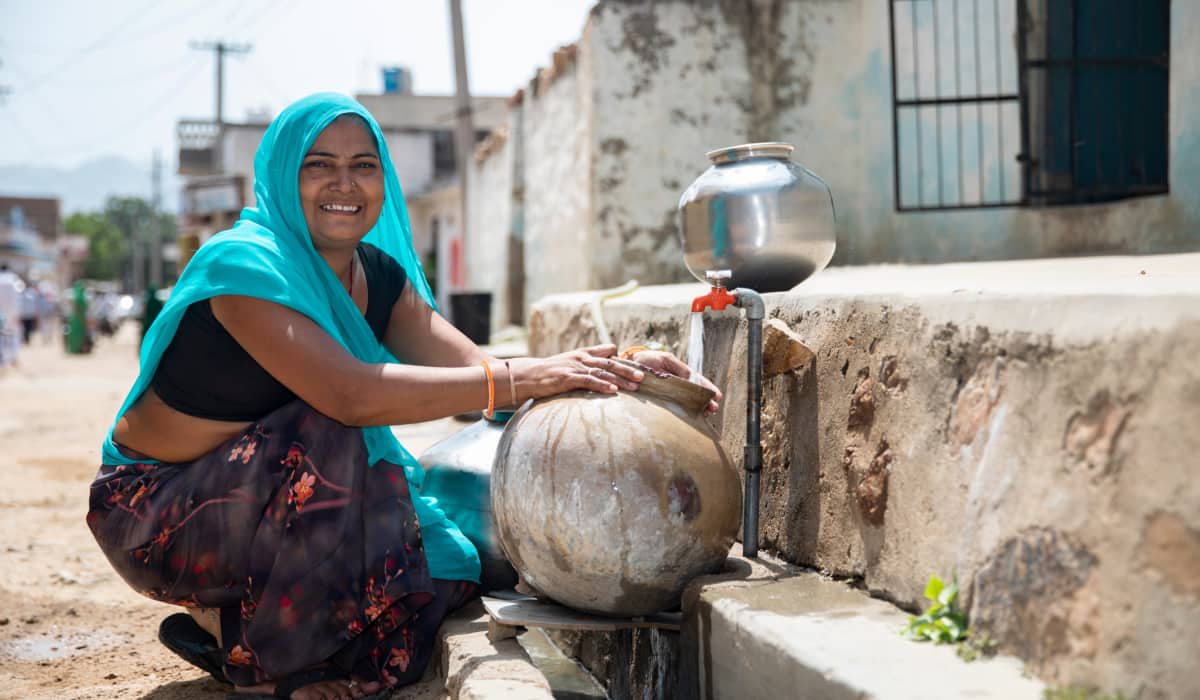
पीढ़ियों तक, ग्रामीण भारत में सिर पर पानी के मटके ढोती महिलाओं का दृश्य रोज़मर्रा की बात थी। यह सिर्फ़ एक काम नहीं था, बल्कि एक ज़रूरत थी, जो उनके दैनिक जीवन का अहम हिस्सा थी। पानी अक्सर एक या दो मटकों में लाया जाता, जिसे पीने, खाना बनाने, सफ़ाई और कपड़े धोने इत्यादि के लिए बचा-बचाकर इस्तेमाल करना पड़ता था। यह दिनचर्या आराम, पढ़ाई या कमाई के काम के लिए बहुत कम समय छोड़ती थी, और इसका बोझ सबसे ज़्यादा महिलाओं पर पड़ता था।

2014 से पहले, पानी की कमी, जो भारत की सबसे गंभीर समस्याओं में से एक थी; को न तो गंभीरता से लिया गया और न ही दूरदृष्टि के साथ हल किया गया। सुरक्षित पीने के पानी तक पहुँच बिखरी हुई थी, गाँव दूर-दराज़ के स्रोतों पर निर्भर थे, और पूरे देश में हर घर तक नल का पानी पहुँचाना असंभव-सा माना जाता था।

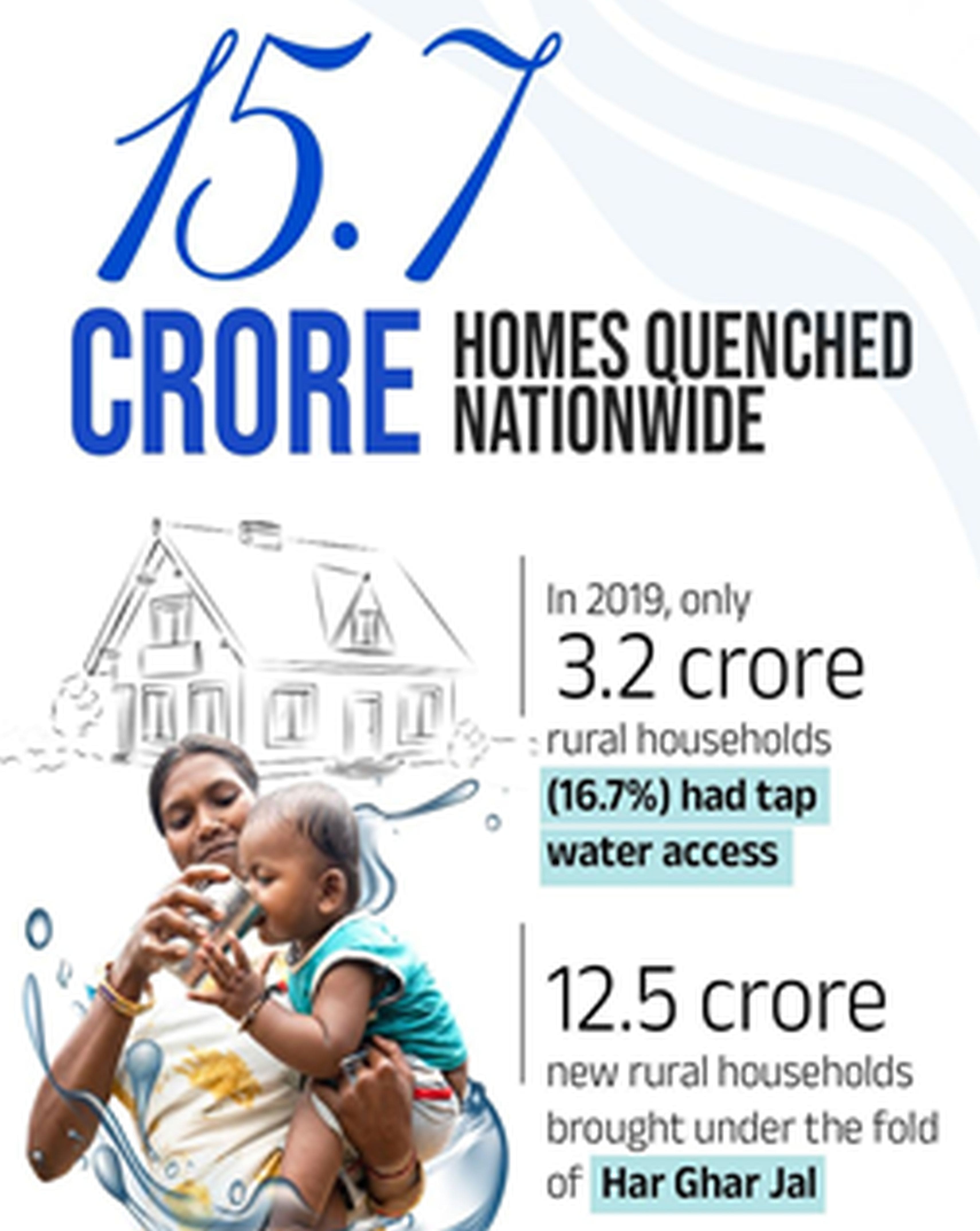
यह स्थिति 2019 में बदलनी शुरू हुई, जब भारत सरकार ने जल जीवन मिशन (JJM) शुरू किया। यह एक केंद्र प्रायोजित योजना है, जिसका उद्देश्य हर ग्रामीण घर तक सक्रिय घरेलू नल कनेक्शन (FHTC) पहुँचाना है। उस समय केवल 3.2 करोड़ ग्रामीण घरों में, जो कुल संख्या का महज़ 16.7% था, नल का पानी उपलब्ध था। बाकी लोग अब भी सामुदायिक स्रोतों पर निर्भर थे, जो अक्सर घर से काफी दूर होते थे।

जुलाई 2025 तक, हर घर जल कार्यक्रम के अंतर्गत प्रगति असाधारण रही है, 12.5 करोड़ अतिरिक्त ग्रामीण परिवारों को जोड़ा गया है, जिससे कुल संख्या 15.7 करोड़ से अधिक हो गई है। इस कार्यक्रम ने 200 जिलों और 2.6 लाख से अधिक गांवों में 100% नल जल कवरेज हासिल किया है, जिसमें 8 राज्य और 3 केंद्र शासित प्रदेश अब पूरी तरह से कवर किए गए हैं। लाखों लोगों के लिए, इसका मतलब न केवल घर पर पानी की पहुंच है, बल्कि समय की बचत, स्वास्थ्य में सुधार और सम्मान की बहाली है। 112 आकांक्षी जिलों में लगभग 80% नल जल कवरेज हासिल किया गया है, जो 8% से कम से उल्लेखनीय वृद्धि है। इसके अतिरिक्त, वामपंथी उग्रवाद जिलों के 59 लाख घरों में नल के कनेक्शन किए गए, जिससे यह सुनिश्चित होता है कि विकास हर कोने तक पहुंचे। महत्वपूर्ण प्रगति और आगे की चुनौतियों को ध्यान में रखते हुए, केंद्रीय बजट 2025–26 में इस कार्यक्रम को 2028 तक बढ़ाने और बजट में वृद्धि की घोषणा की गई है।

2019 में राष्ट्रीय स्तर पर शुरू किए गए जल जीवन मिशन की शुरुआत गुजरात से हुई है, जहाँ श्री नरेन्द्र मोदी ने मुख्यमंत्री के रूप में सुजलाम सुफलाम पहल के माध्यम से इस शुष्क राज्य में पानी की कमी से निपटने के लिए काम किया था। इस प्रयास ने एक ऐसे मिशन की रूपरेखा तैयार की जिसका लक्ष्य भारत के हर ग्रामीण घर में नल का पानी पहुँचाना था।

हालाँकि पेयजल राज्य का विषय है, फिर भी भारत सरकार ने एक प्रतिबद्ध भागीदार की भूमिका निभाई है, तकनीकी और वित्तीय सहायता प्रदान करते हुए राज्यों को स्थानीय समाधानों की योजना बनाने और उन्हें लागू करने का अधिकार दिया है। मिशन को पटरी पर बनाए रखने के लिए, एक मज़बूत निगरानी प्रणाली लक्ष्यीकरण के लिए आधार को जोड़ती है, परिसंपत्तियों को जियो-टैग करती है, तृतीय-पक्ष निरीक्षण करती है, और गाँव के जल प्रवाह पर नज़र रखने के लिए IoT उपकरणों का उपयोग करती है।

जल जीवन मिशन के उद्देश्य जितने पाइपों से संबंधित हैं, उतने ही लोगों से भी संबंधित हैं। वंचित और जल संकटग्रस्त क्षेत्रों को प्राथमिकता देकर, स्कूलों, आंगनवाड़ी केंद्रों और स्वास्थ्य केंद्रों में पानी की उपलब्धता सुनिश्चित करके, और स्थानीय समुदायों को योगदान या श्रमदान के माध्यम से स्वामित्व लेने के लिए प्रोत्साहित करके, इस मिशन का उद्देश्य सुरक्षित जल को सभी की ज़िम्मेदारी बनाना है।

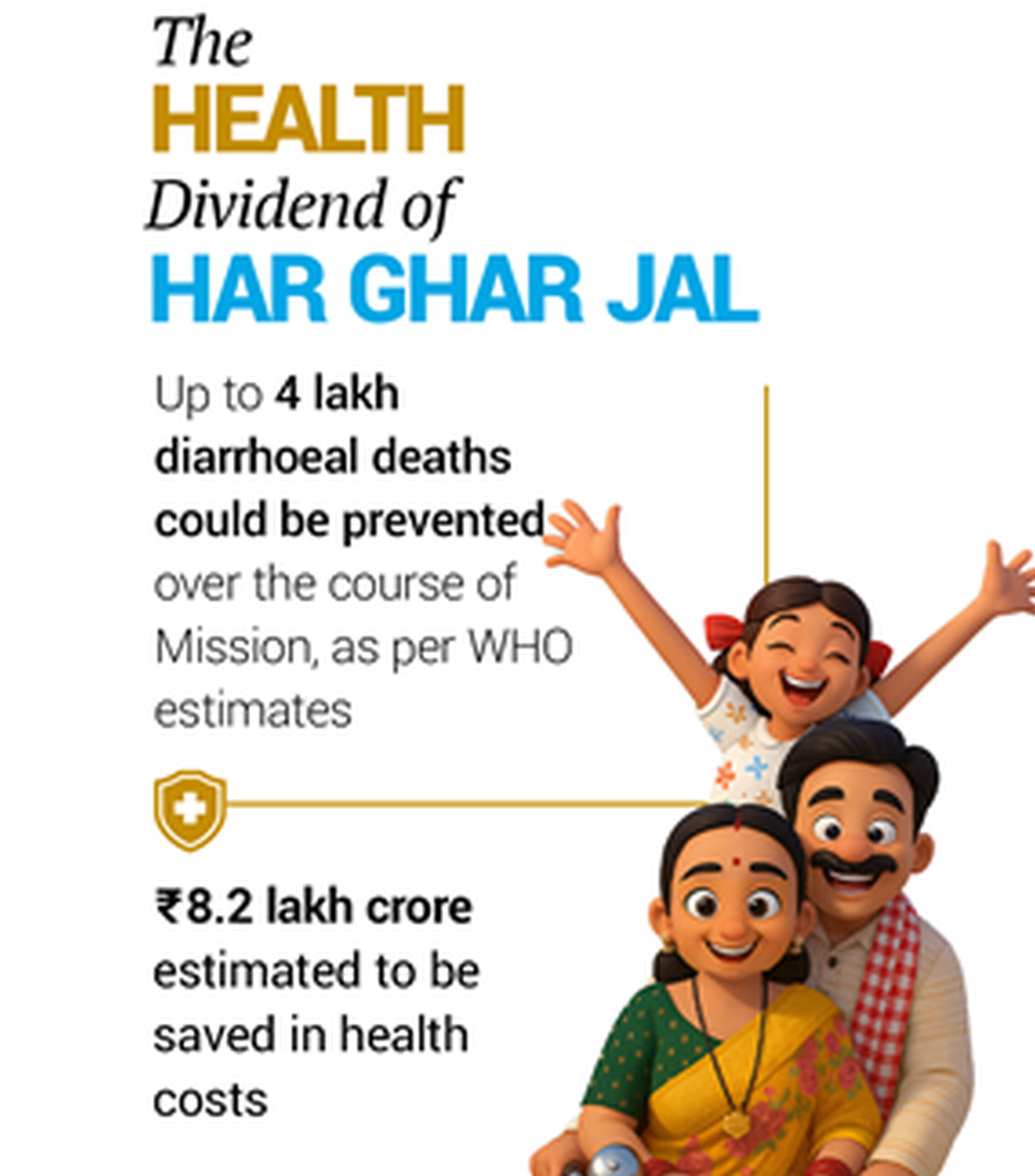
इसका प्रभाव सुविधा से कहीं आगे तक जाता है। विश्व स्वास्थ्य संगठन का अनुमान है कि JJM के लक्ष्यों को प्राप्त करने से प्रतिदिन 5.5 करोड़ घंटे से अधिक की बचत हो सकती है, यह समय अब शिक्षा, काम या परिवार पर खर्च किया जा सकता है। 9 करोड़ महिलाओं को अब बाहर से पानी लाने की ज़रूरत नहीं है। विश्व स्वास्थ्य संगठन का यह भी अनुमान है कि सभी के लिए सुरक्षित जल, दस्त से होने वाली लगभग 4 लाख मौतों को रोक सकता है और स्वास्थ्य लागत में 8.2 लाख करोड़ रुपये की बचत कर सकता है। इसके अतिरिक्त, आईआईएम बैंगलोर और अंतर्राष्ट्रीय श्रम संगठन के अनुसार, JJM ने अपने निर्माण के दौरान लगभग 3 करोड़ व्यक्ति-वर्ष का रोजगार सृजित किया है, और लगभग 25 लाख महिलाओं को फील्ड टेस्टिंग किट का उपयोग करने का प्रशिक्षण दिया गया है।

रसोई में एक माँ का साफ़ पानी से गिलास भरते समय मिलने वाला सुकून हो, या उस स्कूल का भरोसा जहाँ बच्चे बेफ़िक्र होकर पानी पी सकते हैं; जल जीवन मिशन, ग्रामीण भारत में जीवन जीने के मायने बदल रहा है।