F.A.O के Director General,
Excellencies,
देवियों और सज्जनों,
नमस्कार!
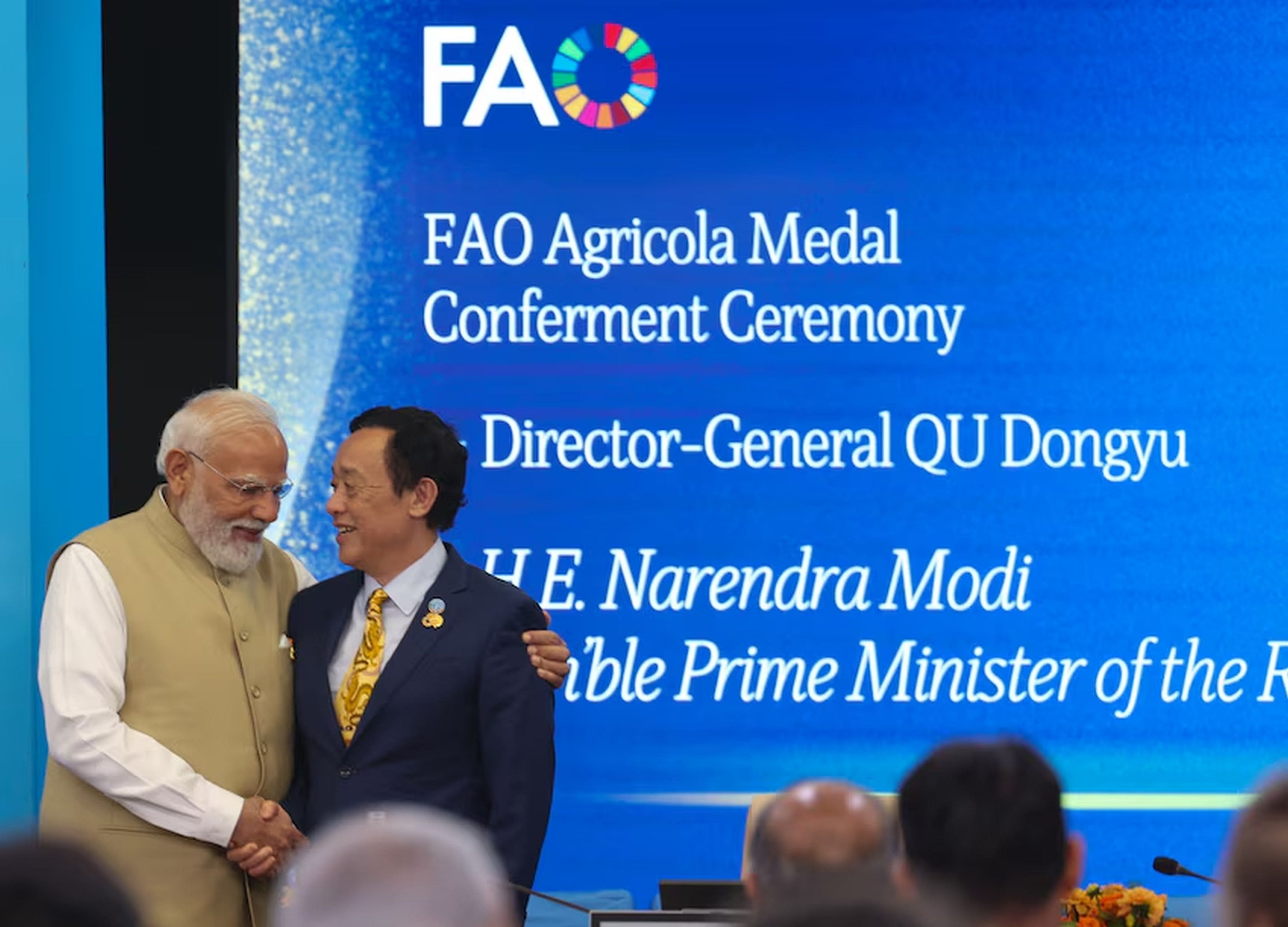
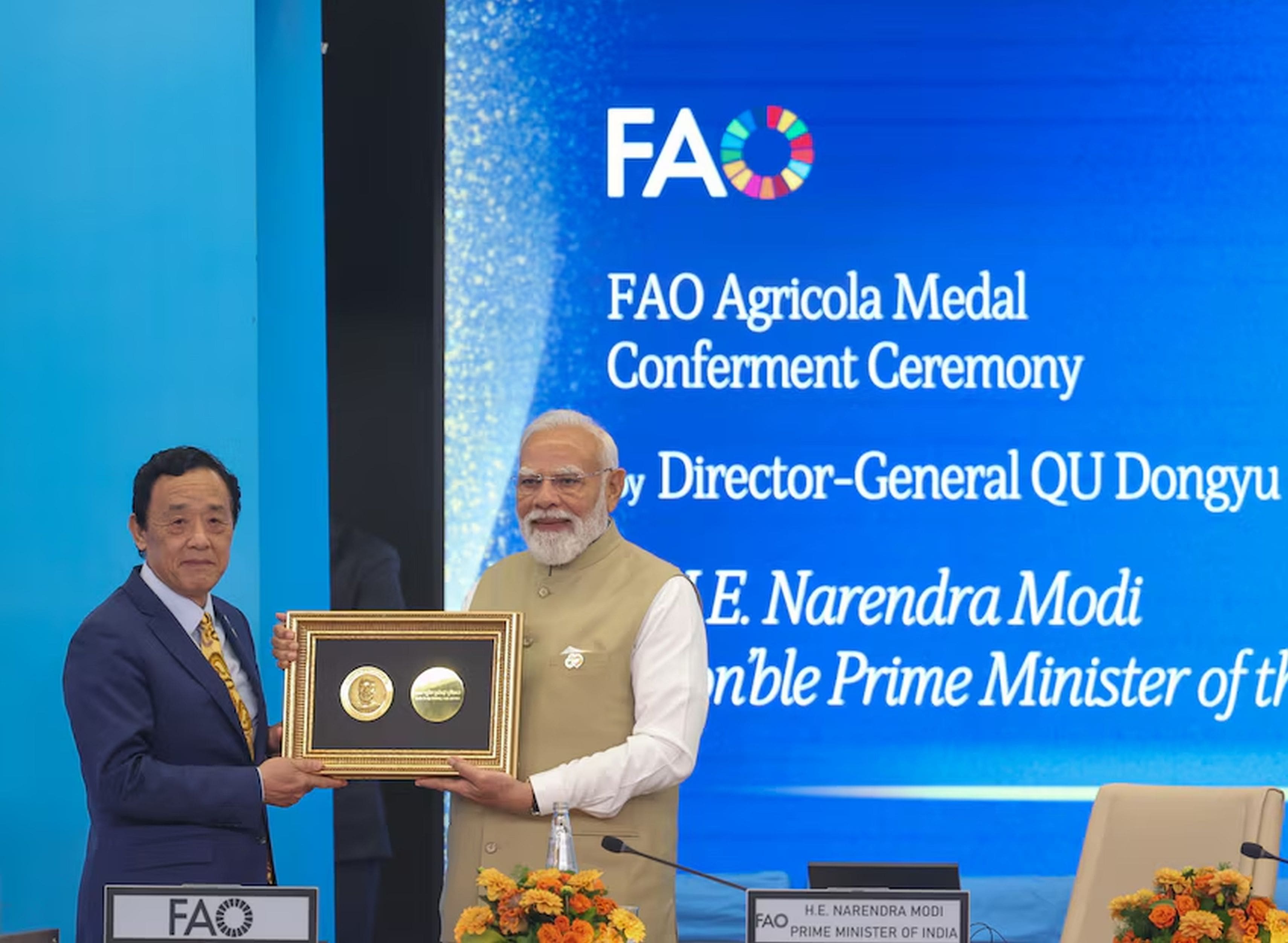
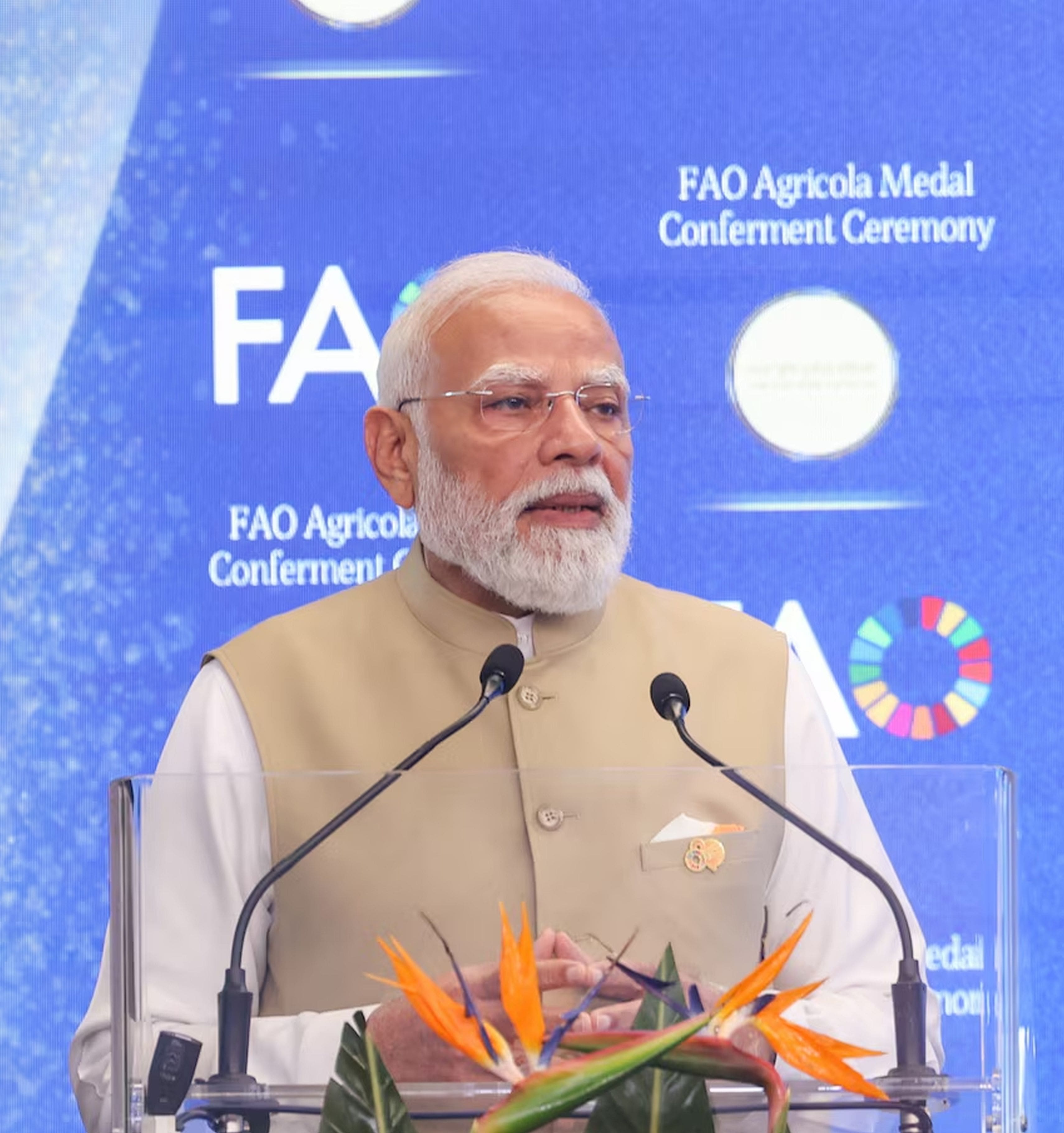
हमारे शानदार स्वागत और ‘एग्री-कोला मेडल’ से सम्मानित करने के लिए मैं FAO के Director General का ह्रदय से आभार व्यक्त करता हूं। भारत के प्रति उनके मित्रता भरे शब्दों और FAO में उनके वर्षों के योगदान के लिए मैं उनका अभिनंदन करता हूँ।
यह केवल मेरा सम्मान नहीं है। यह भारत के करोड़ों किसानों, पशुपालकों, मत्स्य पालकों, कृषि वैज्ञानिकों और हमारे श्रमिकों का सम्मान है। यह भारत की उस अटूट प्रतिबद्धता का भी सम्मान है, जिसके केंद्र में मानव कल्याण, खाद्य सुरक्षा और Sustainable Development है। मैं इस मेडल को अत्यंत विनम्रता के साथ स्वीकार करते हुए भारत के अन्नदाताओं को यह मेडल समर्पित करता हूं।
Friends,
भारतीय सभ्यता में कृषि केवल फसल उगाने भर का माध्यम नहीं है। इसे मनुष्य और Mother Earth के बीच एक गहरे और पवित्र संबंध का दर्जा दिया गया है।
भारत में कृषि जीवन की मूल धारा है। हमारी संस्कृति का अभिन्न अंग है। हमारे जीवन मूल्यों का प्रतिबिंब है। हमारे यहाँ धरती को ‘मां’ कहा जाता है, और किसान को ‘धरती पुत्र’ की संज्ञा दी जाती है। हजारों वर्ष पुराने यही मूल्य आज भी हमारे प्रयासों की प्रेरणा हैं।
Friends,
हजारों वर्षों की सीख और भारत की कृषि परंपरा के साथ,आज हमारा देश Agriculture Sector में Science, Technology और Innovation Driven Approach को लेकर आगे बढ़ रहा है।
हम सिर्फ Production बढ़ाने के लिए ही नहीं, एक ऐसा Farming Ecosystem बनाने के लिए भी काम कर रहे हैं, जो Sustainable भी हो, Climate-Resilient भी हो और Future-Ready भी हो। और इसीलिए पूरे भारत में Scientific Agriculture को Mission Mode में आगे बढ़ाया जा रहा है।
Soil Health Cards की मदद से हम किसानों को मिट्टी की Scientific Testing और न्यूट्रिएंट बेस्ड गाइडेंस दे रहे हैं।
"Per Drop More Crop” जैसे अभियान Micro-Irrigation और Precision Farming को बढ़ावा दे रहे हैं, ताकि किसानों को कम पानी में ज्यादा फसल मिल सके।
Friends,
Technology आज Indian Agriculture की नई ताकत बन रही है। Agristack जैसे Digital Public Infrastructure, AI Based Advisory Systems, Drones, Remote Sensing Technologies और Sensor-Based Machinery भारत में खेती को Smarter और Data-Driven बना रहे हैं। आज गांव का छोटा किसान भी Mobile Technology के जरिए Weather Updates, Crop Advisory और Market Information तक पहुंच रहा है। और भारत Climate-Resilient Agriculture पर भी तेजी से काम कर रहा है।पिछले दस सालों में देश में लगभग 3,000 Climate-Resilient Crop Varieties विकसित की गई हैं। Three Thousand. देश के करोड़ों किसानों को इससे लाभ मिल रहा है।
साथियों,
हम मानते हैं कि Future Of Farming केवल "Produce More” में नहीं बल्कि "Produce Better” में है। इसी सोच के साथ Biodiversity बढ़ाने और Chemical Fertilizers पर Dependence कम करने पर बल दिया जा रहा है। भारत का अनुभव दुनिया को यह दिखा रहा है कि Scale और Sustainability साथ-साथ चल सकते हैं ,Technology और Inclusion एक-दूसरे को Strengthen कर सकते हैं, और Science Driven Agriculture Global Food Security का मजबूत आधार बन सकता है।
Friends,
आज भारत में कृषि का स्वरूप तेज़ी से बदल रहा है।भारत Food-Surplus Nation होने के साथ-साथ वैश्विक Food Security में भी महत्वपूर्ण योगदान दे रहा है। मिल्क और स्पाइस प्रोडक्शन में भारत सबसे आगे है। चावल, गेहूं, Fruits, Vegetables और Cotton के उत्पादन में भी भारत अग्रणी देशों में शामिल है। भारत के कृषि निर्यात 2020 में 35 बिलियन डॉलर से बढ़कर पिछले वर्ष 51 बिलियन डॉलर का आंकड़ा पार कर चुके हैं।
Friends,
यह उपलब्धियां इसलिए महत्वपूर्ण हैं क्योंकि भारत के पास विश्व की केवल ढाई प्रतिशत Agricultural Land है, लेकिन दुनिया की अठारह प्रतिशत आबादी भारत में हैं। भारत का सफल अनुभव पूरे ग्लोबल साउथ को नए आत्मविश्वास के साथ आगे बढ़ने के लिए प्रेरित करता है। हमारे लिए Food Security केवल Policy Matter नहीं है, यह मानवता के प्रति हमारी जिम्मेदारी है।
Friends,
भारत का FAO के साथ सहयोग दशकों पुराना है। हमें गर्व है कि डॉक्टर स्वामीनाथन और डॉक्टर बीनॉय रंजन सेन जैसे महान वैज्ञानिकों ने FAO से जुड़कर World Food Security में महत्वपूर्ण योगदान दिया। भारत का हमेशा से मानना रहा है कि Science, Policy और Human Values जब साथ आते हैं, तब इतिहास बदलता है। संस्थापक सदस्य के रूप में भारत ने FAO के साथ मिलकर Global Food Security, Sustainable Agriculture और Hunger-Free World के लक्ष्य को आगे बढ़ाने में सक्रिय भूमिका निभाई है। हमारी साझेदारी का सबसे अच्छा उदाहरण हमें International Year Of Millets के दौरान देखने को मिला। FAO के सहयोग से दुनिया ने Millets की शक्ति को नए रूप में पहचाना। हम आगे भी कंधे से कंधा मिलाकर काम करते रहेंगे। और मैंने देखा है कि जब भी मैं Millet के बारे में चर्चा करता हूँ, तब हर किसी का ध्यान इस बात पर जाता है, nutrition पर। लेकिन मिलेट्स एक प्रकार से environment friendly फसल है। कम से कम पानी की ज़रूरत पड़ती है और बिना chemical fertilizers वो grow करता है। और भारत एक ऐसा देश है जहाँ 85% किसान, एक प्रकार से बहुत कम खेती करने वाले, बहुत कम ज़मीन वाले किसान हैं। जहाँ पर irrigation facility नहीं है, जहाँ सिर्फ बारिश पर निर्भर रहना पड़ता है, वहाँ के किसान millets की खेती के माध्यम से nutrition की चिंता तो करते ही करते हैं, लेकिन साथ में environment की सबसे बड़ी सेवा करते हैं।
Friends,
भारत में हम कहते हैं: ‘जय जवान, जय किसान’जब किसान एक बीज बोता है, तब वह केवल फसल नहीं उगाता, वह आने वाली पीढ़ियों के लिए विश्वास बोता है।आज जब विश्व अनिश्चितता और अस्थिरता के दौर से गुजर रहा है, तब किसानों का योगदान और भी अधिक महत्वपूर्ण हो जाता है। आज जो सम्मान दिया गया है, भारत के हर किसान का संकल्प और मजबूत करेगा। और आगे भी Hunger, Poverty और Malnutrition के विरुद् वैश्विक प्रयासों में भारत पूरी प्रतिबद्धता से अपना योगदान देता रहेगा। और जैसा बताया गया कि कल आप चाय का दिन मनाने वाले हो, तो चाय का दिन मनाने के लिए चायवाला एक दिन पहले ही आपके बीच में आ गया है। और भारत की चाय की variety भी बहुत है और चाय की ताकत भी बहुत है।
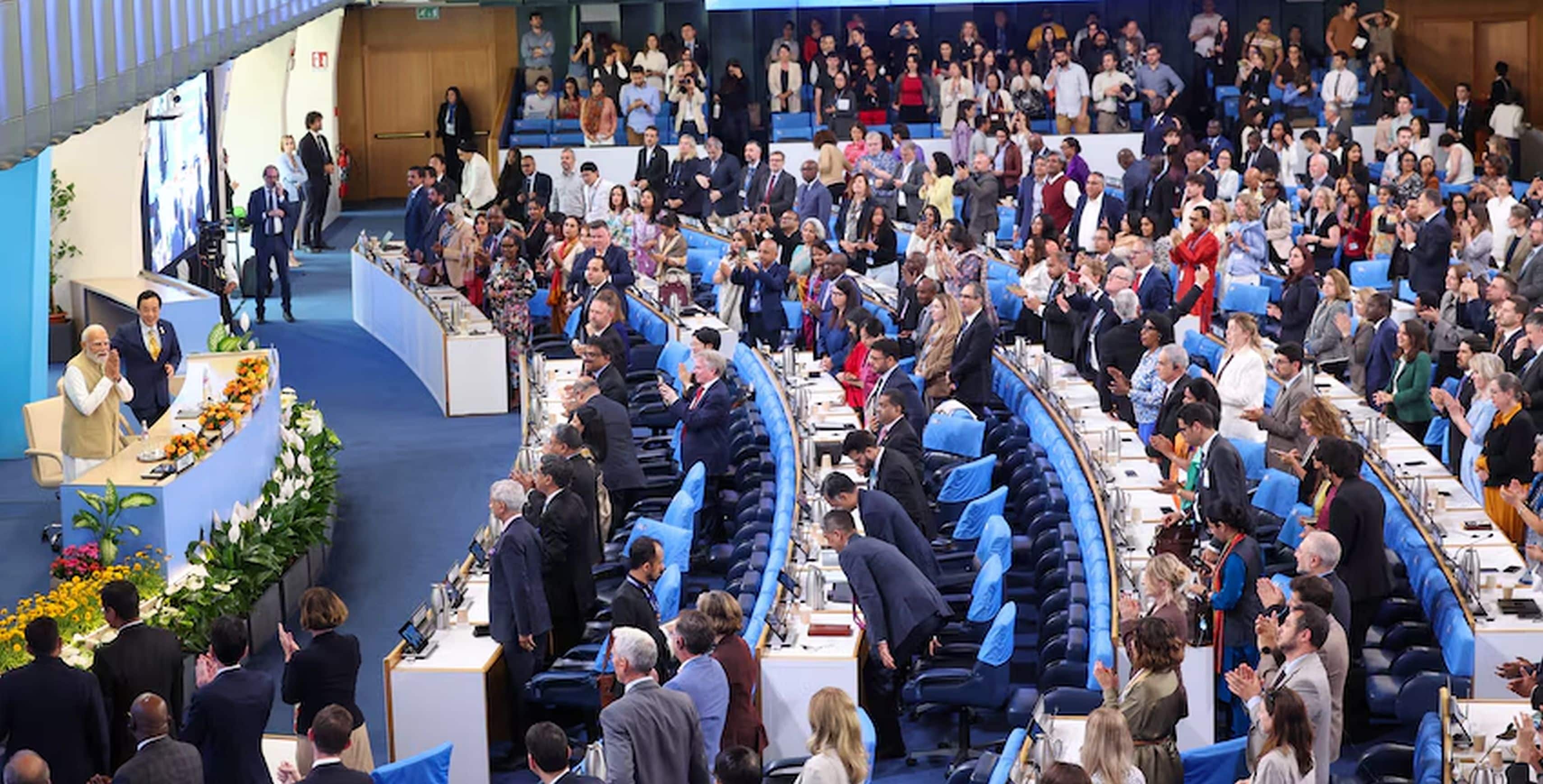
एक बार फिर FAO के Director General का मैं हृदय से आभार व्यक्त करता हूं।
आप सबका भी मैं बहुत-बहुत अभिनंदन करता हूं।
बहुत-बहुत धन्यवाद।