



Prime Minister spoke on phone today with His Excellency Filipe Jacinto Nyusi, President of Mozambique.
The two leaders discussed the challenges posed in both countries by the continuing COVID-19 pandemic. Prime Minister conveyed India's willingness to support Mozambique's efforts during the health crisis, including through provision of essential medicines and equipment. President Nyusi expressed his appreciation for the close cooperation between both countries in the field of healthcare and pharmaceutical supplies.
The two leaders discussed other important topics including Indian investments and development projects in Mozambique. Prime Minister recognized Mozambique as an important pillar of India's overall partnership with Africa, noting the large commitments made by Indian companies to the coal and natural gas sectors of Mozambique.
The leaders expressed satisfaction about the growing bilateral cooperation in defence and security. Prime Minister shared President Nyusi's concern about the incidents of terrorism in northern Mozambique, and offered all possible support, including through capacity building of Mozambican police and security forces.
Prime Minister conveyed his special thanks for the efforts being made by Mozambican authorities to ensure the security and safety of the Indian and Indian-origin community in Mozambique.
The two leaders agreed that officials of the two countries would remain in touch to explore further avenues of cooperation and support during the ongoing pandemic.
Published By : Admin |
June 3, 2020 | 20:10 IST
-
Share
-

-

-


Login or Register to add your comment
Explore More
NEXT READ

લોકપ્રિય ભાષણો
શ્રી રામ જન્મભૂમિ મંદિર ધ્વજારોહણ ઉત્સવ દરમિયાન પ્રધાનમંત્રીના સંબોધનનો મૂળપાઠ
Media Coverage
EPFO settles 8.3 crore claims in FY26; cheque leaf upload reform benefits 7 crore members, says govt

Nm on the go
Always be the first to hear from the PM. Get the App Now!

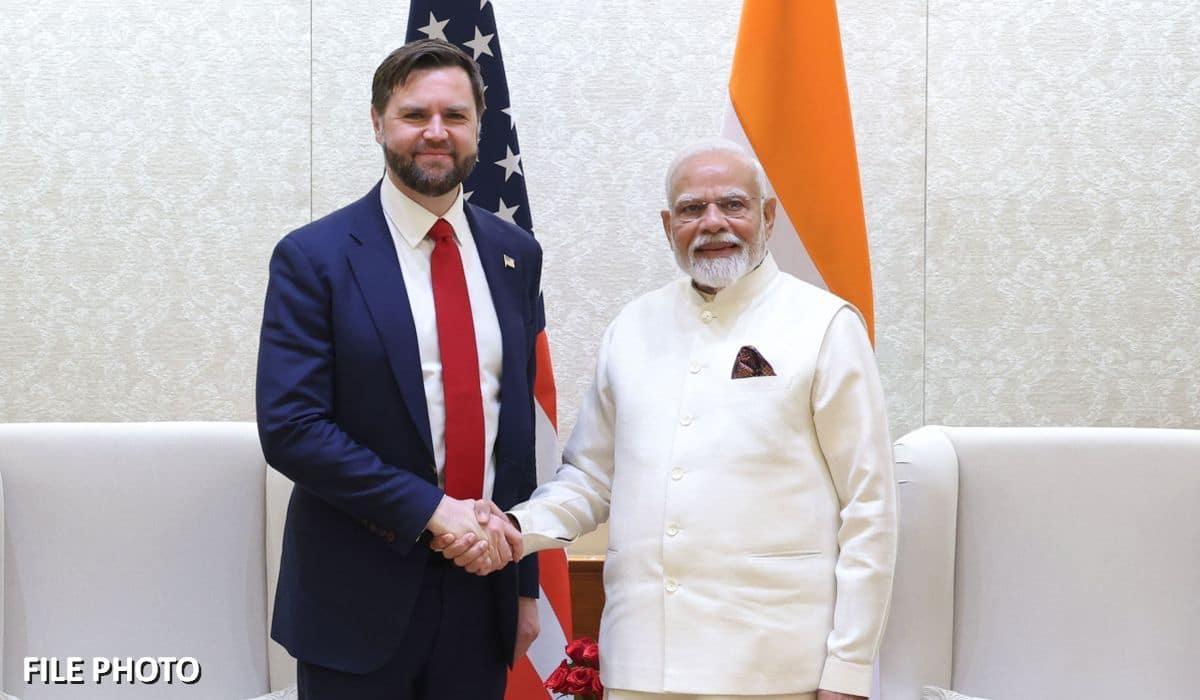
Prime Minister Narendra Modi receives a telephone call from the US Vice President
August 08, 2026
-
Share
-
-
-
PM and Vice President Vance review progress in the India-U.S. Strategic Partnership.
PM and Vice President Vance exchange views on regional and global developments.
PM warmly congratulates Vice President Vance and Ms. Usha Vance on the birth of their son.
Prime Minister Shri Narendra Modi received a telephone call today from the Vice President of the United States, Mr. J.D. Vance.
Prime Minister and Vice President Vance reviewed progress in the India-U.S. Comprehensive Global Strategic Partnership. They noted the sustained momentum in the high-level engagements and reaffirmed their commitment to further strengthening cooperation in trade, defence, critical and emerging technologies, energy security and critical minerals.
They also exchanged views on regional and global developments of mutual interest.
Prime Minister warmly congratulated Vice President Vance and Ms. Usha Vance on the birth of their son and conveyed best wishes to the family.
Received a phone call from US Vice President JD Vance. We discussed ways to further deepen India-US Comprehensive Global Strategic Partnership across key areas.
— Narendra Modi (@narendramodi) August 8, 2026
Warmly congratulated him and the Second Lady on the birth of their son and conveyed best wishes to the entire family.…


Posted via www.narendramodi.in