CCEA approves bouquet of schemes to boost wellbeing of farmers, rejuvenate soil productivity, and ensure food security & environmental sustainability
CCEA approves continuation of Urea Subsidy Scheme; Rs. 3,68,676.7 Crore committed for urea subsidy for 3 years (2022-23 to 2024-25).
Rs. 1451 crore approved for Market Development Assistance (MDA) Scheme to exemplify model of wealth from waste; Parali and organic manure from Gobardhan plants to be used to enrich the soil and keep the environment safe and clean
Introduction of Sulphur coated Urea (Urea Gold); to address Sulphur deficiency of soil and save input costs for the farmers
প্রধানমন্ত্রী শ্রী নরেন্দ্র মোদীর পৌরোহিত্যে কেন্দ্রীয় মন্ত্রিসভার অর্থনৈতিক বিষয় সংক্রান্ত কমিটি আজ কৃষকদের জন্য কয়েকটি বিশেষ উদ্ভাবনী প্রকল্প চালুর প্রস্তাবে অনুমোদন দিয়েছে। এর জন্য ব্যয় হবে ৩,৭০,১২৮ কোটি ৭০ লক্ষ টাকা। এই প্রকল্পগুলির মূল উদ্দেশ্য সুস্থায়ী কৃষিকাজে উৎসাহদান যার ফলে কৃষকদের আর্থিক লাভ বৃদ্ধি পাবে এবং একইসঙ্গে খাদ্য নিরাপত্তা নিশ্চিত হবে।
কমিটি ইউরিয়া সারের ভর্তুকি প্রকল্প চালু রাখার সিদ্ধান্ত নিয়েছে। বর্তমানে ৪৫ কেজি ইউরিয়ার সর্বোচ্চ খুচরো মূল্য ২৪২ টাকা। নিমের আস্তরণের জন্য আলাদা অর্থ দিতে হয়। বিশ্বের বাজারে ইউরিয়ার মূল্য বৃদ্ধির ফলে ৪৫ কেজি ইউরিয়ার দাম ২,২০০ টাকা। তবে, সরকার ভর্তুকি দেওয়ায় কৃষকরা ২৪২ টাকায় এই সার পেয়ে থাকেন। এর জন্য ২০২২-২৩ অর্থবর্ষ থেকে ২০২৪-২৫ অর্থবর্ষ পর্যন্ত সময়কালে সরকার ৩,৬৮,৬৭৬ কোটি ৭০ লক্ষ টাকা ভর্তুকি বাবদ দেওয়ার সিদ্ধান্ত নিয়েছে।
বিশ্বজুড়ে ভূ-রাজনৈতিক পরিস্থিতির পরিবর্তন এবং কাঁচামালের মূল্য বৃদ্ধির ফলে সারের দাম বৃদ্ধি পাচ্ছে। কিন্তু আমাদের কৃষকদের স্বার্থ সুরক্ষিত রাখার জন্য সরকার সারের ওপর ভর্তুকি ক্রমশ বৃদ্ধি করছে। ২০১৪-১৫ অর্থবর্ষে সারের জন্য ৭৩,০৬৭ কোটি টাকা ব্যয় হয়েছে যা ২০২২-২৩ অর্থবর্ষে বৃদ্ধি পেয়ে দাঁড়িয়েছে ২,৫৪,৭৯৯ কোটি টাকা।
ন্যানো ইউরিয়া
২০২৫-২৬ অর্থবর্ষের মধ্যে দেশে আটটি ন্যানো ইউরিয়া কারখানা থেকে ৪৪ কোটি বোতল ইউরিয়া উৎপাদনের লক্ষ্যমাত্রা ধার্য করা হয়েছে যার মোট পরিমাণ ১৯৫ লক্ষ মেট্রিক টন। ন্যানো ইউরিয়ার পুষ্টিগুণ যথেষ্ট বেশি। কৃষকদের এই সার ব্যবহারের জন্য কম অর্থ ব্যয় করতে হয়। অন্যদিকে এই সার প্রয়োগে ফসলের উৎপাদনও বৃদ্ধি পায়।
২০২৫-২৬ অর্থবর্ষের মধ্যে ইউরিয়ায় আত্মনির্ভর হয়ে ওঠার প্রয়াস
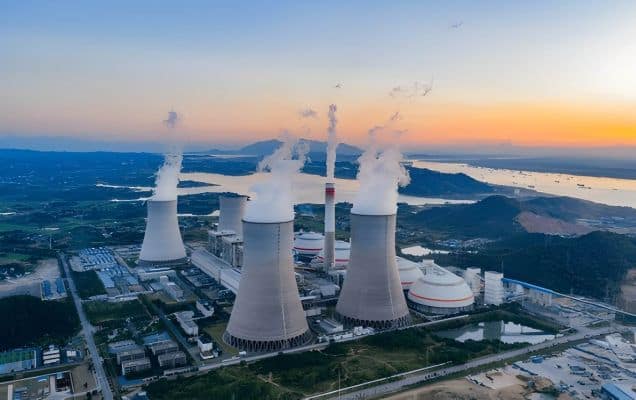
দেশজুড়ে ছ’টি ইউরিয়া উৎপাদন কেন্দ্র গড়ে তোলা হচ্ছে। এর মধ্যে রাজস্থানের কোটায় চম্বল ফার্টি লিমিটেড এবং পশ্চিমবঙ্গের পানাগড়ের ম্যাটিক্স লিমিটেডকে পুনরুজ্জীবিত করা হচ্ছে। তেলেঙ্গানার রামাগুন্ডাম, উত্তরপ্রদেশের গোরক্ষপুর, ঝাড়খণ্ডের সিন্ধ্রি এবং বিহারের বারাউনিতেও সার উৎপাদন শুরু হয়েছে। ২০১৪-১৫ অর্থবর্ষে ২২৫ লক্ষ মেট্রিক টন সার উৎপাদন হয়েছে। ২০২১-২২ অর্থবর্ষে তা বৃদ্ধি পেয়ে দাঁড়িয়েছে ২৫০ লক্ষ মেট্রিক টন। ২০২২-২৩ অর্থবর্ষে তা বৃদ্ধি পেয়ে দাঁড়িয়েছে ২৮৪ লক্ষ মেট্রিক টন। এছাড়াও, ন্যানো ইউরিয়া প্ল্যান্টে উৎপাদন শুরু হলে ইউরিয়ার আমদানির ওপর নির্ভরশীলতা কমবে। ২০২৫-২৬ অর্থবর্ষে ইউরিয়ায় দেশ আত্মনির্ভর হয়ে উঠবে বলে আশা করা যায়।
পিএম প্রণাম-এর মাধ্যমে বসুন্ধরা মাতার প্রতি গুরুত্ব আরোপ
আমাদের বসুন্ধরা মাতা মানবজাতিকে বিভিন্ন সময়ে প্রচুর সম্পদ দিয়েছে। এখন সময় এসেছে প্রাকৃতিক পদ্ধতিতে কৃষিকাজের মধ্য দিয়ে মাটির স্বাস্থ্যরক্ষা করা। এর জন্য রাসায়নিক সারের যথাযথ ব্যবহার, জৈব পদ্ধতিতে কৃষিকাজ বৃদ্ধি, ন্যানো ফার্টিলাইজারের মতো নতুন নতুন উদ্ভাবন এবং জৈব সারের ব্যবহার করা হবে। পিএম প্রোগ্রাম ফর রেস্টোরেশন, অ্যাওয়্যারনেস জেনারেশন নারিশমেন্ট অ্যান্ড অ্যামেলিওরেশন অফ মাদার আর্থ বা প্রণাম প্রকল্পের মাধ্যমে রাজ্য এবং কেন্দ্রশাসিত অঞ্চলগুলিকে বিকল্প সারের ব্যবহারের জন্য উৎসাহিত করা হবে। এর ফলে রাসায়নিক সারের ব্যবহার কমবে।
আজ যেসব প্যাকেজগুলি অনুমোদন করা হয়েছে তার মধ্যে রয়েছে গোবর্ধন প্ল্যান্ট থেকে উৎপাদিত জৈব সারের ব্যবহার বৃদ্ধির জন্য প্রয়োজনীয় আর্থিক সহায়তা। কেন্দ্রীয় মন্ত্রিসভার অর্থনৈতিক বিষয় সংক্রান্ত কমিটি এর জন্য ১,৪৫১ কোটি ৮৪ লক্ষ টাকা অনুমোদন করেছে। বিভিন্ন ধরনের জৈব সার উৎপাদনের পর সেগুলি বাজারজাত করার জন্য নানা উদ্যোগ নেওয়া হয়েছে। জৈব গ্যাসের প্ল্যান্ট এবং কম্প্রেসড বায়ো-গ্যাস প্ল্যান্ট থেকে যে সার পাওয়া যায় সেগুলিকে গোবর্ধন প্রকল্পের আওতায় নিয়ে আসা হয়েছে। এছাড়াও, প্রাকৃতিক পদ্ধতিতে কৃষিকাজের জন্য মাটির স্বাস্থ্য পরীক্ষা করতে নানা ধরনের উদ্যোগ নেওয়া হয়েছে। দেশের ৪২৫টি কৃষি বিজ্ঞান কেন্দ্রে প্রাকৃতিক পদ্ধতিতে কৃষিকাজের প্রয়োজনীয় প্রশিক্ষণ দেওয়া হচ্ছে। ৬ লক্ষ ৮০ হাজার কৃষককে এ বিষয়ে সচেতন করে তুলতে ৬,৭৭৭টি কর্মশালার আয়োজন করা হয়েছে।
মাটিতে সালফারের ঘাটতি মেটাতে সালফার আস্তরণযুক্ত ইউরিয়া খুব শীঘ্রই বাজারে আসতে চাইছে। ইতোমধ্যেই দেশের বিভিন্ন প্রান্তে প্রায় ১ লক্ষ প্রধানমন্ত্রী কিষাণ সমৃদ্ধি কেন্দ্র গড়ে তোলা হয়েছে। কৃষকদের এখান থেকে প্রয়োজনীয় পরামর্শ দেওয়া হয়।
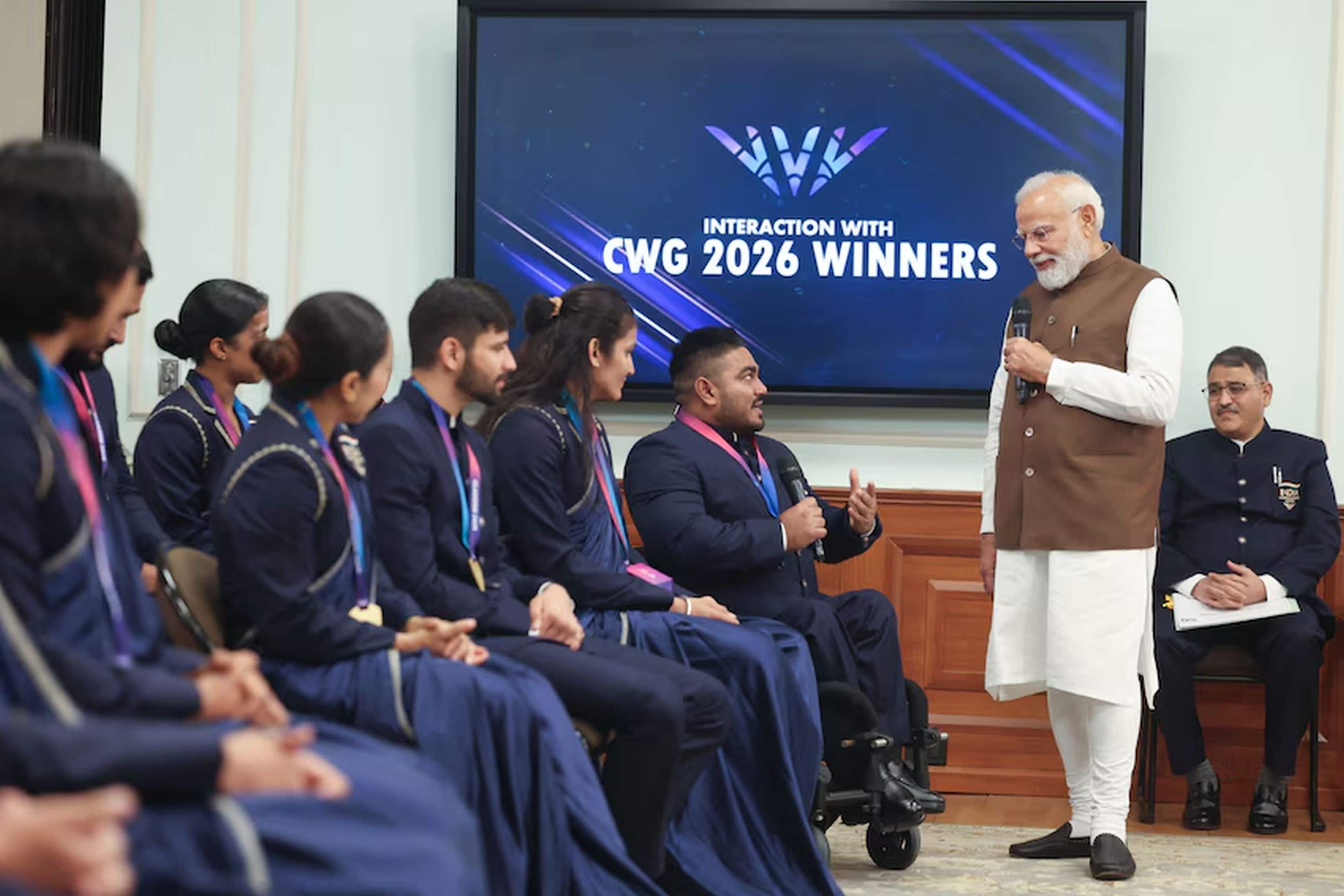
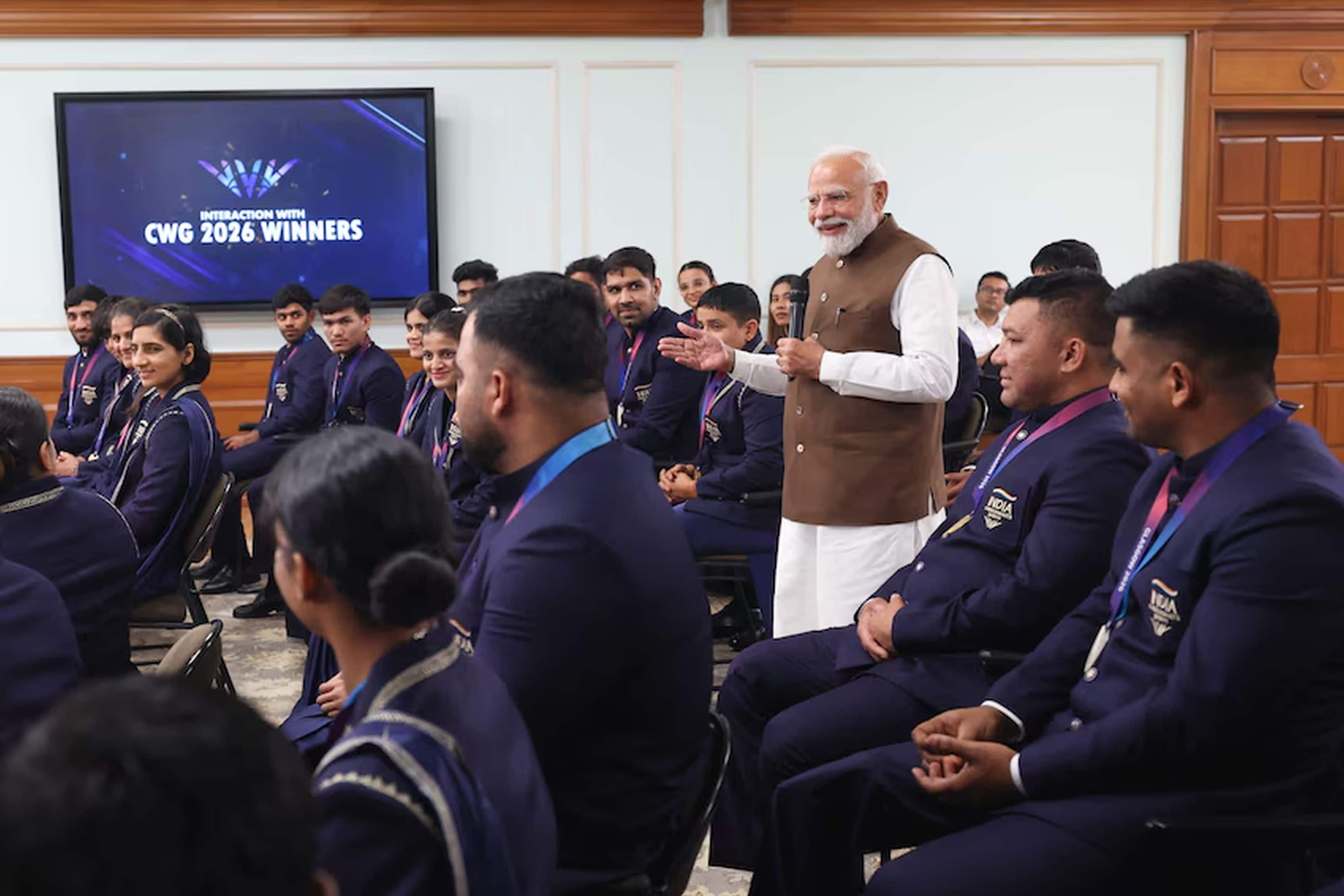
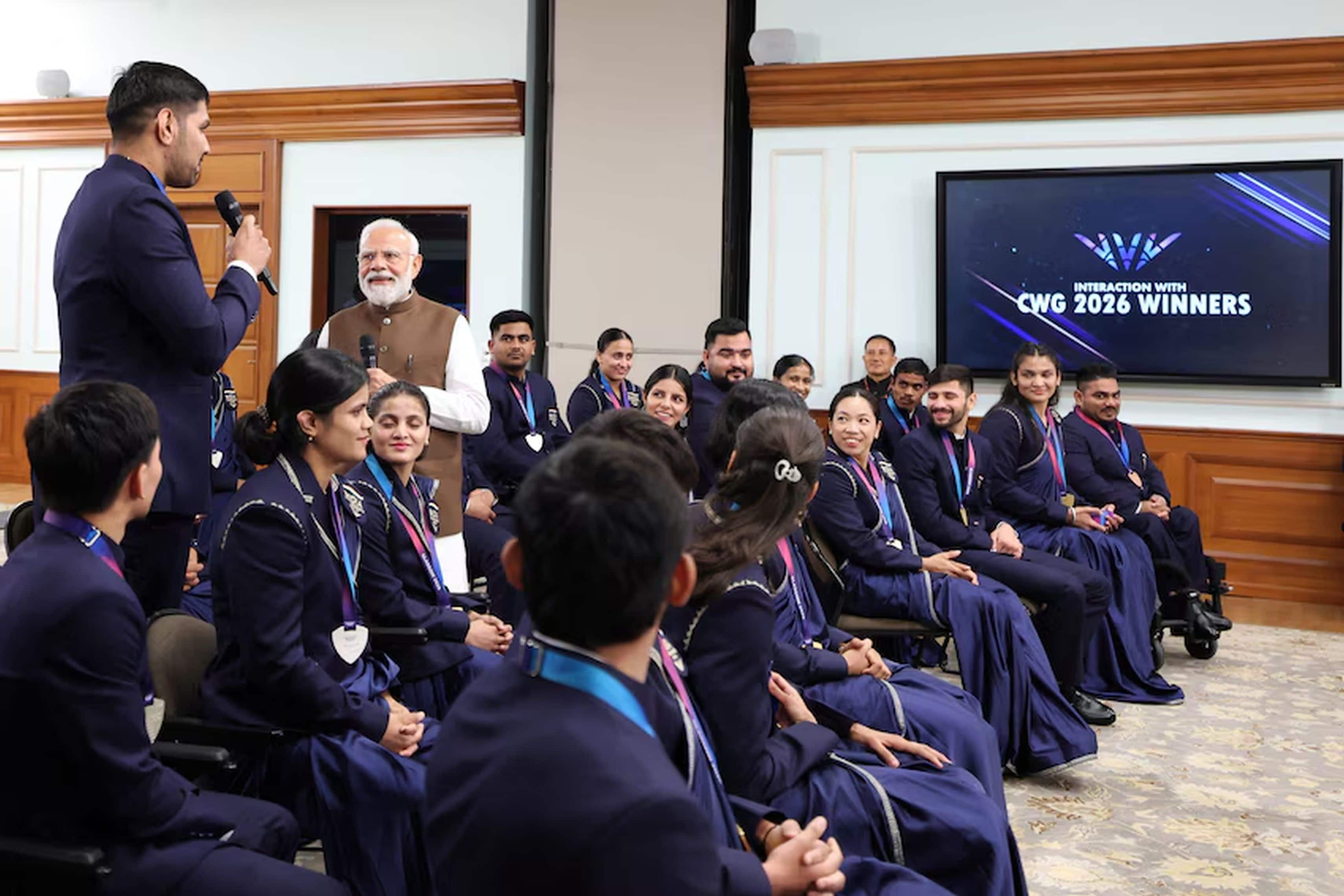
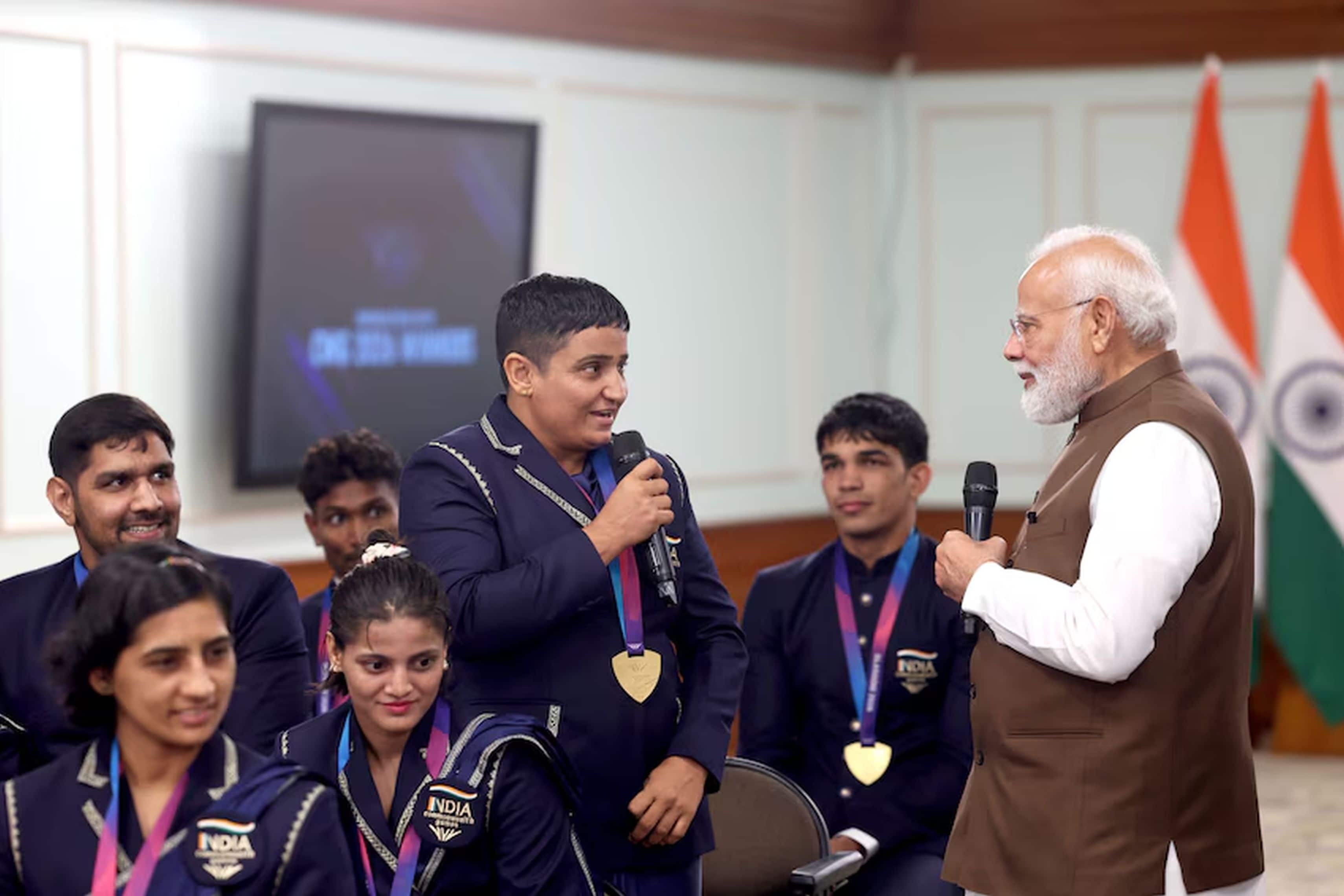
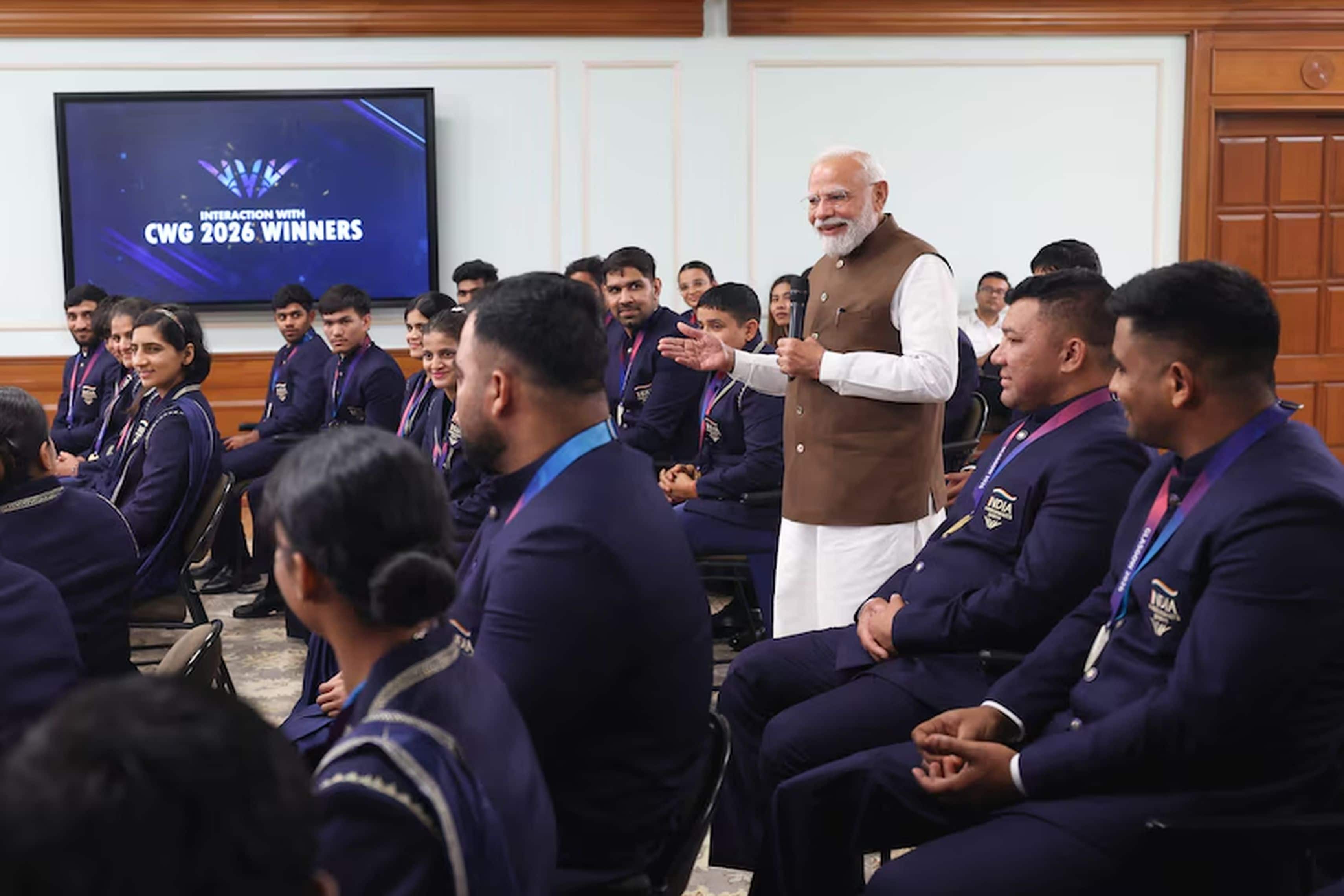
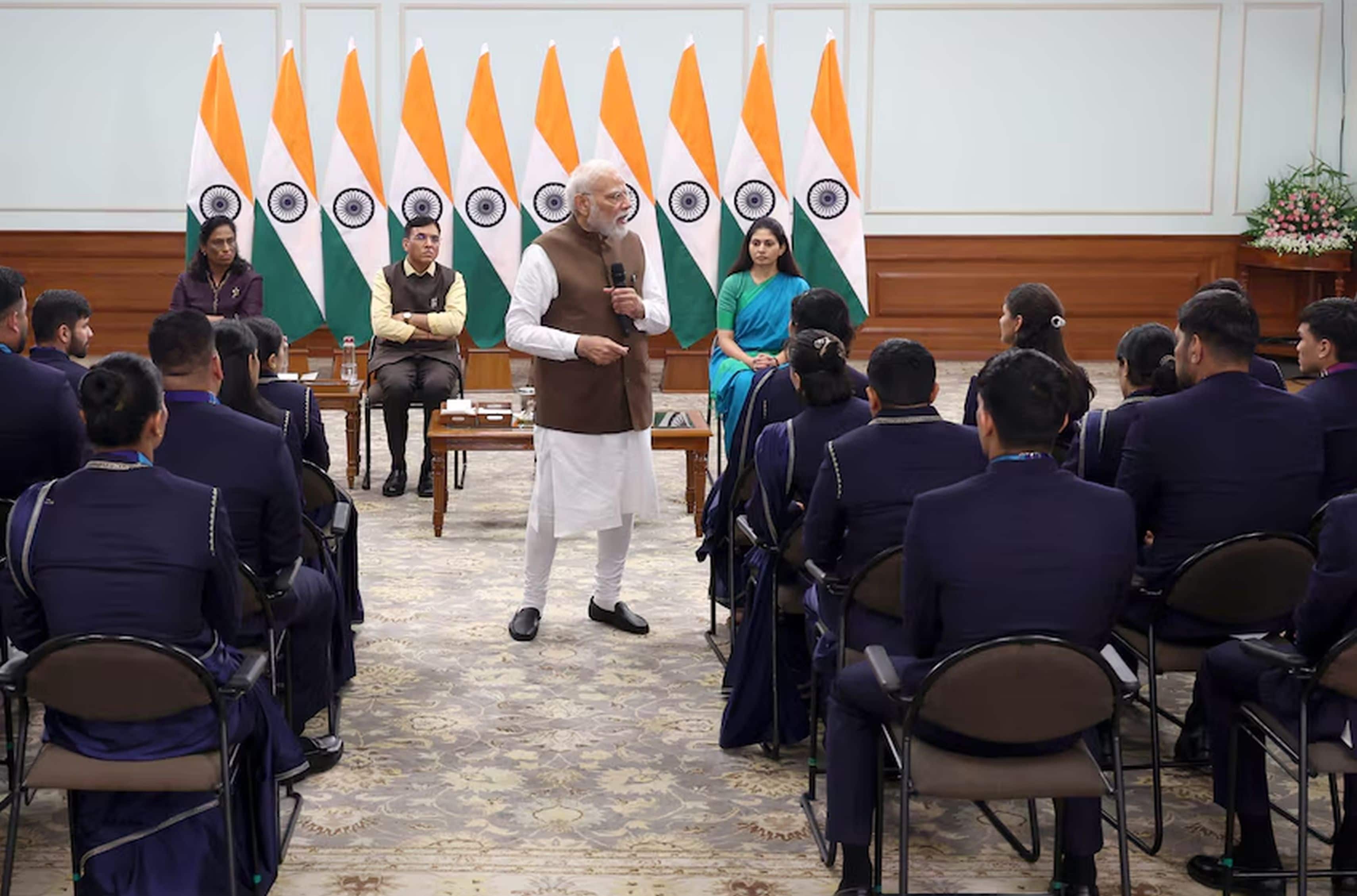
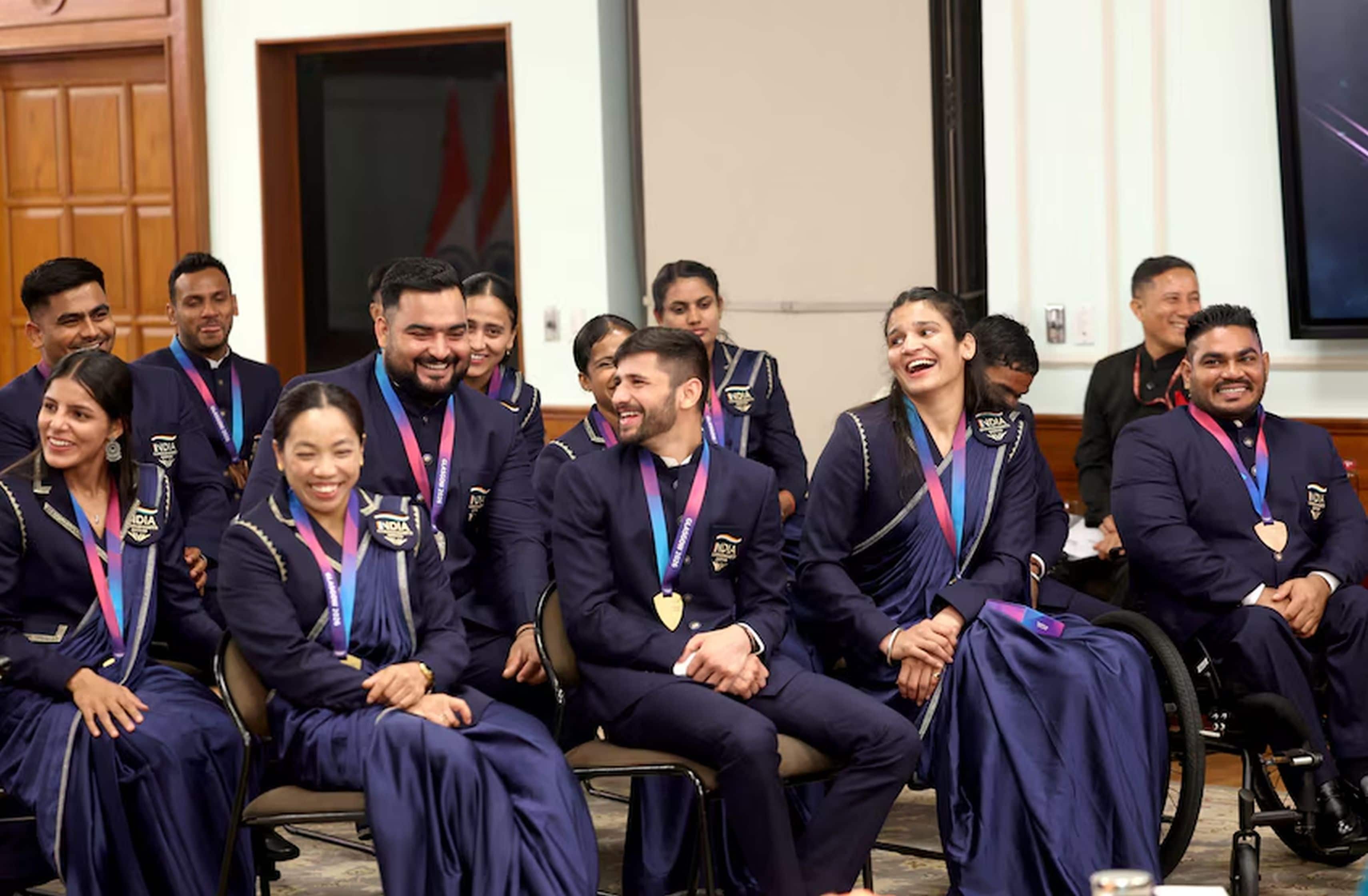
You have not just increased the number of medals, you have prepared an entire generation: PM Modi to CWG Champions
August 10, 2026
Share
प्रधानमंत्री – मेरे यहां, मुझे यहां लगभग 12-13 साल हो गए इसी मकान में, अगर मैंने regularly और हर बार किसी को रिसिव किया है, किसी को मैं मिला हूं, तो खिलाड़ी हैं। पिछले 10-12 साल हो गए, आप लोगों के पुरुषार्थ के कारण, भारत को लगातार विजय दिलाने के आपके प्रयासों के कारण और उत्तरोत्तर सफलता में नई ऊंचाईयां पार करने की परंपरा के कारण, जो काम शायद हम स्कूलों में जाकर कहें कि नहीं नहीं भई खेलना चाहिए, ये करना चाहिए, वो काम स्कूलों में जाकर के हम कर सकते थे, उससे ज्यादा आपका मेडल उनको inspire करता है।
प्रधानमंत्री – तुमने मुझे वादा किया था पिछली बार कि तुम्हारी दोनों बेटियां खिलाड़ी बन जाएंगी?
खिलाड़ी - हाँ जी अभी वे उमर की छोटी हैं, अगले कॉमनवेल्थ में एक घर में तीन मेडल लाकर दिखाएंगी।
प्रधानमंत्री – पक्का।
खिलाड़ी – हाँ जी।
खिलाड़ी – जब मैं दौड़ रहा था, जब मेरा इवेंट था 29 को, तो उस दिन गुरुपूर्णिमा थी, तो उस दिन मेरे गुरू को मैंने एक गिफ्ट दे दिया।
प्रधानमंत्री – बड़ी शान बढ़ाई आपने। इतनी आंसू टपक रहे थे, मुझे लगता है कि आंसू के हर बूंद से जैसे गोल्ड मेडल टपक रहा है।
खिलाड़ी – मैं बहुत ज्यादा खुशी थी, इमोशनल भी थे उसी दिन, खुशी ज्यादा था और मैं इसलिए रोई थी कि मेरा पेरिस आलंपिक में मेरा 1 Kg में मेडल रह गई थी और एक प्लेयर्स की लाइफ में क्या क्या हमको फेस करना पड़ता है। तो ये 4 साल के अंदर में कितना क्या क्या कुछ मैंने फेस किया था, हर टाइम injury ही चल रहे थे और family problem, वो सब हो रहा था। तो बहुत मुश्किल से मैं ये 4 साल फेस किया था। तो वो सब जब पोडियम में जब मैं खड़ी थी सर और हमारी जो फ्लैग ऊपर जाते हैं और हमारे नेशनल एंथम जब बजते हैं तो सर हम रुक नहीं सकते सर, अपना आप आंसू निकलते हैं।
प्रधानमंत्री – बहुत बहुत बढ़िया
प्रधानमंत्री – आपके इस अचीवमेंट को सिर्फ आपका अचीवमेंट मानता हूं, ऐसा नहीं है, ये आपका विजय आने वाली पीढ़ियों के लिए बहुत बड़ी प्रेरणा बन जाता है।
खिलाड़ी – सब डर रहे थे हमसे कि इंडिया के साथ फाइट आ गई, अब तो हम पहली फाइट ही हार जायेंगे, हमारा मेडल भी नहीं आयेगा।
प्रधानमंत्री – यानी मान के चलते हैं।
खिलाड़ी – हाँ सर।
प्रधानमंत्री – क्या हुआ, वो restaurant वालों से झगड़ा कर रही थी?
खिलाड़ी – हम लोगों का जो इतना अच्छा परफॉर्मेंस था, लास्ट डे था और सब जीत के गए थे और पूरा इंडिया के लोग थे। तो थोड़ा सा मुझे बुरा लग रहा। तो मैंने उनको अच्छे से बोला रिक्वेस्ट किया था सर, फिर उन्होंने मान भी लिया, अभी चेंज भी हो गया सर।
प्रधानमंत्री – इस विजय की परिस्थिति खुशी, आनंद, अपने साथियों के साथ और गेम पूरे हो चुके हैं। तो हसी मजाक मस्ती का मूड ऐसे समय उस मैप पर नजर जाना और उसको रजिस्टर करना और तुरंत सिर्फ मेडल लेते समय देश खड़ा हो जाता है ऐसा नहीं, भीतर से देश का भाव मैं सच बताता हूँ ये वीडियो सामान्य नहीं है आपका, लंबे समय तक लोगों को याद रहेगा। ये बॉक्सिंग वालों से भी दुनिया के खिलाड़ी अब डरने लगे हैं।
खिलाड़ी – जरूर सर, पुरे सभी डरे हुए थे। एक के बाद एक गोल्ड मेडल गोल्ड मेडल आ रहे थे और मतलब पूरा लास्ट में ऐसे धमाका जैसा हो गया बिल्कुल। जिस तरीके से हम लोगों को सपोर्ट मिल रहा है, हमें बैक टू बैक कंपटीशन मिल रहा है वो एक बहुत बड़ी बात है और हमारे जितने भी यंग एथलीट है वो लोग सभी जैसे खेलो इंडिया स्कीम से आए हुए हैं और ये एक बहुत बड़ा changes ला रहा है पूरे स्पोर्ट्स में ही।
प्रधानमंत्री – अगर आप लोग खेलो इंडिया की प्रतिष्ठा बढ़ाते हैं और प्रतिष्ठा सिर्फ वहां जाकर के रिबिन काटने से नहीं होगी। आप वैसे ही खेलेंगे जैसे एक छोटा विद्यार्थी, एक छोटा नौजवान, छोटा खिलाड़ी खेलता है। यह बहुत बड़ा कंट्रीब्यूशन करेगा। क्योंकि अभी तो हमें बहुत आगे जाना है, बहुत मेडल लाना है। कारगिल विजय दिवस पर किसकी विजय हुई थी?
खिलाड़ी – उस दिन कारगिल डे था वैसे और जिस दिन मैंने पाकिस्तान के साथ फाइट किया था सर, वो उसी दिन का था। तो मैं एक इंडियन आर्मी से हूं, तो मैंने उस दिन मैं पहले से बहुत वो था कि सर पाकिस्तान को हराना है। तो मैंने वो पाकिस्तान एक तरफ मैंने 5-0 से हराया, तो मैंने हमारा इंडियन आर्मी का कारगिल हीरोज़ को मैंने डेडिकेट किया किया था सर।
प्रधानमंत्री – आपको यह याद रहना और आप स्वयं फौज से हैं तो, मैं जरूर मानता हूं कि देश के वीर जवानों को आपने जो भाव प्रकट किया ना कि, मैं कारगिल के विजेताओं को मेरा मेडल समर्पित करता हूं। उसने उस विजय पर चार चांद लगा दिए और जिसको पराजित करना था उसी को किया आपने।
खिलाड़ी – वो पाकिस्तान की बात चल रही है, मुझे किस्सा याद आ गया सर। 2015 वर्ल्ड मिलिट्री गेम थे और मेरी पाकिस्तान के साथ पहली फाइट आ गई थी और वर्ल्ड मिलिट्री गेम थे तो मिलिट्री वाले के फोन आए कि भई पाकिस्तान से नहीं हारना है। तो फिर मैं फर्स्ट राउंड 4-1 से जीत गया। सेकंड राउंड 3-2 से जीत गया, पर दोनों के सर लग गए आपस में, तो दोनों के लग गए कट और फाइट तो मैं जीत गया।
प्रधानमंत्री – हाँ
खिलाड़ी – उसके बाद फिर दोनों चले गए हॉस्पिटल में टांके लगवाने के लिए। फिर 2014 में आप फर्स्ट टाइम प्रधानमंत्री जी बने थे और जो हमारे साथ आर्मी का कोच गया हुआ था उसका नाम नरेंद्र राणा था और फिर वो कई देर तक सोच के मेरे को बोला कि भाईजान एक बात बोलूं, मैं हां बोलो, बोला भाईजान आपका नाम नरेंद्र है। आपके कोच का नाम नरेंद्र है, आपके प्रधानमंत्री का नाम नरेंद्र है, तो मुझे नरेंद्र नाम से नफरत हो गई है।
प्रधानमंत्री – सिर्फ आपने मेडल की संख्या बढ़ाई ऐसा नहीं है। आपने एक पीढ़ी को तैयार किया।
खिलाड़ी – मेरे मन में भी धक-धक धक-धक हो रहा है सर।
प्रधानमंत्री – आप चिंता मत कीजिए।
खिलाड़ी – पर..
प्रधानमंत्री – आप चाहें तो आपको बोलने में भी मेडल मिलने वाला है।
खिलाड़ी – मेरे फ्रेंड सर्कल में किसी ने बोला था कि मैं उनको कुछ बोलती थी भई तुम्हारे अच्छे के लिए तुम करो। तो अक्सर मुझे वो बोलते थे कि तू के मोदी ते मिल रही है?
प्रधानमंत्री – हाँ
खिलाड़ी – हरियाणवी में बोल देते हैं सर कि क्या तू मोदी से मिली हुई है, कि तेरी बात माने। तो आज मैं आपसे मिली हूं सर। मैं उनको बोल पाऊंगी कि हां मैं मोदी जी से मिली हूं।
खिलाड़ी – कॉमनवेंल्थ गेम्स में मैंने सिल्वर मेडल जीता, फिर मैंने क्रेडिट साहब को दिया, सपना तो था एक बार मेडल जीत के लेके आने के लिए, बट ट्रेनिंग का सेंटर नहीं था, मैंने SAI आने के बाद मैं बहुत ट्रेनिंग करके मेडल जीत पा रहा, इसलिए बहुत खुशी से मैंने सर को क्रेडिट दिया था क्योंकि बहुत इंप्रूव हुआ।
प्रधानमंत्री – मेरे लिए बहुत बड़ा सम्मान का विषय है, मेहनत आपने की और मुझे याद किया, मैं आपका बहुत आभारी हूं दोस्त।
प्रधानमंत्री – वाराणसी में खेल तुम प्रैक्टिस कर रही थी ना?
खिलाड़ी – जी सर।
प्रधानमंत्री – कैसा बना है स्टेडियम?
खिलाड़ी – सर अच्छा बना है, वहां पर मैं 10-12 दिन के लिए ट्रेनिंग करने गई थी, क्योंकि मैं मंदिर गई थी तो वहां पर ही ट्रेनिंग करके आई थी। और मैं वहां पे मतलब सेटल भी होना चाहती हूं क्योंकि मुझे काशी विश्वनाथ बहुत अच्छा लगता है सर।
प्रधानमंत्री – भोपाल में ट्रेनिंग कर रही थी ना?
खिलाड़ी – जी सर।
प्रधानमंत्री – तो उज्जैन जाते थे कि नहीं?
खिलाड़ी – जी सर उज्जैन भी गई थी सर।
प्रधानमंत्री – अच्छा महाकाल के पास भी गई।
खिलाड़ी – जी सर।
प्रधानमंत्री – काशी विश्वनाथ के पास हो आई एक बार।
खिलाड़ी – जी सर।
प्रधानमंत्री – सावन महीना तो अभी है।
खिलाड़ी – वहां घर जाके फिर उसके बाद जाऊंगी सर।
प्रधानमंत्री – ठीक है।
खिलाड़ी – साई ने भी सर बहुत सपोर्ट किया है मुझे। इसके कारण ही मैं यहां तक पहुंची हूं सर। और मैं खेलो इंडिया स्कीम में भी थी 2018 में जो फर्स्ट खेलो इंडिया हुआ था, उसमें मेरा सिल्वर मेडल था, वहां पे भी मैंने आपको देखा था ओपनिंग सेरेमनी में, तो उसमें मेरा मेडल था, तो मेरे को स्कीम भी मिल गया और मैं यहां तक पहुंची हूं सर।
प्रधानमंत्री – स्पोर्ट्स व्यवस्था एक बात है, लेकिन देश मेडल तब प्राप्त करता है जब देश में स्पोर्ट्स कल्चर बनता है। दोस्तों आपने बहुत बड़ा काम किया है। देश का नाम रोशन किया है। आपको मैं बहुत बधाई देता हूं और आप विश्वास कीजिए आगे भी आप विजयी होंगे और फिर से एक बार यहीं पर हम मिलेंगे। बहुत-बहुत धन्यवाद। बहुत-बहुत शुभकामनाएं।
प्रधानमंत्री – ये लगातार तीसरी बार देश को मेडल दिलवाया है।
खिलाड़ी – थैंक यू सर।
प्रधानमंत्री – बहुत आशीर्वाद बेटा।
खिलाड़ी – और थैंक यू सो मच मैं सर के हाथ से लड्डू खा रही मेरा कल बर्थडे था तो आज सर के हाथ से…