প্রধানমন্ত্রী: এখনই শুরু করা যাক, বলুন!
ছাত্রী: আমি, সানভি আচার্য, তোমার রাজ্য, গুজরাট থেকে। আমার প্রথম প্রশ্ন হল আমাদের বাবা-মা আমাদের যত্ন নেন এবং আমাদের শিক্ষকরা আমাদের সমর্থন করেন। কিন্তু মূল সমস্যাটি তখনই দেখা দেয় যখন আমাদের শিক্ষকরা পড়াশোনার ভিন্ন ধরণ প্রস্তাব করেন। বাবা-মা এক ধরণের কথা বলেন, এবং শিক্ষার্থীরা ভিন্ন ধারা অনুসরণ করে, তাই আমরা বিভ্রান্ত হই যে কোন ধরণটি সঠিক।
প্রধানমন্ত্রী: দেখুন, আমাদের সারা জীবন ধরেই এমন হয়। আমি প্রধানমন্ত্রী হওয়ার পরেও কেউ আমাকে এটা করতে বলে, আর কেউ আমাকে ওটা করতে বলে। শুধু বাড়ির খাবারের দিকে তাকান; সব ভাই-বোন একসঙ্গে বসে থাকবে, এবং সবার খাওয়ার ধরণ আলাদা হবে। কেউ শাকসবজি দিয়ে শুরু করবে।
ছাত্রী: হ্যাঁ, স্যার!
প্রধানমন্ত্রী: কেউ ডাল দিয়ে শুরু করবে।
ছাত্রী: হ্যাঁ, স্যার!
প্রধানমন্ত্রী: কেউ কেউ রুটি, সবজি, ডাল ইত্যাদি একসঙ্গে করে দেবে। সবার কি আলাদা আলাদা প্যাটার্ন থাকে না?
ছাত্র: হ্যাঁ, স্যার!
প্রধানমন্ত্রী: তোমার নিজেরটা কী, তুমি কি তাদের প্যাটার্ন অনুকরণ করেন?
ছাত্র: না, স্যার!
প্রধানমন্ত্রী: তুমি তোমার নিজের প্যাটার্ন অনুসারে খান, এবং তারপর তুমি তা উপভোগ করেন, তাই না?
ছাত্র: হ্যাঁ, স্যার!
প্রধানমন্ত্রী: তাই, কিছু মানুষ আছে যারা মনে করে, "আমি রাতে ভালোভাবে পড়াশোনা করতে পারি।" কিছু মানুষ মনে করে, "আমি ভোর ৪:০০ টায় ঘুম থেকে উঠে পড়াশোনা করব।" প্রত্যেকের নিজস্ব প্যাটার্ন আছে।
ছাত্র: হ্যাঁ, স্যার!
প্রধানমন্ত্রী: কিন্তু কিছু লোক অসৎ। তারা রাতে তাদের মাকে বলে, "না, আমি গতকাল থেকে সকালে পড়াশোনা শুরু করেছি।" যখন তাদের মা তাদের সকালে ঘুম থেকে জাগাতে আসেন, তারা বলেন, "না, আমি জানি না।" তাই তারা এটি স্থগিত রাখতে থাকে।
ছাত্র: হ্যাঁ, স্যার!
প্রধানমন্ত্রী: প্রথমত, তোমার নিজের প্যাটার্নের উপর পূর্ণ আস্থা থাকা উচিত। তবে প্যাটার্নের জন্য যে পরামর্শ দেওয়া হয়েছে তা মনোযোগ দিয়ে শুনুন, সেগুলি বোঝার চেষ্টা করুন, এবং যদি তোমার মনে হয় আমার কাছে একটি প্যাটার্ন আছে, তবে আমি যদি এতে কিছু যোগ করি তবে ভালো হত। তবে অন্য কারো পরামর্শের ভিত্তিতে এটি যোগ করবেন না; তোমার নিজের অভিজ্ঞতার ভিত্তিতে এটি যোগ করুন। উদাহরণস্বরূপ, যখন আমি পরীক্ষা নিয়ে আলোচনা শুরু করেছিলাম, তখন একটি প্যাটার্ন ছিল। এখন, ধীরে ধীরে, আমি এটি উন্নত করছি।
ছাত্র: হ্যাঁ, স্যার!
প্রধানমন্ত্রী: আমি এটি পরিবর্তন করতে থাকি। এবার, আমি বিভিন্ন রাজ্যে এটি করেছি। তাই, আমি আমার প্যাটার্নও পরিবর্তন করেছি। কিন্তু আমি মূল প্যাটার্নটি ছেড়ে দেইনি
ছাত্র: হ্যাঁ, স্যার!
ছাত্রী: তার স্বভাবও খুব ভালো ছিল। সে খুব বন্ধুত্বপূর্ণ ছিল। সে আমাদের সকল বাচ্চাদের সঙ্গে ভালোভাবে মিশে যেত। প্রধানমন্ত্রী আমাদের বলেছিলেন যে আমাদের প্রত্যেকের প্যাটার্ন জানতে হবে এবং সবার কাছ থেকে কিছু শিখতে হবে। আমাদের নিজস্ব প্যাটার্নের উপর মনোযোগ দিতে হবে। আমাদের সকলের কাছ থেকে কিছু ভালো গুণ গ্রহণ করতে হবে এবং ধীরে ধীরে একই ধাঁচে এগিয়ে যেতে হবে।
ছাত্র - নর্মদা স্যার!
প্রধানমন্ত্রী - নর্মদা হর!
ছাত্র - স্যার, আমার নাম আয়ুষ তিওয়ারি। স্যার, আমার প্রশ্ন হল, প্রায়শই আমরা স্কুল বা শিক্ষকের গতির সঙ্গে তাল মেলাতে পারি না, এবং আমরা যা মিস করেছি তা পুরণ করতে গিয়ে, আমরা পরবর্তী অধ্যায়গুলি মিস করি এবং পিছিয়ে পড়ি। তাহলে, এই পরিস্থিতিতে আমরা কীভাবে আমাদের পরিস্থিতি পরিচালনা করব?
প্রধানমন্ত্রী - তাহলে, শিক্ষকের বিরুদ্ধে তোমার কোন অভিযোগ আছে?
ছাত্র - না স্যার!
প্রধানমন্ত্রী - কিন্তু তুমি চতুরতার সঙ্গে শিক্ষকের বিরুদ্ধে তোমার অভিযোগ জানিয়েছেন। তাই, আমি শিক্ষকের পক্ষে উত্তর দেব।
ছাত্র - হ্যাঁ স্যার!
প্রধানমন্ত্রী - শিক্ষকের উচিত এটি নিশ্চিত করার চেষ্টা করা যাতে ছাত্রের গতির সঙ্গে তাঁর গতির সামঞ্জস্য হয়। আমি এক ধাপ দ্রুত হব, কিন্তু তার বেশি নয়। আমাদের লক্ষ্য এমন কিছু হওয়া উচিত যা নাগালের মধ্যে থাকে, কিন্তু ধরাছোঁয়ার বাইরে নয়।
ছাত্র - হ্যাঁ স্যার!
ছাত্র: স্যার, পরীক্ষার যোদ্ধার মন্ত্র ২৬-এ লেখা আছে যে লক্ষ্যটি নাগালের মধ্যে থাকা উচিত কিন্তু সহজে অর্জনযোগ্য নয়।
প্রধানমন্ত্রী: বাহ! তোমাদের কি সবকিছু মনে আছে?
ছাত্র: হ্যাঁ, স্যার!
প্রধানমন্ত্রী: দেখুন, কেউ যদি ৫০ কদমের মাঝামাঝি হেঁটে যায়, তাহলে তারা বলবে, "ভাই, এটা শেষ, এটা আমার কাজ নয়।" ঠিক যেমন একজন কৃষক তার ক্ষেত চাষ করে, তেমনি ছাত্রের মন চাষ করতে হবে। এর পদ্ধতি কী? ধরুন তারা জানুয়ারির তৃতীয় সপ্তাহে এই ইতিহাস পাঠ পড়াতে যাচ্ছে। তাহলে, ১লা জানুয়ারি, তাদের বলো, "আমি প্রথম সপ্তাহে এই ইতিহাস পাঠ, দ্বিতীয় সপ্তাহে এই ইতিহাস পাঠ এবং তৃতীয় সপ্তাহে এই ইতিহাস পাঠ পড়াবো।" তাহলে, তুমি জানো যে এই তিনটি বিষয় আগামী তিন সপ্তাহে আসবে। তারপর তারা বলবে, "এটা করো, আমি পড়ানোর আগে পড়াশোনা শুরু করো। পড়াশোনা করো এবং ফিরে এসো, কাউকে জিজ্ঞাসা করো।"
ছাত্র: হ্যাঁ, স্যার!
প্রধানমন্ত্রী: যদি তুমি গুগলে কিছু করতে চাও, তাহলে সেখানেই করো এবং ফিরে এসো।
ছাত্র: হ্যাঁ, স্যার!
প্রধানমন্ত্রী: আর তারপর, যখন তুমি আসলে পাঠ শেখাবে, তখন কী হবে?
ছাত্র: স্যার, আমরা কৌতূহলী হয়ে উঠব।
ছাত্র: স্যার, আমরা কৌতূহলী হয়ে উঠব। আমরা আরও বুঝতে পারব কারণ আমরা ইতিমধ্যেই এটি অধ্যয়ন করেছি।
ছাত্র: আমাদের মনোযোগও আরও ভালো হবে।
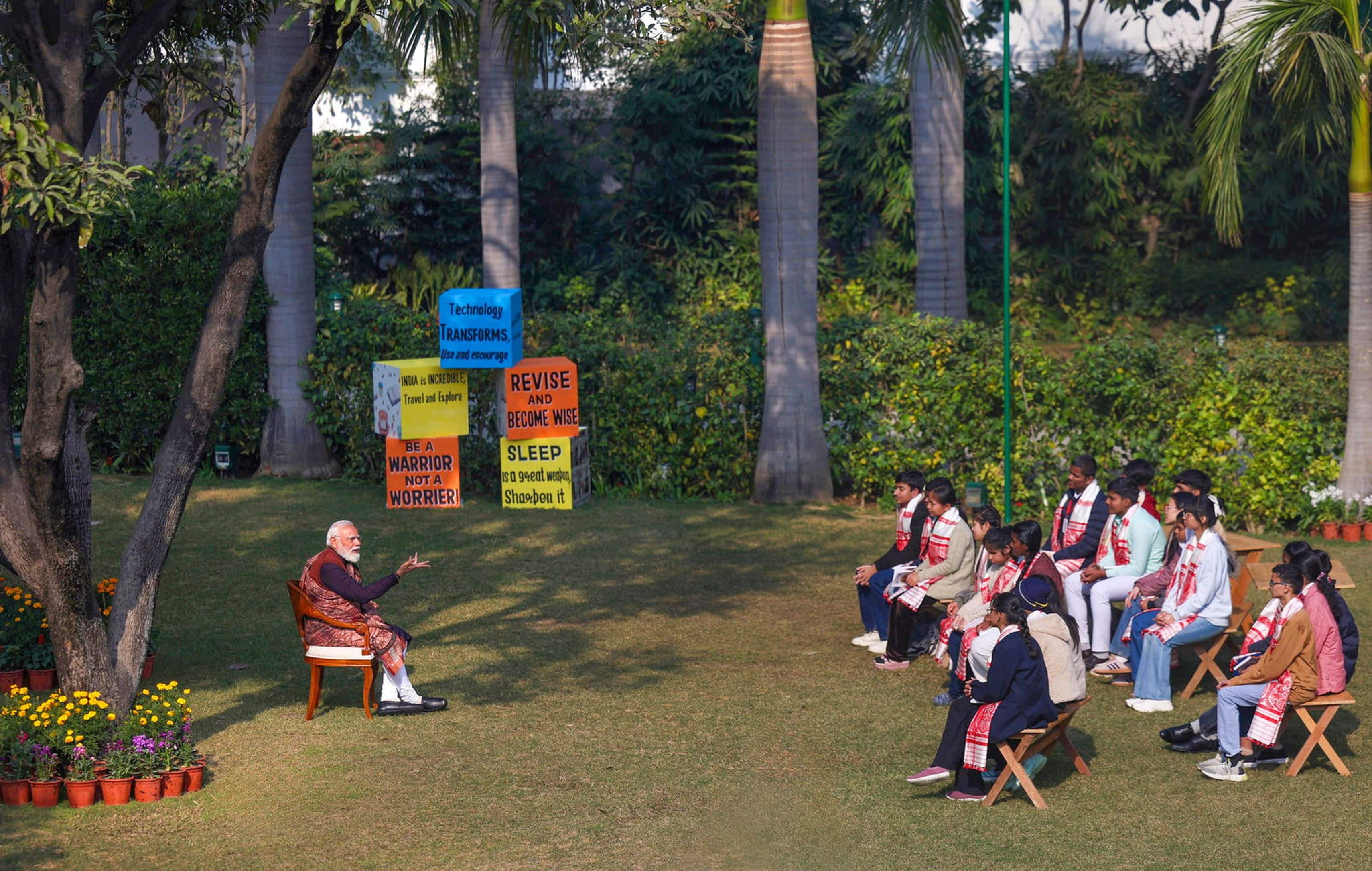
প্রধানমন্ত্রী: মানসী!
ছাত্রী: স্যার, যদি আমরা কোনও অধ্যায় খুব আকর্ষণীয় মনে করি, তাহলে আমরা এটি আরও বোঝার, আরও শেখার তাগিদ অনুভব করব, যা আমাদের এটি আরও ভালভাবে সংশোধন করতে সাহায্য করবে।
প্রধানমন্ত্রী: আমাকে বল, এটি একটি সহজ কাজ, তাই না?
ছাত্র: হ্যাঁ, স্যার!
প্রধানমন্ত্রী: তাহলে কি শিক্ষকের গতি নিয়ে তোমার কোন সমস্যা হবে?
ছাত্র: না, স্যার!
প্রধানমন্ত্রী: না। তুমি কি পিছিয়ে গেছ বলে মনে করবে?
ছাত্র: না, স্যার!
প্রধানমন্ত্রী: কেন? কারণ তুমি শিক্ষকের থেকে এক ধাপ এগিয়ে গেছো।
ছাত্র: হ্যাঁ, স্যার!
প্রধানমন্ত্রী: তোমার মনকে বিকশিত করো, তারপর একে একত্রিত করো, এবং তারপর তুমি যে বিষয়গুলো পড়তে চাও সেগুলো বেছে নাও। তাহলে তুমি তোমার ছাত্রদের সর্বদা সফল দেখতে পাবে।
ছাত্র: সকলেই মাননীয় প্রধানমন্ত্রীর মুখোমুখি বসার সুযোগ পায় না, তাঁকে প্রশ্ন জিজ্ঞাসা করার এবং তাঁর সঙ্গে তাদের কথোপকথন ভাগ করে নেওয়ার সুযোগ পায় না। তিনি ব্যাখ্যা করেছিলেন যে শিক্ষকের দুই ধাপ পিছিয়ে থাকার পরিবর্তে, যদি আমরা তাদের থেকে দুই ধাপ এগিয়ে থাকি, তাহলে আমরা তাদের থেকে পিছিয়ে থাকতে পারব না।
ছাত্রী: নমস্কার, স্যার!
প্রধানমন্ত্রী: হ্যাঁ, নমস্কার!
ছাত্রী: আমি শ্রেয়া প্রধান, সিকিম থেকে। স্যার, এটি একটি স্বরচিত গান। এটি তিনটি ভাষায় লেখা।
প্রধানমন্ত্রী: বাহ!
ছাত্রী: হিন্দি, নেপালি এবং বাংলায়। তাহলে এটি একটি দেশাত্মবোধক গান।
প্রধানমন্ত্রী: হ্যাঁ, অনুগ্রহ করে এটি গাও!
ছাত্রী: আমি এর শিরোনাম দিয়েছি "হামারা ভারতভূমি"।
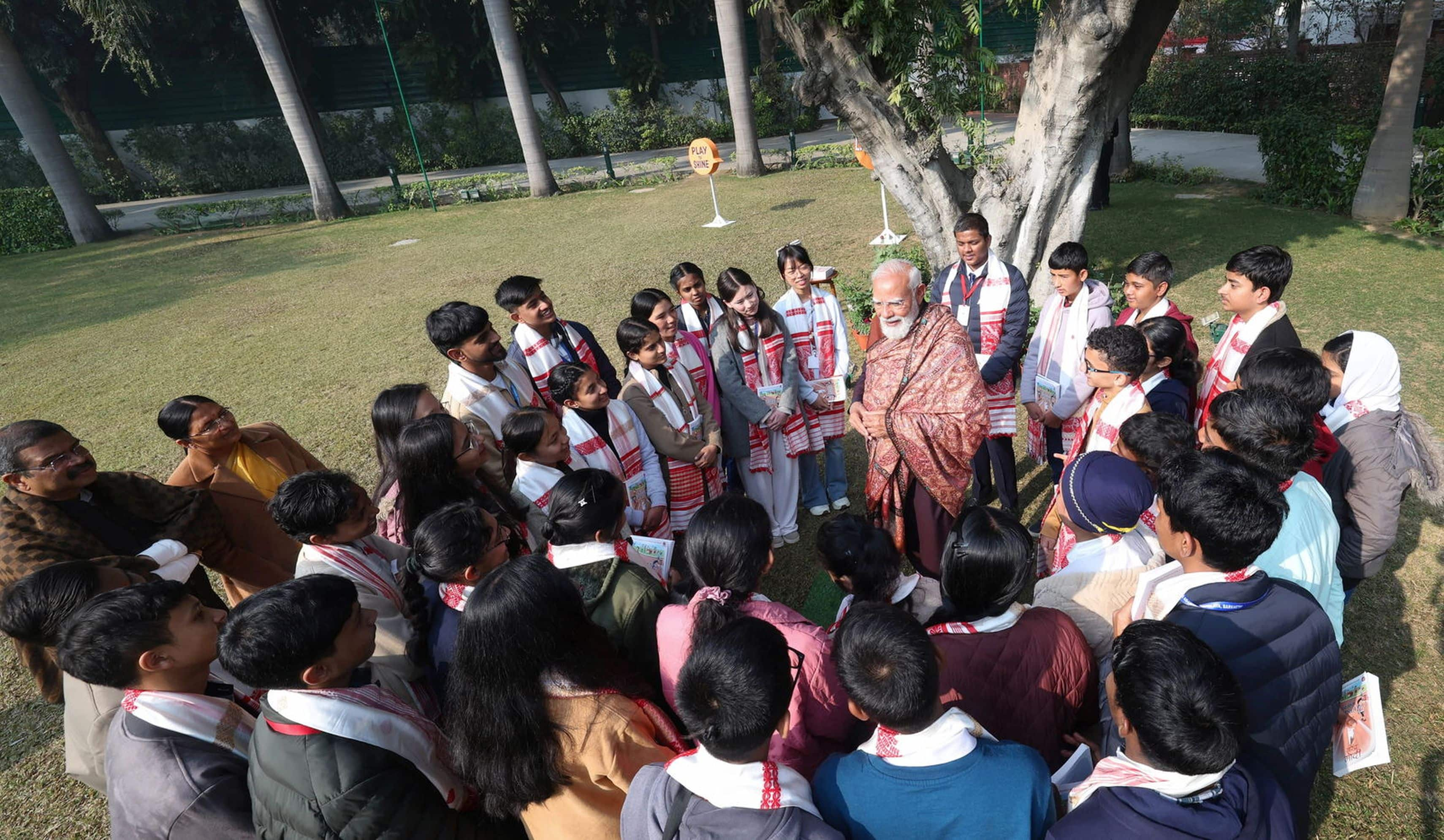
প্রধানমন্ত্রী: তাহলে তুমি কি কবিতা লিখতে ভালোবাস?
ছাত্রী: হ্যাঁ, স্যার! স্যার, আমি বেশিরভাগ সময় প্রকৃতি, কবিতা নিয়ে লিখি।
প্রধানমন্ত্রী: ঠিক আছে, প্রকৃতি সম্পর্কে!
ছাত্রী: আমি মানবতা সম্পর্কেও লিখেছি, একবার বা দুবার। হ্যাঁ, স্যার!
প্রধানমন্ত্রী: ঠিক আছে, দয়া করে এটি গাও!
ছাত্রী: আমাদের ভারত সেই ভূমি, এটি ঋষিদের দেশ। আমাদের ভারত সেই ভূমি, এটি ঋষিদের দেশ। বৈচিত্র্যের মধ্যে ঐক্য, শান্তির পরিবেশ। বৈচিত্র্যের মধ্যে ঐক্য, শান্তির পরিবেশ। দেব-দেবীদের ভালোবাসে এমন মানুষ, মানবতা এক হোক।
প্রধানমন্ত্রী: দারুন! খুব সুন্দর! খুব সুন্দর! তুমি দেশের ঐক্যের কথা বলেছ। এক ভারত, শ্রেষ্ঠ ভারত। মানসী, তোমার কি কোনো গান গাওয়ার আছে ?
ছাত্র: হ্যাঁ, স্যার!
প্রধানমন্ত্রী: তুমি কি গাও, বলো?
ছাত্র: স্যার, আমি একটি গান গাইতে চাই।
প্রধানমন্ত্রী: হ্যাঁ, গাও!
ছাত্র: স্যার, এই গানটি আমার মা লিখেছেন, এবং এটি শিক্ষার্থীদের জন্য উৎসর্গ করা হয়েছে।
প্রধানমন্ত্রী: ঠিক আছে, এটি গাও!
ছাত্র: এগিয়ে চল, এগিয়ে চল। করতে থাক, কিছু করতে থাক। পুরো বিশ্ব তোমার পিছনে আছে, অসুবিধার সঙ্গে লড়াই করতে থাক।
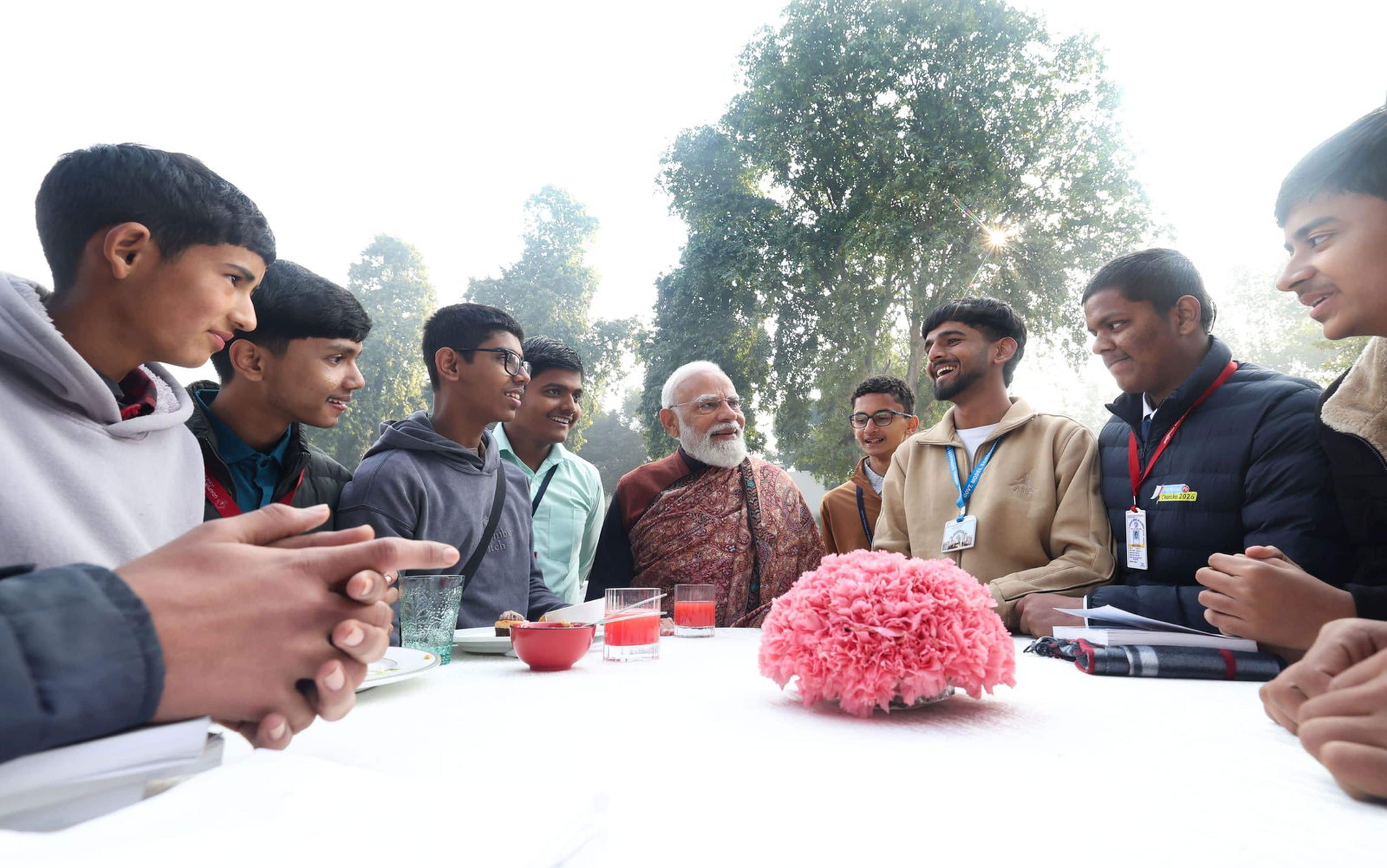
প্রধানমন্ত্রী: বাহ!
ছাত্র: পুরো বিশ্ব তোমার পিছনে আছে, প্রতিকূলতার সঙ্গে লড়াই করে যাও। এগিয়ে যাও, এগিয়ে যাও।
প্রধানমন্ত্রী: বাহ! অসাধারণ! তোমার মাকে আমার অভিনন্দন জানিও।
ছাত্রী: ধন্যবাদ, স্যার!
প্রধানমন্ত্রী: মা খুব অনুপ্রেরণামূলক কিছু লিখেছেন!
ছাত্রী: স্যার, আমার একটি ইউটিউব চ্যানেল, একটি ফেসবুক পেজ এবং একটি ইনস্টাগ্রাম পেজ আছে।
প্রধানমন্ত্রী: ঠিক আছে!
ছাত্রী: হ্যাঁ, স্যার! আমার ফেসবুক পেজে ১,৫০,০০০ ফলোয়ার আছে।
প্রধানমন্ত্রী: ১,৫০,০০০!
ছাত্রী: আমি অনেক মজা করেছি, এবং এটা আমার জন্য অত্যন্ত গর্বের বিষয় যে আমি তার সঙ্গে দেখা করেছি।
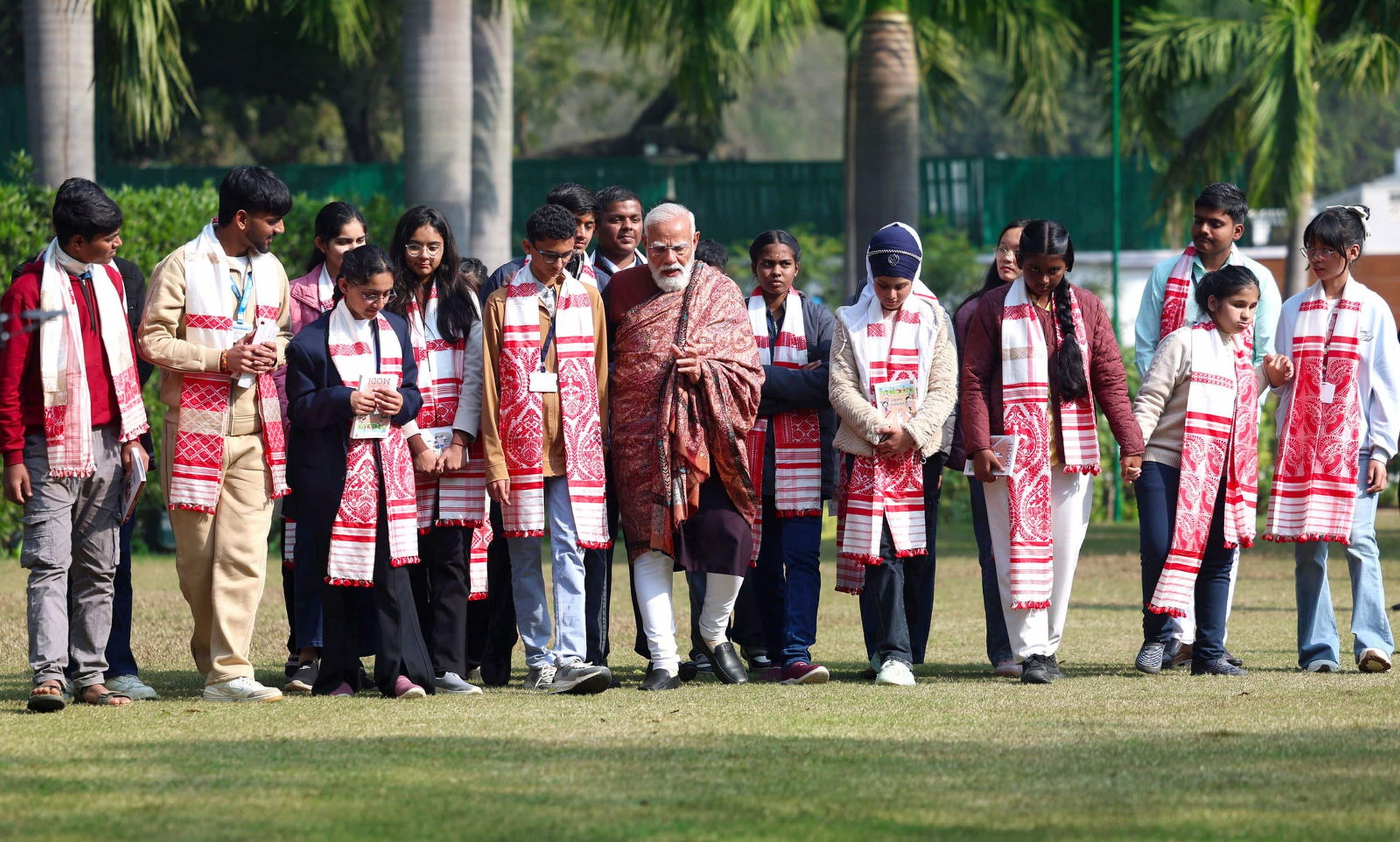
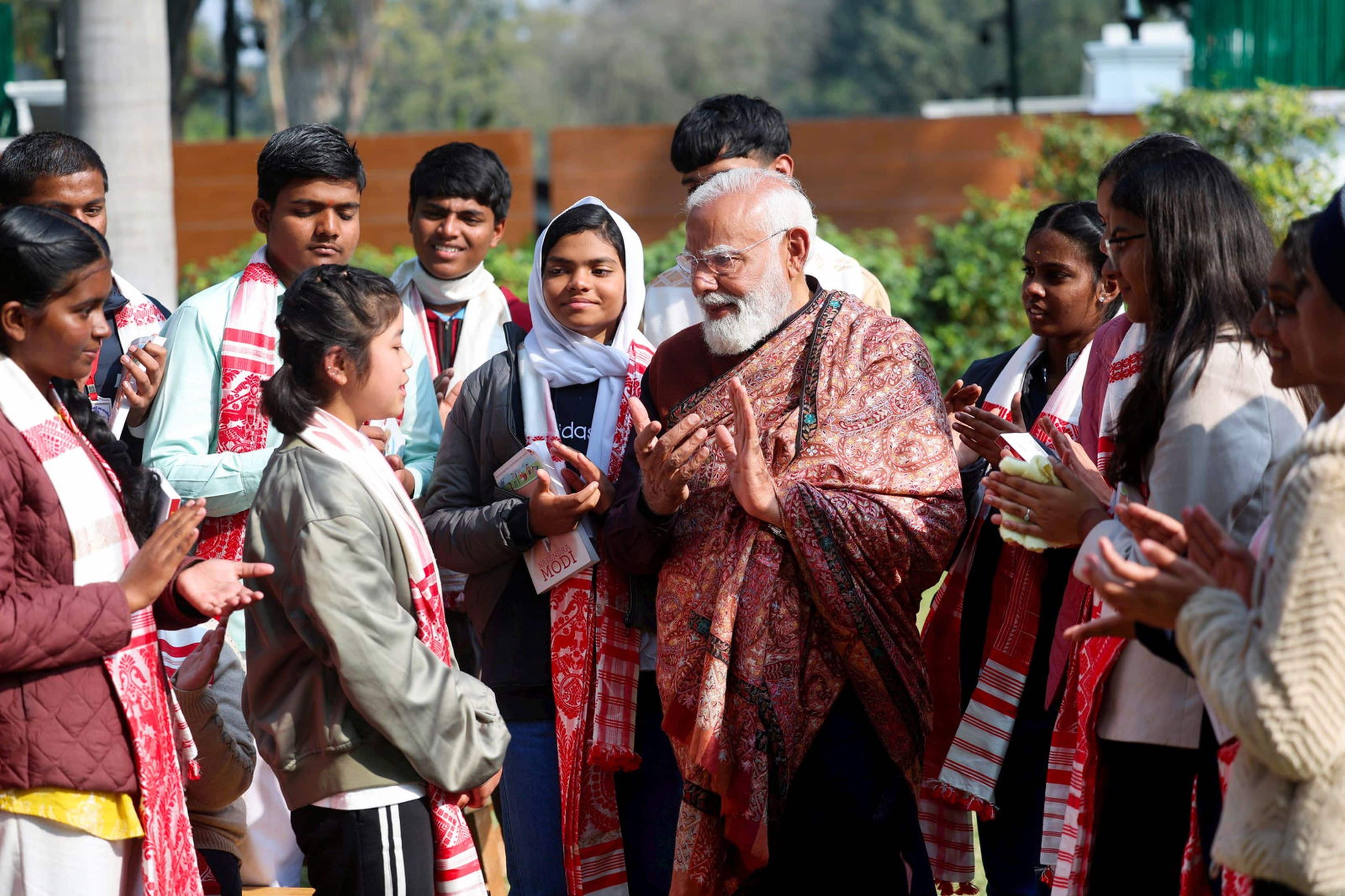
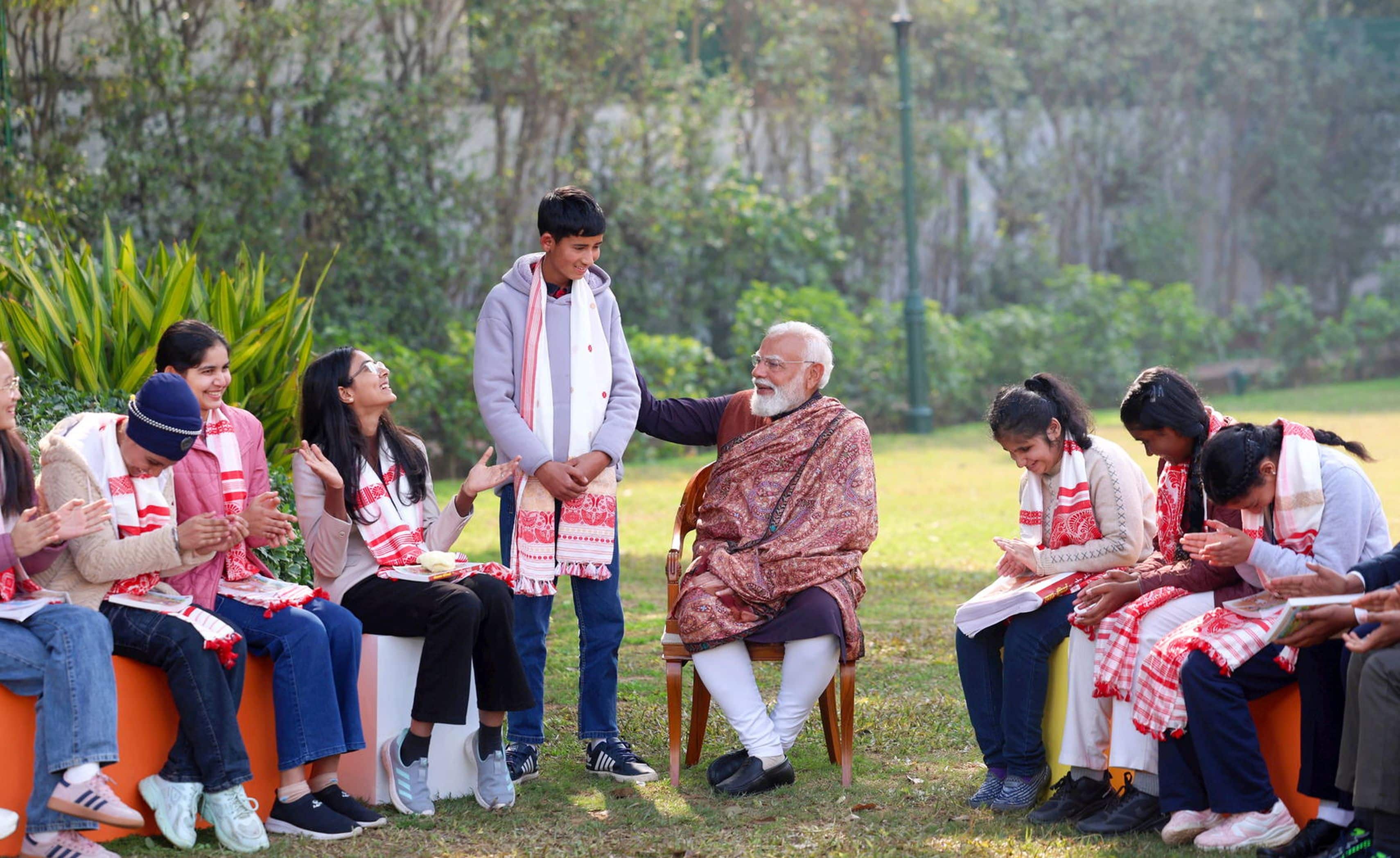
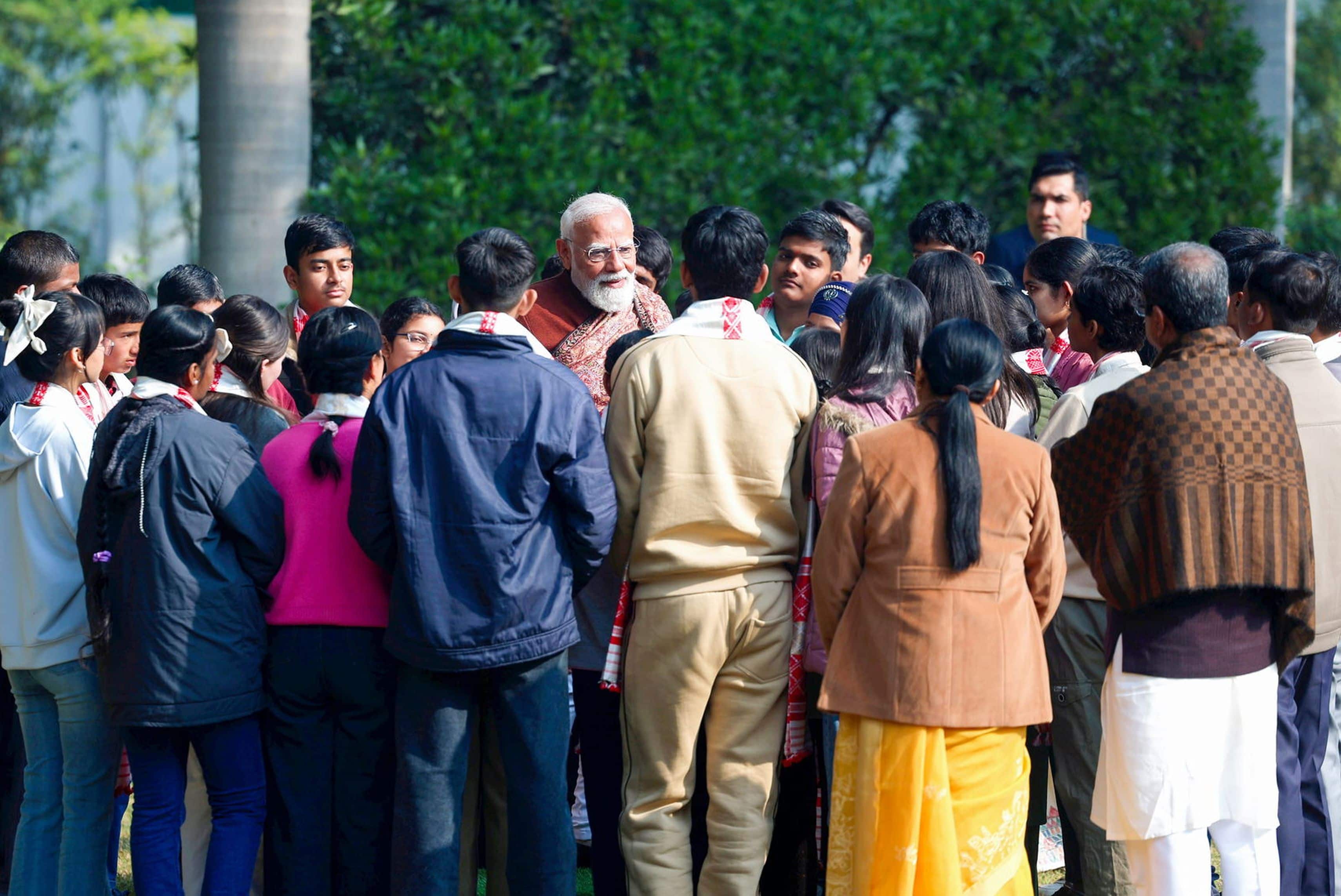
প্রধানমন্ত্রী: আসুন, সবাই বসুন! আচ্ছা, আজ আমি আপনাদের সকলকে স্বাগত জানালাম। এই অসমীয়া জিনিসটির নাম গামোচা। এটি সবচেয়ে বড় জিনিস, এটি আমার প্রিয় জিনিস। আমি এর নকশাটি পছন্দ করি। দ্বিতীয়ত, এটি আসামে, বিশেষ করে উত্তর-পূর্বে নারীর ক্ষমতায়নের প্রতীক। এটি বাড়িতে তৈরি, এবং সেখানে মাতৃশক্তি, নারীশক্তি কীভাবে কাজ করে তা দেখায়। এটা অত্যন্ত সম্মান দেয়। তাই, আজ এই শিশুদের একটি অসমীয়া গামোচা দেওয়ার কথা আমার মনে হয়েছিল।
ছাত্র: ধন্যবাদ, স্যার! ধন্যবাদ, স্যার!
ছাত্র: আমার নাম সাবাত ভেঙ্কটেশ।
প্রধানমন্ত্রী: হ্যাঁ, ভেঙ্কটেশ গারু, বলুন!
ছাত্র: স্যার, আমি প্রযুক্তি এবং রোবোটিক্সে খুব আগ্রহী। তুমি আজকাল অনেকবার বলেছেন যে দক্ষতা আরও গুরুত্বপূর্ণ, এবং বাইরেও লোকেরা বলে যে নম্বর আরও গুরুত্বপূর্ণ। দক্ষতা গুরুত্বপূর্ণ, নম্বর আরও গুরুত্বপূর্ণ। এই ধরণের চিন্তাভাবনা আমাদের মধ্যে ভয় তৈরি করে। তাহলে বলুন তো, দক্ষতা কি বেশি গুরুত্বপূর্ণ নাকি নম্বর বেশি গুরুত্বপূর্ণ?
প্রধানমন্ত্রী: এটা গুরুত্বপূর্ণ নাকি ওটা, খাওয়া গুরুত্বপূর্ণ নাকি ঘুম গুরুত্বপূর্ণ, পড়াশোনা গুরুত্বপূর্ণ নাকি খেলাধুলা, এই প্রশ্নের একটি সাধারণ উত্তর আছে: সবকিছুতেই ভারসাম্য থাকা উচিত। যদি তুমি একদিকে ঝুঁকে পড়েন, তাহলে কি তুমি পড়ে যাবেন?
ছাত্র: হ্যাঁ, স্যার!
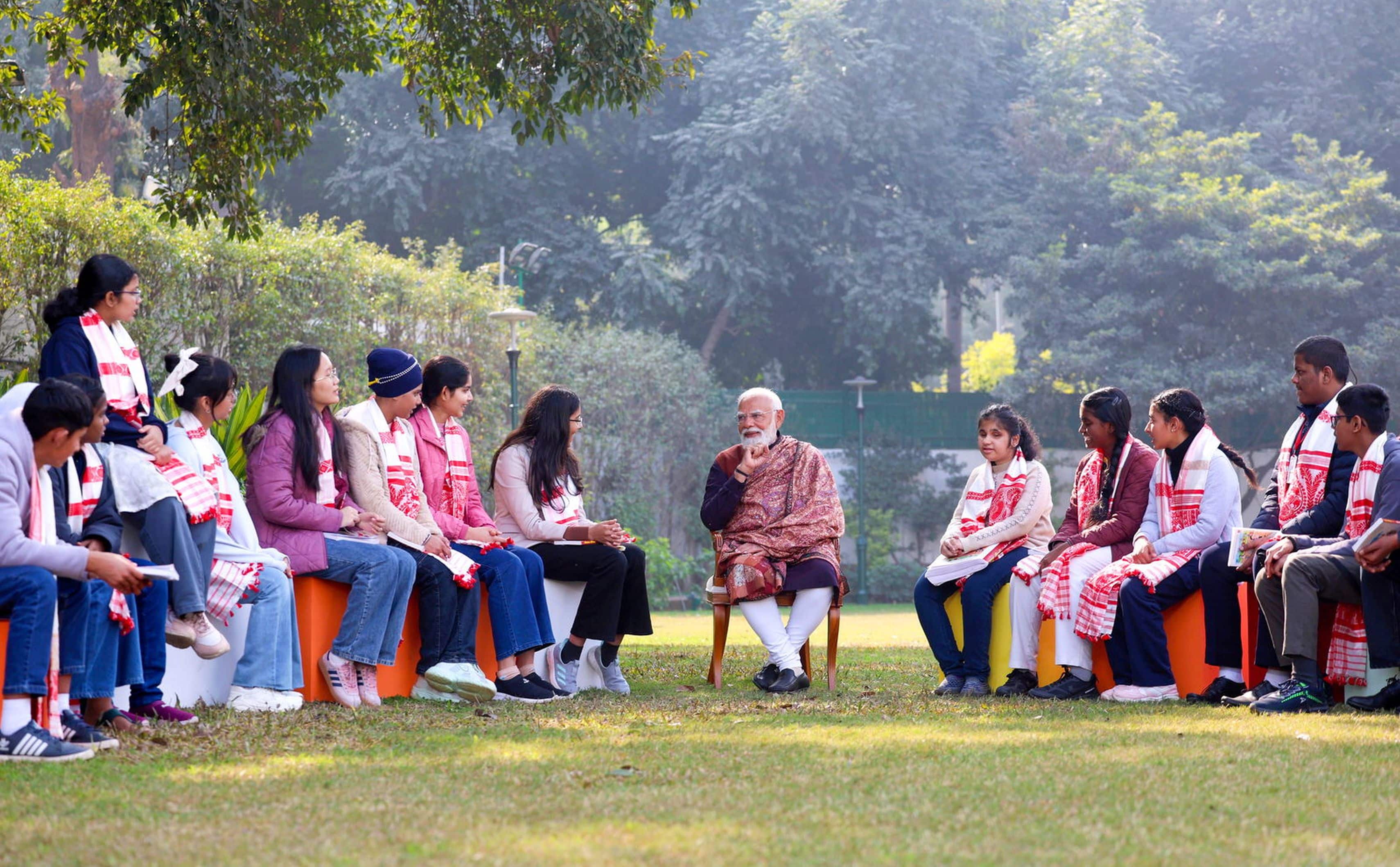
প্রধানমন্ত্রী: আর যদি তুমি সঠিক ভারসাম্য বজায় রাখেন, তাহলে কি তুমি কখনও পড়ে যাবেন?
ছাত্র: না, স্যার!
প্রধানমন্ত্রী: তাহলে, এটি একটি সহজ বিষয়। এখন, আরেকটি বিষয় হল, দুই ধরণের দক্ষতা রয়েছে। একটি হল জীবন দক্ষতা। অন্যটি হল পেশাদার দক্ষতা। যদি কেউ আমাকে জিজ্ঞাসা করে, আমার কি জীবন দক্ষতার উপর মনোযোগ দেওয়া উচিত নাকি পেশাদার দক্ষতার উপর? আমি বলব আমাদের উভয়ের উপরই মনোযোগ দেওয়া উচিত। এখন, বলুন তো, পড়াশোনা ছাড়া, পর্যবেক্ষণ ছাড়া, জ্ঞান প্রয়োগ না করে কি কোনও দক্ষতা অর্জন করা যায়?
ছাত্র: না, স্যার!
প্রধানমন্ত্রী: তাহলে, দক্ষতা জ্ঞান দিয়ে শুরু হয়।
ছাত্র: হ্যাঁ, স্যার!
প্রধানমন্ত্রী: তাহলে, এর গুরুত্ব কম নয়। ধরুন আমরা খুব ভালো পড়াশোনা করেছি, কিন্তু হঠাৎ আমাদের বাবা-মাকে বাইরে যেতে হচ্ছে। এখন আমাদের ক্ষুধা লাগছে। রান্নাঘরে সবকিছু পড়ে আছে, কিন্তু আমরা জানি না কীভাবে এটি করব, কী করব, কোন বাক্সে কী আছে, কীভাবে এটি বের করব, কেন? আমরা কখনই মনোযোগ দিইনি। অতএব, জীবন দক্ষতা জীবনের দৈনন্দিন রুটিন, কীভাবে আমাদের জীবন দক্ষতা উন্নত করা যায়। আমি সকালে কখন ঘুম থেকে উঠি? কখন ঘুমাতে যাই? আমি কি ব্যায়াম করি? আমি কি আমার বয়স অনুসারে ব্যায়াম করি? আমি কি নতুন ব্যায়াম শেখাই? যখন আমি কারও সঙ্গে দেখা করতে যাই, আমি কি আত্মবিশ্বাসের সঙ্গে কথা বলতে পারি? আমি রেলওয়ে স্টেশনে যাই এবং আমি জানি না আমার টিকিট কোথায় পাব। তারপর আমি 10 জনকে জিজ্ঞাসা করি, "আমি আমার টিকিট কোথায় পাব?" তাই, আমাদের এই জীবন দক্ষতাগুলি গ্রহণ করতে হবে। এখন, দ্বিতীয় বিষয় হল পেশাদার দক্ষতা। যদি তুমি একজন ডাক্তার হতে চান, তাহলে তোমার চিকিৎসা দক্ষতা অবশ্যই যথাযথ থাকতে হবে। এটা এমন নয় যে, "আমি বিশ্ববিদ্যালয়ে এক নম্বর ছিলাম, তাই, আমি অপারেশন করি বা না করি, আমি ঠিক আছি।" যদি তুমি একজন হৃদরোগ বিশেষজ্ঞ হতে চাও, তাহলে বই তোমাকে হৃদরোগ বিশেষজ্ঞ হতে সাহায্য করতে পারে, কিন্তু সেগুলো তোমাকে একজন দক্ষ বিশেষজ্ঞ করে তুলতে পারবে না। তুমি তখনই একজন হৃদরোগ বিশেষজ্ঞ হবে যখন তুমি রোগীর জীবনের প্রতিটি পর্যায়ে তার সঙ্গে যোগাযোগ করে তোমার দক্ষতা বিকাশ করবে। যদি তুমি একজন আইনজীবী হতে চাও, তাহলে তুমি সংবিধানের সমস্ত ধারা জানবে। এই ধারায় এই ধরণের শাস্তি রয়েছে, এই ধারায় জামিন মঞ্জুর করা হয়েছে, ইত্যাদি। কিন্তু যদি তুমি আদালতে গিয়ে আইনজীবী হিসেবে প্রস্তুতি নিতে চাও, তাহলে তোমাকে একজন জুনিয়র আইনজীবী হতে হবে।
ছাত্র: হ্যাঁ, স্যার!
প্রধানমন্ত্রী: পেশাগত দক্ষতা শিখতে হবে। তোমাকে সেখান থেকে উন্নতি করতে হবে, এবং তাই, জীবন দক্ষতার সঙ্গে কোনও আপস নেই। তোমাকে অবশ্যই সেই ১০০% অর্জন করতে হবে। পেশাগত দক্ষতা মানে তোমার আগ্রহের পেশায় ক্রমাগত উদ্ভাবন করা। আগে, হৃদরোগীদের প্রযুক্তির সুযোগ ছিল না, কিন্তু এখন প্রযুক্তি সহজলভ্য, তাই ৪০ বছর বয়সী হলেও তোমাকে প্রযুক্তি অধ্যয়ন করতে হবে। তাই, শিক্ষা এবং দক্ষতা যমজ সন্তানের মতো। তারা দুটি আলাদা সত্তা নয়, তবে জীবনে দক্ষতা অপরিহার্য।
ছাত্র: আমি খুবই দরিদ্র পরিবার থেকে এসেছি। তাদের ছেলে এখানে এসেছে বলে আমার পরিবার গর্বিত। তাদের উত্তেজনা আরও বেড়ে গেছে।
ছাত্র: জয় হিন্দ, স্যার! আমার নাম ইমোটার শ্যাম। আমি মণিপুরের ইম্ফলের সৈনিক স্কুল থেকে এসেছি। স্যার, ছোটবেলা থেকেই তুমি আমার জন্য এক বিরাট অনুপ্রেরণা, এবং আমার জন্মদিনও তোমার জন্মদিনের সঙ্গে মিলে যায়।
প্রধানমন্ত্রী: ঠিক আছে! একজন নেতা আমাকে ফোন করেছিলেন। আমার জন্মদিনে, ১৭ সেপ্টেম্বর, তিনি আমাকে বলেছিলেন যে তিনি ৭৫ বছর বয়সী। আমি বলেছিলাম যে আমার এখনও ২৫ বছর বাকি আছে। তাই, আমি কী পাস হয়েছে তা গণনা করি না, আমি কী বাকি আছে তা গণনা করি, এবং আমি তোমাকে জীবনে এটাই বলি: কী পাস হয়েছে তা গণনা করে সময় নষ্ট করবেন না। কী বাকি আছে তা নিয়ে ভাবুন। তাহলে, আমাকে বলুন!
ছাত্র: স্যার, তোমার কাছে আমার প্রশ্ন হল, আমরা যখন বোর্ড পরীক্ষা বা অন্যান্য স্কুল পরীক্ষার জন্য প্রস্তুতি নিই, তখন আমরা গত কয়েক বছরের প্রশ্নগুলি দেখি এবং নিজেরাই সিদ্ধান্ত নিই যে কোন বিষয় বেশি উপযুক্ত হবে, কোনটি গুরুত্বপূর্ণ, এবং কিছু বিষয় আমাদের মনে হয় কম নম্বর পেয়েছে, অথবা পরীক্ষক মনোযোগ দেবেন না, তাই আমরা সেগুলি এড়িয়ে যাই। এটা কি ঠিক?
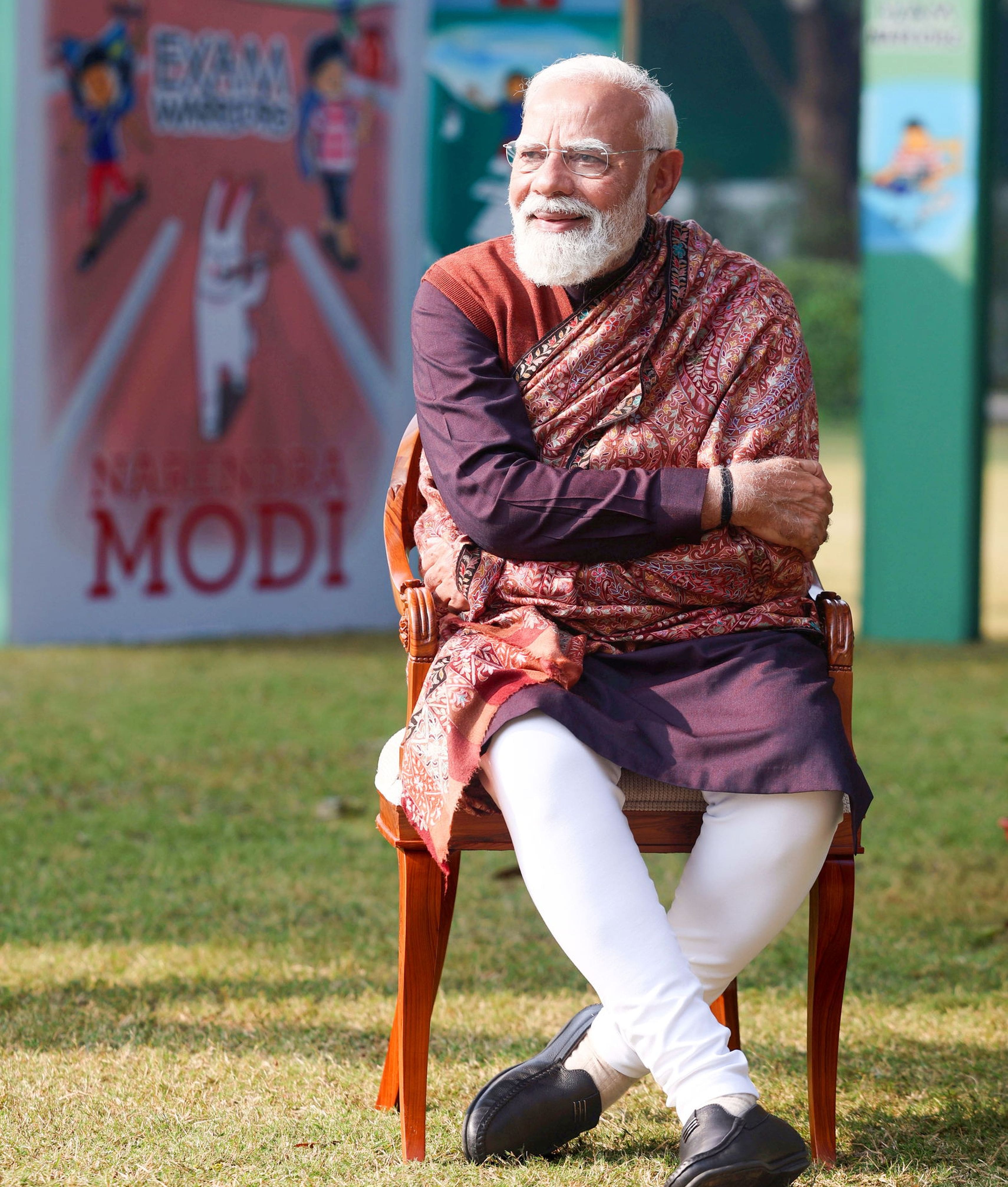
প্রধানমন্ত্রী: কখনও কখনও তুমি হয়তো সংবাদপত্রে শিরোনাম লক্ষ্য করেছেন যে এই বছরের প্রশ্নপত্রটি খুব কঠিন ছিল।
ছাত্র: হ্যাঁ, স্যার!
প্রধানমন্ত্রী: বাচ্চারা অনেক কষ্ট পেয়েছে। কেন এটা হয় ? সিলেবাসের বাইরে কী প্রশ্ন আসে?
ছাত্র: না, স্যার!
প্রধানমন্ত্রী: কিন্তু আপনাদের কাছে এটা কঠিন কেন? কারণ তুমি তিন, চার, পাঁচ বছর ধরে প্রতিটি বিষয়ের জন্য ১০ বছরের প্রশ্নের ধরণে মনোনিবেশ করেছিলেন।
ছাত্র: হ্যাঁ, স্যার!
প্রধানমন্ত্রী: প্রথমে, ভালো পরামর্শ ছিল, তারপর গুরুত্বপূর্ণ প্রশ্ন এসেছিল, তারপর ১০ বছরের প্রশ্নপত্র এসেছিল। তুমি এটা করতে পারেন, একই ধরণ অনুসরণ করবে।
ছাত্র: হ্যাঁ, স্যার!
প্রধানমন্ত্রী: এই রোগটি আমি যখন পড়ছিলাম তখনও ছিল, এবং কিছু শিক্ষকও এটি ছড়িয়ে দিয়েছিলেন। শিক্ষকরা কী মনে করেন? তারা চান আমার স্কুলে ভালো নম্বর থাকুক, আমার ক্লাসে ভালো নম্বর থাকুক। তাহলে, তারা কী করে? তারা কেবল সেই শিক্ষা দেয় যা তাদের নম্বর দেবে।
ছাত্র: হ্যাঁ, স্যার!
প্রধানমন্ত্রী: তুমি নিশ্চয়ই দেখেছ যে ভালো শিক্ষকরা সার্বিক উন্নয়নের জন্য একটি সম্পূর্ণ সিলেবাস পড়ান। তারা তোমাকে পুরো সিলেবাসে কঠোর পরিশ্রম করতে বাধ্য করে। তারা তোমার জীবনে সেই সিলেবাসের ব্যবহার বোঝেন। এখন, একজন ক্রীড়াবিদের কথা ভাবুন। ধরুন সে বোলিং করতে চায়, সে কি কেবল তার কাঁধের পেশী শক্তিশালী করতে থাকলে একজন ভালো বোলার হয়ে উঠবে?
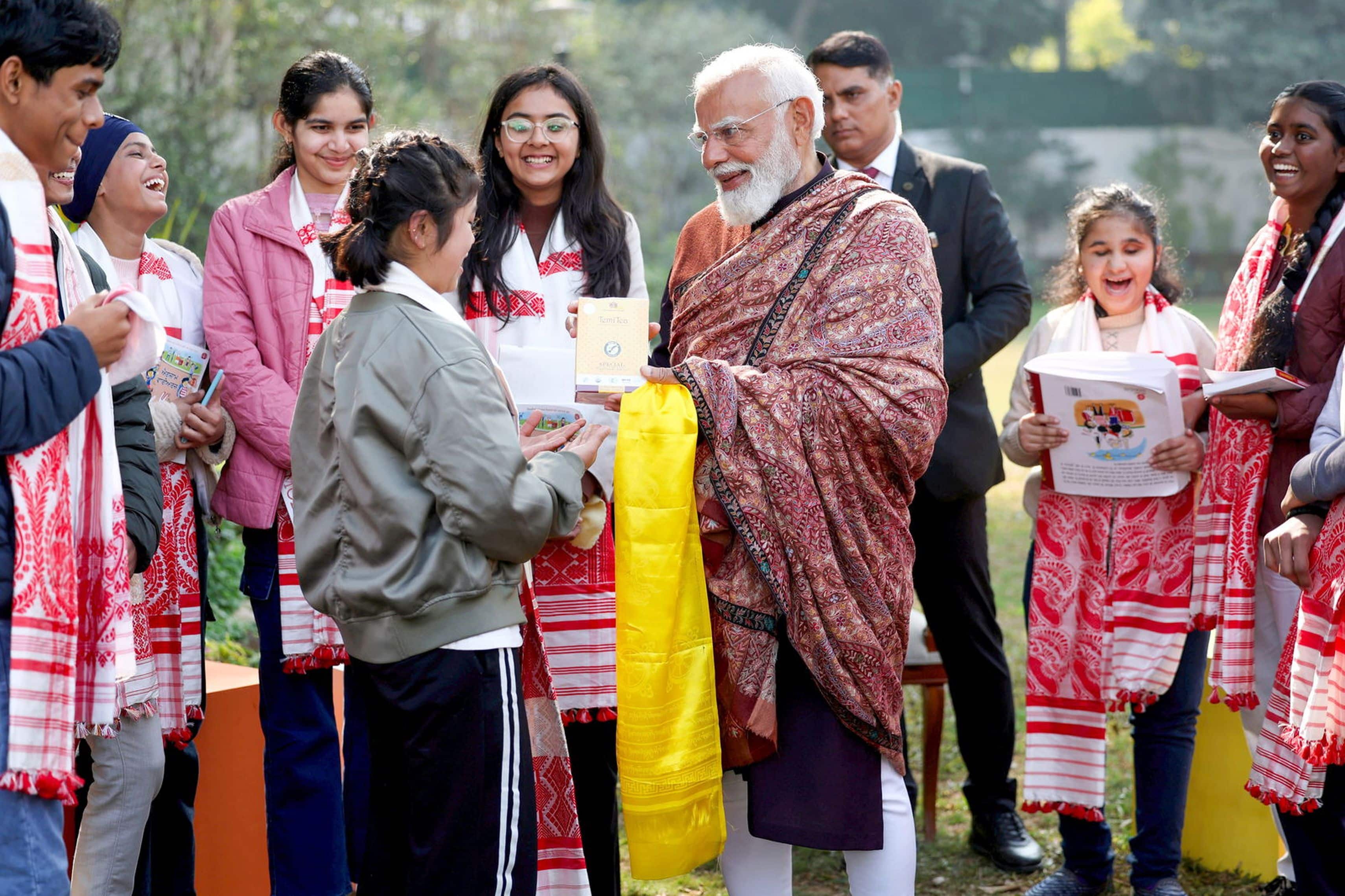
ছাত্র: না, স্যার!
প্রধানমন্ত্রী: তাকে আর কী করতে হবে?
ছাত্র: তাকে ব্যায়াম করতে হবে, যোগব্যায়াম করতে হবে।
প্রধানমন্ত্রী: তাকে ব্যায়াম করতে হবে, তার পুরো শরীরকে শক্তিশালী করতে হবে। তাকে তার মনকেও শক্তিশালী করতে হবে।
ছাত্র: হ্যাঁ, স্যার!
প্রধানমন্ত্রী: তাকে তার খাদ্যাভ্যাস অনুযায়ী খাপ খাইয়ে নিতে হবে।
ছাত্র: হ্যাঁ, স্যার!
প্রধানমন্ত্রী: তাকে সেই অনুযায়ী ঘুমাতে হবে। সে কী করে? সে বল ছুঁড়ে, কিন্তু সে কি তার পুরো শরীরকে প্রস্তুত করে নাকি?
ছাত্র: হ্যাঁ, স্যার।
প্রধানমন্ত্রী: তার শরীরের একটি অংশ দুর্বল থাকলেও, সে ভালো বল করে। তার কাঁধ খুব ভালো, তার গতি ভালো, কিন্তু তার পা ঠিকমতো কাজ করছে না, সে কি বল করতে পারবে?
ছাত্র: না, স্যার!
প্রধানমন্ত্রী: ঠিক যেমন একজন ক্রীড়াবিদের লক্ষ্য অর্জন এবং খেলায় দক্ষতা অর্জনের জন্য তাদের পুরো শরীর নিয়ে চিন্তা করতে হয়। একইভাবে, জীবন পরীক্ষার জন্য নয়; শিক্ষা আমাদের জীবন গঠনের একটি মাধ্যম, এবং আমরা আমাদের শিক্ষায় সঠিক বা ভুল যাই করি না কেন, আমরা বারবার পরীক্ষা দিই। তাই, এই পরীক্ষা নিজেদের পরীক্ষা করার জন্য। চূড়ান্ত লক্ষ্য পরীক্ষার নম্বর হতে পারে না। চূড়ান্ত লক্ষ্য হওয়া উচিত আমাদের সমগ্র জীবনের উন্নয়ন, এবং তাই, আমাদের নিজেদেরকে কেবল ১০টি প্রশ্ন বা এই প্রশ্নের মধ্যে সীমাবদ্ধ রাখা উচিত নয়। এর অর্থ এই নয় যে আমাদের এটি বা ওটি করা উচিত নয়, বরং আমাদের এটি করা উচিত।
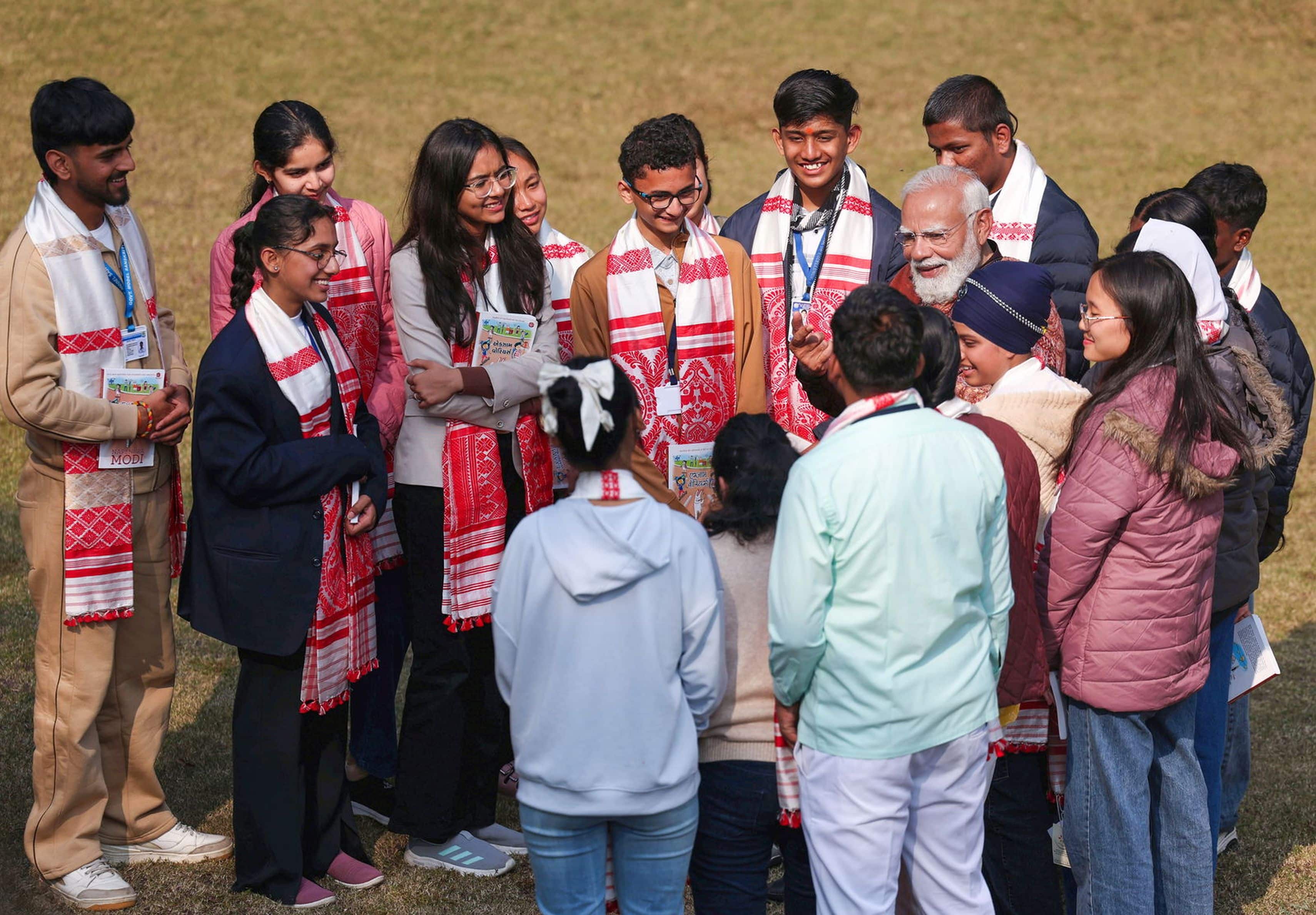
যদি তুমি ১০% দাও, তাহলে তোমার ৯০% বেশি দেওয়া উচিত। তাই, আমি সকল ছাত্রছাত্রীদের তাদের জীবনকে সর্বোত্তম, সর্বোত্তম, সর্বোত্তম জীবনের জন্য প্রস্তুত করার জন্য অনুরোধ করছি। শিক্ষা একটি মাধ্যম; এটি একটি মাধ্যম হিসেবে ব্যবহার করা উচিত। ঠিক আছে।
ছাত্র: হ্যাঁ, স্যার!
ছাত্র: স্যার, আমি তোমাকে এই প্রশ্নটি জিজ্ঞাসা করতে চাই: প্রাক-বোর্ড পরীক্ষায় আমি কীভাবে আরও ভালো ফলাফল করতে পারি, যেখানে আমাকে আরও বেশি পরিশ্রম করতে হবে তার উপর মনোযোগ না দিয়ে? এর জন্যও চাপ আছে। আমি কীভাবে আমার পড়াশোনার ভারসাম্য বজায় রাখব?
প্রধানমন্ত্রী: এটি সকলের জন্য উদ্বেগের বিষয়। আমরা প্রথম ত্রৈমাসিকে কিছু বিষয়ে ভালো করি। দ্বিতীয় ত্রৈমাসিকে কিছু বিষয়ে ভালো করি, এবং তারপর আমরা ভাবি, এখন আমার কী করা উচিত? আমার কি এটা করা উচিত নাকি ওটা করা উচিত? আমাদের সবসময় আমাদের ভেতরের শিক্ষার্থীকে সজাগ রাখতে হবে। শিক্ষা বাধ্যবাধকতা হওয়া উচিত নয়। শিক্ষা বোঝা হওয়া উচিত নয়। আমাদের সম্পূর্ণ সম্পৃক্ততা প্রয়োজন। যদি সম্পূর্ণ সম্পৃক্ততা না থাকে, তাহলে অর্ধ-হৃদয় শিক্ষা জীবনে সফল হতে দেয় না। এই রোগটা শুরু হয়েছে: নম্বর, নম্বর, নম্বর চিন্তাভাবনা থেকে । বলো তো, গত বছর বোর্ড পরীক্ষায় যারা এক থেকে দশ নম্বর পেয়েছে তাদের নাম কি মনে আছে? তাদের মনে রাখা খুব কঠিন। শুধু তাই নয়, এক মাস পর তুমি তাদের জিজ্ঞাসা করবে, "ভাই, তাদের ছবি পত্রিকায় প্রকাশিত হয়েছিল, তাদের নাম উল্লেখ করা হয়েছিল, তাদের প্রশংসা করা হয়েছিল। তবুও, আমরা তাদের খুব বেশি মনে রাখি না। সেই স্কুলের বাচ্চারা কি জানে যে তাদের স্কুল এত নম্বর পেয়েছে?"
ছাত্র: না, স্যার!
প্রধানমন্ত্রী: তার মানে কি এই সব জিনিস এত গুরুত্বপূর্ণ, ভাই?
ছাত্র: এটা কেবল অল্প সময়ের জন্য মনে রাখা হয়।
প্রধানমন্ত্রী: এটা কেবল অল্প সময়ের জন্য মনে রাখা হয়।
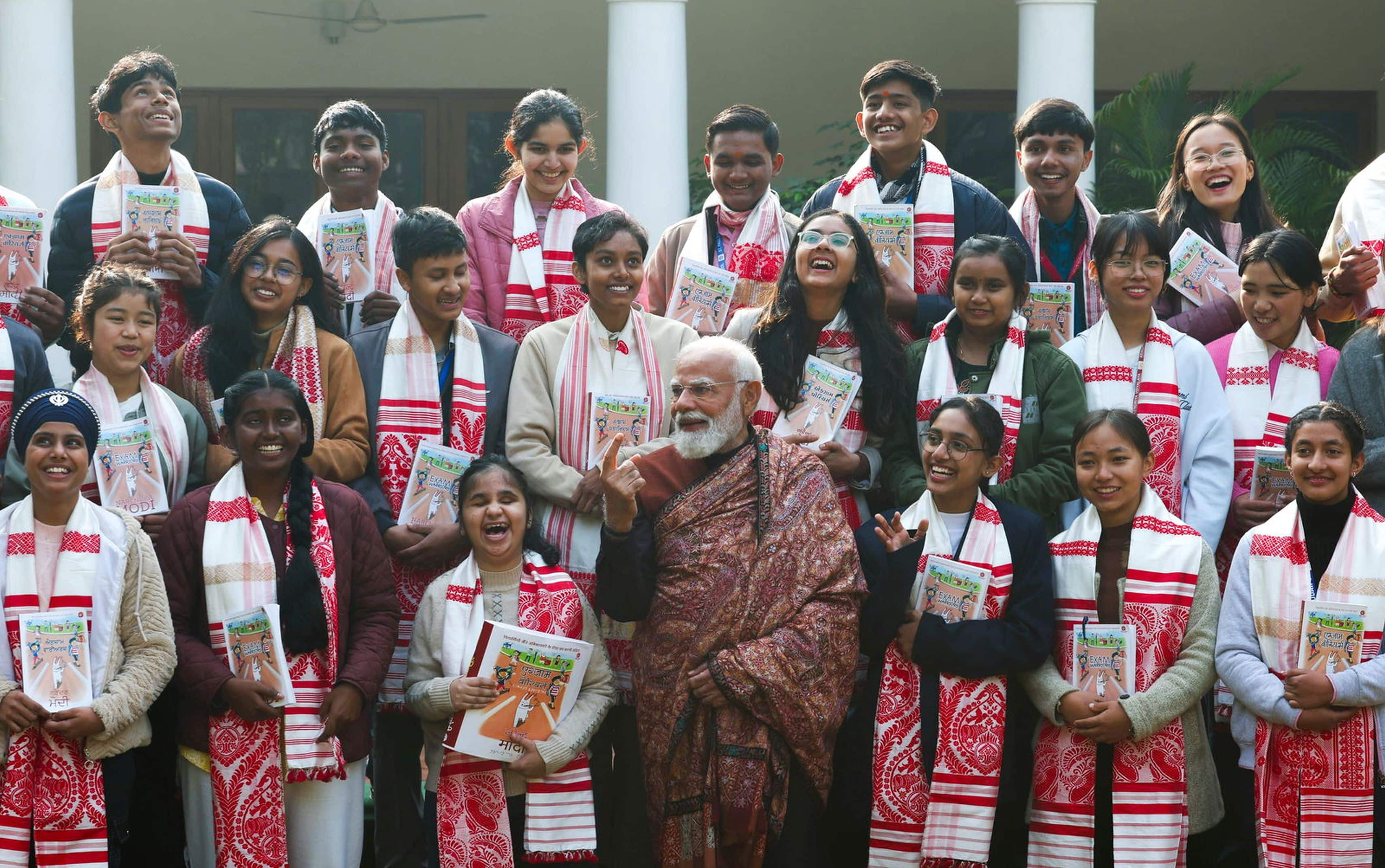
ছাত্র: হ্যাঁ, স্যার! হ্যাঁ, স্যার!
প্রধানমন্ত্রী: এটা এর বাইরে কিছু নয়। অতএব, সংখ্যা এবং নম্বরের উপর আমাদের মন স্থির করার পরিবর্তে, আমাদের ক্রমাগত নিজেদের পরীক্ষা করা উচিত যে আমাদের জীবন কোথায় পৌঁছেছে। আমাদের ক্রমাগত নিজেদের মূল্যায়ন করা উচিত, শ্রেণীকক্ষে নয়, পরীক্ষার ঘরে নয়। আমাদের নিজেদের পরীক্ষা করে দেখা উচিত।
ছাত্র: তোমার কাছে আমার প্রশ্ন হল, যখন আমরা পড়াশোনা করি, তখন প্রায়ই আমাদের মনে এত চিন্তা আসে যে আমরা মনোযোগ দিতে পারি না। তাহলে, সেই সময়গুলোতে আমরা কীভাবে নিজেদের শান্ত রাখব? কারণ আমরা পড়াশোনা করি, কিন্তু খুব দ্রুত ভুলে যাই।
প্রধানমন্ত্রী: এখন, তুমি আজ এখানে এসেছেন, আজ থেকে ২৫ বছর আগে, যদি কেউ তোমাকে আজকের অনুষ্ঠান সম্পর্কে জিজ্ঞাসা করে, তাহলে কী হবে? তুমি কি ভুলে যাবেন নাকি মনে রাখবেন?
ছাত্র: আমি এটা মনে রাখব, স্যার, এটা খুব স্মরণীয় হবে।
ছাত্র: স্যার, এটা আমাদের তোমার সঙ্গে দেখা করার একটি বিশেষ মুহূর্ত।
প্রধানমন্ত্রী: না, এটা তেমন বিশেষ কিছু নয়। তুমি নিজেই এতে জড়িত কারণ আমরা যখন বাড়ি থেকে বের হই, তখন আমরা দিল্লি, প্রধানমন্ত্রী, প্রধানমন্ত্রীর বাড়ি, এমনকি গতকালের ফোন কলের কথাও ভাবি। তাহলে, যদি এত ঠান্ডা থাকে? আমি আগামীকাল চলে যাচ্ছি, আমাকে সকালেই যেতে হবে। তার মানে কি তুমি পুরোপুরি জড়িত?
ছাত্র: হ্যাঁ, স্যার!
প্রধানমন্ত্রী: এই কারণে, ২০-২৫ বছর পরেও তুমি এই জায়গাটির সবকিছু মনে রাখবে।
ছাত্র: হ্যাঁ, স্যার!
প্রধানমন্ত্রী: দ্বিতীয় স্মৃতি হলো যখন তুমি সুযোগ পেলেই তোমার বন্ধুদের সঙ্গে শেয়ার করো। তোমার ক্লাসের এমন এক বা দুজন ছাত্রের সঙ্গে বন্ধুত্ব করো যারা তোমার চেয়ে কম বুদ্ধিমান এবং তারপর তাদের বলো যে তুমি তাদের শেখাবে। তোমার চেয়ে বুদ্ধিমান ছাত্রকে জিজ্ঞাসা করো, "ভাই, আমার সঙ্গে ৫-১০ মিনিট বসো। আমি কী ভাবছি বলো, এটা কি ঠিক? দয়া করে আমাকে সংশোধন করো।" এতে দ্বিগুণ সুবিধা হবে।
ছাত্র: হ্যাঁ, স্যার!
ছাত্র: যখন আমরা তাদের মতামত নিই, তখন আমরা আরও চিন্তাভাবনা পাই যে আর কী করা যেতে পারে।
প্রধানমন্ত্রী: তাহলে, এতে কি কোন লাভ আছে?
ছাত্র: হ্যাঁ, স্যার!
প্রধানমন্ত্রী: নতুন নতুন ধারণা আসে।
ছাত্র: হ্যাঁ, স্যার!
প্রধানমন্ত্রী: তাহলে তোমার মনটা পুরোপুরি খুলে যেত।
ছাত্র: যখন আমি তাকে প্রশ্নটি জিজ্ঞাসা করলাম, তখন আমি সরাসরি তার সঙ্গে কথা বলেছিলাম, এবং তিনি আমাকে সন্তোষজনক উত্তর দিয়েছিলেন। মনে হচ্ছিল আমরা আমাদের স্বপ্ন পূরণ করছি কারণ সবাই এখানে আসতে পারে না, সবার ভাগ্যে আসে না। তাই আমি মনে করি আমি খুব ভাগ্যবান।
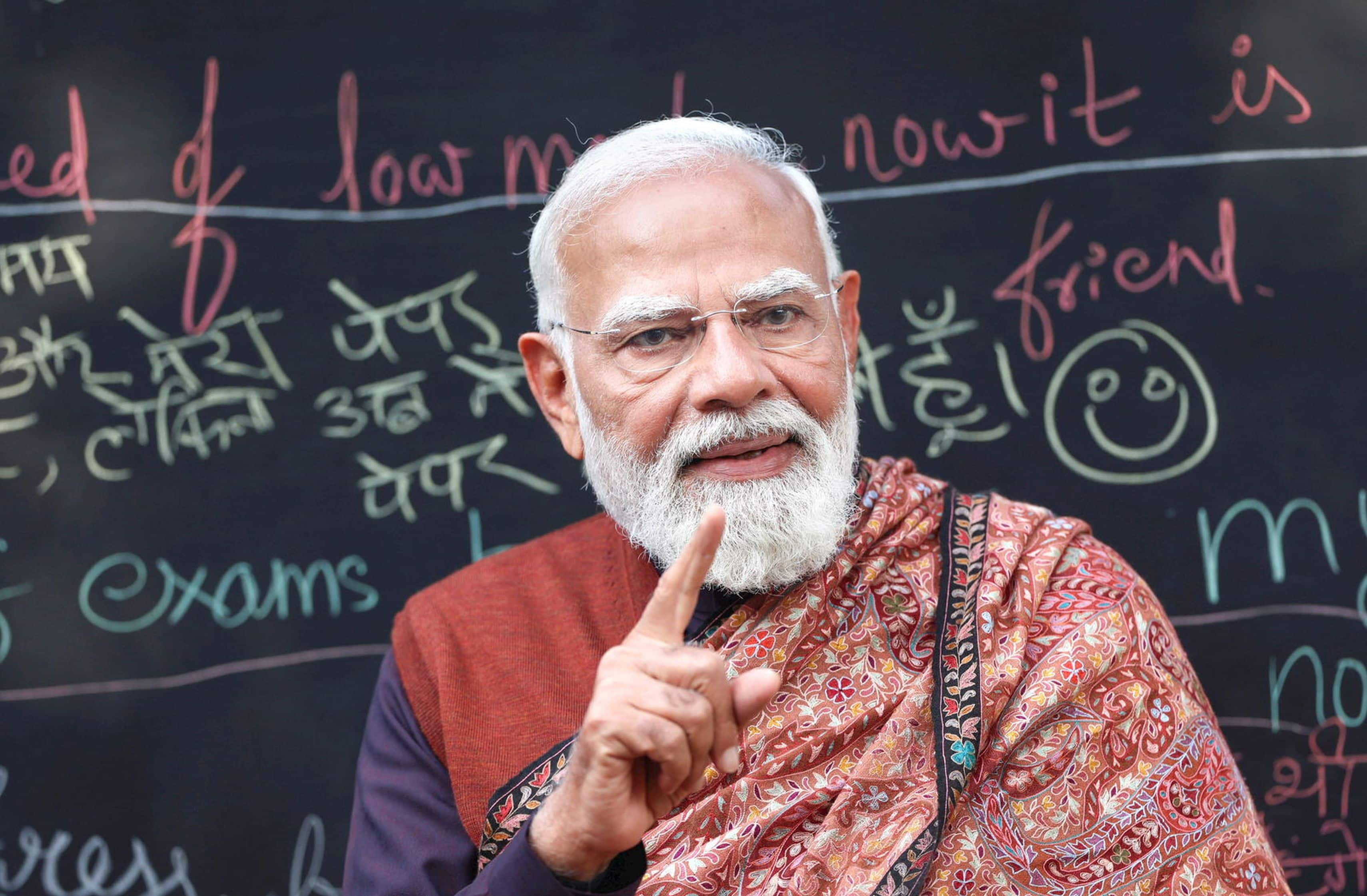
ছাত্র: স্যার, সৎ শ্রী অকাল!
প্রধানমন্ত্রী: সৎ শ্রী অকাল!
ছাত্র: আমার নাম একম কৌর। আমি পাঞ্জাব থেকে এসেছি। আর তোমার কাছে আমার প্রশ্ন হল যে দ্বাদশ শ্রেণীর শিক্ষার্থীরা তাদের বোর্ড পরীক্ষার পাশাপাশি প্রতিযোগিতামূলক পরীক্ষার জন্য প্রস্তুতি নেয়। এটা কি ঠিক? কারণ উভয় পরীক্ষার ধরণ খুব আলাদা, এবং সেগুলি একই সময়ে হয়।
প্রধানমন্ত্রী: তোমার উদ্বেগ যথাযথ। ধরুন কেউ একই সময়ে দুটি ক্রিকেট ম্যাচ খেলছে, এবং একই সময়ে তাকে একটি ফুটবল ম্যাচেও যেতে হবে। তাহলে, সে কি মনে করে, আমার ক্রিকেট বা ফুটবলের জন্য কঠোর পরিশ্রম করা উচিত?
ছাত্র: হ্যাঁ, স্যার!
প্রধানমন্ত্রী: আমি জোর দিয়ে বলছি, তোমাদের দ্বাদশ শ্রেণীকে প্রথম অগ্রাধিকার দিতে হবে। কিন্তু যদি একজন ছাত্র হিসেবে আমি আমার বয়স এবং ক্লাসের সঙ্গে সম্পর্কিত সিলেবাসটি আত্মস্থ করে ফেলি, তাহলে প্রতিযোগিতামূলক পরীক্ষার জন্য আমাকে আর কঠোর পরিশ্রম করতে হবে না।
ছাত্র: হ্যাঁ, স্যার!
প্রধানমন্ত্রী: এটা একটা উদাহরণ হবে। কিছু বাবা-মা কী নিয়ে চিন্তিত? এই বয়সের আগেই এটা করা উচিত।
ছাত্র: হ্যাঁ, স্যার!
প্রধানমন্ত্রী: তাহলে আমি বাবা-মাকে বলব, তাদের যোগ্যতা, এবং আগ্রহ অনুসারে, তাদের সন্তানদের বেড়ে উঠতে দিন।
ছাত্র: স্যার, আমার তোমার কাছে একটি প্রশ্ন ছিল।
প্রধানমন্ত্রী: হ্যাঁ।
ছাত্র: স্যার, আমি গেমিংয়ে খুব আগ্রহী। কিন্তু আমার সমাজ আমাকে বলে যে সমস্ত গেমিং ছেড়ে দিয়ে পড়াশোনায় মনোযোগ দিতে। কিন্তু আমার মনে হচ্ছে আমি ভবিষ্যতে গেমিং করতে চাই। আমি কীভাবে জানব, স্যার, আমি সঠিক পথে আছি কিনা?
প্রধানমন্ত্রী: বাবা-মায়ের স্বভাব কেমন? প্রথমে, তারা তোমাকে ধমক দিতে থাকে, "এটা করো না, এটা করো না, এটা করো না।"
ছাত্র: হ্যাঁ, স্যার!
ছাত্র: হ্যাঁ, স্যার!
প্রধানমন্ত্রী: কিন্তু তুমি এখনও চুপচাপ এটা করেই চলেছো। আর ধরো তুমি একটা পদক জিতেছো, তুমি কি করবে?
ছাত্র: তারা খুশি হবে!
প্রধানমন্ত্রী: তারা পাড়া ঘুরে দেখবে। "দেখো, আমার ছেলে এটা করেছে, আমার ছেলে ওটা করেছে, আমার ছেলে ওটা করেছে," আর তোমার সাফল্য তাদের সম্মানে পরিণত হবে।
ছাত্র: হ্যাঁ, স্যার!
প্রধানমন্ত্রী: তারপর তারা তোমার সঙ্গে যোগ দেবে।
ছাত্র: হ্যাঁ, স্যার!
প্রধানমন্ত্রী: ভারতে অনেক গল্প আছে। তুমি কি কখনও পঞ্চতন্ত্রের উপর ভিত্তি করে একটি গেম তৈরি করার কথা ভেবেছ, একজন গেম স্রষ্টা হওয়ার কথা ভেবেছ, ঠিক যেমন মানসীর নিজস্ব পেজ আছে? তোমারও একটি সোশ্যাল মিডিয়া প্রোফাইল তৈরি করা উচিত এবং নিজে একটি বা দুটি গেম তৈরি করে সেগুলো চালু করা উচিত। তোমার পরিবার ভাববে, "দেখো, এটা এত ছোট, কিন্তু মাত্র ১০,০০০ ফলোয়ার এটি খেলে।" যদি ২০,০০০দজন খেলে, তাহলে তোমার পরিবার তোমাকে এই নিয়ে ধারণা দিতে শুরু করবে। "দেখো, এই হনুমানের গল্প আছে, তাই এটা নিয়ে একটা খেলা বানাও।" "দেখো কিভাবে?" তারপর তারা বলবে, "এটা অভিমন্যুর ঘটনা, অভিমন্যু কীভাবে পালাবে তা নিয়ে একটা খেলা বানাও।" তুমি নতুন নতুন ধারণা নিয়ে আসবে, আর সেই কারণেই তুমি গেমিংয়ে আগ্রহী, যা একটা ভালো জিনিস। দ্বিধা করো না। সময় চলে যায়, আর ভারতে ডেটা সস্তা, আর প্রযুক্তি খুব বেশি ব্যয়বহুল নয়, তাই শুরু করো।
কথা রাখো, এটা শুধু মজা করার জন্য খেলার বিষয় নয়। আমরা আমাদের দেশে জুয়া খেলাকে অনুমতি দিতে চাই না। আমি এইমাত্র একটি আইন পাস করেছি যে জুয়া খেলা, গেমের উপর বাজি ধরা, অপচয়।
ছাত্র: হ্যাঁ, স্যার!
প্রধানমন্ত্রী: এটা হতে দেবেন না, কিন্তু গেমিং একটি দক্ষতা, এবং এর জন্য গতি, অনেক গতিও প্রয়োজন।
ছাত্র: হ্যাঁ, স্যার!
প্রধানমন্ত্রী: তোমার সতর্কতা নিজেকে বিকশিত করার একটি ভালো উপায়। কিন্তু তোমার উচিত সেরা মানের গেম খুঁজে বের করে দক্ষতা অর্জনের চেষ্টা করা। তুমি কি করবেন?
ছাত্র: হ্যাঁ, স্যার!
ছাত্র: প্রধানমন্ত্রীর বাসভবনে আসা আমার জন্য খুবই রোমাঞ্চকর ছিল। তিনি বন্ধুসুলভ ছিলেন, আমাদের প্রশ্নগুলি সযত্নে গ্রহণ করেছিলেন এবং আমাদের ভালো উত্তর দিয়েছিলেন।
ছাত্র: হ্যালো, স্যার!
প্রধানমন্ত্রী: হ্যালো!
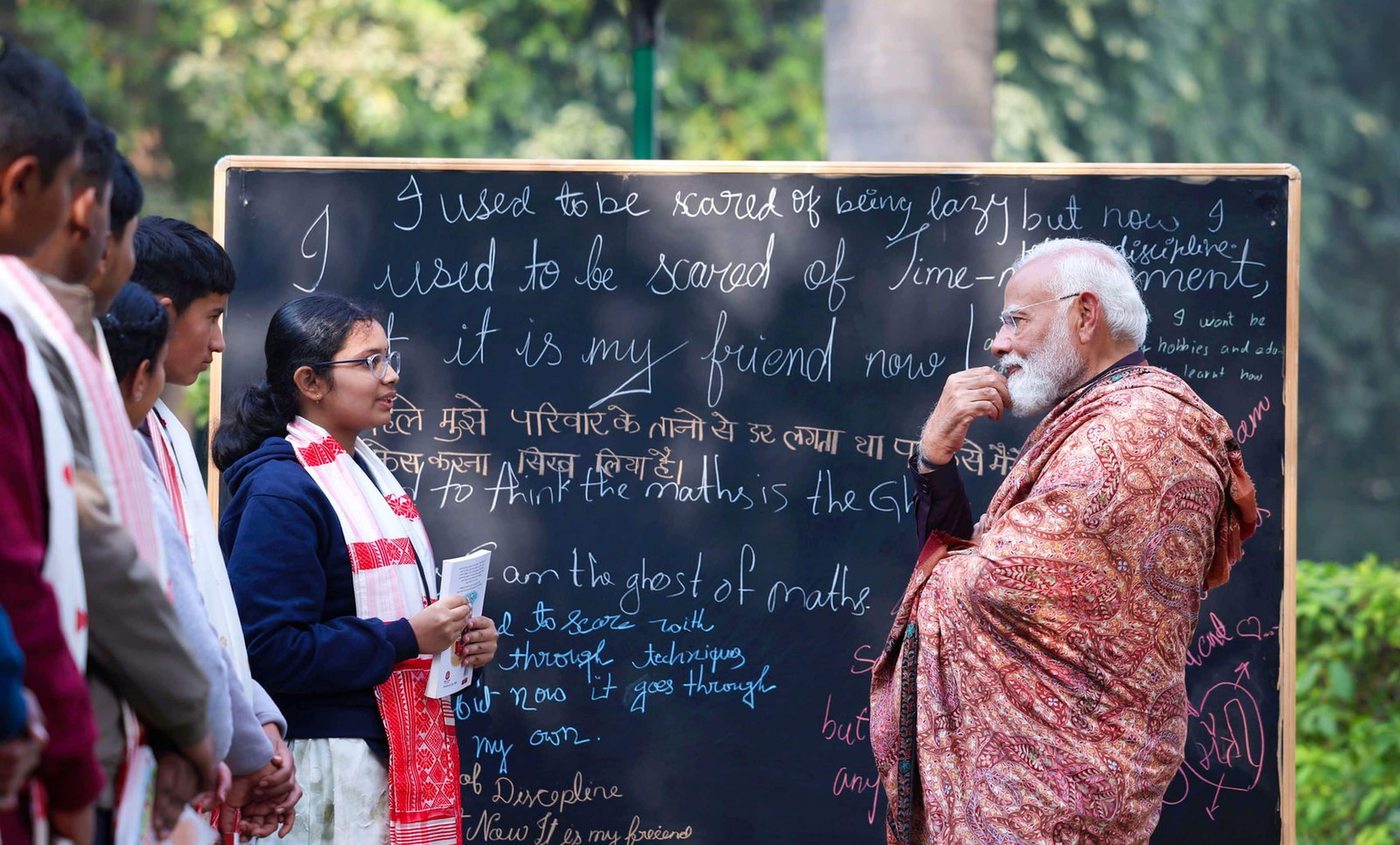
ছাত্র: স্যার, পরীক্ষার কারণে আমি অনেক চাপে থাকতাম এবং অনেক চিন্তিত থাকতাম, কিন্তু এই বইটি পড়ে আমার উদ্বেগ কমে গেছে। সেই কারণেই আমরা সবাই উদ্ধৃতি লিখেছি। আমি আগে পরীক্ষাকে ভয় পেতাম, কিন্তু এখন এটি আমার বন্ধু, গুজরাটি ভাষায় বন্ধুত্ব।
ছাত্র: আমি আগে অন্যদের ভয় পেতাম, ভাবতাম তারা কেমন পড়াশোনা করছে, কিন্তু "এক্সাম ওয়ারিয়র" পড়ার পর বুঝতে পারলাম যে আমার কৌশল অন্যদের থেকে আলাদা, এবং আমার কৌশল কেবল আমার জন্যই কাজ করবে। স্যার, আমি আগে ব্যবচ্ছেদ করাকে ভয় পেতাম, কিন্তু এখন আমার কোনও ভয় নেই।
ছাত্র: স্যার, আমি লিখেছি, সময় ব্যবস্থাপনাকে ভয় পেয়েছি, কিন্তু এখন এটা আমার বন্ধু। স্যার, ছোটবেলা থেকেই, আমার পরিবার, স্কুল এবং বন্ধুবান্ধবদের, আমি সবসময় সময় ব্যবস্থাপনার সঙ্গে লড়াই করেছি। সবাই আমাকে বলে, "সবকিছু দ্রুত করো, দ্রুত করো, তুমি প্রতিভাবান, তোমার ধারণা আছে, কিন্তু তুমি সময়মতো করো না।" এটাই তোমার সবচেয়ে বড় সমস্যা। তাই, আমি এক্সাম ওয়ারিয়রের কাছ থেকে সবকিছু শিখেছি। আমি প্রতিদিন সকালে তাড়াতাড়ি ঘুম থেকে উঠব।
প্রধানমন্ত্রী: ঠিক আছে, আমি তোমাকে একটা সহজ উপায় বলি। রাতে ঘুমাতে যাওয়ার আগে, তোমার ডায়েরিতে লিখে রাখো আগামীকাল তোমার কোন কাজগুলো অবশ্যই করতে হবে। তারপর, আজ তুমি যা লিখেছেন তা পরের দিন হিসাব করে দেখুন, সেটা করা হয়েছে কিনা, এবং টিক চিহ্ন দিয়ে দেখো। গতকাল, আমি আজ করার জন্য পাঁচটি কাজ লিখেছিলাম, কিন্তু মাত্র তিনটি করা হয়েছে। তাহলে, দুটিতে টিক দাও, এবং তারপর ভাবুন কেন সেই দুটি বাকি ছিল। আমি বন্ধুদের সঙ্গে ফোনে অনেক কথা বলেছিলাম, অথবা একটি টিভি সিরিয়াল চলছিল, তাই আমি 30 মিনিট সময় ব্যয় করেছি। তাহলে তোমার মনে হবে, হ্যাঁ, আমি সময় বাঁচাতে পারি। কখনও কখনও, আমরা বুঝতেও পারি না যে আমরা কীভাবে সময় নষ্ট করি। তুমি যদি সময় ব্যবস্থাপনা শিখে নাও এবং সময়কে উৎপাদনশীলভাবে ব্যবহার করতে শেখ, তাহলে তুমি কখনই চাপ বা ক্লান্ত বোধ করবেন না। আমার অনেক কাজ আছে, কিন্তু আমি চাপ অনুভব করি না কারণ আমি ইতিমধ্যেই সময়কে বুদ্ধিমানের সঙ্গে ব্যবহার করার অভ্যাস গড়ে তুলেছি।
ছাত্র: আমি আগে গণিতকে ভূত ভাবতাম, কিন্তু এখন আমি ভূত। ছোটবেলায়, আমি গণিতকে এত ভয় পেতাম যে এটি ভূতের মতো মনে হত, কিন্তু এখন আমি এর এত কাছাকাছি চলে এসেছি যে আমি একা থাকতে পারছি না।
প্রধানমন্ত্রী: ঠিক আছে! এত বড় পরিবর্তন এসেছে। তুমি কি বৈদিক গণিত দেখেছ?
ছাত্র: না।
প্রধানমন্ত্রী: অনলাইনে বৈদিক গণিতের ক্লাস অনুষ্ঠিত হয় কারণ এটি একটি জাদুর কৌশলের মতো। তুমি যদি এতে একটু আগ্রহ দেখাও, তাহলে তোমার অনেক ভাল লাগবে। তুমি তোমার বন্ধুদের এই গণিতের খেলাগুলি দেখাতে পারবে, এবং তাদের আগ্রহ আরও বাড়বে।
ছাত্র: স্যার, আমি আগে পরীক্ষায় ভয় পেতাম, কিন্তু এখন এটি আমার বন্ধু। যখন পরীক্ষার রুটিন বের হয়েছিল, তখন আমি খুব ভয় পেয়েছিলাম যে পরীক্ষায় কী হবে। "এক্সাম ওয়ারিয়র" বইয়ে তোমার প্রথম মন্ত্রটি হল, আমাদের পরীক্ষায় উৎসাহ বা উত্তেজনার সঙ্গে অংশগ্রহণ করা উচিত, উদযাপনের মতো। তোমার বইটি আমাকে অনেক অনুপ্রেরণা দিয়েছে।
প্রধানমন্ত্রী: কখনও কখনও তুমি যে সমস্যার মুখোমুখি হও তা তোমার নিজের বাড়ির ভেতর থেকে আসে। তাই যা তোমাকে সাহায্য করেছে তা তাদের জন্যও কার্যকর হবে। অন্তত তোমার পরিবারের প্রবীণদের সঙ্গে পরীক্ষার আলোচনা কর।
ছাত্র: হ্যাঁ, স্যার!
প্রধানমন্ত্রী: যদি অন্য কোনও মন্ত্র থাকে, তাহলে দয়া করে নির্দিষ্ট লাইন দিয়ে শেয়ার করুন। দেখুন, প্রধানমন্ত্রী এটি বলেছেন, তোমার এটি পড়া উচিত।
ছাত্র: স্যার, আমার মা সব মন্ত্র পড়েছিলেন এবং তিনি খুব খুশি হয়েছিলেন।
প্রধানমন্ত্রী: দেখুন, তোমার শক্তি বেড়েছে।
ছাত্র: আমি আগে কম নম্বর পেলে ভয় পেতাম, কিন্তু এখন তাই, আমার বন্ধু। স্যার, আগে আমরা ভাবতাম নম্বরই সবকিছু। পরীক্ষায় কম নম্বর পেলে মনে হত সবকিছু শেষ। কিন্তু যখন আমরা বইটি পড়ি, তাতে তুমি লিখেছিলেন, 'পরীক্ষা কেবল জীবনের প্রস্তুতি', এবং তুমি আমাদের ডঃ এপিজে আব্দুল কালামের উদাহরণ দিয়েছিলেন।
প্রধানমন্ত্রী: হ্যাঁ, মনে আছে?
ছাত্র: তিনি ব্যর্থ হয়েছিলেন, কিন্তু তিনি যদি আবার চেষ্টা না করতেন, তাহলে তিনি ভারতের মিসাইল ম্যান হতে পারতাম না। তাই, তার পরে, আমি শিখেছি যে পরীক্ষার নম্বর কিছুই নয়। যদি আমরা আবার চেষ্টা করি, তাহলে আমরা আরও ভাল করতে পারব।
প্রধানমন্ত্রী: তাহলে, এখন যখন তোমার চাপ কমে গেছে, তখন কি তুমি নতুন কিছু শিখতে চান?
ছাত্র: হ্যাঁ, স্যার!
প্রধানমন্ত্রী: আমার গান শেখা, বাজানো শেখা, অথবা নতুন কিছু আঁকা শেখা উচিত?
ছাত্র: হ্যাঁ, স্যার!
প্রধানমন্ত্রী: সময় পেলে তুমি কি এটা করছেন?
ছাত্র: হ্যাঁ, স্যার! আমি এটাই বলতে চাইছি, আমি কবিতা লিখতে শুরু করেছি।
প্রধানমন্ত্রী: কবিতা লেখা, ঠিক আছে!
ছাত্র: আমি আগে উপস্থাপনায় ভয় পেতাম, কিন্তু এখন এটা আমার বন্ধুদের মধ্যে একজন। তোমার মতো, আমিও দেখেছি তুমি কতটা আত্মবিশ্বাসী, এবং আমি এই বইটি পড়েছি। এখন আমার আত্মবিশ্বাস এবং দৃঢ়তা আছে যে যদি আমি ব্যর্থ হই, আমি হাল ছাড়ব না, আমি আবার প্রস্তুতি নেব, যাতে ভবিষ্যতে আমি এই উপস্থাপনাটি করতে পারি।
প্রধানমন্ত্রী: তাই, আমার এখন সাহস আছে।
ছাত্র: হ্যাঁ, তাই, স্যার!
প্রধানমন্ত্রী: ধরুন গরীব মহিলারা ফুটপাতে জিনিসপত্র বিক্রি করছে এবং মারামারি শুরু হয়ে গেছে। সেই গরীব মহিলা, যে কখনও টিভিতে সাড়া দেয়নি, তুমি নিশ্চয়ই দেখেছ যে সে কত চমৎকার সাক্ষাৎকার দেয়। এটা কীভাবে হয়েছিল? কী হয়েছিল? কীভাবে হয়েছিল? কারণ কী? সে নিজের অভিজ্ঞতায়, নিজের চোখে, কোনও ভান ছাড়াই, কোনও মিথ্যা ছাড়াই কী দেখেছিল, তাই সে খুব সহজভাবে বলে। এই আত্মবিশ্বাস কোথা থেকে এসেছে? এটা সত্য থেকে এসেছে। আমি যা করছি, যা করেছি, যা বলছি, আমি ঠিকই করছি, এই সত্য থেকে তোমার আত্মবিশ্বাস কীভাবে এলো?
ছাত্র: পরীক্ষা দেওয়ার সময়, বিশেষ করে সাহিত্যে, আমি নার্ভাস হতে ভয় পেতাম। আমি দেখতাম এটা অনেক লম্বা ছিল, এবং বই পড়ার পর আমি নার্ভাস হয়ে যেতাম। এখন ভাবতাম, "এখন আমি পারব! আমি আর আতঙ্কিত হব না।" এখন আমাকে অনুশীলন করতে হবে, আমি লিখে অনুশীলন করব, তাই নার্ভাস হব না। এটা এত লম্বা পেপার। আমি দ্রুত থেকে দ্রুত লেখার চেষ্টা করব। আমি আমার হাতের লেখা উন্নত করব, সবকিছু।
প্রধানমন্ত্রী: আমি তাৎক্ষণিকভাবে সেই আত্মবিশ্বাস অর্জন করেছি। দেখ, পরে তুমি ভুল ধরতে পারবে না।
ছাত্র: মোটেও না! কারণ এখন আমি জানি আমার সমস্যা কী। আমি আসলে প্রশ্ন দেখার পরে নার্ভাস হয়ে যেতাম, কিন্তু এখন আর সেই সমস্যা নেই।
প্রধানমন্ত্রী: দেখ, তুমি সঠিক জিনিসটি ধরেছ। আমরা সত্যিই দুর্বল নই। আমরা তাড়াহুড়ো করে ভুল করি।
ছাত্র: হ্যাঁ, স্যার।
প্রধানমন্ত্রী: কিছু কৌশল কাজে লাগবে। ধর এরকম একটা কাগজ আছে। ৩০ সেকেন্ড চুপচাপ বসে থাক এবং গভীর শ্বাস নাও। এমনভাবে শ্বাস নাও যাতে তোমার বুক যতটা সম্ভব প্রসারিত হয়, এবং তারপর ধীরে ধীরে শ্বাস ছাড়। তোমার মন হঠাৎ বিচ্ছিন্ন হয়ে যাবে। তারপর এটির দিকে তাকাও, এবং তুমি নতুন কিছু খুঁজে পাবে, সঠিক জিনিস। ভুল না বুঝতে পারলে ভুল করা এক জিনিস, কিন্তু এটা সম্ভব যে তুমি কখনও ভুল করবেন না।
ছাত্র: হ্যালো, স্যার! জয় গুরু শঙ্কর!
প্রধানমন্ত্রী: হ্যালো!
ছাত্র: আমার নাম নিদুমল বর্মণ। তাহলে, স্যার, আমার প্রশ্ন হল, ছোট ঘরে, কোলাহল এবং কাজের মধ্যে পড়াশোনা করা প্রায়শই একটু কঠিন হয়ে পড়ে। যদি বাবা-মা আমাদের স্বপ্নকে সমর্থন না করেন এবং সেগুলিকে গুরুত্ব সহকারে না নেন, তাহলে আমরা এখন কী করতে পারি?
প্রধানমন্ত্রী: দেখ, আমি তোমাকে বলি। সোশ্যাল মিডিয়ায় আমি একটি ভিডিও দেখেছি যা আমার হৃদয় ছুঁয়ে গেছে। একজন বাবা একটি গরুর গাড়িতে জীবিকা নির্বাহের জন্য কিছু জিনিসপত্র বহন করছিলেন। তার সন্তান লাগেজের উপরে কোথাও বসে ছিল, গাড়িটি লাগেজে ভর্তি ছিল। কিন্তু তিনি কী করছিলেন? তিনি তার বই পড়ছিলেন, অর্থাৎ তিনি আরামের বিষয়ে চিন্তিত ছিলেন না।
ছাত্র: হ্যাঁ, স্যার।
প্রধানমন্ত্রী: কিছু লোক আছে যারা ঘুমাতে পারে না। কেন পারে না? ঘরটি এমন। এমনকি যদি তুমি তাদের পাঁচ তারকা হোটেলে রাখেন, তবুও তারা ঘুমাতে পারবে না। তাই, আরাম দক্ষতা আনবে এই ধারণাটি সত্য নয়। আমাদের দেশে বোর্ড পরীক্ষায় উচ্চ নম্বর পাওয়া বাচ্চারা কারা? তারা ছোট গ্রাম থেকে আসে। আগে কী হত? কেবল বড় পরিবারের বাচ্চারা বড় স্কুলে যেত। এখন, ঘটনাটি তা নয়। তারা ছোট পরিবার থেকে এসেছিল। এখন, সেখানে কোনও আরাম নেই। দেখ, আমি অন্ধ ক্রিকেট দলের মেয়েদের সঙ্গে দেখা করেছি, এবং তারা বিজয়ী হয়ে ফিরে এসেছে। যখন আমি তার কথা শুনলাম, তখন আমার চোখে জল এসে গেল। সে এমন কথা বলল। তার কোন ঘর নেই, সে অন্ধ, খেলতে শিখেছে, এবং প্রতিবন্ধী হওয়া সত্ত্বেও, সে এতদূর পৌঁছেছে। তাই, সে কোথায় জন্মগ্রহণ করেছে বা কোথায় বাস করেছে তা গুরুত্বপূর্ণ নয়। আমাদের আরামের অঞ্চলই আমাদের জীবন তৈরি করে। আমাদের এই মায়ায় বাস করা উচিত নয়। জীবন আমরা যেভাবে জীবনযাপন করি তার দ্বারা তৈরি হয়।
ছাত্র: যখন আমি মাননীয় প্রধানমন্ত্রীকে দেখলাম, তখন আমি বিশ্বাস করতে পারছিলাম না যে তিনি আসছেন। তিনি ভারতের নেতা, তাই আমি ভেবেছিলাম তিনি খুব সিরিয়াস হবেন, কিন্তু যখন আমি তার সঙ্গে কথা বললাম, তখন তিনি খুব বন্ধুত্বপূর্ণ বলে মনে হল। তার দেওয়া পরামর্শ শোনার পর, আমার মনে হল আমি এটা করতে পারব। এখন আমি এটি অনুসরণ করব এবং আমার জীবনে এটি বাস্তবায়ন করার চেষ্টা করব।
ছাত্র: ভানাক্কাম স্যার!
প্রধানমন্ত্রী: ভানাক্কাম!
ছাত্র: স্যার, আমার নাম নিখিল স্যার! আমি মন্দিরের দেশ, তামিলনাড়ু থেকে এসেছি। স্যার, মাঝে মাঝে পরীক্ষার সময়, অতিথিরা আমাদের বাড়িতে আসেন এবং তারা আমাদের প্রস্তুতি সম্পর্কে জিজ্ঞাসা করেন। আমরা কিছু জিনিস আমাদের মন থেকে মুছে ফেলি, ভুলে যেতে চাই, কিন্তু তারা বারবার সেগুলি সম্পর্কে জিজ্ঞাসা করে এবং আমাদের মনে করিয়ে দেয়। স্যার, এমনকি আমাদের বাবা-মাও এ বিষয়ে কিছুই করতে পারে না। স্যার, আমি তোমাকে জিজ্ঞাসা করতে চাই, আমরা এই ধরনের পরিস্থিতি কীভাবে মোকাবেলা করতে পারি?
প্রধানমন্ত্রী: আমি তোমাকে একটা কৌশল বলি। আমার কী করা উচিত? যেমন, যখন একজন অতিথি আসেন, তিনি বলেন ,” আপনি একজন খুব সফল ব্যক্তি। আমি শুনেছি, বলুন, ছোটবেলায় আপনি কীভাবে পড়াশোনা করতেন? আপনি কি কখনও রেগে যেতেন? শিক্ষকরা কি কখনও আপনাকে মারধর করতেন? আপনি কীভাবে তাদের সামলাতেন? তিনি জিজ্ঞাসা করার আগেই জিজ্ঞাসা করুন। তুমি টেবিল উল্টে যেতে দেখবেন।
ছাত্র: হ্যাঁ, স্যার।
প্রধানমন্ত্রী: যখন তিনি এসেছিলেন, আমি সম্পূর্ণ অবাক হয়েছিলাম। আমি তাকে কেবল টিভিতে দেখেছি। আমি তাকে বাস্তব জীবনে দেখতে পাচ্ছি, এবং তিনি খুব সৃজনশীল উত্তর দিয়েছিলেন। আমি এটি আশা করিনি। তিনি বলেছিলেন যে টেবিল উল্টে দেওয়ার জন্য। আমাদের তাকে গিয়ে জিজ্ঞাসা করা উচিত, " আপনি এটি কীভাবে করেছেন?" তুমি তোমার জীবনের এই পর্যায়টি কীভাবে অতিক্রম করেছেন?
ছাত্র: জুলে স্যার! আমার নাম পদ্মা। আমি লাদাখ থেকে এসেছি। তাই আমার প্রশ্ন হল, আমাদের মতো বাচ্চাদের, আমাদের বয়সীদের, বড় স্বপ্ন দেখা উচিত? এবং আমাদের সেগুলি অর্জন করা কোথা থেকে শুরু করা উচিত, স্যার?
প্রধানমন্ত্রী: স্বপ্ন না দেখা অপরাধ। আমাদের স্বপ্ন দেখা উচিত, কিন্তু কেবল স্বপ্নের উপর ভরসা করা কখনও কাজ করে না। অতএব, কর্ম করা উচিত জীবনে সবচেয়ে গুরুত্বপূর্ণ। আমি যেখানে আছি সেখানেই সফল হতে চাই, তবেই আমি এগিয়ে যাব। আমার খোঁজ রাখা উচিত, আর যদি আমাকে গাছে উঠতে হয়, আম খুঁজতে থাকা উচিত। যদি খুঁজতে থাকি, আমি একটা আমও ধরতে পারি না। এখন ধরুন আমরা একজন মহাকাশচারী হয়ে চাঁদে যাওয়ার সিদ্ধান্ত নিই, তাহলে আমার মহাকাশচারী কারা ছিলেন, তাদের জীবনী কী ছিল এবং মহাকাশ কী তা পড়া উচিত? ধীরে ধীরে, ধীরে ধীরে, আমাদের এতে আগ্রহ বাড়ানো উচিত। তারপর, যদি টিভিতে কোনও অনুষ্ঠান আসে, তাহলে তোমার এটি বিশেষভাবে দেখা উচিত। এতে তুমি পুষ্ট এবং পুষ্ট থাকবেন। তোমার প্রয়োজনীয় সার তুমি পেতে থাকবেন এবং তোমার ধারণা বিকশিত হবে। অন্যদের বলা লাভজনক হবে না। কখনও কখনও, যদি আমরা তাদের বলি, তারা আমাদের নিয়ে মজা করবে। তিনি একজন মহাকাশচারী হতে চলেছেন। তাই, আমাদের স্বপ্নগুলি জনসমক্ষে প্রকাশ করা উচিত নয়, তবে সেগুলি লিখে রাখা উচিত।
ছাত্র: আমি খুব নার্ভাস ছিলাম কারণ এটি ছিল পরীক্ষা পে চর্চায় আমার প্রথম অভিজ্ঞতা, কিন্তু প্রধানমন্ত্রী আমার সামনে আসার সঙ্গে সঙ্গেই আমার সমস্ত নার্ভাসনেস উত্তেজনা কেটে যায়।
ছাত্র: স্যার, আমার একটা প্রশ্ন আছে: আমাদের স্বপ্নের কাছাকাছি যেতে সাহায্য করার জন্য প্রতিদিন কোন ছোট অভ্যাস বা অভ্যাস গ্রহণ করা উচিত?
প্রধানমন্ত্রী: প্রথমত, আমার মনে হয় আমাদের সকল বড় মানুষের জীবনী পড়া উচিত। কখনও কখনও, আমরা কেবল তখনই তাদের সম্পর্কে জানতে পারি যখন তারা আমাদের সামনে বড় হয়ে ওঠে, কিন্তু তারাও একবার ছোট ছিল। আজ তুমি নিশ্চয়ই প্রধানমন্ত্রীর সঙ্গে দেখা করেছ, কিন্তু সেই প্রধানমন্ত্রী নিশ্চয়ই কোনও সময়ে ছোট ছিলেন। তাই যখন আমরা জীবনী পড়ি, তখন আমরা ভাবি, "না ভাই, এই ব্যক্তি বয়সে বড় ছিলেন, কিন্তু তিনি প্রথমে এখানে ছিলেন।" তারপর তুমি এটিকে অন্যটির সঙ্গে তুলনা করবে, বলবে, "স্যার, আমিও এরকম। আমিও এটা করি। তিনি এটা করেন, এটা এরকম নয়।" তাহলে তোমার আত্মবিশ্বাস বাড়বে। হ্যাঁ, তুমি এখান থেকে শুরু করতে পার। এটি প্রথম পদক্ষেপ। তিনি এটা করেছেন, এটি দ্বিতীয় পদক্ষেপ। তিনি এটা করেছেন, এটি তৃতীয় পদক্ষেপ। তারপর তুমি শক্তি দিয়ে তোমার নিজস্ব পথ তৈরি করতে পারবেন।
ছাত্র: তার পরামর্শ শোনার পর, আমার মনে হলো আমার আদর্শ কে তা দেখা উচিত। আমার তার সম্পর্কে সমস্ত তথ্য সংগ্রহ করা উচিত এবং দেখা উচিত যে তিনি কোন পটভূমি থেকে এসেছেন। তিনি কোন চ্যালেঞ্জের মুখোমুখি হয়েছিলেন? তিনি কী চ্যালেঞ্জের মুখোমুখি হয়েছিলেন? তাই, তাকে জেনে, আমি কি একটি ছোট পদক্ষেপ নিতে পারি এবং সেই বিষয়ে কাজ করতে পারি? এবং প্রথম ধাপটি সম্পন্ন হলে, আমরা দ্বিতীয় ধাপে যেতে পারি।
ছাত্র: স্যার, আমি তোমার জন্য একটি কবিতা আবৃত্তি করতে চাই।
প্রধানমন্ত্রী: অনুগ্রহ করে আবৃত্তি করুন।
ছাত্র: আপনি আমাদের সকলের স্বপ্ন। আপনি ভারতের গর্ব। আপনি ভারতের নৌকাচালক। আপনি মানবতার সেবক। আমি অনেক দূর থেকে এসেছি। আমি কিছু প্রশ্নও আমার সঙ্গে নিয়ে এসেছি। আমি পরীক্ষায় আলোচনার উপহার নিয়ে এসেছি। তবুও, আমাদের সকলের এই সুযোগ আছে। আপনি ভালোবাসার ছায়া। আপনি বঞ্চিতদের সঙ্গী। আপনি দেশকে প্রথমে রাখেন। আপনি ভারত মাতা কি জয় বলেন। তাই, আমিও এটি বলি, আমি আমার চিন্তাভাবনা প্রকাশ করি। আপনি সাধনা করেন এবং যোগী। আপনি ভারতের স্বপ্নের মোদী। এই বলে আমি থেমে গেলাম। আবার তাকে স্যালুট করলাম।
প্রধানমন্ত্রী: বাহ! বাহ! তুমি এত চমৎকার কবিতা লেখো।
ছাত্র: যখন তিনি আমার সঙ্গে দেখা করলেন, আমি যখন কবিতাটি আবৃত্তি করছিলাম, এবং যখন তিনি আমার সঙ্গে কথা বলছিলেন , এবং যখন তিনি কাছে এলেন, তখন মনে হলো যেন আমি মাথা ঘুরে ঠিক সেখানেই পড়ে যাব।
প্রধানমন্ত্রী: ভালো। তোমরা সবাই তোমাদের চিন্তাভাবনা লিখেছ।
ছাত্র: ধন্যবাদ, স্যার!
প্রধানমন্ত্রী: আসুন!
প্রধানমন্ত্রী: ঠিক আছে, ভাই, আমি তোমাকে কয়েকটি প্রশ্ন জিজ্ঞাসা করতে চাই। তুমি আমাকে অনেক প্রশ্ন করেছেন। উন্নত ভারত সম্পর্কে এই কথাটি, আমি কোন বছরকে উন্নত ভারত বলি?
ছাত্র: ২০৪৭
প্রধানমন্ত্রী: ২০৪৭
ছাত্র: হ্যাঁ, স্যার!
প্রধানমন্ত্রী: আমি কেন এটা বলছি?
ছাত্র: কারণ এটি ১০০ বছরের শতাব্দীর লক্ষ্য।
প্রধানমন্ত্রী: স্বাধীনতার ১০০ বছর। ভারত যখন স্বাধীনতার ১০০ বছর উদযাপন করবে, তখন তোমার বয়স কত হবে?
ছাত্র: ৩৯
ছাত্র: ৪০
প্রধানমন্ত্রী: ৩৯-৪০-৩৫-৪৫, তোমার বয়স কতটা গুরুত্বপূর্ণ হবে? তোমার জন্য কত কিছু প্রস্তুত থাকবে? তাহলে, আমি কার জন্য এত কঠোর পরিশ্রম করছি?
ছাত্র: আমাদের জন্য!
প্রধানমন্ত্রী: আমাদের সকলের কি এখনই এটা করা উচিত নাকি?
ছাত্র: হ্যাঁ, স্যার!
প্রধানমন্ত্রী: এখন দেখ, মহাত্মা গান্ধী ১৯১৫ সালে আফ্রিকা থেকে ফিরে এসে স্বাধীনতা আন্দোলন শুরু করেছিলেন। তিনি কি ১৯১৫ থেকে ১৯৪৭ পর্যন্ত স্বাধীনতার দাবি করে চলে গিয়েছিলেন?
ছাত্র: হ্যাঁ, স্যার!
প্রধানমন্ত্রী: স্বাধীনতা এসেছিল কি আসেনি?
ছাত্র: হ্যাঁ, স্যার!
প্রধানমন্ত্রী: ভগৎ সিংকে ফাঁসি দেওয়া হয়েছিল।
ছাত্র: হ্যাঁ, স্যার!
প্রধানমন্ত্রী: তাকে অল্প বয়সে ফাঁসি দেওয়া হয়েছিল, কিন্তু তিনি কি স্বাধীনতার স্বপ্ন নিয়ে চলে যাননি?
ছাত্র: হ্যাঁ, স্যার!
প্রধানমন্ত্রী: তিনি কি প্রতিটি তরুণকে স্বাধীনতার জন্য বাঁচতে শিখিয়েছেন?
ছাত্র: হ্যাঁ, স্যার!
প্রধানমন্ত্রী: স্বাধীনতার ২৫ বছর আগে, স্বাধীনতার ৩০ বছর আগে যে স্বপ্নগুলি দেখা হয়েছিল, যার জন্য তারা কষ্ট সহ্য করেছেন, ত্যাগ স্বীকার করেছন, তারা কি স্বাধীনতা অর্জন করেছেন?
ছাত্র: হ্যাঁ, স্যার!
প্রধানমন্ত্রী: যদি এত মহান স্বাধীনতা অর্জন করা যায়, তাহলে আমাদের সকলের প্রচেষ্টার মাধ্যমে কি একটি উন্নত ভারত অর্জন করা সম্ভব হবে, নাকি?
ছাত্র: হ্যাঁ, স্যার!
প্রধানমন্ত্রী: তুমি কি এতে বিশ্বাস করেন?
ছাত্র: হ্যাঁ, স্যার!
প্রধানমন্ত্রী: সেইজন্যই তোমার এই স্বপ্নটি কখনও ভুলে যাওয়া উচিত নয়। তোমারও এই স্বপ্নটি বাড়িতে লিখে রাখা উচিত। একটি উন্নত ভারতের জন্য আমাকে এটি করতে হবে। এখন, একটি উন্নত ভারতের জন্য আমি কী পাঁচটি কাজ করতে পারি?
ছাত্র: স্যার, আমরা নিজেদের মধ্যে দক্ষতা বিকাশ করব।
ছাত্র: স্যার, আমরা নিজেদের উপর বিশ্বাস রেখে এগিয়ে যাব।
প্রধানমন্ত্রী: আমরা নিজেদের উপর বিশ্বাস রাখব।
ছাত্র: আমরা আরও বেশি করে স্বদেশী পণ্য ব্যবহার করব।
প্রধানমন্ত্রী: এখন, আমরা এই স্বদেশী কীভাবে করব? প্রথমে, আমাদের মনকে প্রস্তুত করতে হবে।
ছাত্র: হ্যাঁ, স্যার!
প্রধানমন্ত্রী: স্বদেশী তো পরের বিষয়।
ছাত্র: হ্যাঁ, স্যার!
প্রধানমন্ত্রী: আমরা দাসত্ব মানসিকতার মধ্যে বাস করি। যদি কোন বন্ধু বিদেশী জ্যাকেট পরে স্কুলে আসে এবং বলে, "এটি অমুক দেশ থেকে এসেছে," তাহলে আমরা কীভাবে মনোযোগ দেব? ঠিক আছে, ঠিক আছে, এটা হয় কি না?
ছাত্র: হ্যাঁ, স্যার!
প্রধানমন্ত্রী: স্যার, দয়া করে একটা কাজ করুন।
ছাত্র: হ্যাঁ, স্যার!
প্রধানমন্ত্রী: সকালে দাঁত ব্রাশ করা থেকে শুরু করে পরের দিন সকালে দাঁত ব্রাশ করা পর্যন্ত, আমরা যা ব্যবহার করি তার সব জিনিসের একটি তালিকা তৈরি কর। তুমি হয়তো জান না, এমনকি চিরুনিও বিদেশী হতে পারে। তুমি হয়তো জান না। এমনকি জুতাও বিদেশী হতে পারে, তুমি হয়তো জানেন না। তোমার একবার লিখে রাখা উচিত। আস ভাই, এই মাসে এই ১০টি জিনিস পুরনো হয়ে যাবে, তাই আমরা নতুন ভারতীয় জিনিস কিনব। আগামী মাসে, এই ১০টি তৈরি শেষ হবে, তাই আমরা ভারতীয় জিনিসপত্র কিনব। তাই, এক বছরের মধ্যে, সমস্ত বিদেশী জিনিসপত্র চলে যাবে, এবং ভারতীয় জিনিসপত্র আমাদের ঘরে আসবে। তাই আমাদের সিদ্ধান্ত নেওয়া উচিত, আমার শরীরে, আমার পরিবারে, আমার জীবনে যাই ঘটুক না কেন, আমি প্রথমে দেখার চেষ্টা করব যে এটি ভারতীয় কিনা, এবং তারপর তা করব।
ছাত্র- হ্যাঁ স্যার!
প্রধানমন্ত্রী- আমরা যদি নিজেরাই আমাদের দেশের জিনিসপত্র নিয়ে গর্ব না করি, তাহলে বিশ্ব কী করবে?
ছাত্র- না স্যার!
প্রধানমন্ত্রী- এখন, যখন আমরা দেরি করি, তখন আমরা কী বলি? আমরা বলি, "এটি ভারতীয় সময়।" আমরা কি বলি না?
ছাত্র- হ্যাঁ স্যার!
প্রধানমন্ত্রী- মানে, আমরা দেরি করেছিলাম। আমরা প্রোগ্রামটি দেরিতে শুরু করেছি, এবং আমরা কাকে গালি দিয়েছি?
ছাত্র: ভারতের উদ্দেশ্যে।
প্রধানমন্ত্রী: ভারতের উদ্দেশ্যে। দ্বিতীয়টি হল আমাদের কর্তব্য পালন করা। প্রথমত, তোমার জীবনযাত্রার ধরণ পরিবর্তন করুন। পরিষ্কার-পরিচ্ছন্নতা দিয়ে শুরু করুন; আমরা আবর্জনা ফেলব না। যখন আমরা বিশ্বের বিভিন্ন দেশের ছবি দেখি, তখন সেগুলো পরিষ্কার দেখায়।
ছাত্র: হ্যাঁ, স্যার!
প্রধানমন্ত্রী: কেন এটা পরিষ্কার? স্বচ্ছতা কর্মীদের কারণে এটা পরিষ্কার; মানুষ আবর্জনা ফেলেনি বলেই এটা পরিষ্কার।
ছাত্র: কারণ মানুষ আবর্জনা ফেলেনি!
প্রধানমন্ত্রী: তাই, যদি আমরা একটি উন্নত ভারত গড়তে চাই, তাহলে আসুন আমরা আমাদের পরিবারে, বাইরে, আমাদের পাড়ায়, সর্বত্র আবর্জনা না ফেলার এবং পরিষ্কার-পরিচ্ছন্নতার সঙ্গে আপস না করার সংকল্প করি। যদি কেউ কিছু ফেলে দেয়, আমরা তাদের সঙ্গে লড়াই করব না; আমরা তা তুলে নেব, এবং যখন তারা দেখবে, তারা লজ্জিত হবে।
ছাত্র: হ্যাঁ, স্যার!
ছাত্র: সে আমার আবর্জনা তুলে নিয়েছে।
প্রধানমন্ত্রী: আর তাই, আমাদের নাগরিক কর্তব্য পালন করতে হবে। সুস্থ থাকাও এক ধরণের কর্তব্য।
ছাত্র: হ্যাঁ, স্যার!
প্রধানমন্ত্রী: তাহলে, আমরা যদি আমাদের কর্তব্যগুলো এতটুকুও পালন করি, তাহলে বিশ্বের কোন শক্তিই ভারতকে উন্নত দেশ হওয়া থেকে আটকাতে পারবে না, আর যখন তোমার বয়স ৩৫-৪০ বছর হবে, তখন তুমি তা পূর্ণভাবে উপভোগ করার সুযোগ পাবে।
ছাত্র: হ্যাঁ, স্যার!
প্রধানমন্ত্রী: এখন বলো, তোমার কি সেই কাজ করা উচিত যার ফল তুমি পাবে?
ছাত্র: হ্যাঁ, স্যার!
প্রধানমন্ত্রী: তোমার যতটা সম্ভব করা উচিত কি না?
ছাত্র: হ্যাঁ, স্যার!
প্রধানমন্ত্রী: আমি তোমাকে একটা প্রশ্ন জিজ্ঞাসা করি। তুমি সেই প্রজন্মের মধ্যে আছো, তোমার আকাশ এত খোলা। এত বিশাল ক্যানভাস। তুমি কি ভাবো আজ আমরা কী করতে পারি?
ছাত্র: মনে হচ্ছে পুরো যুগটাই আজকাল এ আই-এর উপর নির্ভরশীল। এ আই-এর সঙ্গে অনেক কিছু ঘটছে।
প্রধানমন্ত্রী: দেখো, তোমরা ভাগ্যবান। প্রযুক্তিতে তোমাদের এত সুযোগ দেওয়া হয়েছে, যা আমার সময়ে ছিল না। আমাদের এই জ্ঞানকে সঠিকভাবে ব্যবহার করার জন্য বিকাশ করতে হবে। এ আই-এর মাধ্যমে তোমাদের শক্তি বৃদ্ধি পাবে। এ আই কীভাবে ব্যবহার করবেন? একটা উপায় হলো একজন এ আই-কে বলা যে একটা জীবনী আছে। আমাকে এর মূল বিষয়গুলো বলো। এটা আমাকে ১০টি বিষয় বলবে, আর আমার মনে হয় আমি অনেক জ্ঞান অর্জন করেছি। এটা কাজ করবে। আমি আমার বন্ধুদের বলি যে আমার কথা বলা উচিত, আর তারা হেসে বলে, "তুমি এ আই ব্যবহার করেছো।" কিন্তু এটা কি তোমার কোন উপকারে এসেছে? না। কিন্তু যদি আমি একজন এ আই-কে জিজ্ঞাসা করি, "আমি এই বয়সী, আমি এই বিষয়গুলোতে আগ্রহী। বলো আমার কোন ১০টি ভালো জীবনী পড়া উচিত?" এ আই তোমাকে ১০টি জীবনী খুঁজে দেখাবে এবং দেখাবে। তারপর তুমি বাজারে গিয়ে একটা কিনবে। তাহলে, এ আই তোমার কাজে লেগেছে।
ছাত্র: হ্যাঁ, স্যার!
প্রধানমন্ত্রী: তুমি অনেক উন্নতি করেছো।
ছাত্র: হ্যাঁ, স্যার!
প্রধানমন্ত্রী: তুমি অনেক উপকার করেছো।
ছাত্র: হ্যাঁ, স্যার!
ছাত্র: আমার প্রিয় অংশ ছিল এ আই সম্পর্কে তার বলা কথা: "এ আই ব্যবহার করো। এ আই একটি সাহায্য।" কিন্তু ভবিষ্যতেও এটি আমাদের ব্যবহার করতে পারে। কিন্তু এটি সরাসরি আমাদের লক্ষ্যে নিয়ে যেতে পারে না। আমিও এটি এভাবে ব্যবহার করি, প্রযুক্তি-সম্পর্কিত অ্যাপ তৈরি করি, তাই তিনি আমাদের সকলের জন্য উপযোগী করে এইভাবে এ আই ব্যবহার করতে বলেছিলেন, এটা আমার ভালো লেগেছে।
ছাত্র: স্যার, আমি চাই তুমি বাঁশি বাজান। আমি কর্ণাটকী ধ্রুপদী সঙ্গীত, বাঁশি অনুশীলন করছি, তাই আজ আমি একটি সংস্কৃত রচনা বাজাচ্ছি।
প্রধানমন্ত্রী: হ্যাঁ, বলো, বলো!
প্রধানমন্ত্রী: বাহ! ঠিক আছে, অনেক ধন্যবাদ!
ছাত্র: স্যার, আমি তোমার একটি স্কেচ তৈরি করেছি। আমি কি তোমাকে এটা দেখাতে পারি, দয়া করে?
প্রধানমন্ত্রী: ঠিক আছে! এটা কোথায়?
ছাত্র: স্যার, আমি এটা তোমার জন্য তৈরি করেছি।
প্রধানমন্ত্রী: তুমি কী বানালে, ছেলে?
ছাত্র: স্যার, আমি হাতে তৈরি তোড়া নিয়ে এসেছি।
প্রধানমন্ত্রী: ঠিক আছে!
ছাত্র: উত্তরাখণ্ডের পাহাড়ে এটি ঐতিহ্যবাহী। এটি একটি ঝুড়ি যেখানে, বসন্ত পঞ্চমীর সকালে উঠে তাতে ফুল তুলে মানুষের বাড়িতে বিতরণ করি।
ছাত্র: ত্রিপুরার বিখ্যাত!
প্রধানমন্ত্রী: ত্রিপুরা সুন্দরী!
ছাত্র: এটি নারকেলের খোসা দিয়ে তৈরি।
ছাত্র: আর স্যার, এটি চা
প্রধানমন্ত্রী: বাহ, চা বিক্রেতার জন্য চা!
ছাত্র: স্যার, এটি জৈব চা।
প্রধানমন্ত্রী: জৈব চা, তুমি খুব ভালো কবিতা লেখ। লিখতে থাক!
ছাত্র: হ্যাঁ, স্যার!
প্রধানমন্ত্রী: চমৎকার অসমীয়া গামোছা। দারুন! ঠিক আছে, সবাইকে অনেক ধন্যবাদ! শুভকামনা!
ছাত্র: ধন্যবাদ, স্যার! বিদায়, স্যার! বিদায়!
প্রধানমন্ত্রী: ধন্যবাদ, সবাইকে!
ছাত্র: ধন্যবাদ, স্যার!
প্রধানমন্ত্রী: অনেক ছাত্র আমাকে পরামর্শ দিয়েছে যে দেশের বিভিন্ন স্থানে পরীক্ষার উপর আলোচনা করা উচিত। এই বিশেষ পর্বে তোমরা এটাই দেখতে পাবে। যদি পরিবারের কারো ভালো গুণাবলী নিয়ে আলোচনা হয়, তাহলে আমাদের সেই ভাই বা বোনের কাছ থেকে শেখার চেষ্টা করা উচিত। যদি কেউ মহান হয়ে থাকে, তাহলে মহান হতে চাওয়া খারাপ নয়। কিন্তু সে মহান হয়ে গেছে, নিজেকে অন্য কিছুর সঙ্গে যুক্ত করো না। জীবনে শিক্ষা অপরিহার্য, এবং সামাজিক জীবনেও এটি অপরিহার্য। কিন্তু জীবনে খেলাধুলাও অত্যন্ত গুরুত্বপূর্ণ। তাই, তোমাদের কেউ যদি কিছু নিয়ে কথা বলতে চাও, তোমাদের চিন্তাভাবনা শেয়ার করো, এবং আমি শুনতে চাই। কে শুরু করবে?