Published By : Admin |
January 27, 2022 | 16:36 IST
Share
وزیر اعظم جناب نریندر مودی نے 27 جنوری، 2022 کو ورچوئل فارمیٹ میں پہلی بھارت-وسطی ایشیا چوٹی کانفرنس کی میزبانی کی، جس میں جمہوریہ قزاقستان، جمہوریہ کرغزستان، جمہوریہ تاجکستان، ترکمانستان اور جمہوریہ ازبکستان کے صدور نے شرکت کی۔ یہ پہلی بھارت-وسطی ایشیا چوٹی کانفرنس، ہندوستان اور وسطی ایشیائی ممالک کے درمیان سفارتی تعلقات کے قیام کی 30 ویں سالگرہ کے موقع پر منعقد کی گئی۔
چوٹی کانفرنس کے دوران، وزیر اعظم مودی اور وسطی ایشیائی رہنماؤں نے بھارت-وسطی ایشیا کے تعلقات کو نئی بلندیوں تک لے جانے کے اگلے اقدامات پر تبادلہ خیال کیا۔ قائدین نے چوٹی کانفرنس کے طریقہ کار کو ہر 2 سال بعد منعقد کرنے کا تاریخی فیصلہ کرتے ہوئے اسے ادارہ جاتی بنانے پر اتفاق کیا۔ انہوں نے سربراہی اجلاس کی زمینی سطح پر تیاری کے لیے وزرائے خارجہ، وزرائے تجارت، وزرائے ثقافت اور سیکورٹی کونسل کے سیکرٹریوں کی باقاعدہ میٹنگوں پر بھی اتفاق کیا۔ نئے میکانزم کی مدد کے لیے نئی دہلی میں ایک بھارت-وسطی ایشیا سیکریٹریٹ قائم کیا جائے گا۔
رہنماؤں نے تجارت اور کنیکٹویٹی، ترقیاتی تعاون، دفاع اور سلامتی اور خاص طور پر ثقافتی اور عوام سے عوام کے درمیان رابطوں کے شعبوں میں تعاون کو مزید آگے بڑھانے کے لیے دور رس تجاویز پر تبادلہ خیال کیا۔ ان میں توانائی اور کنیکٹویٹی پر ایک گول میز؛ افغانستان اور چابہار بندرگاہ کے استعمال پر اعلیٰ سرکاری سطح پر مشترکہ ورکنگ گروپس؛ وسطی ایشیائی ممالک میں بودھ مذہب سے متعلق نمائش اور مشترکہ الفاظ پر مبنی بھارت-وسطی ایشیا لغت کی تدوین، انسداد دہشت گردی کی مشترکہ مشقیں، وسطی ایشیائی ممالک سے سالانہ 100 رکنی نوجوانوں کے وفد کا دورۂ ہند اور وسطی ایشیائی سفارت کاروں کے لیے خصوصی کورسز شامل ہیں۔
وزیر اعظم مودی نے وسطی ایشیائی رہنماؤں کے ساتھ افغانستان کی بدلتی ہوئی صورتحال پر بھی تبادلہ خیال کیا۔ رہنماؤں نے حقیقی نمائندگی پر مبنی اور جامع حکومت کے ساتھ پرامن، محفوظ اور مستحکم افغانستان کے لیے اپنی بھرپور حمایت کا اعادہ کیا۔ وزیر اعظم نے افغان کے عوام کو انسانی امداد فراہم کرنے کے لیے ہندوستان کے جاری عزم سے آگاہ کیا۔
رہنماؤں کی طرف سے ایک جامع مشترکہ اعلامیہ جاری کیا گیا جو کہ ایک پائیدار اور جامع بھارت-وسطی ایشیا شراکت داری کے لیے ان کے مشترکہ وژن کی ترجمانی کرتا ہے۔
भारत और Central Asia देशों के डिप्लोमेटिक संबंधों ने 30 सार्थक वर्ष पूरे कर लिए हैं।
पिछले तीन दशकों में हमारे सहयोग ने कई सफलताएं हासिल की हैं।
और अब, इस महत्वपूर्ण पड़ाव पर, हमें आने वाले सालों के लिए भी एक महत्वकांक्षी vision परिभाषित करना चाहिए: PM @narendramodi
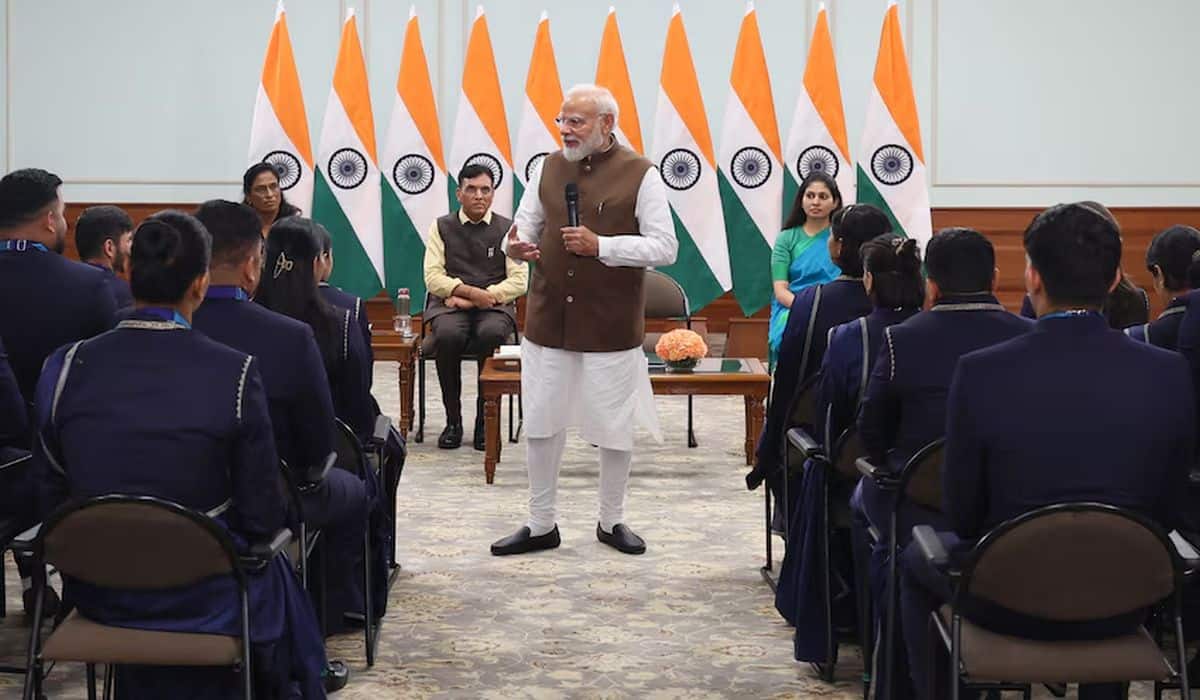
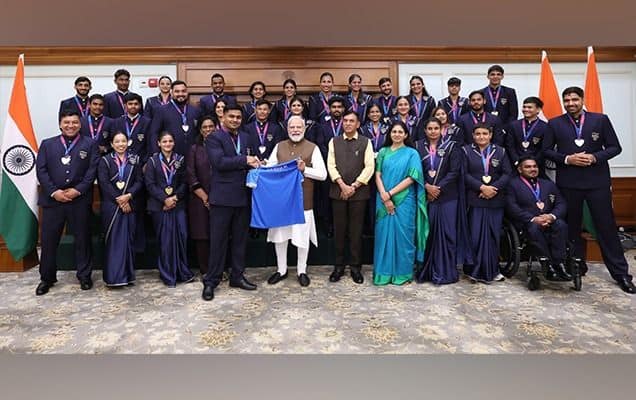
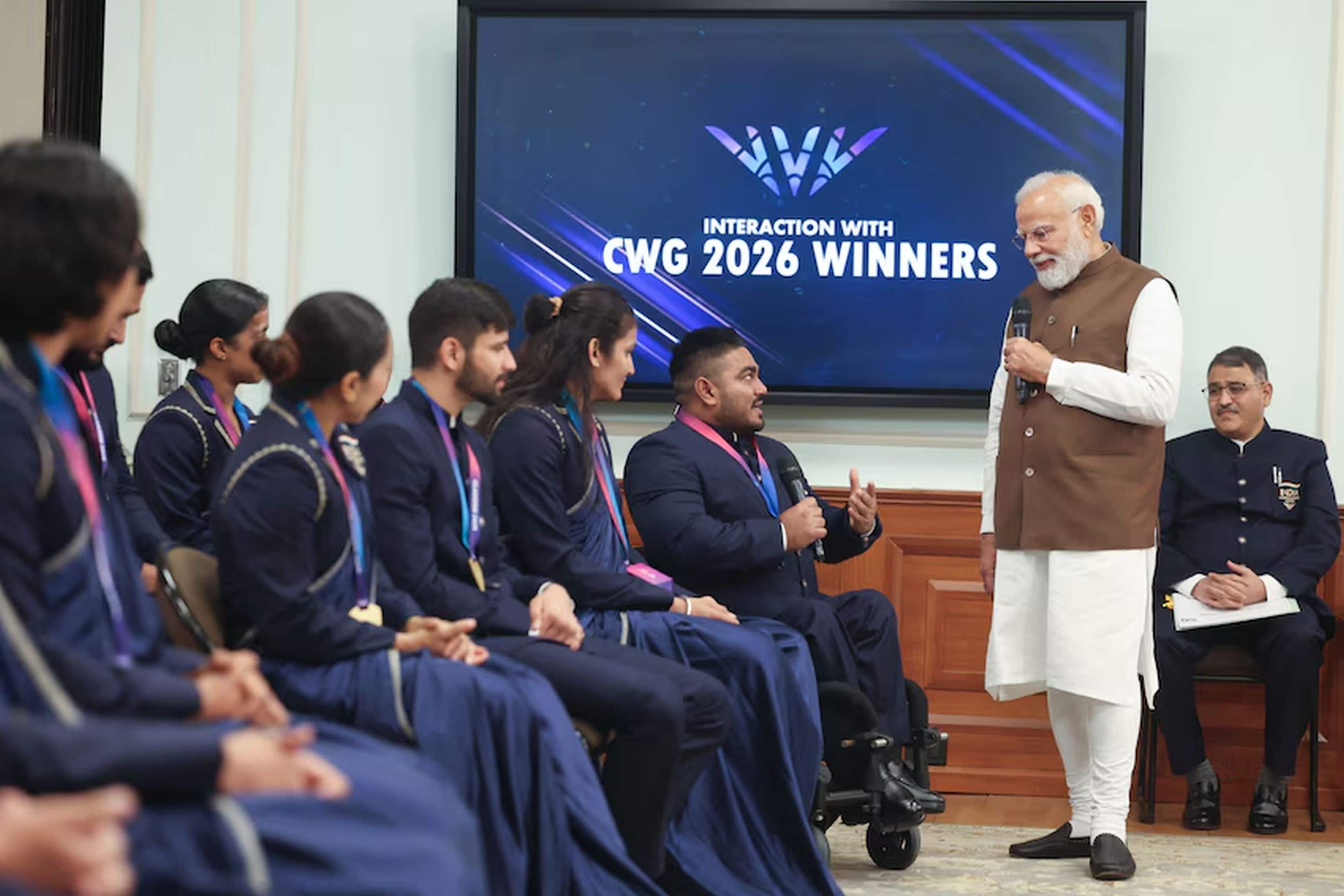
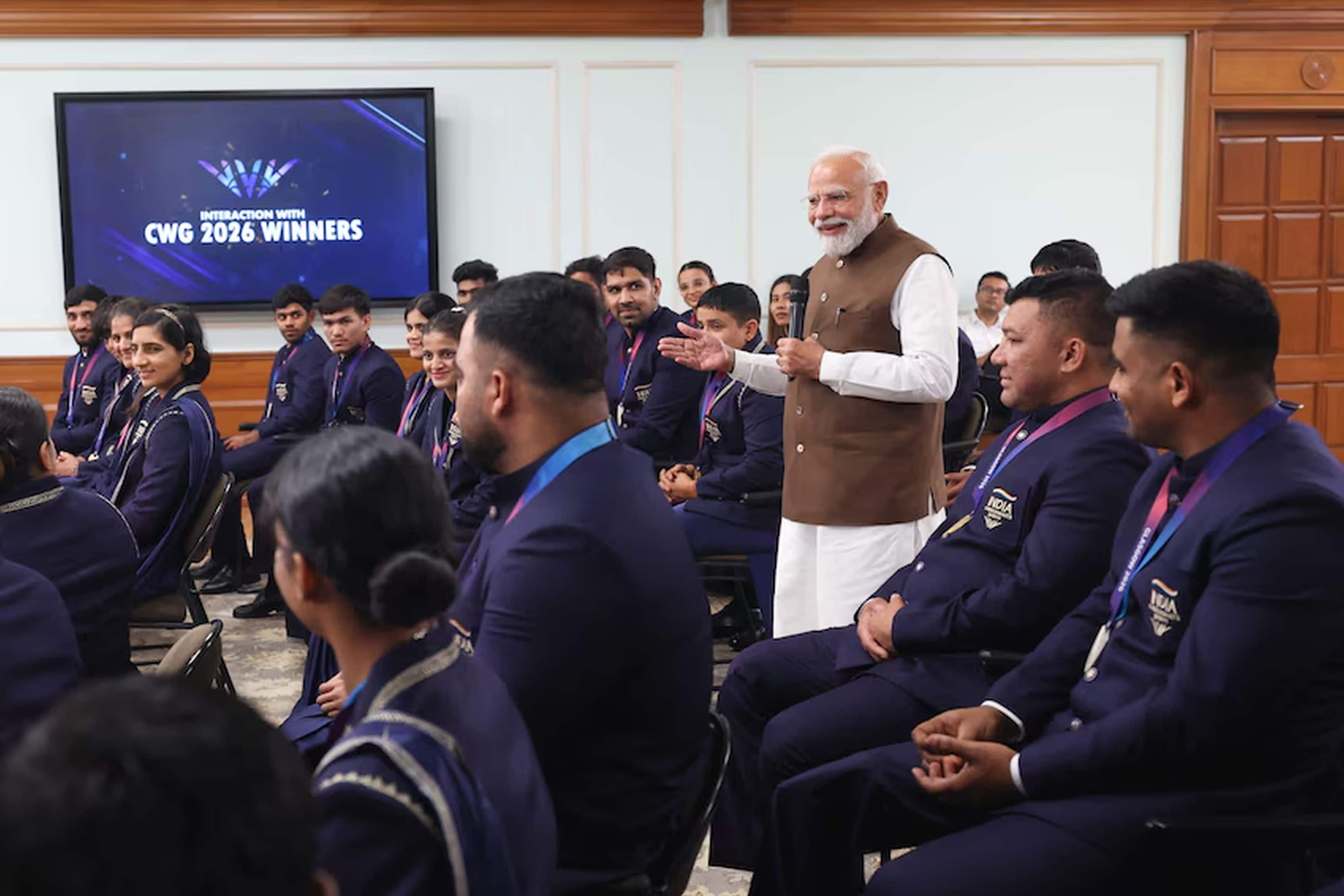
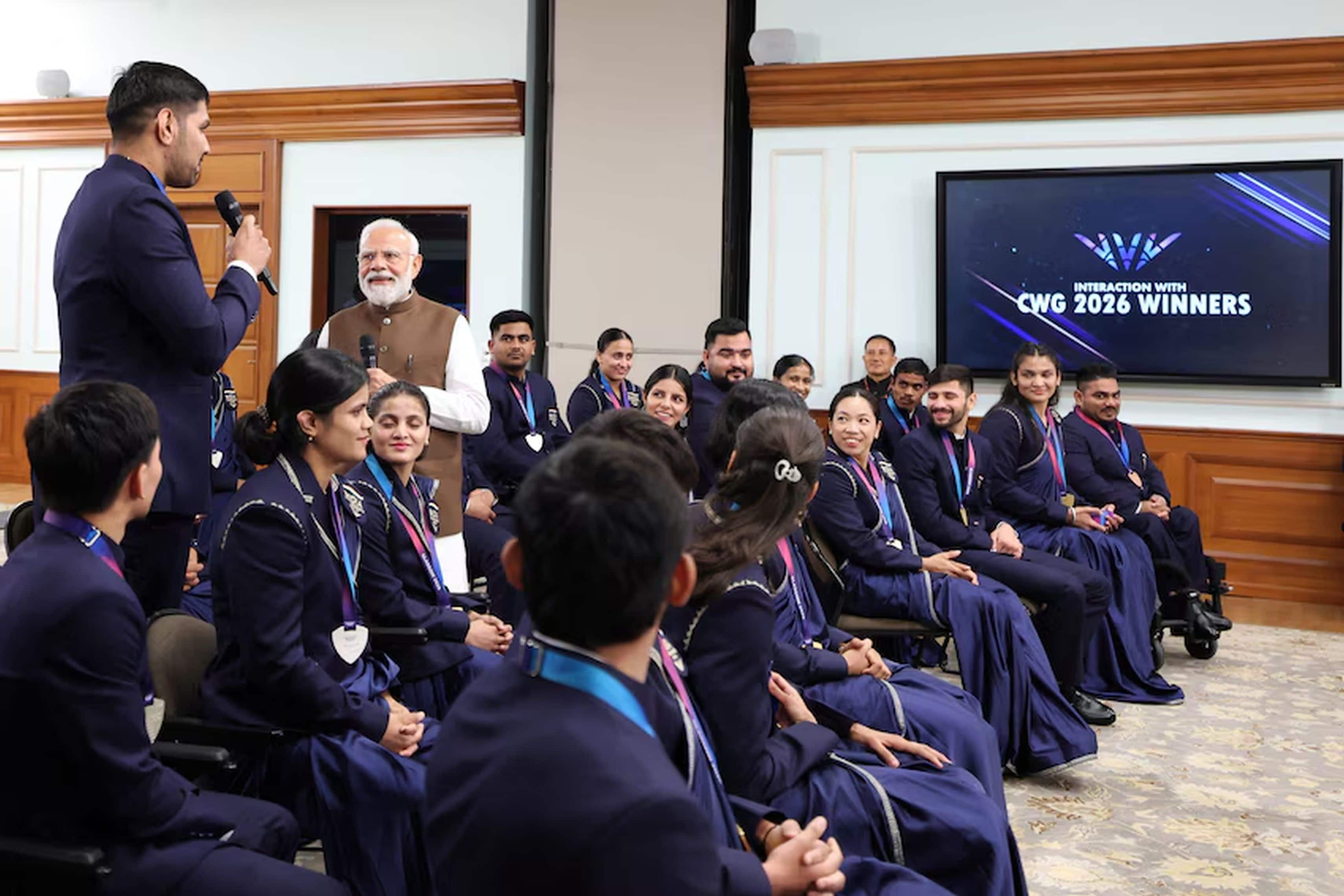
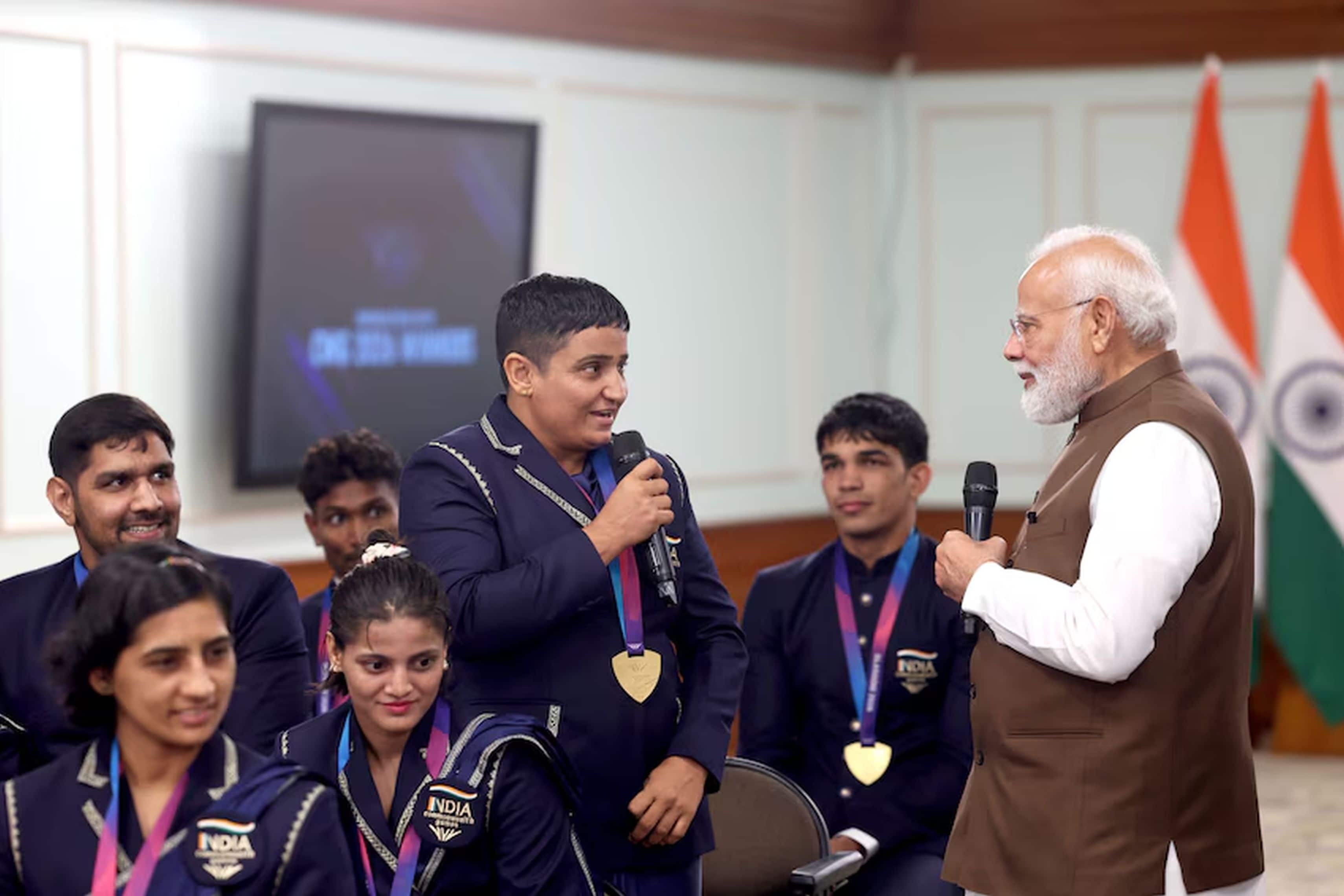
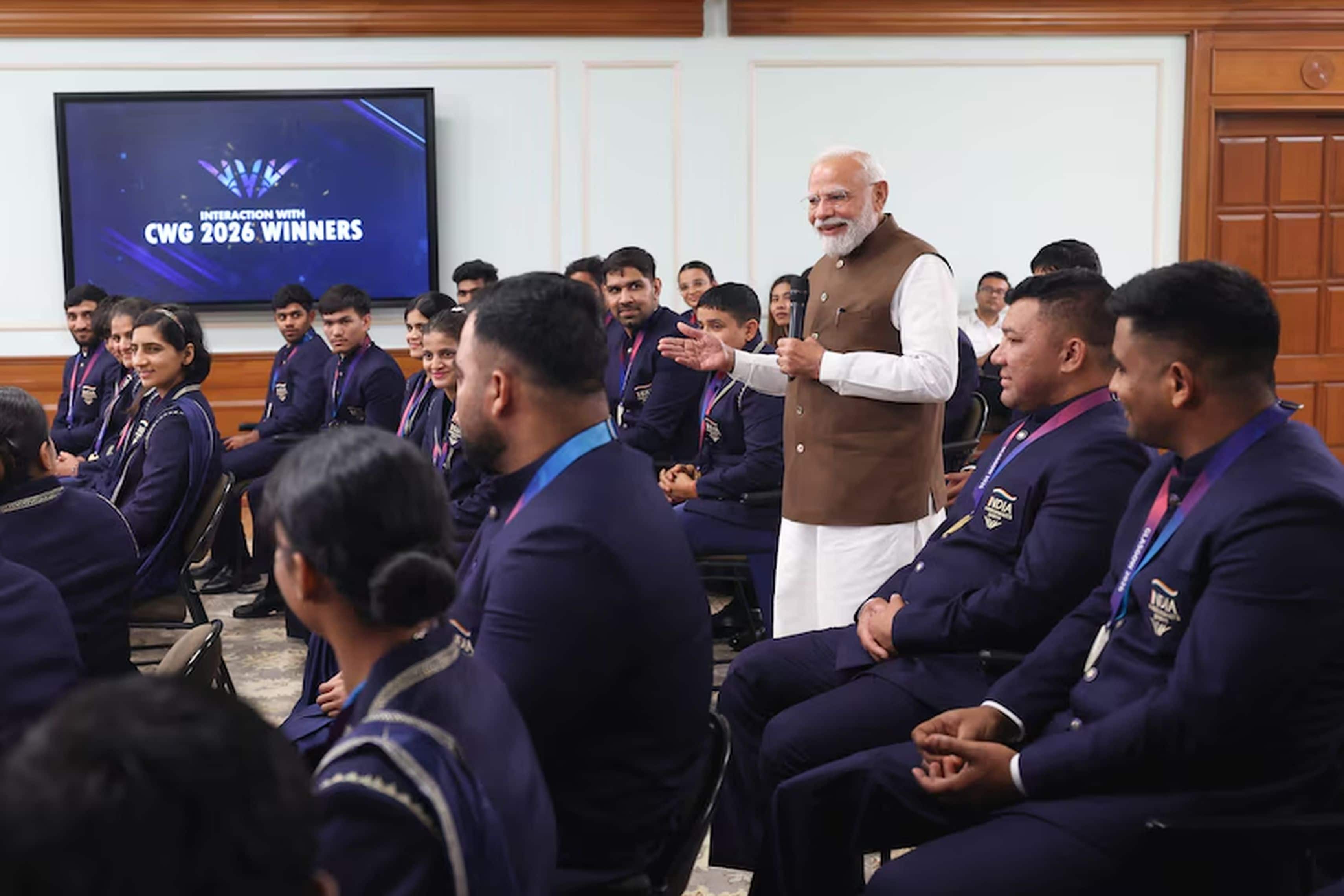
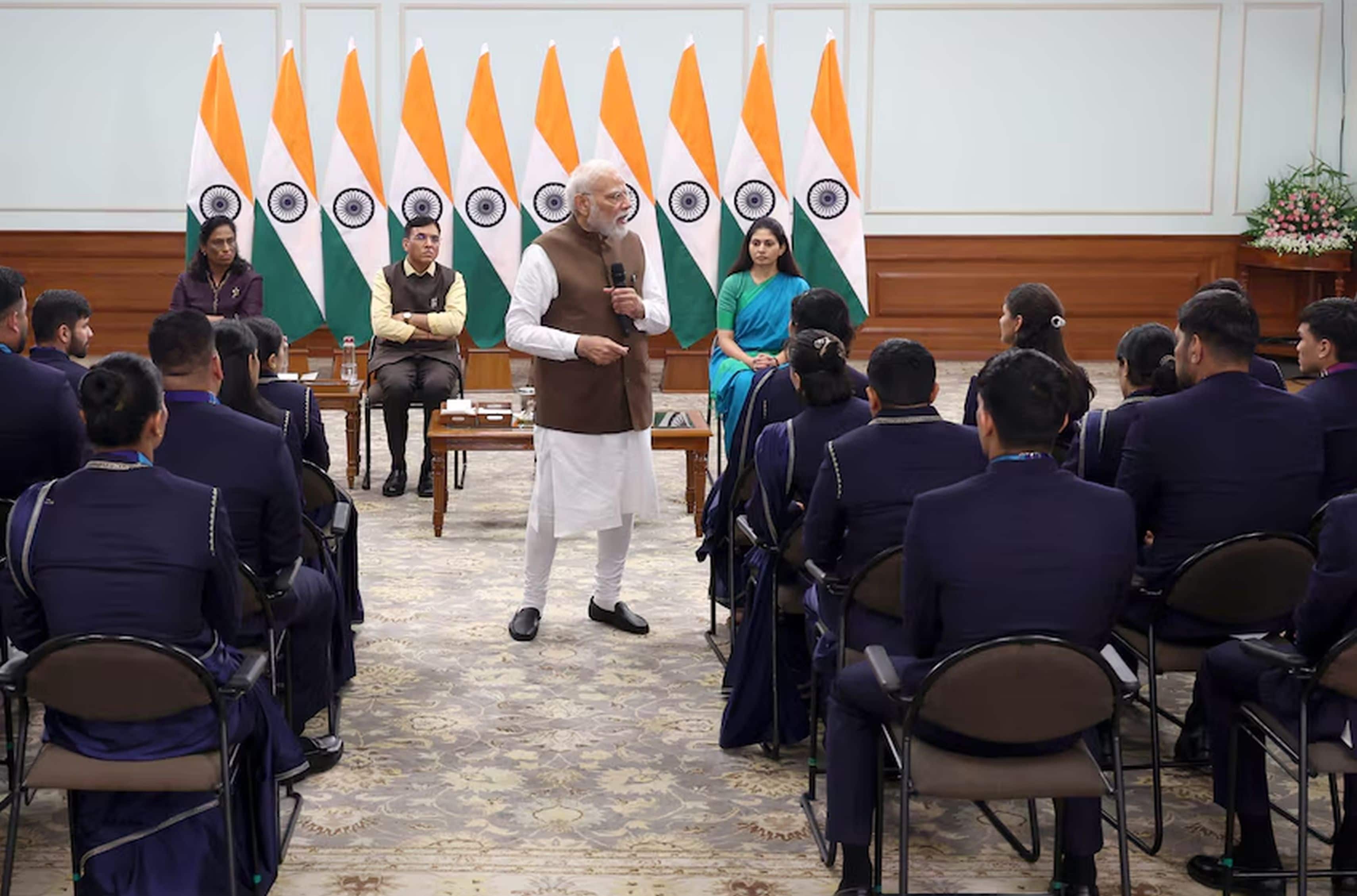
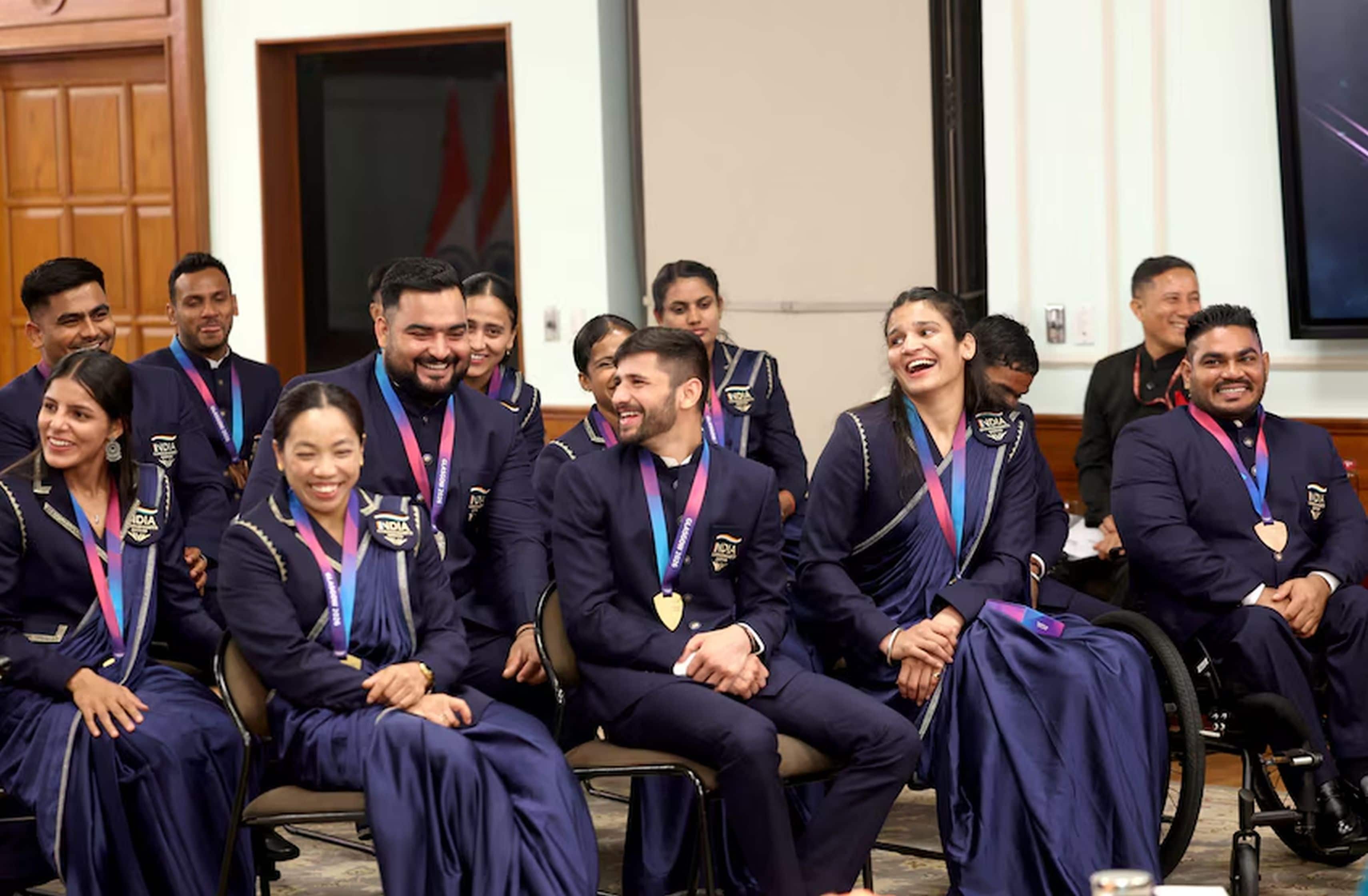
You have not just increased the number of medals, you have prepared an entire generation: PM Modi to CWG Champions
August 10, 2026
Share
प्रधानमंत्री – मेरे यहां, मुझे यहां लगभग 12-13 साल हो गए इसी मकान में, अगर मैंने regularly और हर बार किसी को रिसिव किया है, किसी को मैं मिला हूं, तो खिलाड़ी हैं। पिछले 10-12 साल हो गए, आप लोगों के पुरुषार्थ के कारण, भारत को लगातार विजय दिलाने के आपके प्रयासों के कारण और उत्तरोत्तर सफलता में नई ऊंचाईयां पार करने की परंपरा के कारण, जो काम शायद हम स्कूलों में जाकर कहें कि नहीं नहीं भई खेलना चाहिए, ये करना चाहिए, वो काम स्कूलों में जाकर के हम कर सकते थे, उससे ज्यादा आपका मेडल उनको inspire करता है।
प्रधानमंत्री – तुमने मुझे वादा किया था पिछली बार कि तुम्हारी दोनों बेटियां खिलाड़ी बन जाएंगी?
खिलाड़ी - हाँ जी अभी वे उमर की छोटी हैं, अगले कॉमनवेल्थ में एक घर में तीन मेडल लाकर दिखाएंगी।
प्रधानमंत्री – पक्का।
खिलाड़ी – हाँ जी।
खिलाड़ी – जब मैं दौड़ रहा था, जब मेरा इवेंट था 29 को, तो उस दिन गुरुपूर्णिमा थी, तो उस दिन मेरे गुरू को मैंने एक गिफ्ट दे दिया।
प्रधानमंत्री – बड़ी शान बढ़ाई आपने। इतनी आंसू टपक रहे थे, मुझे लगता है कि आंसू के हर बूंद से जैसे गोल्ड मेडल टपक रहा है।
खिलाड़ी – मैं बहुत ज्यादा खुशी थी, इमोशनल भी थे उसी दिन, खुशी ज्यादा था और मैं इसलिए रोई थी कि मेरा पेरिस आलंपिक में मेरा 1 Kg में मेडल रह गई थी और एक प्लेयर्स की लाइफ में क्या क्या हमको फेस करना पड़ता है। तो ये 4 साल के अंदर में कितना क्या क्या कुछ मैंने फेस किया था, हर टाइम injury ही चल रहे थे और family problem, वो सब हो रहा था। तो बहुत मुश्किल से मैं ये 4 साल फेस किया था। तो वो सब जब पोडियम में जब मैं खड़ी थी सर और हमारी जो फ्लैग ऊपर जाते हैं और हमारे नेशनल एंथम जब बजते हैं तो सर हम रुक नहीं सकते सर, अपना आप आंसू निकलते हैं।
प्रधानमंत्री – बहुत बहुत बढ़िया
प्रधानमंत्री – आपके इस अचीवमेंट को सिर्फ आपका अचीवमेंट मानता हूं, ऐसा नहीं है, ये आपका विजय आने वाली पीढ़ियों के लिए बहुत बड़ी प्रेरणा बन जाता है।
खिलाड़ी – सब डर रहे थे हमसे कि इंडिया के साथ फाइट आ गई, अब तो हम पहली फाइट ही हार जायेंगे, हमारा मेडल भी नहीं आयेगा।
प्रधानमंत्री – यानी मान के चलते हैं।
खिलाड़ी – हाँ सर।
प्रधानमंत्री – क्या हुआ, वो restaurant वालों से झगड़ा कर रही थी?
खिलाड़ी – हम लोगों का जो इतना अच्छा परफॉर्मेंस था, लास्ट डे था और सब जीत के गए थे और पूरा इंडिया के लोग थे। तो थोड़ा सा मुझे बुरा लग रहा। तो मैंने उनको अच्छे से बोला रिक्वेस्ट किया था सर, फिर उन्होंने मान भी लिया, अभी चेंज भी हो गया सर।
प्रधानमंत्री – इस विजय की परिस्थिति खुशी, आनंद, अपने साथियों के साथ और गेम पूरे हो चुके हैं। तो हसी मजाक मस्ती का मूड ऐसे समय उस मैप पर नजर जाना और उसको रजिस्टर करना और तुरंत सिर्फ मेडल लेते समय देश खड़ा हो जाता है ऐसा नहीं, भीतर से देश का भाव मैं सच बताता हूँ ये वीडियो सामान्य नहीं है आपका, लंबे समय तक लोगों को याद रहेगा। ये बॉक्सिंग वालों से भी दुनिया के खिलाड़ी अब डरने लगे हैं।
खिलाड़ी – जरूर सर, पुरे सभी डरे हुए थे। एक के बाद एक गोल्ड मेडल गोल्ड मेडल आ रहे थे और मतलब पूरा लास्ट में ऐसे धमाका जैसा हो गया बिल्कुल। जिस तरीके से हम लोगों को सपोर्ट मिल रहा है, हमें बैक टू बैक कंपटीशन मिल रहा है वो एक बहुत बड़ी बात है और हमारे जितने भी यंग एथलीट है वो लोग सभी जैसे खेलो इंडिया स्कीम से आए हुए हैं और ये एक बहुत बड़ा changes ला रहा है पूरे स्पोर्ट्स में ही।
प्रधानमंत्री – अगर आप लोग खेलो इंडिया की प्रतिष्ठा बढ़ाते हैं और प्रतिष्ठा सिर्फ वहां जाकर के रिबिन काटने से नहीं होगी। आप वैसे ही खेलेंगे जैसे एक छोटा विद्यार्थी, एक छोटा नौजवान, छोटा खिलाड़ी खेलता है। यह बहुत बड़ा कंट्रीब्यूशन करेगा। क्योंकि अभी तो हमें बहुत आगे जाना है, बहुत मेडल लाना है। कारगिल विजय दिवस पर किसकी विजय हुई थी?
खिलाड़ी – उस दिन कारगिल डे था वैसे और जिस दिन मैंने पाकिस्तान के साथ फाइट किया था सर, वो उसी दिन का था। तो मैं एक इंडियन आर्मी से हूं, तो मैंने उस दिन मैं पहले से बहुत वो था कि सर पाकिस्तान को हराना है। तो मैंने वो पाकिस्तान एक तरफ मैंने 5-0 से हराया, तो मैंने हमारा इंडियन आर्मी का कारगिल हीरोज़ को मैंने डेडिकेट किया किया था सर।
प्रधानमंत्री – आपको यह याद रहना और आप स्वयं फौज से हैं तो, मैं जरूर मानता हूं कि देश के वीर जवानों को आपने जो भाव प्रकट किया ना कि, मैं कारगिल के विजेताओं को मेरा मेडल समर्पित करता हूं। उसने उस विजय पर चार चांद लगा दिए और जिसको पराजित करना था उसी को किया आपने।
खिलाड़ी – वो पाकिस्तान की बात चल रही है, मुझे किस्सा याद आ गया सर। 2015 वर्ल्ड मिलिट्री गेम थे और मेरी पाकिस्तान के साथ पहली फाइट आ गई थी और वर्ल्ड मिलिट्री गेम थे तो मिलिट्री वाले के फोन आए कि भई पाकिस्तान से नहीं हारना है। तो फिर मैं फर्स्ट राउंड 4-1 से जीत गया। सेकंड राउंड 3-2 से जीत गया, पर दोनों के सर लग गए आपस में, तो दोनों के लग गए कट और फाइट तो मैं जीत गया।
प्रधानमंत्री – हाँ
खिलाड़ी – उसके बाद फिर दोनों चले गए हॉस्पिटल में टांके लगवाने के लिए। फिर 2014 में आप फर्स्ट टाइम प्रधानमंत्री जी बने थे और जो हमारे साथ आर्मी का कोच गया हुआ था उसका नाम नरेंद्र राणा था और फिर वो कई देर तक सोच के मेरे को बोला कि भाईजान एक बात बोलूं, मैं हां बोलो, बोला भाईजान आपका नाम नरेंद्र है। आपके कोच का नाम नरेंद्र है, आपके प्रधानमंत्री का नाम नरेंद्र है, तो मुझे नरेंद्र नाम से नफरत हो गई है।
प्रधानमंत्री – सिर्फ आपने मेडल की संख्या बढ़ाई ऐसा नहीं है। आपने एक पीढ़ी को तैयार किया।
खिलाड़ी – मेरे मन में भी धक-धक धक-धक हो रहा है सर।
प्रधानमंत्री – आप चिंता मत कीजिए।
खिलाड़ी – पर..
प्रधानमंत्री – आप चाहें तो आपको बोलने में भी मेडल मिलने वाला है।
खिलाड़ी – मेरे फ्रेंड सर्कल में किसी ने बोला था कि मैं उनको कुछ बोलती थी भई तुम्हारे अच्छे के लिए तुम करो। तो अक्सर मुझे वो बोलते थे कि तू के मोदी ते मिल रही है?
प्रधानमंत्री – हाँ
खिलाड़ी – हरियाणवी में बोल देते हैं सर कि क्या तू मोदी से मिली हुई है, कि तेरी बात माने। तो आज मैं आपसे मिली हूं सर। मैं उनको बोल पाऊंगी कि हां मैं मोदी जी से मिली हूं।
खिलाड़ी – कॉमनवेंल्थ गेम्स में मैंने सिल्वर मेडल जीता, फिर मैंने क्रेडिट साहब को दिया, सपना तो था एक बार मेडल जीत के लेके आने के लिए, बट ट्रेनिंग का सेंटर नहीं था, मैंने SAI आने के बाद मैं बहुत ट्रेनिंग करके मेडल जीत पा रहा, इसलिए बहुत खुशी से मैंने सर को क्रेडिट दिया था क्योंकि बहुत इंप्रूव हुआ।
प्रधानमंत्री – मेरे लिए बहुत बड़ा सम्मान का विषय है, मेहनत आपने की और मुझे याद किया, मैं आपका बहुत आभारी हूं दोस्त।
प्रधानमंत्री – वाराणसी में खेल तुम प्रैक्टिस कर रही थी ना?
खिलाड़ी – जी सर।
प्रधानमंत्री – कैसा बना है स्टेडियम?
खिलाड़ी – सर अच्छा बना है, वहां पर मैं 10-12 दिन के लिए ट्रेनिंग करने गई थी, क्योंकि मैं मंदिर गई थी तो वहां पर ही ट्रेनिंग करके आई थी। और मैं वहां पे मतलब सेटल भी होना चाहती हूं क्योंकि मुझे काशी विश्वनाथ बहुत अच्छा लगता है सर।
प्रधानमंत्री – भोपाल में ट्रेनिंग कर रही थी ना?
खिलाड़ी – जी सर।
प्रधानमंत्री – तो उज्जैन जाते थे कि नहीं?
खिलाड़ी – जी सर उज्जैन भी गई थी सर।
प्रधानमंत्री – अच्छा महाकाल के पास भी गई।
खिलाड़ी – जी सर।
प्रधानमंत्री – काशी विश्वनाथ के पास हो आई एक बार।
खिलाड़ी – जी सर।
प्रधानमंत्री – सावन महीना तो अभी है।
खिलाड़ी – वहां घर जाके फिर उसके बाद जाऊंगी सर।
प्रधानमंत्री – ठीक है।
खिलाड़ी – साई ने भी सर बहुत सपोर्ट किया है मुझे। इसके कारण ही मैं यहां तक पहुंची हूं सर। और मैं खेलो इंडिया स्कीम में भी थी 2018 में जो फर्स्ट खेलो इंडिया हुआ था, उसमें मेरा सिल्वर मेडल था, वहां पे भी मैंने आपको देखा था ओपनिंग सेरेमनी में, तो उसमें मेरा मेडल था, तो मेरे को स्कीम भी मिल गया और मैं यहां तक पहुंची हूं सर।
प्रधानमंत्री – स्पोर्ट्स व्यवस्था एक बात है, लेकिन देश मेडल तब प्राप्त करता है जब देश में स्पोर्ट्स कल्चर बनता है। दोस्तों आपने बहुत बड़ा काम किया है। देश का नाम रोशन किया है। आपको मैं बहुत बधाई देता हूं और आप विश्वास कीजिए आगे भी आप विजयी होंगे और फिर से एक बार यहीं पर हम मिलेंगे। बहुत-बहुत धन्यवाद। बहुत-बहुत शुभकामनाएं।
प्रधानमंत्री – ये लगातार तीसरी बार देश को मेडल दिलवाया है।
खिलाड़ी – थैंक यू सर।
प्रधानमंत्री – बहुत आशीर्वाद बेटा।
खिलाड़ी – और थैंक यू सो मच मैं सर के हाथ से लड्डू खा रही मेरा कल बर्थडे था तो आज सर के हाथ से…