Published By : Admin |
August 21, 2015 | 17:53 IST
Share
PM Modi meets Bhilwara youth who pledged not to wear footwear until he meets him
Bhilwara youth resumes wearing footwear after meeting PM Narendra Modi
The Prime Minister, Shri Narendra Modi, today met Shri Balwant Kumawat, a youth from Bhilwara, Rajasthan.
Shri Kumawat had expressed a keen desire that Shri Narendra Modi become Prime Minister. Two years ago, he had even taken a pledge not to wear footwear until he meets “Prime Minister Shri Narendra Modi.” He was barefoot continuously since then.
After his meeting with the Prime Minister, Shri Kumawat resumed wearing footwear. The Prime Minister advised Shri Kumawat to now devote his energies to a positive cause for nation-building. He also urged Shri Kumawat not to take a pledge which would cause physical discomfort.
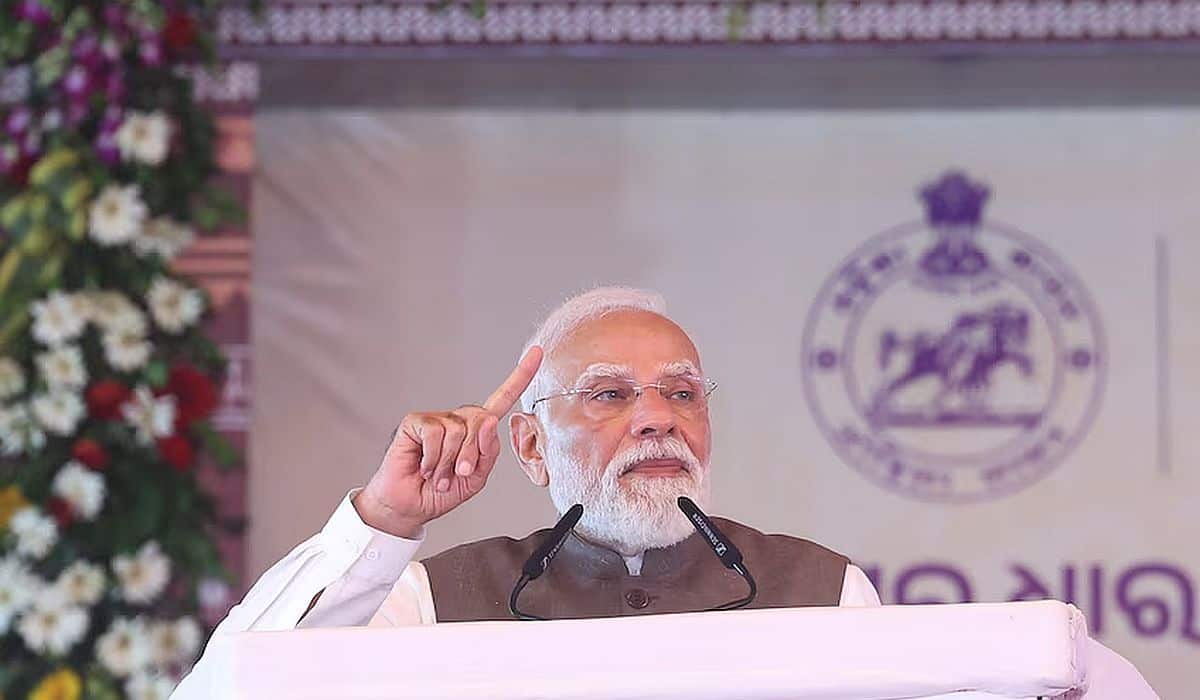
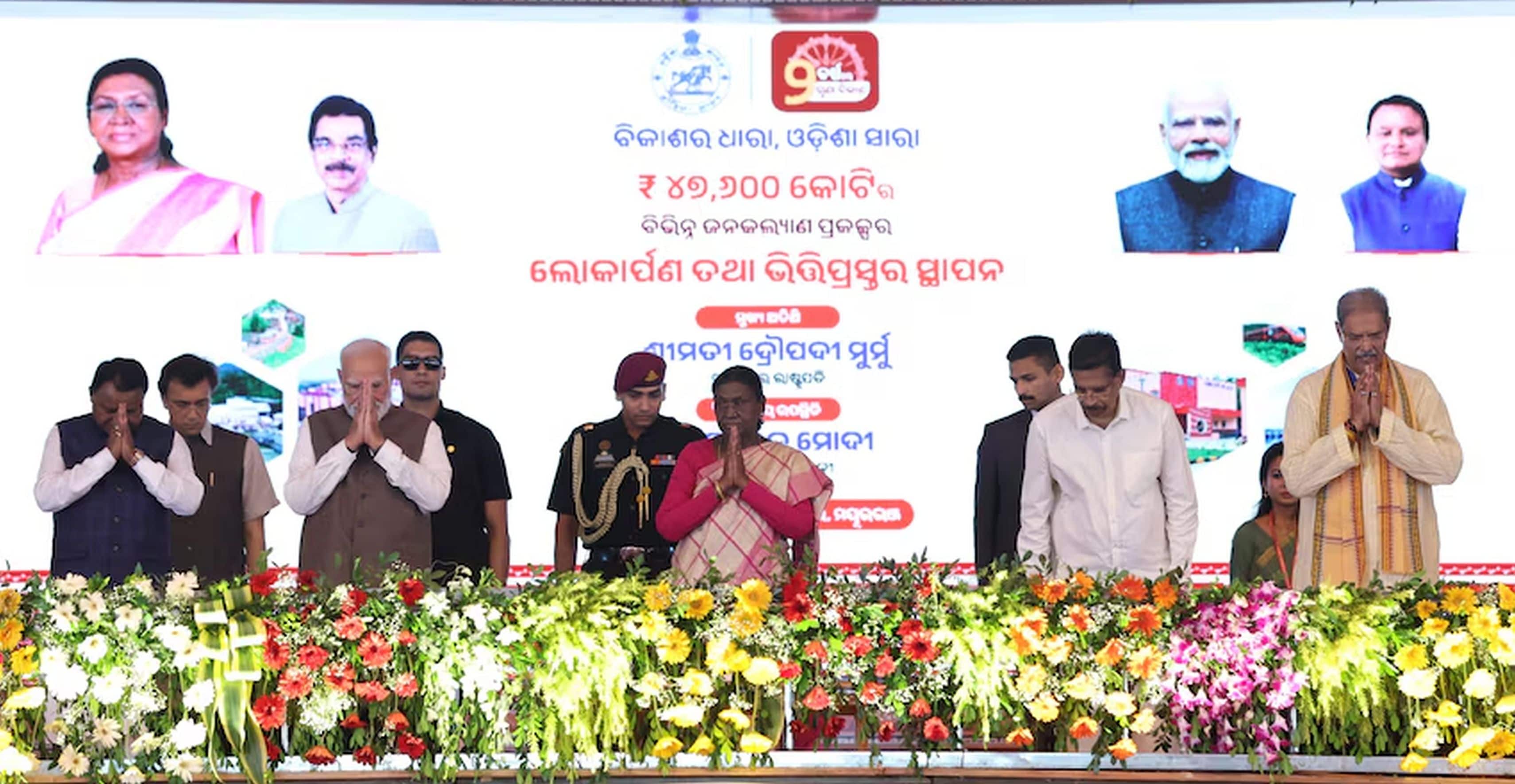
माननीय राष्ट्रपति द्रौपदी मुर्मू जी, राज्यपाल श्री हरि बाबु जी, यहां के लोकप्रिय मुख्यमंत्री मोहन चरण माझी जी, उप मुख्यमंत्री कनक वर्धन सिंह देव जी, प्रवती परीदा जी, ओडिशा के मंत्री गणेश सिंह खूंटिया जी, कृष्ण चंद्र महापात्र जी, सांसद नबा चरण माझी जी, मनमोहन सामल जी, बैजयंत पांडा जी, अन्य महानुभाव, भाइयों और बहनों।
हमारा ओडिशा इन दिनों उत्सवों के आनंद में डूबा हुआ है। यहाँ का गणपर्व रज, पिछले हफ्ते ही धूमधाम से मनाया गया है। महाप्रभु जगन्नाथ जी की रथ यात्रा की तैयारियां भी पुरजोश चल रही है। मयूरभंज के बारीपदा रथ यात्रा को लेकर भी उत्साह का माहौल है। और, इस सबके बीच ही लोकतन्त्र का विकास का उत्सव भी चल रहा है। ओडिशा की बीजेपी सरकार ने अपने 2 साल भी पूर्ण किए हैं। इस मौके पर, आप सबके बीच आना, मयूरभंज आने का ये सौभाग्य, और इतनी बड़ी संख्या में आप सबकी उपस्थिति, ये अवसर मेरे लिए बहुत खास है। आपका अपनापन मुझे बार-बार यहां खींच लाता है। मैं आप सभी का हृदय से बहुत-बहुत अभिनंदन करता हूँ। और ओडिशा की जनता को डबल इंजन सरकार में विकास यात्रा की भी बधाई देता हूँ, शुभकामनाएं देता हूं। साथ ही, इस अवसर पर मैं पंडित रघुनाथ मुर्मू जी, डॉ. दमयंती बेश्रा जी, और श्री चरण हेम्ब्रम जी जैसी विभूतियों को भी नमन करता हूँ। रघुनाथ मुर्मू जी ने संथाली भाषा के लिए ओल चिकी लिपि का निर्माण किया था। हमारी सरकार ने संथाली भाषा में भारत के संविधान को प्रस्तुत किया है। ओडिशा की संतानों को पद्म सम्मान देकर सम्मानित किया है। पिछले 2 वर्षों में ओडिशा सरकार भी इन सभी विभूतियों के सपनों को पूरा करने में दिन रात पुरुषार्थ कर रही है।
साथियों,
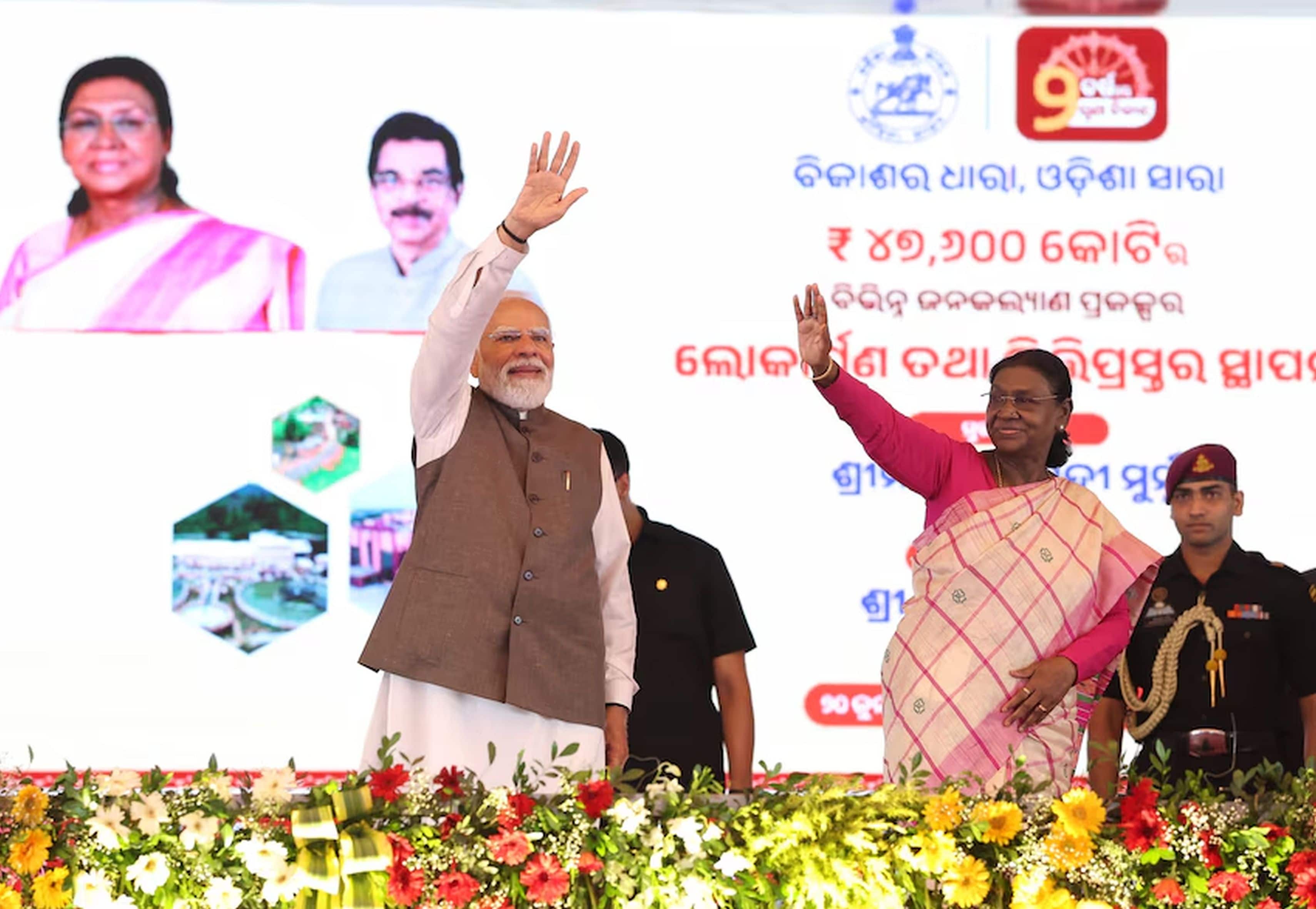
आज का ये अवसर इसलिए भी विशेष है, क्योंकि मयूरभंज की धरती पर पली-बढ़ीं, ओडिशा की बेटी, माननीय राष्ट्रपति जी हमारे बीच उपस्थित हैं। आज उनका जन्मदिन भी है। मैं राष्ट्रपति द्रौपदी मुर्मू जी को जन्मदिन की हार्दिक बधाई और शुभकमानाएं देता हूं, मैं उनके दीर्घायु होने और उत्तम स्वास्थ्य की कामना करता हूं। जनगन्नाथ जी भगवान के श्री चरणों में प्रार्थना करता हूं। ओडिशा की बेटी आज देश के इतने बड़े पद पर पहुंची हैं, हमारा मार्गदर्शन कर रही हैं, ये हम सभी के लिए बहुत गौरव की बात है। राष्ट्रपति जी का व्यक्तित्व, उनका उदार और सहृदय स्वभाव, राष्ट्र और समाज की सेवा के लिए उनका अटल समर्पण, उन्होंने मयूरभंज ही नहीं, पूरे ओडिशा की पहचान सशस्त की है। मैं इस अवसर पर, उनका विशेष रूप से अभिनंदन करता हूँ।
साथियों,
ये कार्यक्रम जब बना, तो इसमें मूल कारण तो लॉजिस्टिक था, लंबे अर्से से यहां आने के लिए चर्चा चल रही थी, लेकिन कोई तालमेल नहीं बैठता था। 21 जून को अंतर्राष्ट्रीय योगा दिवस कोलकाता में तय हुआ, तो फिर मैंने कहा अच्छा है, आज बंग दिवस भी है, तो क्यों न मैं सुबह मयूरभंज होकर के शाम को फिर कोलकाता के कार्यक्रम में जाऊं। और इसके कारण ये 20 जून तय हुई। लेकिन कुछ चीजें ऐसी होती हैं, जिसकी मंगल कामनाएं ईश्वरआधीन होती हैं, और इसलिए आज एक शुभ मंगल हो गया, कि राष्ट्रपति का जन्मदिन भी, मुझे आज उनके गांव में जाकर के, उनको शुभकामनाएं देने का अवसर मिला।
साथियों,
आज मैं राष्ट्रपति जी के साथ पहाड़पुर भी गया था। मैं इस क्षेत्र के बच्चों के लिए उनके द्वारा बनवाए गए स्कूल भी गया। बच्चों के साथ कुछ यादगार समय बिताने का अवसर मुझे मिला। मैं देख रहा था, बच्चों के चेहरों की चमक, राष्ट्रपति जी की उपस्थिति और आत्मीयता, वहां मुझे ऐसा कुछ भी नहीं लगा, किसी बच्चे को ये लगा हो कि राष्ट्रपति जी आई हैं, हर बच्चे को लगता था उनकी मां आई है। वे बच्चे भी बहुत भाग्यवान हैं, कैसे इस क्षेत्र के गरीब, वंचित और आदिवसी समाज के बच्चों को प्रेरणा मिल रही है, उन्हें देश के लिए कुछ बड़ा करने का आत्मविश्वास मिल रहा है। मैं राष्ट्रपति जी का आभारी हूं कि उन्होंने इन अनुभवों से गुजरने का आज मुझे अवसर दिया। ये मेरा दिन, एक प्रकार से मेरी शिक्षा का दिवस था, कुछ सीखने का अवसर था मेरे लिए।
साथियों,
मैं आपको सरकार का ये निर्णय भी बताना चाहता हूं कि पहाड़पुर गांव को, अब तेजी से सुर्यग्राम, सोलर विलेज के रूप में विकसित किया जाएगा। यानी यहां हर घर में सोलर बिजली बने, इसे सुनिश्चित किया जाएगा। और हम तो बड़ा गर्व के साथ कह सकते हैं कि यही ओडिशा है, जहां कोणार्क में सुर्य मंदिर की एक पहचान है, वैसे ही पहाड़पुर सुर्यग्राम की पहचान बन जाएगा। सुर्यग्राम, से पूरा गांव सोलर विलेज के रूप में पहचाना जाए, इस दिशा में काम तुरंत शुरू हो ऐसा मेरा प्रयास रहेगा। इस अभियान से, पहाड़पुर के लोगों को मुफ्त सोलर बिजली भी मिलेगी और जो ज्यादा बिजली होगी, वो उनकी आय भी बढ़ाएगी।
साथियों,
ओडिशा में डबल इंजन सरकार के 2 साल कई मायनों में ऐतिहासिक रहे हैं। मुख्यमंत्री मोहन चरण माझी जी के नेतृत्व में, आज ओडिशा तेज गति से विकास के रास्ते पर आगे बढ़ रहा है। आज यहां गरीब कल्याण की योजनाओं से सामान्य मानवी का जीवन बदल रहा है। ओडिशा में आर्थिक गतिविधियाँ निवेश और उद्योगों को आकर्षित करने का सामर्थ्य आज नज़र आ रहा है। यहाँ रोजगार के नए अवसरों के लिए तेजी से काम हो रहा है।
साथियों,
केंद्र सरकार का विज़न है- पूर्वी भारत के विकास से भारत का विकास। इसीलिए, हम पूर्वोदय की नीति पर काम कर रहे हैं। जिस पूर्वी भारत को काँग्रेस के दौर में पिछड़ेपन का पर्याय बना दिया गया था, आज वो प्रगति का प्रवेश द्वार बन रहा है। आज ओडिशा खुद इस बदलाव का साक्षी बन रहा है।
साथियों,
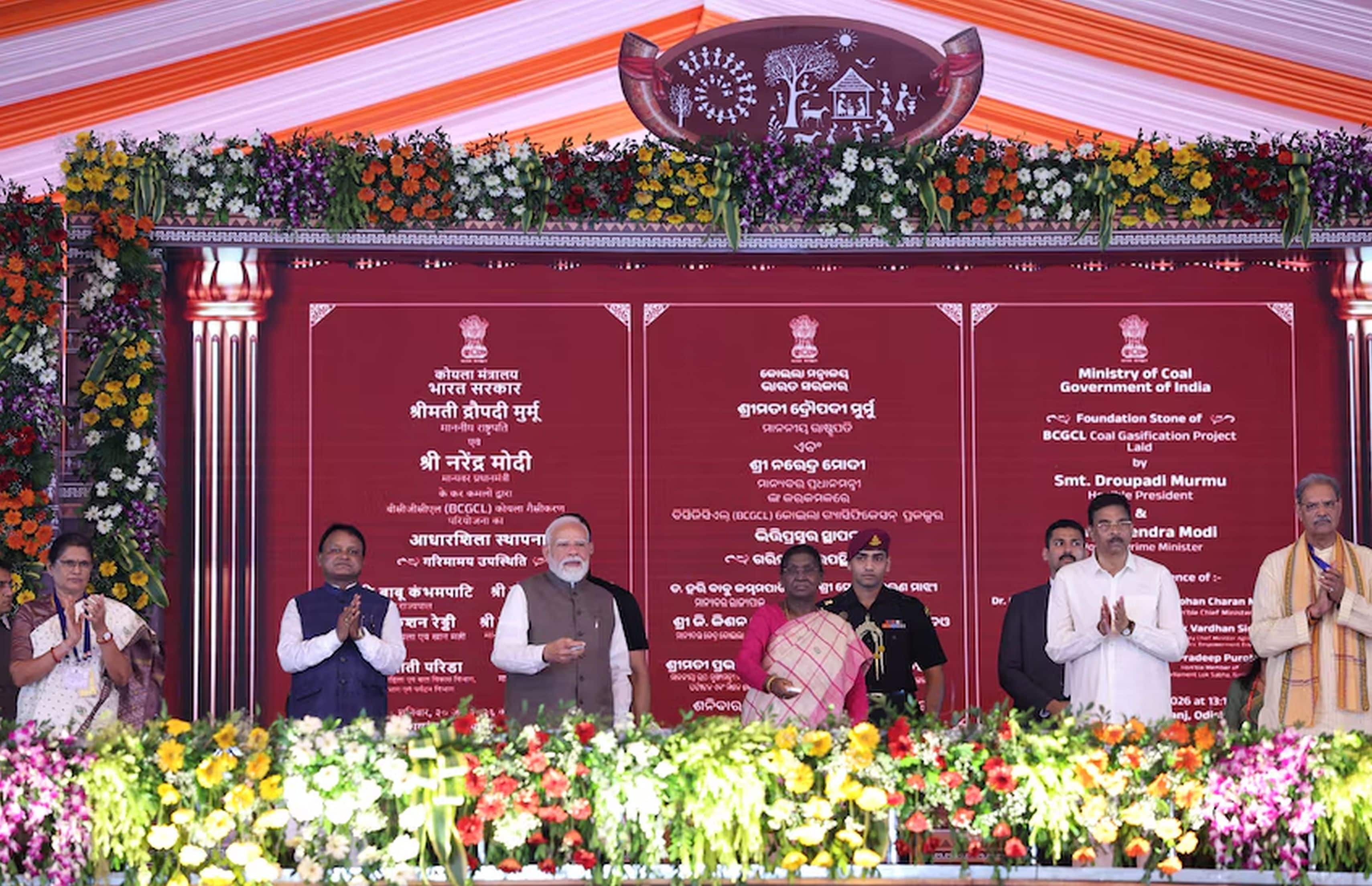
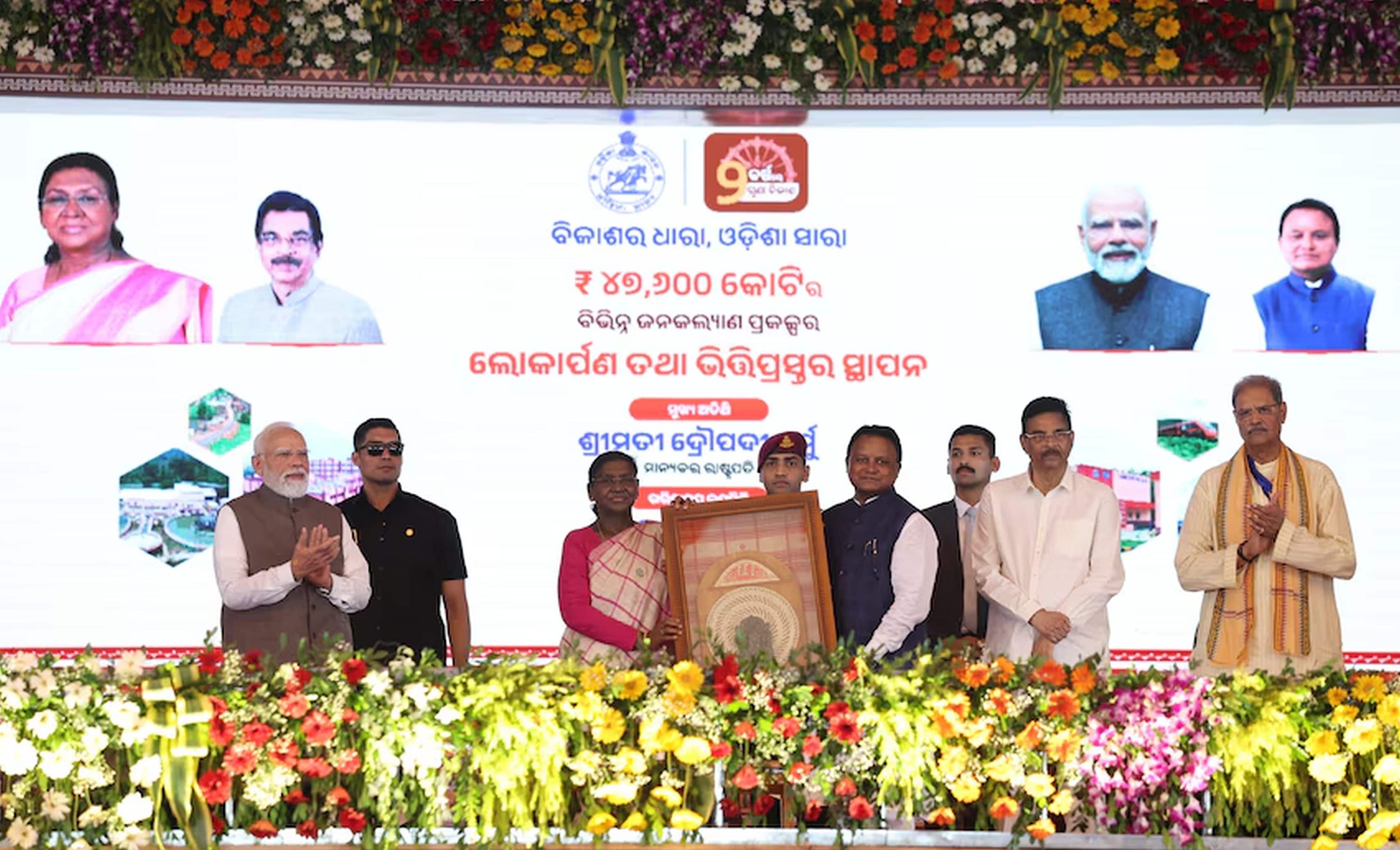
ओडिशा के पास समुद्र है, खनिज संपदा है, कृषि की शक्ति है और सबसे सामर्थ्यवान यहां युवा प्रतिभा है। इस सामर्थ्य का पूरा उपयोग करने के लिए हम मिलकर काम कर रहे हैं। इसीलिए, आज ओडिशा में रेलवे इनफ्रास्ट्रक्चर में रिकॉर्ड निवेश हो रहा है। नई सड़कें और आर्थिक कॉरिडोर बन रहे हैं। पोर्ट्स का विस्तार हो रहा है। ऊर्जा, सेमीकंडक्टर, ग्रीन एनर्जी और आधुनिक उद्योगों में निवेश आ रहा है। आज भी यहां ओडिशा के विकास से जुड़ी अनेक महत्वपूर्ण परियोजनाओं का लोकार्पण और शिलान्यास हुआ है। इन परियोजनाओं पर लगभग 47 हजार करोड़ रुपये खर्च किए जाएंगे। बिजली, सड़क, रेलवे, स्वास्थ्य और शिक्षा से जुड़ी इन परियोजनाओं से, आप सभी लोगों को बहुत सुविधा होने वाली है। मैं इन परियोजनाओं के लिए ओडिशा के लोगों को बहुत बहुत बधाई देता हूं।
साथियों,
हमारी सरकार ओडिशा के संसाधनों को, ओडिशा की संभावनाओं में बदल रही है। ओडिशा में बड़ा निवेश आए, यहाँ नए उद्योग लगें, इसके लिए उत्कर्ष ओडिशा जैसे अभियान चलाए जा रहे हैं। इसके तहत, अब तक करीब 20 लाख करोड़ रुपए के निवेश प्रस्ताव मिल चुके हैं। साढ़े 3 लाख करोड़ रुपए से ज्यादा की अनेक मेगा परियोजनाओं पर भी काम चल रहा है। उद्योगों के लिए अनुकूल वातावरण बने, इसके लिए ओडिशा के समग्र विकास पर ध्यान दिया जा रहा है। पावर सेक्टर में 6 हजार करोड़ रुपए से ज्यादा का निवेश हो रहा है। समृद्ध शहर योजना के तहत शहरी विकास को गति दी जा रही है। आने वाले वर्षों में इन प्रयासों का परिणाम हमें देखने को मिलने वाला है।
साथियों,
डबल इंजन सरकार की बड़ी विशेषता ये है कि वो खुद जनता तक पहुँचती है। हमारा प्रयास है कि सामान्य नागरिक को किसी समस्या के समाधान के लिए अनावश्यक चक्कर न लगाने पड़े। इन्हीं प्रयासों का परिणाम है कि युवाओं, महिलाओं, किसानों और आम लोगों की अपेक्षाएँ आज पूरी हो रही हैं। आप देखिए, धान खरीद में किसानों को 3,100 रुपये प्रति क्विंटल देने का निर्णय लिया गया। सुभद्रा योजना के माध्यम से एक करोड़ से अधिक माताओं और बहनों तक आर्थिक सहायता पहुंचाई गई। आयुष्मान भारत को लागू करके ओडिशा के परिवारों के लिए देशभर के अस्पतालों में इलाज का रास्ता खोला गया। आदिवासी विद्यार्थियों की पढ़ाई बीच में न छूटे, इसके लिए माधो सिंह हाथ-खर्चा योजना शुरू की गई। महाप्रभु श्री जगन्नाथ जी के भक्तों की भावनाओं का सम्मान करते हुए श्रीमंदिर के श्रद्धालुओं के लिए सारे द्वार खोल दिए गए, चारों-चार द्वार खोल दिए गए। डबल इंजन की ताकत मिलने से आज यहां चारों दिशाओं में विकास सुनिश्चित हो रहा है।
साथियों,
यहां बीते दिनों स्वच्छता को लेकर जो विशेष अभियान चला है, उसकी भी मुझे जानकारी मिली है। और मैं देख रहा था सोशल मीडिया में तो सफाई अभियान छाया हुआ है, यानी स्वच्छता से स्वागत, मैं ओडिशा की इस पहल के लिए, यहां के नगारिको का, सरकार का, मुख्यमंत्री जी का, इस प्रशंसनीय पहल के लिए बहुत ही प्रशंसा करता हूं, संतोष व्यक्त करता हूं।
साथियों,
स्वच्छता हमारे जीवन शैली का हिस्सा होनी चाहिए, हर रोज की आदत होनी चाहिए। मैं यहां स्वच्छता अभियान से जुड़े सभी लोगों का हृदय से बहुत-बहुत अभिनंदन करता हूं।
साथियों,
मैंने अपने जीवन का कुछ महत्वपूर्ण कालखंड जनजातीय क्षेत्रों में एक वालंटियर के रूप में काम करते हुए बिताया है। माननीय राष्ट्रपति जी तो बरसों तक ऐसे क्षेत्रों में चुनौतियां का सामना करती रही हैं। आप और हम जानते हैं कि जनजातीय क्षेत्रों में जीवन की सुविधाएं आसानी से नहीं पहुंचती थीं। इसलिए, हमारी सरकार ने जनजातीय विकास को बहुत प्राथमिकता दी है। हमने ऐसे इलाकों को सुविधाओं से जोड़ने के लिए धरती आबा जनजातीय ग्राम उत्कर्ष अभियान शुरू किया। इसके तहत स्वास्थ्य, शिक्षा, सड़क, आवास से जुड़े विभाग मिलकर के सर्वागीण विकास के लिए काम कर रहे हैं। ताकि वहां रहने वाले लोगों की कठिनाइयां दूर हो सकें। इसी तरह, पीएम जनमन अभियान तो राष्ट्रपति जी के साथ हुई चर्चाओं का, उनके मार्गदर्शन का ही परिणाम है। ये विशेष रूप से देश के ऐसे जनजातीय समूहों के लिए है, जो जनजातीय समुदाय में भी सबसे पीछे रह गए हैं। ऐसे जनजातीय समुदायों तक अब सरकार स्वयं चलकर उनके गांव, उनके दरवाजे तक पहुंच रही है।
साथियों,
आदिवासी समाज के उत्थान के लिए हम आदिवासी युवाओं को शिक्षा और रोजगार के अवसरों से जोड़ रहे हैं। इन बच्चों को पढ़ाई की बेहतर सुविधा मिले, इसके लिए देश में करीब 500 एकलव्य मॉडल स्कूल खोले गए हैं। करीब साढ़े सात सौ एकलव्य स्कूल स्वीकृत किए गए हैं। प्री-मैट्रिक और पोस्ट मैट्रिक लेवल पर, डेढ़ करोड़ से अधिक आदिवासी बच्चों को सैकड़ों करोड़ रुपए की स्कॉलर्शिप दी गई है। मुझे ये बताते हुए भी खुशी है कि यहां मयूरभंज में एक और नवोदय विद्यालय बनाने के लिए भी स्वीकृति दे दी गई है।
साथियों,
दूर-दराज इलाकों में रहने के कारण, जनजातीय समाज स्वास्थ्य से जुड़ी कठिनाइयों का भी शिकार रहा है। सिकल सेल एनीमिया जैसी बीमारियाँ एक बहुत बड़ी चुनौती रही हैं। हमने इनके खिलाफ देश भर में अभियान चलाया, चार करोड़ से ज्यादा हेल्थ कार्ड बांटे, मुफ्त इलाज के लिए करोड़ों आदिवासी लाभार्थियों को आयुष्मान कार्ड दिये। जल जीवन मिशन के तहत घर-घर साफ पानी पहुंचाया जा रहा है। इन प्रयासों का परिणाम आज हमें दिख रहा है। आदिवासी समाज दशकों पुरानी कठिनाइयों से बाहर आ रहा है, और, विकास की मुख्यधारा का हिस्सा बन रहा है।
साथियों,
आने वाले समय में हमारे सामने दो महत्वपूर्ण पड़ाव हैं। 2036 में ओडिशा के गठन के 100 वर्ष पूरे होंगे। और, 2047 में भारत की स्वतंत्रता के 100 वर्ष पूरे होने वाले हैं। यानी, ओडिशा और देश का लक्ष्य एक ही दिशा में है। ओडिशा की अर्थव्यवस्था मजबूत होगी, तो भारत मजबूत होगा। मुझे ओडिशा के सामर्थ्य पर भरोसा है। हमें मिलकर ओडिशा को विकास की बुलंदियों पर पहुंचाना है।
साथियों,
कल 21 जून को अंतर्राष्ट्रीय योग दिवस भी मनाया जाना है। ज्ञान और योग की धरती ओडिशा, योग यहाँ के संस्कारों का हिस्सा रहा है। मैं ओडिशा की धरती से पूरे देश से, पूरी दुनिया के लोगों से आह्वान करता हूँ, आप सब ज्यादा से ज्यादा संख्या में योग दिवस में हिस्सा लें। मैं एक बार फिर आप सभी को आज के अवसर, और विकास परियोजनाओं की बहुत-बहुत बधाई देता हूं। मैं माननीय राष्ट्रपति जी का विशेष रूप से आभार प्रकट करता हूं, कि मुझे उनके साथ उनकी कर्मभूमि को देखने का मौका मिला। एक बार फिर उन्हें जन्मदिन की बहुत-बहुत बधाई। बहुत-बहुत धन्यवाद।