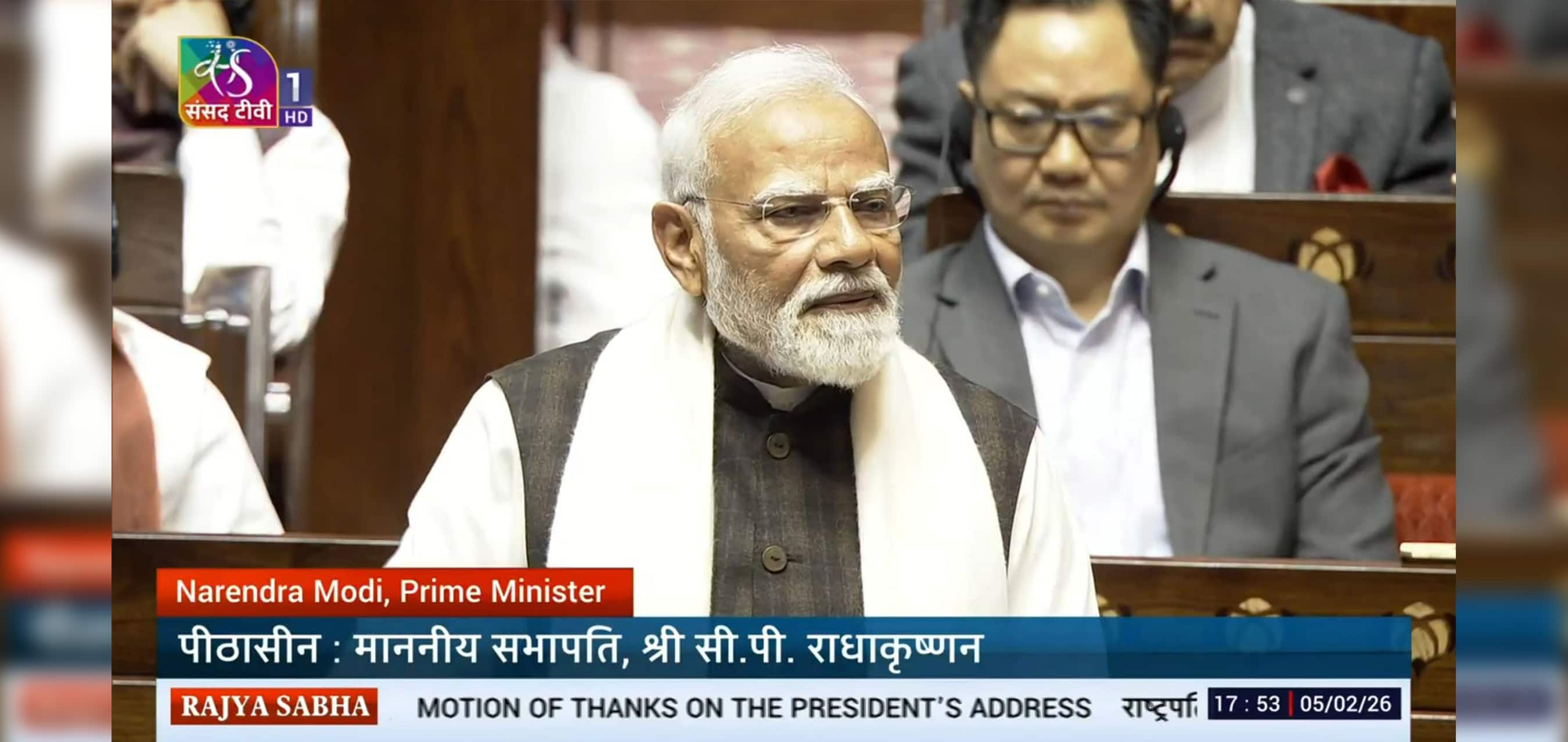


రాజ్యసభలో రాష్ట్రపతి ప్రసంగంపై ధన్యవాద తీర్మానానికి ప్రధానమంత్రి శ్రీ నరేంద్ర మోదీ ఈ రోజు సమాధానమిచ్చారు. ధన్యవాద తీర్మానానికి మద్దతుగా తన భావాలను సభతో పంచుకోవడం అదృష్టమని వ్యాఖ్యానించిన ఆయన.. రాష్ట్రపతి ప్రసంగం పట్ల కృతజ్ఞతలు తెలిపారు. అభివృద్ధి చెందిన భారత్ దిశగా సాగుతున్న ప్రయాణంలో గడిచిన ఏడాది కాలం అత్యంత వేగవంతమైన పురోగతిని సాధించిందని ఆయన పేర్కొన్నారు. దేశం సరైన దిశలో, గొప్ప వేగంతో దేశం ముందుకు సాగుతోందనీ.. సమాజంలోని అన్ని వర్గాల్లో, ప్రతి రంగంలోనూ ఈ మార్పు స్పష్టంగా కనిపిస్తోందని ఆయన వ్యాఖ్యానించారు. ఈ అంశాలన్నింటినీ రాష్ట్రపతి సునిశితంగా, స్పష్టంగా వివరించారని శ్రీ మోదీ అన్నారు.
మధ్యతరగతి, దిగువ మధ్యతరగతి, పేదలు, గ్రామాలు, రైతులు, మహిళలు, విజ్ఞాన శాస్త్రం, సాంకేతికత, వ్యవసాయ రంగాల గురించి రాష్ట్రపతి తన ప్రసంగంలో సవివరంగా ప్రస్తావించారని మోదీ చెప్పారు. భారత పురోగతిని పార్లమెంటు వేదికగా ఆమె చాటిచెప్పారని ప్రశంసించారు. యువత భారత శక్తిని చాటుతున్న తీరును కూడా రాష్ట్రపతి సవివరంగా పేర్కొన్నారని శ్రీ మోదీ చెప్పారు. సమాజంలోని ప్రతి వర్గం సామర్థ్యాలను ప్రస్తావించడంతోపాటు.. భారత ఉజ్వల భవిష్యత్తుపై ఆమె వ్యక్తం చేసిన అచంచల విశ్వాసం అందరికీ స్ఫూర్తిదాయకమని ఆయన వ్యాఖ్యానించారు.
21వ శతాబ్దపు తొలి త్రైమాసికం ముగిసిందన్న శ్రీ మోదీ - స్వాతంత్ర్య పోరాటంలో గత శతాబ్దపు రెండో త్రైమాసికం నిర్ణయాత్మకంగా నిలిచిన విధంగానే.. ఈ రెండో త్రైమాసికం కూడా అభివృద్ధి చెందిన భారత్ నిర్మాణంలో అదే శక్తితో, వేగంతో సాగుతుందని వ్యాఖ్యానించారు. దేశం ఒక కీలక దశకు చేరుకుందని ప్రతి పౌరుడూ భావిస్తున్నారని ఆయన పేర్కొన్నారు. ఇక ఆగే ప్రసక్తే లేదని, వెనుదిరిగి చూడాల్సిన అవసరం లేదని.. వేగంగా ముందుకు సాగడం, లక్ష్యాన్ని చేరుకోవడం, అది సాధించిన తర్వాతే విశ్రమించడమే ధ్యేయంగా దేశం అడుగులు వేస్తోందని ఆయన అన్నారు.
ప్రస్తుతం అనేక అరుదైన సానుకూల పరిస్థితులు భారత్కు ఉన్నాయనీ, ఇది అత్యంత శుభపరిణామమనీ ప్రధానమంత్రి పేర్కొన్నారు. ప్రపంచంలోని సంపన్న దేశాలన్నీ వృద్ధాప్యం వైపు వెళ్తుంటే.. భారత్ మాత్రం అభివృద్ధిలో సరికొత్త శిఖరాలను అధిరోహిస్తూనే, యువశక్తితో కళకళలాడుతోందని.. యువ జనాభా నిరంతరం పెరుగుతున్న దేశం మనదని ఆయన స్పష్టం చేశారు. ప్రపంచవ్యాప్తంగా భారత్ పట్ల ఆకర్షణ గణనీయంగా పెరిగిందనీ, భారతీయ ప్రతిభా సామర్థ్యాలకు అంతర్జాతీయ గుర్తింపు లభిస్తోందనీ శ్రీ మోదీ చెపపారు. కలలు, సంకల్పం, సామర్థ్యం కలిగిన యువ ప్రతిభావంతులు దేశానికి వెన్నెముకగా నిలుస్తున్నారని వ్యాఖ్యానించారు. దీనిని దేశ శక్తికి లభించిన రెండో వరంగా అభివర్ణించారు.
అంతర్జాతీయ సవాళ్లకు పరిష్కారాలను చూపుతూ భారత్ ఒక ఆశాకిరణంగా ఆవిర్భవించిందని ప్రధానమంత్రి పేర్కొన్నారు. భారత ఆర్థిక వ్యవస్థలో అత్యధిక వృద్ధి రేటు, తక్కువ ద్రవ్యోల్బణాల అరుదైన సమ్మేళనం కనిపిస్తోందనీ, ఇది దేశ ఆర్థిక పటిష్టతకు నిదర్శనమనీ స్పష్టం చేశారు. దేశానికి సేవ చేసే అవకాశం తమ ప్రభుత్వానికి లభించేనాటికి.. భారత్ ఆర్థికంగా బలహీనమైన అయిదు దేశాల జాబితా (ఫ్రాజైల్ ఫైవ్)లో ఉండేదని ఆయన గుర్తుచేశారు. స్వాతంత్ర్య సమయంలో ఆరో అతిపెద్ద ఆర్థిక వ్యవస్థగా ఉన్న దేశం, ఆ తర్వాత పదకొండో స్థానానికి పడిపోయిందన్నారు. కానీ నేడు భారత్ వేగంగా ప్రపంచంలో మూడో అతిపెద్ద ఆర్థిక వ్యవస్థగా ఎదిగే దిశగా దూసుకుపోతోందన్నారు.
సైన్స్, అంతరిక్షం, క్రీడలు... ఇలా ప్రతి రంగంలోనూ భారత్ ఆత్మవిశ్వాసం ఉట్టిపడుతోందని శ్రీ మోదీ వ్యాఖ్యానించారు. కోవిడ్ అనంతర కాలంలో అంతర్జాతీయ అస్థిరత పెరుగుతున్న నేపథ్యంలో, ఒక కొత్త ప్రపంచ క్రమం ఆవిర్భవిస్తోందనీ.. నిష్పక్షపాత విశ్లేషణలు గమనిస్తే భారత్ వైపు ప్రపంచం మొగ్గు చూపుతున్నట్టు స్పష్టంగా తెలుస్తోందని ఆయన పేర్కొన్నారు. ప్రపంచ దేశాలకు భారత్ ఒక నమ్మకమైన భాగస్వామిగా, మిత్రుడిగా ఎదిగిందని ఆయన స్పష్టం చేశారు. ఇతర దేశాలతో భుజం భుజం కలిపి ప్రపంచ సంక్షేమంలో భారత్ భాగస్వామి అవుతోందన్నారు. అంతర్జాతీయ వేదికలపై అభివృద్ధి చెందుతున్న దేశాల బలమైన గొంతుకగా భారత్ ఆవిర్భవించిందని ప్రధానమంత్రి వ్యాఖ్యానించారు. ప్రపంచంలోని ప్రధాన దేశాలతో భవిష్యత్ సన్నద్ధ వాణిజ్య ఒప్పందాలను కుదుర్చుకుంటోందని తెలిపారు. 27 దేశాలతో కూడిన ఐరోపా యూనియన్తో కుదుర్చుకున్న తలమానికమైన ఒప్పందం (మదర్ ఆఫ్ ఆల్ డీల్స్) సహా.. ఇటీవల తొమ్మిది కీలక వాణిజ్య ఒప్పందాలను కుదుర్చుకొన్నట్టు ఆయన తెలిపారు. గత ప్రభుత్వాల హయాంలో ఏ దేశమూ భారత్తో వాణిజ్య ఒప్పందాలు కుదుర్చుకోవడానికి ఆసక్తి చూపని దుస్థితి ఉండేదని ఆయన విమర్శించారు. కానీ నేడు అందుకు భిన్నమైన పరిస్థితులున్నాయన్నారు. అభివృద్ధి చెందిన దేశాలు ఇప్పుడు భారత్తో జట్టు కట్టేందుకు ఎంతో ఉత్సుకత చూపుతున్నాయన్నారు.
గుజరాత్ ముఖ్యమంత్రిగా ఉన్న సమయంలో నిర్వహించిన ‘వైబ్రంట్ గుజరాత్ సదస్సు’లో జపాన్ భాగస్వామ్య దేశంగా ఉన్న అనుభవాన్ని శ్రీ మోదీ గుర్తుచేసుకున్నారు. నేడు దేశంగా భారత్ అదే తరహా శక్తిసామర్థ్యాలను ప్రదర్శిస్తోందని ఆయన అన్నారు. ఆర్థిక బలం, ప్రజల చైతన్యం, బలమైన తయారీ వ్యవస్థ ఉన్నప్పుడే ఇది సాధ్యమవుతుందని స్పష్టం చేశారు. ఓటు బ్యాంకు రాజకీయాల కారణంగా గతంలో ఇలాంటి ప్రాధాన్యాలను విస్మరించారని విమర్శించిన ఆయన.. ప్రతిపక్ష ప్రభుత్వాలకు ఈ దార్శనికత, సంకల్ప బలం, కొత్త ఆలోచనలు లేకపోవడం వల్ల దేశం నష్టపోయిందన్నారు.
దేశానికి సేవ చేసే భాగ్యాన్ని తనకు కల్పించిన ప్రజలకు శ్రీ మోదీ కృతజ్ఞతలు తెలిపారు. గత ప్రభుత్వాల పొరపాట్లను సరిదిద్ది, అంతర్జాతీయ వేదికలపై భారత ప్రతిష్ఠను పునర్నిర్మించడానికే తమ ప్రభుత్వం చాలావరకూ తన శక్తిని వెచ్చించాల్సి వచ్చిందని ఆయన పేర్కొన్నారు. భారత్ ఇప్పుడు తాత్కాలిక నిర్ణయాలతో కాకుండా.. పక్కా విధానాలతో ముందుకు సాగుతోందని ఆయన స్పష్టం చేశారు. ‘సంస్కరణ, ఆచరణ, పనితీరు’.. ఇదే మనకు మంత్రప్రదమనీ, ఆ మంత్రమే దేశ ‘సంస్కరణల ఎక్స్ప్రెస్’ను పట్టాలపైకి ఎక్కించిందని స్పష్టం చేశారు. తయారీ రంగాన్ని బలోపేతం చేయడం, పారిశ్రామికవేత్తలను సాధికారులను చేయడం, మన ఉత్పాదక విలువను పెంచడం లక్ష్యంగా చేపట్టిన నిర్మాణాత్మక, ప్రక్రియాపరమైన, విధానపరమైన సంస్కరణలను ఆయన వివరించారు. ప్రపంచ స్థాయిలో పోటీ పడేందుకు భారత్ ఇప్పుడు పూర్తి స్థాయిలో సిద్ధంగా ఉందని ఆయన ప్రకటించారు.
ప్రపంచ స్థాయి సీఈఓల వేదికలు ఇప్పుడు భారతీయ పారిశ్రామికవేత్తలను తమతో సమానంగా చూస్తున్నాయని శ్రీ మోదీ అన్నారు. విదేశీ పర్యటనలకు వెళ్తున్న అన్ని రాజకీయ పార్టీల ప్రతినిధి బృందాలకు కూడా అనుభవపూర్వకంగా ఈ విషయం తెలిసిందనీ, వారు సగర్వంగా తిరిగి వస్తున్నారని ఆయన వ్యాఖ్యానించారు. దేశానికి దీర్ఘకాలిక ఆర్థిక బలాన్ని చేకూరుస్తున్న ఎంఎస్ఎంఈ నెట్వర్క్ శక్తిని ఆయన వివరించారు. విమానాలకు కావాల్సిన అనేక విడిభాగాలను కూడా దేశంలోని చిన్న ఎంఎస్ఎంఈలు తయారు చేస్తున్నాయనీ, తద్వారా ప్రపంచవ్యాప్త నమ్మకాన్ని గెలుచుకుంటున్నాయని ఆయన వెల్లడించారు. ఈ ప్రయత్నాల ఫలితాలు ఇప్పుడు స్పష్టంగా కనిపిస్తున్నాయనీ, ప్రపంచంలోని ప్రధాన దేశాలన్నీ భారత్తో వాణిజ్య సంబంధాలను పెంపొందించుకోవడానికి ఎంతో ఆసక్తిగా ఉన్నాయని ఆయన పేర్కొన్నారు. ఇటీవల ఐరోపా యూనియన్తో జరిగిన వాణిజ్య ఒప్పందాన్ని, అమెరికాతో కుదుర్చుకున్న ఒప్పందాన్ని ఆయన ప్రస్తావించారు. వీటికి అంతర్జాతీయంగా విస్తృత ప్రశంసలు లభించాయని గుర్తుచేశారు. ఐరోపా యూనియన్తో జరిగిన ఒప్పందం ప్రపంచ స్థిరత్వంపై అంతర్జాతీయ సమాజానికి నమ్మకాన్ని కలిగించగా.. అమెరికాతో కుదిరిన ఒప్పందం దేశాభివృద్ధి వేగాన్ని మరింత బలపరిచిందని ఆయన వ్యాఖ్యానించారు. ఈ రెండు ఒప్పందాలూ ప్రపంచానికి సానుకూల సంకేతాలను అందించాయని ఆయన పేర్కొన్నారు.
ప్రస్తుత అవకాశాలతో భారత యువతరానికే అధిక ప్రయోజనం కలుగుతుందని ప్రధానమంత్రి మోదీ వ్యాఖ్యానించారు. యువతరమంటే- వారిలో మధ్యతరగతి, పట్టణ, గ్రామీణ ప్రాంతాల యువతలోని పుత్రులు, పుత్రికలందరూ ఉంటారన్నారు. కాబట్టి, వారిని వేర్వేరుగా చూడరాదని ఆయన స్పష్టం చేశారు. ప్రపంచ విపణిలో నేడు అన్నివైపులా వారికి అపార అవకాశాలు అందివస్తున్న నేపథ్యంలో దేశం తన యువజన బలంపై గర్వించాలన్నారు. యువతరంతో తాను భుజం కలిపి నిలుస్తున్నందున సాహసంతో ముందడుగు వేయాలని శ్రీ మోదీ వారిని ఉత్తేజపరిచారు. అలాగే, యావద్దేశం వారికి మద్దతుగా నిలుస్తున్నదని, ప్రపంచం కూడా వారి సహకారం కోసం ఎదురు చూస్తున్నదని చెప్పారు. ఆసరా బాధ్యతలు నిర్వర్తించేవారు సహా భారత నిపుణులకు ప్రపంచవ్యాప్తంగా డిమాండ్ పెరుగుతున్నదని తెలిపారు. అర్హులైన ప్రతిభావంతుల నియామకానికి వీలుగా సంబంధిత కంపెనీలు భారత్లో ప్రత్యేక కార్యాలయాలు ఏర్పాటు చేస్తున్నాయన్నారు. తద్వారా భారత నిపుణులకు అంతర్జాతీయ స్థాయిలో విస్తృత అవకాశాలు లభిస్తాయని ప్రధానమంత్రి పేర్కొన్నారు.
రాజ్యసభ రాష్ట్రాలకు ప్రాతినిధ్యం వహిస్తుందని, అయితే తన అభిప్రాయం మేరకు చర్చల స్థాయి... ముఖ్యంగా దశాబ్దాలు పాలించిన వారివైపు నుంచి మరింత ఉన్నతంగా ఉండాలన్నారు. అయితే, వారు ఆ అవకాశాన్ని కోల్పోయిన నేపథ్యంలో దేశం వారిని ఎలా విశ్వసించగలదనే ప్రశ్న తలెత్తుతుందని శ్రీ మోదీ వ్యాఖ్యానించారు. ఆర్థిక సమానత్వంపై ప్రసంగించడంలో తనను మించిన వారు లేరని ఒక సభ్యుడు తన భుజం తానే చరచుకుంటారని వ్యంగ్యోక్తి విసిరారు. ఇలాంటి వైరుధ్యాంశాలను దేశం చూడాల్సిన అవసరం ఉందా? అని ప్రశ్నించారు. పశ్చిమ బెంగాల్ పాలక పార్టీపై ప్రధానమంత్రి విమర్శలు గుప్పిస్తూ- అన్నిరకాల పారామితుల పరంగా క్షీణతలో వారి పాలన కొత్త రికార్డులు సృష్టించిందని పేర్కొన్నారు. ప్రజల భవిష్యత్తును అంధకారంలోకి నెట్టి, ఇతరులకు సుద్దులు చెబుతూ ఉపన్యసిస్తున్నారని వ్యాఖ్యానించారు. చొరబాటుదారులు మన దేశ యువత హక్కులు, జీవనోపాధిని హరిస్తుండగా- గిరిజనులు భూములను కోల్పోతున్నారని పేర్కొన్నారు. అంతేగాక మన కుమారులు-కుమార్తెల ప్రాణాలకు ముప్పు కలిగిస్తూ, మహిళలపై దారుణాలకు తెగబడుతున్నారని విమర్శించారు. అటువంటి చొరబాటుదారులను బెంగాల్ పాలక పార్టీ రక్షించడాన్ని తాను ఖండిస్తున్నానని చెప్పారు. వారి రక్షణ కోసం కోర్టులపై ఒత్తిడి తెస్తూ- భారత యువతకు ద్రోహం చేసేవారి చర్యలను క్షమించజాలమని ఆయన నొక్కి చెప్పారు.
అవినీతి, అక్రమాలలో పీకల్లోతున కూరుకుపోయిన ప్రభుత్వాల భాగస్వాములను ప్రధానమంత్రి తీవ్రంగా తప్పుబడుతూ- వారి రాచ భవనాలు విద్వేష నిలయాలుగా మారాయని ఆరోపించారు. కేంద్ర, రాష్ట్రాల్లో ప్రతిపక్ష పార్టీలు దశాబ్దాలపాటు అధికారం చలాయించినా వారి అవినీతి, వైఫల్యాల పాలనే చివరకు మిగిలిందని ఆయన వ్యాఖ్యానించారు. ఈ రోజున బిల్లులపై చర్చ సమయంలో వాటి గురించి సగర్వంగా మాట్లాడుకుంటుంటే, గతంలో బోఫోర్స్ ఒప్పందం వంటి కుంభకోణాలే తెరపైకి తెచ్చేవని గుర్తుచేశారు. ఆనాటి ప్రభుత్వాలు జనజీవనం మెరుగుకు కాకుండా కేవలం తమ జేబులు నిండటానికే ప్రాధాన్యం ఇవ్వడమే ఇందుకు కారణమన్నారు.
ఈ సందర్భంగా ఆర్థిక వ్యవస్థకు వెన్నెముక వంటి బ్యాంకింగ్ రంగాన్ని శ్రీ మోదీ ఉదాహరించారు. దేశంలో 2014కు ముందు ‘ఫోన్ బ్యాంకింగ్’ కాలం నడిచేదని, నాయకుల ఫోన్ కాల్స్ కోట్ల రూపాయల రుణాలు మంజూరయ్యేవని పేర్కొన్నారు. మరోవైపు పేదలను చిన్నచూపు చూస్తూ, వారికి బ్యాంకు సేవలను నిరాకరించే దుస్థితి ఉండేదని ఆయన గుర్తు చేశారు. అప్పటి పాలకవర్గం తమ అనుయాయులకు కోట్లకొద్దీ ప్రజాధనాన్ని దోచిపెట్టాయని, ఆ సొమ్మును తమ సొంత ఆస్తిలా భావించారని పేర్కొన్నారు. జనాభాలో 50 శాతానికి పైగా ప్రజలు బ్యాంకు ముఖం కూడా చూసే పరిస్థితి ఉండేది కాదని చెప్పారు. నాటి ప్రభుత్వాల హయాంలో, నేటి ప్రతిపక్ష కూటమి పాలనలోగల రాష్ట్రాల్లో బ్యాంకింగ్ వ్యవస్థ పతనం అంచుకు చేరిందని పేర్కొన్నారు. ప్రధానమంత్రిగా తాను తొలిసారి బాధ్యతలు చేపట్టినపుడు, సంస్కరణలకు ముందు భారత బ్యాంకింగ్ వ్యవస్థను అధ్యయనం చేయాల్సిందిగా ఒక విదేశీ నాయకుడు సలహా ఇచ్చారని శ్రీ మోదీ గుర్తు చేసుకున్నారు. ఆనాటి దయనీయ పరిస్థితికి ఇది నిదర్శనమని, గత ప్రభుత్వాల నిర్లక్ష్యంతో నిరర్థక ఆస్తులు కొండల్లా పేరుకుపోయాయని విమర్శించారు. ఈ సంక్షోభం నుంచి గట్టెక్కడంపైనే నిరంతరం చర్చలు సాగుతూండేవని, బ్యాంకింగ్ వ్యవస్థపై నిర్లక్ష్యమే కాకుండా దాని దుర్వినియోగానికి ఇది తిరుగులేని ఉదాహరణ అని ఆయన స్పష్టం చేశారు.
ఈ సమస్య ఒక పెనుసవాలుగా నిలిచిందని ప్రధాన మంత్రి శ్రీ నరేంద్ర మోదీ చెప్పారు. అయినప్పటికీ, ప్రభుత్వం వివేచనతో నిర్ణయాలు తీసుకుంటూ బ్యాంకింగ్ వ్యవస్థలోని భాగస్వాములందరిలోనూ విశ్వాసం కలిగించిందని తెలిపారు. సంస్కరణల అవసరాన్ని గుర్తించి, సాహసంతో అమలు చేయడంతో పారదర్శక వ్యవస్థ మనుగడలోకి వచ్చిందని ఆయన ప్రముఖంగా ప్రస్తావించారు. బ్యాంకింగ్ రంగంలో అనేక సంస్కరణలు చేపట్టి, పనితీరు సవ్యంగా లేని, బలహీన ప్రభుత్వ రంగ బ్యాంకులను బలమైన బ్యాంకులతో విలీనం చేశామని పేర్కొన్నారు. మోదీ ప్రభుత్వం ఈ ప్రక్రియలో విజయం సాధిస్తే, అది భారతదేశానికి ఒక భారీ సంస్కరణ కాగలదని ఓ ఆర్థికశాస్త్ర నిపుణుడు ఒక సందర్భంలో రాశారని శ్రీ మోదీ గుర్తు చేసుకున్నారు. అందుకు అనుగుణంగానే అధికార పగ్గాలు స్వీకరించిన అనతి కాలంలోనే ఈ అసాధ్యాన్ని సుసాధ్యం చేశామన్నారు. దీంతో దారుణ స్థితికి చేరిన బ్యాంకులు అన్ని రుగ్మతల నుంచి గట్టెక్కి, వాటి ఆర్థిక స్థితిగతులు క్రమంగా మెరుగుపడటమే కాకుండా నేడు వేగంగా పురోగమిస్తున్నాయని ప్రధానమంత్రి చెప్పారు.
బ్యాంకింగ్ వ్యవస్థ ఆరోగ్యకరంగా మారడంతో లావాదేవీలు ఇనుమడించి, ప్రజలకు నిధుల లభ్యత పెరిగిందన్నారు. సాధారణ పౌరులకు ఇప్పుడు తగినంత సొమ్ము అందుబాటులోకి వచ్చిందని పేర్కొన్నారు. ఒకప్పుడు బ్యాంకుల్లో ప్రవేశమే లభించని పేదలకు ఇవాళ రుణాలు అందుతున్నాయని శ్రీ మోదీ చెప్పారు. యువతరం తమ సొంత కాళ్లపై నిలిచేలా చేయూతనిచ్చే, స్వయం ఉపాధికి స్ఫూర్తినిచ్చే ‘ముద్రా యోజన’ విజయాన్ని ఆయన ప్రముఖంగా ప్రస్తావించారు. మాటల్లో కాకుండా చేతల్లో వాస్తవ మద్దతు ద్వారా ముద్రా యోజన రూపంలో యువతకు ₹30 లక్షల కోట్లకుపైగా హామీరహిత రుణాలు లభించాయన్నారు. దీంతో వ్యాపారులు తమ కార్యకలపాలను విస్తరించగా, మరికొందరు స్వయం ఉపాధితో నిలదొక్కుకున్నారని తెలిపారు. ఈ లబ్ధిదారులు మహిళలు గణనీయ సంఖ్యలో ఉండటం కూడా విశేషమని ఆయన వ్యాఖ్యానించారు. ఇక గ్రామీణ మహిళలు స్వయం సహాయ సంఘాల ద్వారా ఇప్పుడు భారీ కలలు కంటూ, స్వతంత్రంగా నిలబడుతున్నారని తెలిపారు. ఈ మేరకు 10 కోట్ల మందికిపైగా ప్రత్యక్ష ఆర్థిక సహాయం పొందుతున్నారని ప్రధానమంత్రి వెల్లడించారు. మరోవైపు ‘ఎంఎస్ఎంఈ’ రంగానికి సమృద్ధిగా రుణాలు అందించామని, 2014కు ముందు కొండల్లా పేరుకున్న నిరర్ధక ఆస్తులు నేడు ఒక శాతం కన్నా దిగువకు తగ్గాయని చెప్పారు. దీంతో బ్యాంకుల ఆర్థిక స్థితిగతులు మెరుగుపడటమే కాకుండా మరింత బలోపేతం అవుతున్నాయని శ్రీ మోదీ సంతృప్తి వ్యక్తం చేశారు. ఈ మేరకు బ్యాంకులు నేడు అసాధారణ లాభాలు ఆర్జిస్తుండగా, ఆర్థిక వ్యవస్థ యావత్తూ బలోపేతం అవుతున్నదని ఆయన హర్షం వ్యక్తం చేశారు.
దేశ ఆర్థిక పరిస్థితి మెరుగుపడటంలో భాగంగా ప్రభుత్వ రంగ సంస్థల స్థితిగతులును కూడా ప్రధానమంత్రి ఉదాహరించారు. ఒకప్పుడు అవి ఘోర వైఫల్యాలతో కుప్పకూలే, మూతపడే దుస్థితికి చేరాయని గుర్తుచేశారు. అయితే, వాస్తవాల ఆధారిత పనితీరుతో ఈ ధోరణి నుంచి అవి విజయవంతంగా విముక్తం కాగలిగాయని ఆయన వ్యాఖ్యానించారు. ప్రభుత్వ రంగ సంస్థలపై ప్రతికూల భావనలను ప్రేరేపించే వారిని, వారి చర్యలను వాటి గేట్ల వెలుపల కార్మికులను తప్పుదోవ పట్టించే పట్టణ నక్సలైట్లతో పోలుస్తూ శ్రీ మోదీ విమర్శించారు. గత ప్రభుత్వాల హయాంలో ఎల్ఐసీ, ఎస్బీఐ, హెచ్ఏఎల్ వంటి సంస్థలు దుర్వినియోగానికి గురయ్యాయని చెప్పారు. కానీ, తమ ప్రభుత్వం సాహసోపేత నిర్ణయాలతో నిరంతర సంస్కరణలను అమలు చేసిందని ఆయన వివరించారు. దీంతో ఎల్ఐసీ అత్యుత్తమ పనితీరును కనరబరచగా, ప్రతిపక్ష పాలనలో మూసివేత అంచుకు చేరిన ప్రభుత్వరంగ సంస్థలు ఇప్పుడు లాభార్జన బాట పట్టాయని పేర్కొన్నారు. ఇప్పుడవి ‘మేక్ ఇన్ ఇండియా’కు ఉత్తేజకర శక్తిగా మారాయని, రికార్డు స్థాయిలో ఉపాధిని సృష్టిస్తున్నాయని చెప్పారు. ఈ క్రమంలో జాతీయంగా, అంతర్జాతీయంగా భారీ ఆర్డర్లు పొందుతూ, ప్రపంచవ్యాప్తంగా విస్తరిస్తున్నాయని శ్రీ మోదీ చెప్పారు. అనేక దేశాల పురోగమనంతో మన ప్రభుత్వరంగ సంస్థలు భాగస్వాములుగా ఉంటున్నాయని తెలిపారు. రాబోయే పాతికేళ్ల కీలక సమయంలో భారత్ సాధించే గణనీయ ప్రగతిని ఈ పరిణామాలు ప్రతిబింబిస్తున్నాయని ఆయన వ్యాఖ్యానించారు.
రెండు హెక్టార్లకన్నా తక్కువ భూమిగల 10 కోట్ల మంది చిన్న రైతులను గత పాలకులు నిర్లక్ష్యం చేశారని, మొత్తంగా దేశంలోని రైతులందర్నీ మోసం చేశారని ప్రధానమంత్రి మోదీ విమర్శించారు. చిన్న రైతులను విస్మరించి, కొందరు భూస్వాములకు మేలు చేస్తే సరిపోతుందన్నది ప్రతిపక్షం విశ్వాసమని ఆయన వ్యాఖ్యానించారు. అయితే, చిన్న రైతుల బాధలేమిటో తెలుసుకున్న తమ ప్రభుత్వం వాస్తవాలను గ్రహించి, పీఎం కిసాన్ సమ్మాన్ నిధి పథకాన్ని ప్రవేశపెట్టిందని శ్రీ మోదీ ప్రముఖంగా ప్రస్తావించారు. ఈ పథకం కింద అతి తక్కువ వ్యవధిలోనే చిన్న రైతుల బ్యాంకు ఖాతాలకు ₹4 లక్షల కోట్లు నేరుగా బదిలీ అయ్యాయని చెప్పారు. దీంతో వారికి నవ్యోత్తేజంతోపాటు భారీ కలలుగనే సామర్థ్యం లభించిందని ఆయన పేర్కొన్నారు. దేశం ఆకాంక్షలకు అనుగుణంగా రైతులు సత్ఫలితాలు సాధించగలరని ఈ సందర్భంగా ఆయన ప్రగాఢ విశ్వాసం వ్యక్తం చేశారు.
పథకాల అమలుపై వస్తున్న విమర్శలపై ప్రధానమంత్రి స్పందిస్తూ… కొందరు సభ్యులు కేవలం ఫిర్యాదులు చేయడమే లక్ష్యంగా పెట్టుకున్నారని, ఇది వారి కూటమి స్వభావాన్ని తెలియజేస్తుందని అన్నారు. గత ప్రభుత్వాల పనితీరును వివరిస్తూ ఒక సీనియర్ ప్రతిపక్ష నాయకురాలు, మాజీ ప్రధాని సైతం గతంలో ప్రణాళికా సంఘం తీరుతో ఇబ్బంది పడ్డట్లు అంగీకరించిన విషయాన్ని ఆయన గుర్తు చేశారు. పర్వత ప్రాంతాల కోసం ప్రత్యేక పథకాలను రూపొందించడానికి అప్పట్లో ప్రణాళిక సంఘం నిరాకరించిందని ఆయన పేర్కొన్నారు. లోపభూయిష్టమైన పని సంస్కృతి ఉన్నప్పటికీ దానిని సరిదిద్దే ప్రయత్నం జరగలేదని ప్రధాని శ్రీ నరేంద్ర మోదీ విమర్శించారు. దశాబ్దాల తరబడి ప్రణాళిక సంఘం అసమర్థంగా పనిచేయడం వల్ల 2014 వరకు ప్రజలు ఇబ్బందులు పడ్డారని ఆయన అన్నారు. తమ ప్రభుత్వం అధికారంలోకి వచ్చిన తర్వాత ప్రణాళిక సంఘాన్ని రద్దు చేసి దాని స్థానంలో 'నీతి ఆయోగ్'ను తీసుకొచ్చినట్లు తెలిపిన ఆయన.. ఇది ఇప్పుడు అత్యంత వేగంగా పనిచేస్తోందని చెప్పారు. ముఖ్యంగా 'ఆకాంక్షిత జిల్లాల' కార్యక్రమం సాధించిన విజయాన్ని అంతర్జాతీయ సంస్థలు కూడా గుర్తించాయని ఆయన పేర్కొన్నారు. ఒకప్పుడు వెనుకపడిన ముద్రపడి నిర్లక్ష్యానికి గురైన జిల్లాలు ఇప్పుడు అభివృద్ధి పథంలో దూసుకుపోతున్నాయని అన్నారు. గతంలో వెనుకబడిన జిల్లాలకు అధికారులను పంపడాన్ని ఒక శిక్షగా భావించేవారని కానీ తమ ప్రభుత్వం ఆ సంస్కృతిని మార్చి ప్రతిభావంతులైన యువ అధికారులను అక్కడ నియమించి అభివృద్ధికి బాటలు వేసిందని చెప్పారు. ఛత్తీస్గఢ్లోని బస్తర్ జిల్లాలో జరిగిన మార్పును ఉదాహరణగా ప్రస్తావించారు. అక్కడ జరుగుతున్న 'బస్తర్ ఒలింపిక్స్'.. మారుమూల గ్రామాలకు మొదటిసారి బస్సు సౌకర్యం రావడం ప్రజలు పండుగలా జరుపుకుంటున్నారని.. ఇది దేశం తీసుకున్న కొత్త దిశకు నిదర్శనమని ప్రధాని మోదీ స్పష్టం చేశారు.
పథకాల వాస్తవ అమలుకు 'ఆకాంక్షిత జిల్లాలు' ఒక అద్భుతమైన ఉదాహరణ అని ప్రధానమంత్రి శ్రీ నరేంద్ర మోదీ పేర్కొన్నారు. ఇలాంటి ఉదాహరణలు వందల సంఖ్యలో ఉన్నప్పటికీ దీనిని ప్రత్యేకంగా ప్రస్తావిస్తున్నట్లు తెలిపారు. ప్రతిపక్ష నాయకులు పాత ప్రణాళికా సంఘం కాలం నాటి ఆలోచనలకే పరిమితమయ్యారని.. క్షేత్రస్థాయిలో జరుగుతున్న మార్పులను వారు చూడలేకపోతున్నారని విమర్శించారు. నర్మదా నదిపై ఆనకట్ట కట్టాలనేది తన పుట్టుకకంటే ముందే సర్దార్ వల్లభాయ్ పటేల్ గారు కన్న కల అని మోదీ గుర్తు చేశారు. దానికి శంకుస్థాపన శ్రీ జవహర్లాల్ నెహ్రూ గారు చేసినప్పటికీ దశాబ్దాల కాలం గడిచినా అది పూర్తి కాలేదని, తాను ప్రధానమంత్రి అయిన తర్వాతే దాని ప్రారంభోత్సవం జరిగిందని.. ఇది గత ప్రభుత్వాల వైఫల్యానికి నిదర్శనమని ఆయన అన్నారు. గుజరాత్ ముఖ్యమంత్రిగా ఉన్న సమయంలో సర్దార్ సరోవర్ డ్యామ్ నిర్మాణాన్ని ముందుకు తీసుకెళ్లడం, గుజరాత్ రైతుల ప్రయోజనాల దృష్ట్యా తాను మూడు రోజుల పాటు నిరాహార దీక్ష చేయాల్సి వచ్చిందని ఆయన గుర్తు చేశారు. అప్పటి కేంద్ర ప్రభుత్వాన్ని ఒప్పించి ప్రాజెక్టు పనులను వేగవంతం చేశానని చెప్పారు. నేడు కచ్లోని ఖవ్డా ప్రాంతంలో పహారా కాస్తున్న బీఎస్ఎఫ్ జవాన్లకు కూడా స్వచ్ఛమైన నర్మదా నీరు అందుతున్నందుకు తాను గర్వపడుతున్నానని ప్రధానమంత్రి పేర్కొన్నారు.
కేవలం రాజకీయ లబ్ధి కోసమే ప్రాజెక్టులను ప్రకటించి, శంకుస్థాపనలు చేసి.. ఆ తర్వాత వాటిని గాలికి వదిలేసే గత ప్రభుత్వాల తీరును ప్రధానమంత్రి తీవ్రంగా విమర్శించారు. ఇటువంటి పని సంస్కృతిని మార్చడానికి 'ప్రగతి' అనే సాంకేతిక వేదికను రూపొందించినట్లు ఆయన తెలిపారు. ఈ వేదిక ద్వారా దశాబ్దాలుగా నిలిచిపోయిన ప్రాజెక్టులను వ్యక్తిగతంగా సమీక్షిస్తున్నట్లు చెప్పారు. హిమాచల్ప్రదేశ్లోని ‘ఉనా’ రైలు ప్రాజెక్టును ఉదాహరణగా పేర్కొన్న ఆయన.. గతంలో పార్లమెంటులో ఈ ప్రాజెక్టును ప్రకటించినప్పటికీ కనీసం దానికి సంబంధించిన డ్రాయింగ్ కూడా సిద్ధం చేయలేదన్నారు. కేవలం ఎన్నికల ప్రయోజనం కోసమే దీనిని ప్రకటించారని ఆయన మండిపడ్డారు. 'ప్రగతి' సమావేశాల ద్వారా ప్రాజెక్టులు ఎందుకు ఆగిపోయాయి? ఏ శాఖలు బాధ్యత వహించాలి? రాష్ట్రాలు ఎదుర్కొంటున్న ఇబ్బందులు ఏమిటి? వంటి అంశాలను లోతుగా పరిశీలించినట్లు వివరించారు. సరైన పర్యవేక్షణ లేకపోవడం వల్ల రూ. 900 కోట్ల ప్రాజెక్టు వ్యయం రూ. 90,000 కోట్లకు ఎలా పెరిగిపోయిందో ఆయన ప్రధానంగా చెప్పారు. గత కొన్నేళ్లుగా ప్రతి నెలా వ్యక్తిగతంగా సమీక్షలు నిర్వహిస్తూ ఇప్పటికే 50 సార్లు సమావేశాలు పూర్తి చేసినట్లు తెలిపారు. ఇందులో రాష్ట్రాలను కూడా భాగస్వాములను చేసి పనులను వేగవంతం చేసినట్లు పేర్కొన్నారు. ప్రధానమంత్రి స్థాయిలో జరుగుతున్న ఈ నిశిత పర్యవేక్షణ కారణంగా సుమారు రూ. 85 లక్షల కోట్ల విలువైన ప్రాజెక్టులకు ఉన్న అడ్డంకులు తొలగి పనులు పరుగులు తీస్తున్నాయని ఆయన గర్వంగా ప్రకటించారు. రైల్వేలు, రోడ్లు, సాగునీరు, గ్రామీణ మౌలిక సదుపాయాల వంటి అన్ని రంగాల్లో ఈ విధానం ద్వారా మార్పు తీసుకువచ్చిట్లు తెలిపిన ఆయన.. ఇదే వాస్తవ 'అమలు' అని వ్యాఖ్యానించారు.
జమ్మూ-ఉధంపూర్-శ్రీనగర్-బారాముల్లా రైలు మార్గాన్ని ఉదాహరణగా చెప్పారు. రెండు తరాల పాటు అంటే దాదాపు మూడు దశాబ్దాలుగా నిలిచిపోయిన ఈ ప్రాజెక్టును తమ ప్రభుత్వం పూర్తి చేసిందని శ్రీ నరేంద్ర మోదీ పేర్కొన్నారు. మంచుతో నిండిన అందమైన ప్రకృతి దృశ్యాల గుండా వందే భారత్ రైలు వెళ్తున్న వీడియో వైరల్ అయినప్పుడు అది ఏదో విదేశం అని ప్రజలు అనుకున్నారని.. కానీ అది మన భారతదేశమేనని ఆయన గుర్తు చేశారు. ఇదే అమలుకున్న శక్తి అని ఆయన ఉద్ఘాటించారు.
అస్సాం గురించి ప్రస్తావిస్తూ.. అరుణాచల్, అస్సాంలను కలిపే 'బోగీబీల్ వంతెన' ఏళ్ల తరబడి పెండింగ్లో ఉండటాన్ని ఆయన విమర్శించారు. 'ప్రగతి' వేదిక ద్వారా తమ ప్రభుత్వం దీనిని సమీక్షించి పూర్తి చేసిందని.. తద్వారా అస్సాంతో పాటు మొత్తం ఈశాన్య రాష్ట్రాలకు ఎంతో ప్రయోజనం చేకూరిందని ఆయన వివరించారు.
తమ ప్రభుత్వం ప్రాజెక్టులను కేవలం సమయానికి పూర్తి చేయడమే కాకుండా చాలా సందర్భాలలో నిర్ణీత గడువు కంటే ముందే పూర్తి చేస్తోందని శ్రీ నరేంద్ర మోదీ ఉద్ఘాటించారు. భారతదేశం 2030 నాటికి సాధించాలని నిర్దేశించుకున్న సౌర శక్తి లక్ష్యాలను 2025 నాటికే సాధించినట్లు ఆయన గుర్తు చేశారు. అదేవిధంగా ఇంధనంలో ఇథనాల్ బ్లెండింగ్ లక్ష్యాలను కూడా రెండు మూడు ఏళ్ల ముందే సాధించినట్లు చెప్పారు. కేవలం మాటలు చెప్పడమే కాకుండా ఫలితాలను గడువు కంటే ముందే అందించడమే తమ ప్రభుత్వ పనితీరుకు నిదర్శనమని ఆయన ప్రముఖంగా చెప్పారు.
సవాళ్లను ఎదుర్కోవడం, పరిష్కారాలను వెతకడంలో ప్రతిపక్షాల తీరుకు తమ పార్టీ దృక్పథం పూర్తి భిన్నంగా ఉంటుందని ప్రధాని అన్నారు. ఈ రెండింటి మధ్య ఆకాశానికి, భూమికి ఉన్నంత వ్యత్యాసం ఉందని ఆయన స్పష్టం చేశారు. దేశం ఎదుర్కొంటున్న ఏ సవాలుకైనా పరిష్కారం చూపే సామర్థ్యం 140 కోట్ల మంది పౌరులకు ఉందని తమ ప్రభుత్వం బలంగా నమ్ముతుందని.. ప్రజలపై ఉన్న ఈ నమ్మకమే ప్రజాస్వామ్యానికి నిజమైన బలమని ఆయన పేర్కొన్నారు. దీనికి విరుద్ధంగా ప్రతిపక్షాలు ప్రజలనే ఒక సమస్యగా పరిగణిస్తాయని ఆయన విమర్శించారు. గతంలోని కొన్ని ఉదాహరణలను ప్రస్తావిస్తూ ప్రజలను సమస్యలుగా చూసే పాత ఆలోచనా విధానాన్ని ఆయన ఎండగట్టారు. తమ ప్రభుత్వం మాత్రం దేశంలోని 140 కోట్ల మంది ప్రజల వద్దే 140 కోట్ల పరిష్కారాలు ఉన్నాయని విశ్వసిస్తుందని పునరుద్ఘాటించారు. తమ దృష్టిలో ప్రజలు సమస్యలు కారని, వారు దేశానికి అండగా నిలిచే మూలధనమని.. భారతదేశ ఉజ్వల భవిష్యత్తుకు వారే నిర్మాతలు, సారథులని ప్రధానమంత్రి ఘనంగా చాటి చెప్పారు.
ప్రజలను అవమానించడం ప్రతిపక్షాల స్వభావం, వారి సంస్కృతిలోనూ ఒక భాగమైపోయిందని శ్రీ నరేంద్ర మోదీ విమర్శించారు. ఇటీవలే ప్రతిపక్షాలు భారత రాష్ట్రపతిని అవమానించాయని.. ఎన్నికల అనంతరం వారు వాడిన పదజాలం అత్యంత అవమానకరంగా ఉందని ఆయన పేర్కొన్నారు. లోక్సభలో కూడా రాష్ట్రపతి ప్రసంగంపై చర్చ జరగనివ్వకపోవడవం దేశ అత్యున్నత రాజ్యాంగ పదవిని తీవ్రంగా అవమానించడమేనని ఆయన అభివర్ణించారు. ఒక పేద, గిరిజన కుటుంబానికి చెందిన మహిళ దేశ అత్యున్నత రాజ్యాంగ పదవిని అధిష్టించినప్పుడు ఆమెను అవమానించడం అంటే కేవలం ఆ వ్యక్తిని అవమానించడం మాత్రమే కాదని.. అది మొత్తం గిరిజన సమాజాన్ని, మహిళా లోకాన్ని, రాజ్యాంగాన్ని, యావత్ దేశాన్ని అవమానించడమేనని ప్రధాని మోదీ ఘాటుగా చెప్పారు.
లోక్సభలో అస్సాంకు చెందిన సభ్యుడు సభాధ్యక్ష స్థానంలో ఉన్న సమయంలో.. పేపర్లు విసరడం, బల్లలు ఎక్కడం వంటి బాధాకరమైన సంఘటనలను ప్రధానమంత్రి గుర్తు చేశారు. ఇది అస్సాం ప్రజలు, ఈశాన్య భారతావనిని అవమానించడం కాదా? అని ఆయన ప్రశ్నించారు. అలాగే ఆంధ్రప్రదేశ్కు చెందిన ఒక దళిత బిడ్డ సభాధ్యక్ష స్థానంలో ఉన్నప్పుడు కూడా ఆయనను అవమానించారని.. ఇది అణగారిన వర్గాల పట్ల ప్రతిపక్షాలకు ఉన్న చులకన భావాన్ని తెలియజేస్తోందని శ్రీ నరేంద్ర మోదీ విమర్శించారు. అస్సాం ప్రజలు తమను ఆదరించడం లేదన్న కక్షతో ఆ రాష్ట్ర ప్రజలపై ప్రతిపక్షాలు ద్వేషాన్ని పెంచుకున్నాయని ఆయన వ్యాఖ్యానించారు. భారతరత్న భూపేన్ హజారికా గారిని గుర్తుచేస్తూ.. ఆయన గొంతు, కళా వ్యక్తీకరణ దేశాన్ని ఐక్యం చేశాయని అందుకే తమ ప్రభుత్వం ఆయనను 'భారత రత్న'తో గౌరవించిందని చెప్పారు. అయితే దీనిని కూడా ప్రతిపక్షాలు వ్యతిరేకించాయని.. ఇది అస్సాంకు, దేశవ్యాప్తంగా ఉన్న కళాభిమానులకు, హజారికా గారి వారసత్వానికి జరిగిన అవమానమని ప్రధాని మోదీ తీవ్రంగా మండిపడ్డారు.
ఒక ప్రతిపక్ష నాయకుడు సిక్కు పార్లమెంటు సభ్యుడిని 'దేశద్రోహి' అని పిలవడాన్ని ప్రధాని నరేంద్ర మోదీ తీవ్రంగా ఖండించారు. ప్రతిపక్షాల అహంకారం పరాకాష్టకు చేరుకుందని ఆయన విమర్శించారు. గతంలో ఎంతో మంది నాయకులు ప్రతిపక్ష పార్టీలను వీడారని కానీ ఎవరినీ దేశద్రోహులు అని పిలవలేదని.. కేవలం ఈ సిక్కు ఎంపీని మాత్రమే అలా అనడం సిక్కులకు, వారి గురువులకు జరిగిన అవమానమని ఆయన అభివర్ణించారు. ఇది సిక్కు సమాజం పట్ల ప్రతిపక్షాలకు ఉన్న లోతైన వివక్ష, ద్వేషాన్ని తెలియజేస్తోందని ఆయన పేర్కొన్నారు. దేశం కోసం ఎన్నో త్యాగాలు చేసిన కుటుంబం నుంచి వచ్చిన ఒక పౌరుడిని దేశద్రోహి అని పిలవడం ఏమాత్రం ఆమోదయోగ్యం కాదని ప్రధాని మోదీ స్పష్టం చేశారు.
రాజకీయ ప్రతీకారం కారణంగా తన రెండు కాళ్లనూ కోల్పోయినప్పటికీ వినయంతో, ఎటువంటి ద్వేషం లేకుండా దేశానికి సేవ చేస్తూనే ఉన్న సదానందన్ మాస్టర్ హుందాతనాన్ని ప్రధానమంత్రి ఉటంకించారు. సదానందన్ జీ తన కృత్రిమ అవయవాలతో సభలోకి వచ్చి తొలి ప్రసంగం చేసిన క్షణం దేశానికి చాలా బాధాకరమైననప్పటికీ... నిజానికి అది ఎంతో స్ఫూర్తిదాయకమని ఆయన అభివర్ణించారు. సమాజం గౌరవించే యువ ఉపాధ్యాయుడిపై జరిగిన హింసకు ప్రతిపక్ష కూటమి కారణమవడాన్ని శ్రీ మోదీ తీవ్రంగా ఖండించారు. క్రూరమైన దాడి జరిగినప్పటికీ తన సేవా నిరతిని కొనసాగిస్తూ, విధాన రూపకల్పనకు దోహదపడిన సదానందన్ మాస్టర్ను ప్రశంసించిన ప్రధానమంత్రి... ఇది గర్వకారణమని పేర్కొన్నారు. అటువంటి వ్యక్తులు త్యాగం, సేవా స్ఫూర్తిని కలిగి ఉంటారని... వారిలాంటి ఎంతోమంది శ్రామికుల అంకితభావం... దేశ పురోగతి కోసం జీవించడానికి, పని చేయడానికి యావత్ దేశానికి స్ఫూర్తినిస్తోందని ఆయన ధ్రువీకరించారు.
తనకు అప్పగించిన బాధ్యతలు ఏమైనప్పటికీ, దేశం కోసం జీవించడం నేర్చుకున్న ఆయన, అభివృద్ధి చెందిన భారత్ పునాది బలోపేతం కోసం కృషి చేస్తున్నారని, యువతకు దృఢమైన పునాదిని సిద్ధం చేస్తున్నారని శ్రీ మోదీ వ్యాఖ్యానించారు. ప్రతిపక్షాలు ఎటువంటి పశ్చాత్తాపం వ్యక్తం చేయకపోగా... రాజ్యసభలో ప్రధానమంత్రి ఏడ్చారని ప్రచారం చేయడం వారు ఎటువంటి విలువలు, ధోరణుల మధ్య పెరిగారో స్పష్టం చేస్తుందన్నారు. 2002 నుంచి... వారు ప్రతిపక్షంలో ఉన్నా, 2004 నుంచి అధికారంలో ఉన్నా, 2014లో నేను పార్లమెంటులో ప్రవేశించిన నాటి నుంచి... ఈ 25 సంవత్సరాలు ప్రతిపక్షాలు తనను దూషించకుండా ఏ ఒక్క సమావేశం జరగలేదని ఆయన గుర్తు చేసుకున్నారు.
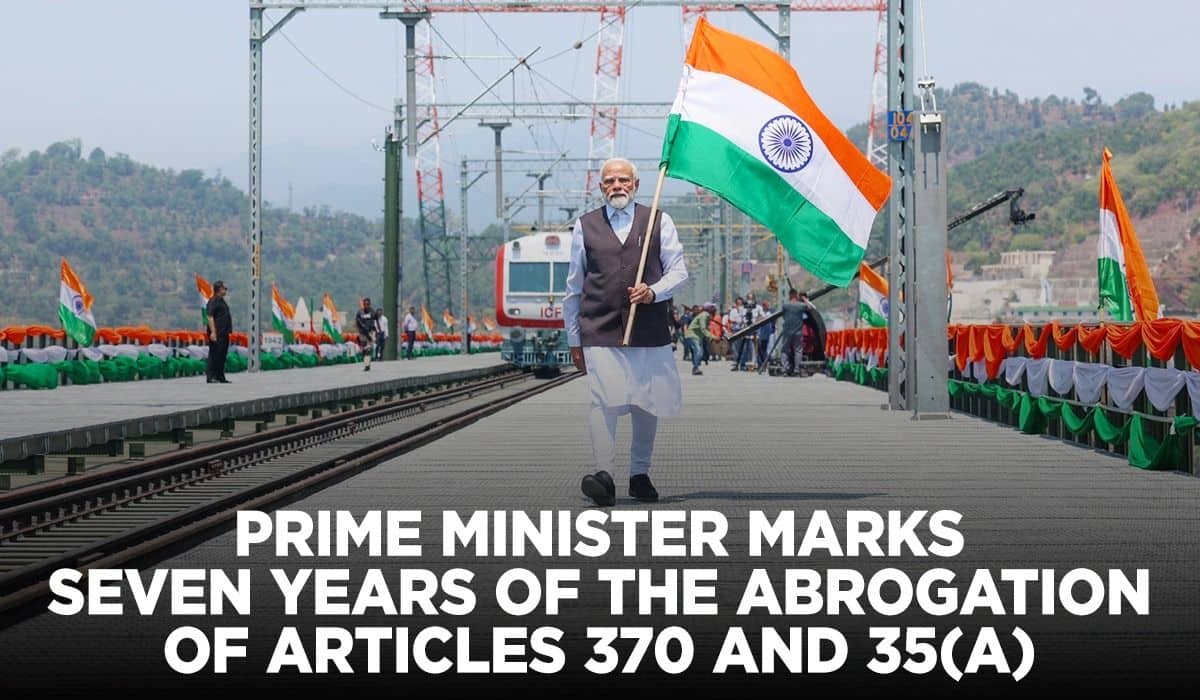
తమ ప్రభుత్వం ఆర్టికల్ 370ని రద్దు చేసిందని, ఈశాన్య ప్రాంతంలో శాంతిని, అభివృద్ధిని తీసుకువచ్చిందని, ఆపరేషన్ సిందూర్ ద్వారా పాకిస్తాన్లోని ఉగ్రవాదుల శిబిరాలను ధ్వంసం చేసిందని, మావోయిస్టు తీవ్రవాదం నుంచి దేశాన్ని విముక్తి చేయడానికి సాహసోపేతమైన చర్యలు తీసుకుందని, నాటి ప్రధానమంత్రి సంతకం చేసిన అన్యాయమైన సింధు జల ఒప్పందాన్ని నిలుపుదల చేసిందని ప్రధానమంత్రి పేర్కొన్నారు. ‘నాలాంటి పేద వ్యక్తి అత్యున్నత స్థాయికి చేరుకుని, దానిని కొనసాగించడం ప్రతిపక్షాలకు నిజమైన సమస్య. దీంతో వారిలో అసహనం పెరుగిపోతుంది’ అని శ్రీ మోదీ పేర్కొన్నారు. ప్రధానమంత్రి కుర్చీ తమ కుటుంబ వారసత్వమనీ... దానిని మరెవరూ ఆక్రమించలేరని ప్రతిపక్షాలు నమ్ముతున్నాయని ఆయన వ్యాఖ్యానించారు.
దేశం ప్రతిపక్షాలకు దశాబ్దాలుగా అవకాశాలను ఇచ్చిందని, ప్రజలూ తమ భవిష్యత్తును వారిపైనే పెట్టారని, వారు మాత్రం పేదరిక నిర్మూలన నినాదాలు మాత్రం ఇస్తూ దేశాన్ని తప్పుదారి పట్టించారని ప్రధానమంత్రి విమర్శించారు. ప్రతిపక్ష పార్టీకి చెందిన ప్రతీ ప్రధానమంత్రి ఎర్రకోట నుంచి పేదరిక నిర్మూలన గురించి మాట్లాడినా... ఎవరూ ఎప్పుడూ కచ్చితమైన చర్యలను చేపట్టలేదన్నారు. వారి నినాదాలు ఉత్తిమాటలేనని ఆయన వ్యాఖ్యానించారు. పేదలకు సాధికారత కల్పించే మార్గాన్ని తాను ఎంచుకున్నానని, ప్రభుత్వ పథకాలను అర్థం చేసుకుని స్వీకరించినందుకు దేశంలోని పేదలకు సెల్యూట్ చేస్తున్నానని, తమ సొంత సామర్థ్యాలను పెంచుకోవడానికి వారు చేసిన ప్రయత్నాలను ప్రశంసిస్తున్నానని శ్రీ మోదీ స్పష్టం చేశారు. ప్రభుత్వ ఉద్దేశం పట్ల పేదలకు గల నమ్మకాన్ని ఆయన ప్రశంసించారు. 25 కోట్ల కుటుంబాలు పేదరికాన్ని ఓడించి, నిరాశ నుంచి మేల్కొని, పురోగతిలో భాగస్వాములయ్యాయని ఆయన పేర్కొన్నారు. ఆశను కనుగొని దేశంతో పాటు నడవడానికి నిలబడిన ఈ 25 కోట్ల మంది పౌరులకు ఆయన సెల్యూట్ చేశారు.
2014కి ముందు రైల్వే క్రాసింగ్ల వద్ద వందలాది మంది మరణించారని, స్కూల్ బస్సులు ఢీకొని పిల్లలు ప్రాణాలు కోల్పోయిన విషాద సంఘటనలూ జరిగాయని ప్రధానమంత్రి గుర్తు చేసుకున్నారు. కాపలా లేని రైల్వే క్రాసింగ్లను పరిష్కరించడం అసాధ్యమైన పని కాదనీ, తమ ప్రభుత్వం వాటన్నింటినీ మూసివేసి లెక్కలేనన్ని ప్రాణాలను కాపాడే వరకూ వారు ఎలాంటి చర్యలూ తీసుకోలేదని ఆయన తెలిపారు.
2014కి ముందు 18,000 గ్రామాలు విద్యుత్తును చూడలేదని... బల్బు, లైట్ గురించి ఎప్పుడూ వినలేదని శ్రీ మోదీ పేర్కొన్నారు. 2014లో ప్రజలు తమకు బాధ్యతలను అప్పగించిన తర్వాత తమ ప్రభుత్వం ఆ గ్రామాలకు వెలుగునిచ్చిందన్నారు.
సరిహద్దుల్లో మందుగుండు సామగ్రి కొరత, బుల్లెట్ ప్రూఫ్ జాకెట్లు లేకపోవడం, సరైన బూట్లు లేకుండా మంచులో నిలబడి ఉన్న సైనికులు వంటి ఎన్నో సమస్యలను గతంలో వార్తా సాధనాలు వారి ముఖ్యాంశాల్లో పదే పదే నివేదించాయని ప్రధానమంత్రి గుర్తు చేసుకున్నారు. తమ ప్రభుత్వం సైనికుల కోసం దేశ ఖజానాను తెరిచి ఉంచిందని, వారికి అవసరమైన వాటిని అందించడానికి కట్టుబడి ఉందని శ్రీ మోదీ పేర్కొన్నారు.
మెదడువాపు వ్యాధి కారణంగా లెక్కలేనంతమంది పిల్లలు మరణిస్తున్నారనీ, ప్రభుత్వాలు ఈ సంక్షోభాన్ని పరిష్కరించడానికి ప్రయత్నించడంలేదని ప్రస్తుత ఉత్తర్ ప్రదేశ్ ముఖ్యమంత్రి గతంలో పార్లమెంటులో బాధతో ప్రస్తావించిన సందర్భాన్ని ప్రధానమంత్రి గుర్తు చేసుకున్నారు. శాస్త్రీయ పురోగతి ఉన్నప్పటికీ ప్రజల కంటి చూపును దోచుకున్న ట్రకోమా వ్యాధినీ గత ప్రభుత్వాలు విస్మరించాయని ఆయన విమర్శించారు. తమ ప్రభుత్వం దేశాన్ని మెదడువాపు వ్యాధి నుంచి విముక్తి చేసి, ప్రజల కళ్ళను ట్రకోమా నుంచి కాపాడిందని... ఇది సున్నితత్వం, నిబద్ధత, సమాజం కోసం జీవితాన్ని అంకితం చేయాలనే సంకల్పాన్ని ప్రతిబింబిస్తుందని శ్రీ మోదీ స్పష్టం చేశారు. ఈ అంకితభావం, ప్రజల కోసం నిరంతర కృషి తన ప్రత్యర్థులను కలవరపెడుతోందని ఆయన వ్యాఖ్యానించారు.
మునుపటి ప్రభుత్వాలు ఒక కుటుంబ రిమోట్ కంట్రోల్ ద్వారా నడిచాయనీ... తమ ప్రభుత్వం రిమోట్ ద్వారానే నడుస్తోందని అయితే ఆ రిమోట్ దేశంలోని 140 కోట్ల మంది పౌరులు, వారి కలలు, ఆకాంక్షలు, యువత సంకల్పమని ప్రధానమంత్రి వ్యాఖ్యానించారు. స్వయం ఉపాధి ద్వారా లక్షలాది మందికి సాధికారత కల్పించిన ముద్ర యోజనను ఉటంకిస్తూ... అధికారం ఆనందానికి మార్గం కాదని, సేవా మాధ్యమమని ఆయన స్పష్టం చేశారు. ప్రతిపక్షాలు ఎప్పుడూ అంకుర సంస్థల సంస్కృతిని ప్రోత్సహించలేదని, వారి పాలనలో కేవలం కొన్ని వందల అంకుర సంస్థలు మాత్రమే ఉంటే... తమ ప్రభుత్వం 2 లక్షలకు పైగా అంకురసంస్థల ఏర్పాటును ప్రోత్సహించిందని ఆయన పేర్కొన్నారు. “విజయం ప్రజల హృదయాలను గెలుచుకుంటుంది” అని ఆయన పేర్కొన్నారు. బీఎస్ఎన్ఎల్ను ఎగతాళి చేసిన రోజులను శ్రీ మోదీ గుర్తు చేసుకున్నారు. తమ ప్రభుత్వం స్వదేశీ 4జీ స్టాక్ స్థాపించడంతో పాటు ప్రపంచవ్యాప్తంగా అత్యంత వేగవంతమైన 5జీని భారత్ ప్రారంభించేలా కమ్యూనికేషన్ టెక్నాలజీ, ఆవిష్కరణలను అభివృద్ధి చేసిందన్నారు.
పేదలకు సేవ చేయడం తన అదృష్టమని, 4 కోట్ల పేద కుటుంబాలకు పక్కా ఇళ్లు, విద్యుత్, నీరు, గ్యాస్ సిలిండర్లు, మరుగుదొడ్లు అందించడం సంతృప్తినిచ్చిందని ప్రధానమంత్రి పేర్కొన్నారు. గ్రామీణ మహిళలు తమను తాము "లక్పతి దీదీలు"గా గర్వంగా ప్రకటించుకునేలా వచ్చిన మార్పును ఆయన ప్రధానంగా ప్రస్తావించారు. ఇప్పుడు వారిలో కోటీశ్వరులుగా మారాలనే ఆకాంక్షలూ పెరుగుతున్నాయన్నారు. కోట్లాది మంది పౌరుల ఆశీర్వాదాలు... మోదీ సదా పూజించి, గౌరవించే తల్లులు, సోదరీమణుల రక్షణ కవచమే ప్రత్యర్థులు తన గురించి కలవరపడటానికి కారణమని ఆయన స్పష్టం చేశారు.
దొంగతనం ప్రతిపక్షాల వారసత్వ వ్యాపారం అని శ్రీ మోదీ విమర్శించారు. గుజరాతీ అయిన మహాత్మా గాంధీ పేరునూ దొంగిలించారు. భారత ప్రజలు అలాంటి మోసానికి గట్టి దెబ్బలు కొట్టేంత తెలివైనవారని ఆయన వ్యాఖ్యానించారు. అభివృద్ధి చెందిన భారత్ కలను తమ ప్రభుత్వం మోస్తున్నదని, ఇది ఇప్పుడు ప్రజల శక్తితో నడిచే జాతీయ సంకల్పంగా రూపాంతరం చెందిందని ఆయన స్పష్టం చేశారు. 2047 దార్శనికతనూ ప్రశ్నించే కొంతమంది సభ్యుల నిరాశావాదం పట్ల ఆయన ఆశ్చర్యం వ్యక్తం చేశారు. స్వాతంత్య్ర సమరయోధులు తమ జీవితకాలంలో స్వాతంత్య్రం వస్తుందో లేదో తెలియకుండానే వారి ప్రాణాలనూ త్యాగం చేశారని వారికి గుర్తు చేశారు. అటువంటి దార్శనికత, త్యాగం లేకుంటే భారత్ ఎప్పటికీ స్వాతంత్య్రం సాధించి ఉండేది కాదని ఆయన వాదించారు.
పేద ప్రజలు మొబైల్ ఫోన్లలో ఎప్పుడూ లావాదేవీలు చేయలేరంటూ డిజిటల్ ఇండియా, ఫిన్టెక్, యూపీఐలనూ సందేహాస్పదులు ఎగతాళి చేశారని ప్రధానమంత్రి గుర్తు చేసుకున్నారు. మూడు సంవత్సరాల్లోనే భారత్ వారి భావనలు తప్పు అని నిరూపించిందని తెలిపారు. నిజమైన సమాధానం ప్రజల చేతుల్లో ఉన్న మొబైల్ ఫోన్లో ఉంది... ప్రసంగాల్లో కాదని ఆయన పేర్కొన్నారు. ప్రతిపక్షాల కాలంలో, "భారత్ బస్సును మిస్ అయింది" అనే పదబంధం సాధారణంగా వినిపించేదనీ... ఇది నాటి ప్రభుత్వాల హాయాంలో భారత్ కోల్పోయిన అవకాశాలను సూచిస్తుందని ఆయన స్పష్టం చేశారు. ప్రస్తుతం భారత్ ఏ బస్సునూ కోల్పోదు... ఇప్పుడు స్వయంగా ముందుండి బస్సును నడిపిస్తుందని ఆయన ప్రకటించారు.
ఉజ్వల భవిష్యత్తును నిర్మించుకోవాలంటే వర్తమానాన్ని ప్రకాశవంతం చేయడానికి నిరంతర కృషి అవసరమని శ్రీ మోదీ స్పష్టం చేశారు. తమ ప్రభుత్వం ఐదేళ్ల ప్రణాళికలు వేస్తుందని, వార్షిక బడ్జెట్లను రూపొందిస్తుందని, ఎన్నికల లాభాల కోసం కాకుండా 2047 నాటికి అభివృద్ధి చెందిన భారత్ లక్ష్యాన్ని సాకారం చేసుకునేందుకు దిశానిర్దేశం చేస్తోందని ఆయన వివరించారు. ఎన్నికలు వస్తాయి, పోతాయి, కానీ దేశం శాశ్వతమైనది. యువతకు సంపన్న దేశాన్ని అప్పగించడమే తన లక్ష్యం అని ఆయన తెలిపారు. నేటి పిల్లలను చూసినప్పుడూ... తన పనిలో సంతృప్తిని నిర్ధారించుకోవడానికి వారి కోసం బలమైన భారత్ను అందించాలని తాను కలలు కంటున్నానని శ్రీ మోదీ వ్యాఖ్యానించారు.
అంతరిక్షం, సైన్స్, టెక్నాలజీ, మహాసముద్రాలు, భూమి, ఆకాశం, బాహ్య అంతరిక్షం వంటి ప్రతి రంగంలోనూ కొత్త శక్తి, విజయాలతో భారత్ ముందుకు సాగుతోందని ప్రధానమంత్రి తెలిపారు. గ్రీన్ హైడ్రోజన్, క్వాంటం కంప్యూటింగ్, ఏఐ మిషన్లలో చేపట్టిన కార్యక్రమాలను ఆయన ప్రస్తావించారు. దీనికి భారత్ గణనీయ తోడ్పాటునందిస్తుందని ప్రపంచమంతా ఇప్పుడు విశ్వసిస్తోంది. భారత్ ఎప్పుడూ ఇతరుల ఎదుట తన హస్తాన్ని చాచాల్సిన అవసరం లేదని... భౌగోళిక రాజకీయ ఆయుధాలుగా మారిన కీలక ఖనిజాలు, రేర్ ఎర్త్ మూలకాలపై భారత్ ప్రధానంగా దృష్టి సారిస్తోందని ఆయన తెలిపారు.
ప్రపంచం ఇప్పుడు భారత భూమిపై తన భవిష్యత్తును చూస్తుండటం... భారత ప్రతిభను విశ్వసించడం... భారత్ ఆశాజనకమైన మార్గంతో తన సొంతంగా ఉజ్వల భవిష్యత్తును అనుసంధానించడం వల్ల లెక్కలేనన్ని ప్రాజెక్టులు విదేశీ పెట్టుబడులను ఆకర్షిస్తున్నాయని ప్రధానమంత్రి మోదీ వ్యాఖ్యానించారు. భారత్ అభివృద్ధి చెందిన దేశంగా మారడం గురించి ఎందుకు మాట్లాడుతుందో కొందరు గ్రహించలేకపోతున్నప్పటికీ, భారత్ మాత్రం సరైన దిశను ఎంచుకుందనే విషయాన్ని ప్రపంచమంతా అర్థం చేసుకుంటుందని శ్రీ మోదీ తెలిపారు. ప్రపంచవ్యాప్తంగా "భారత్ బస్సును మిస్ అయింది" అనే చర్చలు పోయి "మనం భారత్ చేరుకోవడంలో ఆలస్యం చేయవద్దు" అనే చర్చలు మొదలయ్యాయని ఆయన పేర్కొన్నారు.
రాబోయే యుగం భారతదేశానికి... ముఖ్యంగా యువతకు అవకాశాలతో నిండి ఉందని, ఈ అవకాశాలను ఉపయోగించుకునే విధానాలను రూపొందిస్తున్నామని శ్రీ మోదీ ఉద్ఘాటించారు. ఈ అవకాశాలను వినియోగించుకోవాలని ఆయన పౌరులను ఆహ్వానించారు. పార్లమెంటు సభ్యులు తమ నియోజకవర్గాల్లోని ప్రజల జీవన నాణ్యతపై దృష్టి పెట్టాలని కోరారు. అవకాశాల స్థిరత్వం రాజీలేని ప్రమాణాలపై ఆధారపడి ఉంటుందని స్పష్టం చేశారు. లాభం తక్కువగా ఉండవచ్చు... అయినా ఆవిష్కరణలు, పరిశోధనలు, మెటీరియల్ అప్గ్రేడ్ల ద్వారా నాణ్యత నిరంతరం మెరుగుపడాలి, తద్వారా ప్రపంచవ్యాప్తంగా భారత్ శ్రేష్ఠతకు గుర్తింపు లభిస్తుందని ఆయన స్పష్టం చేశారు. రాజీలేని నాణ్యతను నిర్ధారించడంలో తనకు మద్దతునివ్వాలని పౌరులకు విజ్ఞప్తి చేశారు. ప్రపంచమంతా "మేడ్ ఇన్ ఇండియా, మేడ్ ఇన్ భారత్" ను కీర్తిస్తుందని ప్రధానమంత్రి ప్రకటించారు.
తాను ఒకసారి మాట్లాడటం ప్రారంభిస్తే ఆపనని తెలిసి, గత దశాబ్దంలో ప్రతిపక్ష సహచరులు తనను ఐదారు సార్లు మాట్లాడకుండా ఆపడానికి ప్రయత్నించినందుకు వారికి ప్రధానమంత్రి వారికి కృతజ్ఞతలు తెలిపారు. అలాంటి ప్రయత్నాల వల్ల ఎటువంటి ప్రయోజనం ఉండదని వారు ఇప్పుడు అనుభవం ద్వారా నేర్చుకున్నారని, ఈ అవగాహన ఇంకా పెరుగుతుందని ఆయన చురకలంటించారు. గౌరవనీయ రాష్ట్రపతి ప్రసంగానికి సహకరించిన పార్లమెంటు సభ్యులందరికీ శ్రీ మోదీ హృదయపూర్వక కృతజ్ఞతలు తెలిపారు. రాష్ట్రపతి సభలో పంచుకున్న విలువైన ఆలోచనలు దేశ పురోగతికి దోహదపడతాయని ఆయన ధ్రువీకరిస్తూ, అలాంటి అద్భుత ప్రసంగం చేసిన గౌరవనీయ రాష్ట్రపతికి కృతజ్ఞతలు తెలిపారు.
Click here to read full text speech
Rashtrapati Ji clearly highlighted the rapid progress made over the past year in India's journey towards a Viksit Bharat. pic.twitter.com/oH6H7iDEjw
— PMO India (@PMOIndia) February 5, 2026
The second quarter of this century will be vital in building a Viksit Bharat. pic.twitter.com/ozkmR0Ux1F
— PMO India (@PMOIndia) February 5, 2026
Every citizen feels the nation has reached a crucial moment and must keep moving forward without looking back. pic.twitter.com/zZ5yxmTY83
— PMO India (@PMOIndia) February 5, 2026
India has emerged as a strong voice of the Global South. pic.twitter.com/aosT8261SQ
— PMO India (@PMOIndia) February 5, 2026
For the nation's youth, this is a time of endless opportunities. pic.twitter.com/t7y8wVDKRF
— PMO India (@PMOIndia) February 5, 2026
No matter how many challenges there are, we have 140 crore solutions. pic.twitter.com/lnECKdKvNR
— PMO India (@PMOIndia) February 5, 2026