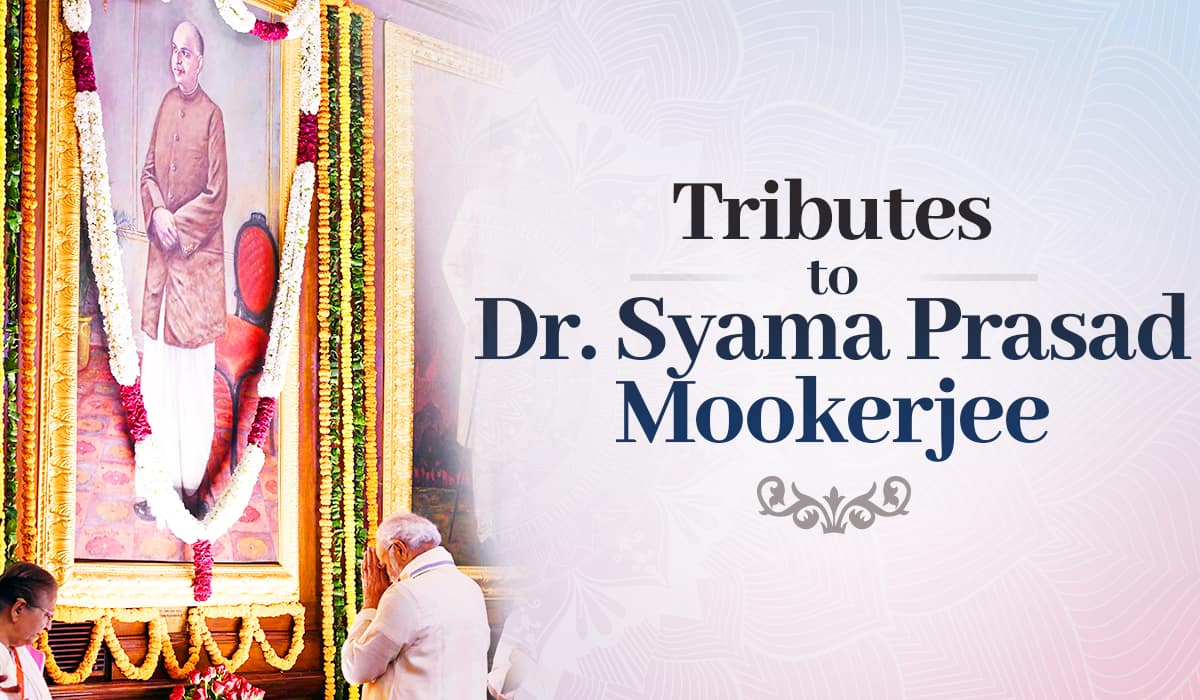
ఇవాళ తేదీ జూలై 6... జాతీయవాదం, నిస్వార్థ సేవ వంటి ఆదర్శాలకు ప్రాణమిచ్చే అసంఖ్యాక ప్రజానీకానికి ఇదొక ప్రత్యేక దినం. అంతులేని సాహసానికి, భరతమాతపై అత్యంత ఆరాధన భావనకు కాలాతీత నిదర్శనంగా నిలిచిన డాక్టర్ శ్యామా ప్రసాద్ ముఖర్జీ 125వ జయంతి ఈ రోజే. ఆధునిక భారతంలో మేధస్సు, ప్రజాసేవ, నైతిక విశ్వాసమనే లక్షణాల అద్భుత సమ్మేళనం ఇంతగా మూర్తీభవించిన ఆయన వంటి నాయకులు దేశంలో చాలా అరుదు.
సురక్షిత, సుఖవంతమైన జీవితానికి లోటు లేని బాల్యం ఆయనది. శ్యామా ప్రసాద్ తండ్రి, సర్ అశుతోష్ ముఖర్జీ సమకాలీన అగ్రశ్రేణి విద్యావేత్తలలో.. మేధావులలో ఒకరు. అలాంటి సంపన్న కుటుంబంలో పుట్టినప్పటికీ సకల సౌఖ్యాలనూ వదులుకుని త్యాగం, జాతి సేవ దిశగా ఆయన అంతరాత్మ నడిపించింది. వలసవాదం, మతతత్వం, మానవతా సమస్యలు వంటివి కమ్ముకున్న నాటి కల్లోల కాలంలో ఒక మూగ ప్రేక్షకునిగా మిగిలిపోవడం తగదని ఆయన దృఢంగా విశ్వసించారు. ఈ ప్రస్థానంలో ఆయన తొలుత పసికందుగా ఉన్న బిడ్డను, ఆ తర్వాత భార్యను కోల్పోయారు. అంతటి తీవ్ర వ్యక్తిగత విషాదాలను చవిచూసినప్పటికీ దేశ సేవపై ఆయన సంకల్పం మరింత బలపడి, తిరుగులేని నిబద్ధతతో ముందుకే నడిపింది.
డాక్టర్ శ్యామా ప్రసాద్ ముఖర్జీ ప్రజా జీవనాన్ని అన్నింటికన్నా ఎక్కువగా నిర్వచించిన ఆదర్శం ఏదైనా ఉందంటే- అవిభాజ్య భారత్ దిశగా ఆయన దీక్ష. దేశ విభజన సంక్షోభ సమయాన పశ్చిమ బెంగాల్ భారత్లో అంతర్భాగంగా ఉండాలని ఆయన ప్రగాఢంగా ఆకాంక్షించారు. ఆనాడు దృఢంగా నిలబడిన ఆయన విశ్వాసమే కొన్నేళ్ల తర్వాత ఆయనను జమ్మూకాశ్మీర్ వైపు నడిపింది. ఆ క్రమంలో జైలుపాలైనా ఆ జీవితం ఆయన ఉత్సాహాన్ని నీరుగార్చలేక పోయింది. కారాగార ఏకాంతం ఆయనను ఎంతమాత్రం కుంగదీయలేదు. ఏ ప్రజల ఆశయాన్ని తనదిగా చేసుకున్నారో వారికి అత్యంత దూరంగా, నిర్బంధంలోనే ఆయన జీవితం హఠాత్తుగా ముగిసింది. చరిత్రలో కొన్ని క్షణాలుంటాయి.. అంతిమ శ్వాసలోనూ ఒక వ్యక్తి త్యాగం రాజకీయాలకు అతీతంగా జాతీయ స్మృతిలో చిరస్థాయిగా నిలిచిపోతుంది. అటువంటి క్షణాల్లో డాక్టర్ ముఖర్జీ జీవన ప్రస్థానం ఒకటిగా మిగిలింది. ఆచార్య వినోబా భావే చెప్పినట్లు- తాను విశ్వసించిన ఆదర్శం కోసం డాక్టర్ ముఖర్జీ ఆత్మార్పణకు వెనుదీయలేదు. అటుపైన ఎన్నో ఏళ్ల తర్వాత 2019లో ఆర్టికల్ 370, 35(ఎ)ల రద్దు ఆయన అమరత్వానికి అత్యంత సముచిత నివాళి అనడంలో సందేహం లేదు.
డాక్టర్ ముఖర్జీ సదా దేశానికే ప్రథమ స్థానమిచ్చారు... భారతీయ విలువలకే పెద్ద పీట వేశారు. తదనుగుణంగా ఆనాటి సంప్రదాయ ఆలోచనలకు సవాలు విసురుతూ సంస్థల, వ్యవస్థలకు రూపమివ్వడం ద్వారా ఆయన ఈ లక్ష్యం సాధించారు. అత్యంత పిన్న వయసులోనే కలకత్తా విశ్వవిద్యాలయానికి ఉప కులపతి అయ్యారు. తనదైన శైలిలో, దేశభక్తి, భవిష్యత్ దృక్పథంతో కూడిన అనేక సానుకూల మార్పులు తెచ్చారు. ఓ సారి విద్యావేత్తల సదస్సులో ప్రసంగించిన సందర్భంగా- “భవిష్యత్ గుమాస్తాలను, తక్కువ జీతాలు పొందే సిబ్బందిని ఉత్పత్తి చేసే కర్మాగారాలుగా విద్యా సంస్థలను చిన్న చూపు చూడటం తగదు. స్థానిక సంస్థలు, పురపాలక, రాష్ట్ర, కేంద్ర చట్టసభలను నడిపించగల ఉద్దండులుగా విద్యార్థులను మనం తీర్చిదిద్దాలి. అదే తరహాలో ఆర్థిక, వాణిజ్య, పారిశ్రామిక తదితర జనజీవన ప్రాధాన్య రంగాల వ్యవహారాలను నడిపించగల సమర్థులుగా తయారు చేయాలి” అని కుండబద్దలు కొట్టారు.
డాక్టర్ శ్యామా ప్రసాద్ సారథ్యంలో కలకత్తా విశ్వవిద్యాలయం అనేక విధాలుగా ముందంజ వేసింది. ఆయన హయాంలో గ్రంథాలయ మౌలిక సదుపాయాల మెరుగుదల, విజ్ఞానశాస్త్ర పరిశోధనలకు ప్రోత్సాహం, పురావస్తు అధ్యయనం, వ్యవసాయంలో కొత్త కోర్సులకు శ్రీకారం వంటి విశిష్ట కృషి కొనసాగింది. క్రీడలు, ఉపాధ్యాయ శిక్షణ, విద్యార్థుల సంక్షేమం తదితరాలపైనా ఆయన ఏకకాలంలో దృష్టి సారించారు. ప్రస్తుత-పూర్వ విద్యార్థులలో తమ విశ్వవిద్యాలయంపై సగర్వ భావనను ప్రోది చేస్తూ, ఏటా జనవరి 24న విశ్వవిద్యాలయ వ్యవస్థాపక దినోత్సవం నిర్వహించే సంప్రదాయాన్ని ప్రవేశపెట్టారు. అలాగే, విశ్వవిద్యాలయంపై ఒక పాట రాయాల్సిందిగా గురుదేవులు రవీంద్ర నాథ్ టాగోర్ను ఆయన అభ్యర్థించారు.
ఈ స్ఫూర్తికి మరో ఉదాహరణ ఆయన జీవిత చరమాంకంలో కనిపిస్తుంది. అప్పట్లో ‘భారతీయ జనసంఘ్’ను రూపుదిద్దాలని నిర్ణయించుకున్నారు. దేశవ్యాప్తంగా కాంగ్రెస్ పార్టీ ప్రాభవం ఉచ్ఛస్థాయిలో ఉన్న సమయాన మనవైన సాంస్కృతిక మూలాలకు కట్టుబడుతూనే దేశ ప్రగతి కోసం గళం విప్పే ప్రత్యామ్నాయ స్వరం ఒకటి అవసరమని ఆయన భావించారు. అది ఓ చిన్న దివ్వెలాంటిదైనా పరవాలేదని భావించారేమో అన్నట్లుగా దాని చిహ్నంగా ‘మట్టి దీపం’ గుర్తును డాక్టర్ శ్యామా ప్రసాద్ ఎంచుకోవడం గమనార్హం. ప్రమిద ఎంత చిన్నదైనా, దాని వెలుగు స్వల్పమే అయినా తన పరిధికి మించి చీకటిని పారదోలగల శక్తి దానికి ఉంటుందని భావించారు. తదనంతర క్రియాశీల మనుగడలోనూ జనసంఘ్ ఇదేవిధంగా ముందడుగు వేసింది.
డాక్టర్ శ్యామా ప్రసాద్ ముఖర్జీకి దేశ ప్రగతిపై గల అవగాహన ఎంతటిదో భారత తొలి పరిశ్రమలు-పౌర సరఫరాల శాఖ మంత్రిగా ఆయన పదవీకాలం వెల్లడిస్తుంది. ఒక రాజనీతిజ్ఞుడిగా, అసాధారణ నిజాయితీ, మానవతా దృక్పథం కలగలసిన నాయకుడుగా ఆయన సామర్థ్యం స్పష్టమవుతుంది. స్వాతంత్ర్యం పొందిన తొలినాళ్లలో పారిశ్రామిక రంగాన్ని దేశానికి గౌరవం, అవకాశాలు, విశ్వాసాలను పునరుద్ధరించే సాధనంగా ఆయన పరిగణించారు. తదనుగుణంగా సంపద సృష్టిని, విలువ జోడింపును గౌరవించారు. దామోదర్ వ్యాలీ కార్పొరేషన్, సింధ్రీ ఫెర్టిలైజర్ ప్లాంట్, పటిష్ట పారిశ్రామిక విధానం వంటి మార్గదర్శక కార్యక్రమాల ద్వారా ఆధునిక పారిశ్రామిక భారతానికి పునాదులు వేశారు. అదే సమయంలో భారత సంప్రదాయ బలాలు నిర్లక్ష్యానికి గురికాకుండా చూసుకున్నారు. చేనేత, కుటీర పరిశ్రమలు, కళాకారులు, వస్త్ర కార్మికులందరూ ఆయనలో అసమాన నిబద్ధతగల మద్దతుదారును కనుగొన్నారు.
ఈ సందర్భంగా నేనొక వ్యక్తిగత అనుభవాన్ని పంచుకోవాలని భావిస్తున్నాను. స్వావలంబనపై విస్పష్ట దార్శనికతతో డాక్టర్ ముఖర్జీ స్థాపించిన సింధ్రీ కర్మాగారాన్ని అనేక దశాబ్దాల పాటు దేశాన్నేలిన పాలకులు నిర్లక్ష్యం చేశారు. ఈ నేపథ్యంలో దాని పునరుద్ధరణలో తోడ్పడే అవకాశం మా ప్రభుత్వానికి లభించడం నాకు దక్కిన గౌరవంగా నేను భావిస్తున్నాను. ఆ కార్యక్రమంలో పాల్గొనడం నా జీవితంలోని అత్యంత ప్రత్యేక క్షణాలలో ఒకటిగా నిలిచిపోయిందంటే అతిశయోక్తి కాబోదు.
సంభాషణలను, చర్చలను ప్రోత్సహించడం భారత నాగరిక సంప్రదాయంలో అనాదిగా అంతర్భాగం. ఈ ప్రజాస్వామ్య స్ఫూర్తికి డాక్టర్ ముఖర్జీ ప్రతిరూపంగా నిలిచారు. తొలిదశలో దేశ పురోగమన బాధ్యత రాజకీయ విభేదాలకు అతీతమనే సత్యాన్ని విశ్వసించి పండిట్ నెహ్రూ మంత్రిమండలిలో చేరారు. ఆ పదవిలో ఉన్నంత కాలం చిత్తశుద్ధితో, నిర్మాణాత్మక స్ఫూర్తితో సేవలందించారు. కానీ, జాతీయ ప్రాధాన్యంగల అంశాల్లో భిన్న మార్గం సముచితమని భావించిన వేళ గౌరవప్రదంగా పదవిని త్యజించారు. దేశానికి ఏది అవసరమో దానికి సంబంధించిన రాజకీయ కార్యకలాపాలకు పూర్తి నిబద్ధతతో అంకితమయ్యారు.
పండిట్ నెహ్రూ 75 ఏళ్ల కిందటే భావ ప్రకటనా స్వేచ్ఛపై ప్రత్యక్ష దాడితో సమానమైన తొలి రాజ్యాంగ సవరణను తెచ్చారు. దాన్ని డాక్టర్ ముఖర్జీ నిర్ద్వంద్వంగా వ్యతిరేకించారు. కాంగ్రెస్ మనోభావన ఏమిటో ఆయన పూర్తిగా అవగతం చేసుకున్నారు. అదే పూర్తిగా సరైనదని కూడా నిరూపితమైంది. అలనాడు... 75 ఏళ్ల కిందట తొలి సవరణ తెచ్చిన వారే 1975లో ఎమర్జన్సీకి కూడా కారకులయ్యారు. అటుపైన 50 ఏళ్ల కిందట ఉదార ప్రజాస్వామ్య విలువల మూలాలపై మరోసారి దెబ్బకొడుతూ 42వ సవరణ చట్టం తెచ్చారు.
మానవతా వాదాన్ని సమున్నతంగా నిలపడంలోనూ డాక్టర్ ముఖర్జీ ప్రత్యేక గుర్తింపు పొందారు. బెంగాల్లో 1943నాటి అత్యంత ఘోరమైన కరువు విజృంభించినపుడు ఆయన బాధితుల సేవలో పూర్తిగా నిమగ్నమయ్యారు. ప్రజలకు ఆహారం సమకూర్చడం కోసం అనేక స్వచ్ఛంద వంటశాలలు, సహాయ శిబిరాలు ఏర్పాటు చేసేలా అవిరళ కృషి చేశారు. ప్రజల దుస్థితి చూసి నిలువెల్లా చలించిపోయిన ఆయన, వలస పాలకుల నిర్దాక్షిణ్య వైఖరిని తీవ్రంగా నిరసించారు. ‘పంచషేర్ మన్వంతర్’ పేరిట తాను రాసిన పుస్తకంలో తన ఆవేదనను వ్యక్తం చేశారు. అంతకుముందు 1942లో మేదినీపూర్ను ఒక మహా తుఫాను వణికించినపుడు పరిస్థితుల పునరుద్ధరణ దిశగా ఆయన కృషికి విస్తృత ప్రశంసలు లభించాయి.
ఆ రోజుల్లో కలకత్తాలోని ఓ కళాశాలలో నిర్వహించిన కార్యక్రమంలో యువతను ఉద్దేశించి మాట్లాడుతూ- “మీరు ఏ పని చేపట్టినా శ్రద్ధగా... క్షుణ్ణంగా... అర్థవంతంగా చేయండి. ఏ పనినీ అర్థాంతరంగా వదిలేయకండి... అరకొర ఫలితంతో సంతృప్తి చెందకండి.. మీ అత్యుత్తమ కృషితో సత్ఫలితం సిద్ధించే దాకా పట్టువీడకండి” అని డాక్టర్ ముఖర్జీ పిలుపునిచ్చారు. దేశం ఇవాళ వికసిత భారత్ స్వప్న సాకారం దిశగా పురోగమిస్తున్న తరుణాన... ఆయన ప్రగాఢంగా విశ్వసించిన శక్తియుత, సమైక్య, ఆత్మవిశ్వాసపూరిత, కరుణార్ద్ర దేశ నిర్మాణానికి నిత్యం కృషి చేయడమే ఆయనకు మనం అర్పించగల అత్యుత్తమ నివాళి. ఈ నేపథ్యంలో నేటి యువత దృక్పథం గురించి నాకు బాగా తెలుసు కాబట్టి, నేటి సందర్భానికి తగినట్లు వారంతా డాక్టర్ ముఖర్జీ ఆశయాలకు న్యాయం చేసేందుకు అహరహం శ్రమిస్తారని నేను ప్రగాఢంగా విశ్వసిస్తున్నాను.