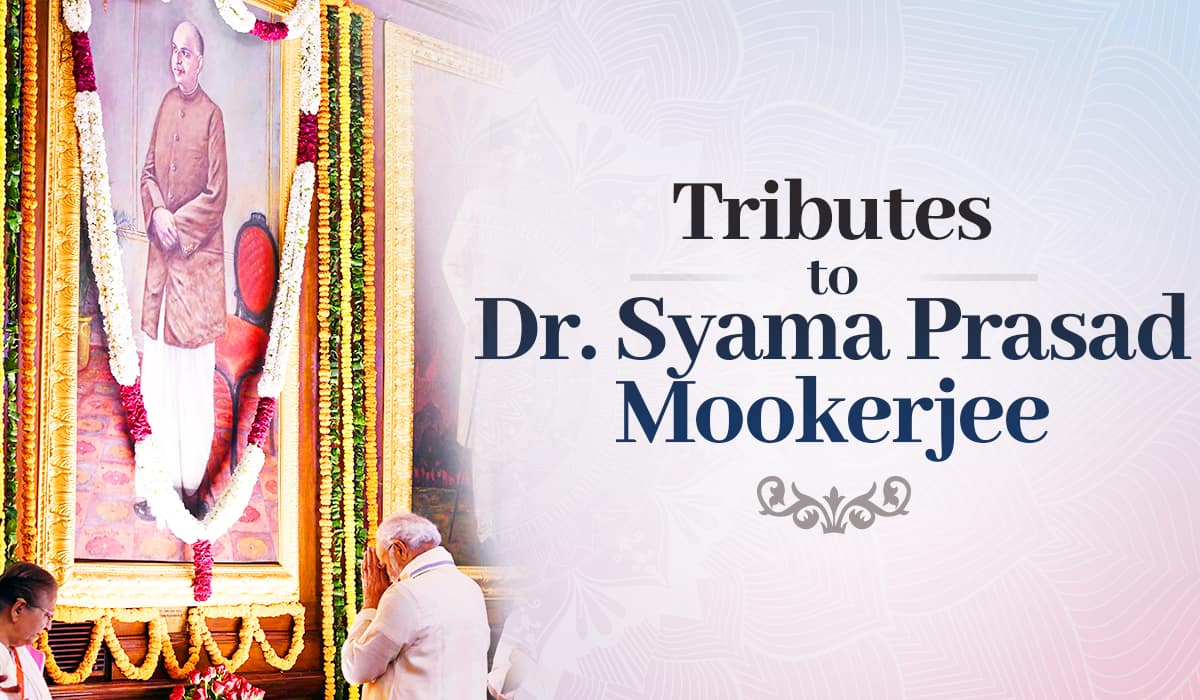
தேசிய உணர்வு மற்றும் சுயநலமற்ற சேவை ஆகிய கொள்கைகளைப் போற்றிப் பாதுகாக்கும் மக்களுக்கு ஜூலை 6-ம் தேதியான இன்று ஒரு சிறப்பு வாய்ந்த நாளாகும். டாக்டர் சியாமா பிரசாத் முகர்ஜியின் 125-வது பிறந்தநாளை நாம் இன்று கொண்டாடுகிறோம். பாரத அன்னை மீதான அசைக்க முடியாத அர்ப்பணிப்பு மற்றும் துணிச்சலுக்கு காலத்தால் அழியாத ஒரு முன்னுதாரணமாக அவரது வாழ்க்கை திகழ்கிறது. நவீன இந்தியாவில், அறிவுத்திறன், பொதுச் சேவை மற்றும் தார்மீக உறுதிப்பாடு ஆகியவற்றின் மிகச்சிறந்த சங்கமமாகத் திகழ்ந்த தலைவர்களில் டாக்டர் சியாமா பிரசாத் முகர்ஜிக்கு நிகரானவர்கள் மிகச் சிலரே.
இளம் வயது சியாமா பிரசாத், பாதுகாப்பான மற்றும் வசதியான வாழ்க்கையை உறுதிசெய்யக்கூடிய சூழலில் பிறந்தார். அவரது தந்தையான சர் அசுதோஷ் முகர்ஜி, அக்காலத்தின் மிகச்சிறந்த கல்வியாளர்கள் மற்றும் அறிஞர்களுள் ஒருவராகத் திகழ்ந்தார். விதி அவருக்குச் சலுகைகள் நிறைந்த ஒரு பாதையை அமைத்துத் தந்திருந்த போதிலும், அவரது மனசாட்சி, அவரை, தியாகம் மற்றும் தேச சேவையுடன் கூடிய பாதையை நோக்கி வழிநடத்தியது. காலனித்துவம், வகுப்புவாதம், மனிதாபிமானச் சவால்கள் போன்று அக்காலக்கட்டத்தில் நிலவிய கொந்தளிப்பான சூழலின் மௌன சாட்சியாக இருக்க முடியாது என்பதில் அவர் உறுதியாக இருந்தார். இத்தகைய வாழ்க்கைப் பயணத்தின்போது, பச்சிளம் குழந்தையையும், பிற்காலத்தில் தனது மனைவியையும் இழந்தது போன்ற ஆழமான தனது தனிப்பட்ட துயரங்களையும் அவர் எதிர்கொண்டார். இருந்தபோதும், இந்தத் துயரங்கள் அவரது உறுதியை மேம்படுத்தியதுடன், சேவை செய்வதற்கான அவரது அசைக்க முடியாத அர்ப்பணிப்பை மேலும் வலுப்படுத்தின.
டாக்டர் சியாமா பிரசாத் முகர்ஜியின் பொதுவாழ்வை எல்லாவற்றிற்கும் மேலாக வரையறுத்த ஒரு கொள்கை உண்டென்றால், அது இந்தியாவின் பிரிக்க முடியாத தன்மையாகத்தான் இருக்க முடியும். இந்தியப் பிரிவினையின் சவாலான சூழலிலும், மேற்கு வங்கம், இந்தியாவின் ஒரு ஒருங்கிணைந்தப் பகுதியாகத் தொடர்வதை உறுதி செய்வதில் அவர் உறுதியாக இருந்தார். சில ஆண்டுகளுக்குப் பின், அதே உறுதியான கொள்கைதான் அவரை ஜம்மு-காஷ்மீரை நோக்கி ஈர்த்தது. சிறைவாசம், அவரைத் தடுத்து நிறுத்தவில்லை; தனிமைப்படுத்தப்பட்ட சூழலும் அவரது மனவுறுதியை சீர்குலைக்கவில்லை. எண்ணற்ற மக்களின் நலனுக்காகத் தன் வாழ்க்கையை அர்ப்பணித்திருந்த டாக்டர் முகர்ஜி, அவர்களிடமிருந்து வெகு தொலைவில், சிறைக்காவலில் இருந்தபோதே திடீரென உயிர்நீத்தார். வரலாற்றில் சில தருணங்களில், ஒரு தனிநபரின் உயிர்த் தியாகம், அரசியலைக் கடந்து தேசத்தின் கூட்டு நினைவில் நீங்கா இடம் பிடித்துவிடுகிறது. டாக்டர் முகர்ஜியின் இறுதிப் பயணமும் அத்தகைய ஒரு தருணமாகத் திகழ்கிறது. தாம் உறுதியாக நம்பிக்கை கொண்டிருந்த ஒரு லட்சியத்திற்காகவே டாக்டர் முகர்ஜி தம் உயிரைத் தியாகம் செய்தார் என்று ஆச்சார்ய வினோபா பாவே குறிப்பிட்டார். பல ஆண்டுகளுக்குப் பின், 2019-ல் அரசியலமைப்பின் 370 மற்றும் 35(ஏ) ஆகிய பிரிவுகள் ரத்து செய்யப்பட்ட நிகழ்வு, அவரது தியாகத்திற்குச் செலுத்தப்பட்ட உன்னதமான மரியாதையாக அமைந்தது.
இந்தியாவிற்கும், இந்திய மாண்புகளுக்கும் டாக்டர் முகர்ஜி முன்னுரிமை அளித்தார். அக்காலகட்டத்தின் வழக்கமான சிந்தனைப் போக்குகளுக்கு மாற்றாக அமைந்த நிறுவனங்களை உருவாக்கியும், புதிய நடைமுறைகளை வளர்த்தெடுத்தும், அவர் இதனைச் செயல்படுத்தினார். கல்கத்தா பல்கலைக்கழகத்தின் இளம் துணைவேந்தராக அவர் பொறுப்பேற்றார். தேசப்பற்று மற்றும் தொலைநோக்குப் பார்வை கொண்ட ஆக்கபூர்வமான மாற்றங்களை அவர் தனது தனித்துவமான பாணியில் முன்னெடுத்தார். கல்வியாளர்களின் மாநாடு ஒன்றில் காலந்துகொண்டுப் பேசிய டாக்டர் முகர்ஜி, “எழுத்தர்களையோ, குறைந்த ஊதியம் பெறும் பணியாளர்களையோ உருவாக்கும் தொழிற்சாலைகளாக மட்டுமே கல்வி நிறுவனங்களைக் கருதுவது தவறு. நகராட்சிகள், மாநில மற்றும் மத்திய சட்டமன்றங்கள் போன்ற சுயாட்சி அமைப்புகளுக்குத் தலைமை தாங்கும் திறனும், அதேவேளையில் நிதி, வணிகம் மற்றும் தொழில் போன்ற பல்வேறு துறைகளின் செயல்பாடுகளை வழிநடத்தும் திறனும் கொண்ட மாணவர்களை நாம் உருவாக்க வேண்டும்", என்று அற்புதமாக உரையாற்றினார்.
அவரது தலைமையின் கீழ், கல்கத்தா பல்கலைக்கழகம், நூலகக் கட்டமைப்பின் மேம்பாடு, அறிவியல் துறையில் ஆராய்ச்சிகளின் அதிகரிப்பு, தொல்பொருட்கள் குறித்த ஆய்வுகளின் ஊக்குவிப்பு மற்றும் வேளாண்மைப் பாடப்பிரிவுகளின் அறிமுகம் போன்ற தனித்துவமான முயற்சிகளை மேற்கொண்டது. விளையாட்டு, ஆசிரியர் பயிற்சி மற்றும் மாணவர் நலன் போன்ற துறைகளிலும் அவர் கவனம் செலுத்தினார். மாணவர்கள் மற்றும் முன்னாள் மாணவர்களிடையே பெருமித உணர்வை ஏற்படுத்தும் வகையில், ஜனவரி 24-ஐ பல்கலைக்கழகத்தின் நிறுவன நாளாகக் கொண்டாடும் வழக்கத்தை அவர் தொடங்கினார். பல்கலைக்கழகத்திற்காக ஒரு பாடலை இயற்றித் தருமாறு அவர் குருதேவ் தாகூரையே கேட்டுக்கொண்டார்.
அவரது வாழ்வின் பிற்பகுதியில், 'பாரதிய ஜன சங்கம்' என்ற கட்சியைத் தொடங்க அவர் எடுத்த முடிவை, இந்த மனப்பான்மைக்கு மற்றொரு சான்றாகக் கூறலாம். காங்கிரஸ் கட்சியின் ஆதிக்கம் எங்கும் நிறைந்திருந்த அக்காலக்கட்டத்தில், நமது கலாச்சார வேர்களுடன் இணைந்திருந்தவாறே இந்தியாவின் முன்னேற்றத்திற்காகக் குரல் கொடுக்க ஒரு மாற்றுக்குரல் தேவை என்பதற்கான காரணங்கள் இன்னும் வலுவாக இருப்பதாக அவர் கருதினார். அந்தக் கட்சியின் சின்னமாக 'தியா' எனப்படும் அகல் விளக்கு தேர்ந்தெடுக்கப்பட்டது, மிகவும் பொருத்தமானதாக அமைந்தது. ஒரு சிறிய அகல் விளக்கு பார்ப்பதற்கு எளிமையானதாகத் தோன்றினாலும், தன்னைச் சுற்றியுள்ள இடத்தையும் தாண்டி இருளை அகற்றும் வல்லமை அதற்கு உண்டு. கட்சி இயங்கிய காலத்திலும், அதற்குப் பின்னரும் கூட ஜன சங்கம் அதைத்தான் செய்தது.
இந்தியாவின் முதல் தொழில் மற்றும் வழங்கல் துறை அமைச்சராக டாக்டர் சியாமா பிரசாத் முகர்ஜி வகித்த பதவிக்காலம், வளர்ச்சி பற்றிய அவரது கண்ணோட்டம் எவ்வளவு விரிவானதாகவும், மனிதத்தன்மை நிறைந்ததாகவும் இருந்தது என்பதை வெளிப்படுத்துகிறது. புதிதாகச் சுதந்திரம் பெற்ற ஒரு நாட்டிற்கு கண்ணியம், வாய்ப்புகள் மற்றும் தன்னம்பிக்கை ஆகியவற்றை மீட்டளிப்பதற்கான ஒரு வழியாகவே அவர் தொழில்துறையைக் கருதினார். செல்வம் உருவாக்குவதையும், மதிப்புக்கூட்டலையும் அவர் பெரிதும் மதித்தார். தாமோதர் பள்ளத்தாக்கு நிறுவனம், சிந்திரி உரத் தொழிற்சாலை மற்றும் வலுவான தொழில் கொள்கை போன்ற முன்னோடி முன்முயற்சிகள் மூலம் நவீன தொழில்சார் இந்தியாவின் அடித்தளத்தை அமைத்த அதே வேளையில், இந்தியாவின் பாரம்பரிய வலிமைகளும் புறக்கணிக்கப்படாமல் இருப்பதை அவர் உறுதி செய்தார். கைத்தறித் துறை, குடிசைத் தொழில்கள், கைவினைஞர்கள் மற்றும் ஜவுளித் துறைத் தொழிலாளர்கள் ஆகியோருக்கு அவர் ஒரு உறுதியான ஆதரவாளராகத் திகழ்ந்தார்.
ஒரு தனிப்பட்ட அனுபவத்தை இங்கு நான் பகிர்ந்துகொள்ள விரும்புகிறேன். சுயசார்பு என்ற தெளிவான தொலைநோக்குப் பார்வையுடன் டாக்டர் முகர்ஜி நிறுவிய சிந்திரி ஆலை, பல தசாப்தங்களாக நாட்டை ஆட்சி செய்தவர்களால் புறக்கணிக்கப்பட்டிருந்தது. அந்த ஆலைக்கு மீண்டும் புத்துயிர் ஊட்டும் வாய்ப்பு எங்கள் அரசிற்குக் கிடைத்ததை நான் பெருமையாகக் கருதுகிறேன். அந்த நிகழ்ச்சியில் கலந்துகொண்டது உண்மையிலேயே மிகவும் சிறப்பான தருணங்களில் ஒன்றாகும்.
நீண்ட காலமாகவே இந்தியாவின் நாகரிக மரபு, உரையாடல்களையும் விவாதங்களையும் போற்றி வந்துள்ளது. டாக்டர் முகர்ஜி, இந்த ஜனநாயக உணர்வின் அடையாளமாகத் திகழ்ந்தார். தொடக்கக் காலங்களில், தேசத்தைக் கட்டமைக்கும் பணி, அரசியல் வேறுபாடுகளுக்கு அப்பாற்பட்டது என்று கருதி, அவர் பண்டித நேருவின் அமைச்சரவையில் இணைந்தார். அவர் நேர்மையுடனும் ஆக்கபூர்வமான மனப்பான்மையுடனும் பணியாற்றினார். ஆனால், தேசிய முக்கியத்துவம் வாய்ந்த விவகாரங்களில் வேறுபட்ட அணுகுமுறை தேவை என்று உணர்ந்தபோது, அவர் கண்ணியத்துடன் தனது பதவியை ராஜினாமா செய்தார். மேலும், நாட்டிற்குத் தேவை என்று தான் நம்பிய அரசியல் பணிகளில் முழு ஈடுபாட்டுடன் தன்னை அர்ப்பணித்துக்கொண்டார்.
75 ஆண்டுகளுக்கு முன், பண்டித நேரு கொண்டுவந்த முதல் அரசியலமைப்புச் சட்டத் திருத்தம், பேச்சுரிமையின் மீதான நேரடித் தாக்குதலாக அமைந்தது. இது குறித்து மிகக் கடுமையான விமர்சனங்களை முன்வைத்தவர்களில் டாக்டர் முகர்ஜியும் ஒருவர். காங்கிரஸ் கட்சியால் எத்தகைய நடவடிக்கைகளை மேற்கொள்ள முடியும் என்பதை அவர் முழுமையாக உணர்ந்திருந்தார். அவரது கணிப்பு சரியாகவே இருந்தது. 75 ஆண்டுகளுக்கு முன் அந்த முதல் சட்டத் திருத்தத்தைக் கொண்டுவந்தவர்கள்தான், 1975-ல் அவசரநிலையை அமல்படுத்தினர். இதுமட்டுமின்றி, 50 ஆண்டுகளுக்கு முன் 42-வது சட்டத் திருத்தத்தைக் கொண்டுவந்து, தாராளவாத ஜனநாயக மாண்புகளின் அடிப்படையையே மீண்டும் தாக்கினர்.
தனது மனிதாபிமானப் பணிகளுக்காகவும் டாக்டர் முகர்ஜி தனித்து விளங்கினார். 1943-ல் வங்காளத்தில் மிகக் கொடிய பஞ்சம் ஏற்பட்டபோது, பாதிக்கப்பட்ட மக்களுக்குச் சேவை செய்வதில் அவர் தன்னை முழுமையாக அர்ப்பணித்துக் கொண்டார். மக்களுக்கு உணவளிப்பதற்கு, பல்வேறு உணவகங்களும், நிவாரண மையங்களும் திறக்கப்படுவதை அவர் உறுதிசெய்தார். ஒருபுறம் மக்களின் துயரநிலை அவரைக் கடும் வேதனைக்குள்ளாக்கியது. மறுபுறம், காலனித்துவ ஆட்சியாளர்களின் உணர்வற்ற செயல்பாடு அவரை மிகுந்த அதிருப்திக்குள்ளாக்கியது. தனது வேதனையை வெளிப்படுத்தும் வகையில் 'பஞ்சஷர் மான்வந்தர்' என்ற நூலையும் அவர் எழுதினார். 1942-ல் மெதினிப்பூரைத் தாக்கிய கடும் புயலுக்குப் பின், இயல்பு நிலையை மீட்டெடுக்க அவர் மேற்கொண்ட முயற்சிகள் பரவலாகப் போற்றப்பட்டன.
கொல்கத்தாவில் உள்ள ஒரு கல்லூரியில் உரையாற்றிய டாக்டர் முகர்ஜி, "நீங்கள் எந்தப் பணியை மேற்கொண்டாலும், அதில் முழு ஈடுபாட்டுடனும், முழுமையாகவும், சிறப்பாகவும் செய்யுங்கள்; அப்பணியை அரைகுறையாகவோ மேற்கொள்ளமலோ விட்டுவிடாதீர்கள். உங்கள் முழுத் திறனையும் வெளிப்படுத்திச் சிறப்பாகச் செய்து முடிக்கும் வரை மனநிறைவு கொள்ளாதீர்கள்", என்று இளைஞர்களுக்கு அறிவுறுத்தினார். வளர்ச்சியடைந்த இந்தியா என்ற இலக்கை நோக்கி இந்தியா முன்னேறிவரும் வேளையில், அவர் ஆழமாக நம்பிய வலிமையான, ஒற்றுமையான, தன்னம்பிக்கை கொண்ட மற்றும் கருணைமிக்க இந்தியாவை உருவாக்க நாள்தோறும் பாடுபடுவதே அவருக்கு நாம் செலுத்தும் மிகச்சிறந்த அஞ்சலியாகும். இன்றைய இளைஞர்களைப் பற்றி நான் நன்கு அறிந்திருப்பதால், அவர்கள் இந்தச் சவாலை ஏற்றுக்கொண்டு அதைச் சரியாகச் செய்து முடிப்பார்கள் என்பதில் கிஞ்சிற்றும் ஐயமில்லை.