

Your Excellency Prime Minister and my friend Mr. Netanyahu,
Mrs. Netanyahu,
Distinguished delegates of both countries,
Friends from media,
Namaskar!
"Shalom!”
I once again express my heartfelt gratitude to Prime Minister Netanyahu for the warm reception extended to me and the Indian delegation.
Nine years ago, I had the privilege of becoming the first Indian Prime Minister to visit Israel. Once again, it is a proud and deeply emotional moment for me to set foot on the historic land of Israel.
Yesterday, I had the opportunity to address the Parliament of Israel as well. On that occasion, I was honoured with the Speaker of the Knesset Medal. I express my sincere gratitude to the Knesset, to the Hon’ble Speaker, to my friend Prime Minister Netanyahu, and to the people of Israel for this distinguished honour. I dedicate this recognition to the 1.4 billion people of India and to the enduring friendship between India and Israel.
Friends,
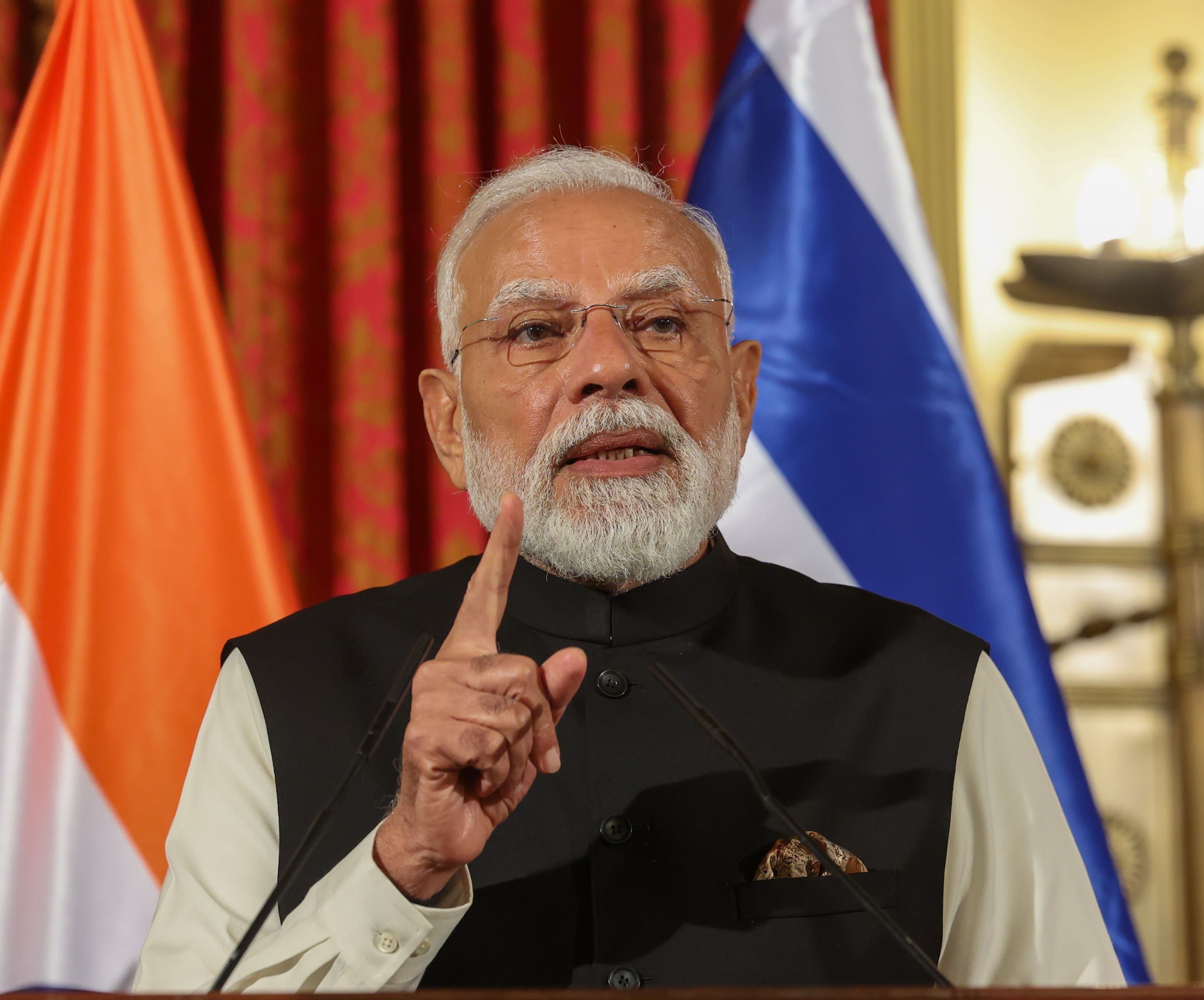
Our relationship is founded upon deep trust, shared democratic values, and strong humanitarian bonds. Our ties have stood the test of time.
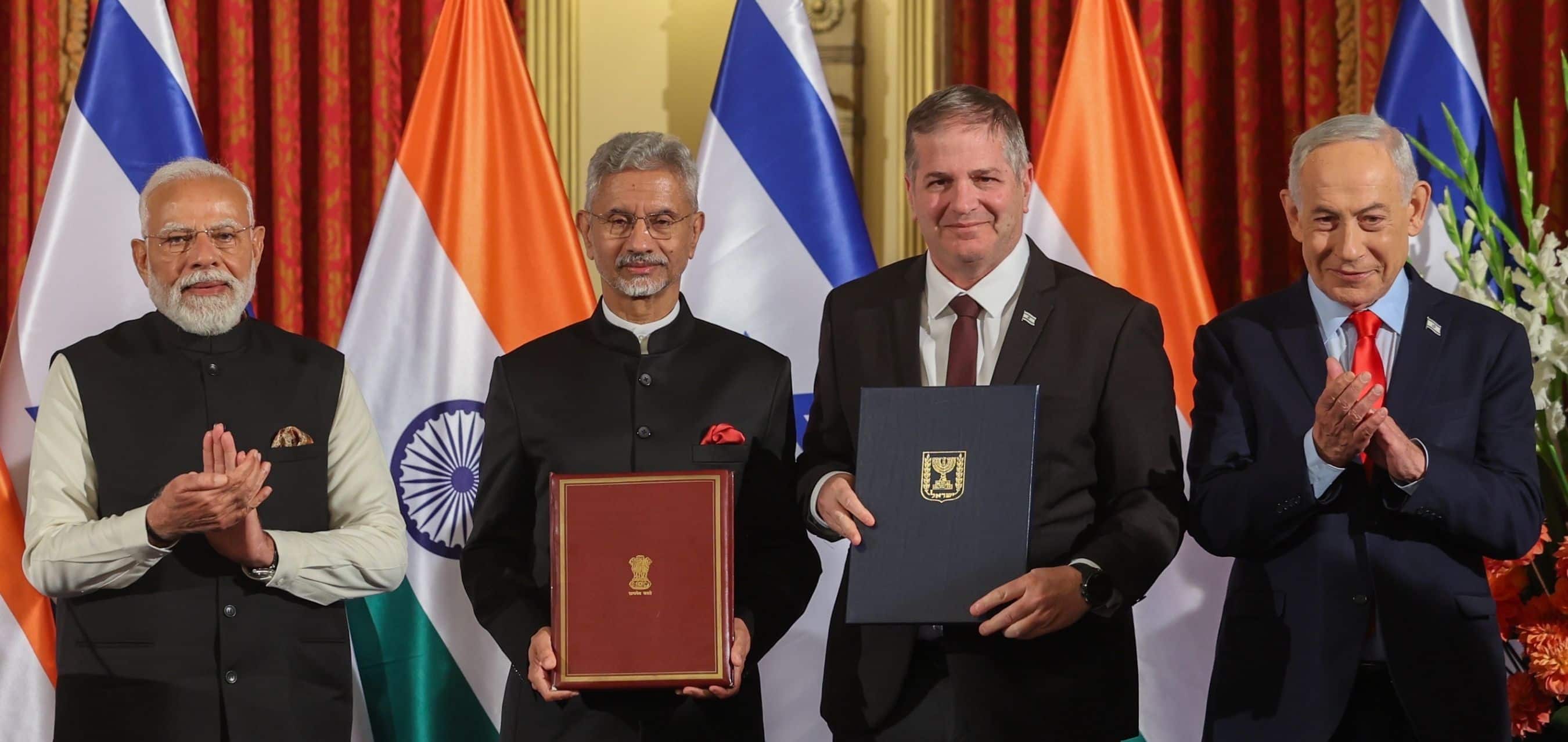
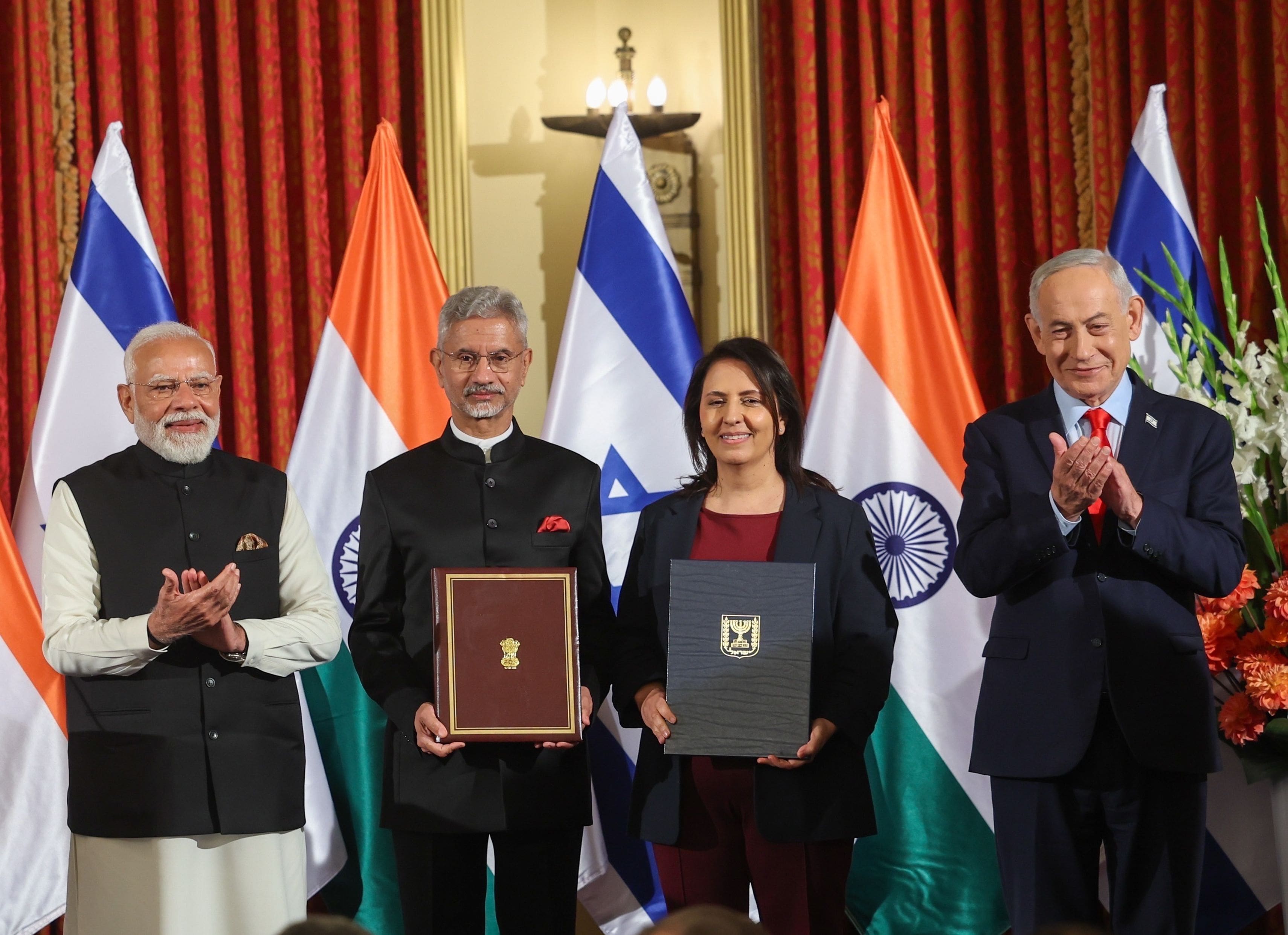
Today, we have taken the historic decision to elevate our time-tested partnership to the level of a "Special Strategic Partnership.” This decision reflects the aspirations of the people of both our nations.
Friends,
In today’s meeting, we discussed imparting new direction and greater momentum to our cooperation. Our economic partnership continues to serve as an engine of growth, innovation, and shared prosperity.
To further promote mutual investments, we concluded a Bilateral Investment Agreement last year. We will also soon finalize a mutually beneficial Free Trade Agreement.
Technology lies at the heart of our future partnership. Today, we have decided to establish a Critical and Emerging Technologies Partnership. This will impart fresh momentum to cooperation in areas such as Artificial Intelligence, Quantum technologies, and Critical Minerals.
I am pleased that an agreement has been concluded to enable the use of UPI in Israel. In the field of Digital Health as well, we remain committed to improving the lives of our people by sharing our experiences and best practices.
We have enjoyed decades of trusted cooperation in the field of defence. The Memorandum of Understanding concluded last year will add new dimensions to this partnership. Together, we will advance towards joint development, joint production, and transfer of technology.
At the same time, we will further strengthen our cooperation in areas such as civil nuclear energy and space.
Friends,
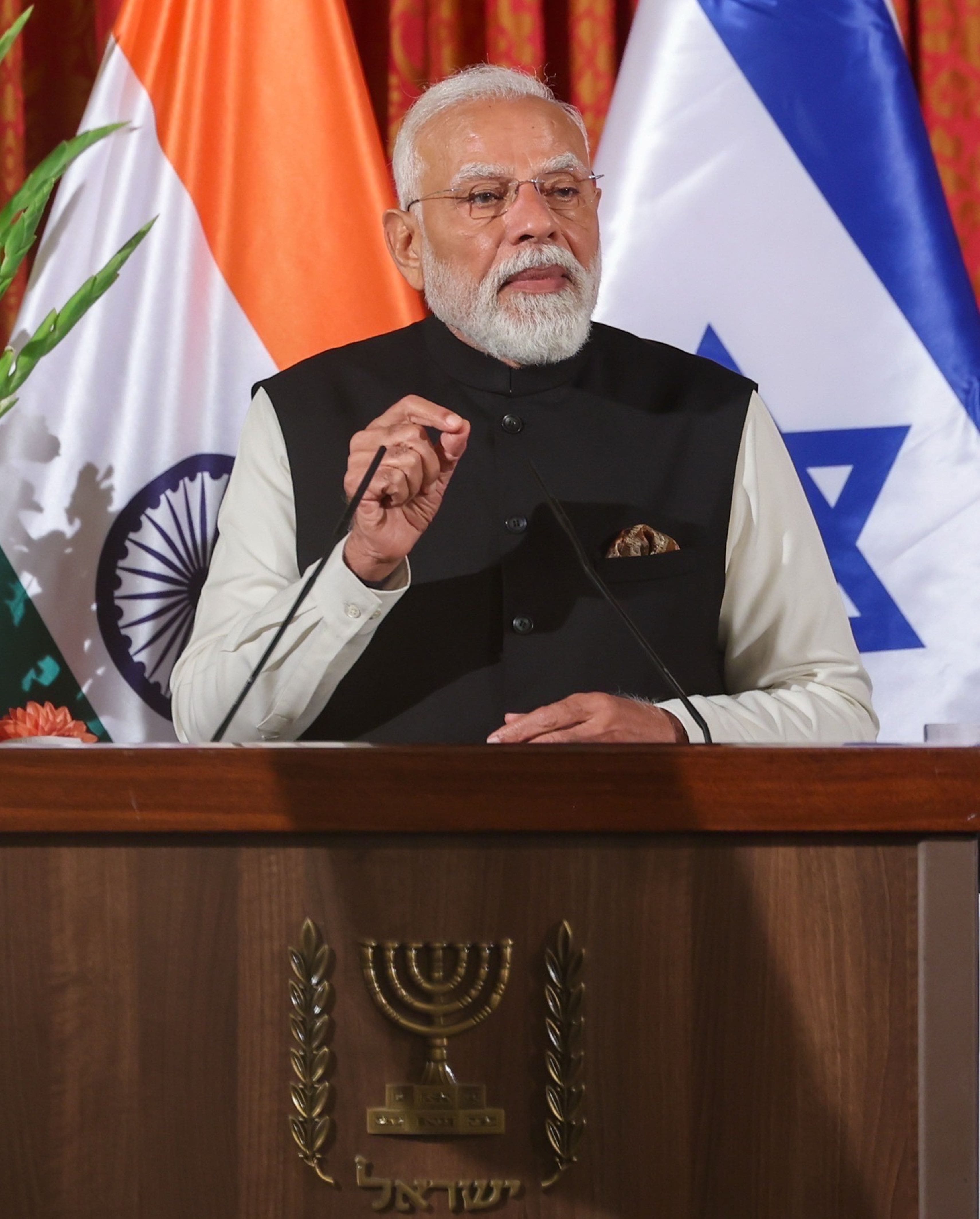
Agricultural cooperation between our two countries has a long and successful history. Today, we have resolved to give this collaboration a futuristic direction.
The Centres of Excellence established in India with Israel’s cooperation stand today as outstanding examples of our friendship. Encouraged by their success, we have set a target to expand their number to 100.
Taking this cooperation a step further, we are working towards the creation of Villages of Excellence. This initiative will bring Israeli technology to villages across India and significantly enhance the income and productivity of millions of farmers.
Together, we will also develop future-ready farming solutions. The establishment of the "India-Israel Innovation Centre for Agriculture” in India will provide a strong foundation for advancing this collaboration.
Friends,
Our people-to-people ties constitute an important pillar of our relationship. Through the Manpower Mobility Agreement concluded in 2023, India has made a significant contribution to Israel’s construction and caregiving sectors. Indian workers have earned trust through their diligence, commitment, and skill.
I am pleased that this cooperation is being expanded to areas such as commerce and services as well. Connecting the youth, researchers, and innovators of both our countries has been a key priority for us. In this direction, we are establishing the India-Israel Academic Forum today.
Friends,
Today, we held wide-ranging discussions on regional and global issues. As we promote regional connectivity, we will move forward with renewed momentum on the India-Middle East–Europe Economic Corridor (IMEC) and India–Israel–UAE–USA (I2U2).
Friends,
India and Israel are unequivocal in their position that:
Terrorism has no place in the world.
In any form, and in any manifestation,
terrorism cannot be accepted.
We have stood shoulder to shoulder in opposing terrorism and those who support it, and we will continue to do so.
Peace and stability in West Asia are directly linked to India’s security interests. Therefore, from the very beginning, we have supported dialogue and a peaceful resolution of issues. This is the call of the Global South and of humanity as a whole.
India’s position is clear:
Humanity must never become a victim of conflict. The Gaza Peace Plan has opened a pathway towards peace. India has extended its full support to these efforts. In the future as well, we will continue to engage in dialogue and cooperation with all countries.
Excellency, My Dear Friend,
Your warmth and gracious hospitality have made my visit truly memorable. I once again express my heartfelt gratitude for the affection, goodwill, and respect that I have received from you and from the people of Israel.
Thank you very much.
"Todah Rabbah”
नौ वर्ष पहले मुझे इजरायल की यात्रा करने वाले पहले भारतीय प्रधानमंत्री बनने का सौभाग्य मिला था।
— PMO India (@PMOIndia) February 26, 2026
एक बार फिर इजरायल की ऐतिहासिक भूमि पर कदम रखना मेरे लिए गर्व और भावुकता का क्षण है: PM @narendramodi
हमारे संबंध गहरे विश्वास, साझा लोकतांत्रिक मूल्यों और मानवीय संवेदनाओं की मजबूत आधारशिला पर स्थापित हैं।
— PMO India (@PMOIndia) February 26, 2026
हमारे रिश्ते समय की हर कसौटी पर खरे उतरे हैं।
आज हमने अपनी time tested साझेदारी को “Special Strategic Partnership” का दर्जा देने का ऐतिहासिक निर्णय लिया है: PM @narendramodi
आज हमने Critical and Emerging Technologies Partnership स्थापित करने का निर्णय लिया है।
— PMO India (@PMOIndia) February 26, 2026
इससे AI, Quantum और Critical Minerals जैसे क्षेत्रों में सहयोग को नई गति मिलेगी।
मुझे खुशी है कि इजरायल में UPI के इस्तेमाल के लिए समझौता किया गया है: PM @narendramodi
भारत और इजरायल पूरी तरह से स्पष्ट हैं कि-
— PMO India (@PMOIndia) February 26, 2026
आतंकवाद का दुनिया में कोई स्थान नहीं है।
किसी भी रूप में, किसी भी अभिव्यक्ति में, आतंकवाद को स्वीकार नहीं किया जा सकता।
हम कंधे-से-कंधा मिलाकर आतंकवाद और उनके समर्थकों का विरोध करते रहे हैं और आगे भी करते रहेंगे: PM @narendramodi
भारत की सोच स्पष्ट है:
— PMO India (@PMOIndia) February 26, 2026
Humanity must never become a victim of conflict.
गाज़ा Peace Plan से शांति का एक रास्ता बना है।
भारत ने इन प्रयासों का पूर्ण समर्थन किया है।
भविष्य में भी हम सभी देशों के साथ संवाद और सहयोग जारी रखेंगे: PM @narendramodi