At the start of 2026, I had gone to Somnath for the Somnath Swabhiman Parv, marking a thousand years since the first attack on the Somnath Temple. Now, I will be back in Somnath on 11th May to mark 75 years since the inauguration of the restored Temple by the then President of India, Dr. Rajendra Prasad. In less than half a year, it is a privilege to be attending two important milestones relating to Somnath and its journey from ruin to renewal or what we describe as from Vidhvans to Srijan.
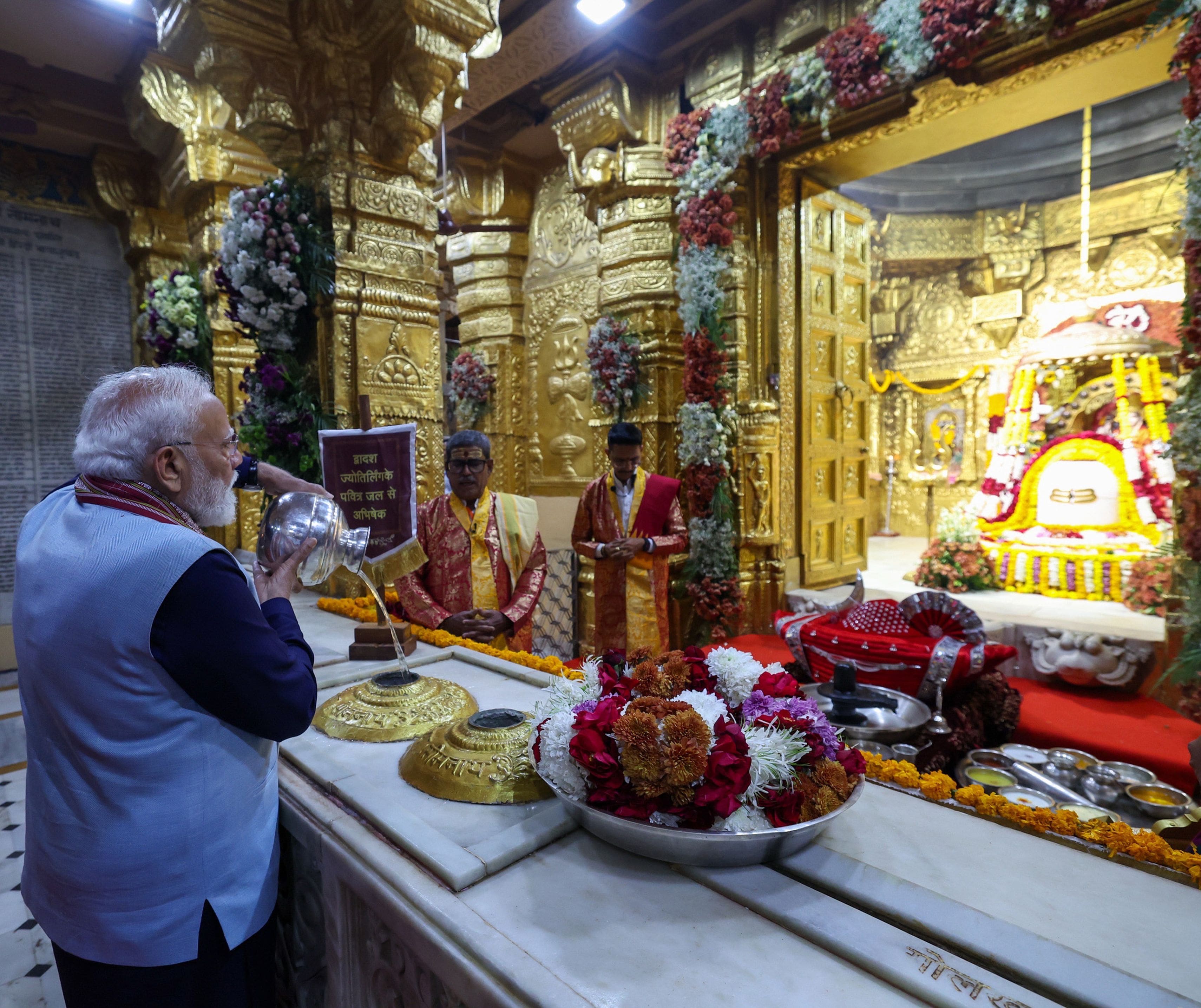
Somnath gives us a civilisational message. The vast sea before it evokes timelessness. The waves tell us…that no matter how fierce the storms are or how turbulent the tides are, one can always rise again with dignity and strength. The waves return to the shore, as though reminding every generation that the spirit of the people can never be subdued for long.
Our ancient scriptures say: प्रभासं च परिक्रम्य पृथिवीक्रमसंभवम्. It means, a Pradakshina of the divine Prabhasa (Somnath) is equal to a Pradakshina of the whole earth itself! While people have come here to pray, they have also experienced the remarkable continuity of a civilisation whose flame could never be extinguished. Empires rose and fell, tides changed, history moved through conquest and upheaval, yet Somnath continued to endure in our consciousness.
It is time to remember the countless greats who stood firm in the face of tyranny. There were Lakulisha and Soma Sarman, who transformed Prabhasa into a great centre of philosophy. Chakravarti Maharaja Dharasena IV of Vallabhi built the Second Temple there centuries ago. Bhima Deva, Jayapala and Anandapala will always be remembered for defending civilisational honour against invasions. It is said that Raja Bhoja too helped with the reconstruction. Karna Deva and Siddharaja Jayasimha played a vital role in restoring Gujarat’s political and cultural strength. Bhava Brihaspati, Kumarapala Solanki and the Pashupata Acharyas rebuilt and sustained the shrine as a great centre of worship and learning. Vishaladeva Vaghela and Tripurantaka protected its intellectual and spiritual traditions. Mahipaladeva and Ra Khangar were instrumental in reviving worship after destruction. Punyashlok Ahilyabai Holkar, whose 300th birth centenary is being marked, ensured the continuity of devotion in the most difficult of times. There were the Gaekwads of Baroda, who safeguarded the rights of pilgrims. And of course, our soil is blessed to have nurtured brave personalities like Veer Hamirji Gohil and Veer Vegdaji Bhil, whose sacrifice and courage have become a part of Somnath’s living memory.
In the 1940s, when the spirit of freedom swept across India and the foundations of a new republic were being laid under the leadership of towering figures like Sardar Patel, one thing continued to trouble him deeply…the condition of Somnath. On 13th November 1947, during Diwali time, he stood next to the dilapidated ruins of the temple with sea-water in his hands and said, “On this auspicious day of the (Gujarati) New Year, we have decided that Somnath should be reconstructed. You, people of Saurashtra, should do your best. This is a holy task in which all should participate.” On one clarion call of Sardar Patel, it was not only the people of Gujarat but also the people of the whole of India that responded enthusiastically.
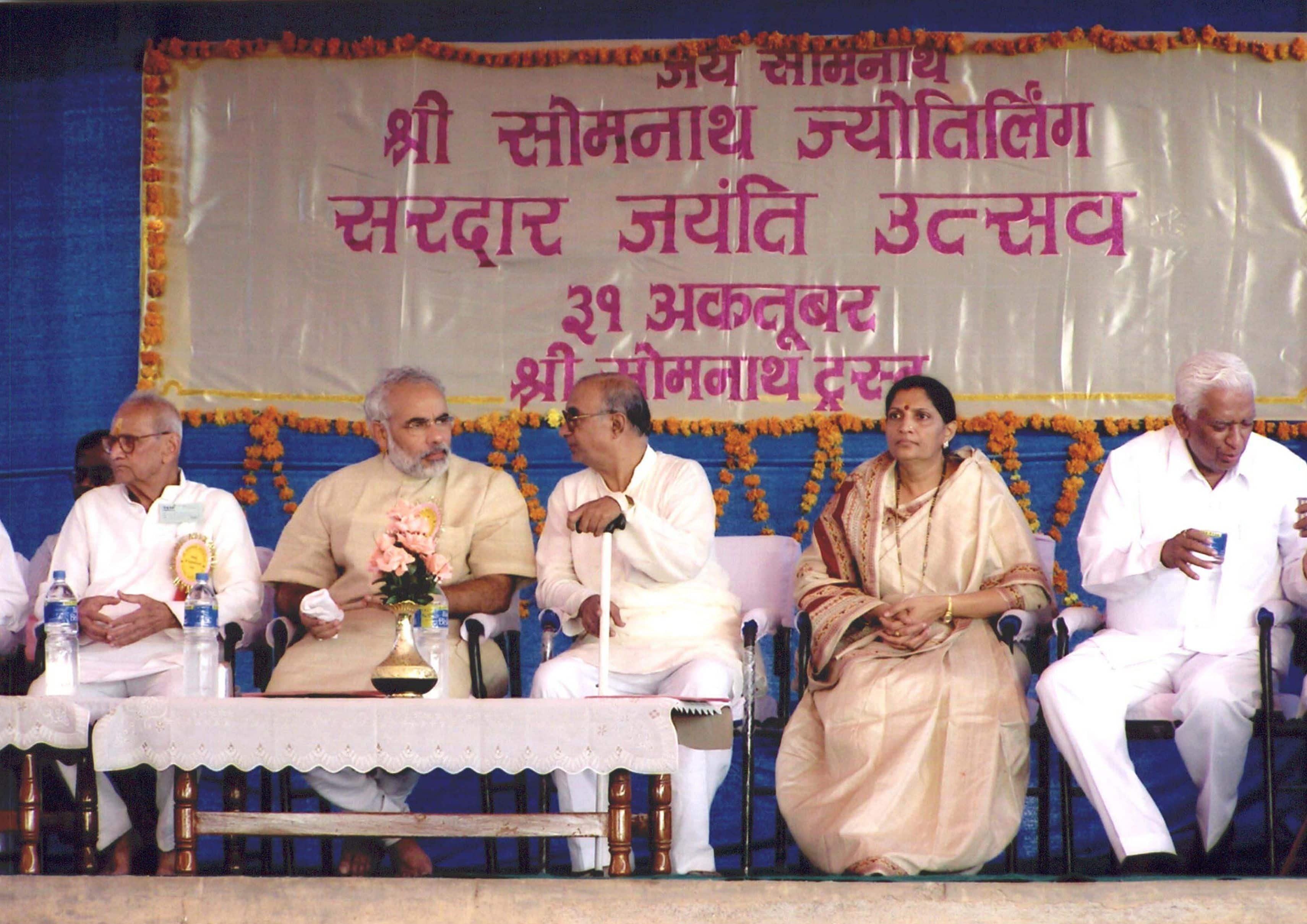
Unfortunately, fate did not allow Sardar Patel to witness the fulfilment of the dream he had so passionately championed. Before the restored Somnath Temple could open its doors to devotees, he had departed from this world. Yet, his impact continued to be felt over the sacred shores of Prabhas Patan. His vision was championed by Shri KM Munshi, ably supported by the Jamsaheb of Nawanagar. In 1951, when the Temple was complete, it was decided to call the President of India, Dr. Rajendra Prasad, for the ceremony. Overcoming strong objections from the then Prime Minister Pandit Nehru, Dr. Prasad graced the ceremony, thus making it even more special and historic.
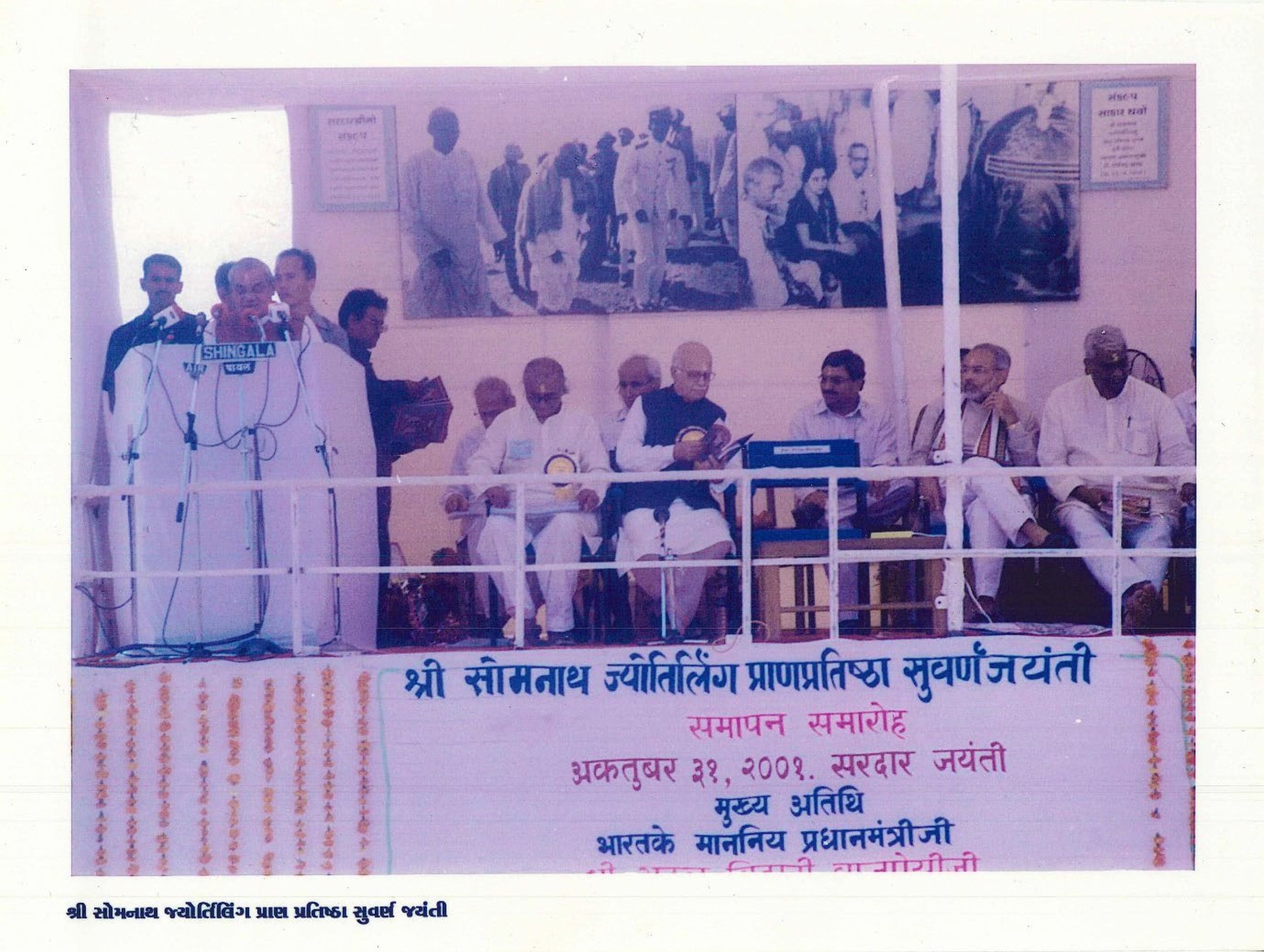
My mind also goes back to October 2001, when I had just taken over as Chief Minister. On 31st October 2001, the Jayanti of Sardar Patel, the Gujarat Government had the honour of organising a programme to mark 50 years since the Somnath Temple opened its doors. It also coincided with the 125th birth anniversary celebrations of Sardar Patel. The then Prime Minister Shri Atal Bihari Vajpayee and the then Home Minister Shri LK Advani attended the programme.
During his speech on 11th May 1951, Dr. Rajendra Prasad said that the Somnath Temple proclaims to the world that anything with unparalleled faith and love cannot be destroyed. He expressed hope that this Temple will live in the hearts of people. He also said that the restoration of the Temple was a fulfilment of Sardar Patel’s dream, but taking that spirit forward, it is important that we restore prosperity to the lives of people. These are important and inspiring messages he gave.
This is the path we have been walking for over a decade. I consider it my good fortune that, inspired by the principle of ‘Vikas Bhi, Virasat Bhi’, from Somnath to Kashi, Kamakhya to Kedarnath, Ayodhya to Ujjain, Trimbakeshwar to Srisailam, our team has had the opportunity to equip our spiritual centres with the latest facilities while at the same time preserving their traditional character. This, along with efforts to improve connectivity, ensures more people can visit them. It boosts the local economy, secures livelihoods and deepens the spirit of ‘Ek Bharat, Shreshtha Bharat.’
The struggles and sacrifices of those who laid down their lives to protect Somnath and those who rebuilt it time and again will never be forgotten. Countless individuals from different corners of India contributed to restoring its glory. They saw every part of Bharat as sacred, bound together by a sense of oneness that transcended geography. In a world often marked by divisions, this spirit of unity is more relevant than ever. Somnath will continue to stand tall in all its glory because the sense of unity and shared civilisational consciousness lives on in the hearts of every Indian. As a tribute to this, remembering the extraordinary courage of a thousand years, there will be special Pujas at Somnath for the next thousand days. It is gladdening to see several people donating for these Pujas as well.
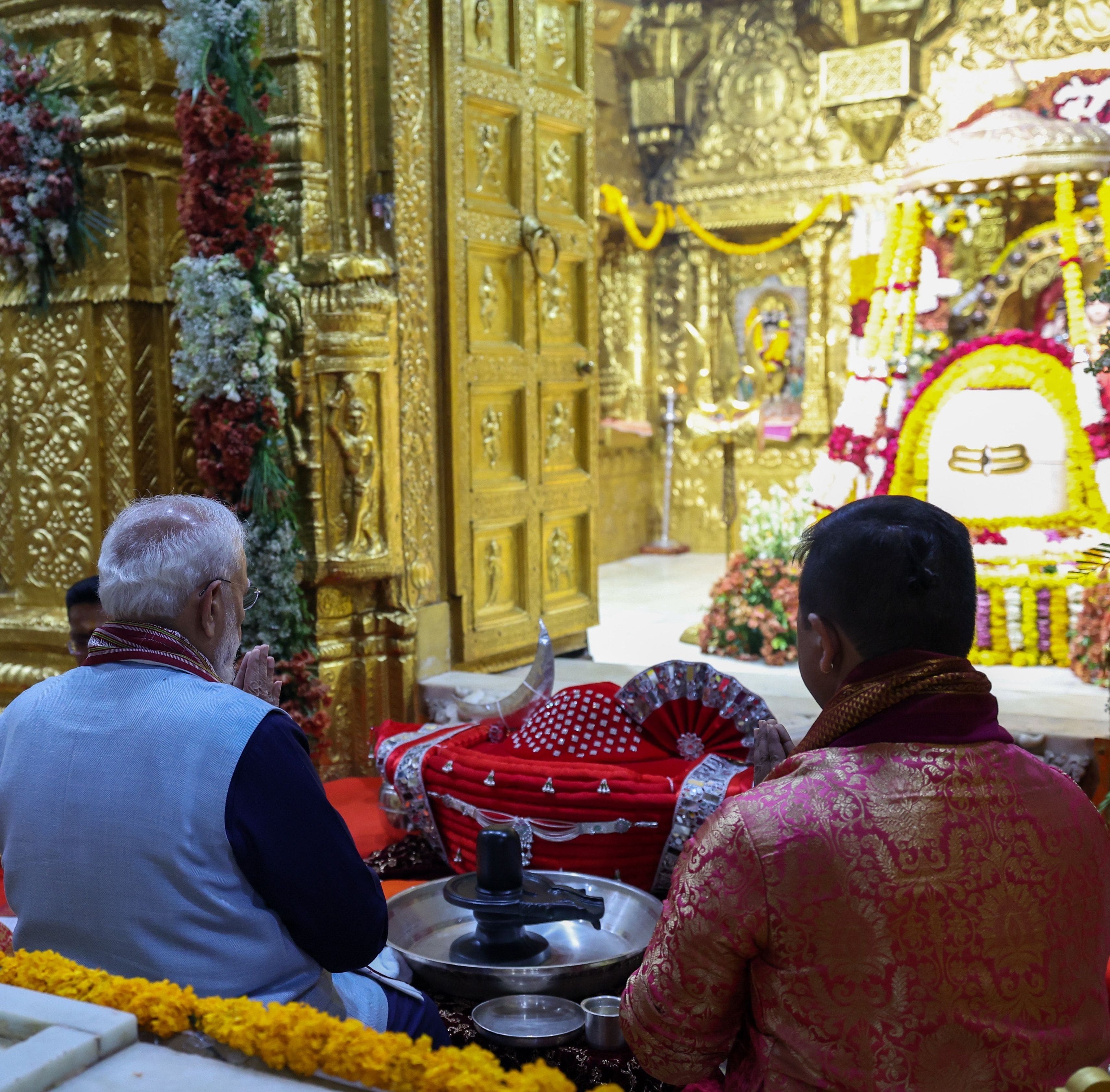
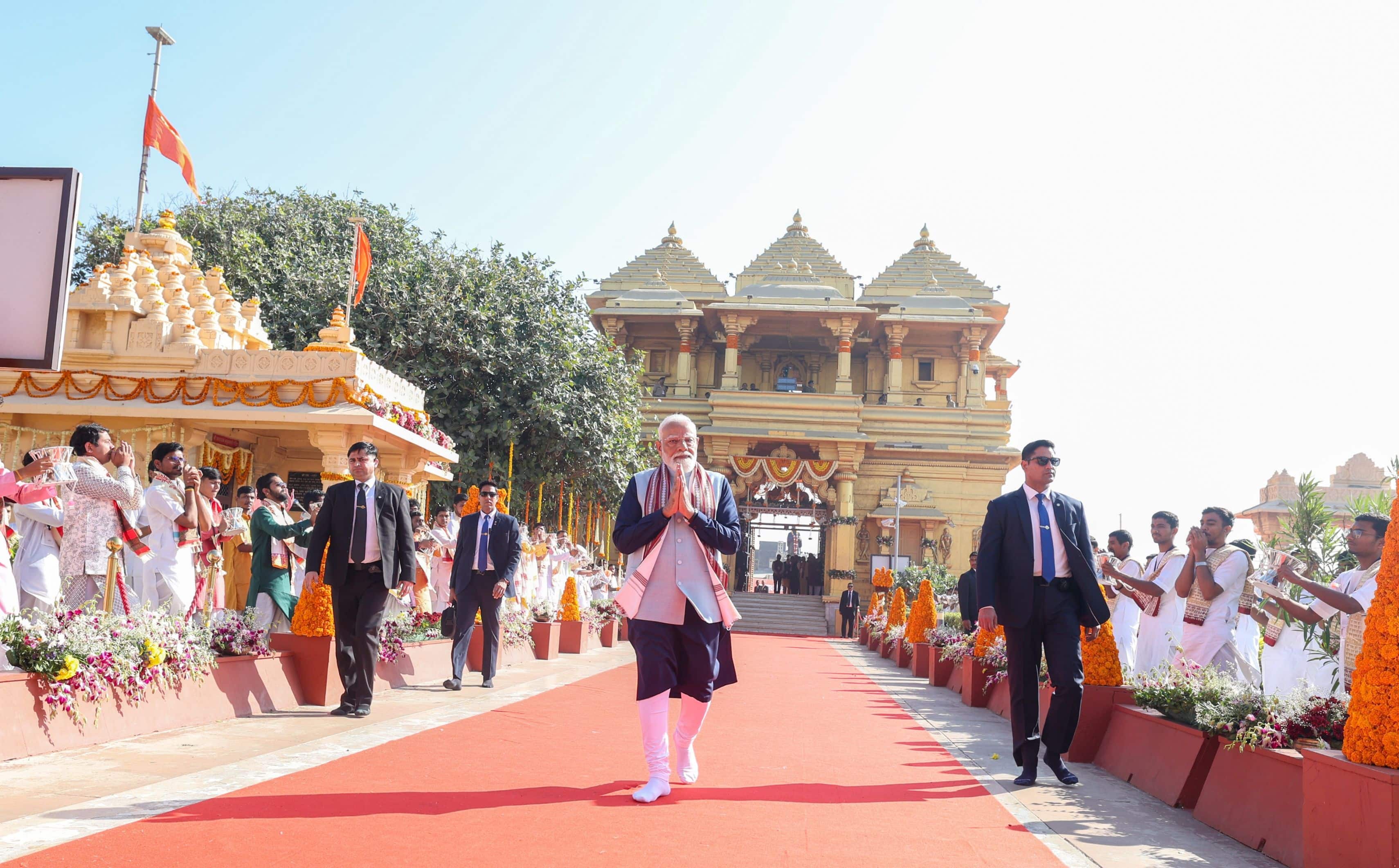
I urge my fellow Indians to travel to Somnath in this special time. When you stand on the shores of Somnath, let its ancient echoes speak to you. You will not only be overwhelmed by devotion but will also feel the strong pulse of a civilisational spirit that refuses to fade, that is unbroken and unyielding. You will experience Bharat’s unconquerable spirit and understand why, despite every effort, our culture remained undefeated and you will have the opportunity to behold the vision of eternal triumph. It will surely be unforgettable.
Jai Somnath.
(Narendra Modi is the Prime Minister of India and is also the Chairman of the Shree Somnath Trust)