In the elegant setting of the Imperial Guest House in Kyoto, Prime Minister Modi sat down with his host, Prime Minister Abe, at a traditional dining table for over one and half hours for an exceptionally warm and friendly conversation over a traditional Japanese meal this evening. Their discussion was marked by a great deal of mutual respect and admiration and convergence of views. 

l2014083056188  _ 684

The two Prime Ministers spoke about the ancient cultural and religious links between the countries, which were not known widely. They felt that the commencement of Prime Minister Modi’s visit in Kyoto, the old capital city and an important centre of Buddhism, highlighted this important spiritual foundations of India-Japan relations. They both keenly looked forward to visiting the ancient Toji Temple, which was a symbol of this link, the following morning. The MoU between Varanasi and Kyoto, signed earlier in the evening in their presence, was yet another reflection of working together to foster cooperation to address contemporary challenges on the strength of their shared heritage.

Prime Minister Modi also mentioned his plan to visit Centre for iPS Cell Research in Kyoto the next morning as part of his desire to seek advanced solutions through stem cell research for health challenges he had seen in India.

Prime Minister Abe spoke with great enthusiasm and strong conviction about India and the importance of India-Japan relations for Japan and the region. Prime Minister Modi described Japan as one of India’s closest and most important partners and spoke about his own admiration and affinity for Japan and his high hopes from the relationship.

The discussions covered economic issues, and the opportunities that both countries had to seize the opportunities presented by their respective strong political mandates to inject new momentum and energy in their economies. They spoke with great optimism about a strong and robust future for India-Japan economic partnership. Prime Minister Modi observed that the relationship was far below potential and expressed hope that the two sides would strive to achieve in five years the unrealized potential of five decades. 

Prime Minister Abe expressed confidence that under Prime Minister Modi India’s economic transformation would gather strong momentum. An economically resurgent India would, he said, be of great strategic importance to the region and the world, and an inspiration for democratic forces around the world. Prime Minister Modi said that a strong India-Japan partnership was important not just for the economic benefits to the two countries, but even more as a force of good for the region and the world.

The two leaders also had an extensive and candid exchange of views on the developments in the region and the world and saw in their remarkable convergence of views a great opportunity to work together for peace, stability and prosperity in Asia and the world. 

Prime Minister Modi was deeply touched by Prime Minister Abe’s gesture of hosting him in Kyoto. They looked forward to continuing their conversation in Tokyo.

Explore More
ਸ੍ਰੀ ਰਾਮ ਜਨਮ-ਭੂਮੀ ਮੰਦਿਰ ਧਵਜਾਰੋਹਣ ਉਤਸਵ ਦੌਰਾਨ ਪ੍ਰਧਾਨ ਮੰਤਰੀ ਦੇ ਭਾਸ਼ਣ ਦਾ ਪੰਜਾਬੀ ਅਨੁਵਾਦ

Popular Speeches

ਸ੍ਰੀ ਰਾਮ ਜਨਮ-ਭੂਮੀ ਮੰਦਿਰ ਧਵਜਾਰੋਹਣ ਉਤਸਵ ਦੌਰਾਨ ਪ੍ਰਧਾਨ ਮੰਤਰੀ ਦੇ ਭਾਸ਼ਣ ਦਾ ਪੰਜਾਬੀ ਅਨੁਵਾਦ
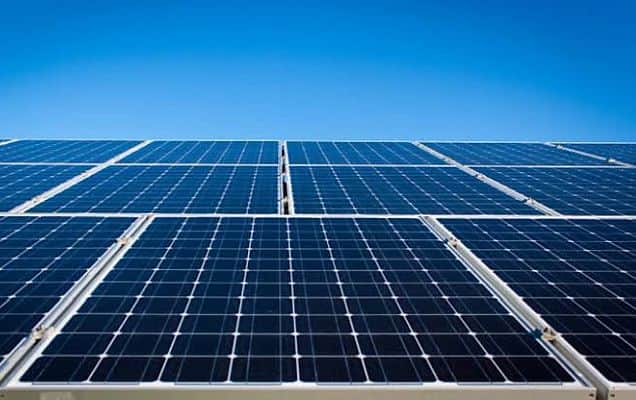
India identifies 102 GWp floating solar potential, eyes new push for reservoir-based projects

Media Coverage

India identifies 102 GWp floating solar potential, eyes new push for reservoir-based projects
NM on the go

Nm on the go

Always be the first to hear from the PM. Get the App Now!
...
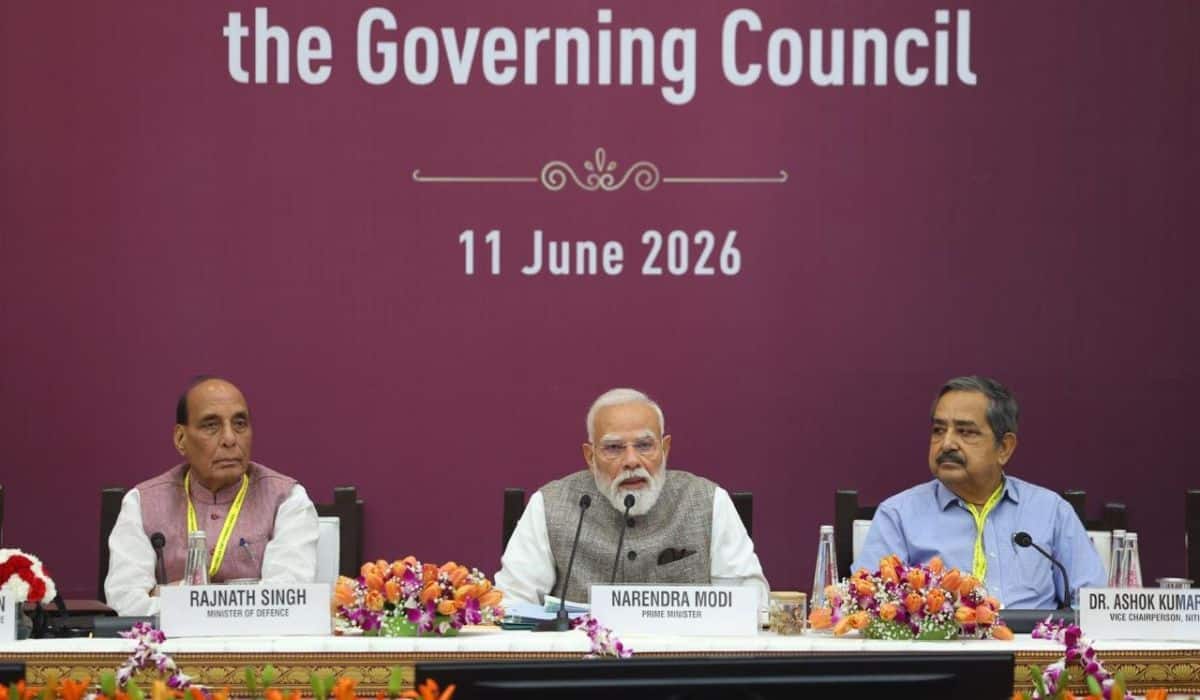
PM chairs 11th Governing Council Meeting of NITI Aayog
June 11, 2026
Vision of Viksit Bharat should become the collective resolve of every State, district, block and village: PM
PM calls India's 70 crore youth its asset, urges States to transform this Demographic dividend into Development dividend
PM encourages States to create opportunities for youth and MSMEs and actively attract investments from countries with which India has signed FTAs
States to strengthen ODOP and leverage opportunities in defence manufacturing: PM
PM emphasizes that AI should be viewed as an opportunity and people should be equipped with future ready skills
PM highlights the need for coordinated efforts to address emerging social challenges such as drug abuse and cyber fraud
PM draws attention to concerns arising from El Niño and urges States to conserve water and promote natural farming
CMs/LGs/Administrators congratulate PM Modi on completing 12 years in office
States express solidarity with the Centre to withstand the global geo-political crisis and to strengthen India’s resilience
All States and 5 UTs attend meeting; first time when CMs of all 28 States participate
Theme of meeting : Inclusive Human Development for Viksit Bharat@2047

Prime Minister Shri Narendra Modi chaired the 11th Governing Council Meeting of NITI Aayog at Rashtrapati Bhavan Cultural Centre, New Delhi, earlier today. This year’s theme was Inclusive Human Development for Viksit Bharat@2047. It was attended by Chief Ministers, Lt. Governors and Administrators representing 28 States and 5 UTs. This was the first time when Chief Ministers of all 28 States participated in the Governing Council Meeting of NITI Aayog.

Prime Minister noted that at a time when many major economies are facing uncertainty and economic challenges, India’s growth story continues to inspire the world. He emphasized the need to further strengthen the nation’s resolve towards self-reliance and highlighted the importance of adopting and implementing global best practices, particularly in the renewable energy sector.

Underscoring the importance of cooperative federalism, Prime Minister stated that the Centre and the States must work together to achieve the goal of a Viksit Bharat. He stressed that the vision of Viksit Bharat should become the collective resolve of every State, district, block and village.

Highlighting the strength of India’s demographic profile, Prime Minister observed that the country’s youth constitute its greatest asset, with nearly 70 crore Indians below the age of 25 years. Calling this a demographic dividend, he urged States to focus on transforming it into a development dividend through education, skilling and capacity-building initiatives that prepare young people for future opportunities and challenges.

Referring to India’s recently concluded trade agreements with several countries, Prime Minister encouraged States to create opportunities for youth and MSMEs and to equip stakeholders to effectively leverage the benefits arising from these agreements. He also urged States to actively attract investments from partner countries.

Emphasizing women-led development, Prime Minister called upon States to work towards increasing the number of Lakhpati Didis from 3 crore to 6 crore and stressed the importance of ensuring a safe and secure environment for Nari Shakti.

Prime Minister urged States to focus on One District One Product (ODOP) initiatives and develop export-oriented strategies around it. He also identified defence manufacturing as an emerging sector where India is establishing a distinct identity and encouraged States to formulate policies to leverage the opportunities arising from its growth.

Prime Minister highlighted the need for coordinated efforts to address emerging social challenges such as drug abuse and cyber fraud through preventive measures, awareness campaigns and effective governance.

Prime Minister also drew attention to concerns arising from El Niño conditions and appealed to States to promote water conservation and encourage natural and organic farming practices. He noted that the purchase of 11 lakh tonnes of organic manure by farmers during the current Kharif season reflected growing confidence in sustainable agriculture.

Prime Minister emphasized the need to evaluate progress at the district level, particularly through aspirational district parameters. Prime Minister suggested that on similar lines, 100 districts should be identified in the field of agriculture to bring positive results. He urged the States to take lead in this pursuit so that a phenomenal change can be achieved through the aspirational approach.

Prime Minister emphasised the need for a monitoring framework and targeted 100-day and five-year goals towards achieving the vision of Viksit Bharat@2047.

Highlighting the importance of good governance, transparency, and infrastructure for attracting investment, he urged States to focus on branding, ease of doing business, and emerging opportunities in sectors such as data centres and artificial intelligence. He emphasized that AI should be viewed as an opportunity and called for greater efforts to equip people with the skills required for the future economy.

The Chief Ministers/Lt. Governors/Administrators congratulated Prime Minister Modi on completing 12 years in his office. They also expressed solidarity with the Centre to withstand the global geo-political crisis and to strengthen India’s resilience with respect to energy requirements, and sustain its growth trajectory.

Prime Minister noted that the discussions were constructive and reflected the aspirations, hopes, experiences, best practices, and challenges of the States. Prime Minister expressed his gratitude to all the CMs, LGs and Administrators for participating in the meeting and expressed confidence that Together, through cooperation, innovation, and a shared commitment to development, India can accelerate its journey towards a Viksit Bharat by 2047.