The GST Council in its 32nd Meeting held today under the Chairmanship of the Union Minister of Finance & Corporate Affairs, Shri Arun Jaitley in New Delhi took the following major decisions to give relief to MSME (including Small Traders) among others -

1.   Increase in Turnover Limit for the existing Composition Scheme: The limit of Annual Turnover in the preceding Financial Year for availing Composition Scheme for Goods shall be increased to Rs 1.5 crore. Special category States would decide, within one week, about the Composition Limit in their respective States.

1.1    Compliance Simplification: The compliance under Composition Scheme shall be simplified as now they would need to file one Annual Return but Payment of Taxes would remain Quarterly (along with a simple declaration).

2.    Higher Exemption Threshold Limit for Supplier of Goods: There would be two Threshold Limits for exemption from Registration and Payment of GST for the suppliers of Goods i.e. Rs 40 lakhs and Rs 20 lakhs. States would have an option to decide about one of the limits within a weeks’ time. The Threshold for Registration for Service Providers would continue to be Rs 20 lakhs and in case of Special Category States at Rs 10 lakhs.

3.   Composition   Scheme for Services: A Composition Scheme shall be made available for Suppliers of Services (or Mixed Suppliers) with a Tax Rate of 6% (3% CGST +3% SGST) having an Annual Turnover in the preceding Financial Year up to Rs 50 lakhs.

3.1  The said Scheme Shall be applicable to both Service Providers as well as Suppliers of Goods and Services, who are not eligible for the presently available Composition Scheme for Goods.

3.2  They would be liable to file one Annual Return with Quarterly Payment of Taxes (along with a Simple Declaration).

4.     Effective date: The decisions at Sl. No. 1 to 3 above shall be made operational from the 1st of April, 2019.

5.    Free Accounting and Billing Software shall be provided to Small Taxpayers by GSTN.

 6.   Matters referred to Group of Ministers:

        i.   A seven Member Group of Ministers shall be constituted to examine the proposal of giving a Composition Scheme to Boost the Residential Segment of the Real Estate Sector.

      ii.    A Group of Ministers shall be constituted to examine the GST Rate Structure on Lotteries.

7.  Revenue Mobilization for Natural Calamities: GST Council approved Levy of Cess on Intra-State Supply of Goods and Services within the State of Kerala at a rate not exceeding 1% for a period not exceeding 2 years.

Explore More
ਸ੍ਰੀ ਰਾਮ ਜਨਮ-ਭੂਮੀ ਮੰਦਿਰ ਧਵਜਾਰੋਹਣ ਉਤਸਵ ਦੌਰਾਨ ਪ੍ਰਧਾਨ ਮੰਤਰੀ ਦੇ ਭਾਸ਼ਣ ਦਾ ਪੰਜਾਬੀ ਅਨੁਵਾਦ

Popular Speeches

ਸ੍ਰੀ ਰਾਮ ਜਨਮ-ਭੂਮੀ ਮੰਦਿਰ ਧਵਜਾਰੋਹਣ ਉਤਸਵ ਦੌਰਾਨ ਪ੍ਰਧਾਨ ਮੰਤਰੀ ਦੇ ਭਾਸ਼ਣ ਦਾ ਪੰਜਾਬੀ ਅਨੁਵਾਦ
UPI — an eventful journey

Media Coverage

UPI — an eventful journey
NM on the go

Nm on the go

Always be the first to hear from the PM. Get the App Now!
...
PM chairs 53rd PRAGATI Meeting
August 25, 2026
PM reviews six key infrastructure projects across the Railway, Road and Power sectors
Projects reviewed span across 9 States with cumulative investment of more than ₹30,000 crore
PM says Infrastructure projects should be viewed as an integrated whole, rather than as individual sections or packages
PM calls for continuous reforms across all stages of project implementation and a proactive work culture across Ministries and States
PM says Speed must go hand-in-hand with quality
While reviewing AgriStack, PM emphasises the need to leverage the latest digital technologies including AI to derive greater value from agricultural data
On cyber fraud and ‘digital arrest’, PM stresses training, public awareness, cyber-safety education and coordinated action

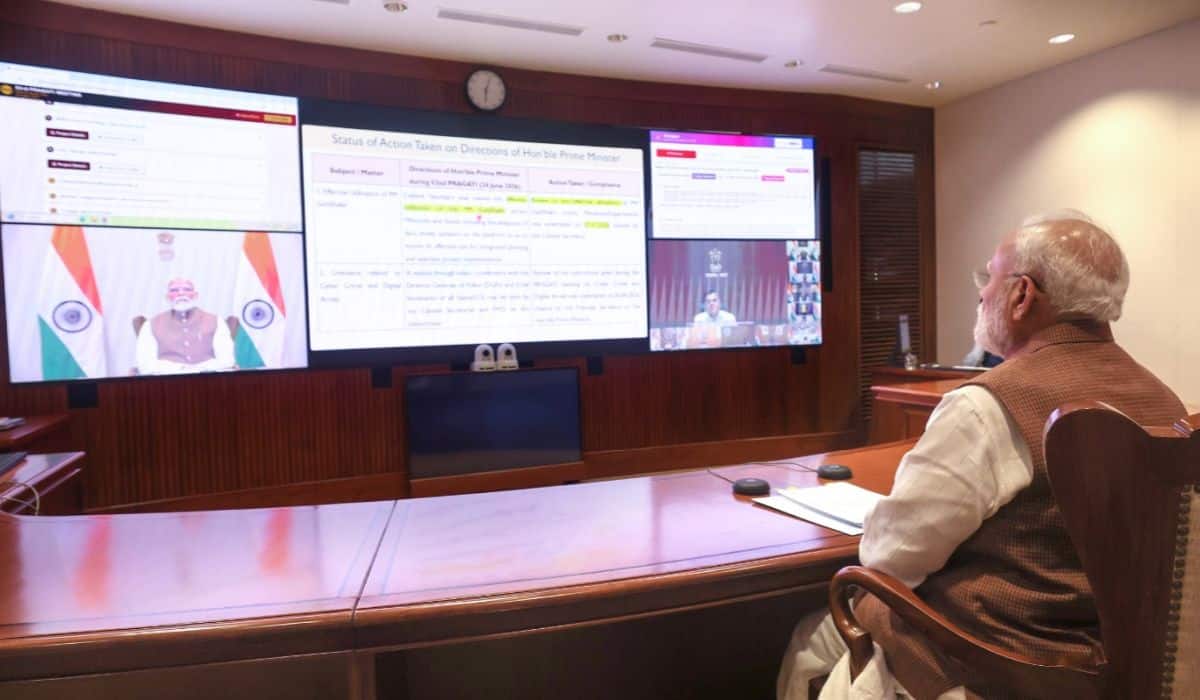
Prime Minister Shri Narendra Modi chaired the 53rd meeting of PRAGATI, the ICT-enabled, multi-modal platform for Pro-Active Governance and Timely Implementation, at Seva Teerth earlier today.

During the meeting, Prime Minister reviewed six key infrastructure projects across the Railway, Road and Power sectors, spanning nine States with a cumulative cost of more than ₹30,000 crore. The projects, significant for strengthening connectivity, supporting industrial and economic activity and improving public services, were reviewed with particular emphasis on adherence to timelines, inter-agency coordination, resolution of pending issues and expeditious completion.

Prime Minister emphasised that delays in infrastructure projects have consequences beyond cost escalation, as they also postpone the benefits intended for citizens, businesses and the economy. He said that infrastructure projects should be viewed and monitored as an integrated whole, rather than as isolated sections, stretches or packages. He noted that progress in individual packages should ultimately translate into timely completion and operationalisation of the entire project. Ministries and States were therefore asked to adopt an end-to-end approach, and address critical gaps that could delay the overall commissioning and delivery of benefits. He called for fostering a proactive work culture across Ministries and State Governments, with greater ownership at every level of project implementation.

Prime Minister stressed the need to explore common utility corridors for infrastructure services, wherever feasible, particularly while planning major transport and infrastructure projects. He called upon Ministries and States to examine such integrated approaches at the planning stage itself, keeping in view their technical and economic feasibility.

Prime Minister said that speed of execution must be accompanied by uncompromising quality. He called upon Ministries, States and implementing agencies to adopt modern technologies and strengthen quality assurance and supervision at every stage.

While reviewing AgriStack under the Digital Agriculture Mission, Prime Minister emphasised the need to leverage the latest digital technologies, including Artificial Intelligence, to derive greater value from agricultural data. He stressed that the data ecosystem should be effectively utilised across the agricultural value chain, from input planning to processing, enabling more informed interventions, better targeting and data-driven decision-making. He appreciated the efforts of the States and the Central Government in building the AgriStack ecosystem and called for further strengthening its use for delivering better outcomes for farmers.

During the review of cyber fraud cases, including incidents of digital arrest, Prime Minister said that prevention must be strengthened through a sustained focus on training, awareness and education. He stressed the need for continuous and targeted public-awareness campaigns, particularly for senior citizens, youth and other vulnerable sections, to familiarise them with common fraud techniques, warning signs and safe digital practices. He also called for regular capacity-building of personnel involved so that emerging modes of cyber fraud are identified and acted upon swiftly.