Guidelines for Other Service Providers (OSP) liberalized

Published By : Admin | June 23, 2021 | 16:51 IST

Shri Prasad informed that India’s BPO industry is one of the largest in the world. Today India’s IT-BPM industry stands at US$ 37.6 billion (2019-20) i.e. Rs. 2.8 lakh crores approx. giving job opportunities to lakhs of youths in the country. Further it has a potential for double digit growth reaching upto US$ 55.5 billion i.e. Rs. 3.9 lakh crores by 2025.


AatmaNirbhar Bharat is the key initiative of Govt. led by PM Shri Narendra Modi and steps like Electronics Manufacturing Productivity Linked Incentive scheme,starting dedicated scheme of Electronic Manufacturing Cluster and dedicated PLI scheme for Telecom Equipment are few steps in this direction.


Similarly Ease of Doing Business is another fulcrum based on which series of reforms has been initiated in IT & Telecom vertical by present Govt. Start of one touch VNO licenses, Spectrum Sharing & Trading, Delicensing of certain frequency bands and now Next Gen OSP liberalisation is another step in this direction.


In November 2020, OSP guidelineswere liberalized as following:-

  • Data related OSPs were totally taken out of ambit of any regulation
  • No Bank Guarantees
  • No requirement of static IP
  • No requirement of reporting to the DoT
  • No requirement of publication of Network Diagram
  • No penalties
  • Made Work from Anywhere a reality


The BPM industry revenues grew from USD 37.6 billion in 2019-20 to USD 38.5 billion in 2020-21, despite the pandemic. This was largely possible due to the industry’s ability to work remotely and majorly enabled by the Government of India’s relaxations of WFH requirements under the OSP regime, first temporarily, in March 2020 and then complete reforms under the new guidelines in November 2020.

The Highlight of the Global Business is given below

  • Current BPM market – USD 198 BN
  • Outsourcing Market – USD 91 BN (46%)
  • Current BPM outsourcing revenue, India – USD 38.5 BN (Rs 2.8 lakh crore)

The main features of the liberalised guidelines announced today are :-

Distinction between Domestic and International OSPs has been removed. A BPO centre with common Telecom resources will now be able to serve customers located worldwide including in India.
EPABX (Electronic Private Automatic Branch Exchange) of the OSP can be located anywhere in the world. OSPs apart from utilising EPABX services of the Telecom Service Providers can also locate their EPABX at third Party Data Centres in India.
With the removal of the distinction between Domestic and International OSP centres, the interconnectivity between all types of OSP centres is now permitted.
Remote Agents of OSP can now connect directly with the Centralised EPABX/ EPABX of the OSP/ EPABX of the customer using any technology including Broadband over wireline/ wireless.
No restriction for data interconnectivity between any OSP centres of same company or group company or any unrelated company.
It may be recalled that DoT has already exempted Data Based Services from the OSP regulations. In addition, the regulations exempted OSPs from requirement of any registration. Also, no Bank Guarantees were to be furnished. Work from Home and Work from Anywhere was also permitted.
Penalties for violations were removed altogether reaffirming the trust Government has in business.
Further liberalization of Guidelines today will provide a big fillip for growth of OSP industry in India. This will create immense opportunities, income and employment in India.

OSP reforms impact survey conducted by NASSCOM in April 2021, enumerated following important findings :

  • Over 72% of the respondents mentioned that they are highly satisfied with the OSP reforms
  • 95% of the respondent mentioned has helped in reducing the compliance burden and cost of doing business in India
  • 95% of the respondent also stated that this will help in making IT services more competitive globally
  • Another 77% of the respondent mentioned that OSP reforms has helped in increasing the productivity
  • 92% of respondent stating that reforms also helped in reducing the financial burden on the companies
  • 62% of the respondent mentioned that they will consider expanding their operation or will make fresh investments basis the OSP reforms\
  • 55% also mentioned that this will help in generating new employment opportunities and will enhance access to talent

Today’s reform will further help the BPM industry to reduce their establishment cost and creating synergies among different companies. Through these reforms more and more MNCs will get attracted towards India as a favorable destination and hence will lead to more FDIs.


It is also to be highlighted that FDI during present govt. and previous UPA govt stands at :


 (2007-14)

 (2014-21)

Growth (%)

Telecom

11.64 Billion USD

23.5 Billion USD

102%

IT Sector (Computer S/W and Hardware)

7.19 Billion USD

58.23 Billion USD

710%


Explore More
ਸ੍ਰੀ ਰਾਮ ਜਨਮ-ਭੂਮੀ ਮੰਦਿਰ ਧਵਜਾਰੋਹਣ ਉਤਸਵ ਦੌਰਾਨ ਪ੍ਰਧਾਨ ਮੰਤਰੀ ਦੇ ਭਾਸ਼ਣ ਦਾ ਪੰਜਾਬੀ ਅਨੁਵਾਦ

Popular Speeches

ਸ੍ਰੀ ਰਾਮ ਜਨਮ-ਭੂਮੀ ਮੰਦਿਰ ਧਵਜਾਰੋਹਣ ਉਤਸਵ ਦੌਰਾਨ ਪ੍ਰਧਾਨ ਮੰਤਰੀ ਦੇ ਭਾਸ਼ਣ ਦਾ ਪੰਜਾਬੀ ਅਨੁਵਾਦ
India’s growth: by the numbers, for the numbers, of the numbers

Media Coverage

India’s growth: by the numbers, for the numbers, of the numbers
NM on the go

Nm on the go

Always be the first to hear from the PM. Get the App Now!
...
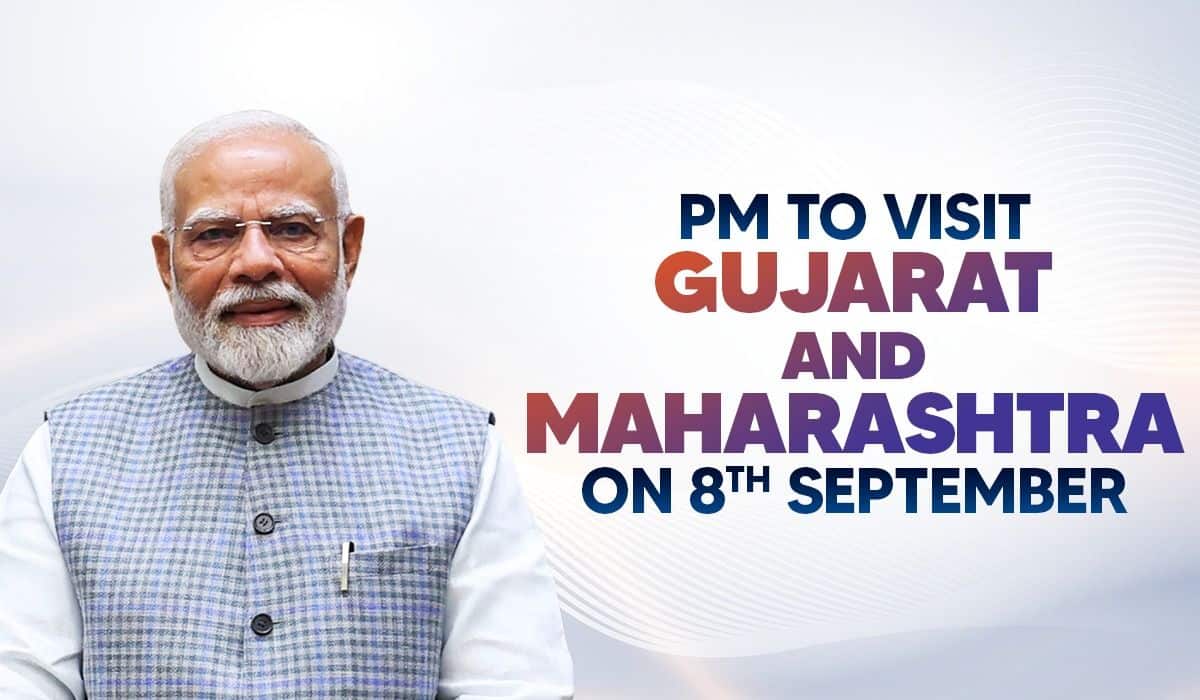
PM to Visit Gujarat and Maharashtra on 8th September
September 07, 2026
PM to Lay Foundation Stones, Inaugurate and Dedicate to the Nation Development Projects Worth More Than ₹35,000 Crore in Vadodara
PM to Dedicate Three Key Sections of Western Dedicated Freight Corridor to the Nation, Marking Completion of the Project
PM to Lay Foundation Stone for three Railway Projects and three Highway Projects
PM to Inaugurate Global Fintech Fest 2026 in Mumbai
Theme of GFF 2026: “Potential to Impact: Agentic AI, Tokenisation, Quantum - Trusted, Connected, Global Systems for Inclusive Finance”

Prime Minister Shri Narendra Modi will visit Gujarat and Maharashtra on 8th September 2026. At around 12 noon, Prime Minister will lay the foundation stones, inaugurate and dedicate to the nation various development projects worth more than ₹35,000 crore in Vadodara. He will also address the gathering on the occasion.

At around 5:45 PM, Prime Minister will inaugurate Global Fintech Fest (GFF) 2026 in Mumbai and address the gathering as well.

PM in Vadodara

Prime Minister will dedicate to the nation three important sections of the Western Dedicated Freight Corridor (WDFC), covering 326 route kilometres and developed at a cost of more than ₹20,700 crore. These include the New Sanand (N)- New Makarpura, New Umbergaon-New Saphale and New Saphale- New JNPT sections.

The direct connectivity of Jawaharlal Nehru Port Authority (JNPA) will facilitate faster movement of EXIM cargo, strengthen connectivity between industrial centres and ports, reduce logistics costs and help decongest Mumbai’s railway network.

With the commissioning of these sections, the Dedicated Freight Corridor (DFC) network will stand fully operational across its entire length. The dedicated freight infrastructure will further strengthen the country’s logistics ecosystem by improving multimodal connectivity, reducing transit time and facilitating seamless movement of cargo across different regions.

Prime Minister will also flag off freight train services from New Sanand (North), New Makarpura, New Umbergaon and New JNPT, Mumbai. In addition, he will flag off a new passenger train service between Tanda Road and Vadodara (Pratapnagar).

Prime Minister will dedicate to the nation the Jobat–Tanda Road new rail line, developed as part of the Chhota Udepur–Dhar project. The new rail line will connect remote and tribal areas of Alirajpur with the national rail network.

Prime Minister will lay the foundation stone for three railway projects spanning 329 kilometres and costing more than ₹9,700 crore. These include the Vadodara-Ratlam third and fourth lines, Miyagam Karjan-Choranda–Malsar gauge conversion and the Vishwamitri-Dabhoi doubling project. The projects will enhance passenger and freight capacity, ease congestion and strengthen connectivity between Gujarat and Madhya Pradesh.

Prime Minister will lay the foundation stone for three National Highway projects costing around ₹1,780 crore. These include six-laning of the Kamrej-Chalthan section of NH-48; construction of additional structures, including major bridges over the Tapi and Narmada, on the Vadodara-Surat section of NH-48; and grade-separated structures at Abhava, Mindhola and Khajod junctions on NH-53.

Prime Minister will also lay the foundation stone for and inaugurate various Government of Gujarat projects worth around ₹2,600 crore. Major projects for which the foundation stone will be laid include Vadodara Urban Development Authority Ring Road Phase II and a 110 MW floating solar project at Kadana Dam, construction of new office of Vadodara Municipal Corporation, among others. Projects to be inaugurated include housing projects under the Pradhan Mantri Awas Yojana (PMAY) and a water-supply project for 11 villages in eastern Vadodara, among others.

PM in Mumbai

Prime Minister will inaugurate Global Fintech Fest (GFF) 2026, one of the world’s largest and most influential annual fintech conferences.

The seventh edition of the Global Fintech Fest is being held from 8th to 11th September 2026 in Mumbai. Since 2020, GFF has emerged as an international thought leadership platform bringing together policymakers, regulators, central banks, financial institutions, fintechs, technology companies, investors, academia and other global stakeholders to deliberate on shaping the future of finance.

The theme of GFF 2026 is “Potential to Impact: Agentic AI, Tokenisation, Quantum - Trusted, Connected, Global Systems for Inclusive Finance.”

GFF 2026 has been designed as a convergence point for policy, regulation, technology, capital and industry on a common platform. It seeks to build on India’s leadership in digital payments and financial inclusion and move from potential to impact. The discussions will focus on how Agentic AI, programmable finance, quantum technologies and other critical and emerging technologies can create trusted, inclusive and measurable outcomes for citizens, enterprises and economies globally.