The Union Cabinet, chaired by the Prime Minister, Shri Narendra Modi has approved a Special Package worth Rs. 520 crore in the UTs of J&K and Ladakh for a period of five years till FY 2023-24 and ensure funding of DeendayalAntyodaya Yojana - National Rural Livelihoods Mission (DAY-NRLM) in the UTs of Jammu and Kashmir & Ladakh on a demand driven basis without linking allocation with poverty ratio during this extended period.

This will ensure sufficient funds under the Mission, as per need to the UTs and is also in line with Government of India's aim to universalize all centrally sponsored beneficiary-oriented schemes in the UTs of J&K and Ladakh in a time bound manner.

This is based on the outcomes of the evaluation pointing to potential of the Mission to improve the quality of life of rural households and women's empowerment and given the changed circumstances in the UTs of J&K and Ladakh.

DeendayalAntyodaya Yojana - National Rural Livelihoods Mission (DAY-NRLM) is a centrally sponsored programme that aims at eliminating rural poverty through promotion of multiple livelihoods for the rural poor households across the country. The launch of DAY-NRLM in June 2011 to address rural poverty marks a paradigm shift in poverty alleviation programmes.  DAY-NRLM seeks to reach out to all rural poor households, estimated at about 10 crore households, and impact their livelihoods through universal social mobilization by inter alia organizing one-woman member from each rural poor household into Self Help Groups (SHGs), their training and capacity building, facilitating their micro-livelihoods plans, and enabling them to implement their livelihoods plans through accessing financial resources from their own institutions and the banks.

The Mission involves working with the community institutions through community professionals in the spirit of self-help. This is the unique proposition of DAY-NRLM and that is how it is different from the previous poverty eradication programmes. The other distinguishing features of the programme is that it is implemented in a Mission mode by special purpose vehicles (autonomous state societies) with dedicated implementation support units at the national, state, district and block levels, using professional human resources in order to provide continuous and long-term handholding support to each rural poor family.

Background:

DAY-NRLM has been implemented in the erstwhile state of J&K by the Jammu and Kashmir State Rural Livelihoods Mission (JKSRLM) as "Umeed" programme. As per the current funds allocation procedure under DAY-NRLM based on inter-se poverty allocations among states, the share of J&K was less than 1% of the annual allocation under DAY-NRLM. In order to ensure sufficient funding support under the Mission for J&K and to ensure adequate coverage of the rural vulnerable population in the state, Gol had approved a Special Package under DAY-NRLM for the State of Jammu & Kashmir to cover all the rural vulnerable households in the State (estimated at two-thirds of the total number of rural households) within a definite time frame of five years from FY 2013-14 to FY 2017-18. The Cabinet also approved allocation of funds to the State under DAY-NRLM on a need basis for implementation of the Special Package without linking it with poverty ratio. Originally approved financial outlay for the proposal was of the order of Rs.755.32 crores (Central share 679.78 crores) for the five-year period.


Due to various reasons and the disturbed conditions in the State, the Special Package as approved in May 2013, and subsequently extended by a year to up to 2018-19, could not be fully implemented. A detailed third-party evaluation of the achievements of the programme in J&K and assessment of the preparedness of the State Mission to implement the special package further was conducted by Institute of Rural Management (IRMA), Anand, Gujarat in 2019. The evaluation has brought out many good outcomes of implementation of the DAY-NRLM in the erstwhile state. These included increase in income levels, improved assets base, creating new/multiple livelihoods opportunities for women, higher savings, higher investments for productive purposes, productive utilization of loans etc. In addition, it has had a positive impact on resolving community level issues, increased transparency in beneficiary selection, social harmony and mutual help. A large cadre of community resource persons and social capital in the form of SHGs members and officer bearers has also been created. 

Explore More
ਸ੍ਰੀ ਰਾਮ ਜਨਮ-ਭੂਮੀ ਮੰਦਿਰ ਧਵਜਾਰੋਹਣ ਉਤਸਵ ਦੌਰਾਨ ਪ੍ਰਧਾਨ ਮੰਤਰੀ ਦੇ ਭਾਸ਼ਣ ਦਾ ਪੰਜਾਬੀ ਅਨੁਵਾਦ

Popular Speeches

ਸ੍ਰੀ ਰਾਮ ਜਨਮ-ਭੂਮੀ ਮੰਦਿਰ ਧਵਜਾਰੋਹਣ ਉਤਸਵ ਦੌਰਾਨ ਪ੍ਰਧਾਨ ਮੰਤਰੀ ਦੇ ਭਾਸ਼ਣ ਦਾ ਪੰਜਾਬੀ ਅਨੁਵਾਦ
Emerging cities see 42% growth in GCC jobs, outpacing metros: Report

Media Coverage

Emerging cities see 42% growth in GCC jobs, outpacing metros: Report
NM on the go

Nm on the go

Always be the first to hear from the PM. Get the App Now!
...
PM Modi chairs 51st PRAGATI Meeting
May 27, 2026
PM reviews seven critical infrastructure projects across the Railways, Power and Road sectors
Projects reviewed span across 9 States with cumulative investment of around ₹30,000 crore
PM also reviews Ken Betwa Link Project and Swachh Bharat Mission-Urban 2.0
PM says Ken-Betwa River Inter-linking Project should serve as a model for other States to resolve inter-State water issues amicably
PM asks States to expedite the completion of solid waste management-related infrastructure, including waste processing plants and GOBARdhan plants
PM calls for mission-mode rooftop solar coverage in urban areas
Acting upon the advice of PM, system of monthly review of social sector schemes at State level operationalised, starting with review of Swachh Bharat Mission

Prime Minister Shri Narendra Modi chaired the 51st meeting of PRAGATI, the ICT-enabled, multi-modal platform aimed at fostering Pro-Active Governance and Timely Implementation, by seamlessly integrating efforts of the Central and State governments, at Seva Teerth, earlier today.

During the meeting, the Prime Minister reviewed seven critical infrastructure projects across the Railways, Power and Road sectors covering nine States worth around ₹30,000 crore. These projects, pivotal to economic growth and public welfare, were reviewed with a focus on timelines, inter-agency coordination, and timely issue resolution. Prime Minister also reviewed Ken Betwa Link Project and Swachh Bharat Mission-Urban 2.0.

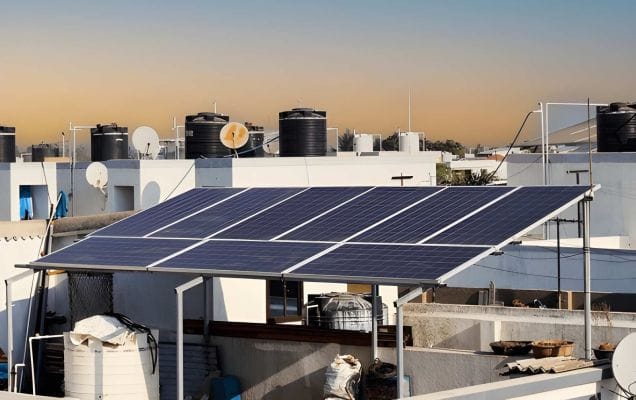
While reviewing power sector projects, Prime Minister emphasized the need to accelerate rooftop solar adoption across urban areas, with a special focus on cities, residential clusters and public institutions. He underlined that rooftop solar should be taken up in mission mode to reduce electricity costs, improve energy security and promote clean energy at the household and community level.

While reviewing road and port connectivity projects, it was emphasised that Vadhavan Port should be developed as a model of port-led, multi-modal development, where every major mode of transport is seamlessly integrated to create a future-ready logistics ecosystem. The project should not be seen merely as a port, but as a national gateway connected through coastal shipping, inland waterways, dedicated freight corridors, high-speed rail connectivity, highways and airport linkages.

Prime Minister emphasised the need for effective implementation of Swachh Bharat Mission 2.0 and underlined that the mission should move beyond infrastructure creation and ensure measurable outcomes through regular monitoring, citizen participation and convergence between various stakeholders. He asked States to expedite the completion of solid waste management-related infrastructure, including waste processing plants and GOBARdhan plants.

While reviewing Ken-Betwa River Inter-linking Project, Prime Minister observed that Ken-Betwa project should serve as a model for other States to resolve inter-State water issues through cooperation, timely clearances, technology-based monitoring and mission-mode execution. States were encouraged to identify similar opportunities where river-linking, water conservation, groundwater recharge and efficient irrigation can be taken up in an integrated manner to ensure long-term water security.

Prime Minister also underlined that the delay in the implementation of public projects leads not only to cost escalation but also deprives citizens of timely access to essential facilities and development benefits. He observed that every delay has a direct impact on people’s lives, regional growth and public resources. He stressed that Ministries, Departments and States must adopt a more proactive and time-bound approach to resolve pending issues, remove bottlenecks and ensure faster execution.

Prime Minister also emphasized that innovative use of canal networks should be explored, including installation of solar panels along canals and over canals for clean electricity generation. This would help optimize land use, reduce evaporation losses, generate renewable energy and create additional economic value from water infrastructure.

At the beginning of the meeting, the Cabinet Secretary informed that, in pursuance of the directions of the Prime Minister, a system of monthly review of social sector schemes at the State level has also been operationalised. This mechanism aims to ensure regular monitoring, faster resolution of implementation issues and greater accountability at the State and district levels. As part of this initiative, Swachh Bharat Mission has been taken up for review at the State level in the first instance.