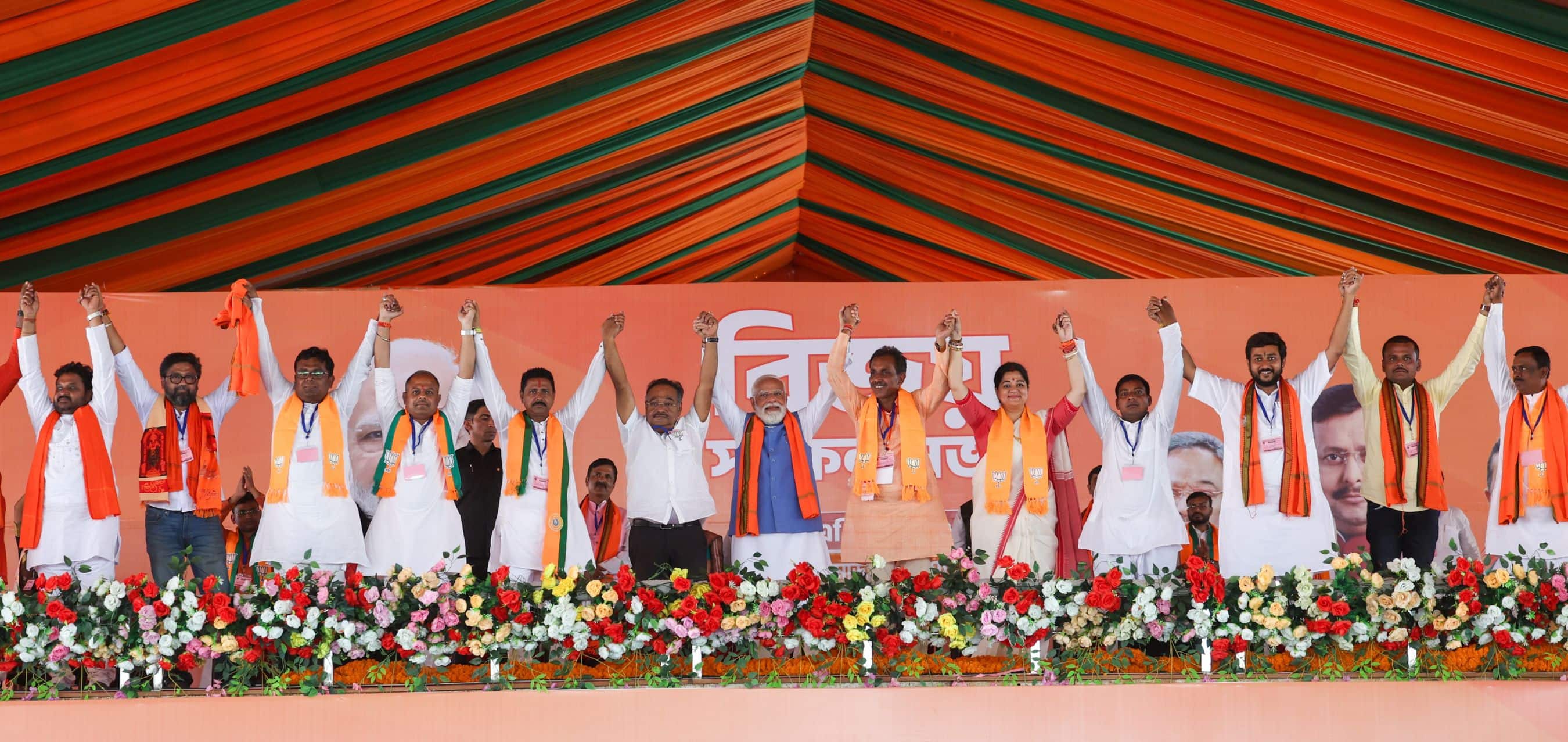


Tapping into the growing momentum in West Bengal, PM Modi addressed a massive public gathering in Purba Bardhaman, highlighting BJP’s vision for a fear-free, Viksit Bengal while launching a sharp attack on the TMC government over corruption, lawlessness and appeasement politics.
PM Modi asserted that the upcoming elections in West Bengal are a fight between “fear and trust.” He said that while TMC represents fear, corruption and syndicate raj, BJP stands for trust, transparency and rapid development.
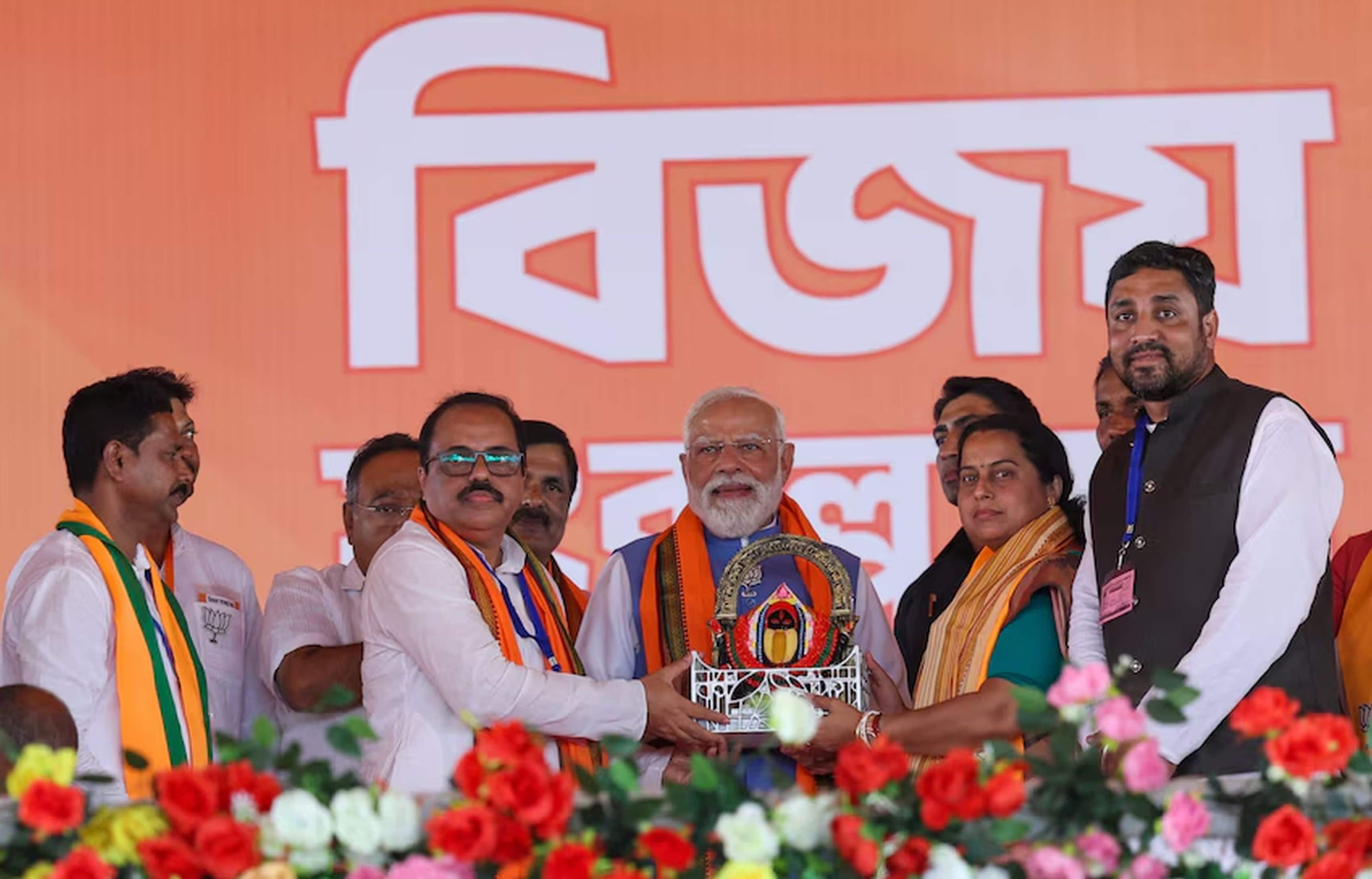
Highlighting BJP’s commitment to accountability, PM Modi announced that the party will bring a detailed white paper on corruption and law and order in the state. He assured that every corrupt leader, syndicate operator and those involved in political violence will be brought to justice.
He added that under BJP rule, syndicate culture will end and a transparent tendering system will be implemented to ensure fairness and efficiency.
Calling out the prevailing lawlessness, he said that incidents like illegal sand mining conflicts and blasts reflect the deep-rooted nexus under TMC rule. He stressed that the election is about ending this fear and building a Viksit Bengal based on BJP’s ‘bharosa’.
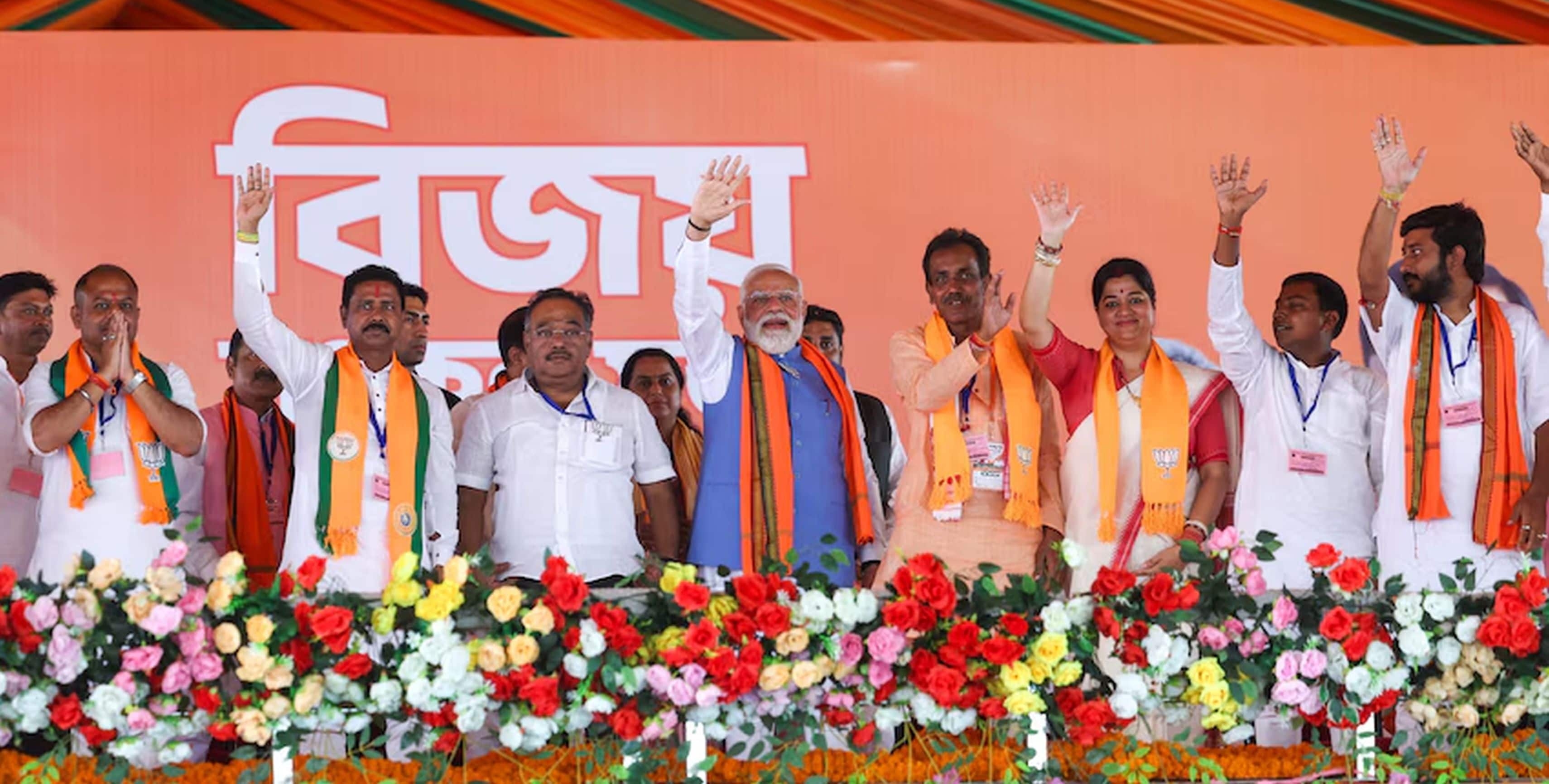
Highlighting BJP’s focus on farmers’ welfare, the PM said that West Bengal farmers will receive double benefits under a double-engine government. He further stated that BJP will promote agro-based industries such as potato processing and ensure MSP for paddy farmers. He repeated that the BJP will restore the glory of jute farming and support both farmers and jute mills.
PM Modi cautioned the people of Bengal against misinformation being spread by TMC. He said that seeing the growing support for BJP, TMC has gone into panic mode and is spreading lies about welfare schemes being discontinued.
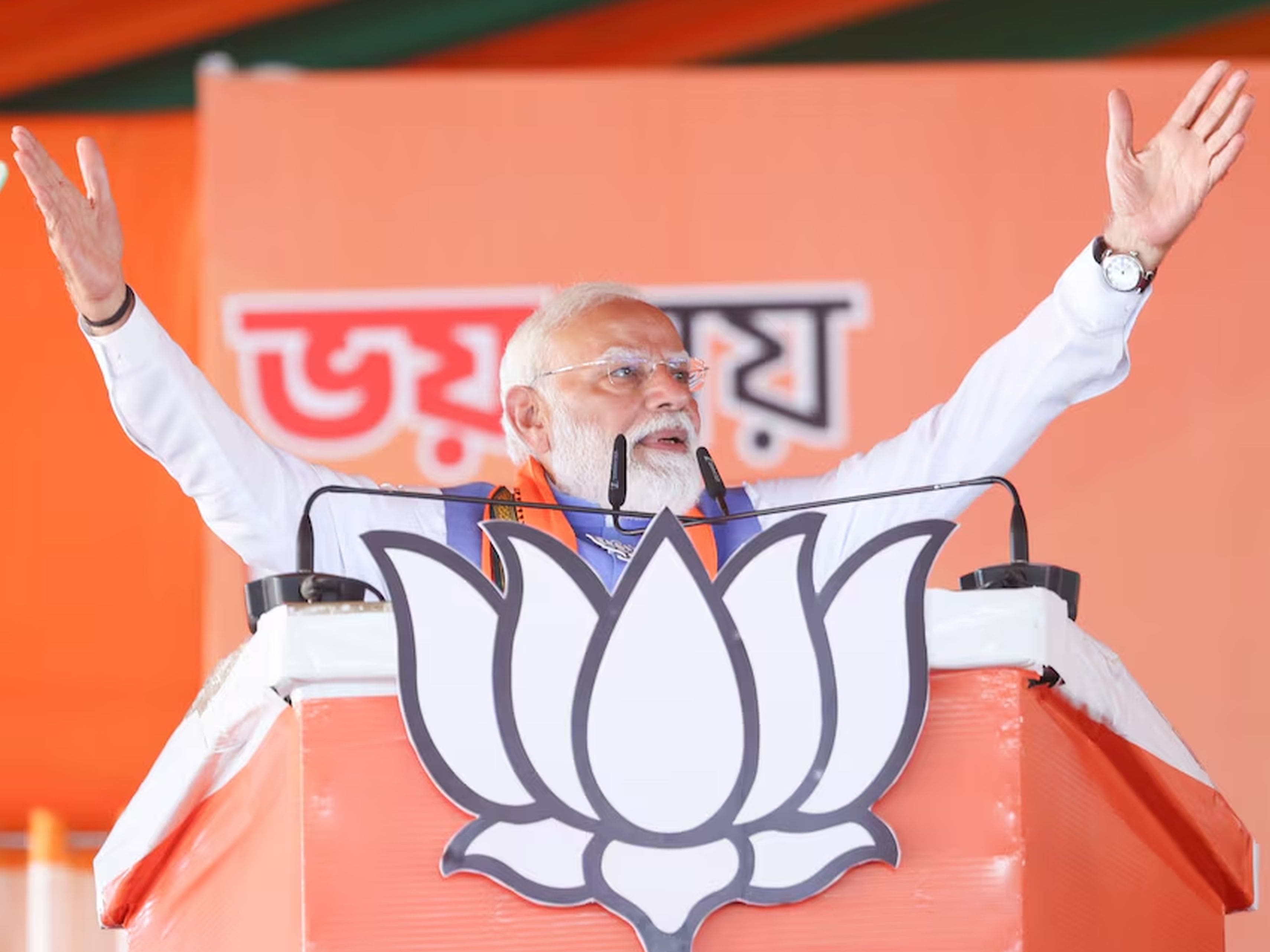
He reassured that the biggest guarantee of BJP is ensuring safety, dignity and freedom for women. Under the BJP rule, he said, women will be able to move freely without fear, marking a clear contrast with the current situation in the state.
Addressing refugee communities, PM Modi assured the Matua, Namasudra and other such families that they are protected under the Constitution of India and not by the mercy of any political party.
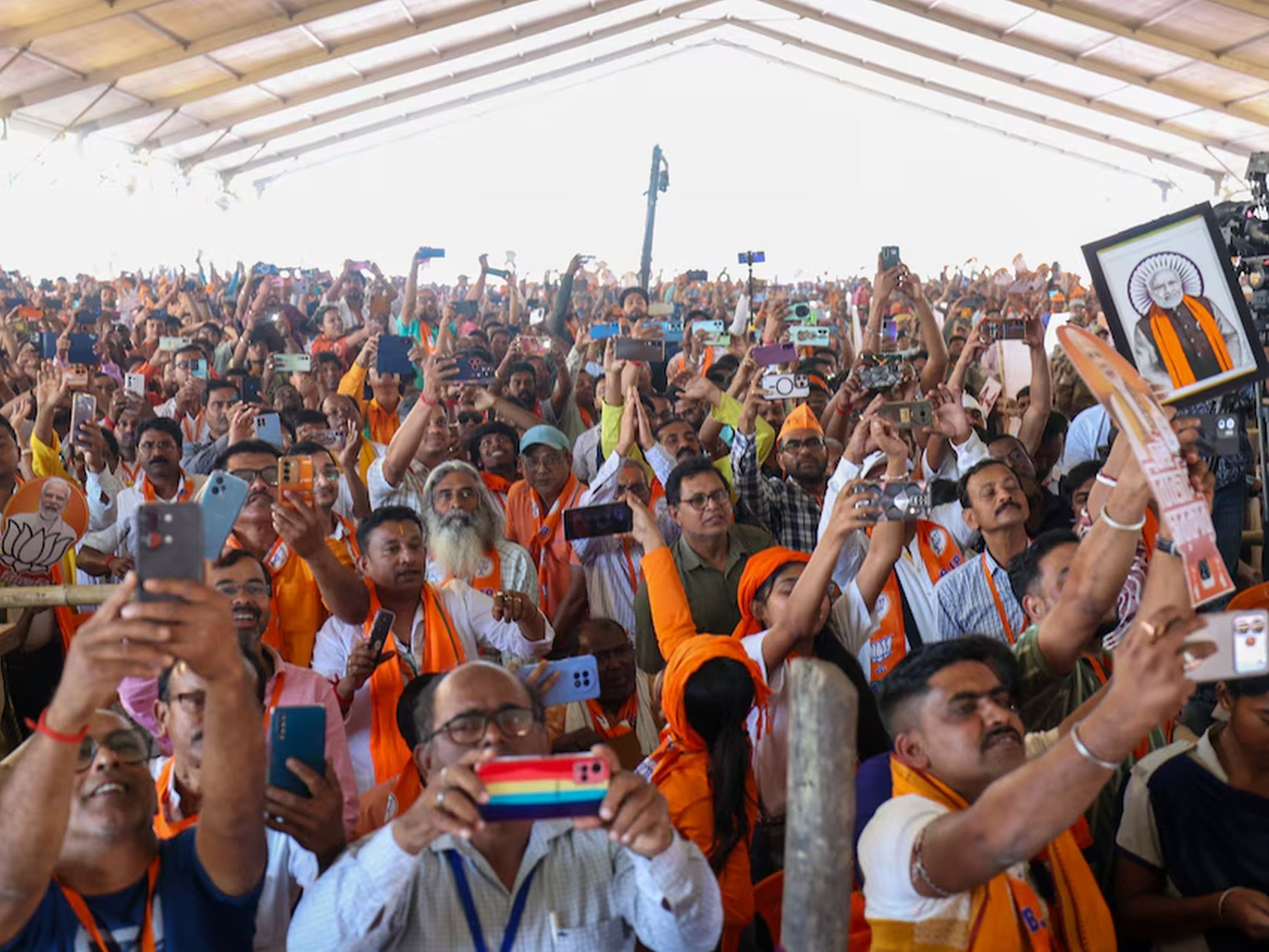
He highlighted that the CAA law was brought to grant citizenship rights to such communities and assured that the process will be expedited once BJP forms the government in West Bengal.
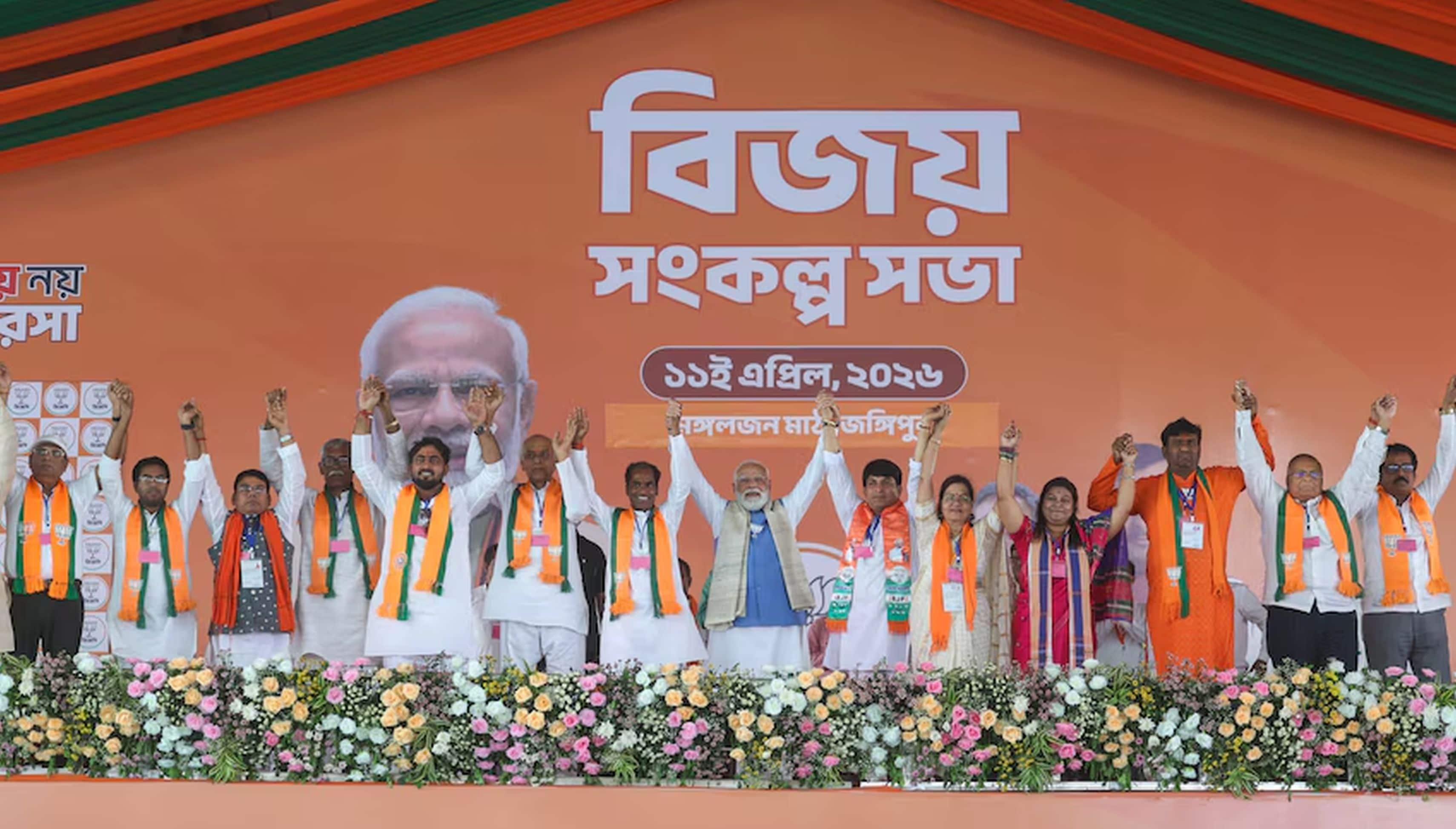
Issuing a strong warning on illegal infiltration, PM Modi said that infiltrators will be identified and removed, and strict action will be taken against those who facilitate them through fake documents and misuse of government schemes.
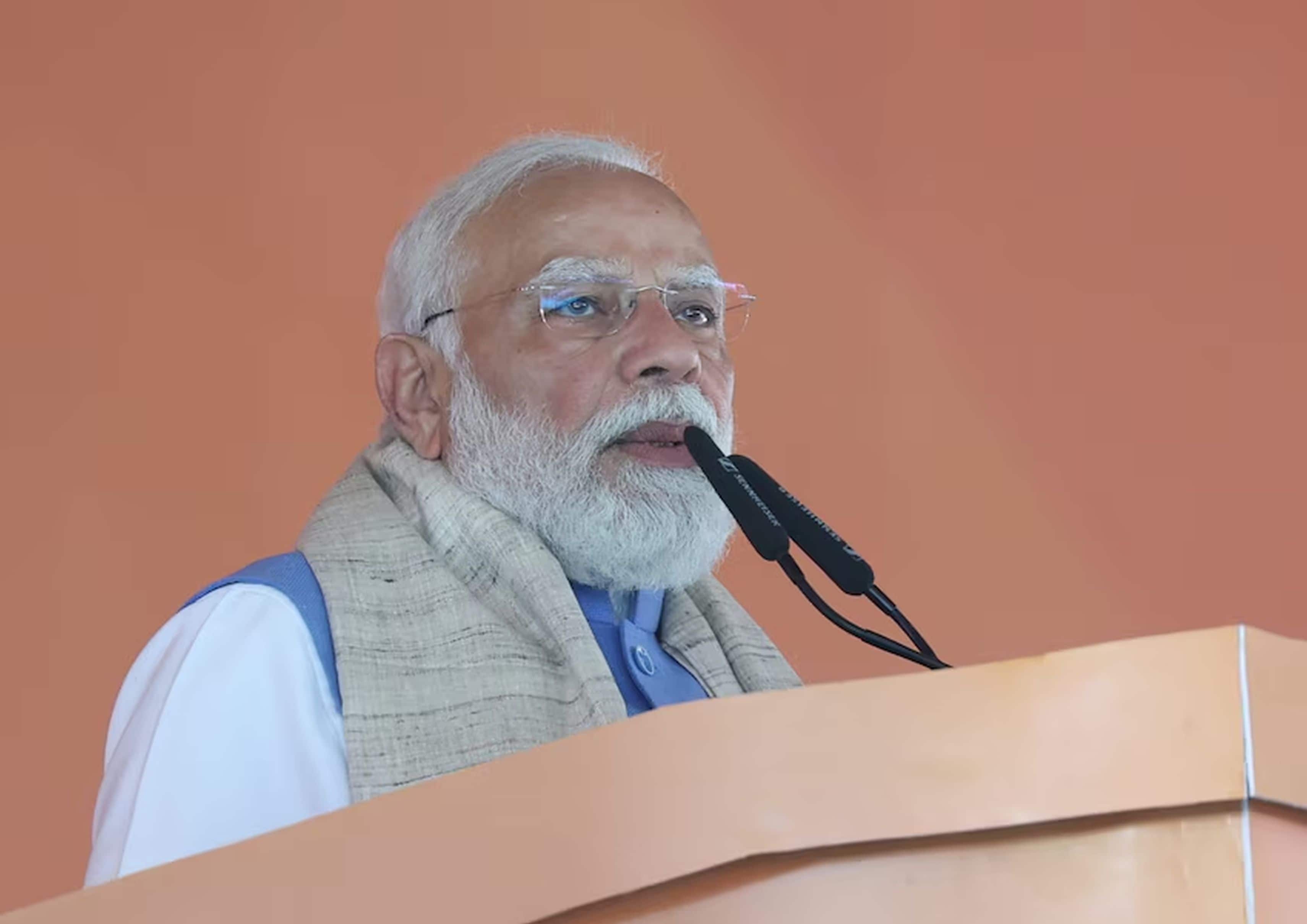
The second day of the rally in Jangipur, West Bengal saw an overwhelming crowd. PM Modi lauded BJP’s manifesto, outlining six key guarantees focused on ending syndicate raj, ensuring women’s empowerment, boosting education infrastructure, and delivering transparent governance. He also promised employment opportunities and benefits for government employees.
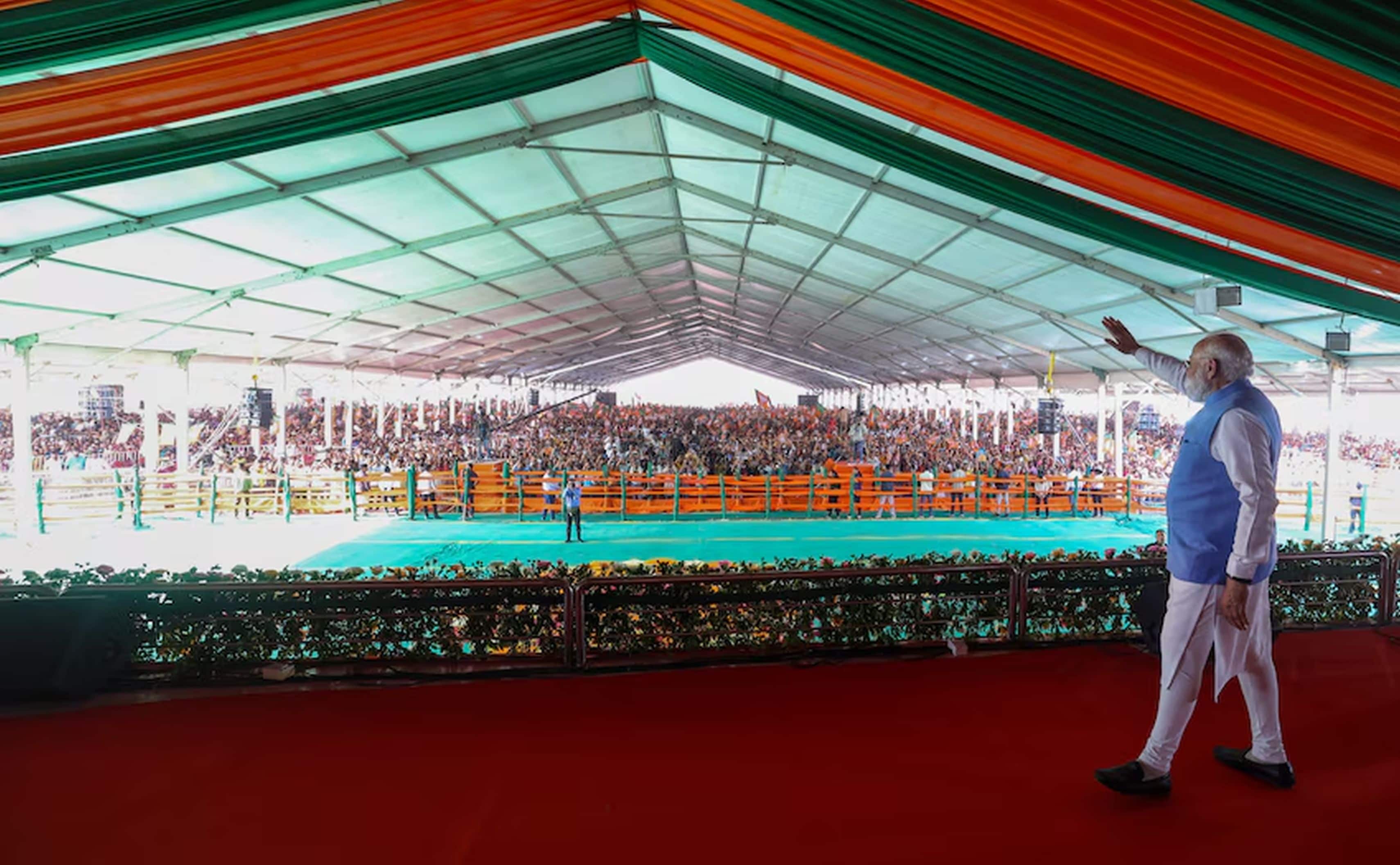
In the last rally of the day in Dakshin Dinajpur, West Bengal, PM Modi prioritised women’s safety, justice, and empowerment, outlining measures like fast-tracking cases, increasing women police recruitment, and financial support initiatives. He also highlighted challenges faced by youth including poor education infrastructure, unemployment, and recruitment scams, while guaranteeing reforms, job creation, and fair opportunities.
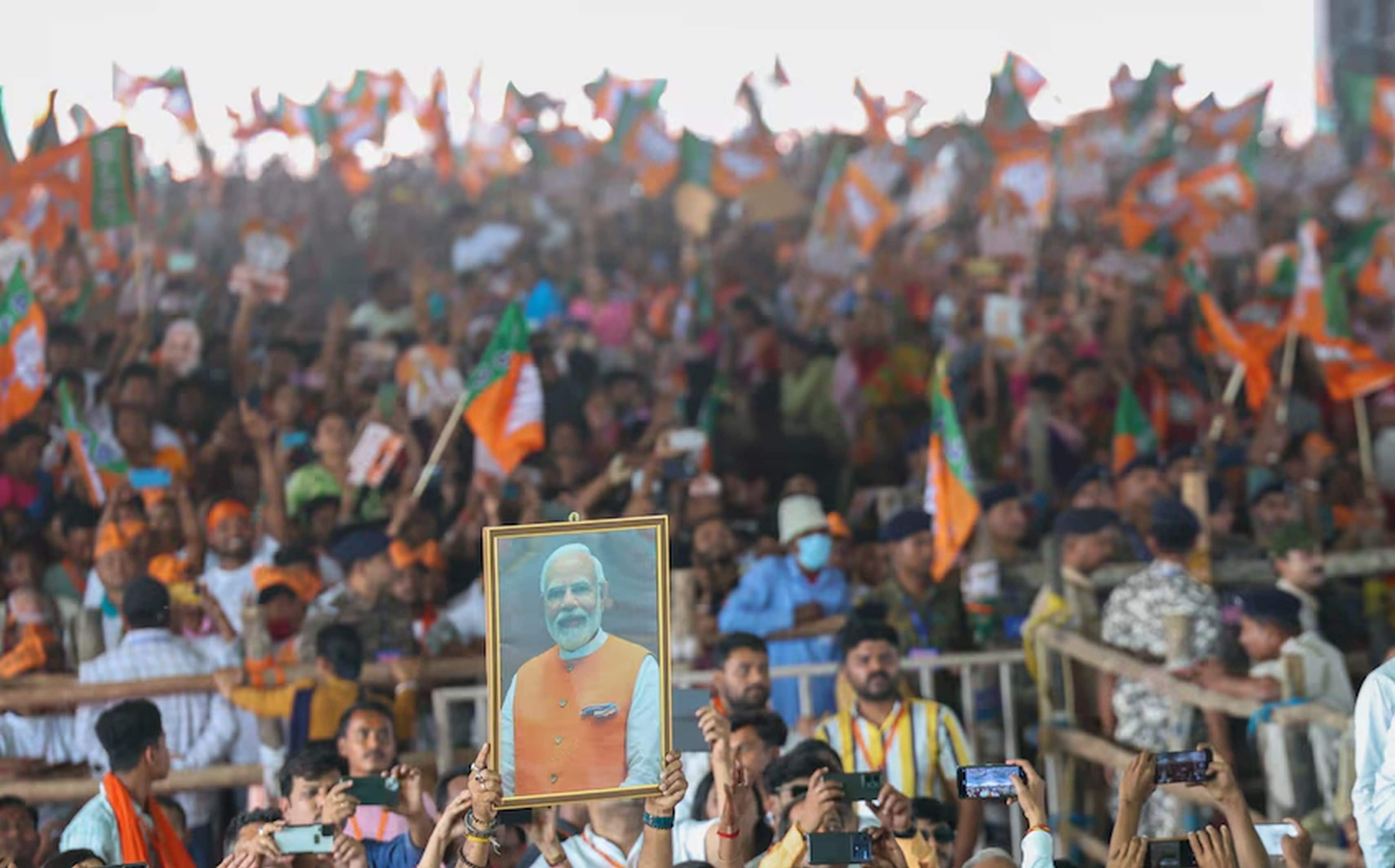
He concluded that while BJP believes in Sabka Saath, Sabka Vikas, in West Bengal it will also ensure that ‘hisaab’ (read: accountability) will also be fulfilled from those involved in exploitation and corruption.
Click here to read full text speech of Purba Bardhaman
Click here to read full text speech of Jangipur
Click here to read full text speech of Dakshin Dinajpur
मोदी की पहली गारंटी... TMC की निर्मम सरकार के भय-राज को... भय को हटाकर के... भरोसे में बदलने की है: PM @narendramodi in Purba Bardhaman, West Bengal
— narendramodi_in (@narendramodi_in) April 11, 2026
TMC के 15 साल के राज ने... बंगाल के हर नागरिक, हर परिवार को सिर्फ और सिर्फ भय दिया है। ये चुनाव इसी भय को मिटाने का है।
— narendramodi_in (@narendramodi_in) April 11, 2026
TMC के भय से मुक्त... और बीजेपी के भरोसे से युक्त बंगाल हमें बनाना है।
यही विकसित बंगाल की तरफ हमारा पहला कदम होगा: PM @narendramodi
हमारे मतुआ, नामशूद्र और सभी शरणार्थी परिवार...
— narendramodi_in (@narendramodi_in) April 11, 2026
ये यहां TMC के किसी नेता की कृपा से नहीं हैं।
आप यहां भारत के संविधान के संरक्षण में हैं: PM @narendramodi
मोदी ने CAA का कानून बनाया।
— narendramodi_in (@narendramodi_in) April 11, 2026
ताकि मतुआ, नामशूद्र और सभी शरणार्थियों को संविधान की गारंटी मिले।
यहां बीजेपी सरकार बनते ही... शरणार्थी परिवारजनों को CAA के तहत नागरिकता देने का काम और तेज़ किया जाएगा: PM @narendramodi
बीजेपी सरकार बंगाल को एक और बड़ी चुनौती से मुक्ति दिलाएगी।
— narendramodi_in (@narendramodi_in) April 11, 2026
जो भारत में घुसपैठ करके आया है... उसको भारत से खदेड़ा जाएगा: PM @narendramodi
मैं हर घुसपैठिए से कहूंगा...
— narendramodi_in (@narendramodi_in) April 11, 2026
वो अपना बोरिया-बिस्तर बांध ले।
और इतना ही नहीं... जिन्होंने घुसपैठ कराई, नकली कागज बनाए, यहां सरकारी योजनाओं से उनको जोड़ा... उन सबका भी हिसाब होगा: PM @narendramodi
सबका साथ-सबका विकास ये तो बीजेपी का मंत्र है ही...
— narendramodi_in (@narendramodi_in) April 11, 2026
लेकिन बंगाल में… सबका साथ- सबका विकास के साथ ही... लुटेरों-अत्याचारियों का पूरा हिसाब होगा: PM @narendramodi
भारतीय जनता पार्टी ने जो संकल्प लिया है... वो सिर्फ वादा नहीं है...
— narendramodi_in (@narendramodi_in) April 11, 2026
ये TMC के महाजंगलराज और syndicate raj के अंत का शंखनाद है...
अब बंगाल में डर का नहीं... अवसर का युग आएगा: PM @narendramodi
राष्ट्र की सुरक्षा हमारे लिए सर्वोपरि है।
— narendramodi_in (@narendramodi_in) April 11, 2026
भाजपा का संकल्प है...बंगाल में UCC लागू कर तुष्टीकरण की राजनीति को हमेशा के लिए खत्म किया जाएगा: PM @narendramodi
सत्ता में आते ही तृणमूल लेफ्ट की कार्बन कॉपी बन गई।
— narendramodi_in (@narendramodi_in) April 11, 2026
लेफ्ट के गुंडे तृणमूल में आ गए।
लेफ्ट का सिंडीकेट तृणमूल में आ गया।
पहले वोट के लिए लेफ्ट वाले धमकी देते थे... फिर वही गुंडे TMC को वोट देने के लिए धमकी देने लगे।
हथियार, नशे और मवेशियों की तस्करी... लेफ्ट का कट कमीशन...…
बंगाल की जनता ने तय किया है...
— narendramodi_in (@narendramodi_in) April 11, 2026
अब भय का अंत होगा, विश्वास का उदय होगा, अब तय है बंगाल की महाविजय: PM @narendramodi
TMC अब बंगाल में... घुसपैठियों द्वारा, घुसपैठियों के वोट से...घुसपैठियों की सरकार बनाना चाहती है: PM @narendramodi
— narendramodi_in (@narendramodi_in) April 11, 2026
बंगाल अब तुष्टीकरण और वोटबैंक के खेल को और बर्दाश्त नहीं करेगा।
— narendramodi_in (@narendramodi_in) April 11, 2026
हम पश्चिम बंगाल में बंगालियों को अल्पसंख्यक नहीं बनने देंगे: PM @narendramodi
TMC ने 15 साल में एक ही model develop किया है...
— narendramodi_in (@narendramodi_in) April 11, 2026
यहां सिंडिकेट ही सरकार है... सरकार ही सिंडिकेट है: PM @narendramodi
TMC, गवर्नेंस के नाम पर ज़ीरो है... इनको सिर्फ गुंडागर्दी और करप्शन करना आता है... इनको लोगों को डराना, बूथ लूटना आता है।
— narendramodi_in (@narendramodi_in) April 11, 2026
बंगाल में ये TMC वाले यही तो करते रहे हैं: PM @narendramodi
टीएमसी के नेताओं ने, मंत्रियों ने... फुटबॉल को भी सिंडिकेट के हवाले कर दिया।
— narendramodi_in (@narendramodi_in) April 11, 2026
कितनी शर्मनाक तस्वीरें पूरी दुनिया ने कोलकाता से TMC वालों के कारनामे देखे हैं।
ये महाजंगलराज की ही निशानी है: PM @narendramodi
TMC ट्राइबल समाज के अपमान का कोई मौका नहीं छोड़ती।
— narendramodi_in (@narendramodi_in) April 11, 2026
राष्ट्रपति द्रौपदी मूर्मू जी कुछ समय पहले बंगाल में संथाल समाज के एक कार्यक्रम में आई थीं।
लेकिन TMC ने न संविधान की मर्यादा रखी... और न ही, आदिवासी समाज का मान रखा: PM @narendramodi