Today, as India observes Ayushman Bharat Diwas, we are not merely marking the anniversary of a government scheme — we are celebrating a profound shift in the way healthcare is delivered, accessed, and experienced by millions across the country. What began as a bold vision to provide financial protection for health has matured into a global benchmark for digital-first, patient-centric public health models. The success of Ayushman Bharat owes much to the unwavering commitment and foresight of India’s top leadership. Under the direct guidance of the Prime Minister, and with strategic direction from NITI Aayog, the Ministry of Health and Family Welfare (MoHFW), and the National Health Authority (NHA), the scheme was born not just as a welfare initiative, but as a reimagined framework for health equity. These institutions continue to steer the mission forward, ensuring that Ayushman Bharat is not static but constantly evolving to meet real-world needs.

Technology as the Unseen Engine

At the core of Ayushman Bharat’s transformation is a powerful yet often unseen force — technology. Through the Ayushman Bharat Digital Mission (ABDM), healthcare in India is becoming portable, connected, and truly patient-centric. With digital Health IDs, electronic health records, and instant claim processing, patients no longer need to worry about paperwork or payment hassles. Their medical history travels with them, making care faster, smoother, and more informed.

Behind the scenes, Artificial Intelligence is doing the heavy lifting — detecting patterns, flagging irregularities, predicting health trends, and identifying gaps before they become problems. These smart tools are also crucial in tackling fraud. With real-time audits and billing surveillance, the system can quickly spot and act on suspicious activities. A strict policy of penalties and blacklisting helps maintain transparency and accountability.

All of this is made possible by a strong cloud infrastructure, which ensures seamless data sharing between states, hospitals, and doctors. Whether a patient is in rural Assam or urban Mumbai, they can now expect the same continuity of care. What was once a fragmented system is now evolving into a unified, reliable, and tech-enabled healthcare network.

Reimagining Hospital Networks with Smart Empanelment

One of Ayushman Bharat’s greatest strengths is its extensive and inclusive hospital network. Today, more than 29,000 hospitals — an equal mix of public and private — are empanelled under the scheme. Each has undergone rigorous quality checks and pricing audits to ensure they meet both medical standards and affordability benchmarks. This isn’t just about numbers — it’s about building a healthcare system that patients can trust.

At the heart of this system is a flexible pricing model that adapts to state-specific costs, ensuring hospitals are fairly reimbursed while keeping treatment free and cashless for patients. Beneficiaries now have access to 1,961 procedures across 27 specialties, from General Medicine and Surgery to Cardiology and Oncology — without worrying about the bill.

The role of the private sector in this journey has been equally significant. What started with hesitation has turned into active collaboration. Private hospitals, especially in rural and underserved areas, are seeing a steady influx of patients who were previously beyond reach. With assured payments and a streamlined claims process, trust in the system has grown. Importantly, even smaller private hospitals — not just the big corporate names — are thriving under the scheme, bringing balance and greater equity to India’s healthcare ecosystem.

Changing the Economics of Healthcare

Ayushman Bharat is transforming how healthcare economics work in India, particularly for the private sector. Traditionally focused on high margins per patient, many hospitals now see the value in a volume-driven model — treating more patients at lower costs through government-backed coverage. According to a recent study, a 100-bed private hospital operating under the AB PM-JAY scheme at the district level can become financially viable within four years, turning profitable thereafter​.

This shift is especially significant in Tier 2 and Tier 3 cities, where demand for healthcare is rising sharply. The scheme is not just expanding access to care, but also stimulating investment in regional health infrastructure, supporting job creation, and boosting local economies. Government support, like land subsidies, further accelerates breakeven timelines, making healthcare not only accessible but also a smart investment.

A Patient Experience Transformed

The true impact of Ayushman Bharat is best seen through the eyes of its beneficiaries. For millions, it has replaced fear with relief — offering cashless treatment that allows patients to focus on healing, not hospital bills. With the freedom to choose between public and private hospitals, people now access care with dignity and control, marking a major shift in how the poor experience healthcare.
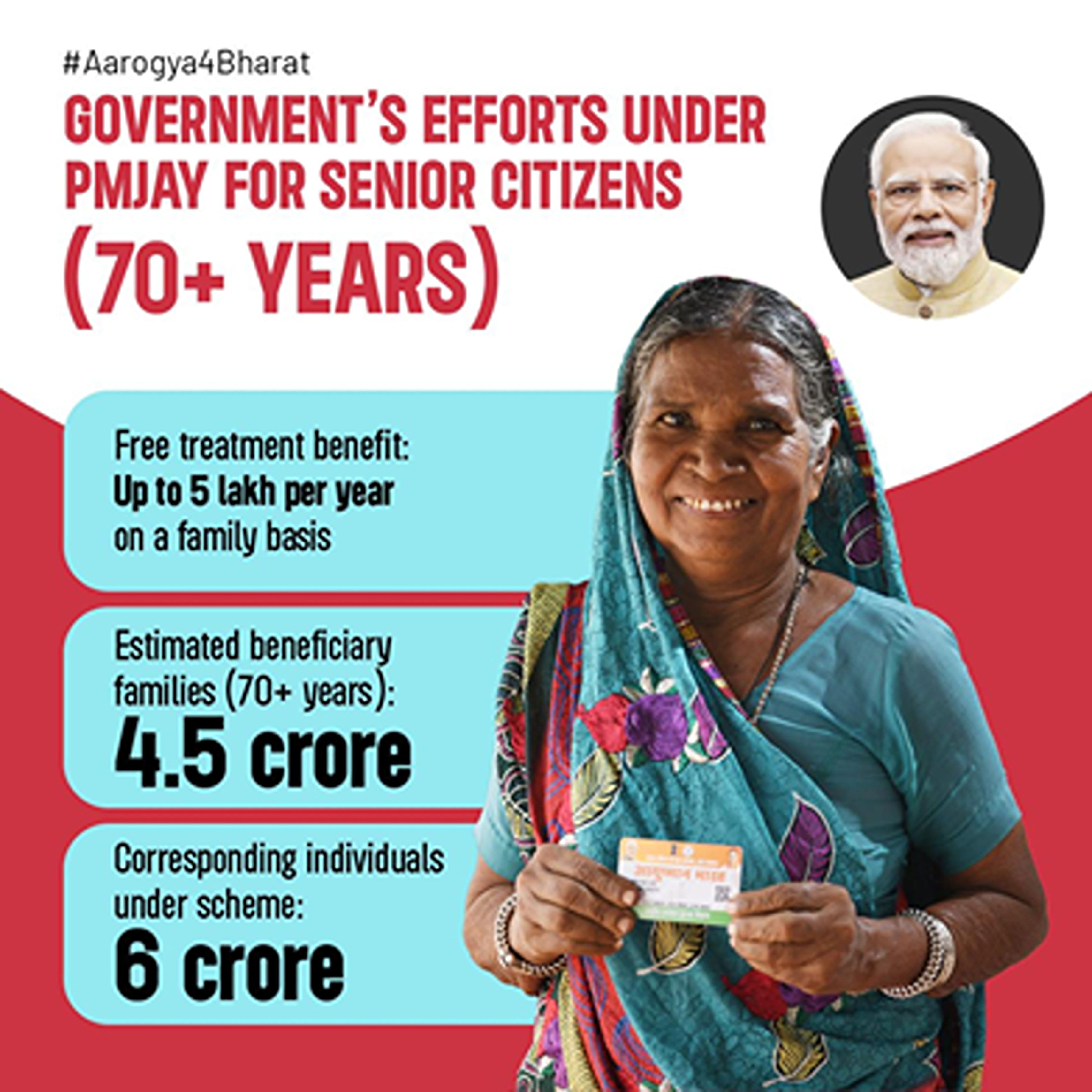
Ayushman Bharat has emerged as a global example of what’s possible when healthcare is designed with both scale and empathy. As the world’s largest public health assurance scheme, it has drawn the attention of countries across Africa, Southeast Asia, and Latin America, all looking to replicate its model for affordable, high-impact healthcare delivery.

Today, more Indians are covered under Ayushman Bharat than the entire population of the European Union, each entitled to ₹5 lakh of government-funded health insurance annually. Its digital-first, people-centric approach is setting new benchmarks — showing the world that large-scale public health systems can be not only efficient, but deeply humane.

Towards a Health-Sovereign India

As we look to the future, Ayushman Bharat is evolving beyond curative care. Through Health and Wellness Centres (HWCs), the focus is shifting to prevention, early screening, and lifestyle management. The integration of telemedicine, AI diagnostics, and indigenous healthcare innovations marks the next frontier — one that moves us closer to true health sovereignty, where every Indian has not just access to healthcare, but ownership over their well-being.

Ayushman Bharat Diwas is not just a commemoration — it is a celebration of India's will to ensure that quality healthcare is not a privilege of the few, but the right of all. As we move forward, the mission is clear: to build a healthcare system that is inclusive, intelligent, and above all, humane.

Explore More
ଶ୍ରୀରାମ ଜନ୍ମଭୂମି ମନ୍ଦିର ଧ୍ଵଜାରୋହଣ ସମାରୋହରେ ପ୍ରଧାନମନ୍ତ୍ରୀଙ୍କ ଅଭିଭାଷଣ

ଲୋକପ୍ରିୟ ଅଭିଭାଷଣ

ଶ୍ରୀରାମ ଜନ୍ମଭୂମି ମନ୍ଦିର ଧ୍ଵଜାରୋହଣ ସମାରୋହରେ ପ୍ରଧାନମନ୍ତ୍ରୀଙ୍କ ଅଭିଭାଷଣ
Why The SHANTI Bill Makes Modi Government’s Nuclear Energy Push Truly Futuristic

Media Coverage

Why The SHANTI Bill Makes Modi Government’s Nuclear Energy Push Truly Futuristic
NM on the go

Nm on the go

Always be the first to hear from the PM. Get the App Now!
...
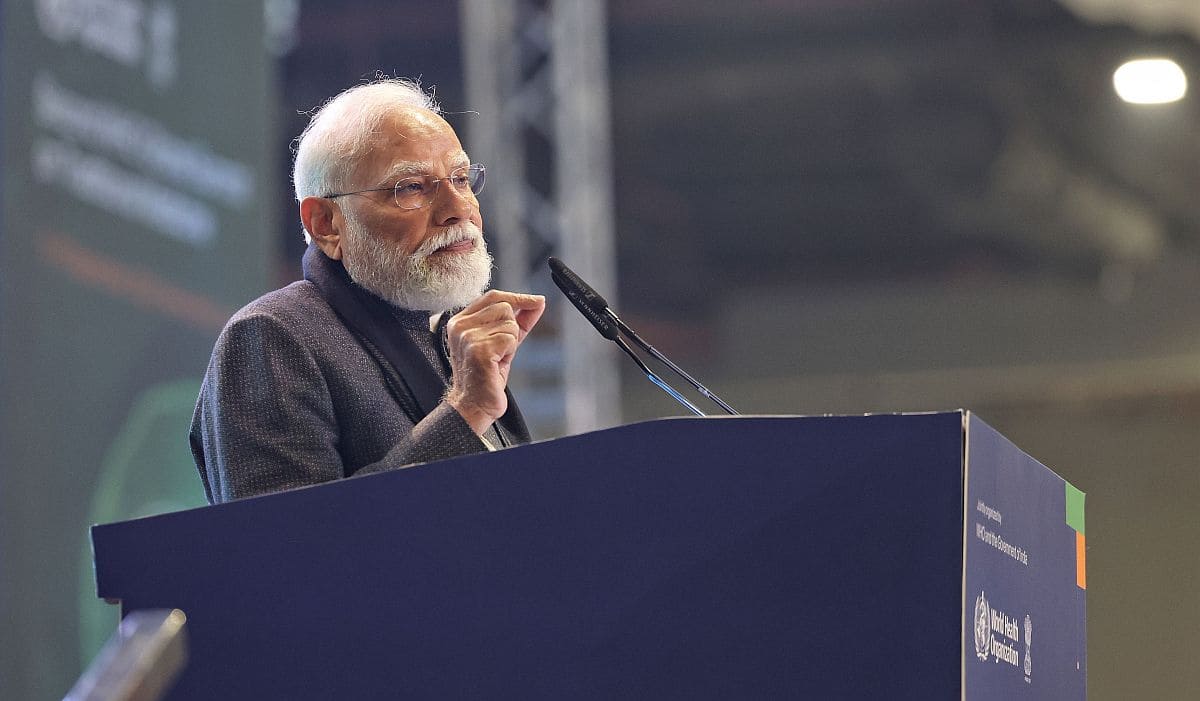
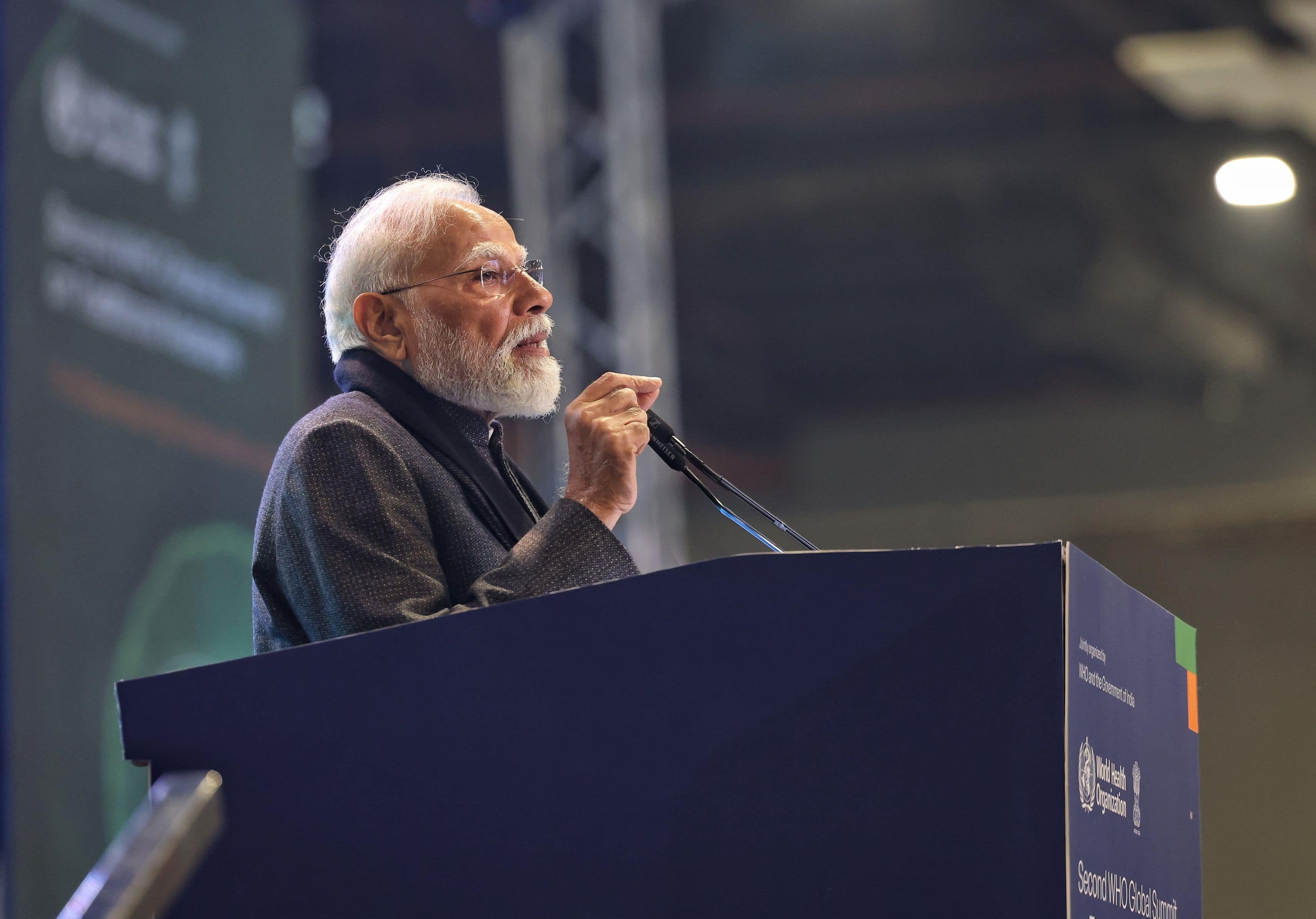
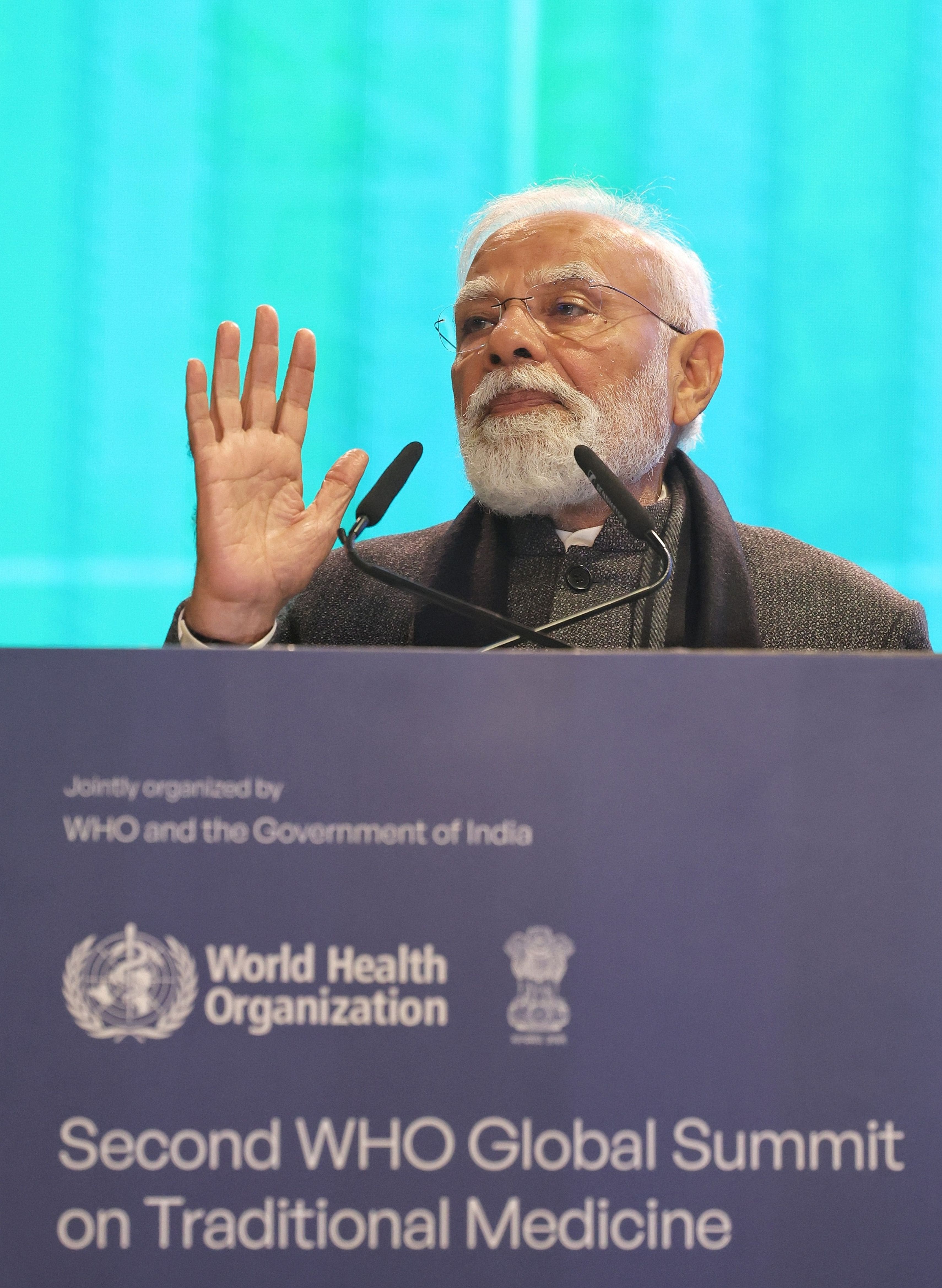
‘Restoring Balance’ is a global urgency: PM Modi highlights global health challenges at WHO Global Summit on Traditional Medicine
December 19, 2025
It is India’s privilege and a matter of pride that the WHO Global Centre for Traditional Medicine has been established in Jamnagar: PM
Yoga has guided humanity across the world towards a life of health, balance, and harmony: PM
Through India’s initiative and the support of over 175 nations, the UN proclaimed 21 June as International Yoga Day; over the years, yoga has spread worldwide, touching lives across the globe: PM
The inauguration of the WHO South-East Asia Regional Office in Delhi marks another milestone. This global hub will advance research, strengthen regulation & foster capacity building: PM
Ayurveda teaches that balance is the very essence of health, only when the body sustains this equilibrium can one be considered truly healthy: PM
Restoring balance is no longer just a global cause-it is a global urgency, demanding accelerated action and resolute commitment: PM
The growing ease of resources and facilities without physical exertion is giving rise to unexpected challenges for human health: PM
Traditional healthcare must look beyond immediate needs, it is our collective responsibility to prepare for the future as well: PM

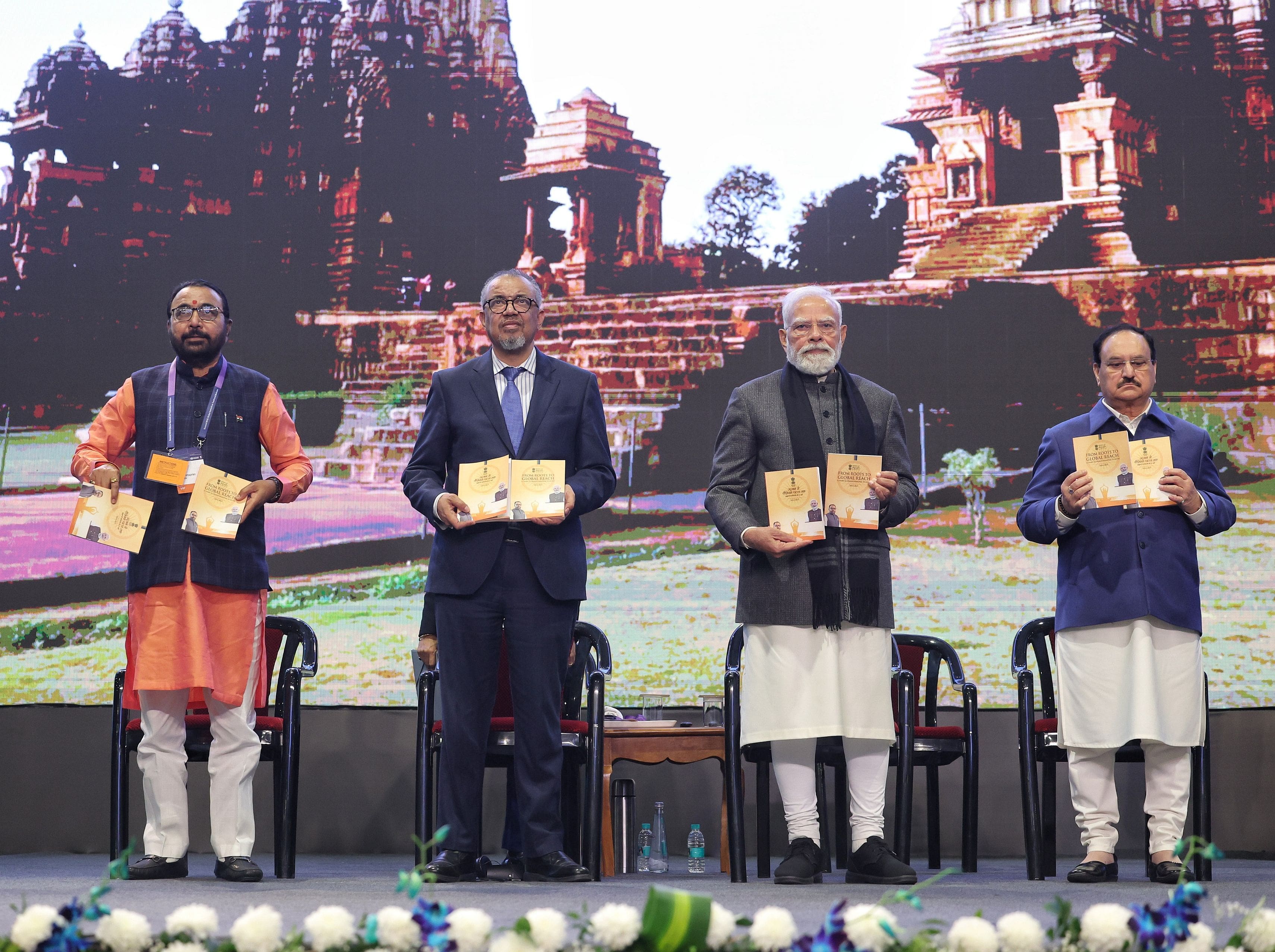
WHO के डायरेक्टर जनरल हमारे तुलसी भाई, डॉक्टर टेड्रोस़, केंद्रीय स्वास्थ्य में मेरे साथी मंत्री जे.पी. नड्डा जी, आयुष राज्य मंत्री प्रतापराव जाधव जी, इस आयोजन से जुड़े अन्य देशों के सभी मंत्रीगण, विभिन्न देशों के राजदूत, सभी सम्मानित प्रतिनिधि, Traditional Medicine क्षेत्र में काम करने वाले सभी महानुभाव, देवियों और सज्जनों !

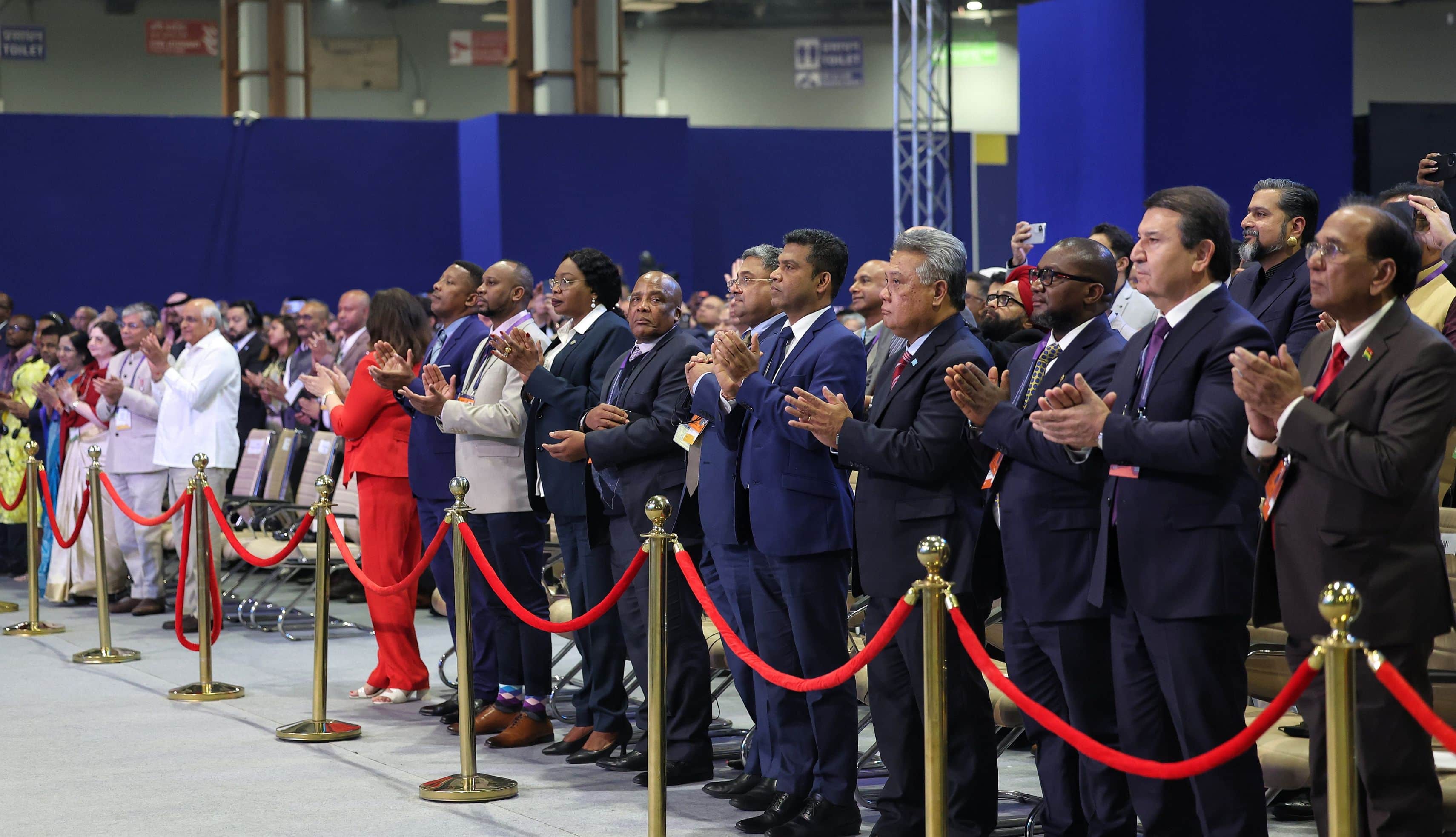
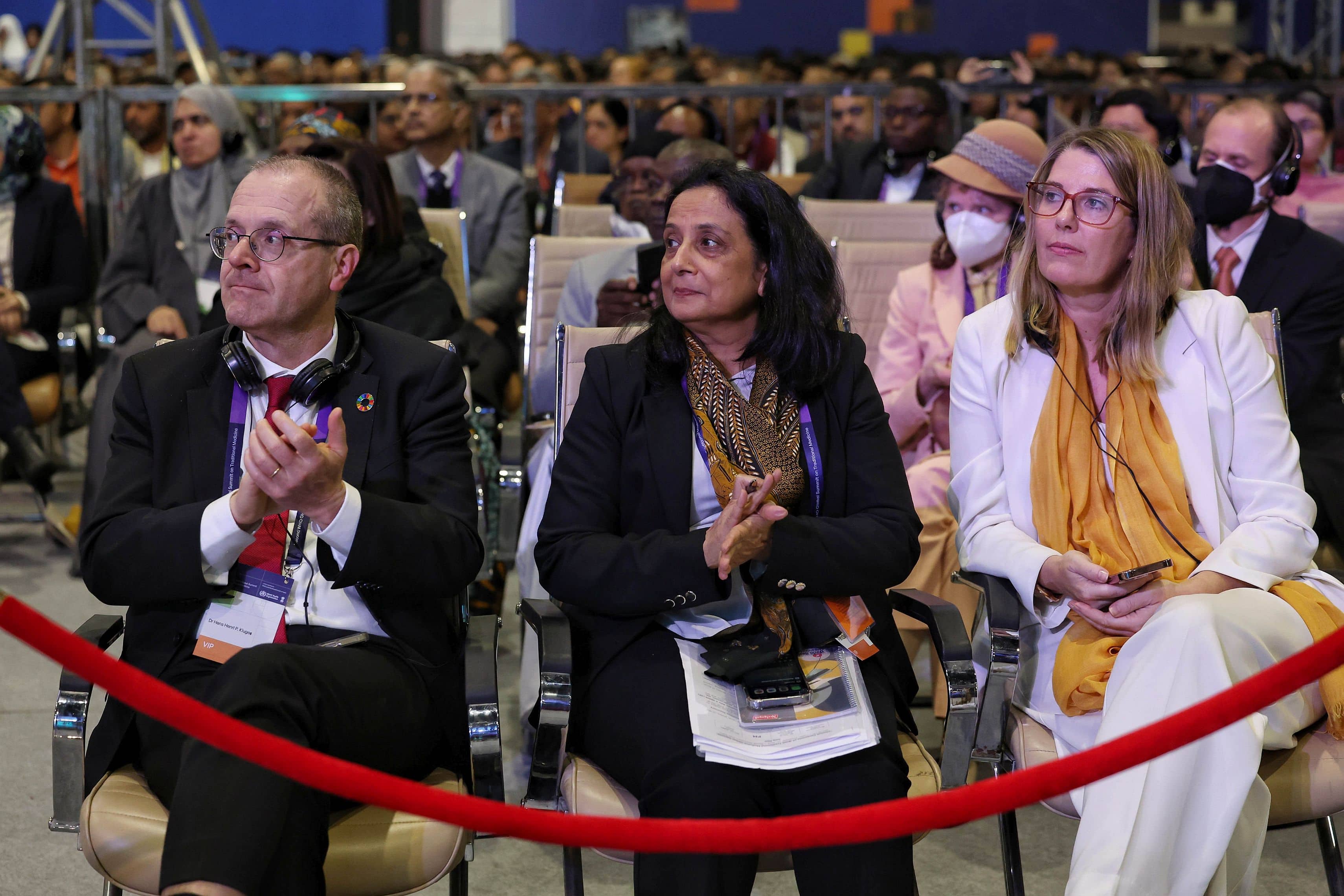
आज दूसरी WHO Global Summit on Traditional Medicine का समापन दिन है। पिछले तीन दिनों में यहां पारंपरिक चिकित्सा के क्षेत्र से जुड़े दुनिया भर के एक्सपर्ट्स ने गंभीर और सार्थक चर्चा की है। मुझे खुशी है कि भारत इसके लिए एक मजबूत प्लेटफार्म का काम कर रहा है। और इसमें WHO की भी सक्रिय भूमिका रही है। मैं इस सफल आयोजन के लिए WHO का, भारत सरकार के आयुष मंत्रालय का और यहां उपस्थित सभी प्रतिभागियों का हृदय से आभार व्यक्त करता हूं।

साथियों,

ये हमारा सौभाग्य है और भारत के लिए गौरव की बात है कि WHO Global Centre for Traditional Medicine भारत के जामनगर में स्थापित हुआ है। 2022 में Traditional Medicine की पहली समिट में विश्व ने बड़े भरोसे के साथ हमें ये दायित्व सौंपा था। हम सभी के लिए खुशी की बात है कि इस ग्लोबल सेंटर का यश और प्रभाव locally से लेकर के globally expand कर रहा है। इस समिट की सफलता इसका सबसे बड़ा उदाहरण है। इस समिट में Traditional knowledge और modern practices का कॉन्फ्लूएंस हो रहा है। यहां कई नए initiatives भी शुरू हुए हैं, जो medical science और holistic health के future को transform कर सकते हैं। समिट में विभिन्न देशों के स्वास्थ्य मंत्रियों और प्रतिनिधियों के बीच विस्तार से संवाद भी हुआ है। इस संवाद ने ज्वाइंट रिसर्च को बढ़ावा देने, नियमों को सरल बनाने और ट्रेनिंग और नॉलेज शेयरिंग के लिए नए रास्ते खोले हैं। ये सहयोग आगे चलकर Traditional Medicine को अधिक सुरक्षित, अधिक भरोसेमंद बनाने में महत्वपूर्ण भूमिका निभाएगा।

साथियों,

इस समिट में कई अहम विषयों पर सहमति बनना हमारी मजबूत साझेदारी का प्रतिबिंब है। रिसर्च को मजबूत करना, Traditional Medicine के क्षेत्र में डिजिटल टेक्नोलॉजी का उपयोग बढ़ाना, ऐसे रेगुलेटरी फ्रेमवर्क तैयार करना जिन पर पूरी दुनिया भरोसा कर सके। ऐसे मुद्दे Traditional Medicine को बहुत सशक्त करेंगे। यहां आयोजित Expo में डिजिटल हेल्थ टेक्नोलॉजी, AI आधारित टूल्स, रिसर्च इनोवेशन, और आधुनिक वेलनेस इंफ्रास्ट्रक्चर, इन सबके जरिए हमें ट्रेडिशन और टेक्नोलॉजी का एक नया collaboration भी देखने को मिला है। जब ये साथ आती हैं, तो ग्लोबल हेल्थ को अधिक प्रभावी बनाने की क्षमता और बढ़ जाती है। इसलिए, इस समिट की सफलता ग्लोबल दृष्टि से बहुत ही अहम है।

साथियों,

पारंपरिक चिकित्सा प्रणाली का एक अहम हिस्सा योग भी है। योग ने पूरी दुनिया को स्वास्थ्य, संतुलन और सामंजस्य का रास्ता दिखाया है। भारत के प्रयासों और 175 से ज्यादा देशों के सहयोग से संयुक्त राष्ट्र द्वारा 21 जून को योग दिवस घोषित किया गया था। बीते वर्षों में हमने योग को दुनिया के कोने-कोने तक पहुंचते देखा है। मैं योग के प्रचार और विकास में महत्वपूर्ण योगदान देने वाले हर व्यक्ति की सराहना करता हूं। आज ऐसे कुछ चुनींदा महानुभावों को पीएम पुरस्कार दिया गया है। प्रतिष्ठित जूरी सदस्यों ने एक गहन चयन प्रक्रिया के माध्यम से इन पुरस्कार विजेताओं का चयन किया है। ये सभी विजेता योग के प्रति समर्पण, अनुशासन और आजीवन प्रतिबद्धता के प्रतीक हैं। उनका जीवन हर किसी के लिए प्रेरणा है। मैं सभी सम्मानित विजेताओं को हार्दिक बधाई देता हूं, अपनी शुभकामनाएं देता हूं।

साथियों,

मुझे ये जानकर भी अच्छा लगा कि इस समिट के आउटकम को स्थायी रूप देने के लिए एक महत्वपूर्ण कदम उठाया गया हैं। Traditional Medicine Global Library के रूप में एक ऐसा ग्लोबल प्लेटफॉर्म शुरू किया गया है, जो ट्रेडिशनल मेडिसिन से जुड़े वैज्ञानिक डेटा और पॉलिसी डॉक्यूमेंट्स को एक जगह सुरक्षित करेगा। इससे उपयोगी जानकारी हर देश तक समान रूप से पहुंचने का रास्ता आसान होगा। इस Library की घोषणा भारत की G20 Presidency के दौरान पहली WHO Global Summit में की गई थी। आज ये संकल्प साकार हो गया है।

साथियों,

यहां अलग-अलग देशों के स्वास्थ्य मंत्रियों ने ग्लोबल पार्टनरशिप का एक बेहतरीन उदाहरण प्रस्तुत किया है। एक साझेदार के रूप में आपने Standards, safety, investment जैसे मुद्दों पर चर्चा की है। इस संवाद से जो Delhi Declaration इसका रास्ता बना है, वो आने वाले वर्षों के लिए एक साझा रोडमैप की तरह काम करेगा। मैं इस joint effort के लिए विभिन्न देशों के माननीय मंत्रियों की सराहना करता हूं, उनके सहयोग के लिए मैं आभार जताता हूं।

साथियों,

आज दिल्ली में WHO के South-East Asia Regional Office का उद्घाटन भी किया गया है। ये भारत की तरफ से एक विनम्र उपहार है। ये एक ऐसा ग्लोबल हब है, जहां से रिसर्च, रेगुलेशन और कैपेसिटी बिल्डिंग को बढ़ावा मिलेगा।

साथियों,

भारत दुनिया भर में partnerships of healing पर भी जोर दे रहा है। मैं आपके साथ दो महत्वपूर्ण सहयोग साझा करना चाहता हूं। पहला, हम बिमस्टेक देशों, यानी दक्षिण और दक्षिण-पूर्व एशिया में हमारे पड़ोसी देशों के लिए एक Centre of Excellence स्थापित कर रहे हैं। दूसरा, हमने जापान के साथ एक collaboration शुरू किया है। ये विज्ञान, पारंपरिक पद्धितियों और स्वास्थ्य को एक साथ जोड़ने का प्रयास है।

साथियों,

इस बार इस समिट की थीम है- ‘Restoring Balance: The Science and Practice of Health and Well-being’, Restoring Balance, ये holistic health का फाउंडेशनल थॉट रहा है। आप सब एक्स्पर्ट्स अच्छी तरह जानते हैं, आयुर्वेद में बैलेन्स, अर्थात् संतुलन को स्वास्थ्य का पर्याय कहा गया है। जिसके शरीर में ये बैलेन्स बना रहता है, वही स्वस्थ है, वही हेल्दी है। आजकल हम देख रहे हैं, डायबिटीज़, हार्ट अटैक, डिप्रेशन से लेकर कैंसर तक अधिकांश बीमारियों के background में lifestyle और imbalances एक प्रमुख कारण नजर आ रहा है। Work-life imbalance, Diet imbalance, Sleep imbalance, Gut Microbiome Imbalance, Calorie imbalance, Emotional Imbalance, आज कितने ही global health challenges, इन्हीं imbalances से पैदा हो रहे हैं। स्टडीज़ भी यही प्रूव कर रही हैं, डेटा भी यही बता रहा है कि आप सब हेल्थ एक्स्पर्ट्स कहीं बेहतर इन बातों को समझते हैं। लेकिन, मैं इस बात पर जरूर ज़ोर दूँगा कि ‘Restoring Balance, आज ये केवल एक ग्लोबल कॉज़ ही नहीं है, बल्कि, ये एक ग्लोबल अर्जेंसी भी है। इसे एड्रैस करने के लिए हमें और तेज गति से कदम उठाने होंगे।

साथियों,

21वीं सदी के इस कालखंड में जीवन के संतुलन को बनाए रखने की चुनौती और भी बड़ी होने वाली है। टेक्नोलॉजी के नए युग की दस्तक AI और Robotics के रूप में ह्यूमन हिस्ट्री का सबसे बड़ा बदलाव आने वाले वर्षों में जिंदगी जीने के हमारे तरीके, अभूतपूर्व तरीके से बदलने वाले हैं। इसलिए हमें ये भी ध्यान रखना होगा, जीवनशैली में अचानक से आ रहे इतने बड़े बदलाव शारीरिक श्रम के बिना संसाधनों और सुविधाओं की सहूलियत, इससे human bodies के लिए अप्रत्याशित चुनौतियां पैदा होने जा रही हैं। इसलिए, traditional healthcare में हमें केवल वर्तमान की जरूरतों पर ही फोकस नहीं करना है। हमारी साझा responsibility आने वाले future को लेकर के भी है।

साथियों,

जब पारंपरिक चिकित्सा की बात होती है, तो एक सवाल स्वाभाविक रूप से सामने आता है। ये सवाल सुरक्षा और प्रमाण से जुड़ा है। भारत आज इस दिशा में भी लगातार काम कर रहा है। यहां इस समिट में आप सभी ने अश्वगंधा का उदाहरण देखा है। सदियों से इसका उपयोग हमारी पारंपरिक चिकित्सा प्रणालियों में होता रहा है। COVID-19 के दौरान इसकी ग्लोबल डिमांड तेजी से बढ़ी और कई देशों में इसका उपयोग होने लगा। भारत अपनी रिसर्च और evidence-based validation के माध्यम से अश्वगंधा को प्रमाणिक रूप से आगे बढ़ा रहा है। इस समिट के दौरान भी अश्वगंधा पर एक विशेष ग्लोबल डिस्कशन का आयोजन किया गया। इसमें international experts ने इसकी सुरक्षा, गुणवत्ता और उपयोग पर गहराई से चर्चा की। भारत ऐसी time-tested herbs को global public health का हिस्सा बनाने के लिए पूरी तरह कमिटेड होकर काम कर रहा है।

साथियों,

ट्रेडिशनल मेडिसिन को लेकर एक धारणा थी कि इसकी भूमिका केवल वेलनेस या जीवन-शैली तक सीमित है। लेकिन आज ये धारणा तेजी से बदल रही है। क्रिटिकल सिचुएशन में भी ट्रेडिशनल मेडिसिन प्रभावी भूमिका निभा सकती है। इसी सोच के साथ भारत इस क्षेत्र में आगे बढ़ रहा है। मुझे ये बताते हुए खुशी हो रही है कि आयुष मंत्रालय और WHO-Traditional Medicine Center ने नई पहल की है। दोनों ने, भारत में integrative cancer care को मजबूत करने के लिए एक joint effort किया है। इसके तहत पारंपरिक चिकित्सा प्रणालियों को आधुनिक कैंसर उपचार के साथ जोड़ने का प्रयास होगा। इस पहल से evidence-based guidelines तैयार करने में भी मदद मिलेगी। भारत में कई अहम संस्थान स्वास्थ्य से जुड़े ऐसे ही गंभीर विषयों पर क्लिनिकल स्टडीज़ कर रहे हैं। इनमें अनीमिया, आर्थराइटिस और डायबिटीज़ जैसे विषय भी शामिल हैं। भारत में कई सारे स्टार्ट-अप्स भी इस क्षेत्र में आगे आए हैं। प्राचीन परंपरा के साथ युवाशक्ति जुड़ रही है। इन सभी प्रयासों से ट्रेडिशनल मेडिसिन एक नई ऊंचाई की तरफ बढ़ती दिख रही है।

साथियों,

आज पारंपरिक चिकित्सा एक निर्णायक मोड़ पर खड़ी है। दुनिया की बड़ी आबादी लंबे समय से इसका सहयोग लेती आई है। लेकिन फिर भी पारंपरिक चिकित्सा को वो स्थान नहीं मिल पाया था, जितना उसमें सामर्थ्य है। इसलिए, हमें विज्ञान के माध्यम से भरोसा जीतना होगा। हमें इसकी पहुंच को और व्यापक बनाना होगा। ये जिम्मेदारी किसी एक देश की नहीं है, ये हम सबका साझा दायित्व है। पिछले तीन दिनों में इस समिट में जो सहभागिता, जो संवाद और जो प्रतिबद्धता देखने को मिली है, उससे ये विश्वास गहरा हुआ है कि दुनिया इस दिशा में एक साथ आगे बढ़ने के लिए तैयार है। आइए, हम संकल्प लें कि पारंपरिक चिकित्सा को विश्वास, सम्मान और जिम्मेदारी के साथ मिलकर के आगे बढ़ाएंगे। एक बार फिर आप सभी को इस समिट की मैं बहुत-बहुत बधाई देता हूं। बहुत-बहुत धन्यवाद।