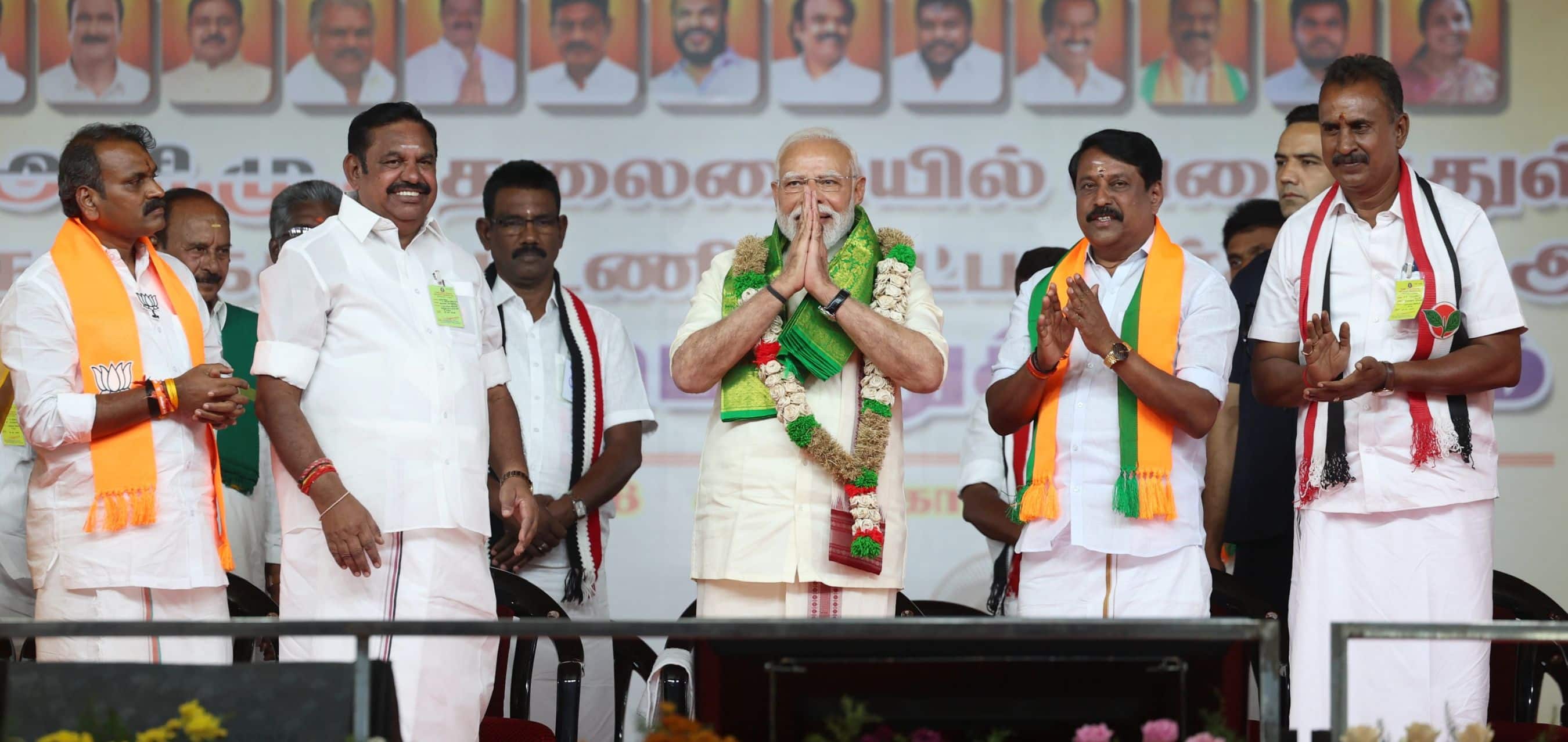


Prime Minister Narendra Modi today delivered a high-energy and politically charged address in Coimbatore, Tamil Nadu, drawing an enthusiastic response from the public. Addressing a large gathering, Prime Minister Modi said the people of Tamil Nadu are sending a clear message ahead of the upcoming polls: “NDA is in, DMK is out.”
Highlighting the strong connect with the region, PM Modi said, “Kongu Nadu, especially Coimbatore, is a land of hardworking and affectionate people. You have always stood firmly with the politics of development, with BJP-NDA. Whenever I come here, I feel a deep sense of belonging.”
Expressing disappointment over the derailment of the Women’s Reservation Bill, PM Modi said, “I personally appealed to all political parties to support it. I even told them to take the credit, I had no objection. I only wanted sisters from ordinary families to reach Parliament and Vidhan Sabhas in greater numbers.” He added, “Unfortunately, this noble effort was derailed by DMK, Congress and their allies due to petty politics.”
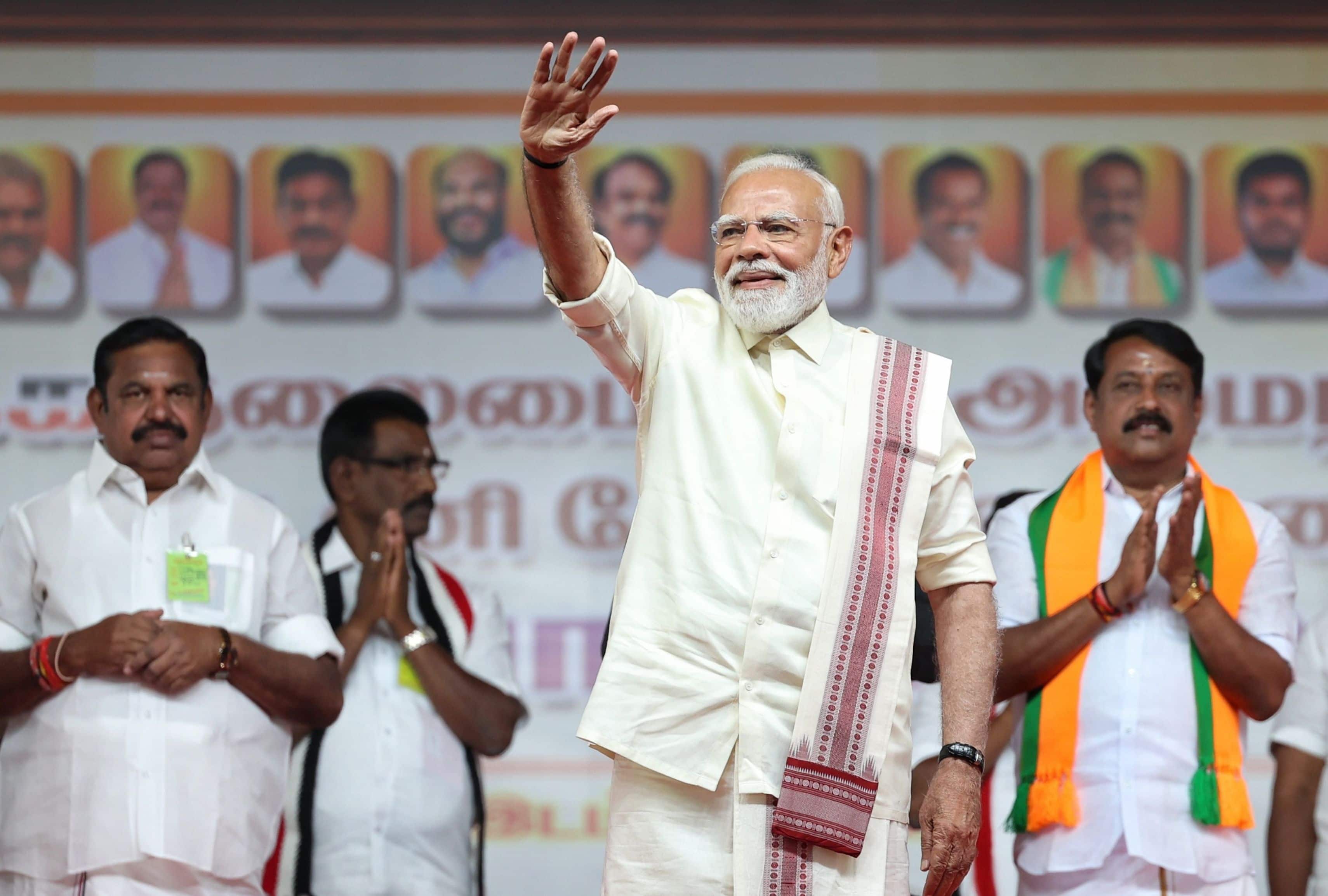
Apologising to women in Tamil Nadu, PM Modi stated, “If this Bill had passed, many Tamil women from ordinary families would have become MPs and MLAs. I apologise to my Tamil sisters that it could not go through, but I assure you, this is just the beginning of our fight.”
Targeting the DMK government, PM Modi said, “Today, DMK has no achievements to showcase. That is why they spread false fears. By wearing black clothes, they cannot hide their wrong intentions. These ‘one-family parties’ want power to remain confined within their own families.” He further questioned the low representation of women in the state cabinet, pointing out that despite having over 30 ministers, only two are women.
Raising concerns about law and order, PM Modi remarked, “In Tamil Nadu today, even young girls are not safe from criminals. DMK harms women by enabling crime and does not stand with them even in Parliament.”
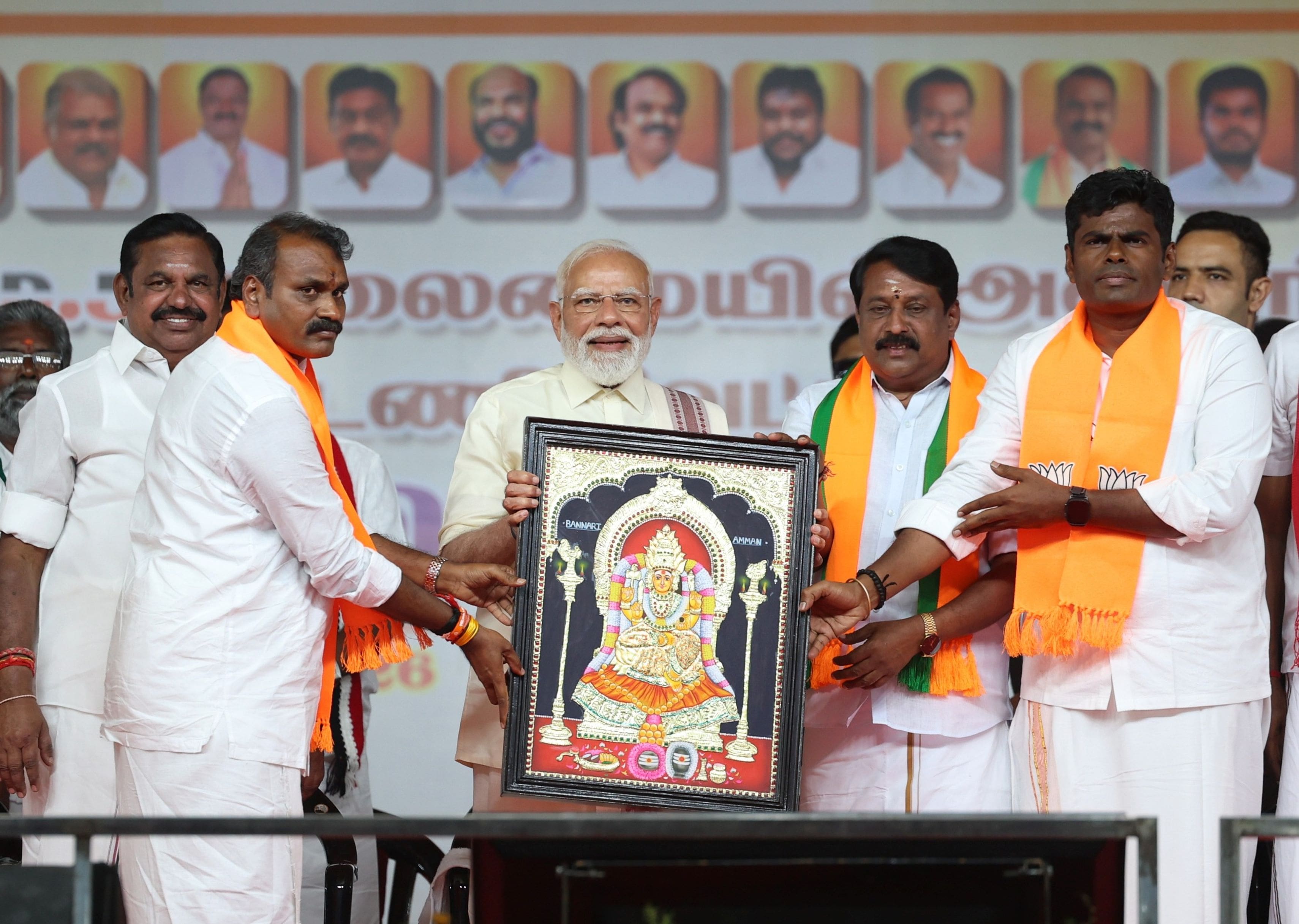
Calling upon voters to hold the ruling party accountable, he urged, “Ask them why they opposed a Bill meant to ensure women’s representation. Ask DMK why they denied Tamil women this golden opportunity. On April 23, give them a clear and powerful message.”
Highlighting development initiatives, PM Modi emphasized the Centre’s contribution to Tamil Nadu’s growth. “In the last eleven years, the Centre has provided more than ₹14 lakh crore to Tamil Nadu through tax devolution, infrastructure and welfare schemes,” he said. He contrasted this with what he described as rising debt and concentration of wealth within a single political family.
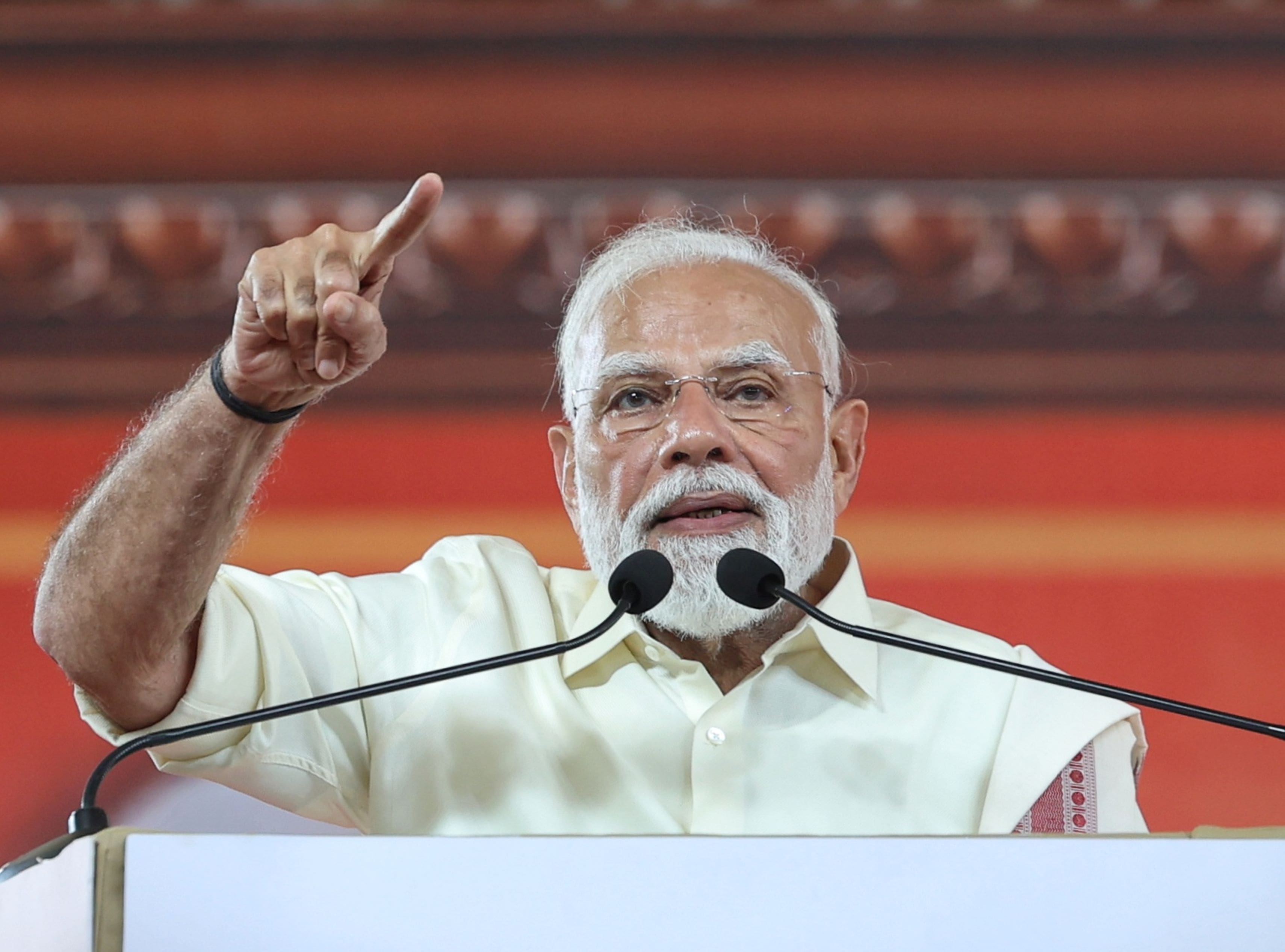
The PM also underscored the benefits of a double engine government, stating, “When there is a double engine government, work moves faster, schemes reach people quicker and benefits multiply.” Citing the PM Surya Ghar scheme, he explained how thousands of households in Coimbatore are benefiting from subsidies and reduced electricity bills.
Outlining future commitments, PM Modi assured, “Once NDA comes to power, we will fix law and order. Our sisters’ safety is our priority. We will take strong action against land, sand and liquor mafia and create a Tamil Nadu free from drugs.”
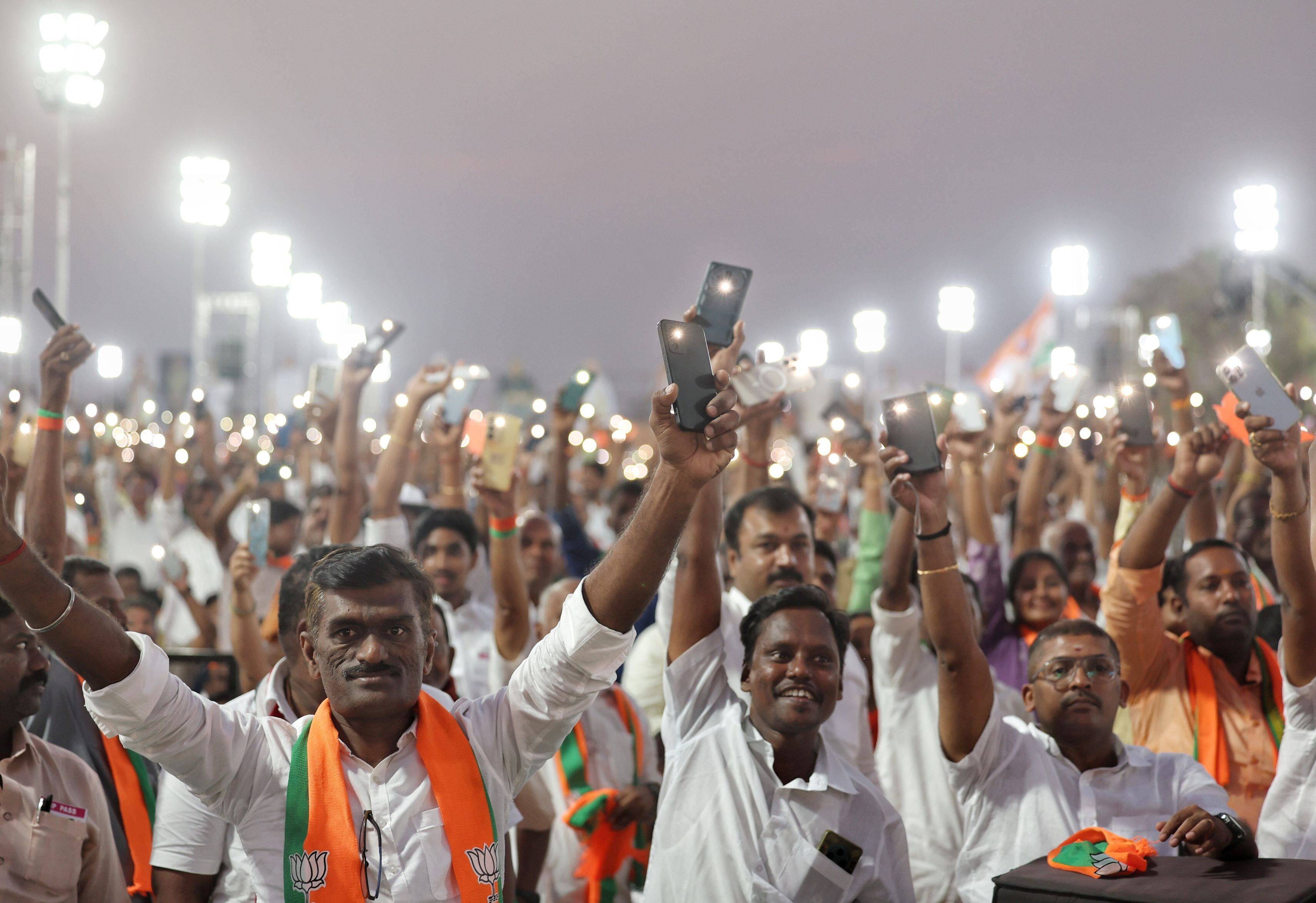
He concluded by urging party workers to intensify outreach efforts and ensure maximum voter participation, stating that the upcoming election is crucial for Tamil Nadu’s future. PM Modi said, “Let us come together to build a Viksit Tamil Nadu and a Viksit Bharat.” He signed off with, Vanakkam.
Click here to read full text speech
Tamil people are giving one clear message.
— narendramodi_in (@narendramodi_in) April 18, 2026
NDA is in. DMK is out: PM @narendramodi in Coimbatore, Tamil Nadu
In 2023, we passed the Nari Shakti Vandan Adhiniyam.
— narendramodi_in (@narendramodi_in) April 18, 2026
And on the 16th of this month, we took a historic step to move towards implementing women’s reservation in Parliament and legislative assemblies: PM @narendramodi
I had personally appealed to all political parties to support this.
— narendramodi_in (@narendramodi_in) April 18, 2026
I told them very clearly that they may take the credit, I have no objection.
I only wanted sisters from ordinary families to be able to come to Parliament and Vidhan Sabhas in greater numbers: PM @narendramodi
But unfortunately, this noble effort was derailed.
— narendramodi_in (@narendramodi_in) April 18, 2026
DMK, Congress and their allies made it a target of hatred and petty politics: PM @narendramodi
Basis the 2011 census, Tamil Nadu was going to get so many more seats.
— narendramodi_in (@narendramodi_in) April 18, 2026
But, clearly, DMK did not want this to happen.
Any how, the DMK’s actions are now very, very clearly exposed: PM @narendramodi
By wearing black clothes, DMK cannot cover up their wrong intentions.
— narendramodi_in (@narendramodi_in) April 18, 2026
I want to tell the DMK that people know your black deeds.
You cannot escape your black deeds any longer: PM @narendramodi
DMK’s policy is by the family, of the family and for the family.
— narendramodi_in (@narendramodi_in) April 18, 2026
CM – same family.
Deputy CM – same family.
Prominent MPs in Delhi – same family.
Films, media houses – many such things are controlled by one family.
Even senior leaders of the DMK are being made to bow before…
India is fed-up of one son-in-law.
— narendramodi_in (@narendramodi_in) April 18, 2026
Tamil Nadu is fed up of another son-in-law: PM @narendramodi
The DMK government never cared about farmers.
— narendramodi_in (@narendramodi_in) April 18, 2026
NDA's double-engine government will prioritise farmers' welfare: PM @narendramodi