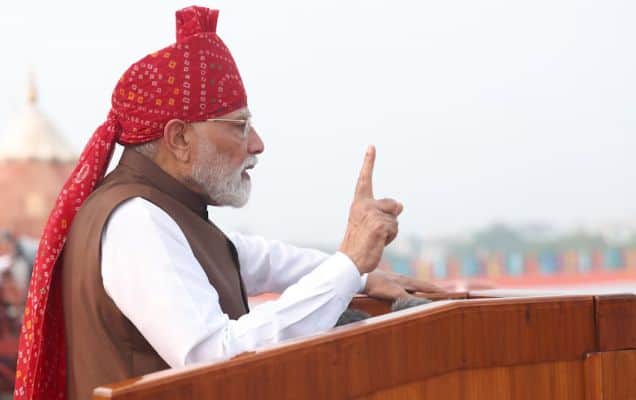
Prime Minister Narendra Modi today addressed a public meeting in Hooghly, West Bengal. Witnessing the huge gathering, PM Modi said, “This enthusiasm and energy by all of you is sending a message from Kolkata to Delhi. Now West Bengal has made up its mind for 'poriborton'.”
Prime Minister Modi stated that West Bengal is now open to new opportunities. “Today it's a big day for lakhs of students and workers who can now travel to Kolkata with the help of metro corridor from Dakshineswar,” he said.
He further added, “Better infrastructure, agriculture, industry, tourism - employment opportunities need a lot right reforms. Infrastructure associated with connectivity is the priority of our govt. In the last few years, we have focused on highway, waterway, airway and I-way. Thousands of crores have been spent in Bengal in this regard in the last few years.”
“This year 'rail and metro' connectivity is Centre's priority. Such work should have been done decades back and now, we should not delay - from broadening of rail lines to electrification work, money being invested in infrastructure projects,” said PM Narendra Modi.
PM Modi asserted, “We have also started the Jal Jeevan Mission to provide clean potable water to every household in the entire country. This mission is even more important for Bengal, because only 2 lakh houses have tapwater connections in over 1.5 crore rural households.”
“Out of 1-1.75 crore houses in West Bengal only 9 lakh have water pipeline. The way state government works, no wonder how many more years it'll take to deliver water to the poor. This shows that TMC doing injustice to 'Bengal Ki Beti'. Can they be forgiven,” he asked the people of Bengal.
Remembering the legends of West Bengal, PM Modi said, “This entire region including Chandannagar is a major part of India's independence struggle, its culture and its science. Maharshi Aurobindo, Motilal Roy, Rashbehari Bose, Bipin Bihari Ganguly, Kanailal Dutta and several more are associated with this land.”
Addressing a huge gathering, Prime Minister Modi said, “I am told that Vande Mataram Bhawan, where Bankim Chandra Ji lived for 5 years, is in very bad condition. This is the same Bhawan where he brainstormed to write Vande Mataram, the poem which gave a new lease of life to the freedom struggle. Failure to keep the place of the creator of such 'amar gaan' in a good state is an injustice to West Bengal's pride and there is huge politics involved in this - the politics which focuses on vote bank, not patriotism; appeasement, not Sabka Sath, Sabka Vikas.”
PM Modi tore into the Mamata Banerjee-led West Bengal government, saying it has criminalised politics, and institutionalised corruption. He said, “Centre transfers money directly into bank accounts of farmers and poor. But monetary benefits of schemes of Bengal Government does not reach the poor without the consent of all the 'tolabaaz' of TMC. This is why TMC leaders are becoming richer and normal families are becoming poorer.”
“The Central government has provided Rs 1,700 crore for relief work after Amphan to the TMC government in Bengal. The state government has only spent Rs 609 crore. The leftover Rs 1,100 crore has been siphoned off by TMC,” PM Modi said while addressing a rally in Hooghly.
Urging the people of West Bengal to vote for BJP in upcoming assembly elections, PM Modi asserted. “The formation of a BJP government in West Bengal is not just for a change in power, but for 'Ashol Poriborton'. Our youth is living with the hope of this 'Ashol Poriborton', and thus, we need to form the BJP government in Bengal. BJP will give Bengal a government that ensures development of all, appeasement of none.”
आधुनिक हाईवे, आधुनिक रेलवे, आधुनिक एयरवे, इन देशों के आधुनिक इंफ्रास्ट्रक्चर ने, इन देशों को आधुनिक बनाने में मदद की, वहां ये एक प्रकार से परिवर्तन का बड़ा कारण बना।
— narendramodi_in (@narendramodi_in) February 22, 2021
हमारे देश में भी यही काम दशकों पहले होना चाहिए था।
लेकिन हुआ नहीं: PM @narendramodi
दुनिया में जितने देश गरीबी से बाहर आए या गरीबी मिटाने में सफल हुए या विकसित देश बने, ऐसे सभी देशों में एक बात बहुत कॉमन देखी जाती है।
— narendramodi_in (@narendramodi_in) February 22, 2021
इन देशों ने अपने यहां सही समय पर बड़ी संख्या में इंफ्रास्ट्रक्चर का निर्माण किया: PM @narendramodi
अब हमें और देर नहीं करनी है।
— narendramodi_in (@narendramodi_in) February 22, 2021
हमें एक पल भी रुकना नहीं है।
हमें एक पल भी गंवाना नहीं है।
इसी सोच के साथ आज देश में आधुनिक इंफ्रास्ट्रक्चर के निर्माण पर अभूतपूर्व जोर दिया जा रहा है, अभूतपूर्व निवेश किया जा रहा है: PM @narendramodi
बेहतर इंफ्रास्ट्रक्चर खेती, उद्योग, टूरिज्म, युवाओं को रोजगार, यानि विकास के हर पहलू के लिए ज़रूरी है।
— narendramodi_in (@narendramodi_in) February 22, 2021
इसलिए पश्चिम बंगाल में भी कनेक्टिविटी से जुड़ा इंफ्रास्ट्रक्चर हमारी प्राथमिकता में है: PM @narendramodi
ये वो धरती है जिसने राम कृष्ण परमहंस जैसे महान संत हमें दिए।
— narendramodi_in (@narendramodi_in) February 22, 2021
माउंट एवरेस्ट को मापने वाले महान गणितज्ञ राधानाथ सिगर, महान भाषाविद भूदेव मुखर्जी, ऐसे मनीषियों का भी नाता इस मिट्टी से रहा है: PM @narendramodi
आज यही राजनीति, बंगाल में लोगों को मां दुर्गा की पूजा से रोकती है, उनके विसर्जन से रोकती है।
— narendramodi_in (@narendramodi_in) February 22, 2021
बंगाल के लोग, वोटबैंक की राजनीति के लिए अपनी संस्कृति का अपमान करने वाले ऐसे लोगों को कभी माफ नहीं करेंगे: PM @narendramodi
ऐसे अमर गान की रचना करने वाले के स्थान को ना संभाल पाना, बंगाल के, गौरव के साथ बहुत बड़ा अन्याय है।
— narendramodi_in (@narendramodi_in) February 22, 2021
और इस अन्याय के पीछे बहुत बड़ी राजनीति है।
ये वो राजनीति है जो देशभक्ति के बजाय वोटबैंक, सबका विकास के बजाय तुष्टिकरण को बल देती है: PM @narendramodi
मुझे बताया गया है कि, वंदेमातरम् भवन जहां बंकिमचंद्र जी 5 साल रहे, वो बुरी स्थिति में है।
— narendramodi_in (@narendramodi_in) February 22, 2021
ये वो भवन है जहां उन्होंने वंदे मातरम् की रचना को लेकर मंथन किया: PM @narendramodi
आज मैं बंगाल के लोगों को ये विश्वास दिलाता हूं, जब बंगाल में भाजपा की सरकार बनेगी तो हर बंगाल वासी अपनी संस्कृति का गौरवगान कर सकेगा।
— narendramodi_in (@narendramodi_in) February 22, 2021
कोई उसे डरा नहीं पाएगा, दबा नहीं पाएगा: PM @narendramodi
ऐसा बंगाल, जहां विकास सभी का होगा, तुष्टिकरण किसी का नहीं होगा।
— narendramodi_in (@narendramodi_in) February 22, 2021
ऐसा बंगाल, जो टोलाबाज़ी से मुक्त होगा, रोज़गार और स्वरोज़गार युक्त होगा: PM @narendramodi
भाजपा उस सोनार बांग्ला के निर्माण के लिए काम करेगी, जिसमें यहां का इतिहास, यहां की संस्कृति दिनों दिन और मजबूत होगी।
— narendramodi_in (@narendramodi_in) February 22, 2021
ऐसा बंगाल, जहां आस्था, आध्यात्म और उद्यम, सबका सम्मान होगा: PM @narendramodi
यही वजह है कि गांव-गांव में टीएमसी के नेताओं की शानो-शौकत बढ़ती ही जा रही है और सामान्य परिवार गरीब से गरीब होता जा रहा है: PM @narendramodi
— narendramodi_in (@narendramodi_in) February 22, 2021
मां-माटी-मानुष की बात करने वाले लोग, बंगाल के विकास के सामने दीवार बनकर खड़े हो गए हैं।
— narendramodi_in (@narendramodi_in) February 22, 2021
केंद्र सरकार किसानों और गरीबों के हक का पैसा सीधे उनके बैंक खाते में जमा करती है।
जबकि बंगाल सरकार की योजनाओं का पैसा टीएमसी के टोलाबाज़ों की सहमति के बिना गरीब तक पहुंच ही नहीं पाता: PM
टीएमसी सरकार, गरीबों के घर तक पानी पहुंचाने के लिए कितनी गंभीर है, इसका एक और उदाहरण आपको देता हूं।
— narendramodi_in (@narendramodi_in) February 22, 2021
हर घर जल पहुंचाने के लिए केंद्र सरकार ने 1700 करोड़ रुपए से ज्यादा, टीएमसी सरकार को दिए।
लेकिन इसमें से सिर्फ 609 करोड़ रुपए ही यहां की सरकार ने खर्च किया है: PM
पश्चिम बंगाल में भाजपा की सरकार सिर्फ सत्ता में पोरिबोर्तोन के लिए नहीं, बल्कि 'आसोल पोरिबोर्तोन' के लिए बनानी है।
— narendramodi_in (@narendramodi_in) February 22, 2021
बल्कि यहां कमल खिलाना इसलिए ज़रूरी है ताकि पश्चिम बंगाल की स्थिति में वो 'आसोल पोरिबोर्तोन' आ सके जिसकी उम्मीद में आज हमारा नौजवान जी रहा है: PM @narendramodi
हुगली जिला तो भारत में उद्योगों का एक प्रकार से हब था।
— narendramodi_in (@narendramodi_in) February 22, 2021
हुगली के दोनों किनारों पर जूट इंडस्ट्री थी, आयरन और स्टील, मशीनों के बड़े-बड़े कारखाने थे।
बड़े पैमाने पर यहां से निर्यात होता था।
लेकिन अब आज हुगली की क्या स्थिति है, ये आप भली-भांति जानते हैं: PM @narendramodi
जब से केंद्र में भाजपा सरकार आई है, तबसे जूट किसानों की चिंता की गई है।
— narendramodi_in (@narendramodi_in) February 22, 2021
अब तो गेहूं की पैकेंजिंग में जूट के बोरों को कंपल्सरी किया गया है।
चीनी की पैकिंग के लिए भी बड़ी मात्रा में जूट का उपयोग अब हो रहा है: PM @narendramodi
एक दौर था जब पश्चिम बंगाल की जूट मिलें, देश की अधिकांश ज़रूरतों को पूरा करती थीं।
— narendramodi_in (@narendramodi_in) February 22, 2021
लेकिन इस इंडस्ट्री को भी अपने हाल पर छोड़ दिया गया था।
जबकि इससे हमारे किसान, हमारे श्रमिक, हमारे गरीब सीधे जुड़े होते हैं: PM @narendramodi
आज के पश्चिम बंगाल में किराए पर बिल्डिंग भी लेनी हो तो उसमें भी कट लगता है।
— narendramodi_in (@narendramodi_in) February 22, 2021
बिना सिंडिकेट की इजाजत के किराए पर बिल्डिंग भी नहीं ले सकते।
इस स्थिति को, पश्चिम बंगाल के बारे में बनाई गई इस धारणा को हमें मिलकर बदलना है, इसलिए यहां 'आसोल पोरिबोर्तोन' लाना है, कमल खिलाना है: PM
बंगाल का विकास तब तक संभव नहीं है, जब तक यहां सिंडिकेट राज रहेगा।
— narendramodi_in (@narendramodi_in) February 22, 2021
बंगाल का विकास तब तक संभव नहीं है, जबतक यहां टोलाबाज़ों का राज रहेगा।
बंगाल का विकास तब तक संभव नहीं है, जबक Cut Culture बंगाल में रहेगा: PM @narendramodi
बंगाल का विकास तब तक संभव नहीं है, जबतक शासन-प्रशासन गुंडों को आश्रय देगा।
— narendramodi_in (@narendramodi_in) February 22, 2021
बंगाल का विकास तब तक संभव नहीं है, जब तक कानून का राज पश्चिम बंगाल में स्थापित नहीं होता।
ये तब तक संभव नहीं है, जबतक पश्चिम बंगाल के सामान्य जन की सुनवाई करने वाली सरकार यहां नहीं बनती: PM @narendramodi