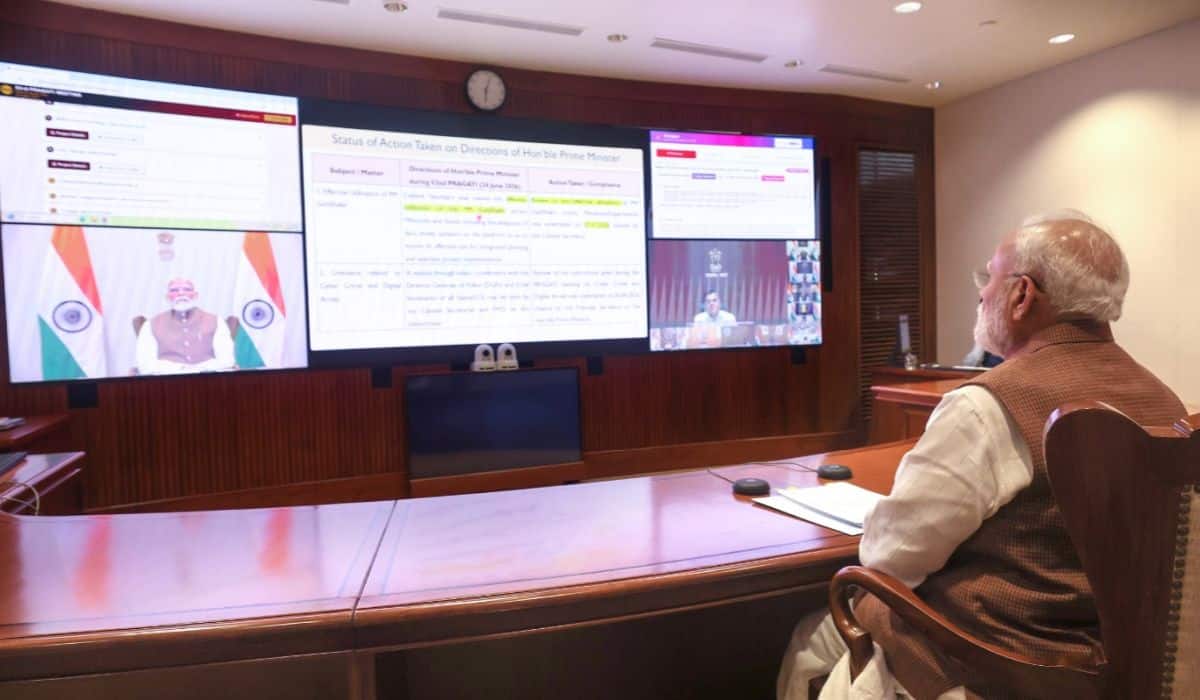
Prime Minister Narendra Modi addressed another large rally in Bathinda in Punjab this evening in which he slammed the Congress party for the anti-Sikh riots in 1984 as well as for failing to provide justice to the victims despite being in power for decades.

PM Modi fiercely criticized the Congress for its direct involvement in the 1984 anti-Sikh riots which led to the gruesome killings of thousands of Sikhs across north India. He said that the recent statement by a senior Congress leader trying to justify those infamous riots has yet again shown the anti-Sikh face of the Congress as well as their leaders’ indifference and arrogance towards the historical wrongs committed by them against the Sikh community.

Terming today’s statement by the Congress President condemning the ‘Hua Toh Hua’ statement by his colleague as a ‘lip service,’ PM Modi said, “Mere lip service of condemnation to the anti-Sikh statements of Congress leaders by the Congress ‘Namdar’ makes no difference to the victims and their families who have suffered for more than three decades now and are still waiting for justice to be served to them. The entire Congress party including its President must be ashamed of their actions in 1984 and must answer the Sikh community for their reckless statements.

कांग्रेस आज पूरे देश में 50 सीटों के लिए संघर्ष कर रही है।
— narendramodi_in (@narendramodi_in) May 13, 2019
क्योंकि कांग्रेस के पास नेता कन्फ्यूज हैं और सोच डिफ्यूज़ है!
ऊपर से अहंकार चरम पर है: PM @narendramodi
कांग्रेस की नीतियां बनाने वाले, राजीव गांधी जी के खास सलाहकार, नामदार के गुरु ने 84 के दंगों को लेकर जो कहा, उसकी पूरे देश में क्या प्रतिक्रिया हुई है, ये आप भी देख रहे हैं।
— narendramodi_in (@narendramodi_in) May 13, 2019
कांग्रेस के हमेशा जो दिल में था, वो राज बाहर आने से कांग्रेस में हड़कंप मचा हुआ है: PM @narendramodi
नामदार के गुरु ने कहा है – 84 में जो हुआ, वो हुआ तो हुआ!
— narendramodi_in (@narendramodi_in) May 13, 2019
ये कांग्रेस की सोच को दर्शाता है, कांग्रेस के अहंकार को दिखाता है: PM @narendramodi
मैं देख रहा था कि नामदार ने अब अपने गुरु को कहा है कि जो कुछ गुरु ने कहा उस पर उन्हें शर्म आनी चाहिए।
— narendramodi_in (@narendramodi_in) May 13, 2019
मैं पूछना चाहता हूं कि आखिर नामदार अपने गुरु को किस बात के लिए डांटने का दिखावा कर रहे हैं: PM @narendramodi
क्या इसलिए, क्योंकि जो कांग्रेस के दिल में हमेशा से था, नामदार परिवार की चर्चाओं में हमेशा था, वो नामदार के गुरु ने सार्वजनिक रूप से कह दिया।
— narendramodi_in (@narendramodi_in) May 13, 2019
क्या नामदार के गुरु को घर की बात बाहर बताने के लिए डांटा जा रहा है: PM @narendramodi
अरे नामदार,
— narendramodi_in (@narendramodi_in) May 13, 2019
शर्म आपको आनी चाहिए।
1984 के सिख दंगों को आज 35 साल हो रहे हैं।
कांग्रेस की करतूतों की वजह से, आज तक सभी दंगा पीड़ितों को न्याय नहीं मिल पाया है।
इंसाफ के नाम पर कांग्रेस वाले कमेटी बनाते गए, कमीशन बनते गए, इतने गंभीर मामले को रफा-दफा करते रहे: PM @narendramodi
इतना ही नहीं,
— narendramodi_in (@narendramodi_in) May 13, 2019
गंभीर आरोप वालों को कांग्रेस ने केंद्र में मंत्री बनाया।
गंभीर आरोप वालों को चुनाव की बड़ी जिम्मेदारियां दी गईं, पंजाब का प्रभारी बनाया गया।
जब इसकी आलोचना हुई, पंजाब में जबरदस्त विरोध हुआ तो आपको उन्हें हटाना पड़ा था: PM @narendramodi
लेकिन फिर आपने क्या किया?
— narendramodi_in (@narendramodi_in) May 13, 2019
सारी आपत्तियों को नजरअंदाज, पंजाब की भावनाओं का अपमान करके, आपने उसी व्यक्ति को मध्य प्रदेश का मुख्यमंत्री बना दिया।
नामदार, शर्म आपको आनी चाहिए: PM @narendramodi
1984 में जो कुछ हुआ, उसने पूरी इंसानियत को तार-तार कर दिया था।
— narendramodi_in (@narendramodi_in) May 13, 2019
आपके इस चौकीदार ने इंसाफ का वादा आपसे किया था।
आज मैं संतोष के साथ कह सकता हूं कि एक को फांसी के फंदे तक पहुंचाया है, बाकियों को उम्र कैद मिली है।
जो अभी बचे हैं, वो भी ज्यादा दिन बाहर नहीं रह पाएंगे: PM
कांग्रेस की एक और ऐतिहासिक गलती है जिसको सुधारने का काम अब हो रहा है।
— narendramodi_in (@narendramodi_in) May 13, 2019
1947 में कांग्रेस ने बंटवारा तो करा दिया, लेकिन हमारी आस्था के केंद्र करतारपुर जी साहिब को कुछ ही किलोमीटर के फासले से पाकिस्तान में जाने दिया: PM @narendramodi
ये हमारी आस्था के प्रति कांग्रेस की असंवेदनशीलता का प्रतीक है।
— narendramodi_in (@narendramodi_in) May 13, 2019
आज हम यहां कॉरीडोर बनाने का काम रहे हैं, तब भी कांग्रेस के लोग पाकिस्तान के गुण गा रहे हैं: PM @narendramodi
हुआ तो हुआ, वाले अहंकार में ही कांग्रेस ने अपना मेनिफेस्टो- अपना ढकोसला पत्र भी बनाया है।
— narendramodi_in (@narendramodi_in) May 13, 2019
उसमें कहा गया है कि जान हथेली पर रखने वाले हमारे जवानों को हिंसा वाले इलाकों में जो विशेष अधिकार मिलता है वो हटा देंगे: PM @narendramodi
कांग्रेस चाहती है कि आतंक के पैरोकारों और पत्थरबाज़ों को हमारे जवानों को लहुलुहान करने का लाइसेंस मिल जाए: PM @narendramodi
— narendramodi_in (@narendramodi_in) May 13, 2019
जवानों के साथ-साथ किसानों के साथ भी कांग्रेस ने हमेशा ठगी ही की है।
— narendramodi_in (@narendramodi_in) May 13, 2019
10 साल में एक बार कर्जमाफी का ढिंडोरा पीटते हैं और उसमें भी घोटाला कर देते हैं।
यहां पंजाब में भी तो कांग्रेस ने किसानों से कर्जमाफी की बात थी।
उसकी क्या सच्चाई है, ये भी आप अच्छी तरह जानते हैं: PM
एक तरफ कांग्रेस के झूठे वायदे हैं, तो दूसरी तरफ हमारे ईमानदार प्रयास।
— narendramodi_in (@narendramodi_in) May 13, 2019
हमने संकल्प लिया है 2022 तक किसान की आय दोगुनी करने का।
इसके लिए बीज से बाज़ार तक काम हम कर रहे हैं।
कपास सहित लगभग दो दर्जन फसलों का एमएसपी लागत का डेढ़ गुणा तय कर दिया गया है: PM @narendramodi
किसानों को पानी मिले, इसके लिए सतलुज, यमुना सहित, हमारी जितनी भी नदियां हैं, उनके पानी का पूरा उपयोग करने का भी हमारा प्रयास है।
— narendramodi_in (@narendramodi_in) May 13, 2019
कांग्रेस के कारनामों के कारण इतने बरसों तक हमारे हक का पानी पाकिस्तान जा रहा था, उसको रोकने का काम हमने शुरु कर दिया है: PM @narendramodi
श्री अकाल तख्त, दमदमा साहिब, केशगढ़ साहिब, पटना साहिब और हुजूर साहिब के बीच कनेक्टिविटी को सुधारने के लिए भी काम किया जा रहा है।
— narendramodi_in (@narendramodi_in) May 13, 2019
नांदेड़ से अमृतसर के लिए एक विशेष फ्लाइट भी चलाई जा रही है: PM @narendramodi
हमने लंगर को GST के दायरे से बाहर कर दिया: PM @narendramodi in Bathinda, Punjab
— narendramodi_in (@narendramodi_in) May 13, 2019