Kenya is a valued friend and trusted partner of India. The bonds between the two countries are long-standing and rich: PM
Our historical people-to-people ties provide a strong basis to our wide-ranging partnership: PM Modi
India is one of the brightest spot in the world economy. And, Kenya is a land of strong opportunities: Prime Minister
India is Kenya's largest trading partner, and the second largest investor here. But, there is potential to achieve much more: PM
As true and trusted partner, India is ready to share its development experiences and expertise, and capacities to assist in Kenya: PM
India and Kenya are connected by the Indian Ocean. We both have strong maritime traditions: PM Narendra Modi
MoU on Defence Cooperation signed would strengthen our institutional cooperation between our defence establishments: PM in Kenya
Terrorism & rapid spread of radical ideologies pose common challenge to our people, our countries, to the region & whole world: PM

Your Excellency President Uhuru Kenyatta,
Deputy President William Ruto,
Ladies and Gentlemen,

Thank you, Excellency, for your kind words.
I am delighted to be here in Nairobi. I thank President Kenyatta the warm welcome and hospitality extended to me and my delegation.I am told, Excellency, that your name "Uhuru” means "Freedom”. In a way, the journey of your life has also been the journey of an Independent Kenya. It is an honour for me to be with you today.

Friends,

Kenya is a valued friend and trusted partner of India. The bonds between the two countries are long-standing and rich. We share a common legacy of struggle against colonialism.

Our historical people-to-people ties provide a strong basis to our wide-ranging partnership, which extends:

  • From agriculture and health to developmental assistance;
  • From trade and commerce to investment;
  • Fom closer contacts between our peoples to capacity building; and
  • From regular political consultations to defence and security cooperation.

And, today, President and I reviewed all aspects and full range of our relationship.

Friends,

India is one of the brightest spot in the world economy. And, Kenya is a land of strong opportunities. India is Kenya's largest trading partner, and the second largest investor here. But, there is potential to achieve much more.

President and I agreed that our economies can benefit more:

  • if we nurture greater intensity of commercial links;
  • Take steps towards a more diversified trade basket; and
  • Expand our investment ties further.

This would also enable greater regional economic prosperity. And, in this while governments would play their part, it is the businesses of the two countries that have a key role and responsibility to drive our commercial partnership.In this context, I welcome the India-Kenya Business Forum to be held later today. India and Kenya are two developing countries. We are also two innovation societies. And, the important part is that whether it is the process, products or technologies, our innovations are relevant not just to our societies.They also help improve the lives of people in other developing countries. The success of M-Pesa is one such classic innovation that has empowered millions the world over. Both sides have been working together in commercializing innovative technologies, and some of it will be evident at the Business Forum later today.

Friends,

The multifaceted development partnership is a key pillar of our bilateral relationship. Our development priorities are more or less aligned.As true and trusted partner, India is ready to share its development experiences and expertise, and concessional credit and capacities to assist in Kenya's development objectives. We look forward to early implementation of the Indian lines of credit for projects in agricultural mechanization, textiles and the development of the small and medium sector. We are also encouraged by the progress in the power transmission project under an Indian line of credit of 60 million dollars.Kenya's highly successful geothermal sector, and energy efficiency projects such as LED based smart street lighting, are a couple of new areas where we could build our engagement. I understand that health care is President Uhura's key priority. India's strength, especially in pharmaceuticals, can join hands with your priorities to shape an affordable and efficient healthcare system in Kenya. This would not only meet the needs of your society. It could also help Kenya become a regional medical hub. In this regard, I am happy that the prestigious Kenyatta National Hospital will soon have the state of the art made in India cancer therapy machine – Bhabhatron. We are also donating essential medicines and medical equipment for Kenya's public health system, including for the treatment AIDS.

Friends,

We recognize that without the opportunities for the success of our youth, our societies cannot grow. For this, we are ready to partner with Kenya in the fields of education, vocational education and skill development.

Friends,

While we are conscious of our development challenges, President and I also share concerns of security and stability.India and Kenya are connected by the Indian Ocean. We both have strong maritime traditions. As such, our closer cooperation in the field of maritime security occupies an important place in our overall defence and security engagement. The MoU on Defence Cooperation signed just now would strengthen our institutional cooperation between our defence establishments. This would include greater staff exchanges; sharing of expertise and experiences; training and institution building, cooperation in hydrography, and supply of equipment. President and I recognize that Terrorism and the rapid spread of radical ideologies pose a common challenge to our people, our countries, to the region and to the whole world. We have agreed to deepen our security partnership including in the fields of cyber security, combating drugs and narcotics, and human trafficking.

Friends,

Yesterday, President and I had an unforgettable interaction with the Indian diaspora in Kenya. As President Uhura said, they are proud Kenyans even as they cherish their Indian roots. As we shape deeper contacts between our economies and societies, they form a trusted bond and a strong bridge. I am also happy to announce that the vibrant Indian culture, which is already a part of Kenya's rich society, will be showcased in a Festival of India in Kenya later this year.

Excellency, President Uhuru,

In the end, let me once again thank you, the Government of Kenya and its people for the warmest of welcomes that I have received.

And, I and the people of India look forward to welcoming you in India.

Thank you.
Thank you very much..

Explore More
শ্ৰী ৰাম জনমভূমি মন্দিৰৰ ধ্বজাৰোহণ উৎসৱত প্ৰধানমন্ত্ৰীৰ সম্বোধনৰ অসমীয়া অনুবাদ

Popular Speeches

শ্ৰী ৰাম জনমভূমি মন্দিৰৰ ধ্বজাৰোহণ উৎসৱত প্ৰধানমন্ত্ৰীৰ সম্বোধনৰ অসমীয়া অনুবাদ
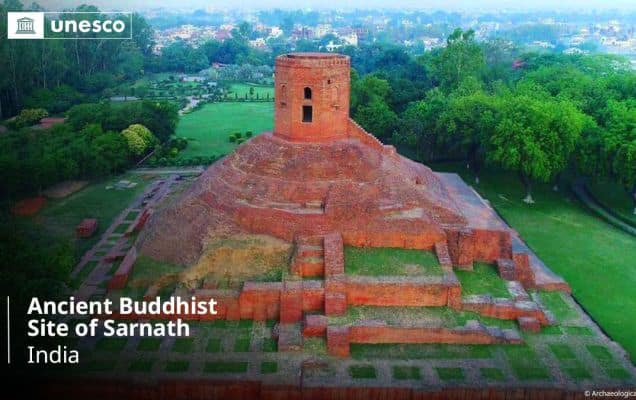
Proud Moment For Every Indian: PM Modi On Sarnath Being Inscribed On UNESCO World Heritage List

Media Coverage

Proud Moment For Every Indian: PM Modi On Sarnath Being Inscribed On UNESCO World Heritage List
NM on the go

Nm on the go

Always be the first to hear from the PM. Get the App Now!
...
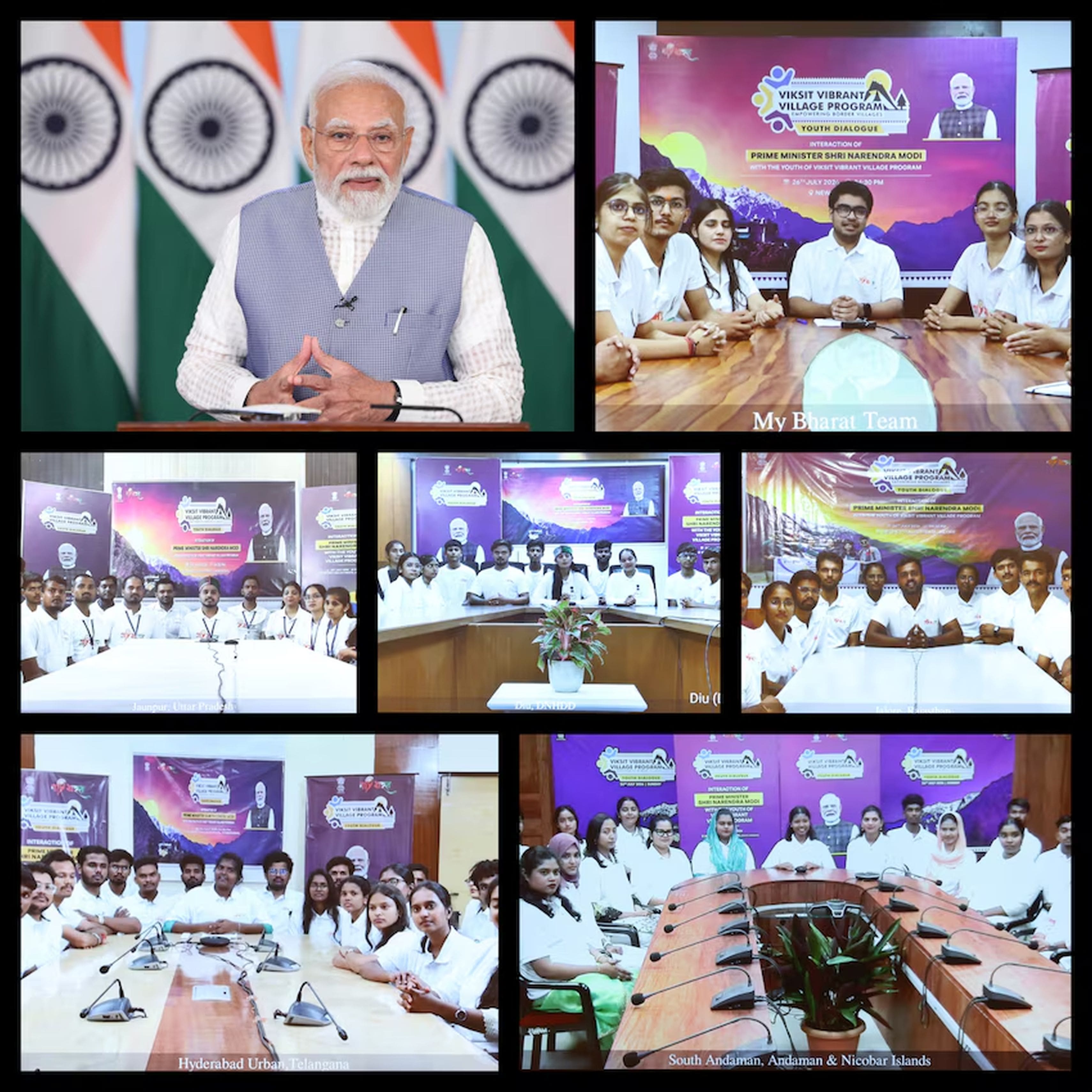
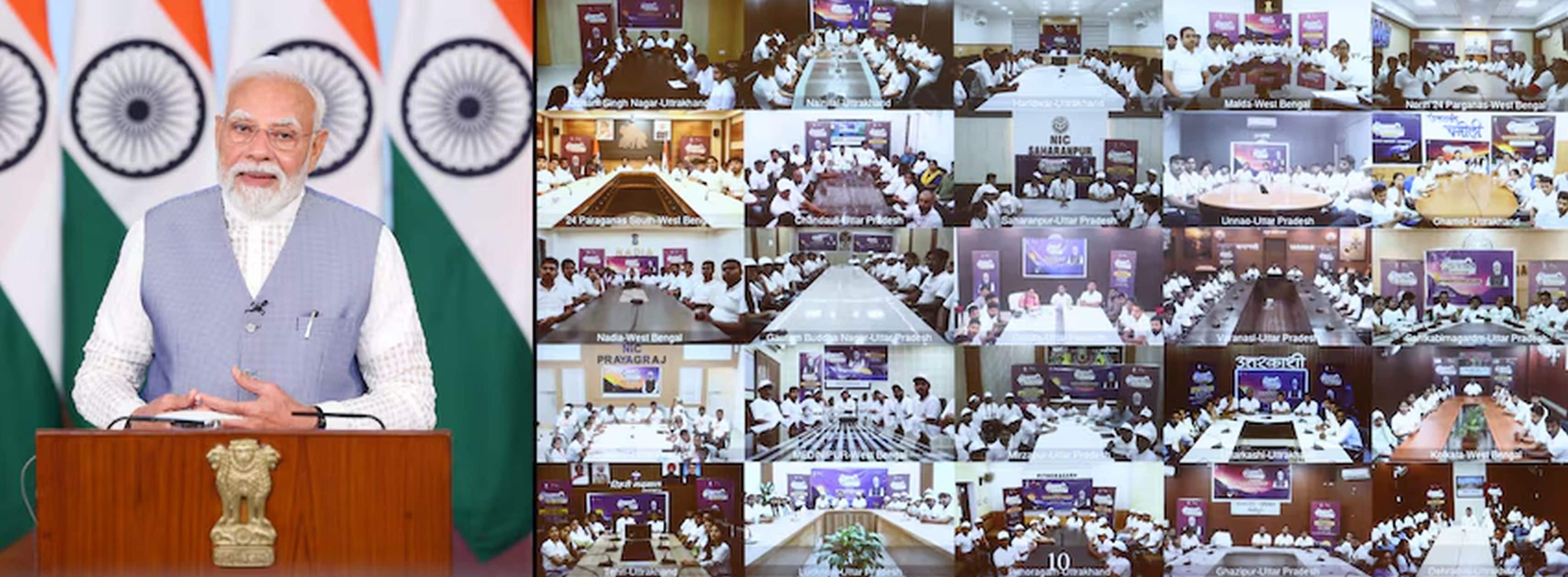
Participants of Viksit Vibrant Village Programme share their experiences with PM Modi
July 26, 2026
Solo travel is a way of discovering the world while discovering oneself: PM
Every young person and every daughter of the country should move forward with confidence and self-belief: PM
Border villages may be geographically distant, but their residents are emotionally deeply connected with the nation: PM
Those who were last in priority earlier are now the first: PM
Journey of young participants reflects the spirit of Ek Bharat, Shreshtha Bharat: PM
Citizens should spend at least five per cent of their travel budget on purchasing local products: PM

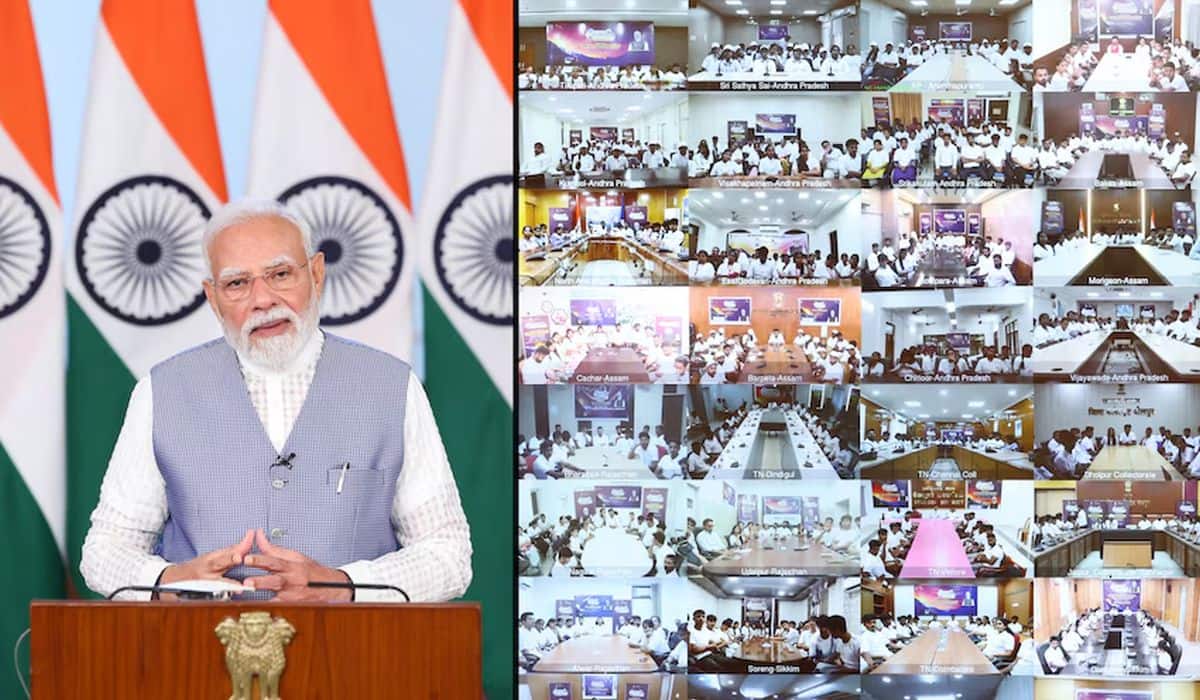
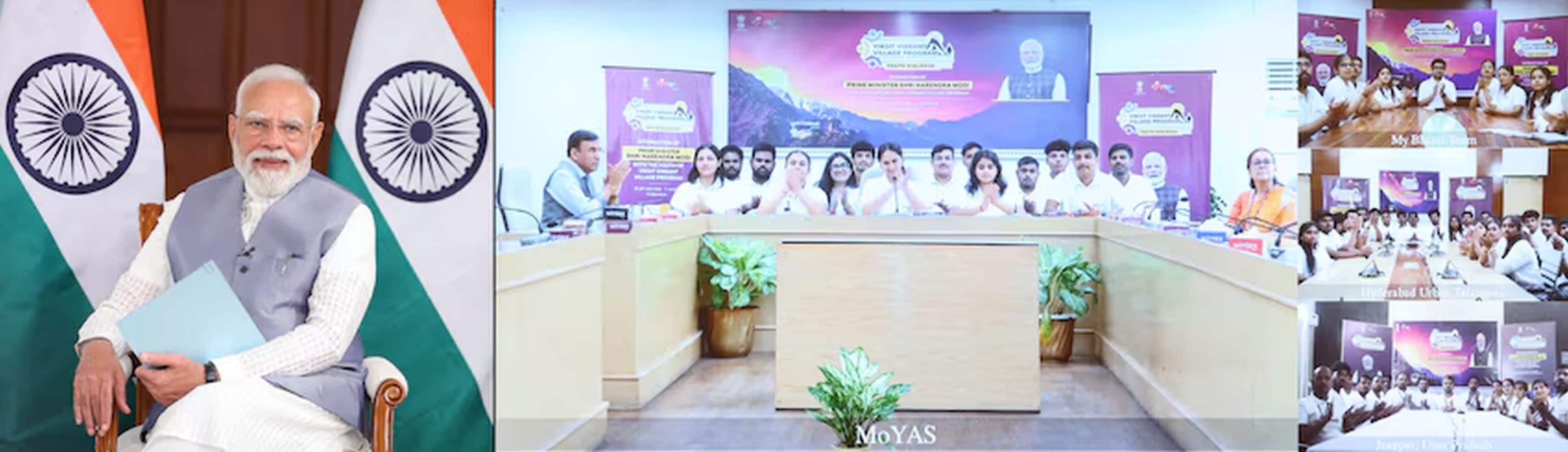
Prime Minister Shri Narendra Modi today interacted virtually with participants of the Viksit Vibrant Village Programme 2026, during which young MYBharat Volunteers shared their experiences from border villages in Himachal Pradesh, Uttarakhand and Ladakh. The interaction highlighted the transformation of these villages through improved infrastructure, connectivity and public services, along with women-led development, tourism, community participation and stronger national integration. More than 5,000 MYBharat Volunteers from 245 districts across the country joined the programme virtually.

Introducing the programme, MYBharat Volunteer Shri Divyansh Joshi from Dadra and Nagar Haveli and Daman and Diu outlined initiatives including the Viksit Bharat Young Leaders Dialogue, Viksit Bharat Youth Parliament, Budget Twist, mentorship and volunteering programmes. He said more than 2.30 crore young people had benefitted from MYBharat initiatives, while 2.86 lakh youth participated in the nationwide quiz through which 403 volunteers were selected to visit border villages. Recounting his visit to Leo village in Kinnaur district of Himachal Pradesh, he highlighted interactions with residents, senior citizens and schoolchildren, career counselling for local youth, sports and cultural activities, the leadership of the woman Sarpanch and the functioning of the Ayushman Arogya Mandir. He said his homestay experience showed that belonging transcends language and State boundaries, adding that the volunteers paid homage to the country’s brave soldiers at the Kargil War Memorial and would compile their experiences for submission to the Prime Minister while remaining committed to the vision of Viksit Bharat.

MYBharat Volunteer Ms Nikita Pravin Solanki from Dadra and Nagar Haveli and Daman and Diu said her selection through the MYBharat quiz enabled her first independent journey to Dhar Chango Nichla village in Kinnaur district. The affectionate welcome extended by the villagers strengthened her confidence and reflected changing societal attitudes towards women. Through her interactions with the woman Pradhan, Panchayat representatives, farmers, senior citizens and children, she witnessed the multiple responsibilities shouldered by rural women and found, contrary to her earlier perceptions, quality roads, regular electricity, drinking-water connections and digital connectivity, which residents attributed to the Pradhan Mantri Gram Sadak Yojana, Jal Jeevan Mission and Ayushman Bharat. She also participated in cleanliness, sports and cultural activities, recalled the curiosity of village children about her home region and said she continued to remain in touch with her host family.

Recalling his Diwali visit to the Chango region in 2016, the Prime Minister said Ms Solanki’s journey reflected the growing confidence of India’s daughters and that MYBharat had transformed individual journeys into one national family. “Solo travelling is a way of discovering the world while discovering yourself,” observed Shri Modi.

MYBharat Volunteer Shri Sunil Kumar Kela from Jalore, Rajasthan, said that being from a border village himself enabled him to connect readily with the people of Dhar Chango Uprela village in Himachal Pradesh. Despite geographical and climatic differences, he found the people of both regions united by courage, patriotism and warmth. He remained connected with his family through video calls, showing them the Sutlej River, school, Jan Aushadhi Kendra, hospital and sports facilities, while his social-media posts encouraged friends to explore MYBharat. His initial apprehensions regarding roads, accommodation, electricity and mobile connectivity were dispelled by the high-quality roads reaching the homestay, solar-energy installations and improved infrastructure that had transformed daily life. He added that he remained in contact with his host family and had invited them to visit Rajasthan.

The Prime Minister observed that young people from border villages across Rajasthan, Kashmir, Himachal Pradesh and the North-East shared a common outlook and that border residents, though geographically distant, remained emotionally deeply connected with the nation. “Those who were last in priority earlier are now the first,” remarked Shri Modi.

MYBharat Volunteer Ms Bhavya Shri from Chittoor district of Andhra Pradesh said her desire to learn beyond academics led her to MYBharat and to Harsil Valley in Uttarkashi district of Uttarakhand. Her initial concerns about the unfamiliar climate, food, culture and lifestyle were dispelled by the hospitality of local residents and officials, while interactions with Indo-Tibetan Border Police personnel deepened her appreciation of their discipline, humility, dedication and commitment to the nation. She said participants from different States, languages and cultures arrived as strangers but returned as one family, reflecting the spirit of Ek Bharat, Shreshtha Bharat. Photographs of the Nelang and Jadung Valleys and apple orchards generated considerable interest among her friends, many of whom subsequently registered on MYBharat. She also recalled the equipment provided to help participants adapt to the cold climate, the resilience of a resident who chose to remain in his landslide-affected native village despite hardship, and the peaceful, meditative character of the Garhwali dance in contrast with the energetic folk dances of her home State.

Recalling his visit to Mukhwa village in Uttarakhand, the Prime Minister said the interaction reaffirmed his belief that India’s youth place the nation first. “The manner in which all of you have lived the spirit of Ek Bharat, Shreshtha Bharat will inspire many more young people,” observed Shri Modi.

Twenty-one-year-old MYBharat Volunteer Ms Sayantika Mistry from the Andaman and Nicobar Islands thanked the Prime Minister for envisioning MYBharat as a platform enabling crores of young people to contribute to nation-building. Recounting her journey from sea level to Maan village in Ladakh at an altitude of nearly 17,000 feet, she described suffering from acute mountain sickness and the care extended by the MYBharat team and ITBP personnel, including doctors who prioritised treating her as their guest before attending to their own personnel. She said the experience showed that ITBP personnel not only protected the borders but also cared deeply for citizens and made her appreciate the resilience required to live in high-altitude conditions. Contrary to her family’s expectation of poor connectivity, she found reliable internet, QR-code and UPI payment facilities and Wi-Fi in the border region. She also interacted with local children, one of whom expressed a desire to visit the Andaman and Nicobar Islands, and highlighted the community spirit through which residents collectively organised weddings and monastery events, restored a damaged mobile tower and constructed a storage facility for its batteries.

Encouraging Ms Mistry to document her experience through articles or a book so that others could better understand the country’s vastness, people and shared sense of belonging, Shri Modi remarked, “When you share joy, it multiplies.”

MYBharat Volunteer Shri Ashish Soni from Jaunpur district of Uttar Pradesh, who is preparing for the Civil Services Examination, thanked the Prime Minister for enabling young people to contribute suggestions during the Budget-making process. Sharing his experience of Kaza Khas in Himachal Pradesh’s Spiti region, he said his parents, who remembered a time when mobile connectivity in remote areas was difficult, were astonished when he video-called them from nearly 14,000 feet. Describing MYBharat as a bridge between a generation that had witnessed struggle and another witnessing transformation, he recounted writing letters from the world’s highest post office at Hikkim to the Prime Minister, his family, the Ministry of Youth Affairs, the Defence Minister and his District Magistrate. He said India was connected not only through metros and airports but also through institutions serving its remotest regions and highlighted QR-code payments at around 14,500 feet as evidence that Digital India had become a source of trust across the country. His interactions with women’s self-help groups introduced him to entrepreneurship through homestays, digital platforms and sea buckthorn-based products, while discussions on the PM MUDRA Yojana and Deendayal Antyodaya Yojana focused on expanding livelihood opportunities. He also highlighted the role of the Border Roads Organisation-built Chicham Bridge in improving connectivity, tourism and economic activity, besides noting the region’s potential for night tourism.

Observing that technology had reached every corner of the country and that purchasing local products would generate employment, support livelihoods and carry regional identities across India, Shri Modi urged, “Wherever you travel, spend at least five per cent of your travel budget on buying products from local people.”

Concluding the interaction, the Prime Minister extended his best wishes to the young participants. The programme highlighted MYBharat’s role in enabling young people to experience first-hand the transformation of India’s border villages, dispel outdated perceptions and deepen their understanding of the country’s cultural diversity, developmental progress, community participation and the spirit of Ek Bharat, Shreshtha Bharat.