Business representatives from India and Sri Lanka,
Distinguished guests,
I am delighted to be here at the Ceylon Chamber of Commerce.
Thank you for coming here in such large numbers.
It is a real honour to visit Sri Lanka.
Over the course of these two days, I will meet people from all walks of life.
For me, this is one of the most important meetings in Sri Lanka.
This is because no matter how old and strong the relationship is, economic cooperation is often the locomotive that gives it momentum.
It is also important because for all of us in our region, the most important priority is transforming the lives of our people.
Our path will be determined by our economic choices and the quality of governance. But, business enterprises will remain critical for our success.
I often say that a nation`s fortunes are linked to its neighbourhood. There are many in India who would argue that India is too large to need her neighbours. There are many in our region who worry that India`s economic size will hurt them.
I disagree with both views.
For one, we all need a stable and peaceful neighbourhood to concentrate on national development.
I also believe that countries do better when the entire region moves together.
I said at the SAARC Summit that barriers of boundaries inhibit progress; international partnerships give it speed. That is why we see a rising tide of regional integration and cooperation across the world.
Our region is rich in resources. We constitute a large market. We complement each other. Therefore, our cooperation can be of huge benefit to all of us. There are already powerful examples in South Asia that show us that difference in size is no constraint to beneficial partnerships, if we use our strengths and seize our opportunities.
Bhutan benefits from hydropower exports to India. Nepal has significant manufacturing exports to India – in part driven by Indian investors. Infrastructure, energy, supply chains, traditional handicrafts, modern manufacturing, tourism and services – there are no limits to our possibilities.
I hardly need to tell this informed audience about the transformation unleashed in India over the past ten months. There is new purpose and clarity in our policies; a new vision for inclusive development; new standards in our governance; and, a new level of energy in our economy. Last quarter, India was the fastest growing global economy. We are confident that we can grow even faster.
The progress of one-sixth of humanity is a major economic opportunity for the world.
The global confidence in India has been restored. The world`s engagement with India is at a new level. But, the first claim on us should be that of India`s neighbours. And, I will be happy if India is a catalyst for economic growth in our own region. That is why I speak of a neighbourhood where trade, investment, ideas and people move easily across the borders.
And, as I said in Kathmandu, Nepal, in November, India will do its part for the region. We will work to integrate our markets more. We will make trade smoother and possible through the most direct routes. We will invest in regional connectivity. And, we will share our capabilities in science and technology with South Asia, from advanced medicines to disaster management or space science.
As a friend and neighbor, we attach the highest importance to Sri Lanka`s economic progress.
Sri Lanka is a nation of many achievements and great strengths. It has education, skills and enterprise. It has an excellent location. And, it has won peace now. Sri Lankan businesses have shown that they can compete with the best in the world. Our garments and tea industry know that!
We are pleased to be Sri Lanka`s largest trading partner and one its largest sources of investment. Our Free Trade Agreement in 2000 was a pioneering initiative in the region. It has given a big boost to our trade. Sri Lanka`s exports to India have grown sixteen times – yes, sixteen times – since then. This is impressive by any standards.
I know there are concerns here about the huge trade imbalance. I am prepared to work with you to address them. I want balanced growth in trade. We will try to make it easier and smoother for you to access the Indian market. That is part of my philosophy of ease of doing business in India. Our agreement on Customs cooperation is a step in that direction.
India is opening up to the world. We offer duty free access to Least Developed Countries, including in South Asia. And, India has Free Trade Agreements with ASEAN and others.
We should ensure that Sri Lanka does not fall behind in the changing and competitive world. That is why India and Sri Lanka should move boldly to conclude a Comprehensive Economic Partnership Agreement. You should also attract investments from India for exports to India. That should be the natural outcome of our proximity and your strengths.
Indian investments can also upgrade and expand your infrastructure. It is also natural that Indian investors are more likely to invest here because of familiarity and proximity. They are already here. And, I know that there are many large commitments in the pipeline. They are looking for your support.
During this visit, I am pleased with progress on Sampur Thermal Power Project and the Trincomalee Oil Farm. That is good for Sri Lanka`s energy security and for our partnership.
Sustainable development of the Ocean Economy can be a huge area for cooperation.
I also believe that when we connect the lives of people, we strengthen the bonds between nations. We have extended visa on arrival facility to Sri Lanka from April 14. We should do more to connect our countries by air and sea.
India and Sri Lanka were, in some ways, better connected in the past than we are now! In the past, a person could buy a rail ticket in Colombo and travel to Chennai by rail and ferry! Air India`s decision to launch direct flight between our capitals will help reverse that trend.
Tourism unites people and creates economic opportunities. India is already the biggest source of tourists here. We will work together to increase that flow.
In conclusion, let me return to the point I had made at the beginning. India`s progress gives us the ability to create opportunities for our neighbours. Our development partnership has injected commitments of 1.6 billion dollars in assistance from India. That has helped rebuild and upgrade infrastructure in Sri Lanka.
Today, we have offered another Line of Credit of about 318 million dollars for the railways sector. Reserve Bank of India has agreed to provide Central Bank of Sri Lanka a currency swap arrangement for 1.5 billion dollars. This will increase the stability of Sri Lankan Rupee.
It is not just in development partnership. We will also be supportive in advancing your commercial interests. I believe in Sri Lanka`s capabilities. We should engage more. We should open up to each other more.
We should move forward with greater belief in our own strengths; more trust in each other; and, with more confidence in the fruits of our partnership.
As I was saying before, Sri Lanka has the potential to be our most important economic partner in the region. We count on your support to make it happen.
Thank you and wish you all the best. Thank you very much.
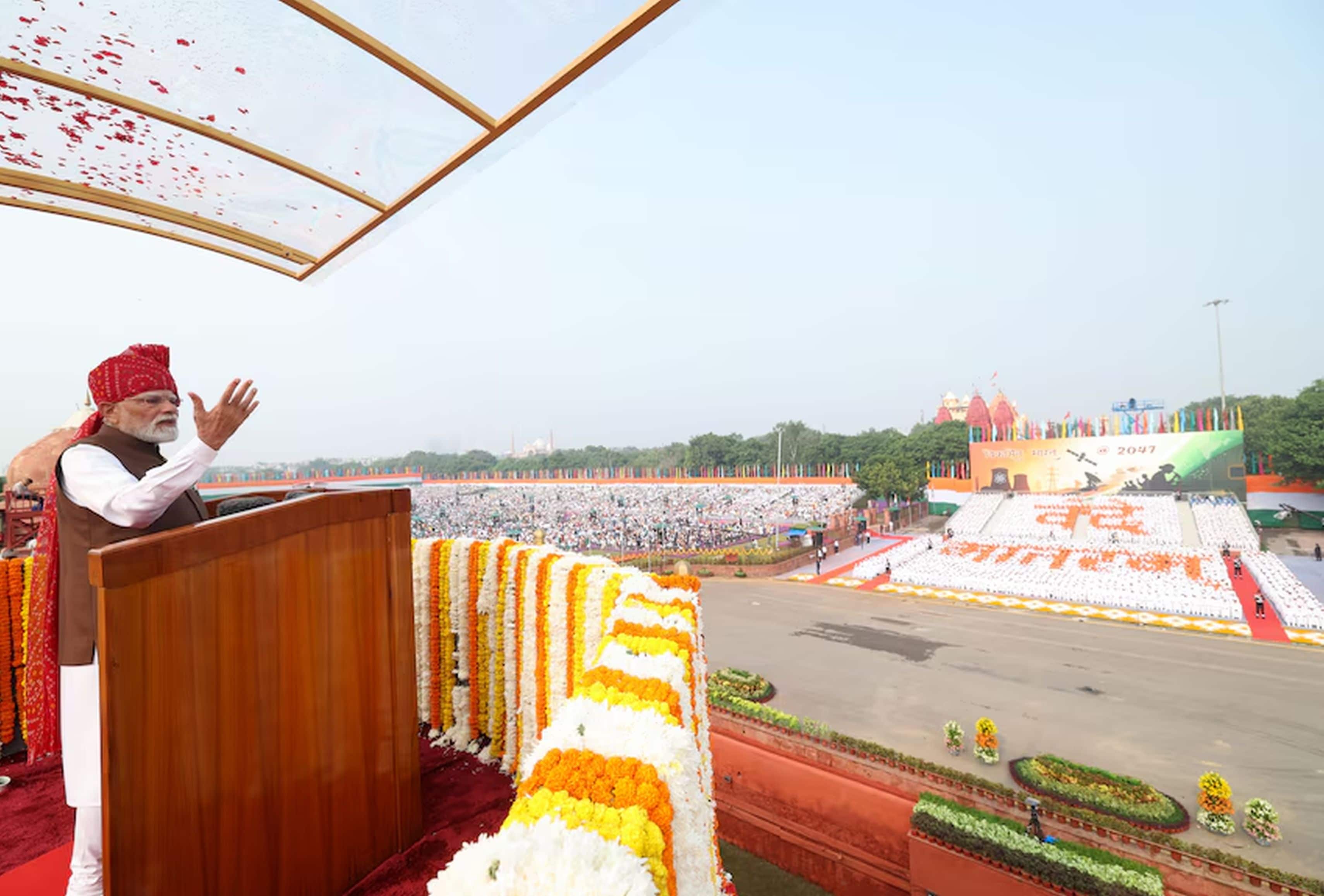
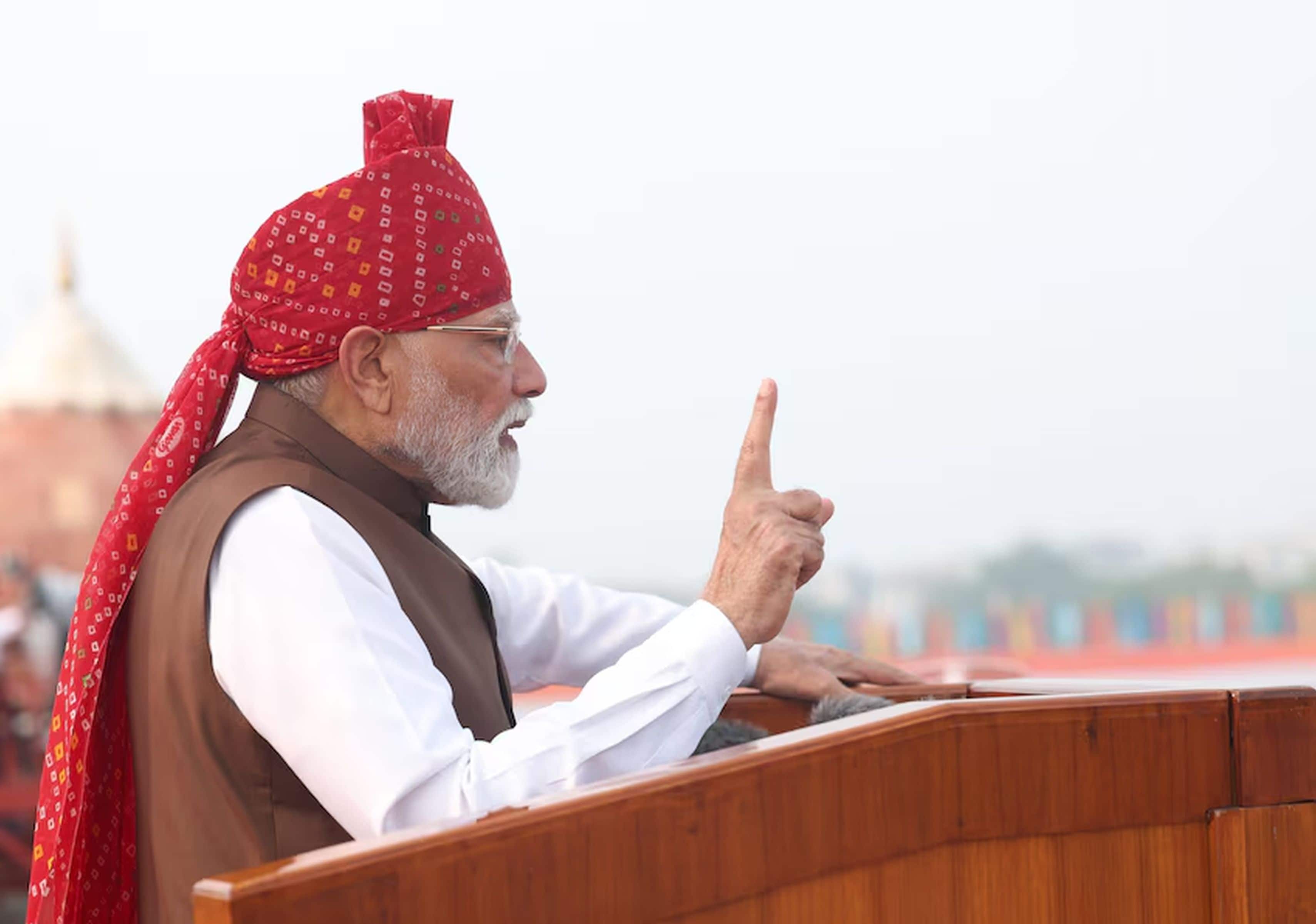
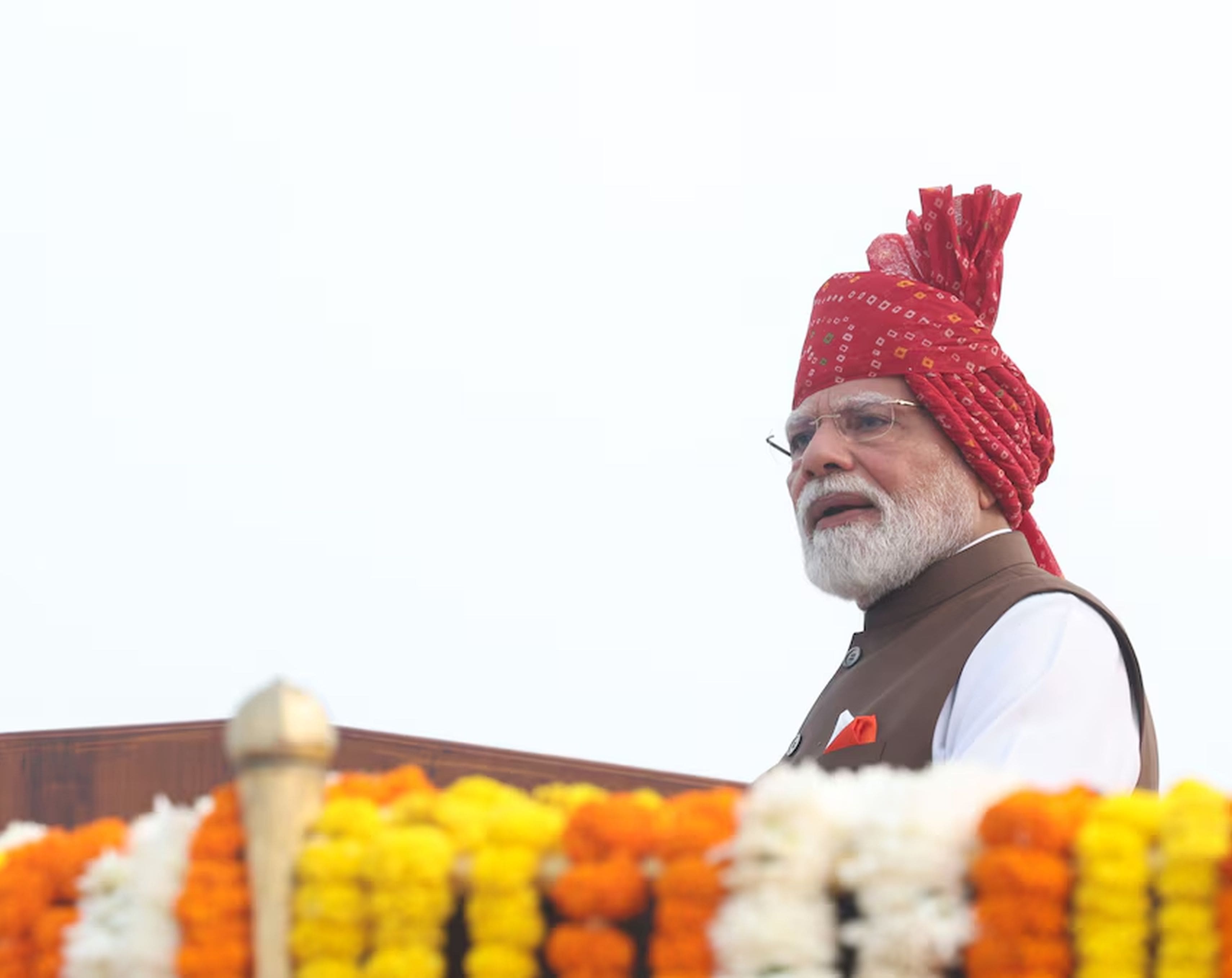
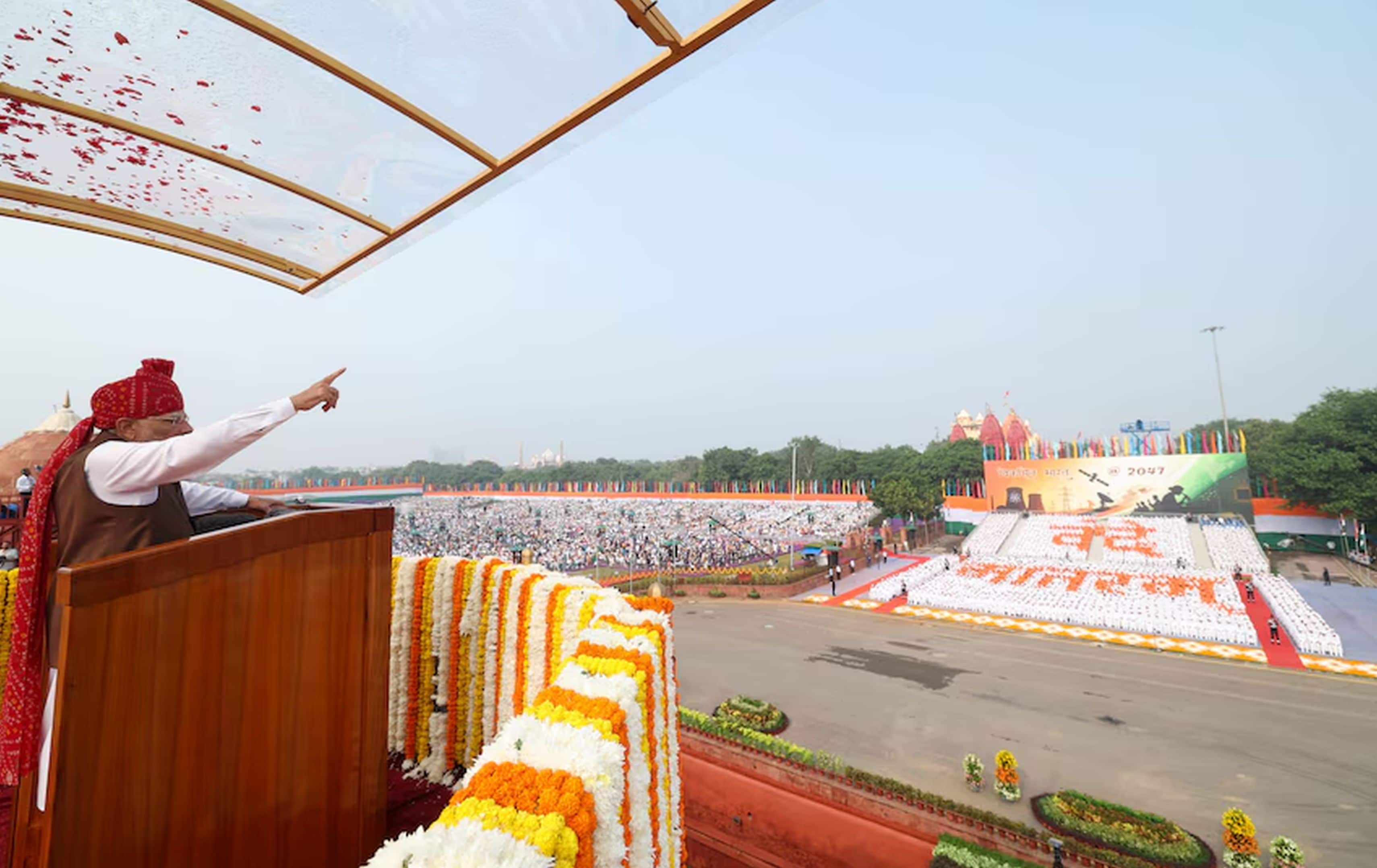
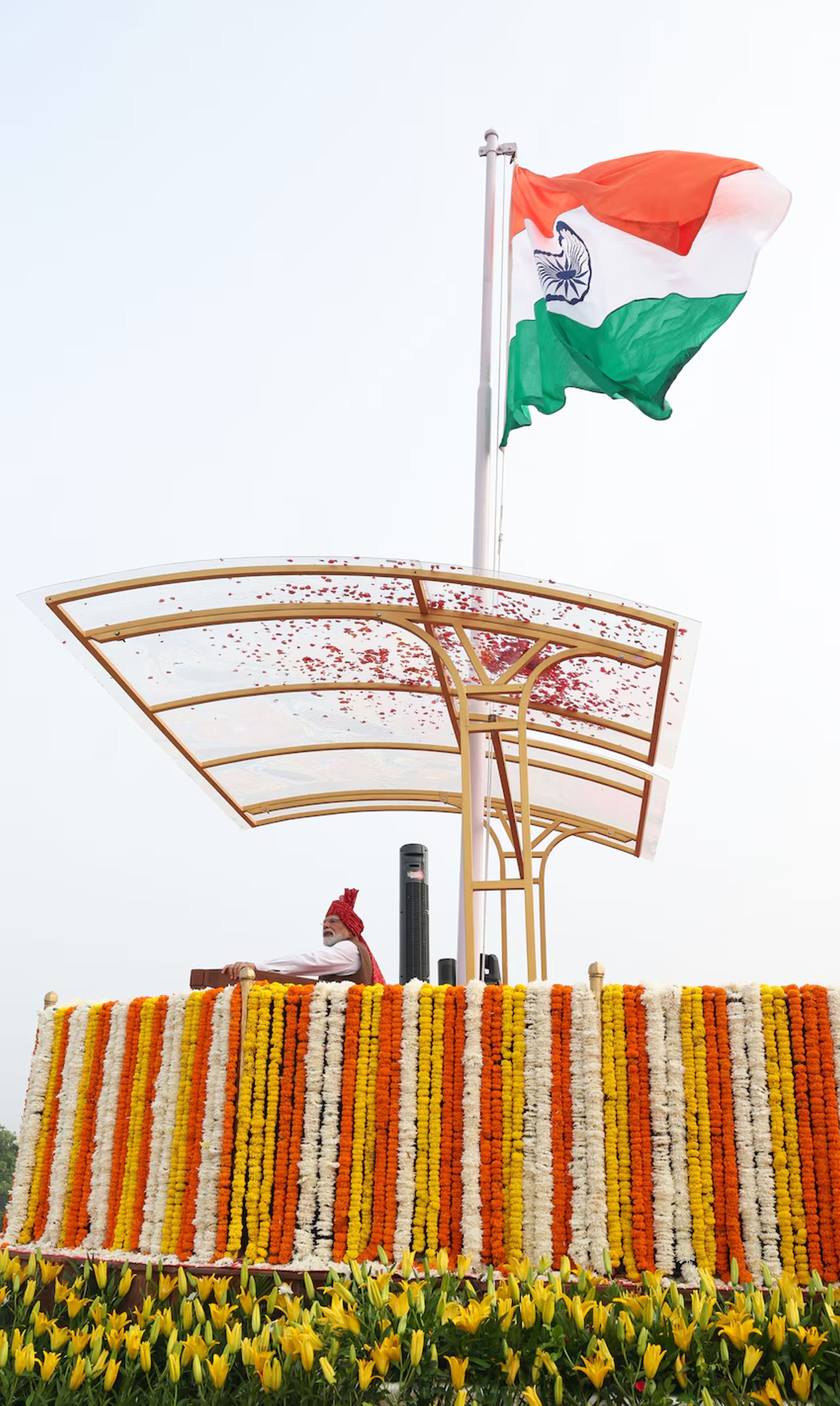
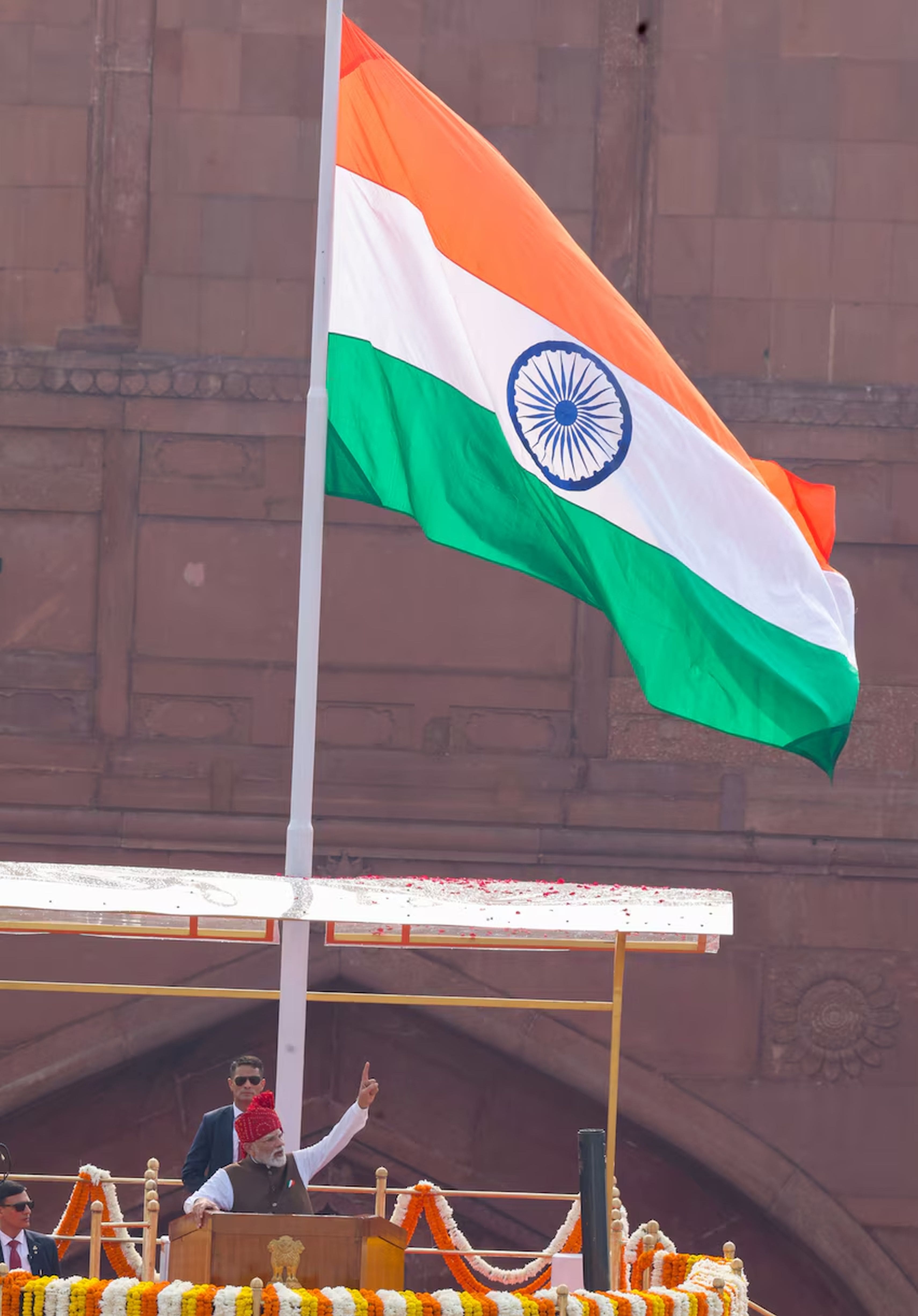
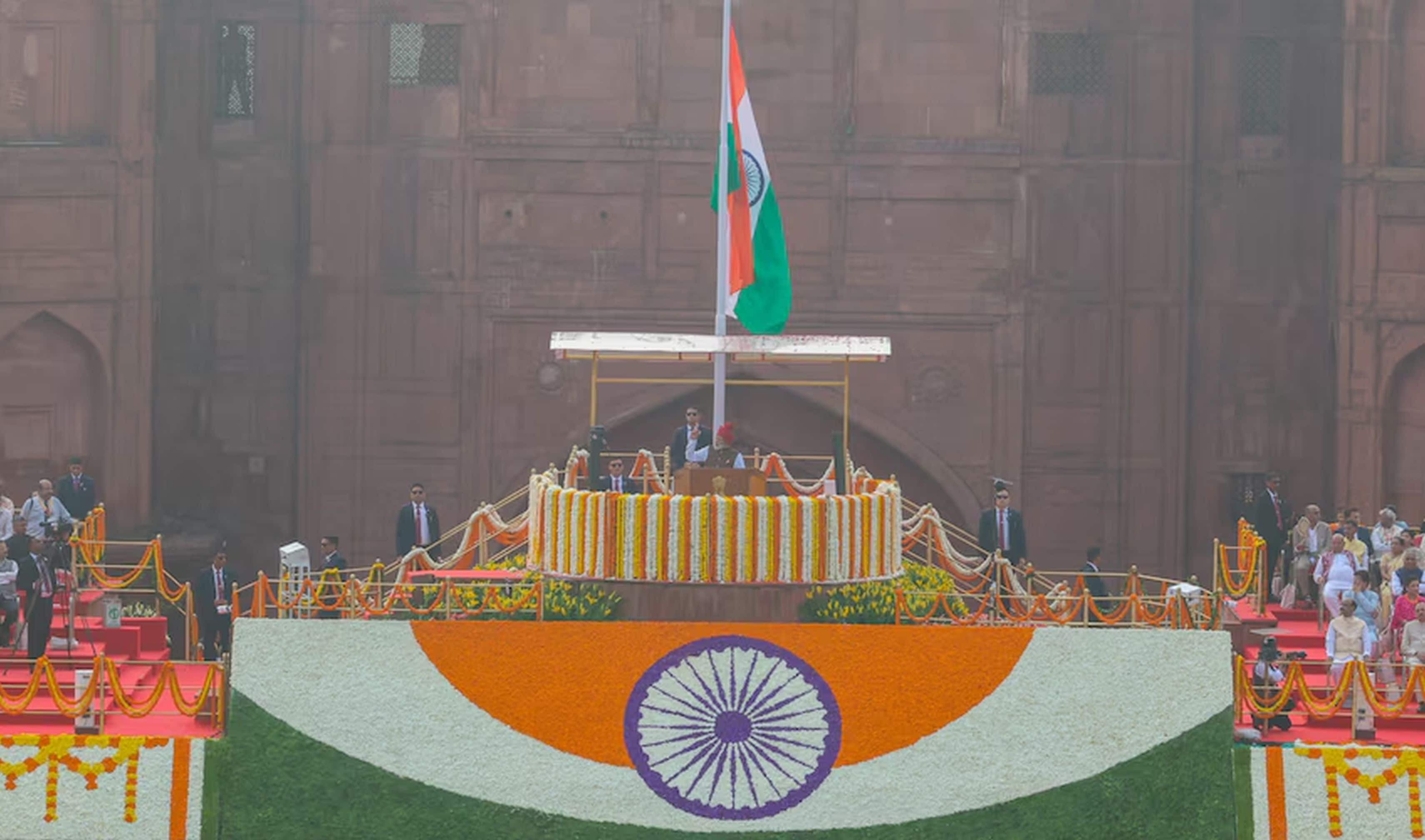
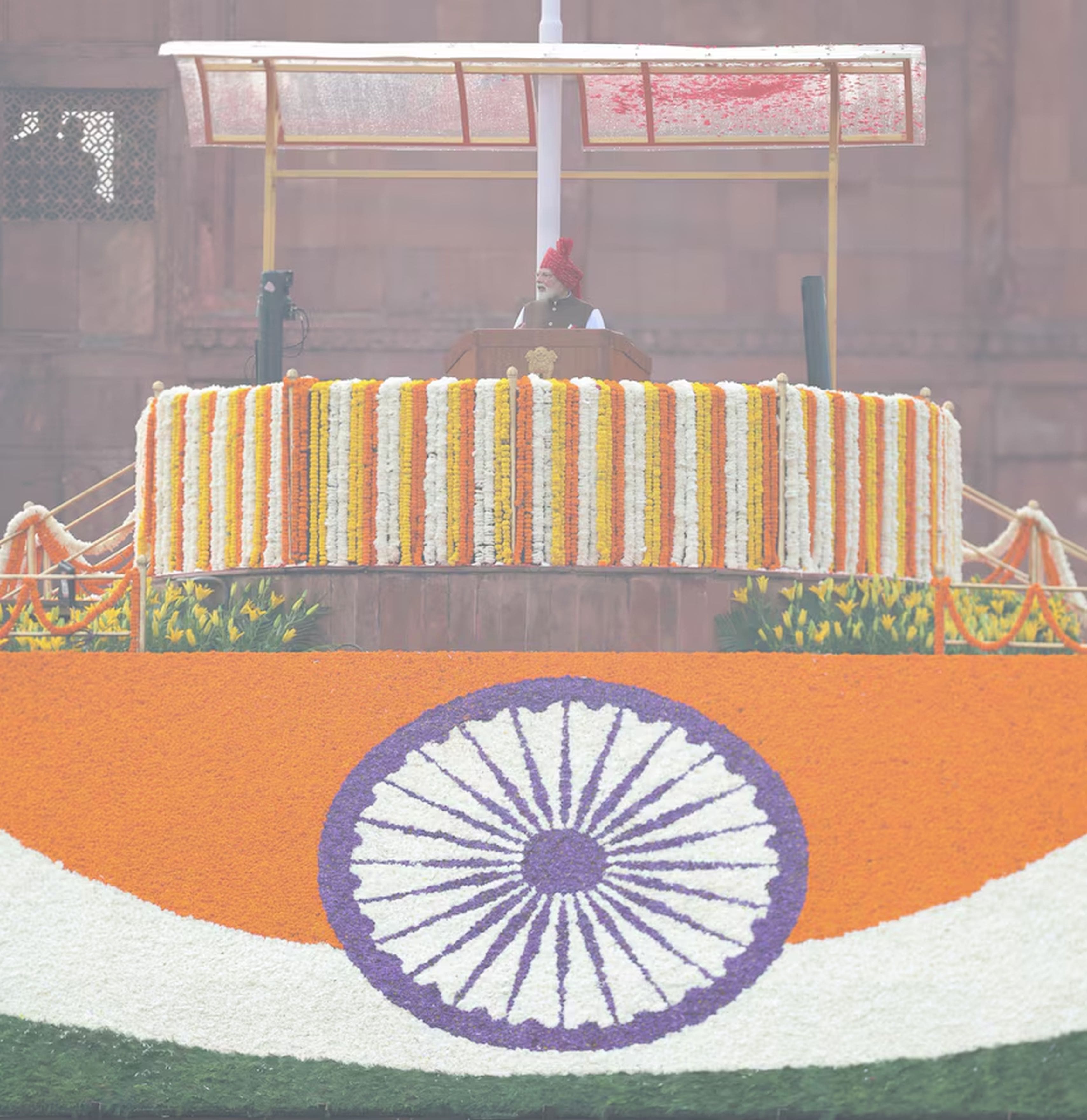
80వ స్వాతంత్ర్య దినోత్సవం సందర్భంగా ఎర్రకోట నుంచి ప్రధానమంత్రి శ్రీ నరేంద్ర మోదీ ప్రసంగం
August 15, 2026
Share
మన కలలు, సంకల్పం, బలంతో ముందుకు సాగాల్సిన రోజు ఇది: పీఎం
దృఢ సంకల్పంతో గొప్ప కలను సాకారం చేసుకునే దిశగా నేడు భారత్ అడుగులు.. 2047 నాటికి, స్వాతంత్ర్యం వచ్చి 100 ఏళ్లు పూర్తయ్యే నాటికి వికసిత్ భారత్ నిర్మించాలన్నదే ఆ కల: పీఎం
మనల్ని మనం విశ్వసించాలి... గౌరవంగా ఆత్మనిర్భర్ భారత్ను నిర్మించాలి: పీఎం
పలు రంగాల్లో ఒకప్పుడు 'ప్రవేశం లేని ప్రాంతం' స్థాయి నుంచి 'అనుమతి గల ప్రాంతం' స్థితికి మార్పు: పీఎం
మేక్ ఇన్ ఇండియా, వోకల్ ఫర్ లోకల్ స్ఫూర్తిని అందుకుంటున్న ప్రతి భారతీయుడు: పీఎం
భారత్కు స్థిరమైన రాజకీయ ఆదేశం, స్థిరమైన ప్రభుత్వం, శక్తిమంతమైన ప్రజాస్వామ్యం, బలమైన న్యాయ వ్యవస్థ, మనందరికీ మార్గనిర్దేశం చేసే రాజ్యాంగం: పీఎం
మనం దృష్టి సారించాల్సిన మూడు అంశాలు... ధర, నాణ్యత, విస్తృతి: పీఎం
పోటీతత్వంతో కూడిన పరిశ్రమలు, వినియోగదారులకు అనుకూలమైన ఉత్పత్తులు, అత్యుత్తమ ప్యాకేజింగ్ అవసరం: పీఎం
శాంతి, అభివృద్ధి, నూతన ఆశలతో ఒకప్పటి నక్సల్స్ ప్రభావిత ప్రాంతాలు: పీఎం
రాబోయే ఏళ్లలో భారత్ను ముందుకు నడిపించి, దేశాన్ని నూతన శిఖరాలకు చేర్చనున్న సప్తధారలు: పీఎం
నా ప్రియమైన దేశ ప్రజలారా,
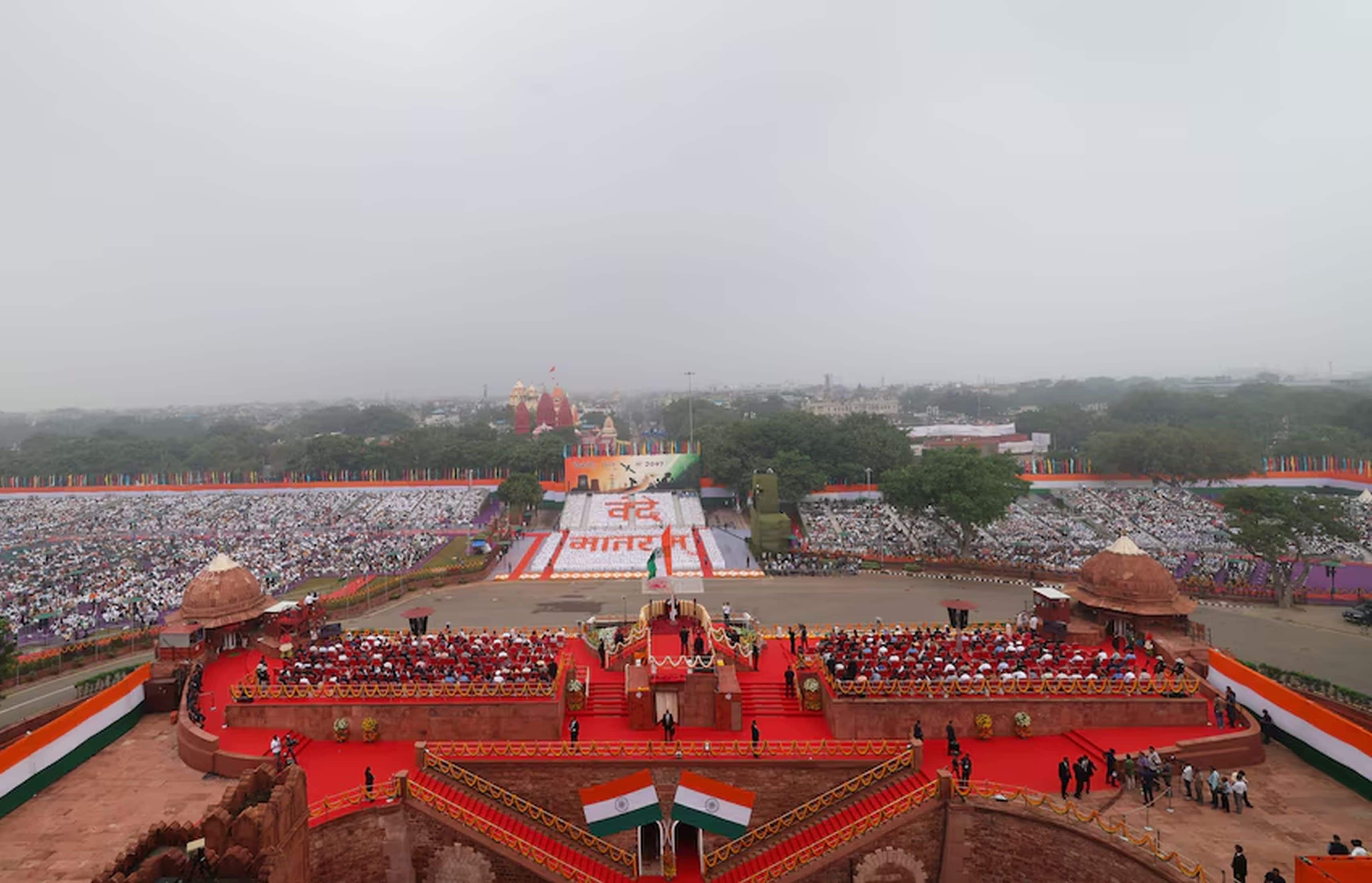
నేడు మనం 80వ స్వాతంత్ర్య దినోత్సవాన్ని జరుపుకుంటున్నాం. ఇవాళ ప్రతి గుండె చప్పుడు వందేమాతరం నినాదంతో ప్రతిధ్వనిస్తోంది. ఈ రోజు "హర్ ఘర్ తిరంగా హై, హర్ మన్ తిరంగా హై" (ప్రతి ఇంటా త్రివర్ణ పతాకం, ప్రతి మనసులోనూ త్రివర్ణ పతాకం) అనే భావనతో దేశం కొత్త ఉత్సాహంతో, నూతన శక్తితో, కొత్త సంకల్పాలను మోసుకుంటూ ముందుకు సాగుతోంది. మీ అందరికీ స్వాతంత్ర్య దినోత్సవ శుభాకాంక్షలు. స్వాతంత్ర్యం కోసం ప్రాణాలర్పించిన మహానీయులను, అమరవీరులను నేడు దేశం స్మరించుకుంటోంది. వారి కఠోర దీక్ష, త్యాగం, అంకితభావంతో స్వాతంత్ర్య సాధనే వారి జీవిత లక్ష్యంగా మలచుకున్నారు. పూజ్య బాపునకు, స్వాతంత్ర్య సమరయోధులందరికీ, ఈ త్యాగనిరతికి స్ఫూర్తినిచ్చిన గొప్ప విప్లవకారులందరికీ నివాళులు అర్పిస్తున్నా. నేడు ఈ వేడుకకు హాజరైన ప్రతి ఒక్కరికీ ఇదొక చారిత్రక క్షణం. స్వాతంత్ర్యం వచ్చిన తర్వాత తొలిసారిగా ఆగస్టు 15న ఎర్రకోట నుంచి వందేమాతరం ప్రతిధ్వనిస్తోంది. నేడు మనం వందేమాతరం 150వ వార్షికోత్సవాన్ని జరుపుకుంటున్న తరుణంలో దీనికంటే అద్భుతమైన సందర్భం మరొకటి ఉంటుందా?
నా ప్రియమైన దేశ ప్రజలారా,
ఇటీవల దేశంలోని పలు ప్రాంతాల్లో వరదలు, కొండచరియలు విరిగిపడటం వల్ల ఎన్నో కుటుంబాలు ప్రభావితమయ్యాయి. వారి బాధను, క్షోభను మేం పూర్తిగా అర్థం చేసుకోగలం. బాధిత కుటుంబాలకు మాతో పాటు దేశం మొత్తం వెంట ఉంటుందని నేను హామీ ఇస్తున్నా.
నా ప్రియమైన దేశ ప్రజలారా,
కలలు, సంకల్పాలు, సామర్థ్యాల బలంతో ఒక దేశం ముందుకు సాగినప్పుడు అది గొప్పగా మారుతుంది. లక్ష్యాలను సాధిస్తుంది.
నా ప్రియమైన దేశ ప్రజలారా,
మనం ఇకపై చిన్న కలలతో ముందుకు సాగలేం. పెద్ద కలలను కనాలి... పెద్ద కలలే మన ఆలోచనలను విస్తృతం చేస్తాయి. మన దృష్టి పరిధిని కూడా పెంచుతాయి. మన సంకల్పాలు దృఢంగా ఉండాలి. సంకల్పం బలపడినప్పుడు కష్టాల సమయంలోనూ, విపత్తుల సమయంలోనూ ఒక మార్గాన్ని కనుగొనే సామర్థ్యం ఉద్భవిస్తుంది.
నా ప్రియమైన దేశ ప్రజలారా,
మన సంకల్పాలు కూడా ఉన్నతంగా ఉండాలి. మన కలలు, సంకల్పాలు ఉన్నతంగా ఉన్నప్పుడు సామర్థ్యాల స్థాయి కూడా పెరుగుతుంది. మన ప్రయత్నాల పరిమాణం కూడా పెరుగుతుంది. అప్పుడే మనం కలలను నిజం చేసుకోగలం.
నా ప్రియమైన దేశ ప్రజలారా,
భారత్ నేడు ఒక పెద్ద కలని కంటోంది. దృఢ సంకల్పంతో కూడిన కల, నూతన శిఖరాలను అధిరోహించాలనే కల. అదేమిటంటే... 2047 నాటికి స్వాతంత్ర్య వజ్రోత్సవాలు పూర్తి చేసుకునే సమయానికి 'వికసిత్ భారత్' (అభివృద్ధి చెందిన భారతదేశం) ను మనం నిర్మిస్తాం. 140 కోట్ల మంది పౌరుల శ్రమ, కృషితో మనం ఈ లక్ష్యాన్ని సాధించాలి. ప్రపంచంలోనే అత్యధిక జనాభా కలిగిన దేశం... అభివృద్ధి చెందిన దేశంగా మారాలని సంకల్పించుకున్నప్పుడు, అది ప్రపంచ దృష్టిలో మన ధైర్యానికి ప్రతీకగా నిలుస్తుంది. ప్రపంచం మనల్ని చూసే దృష్టిని మార్చుకోవాల్సి ఉంటుంది.
నా ప్రియమైన దేశ ప్రజలారా,
కారణం లేకుండా నేను ఈ మాట చెప్పటం లేదు. గత 12 ఏళ్లుగా దళితులు, అణగారిన వర్గాలు, నిరుపేదలు, గిరిజన సంఘాలు, గ్రామాలు, నగరాల్లో నివసించే ప్రజలు, పేదలు, మధ్యతరగతి ప్రజలు, యువత, వృద్ధులు, మహిళలు, పురుషులు... ఉత్తర, దక్షిణ, తూర్పు, పశ్చిమ ప్రాంతాల ప్రజలు... దేశంలోని కోట్లాది మంది పౌరులు సంకల్పంతో, అంకితభావంతో దేశాన్ని నూతన శిఖరాలకు చేర్చేందుకు సాధ్యమైన ప్రతి ప్రయత్నం చేశారు. వారి కృషిని నేను అభినందిస్తున్నా. ఈ పౌరుల సమష్టి ప్రయత్నాల ఫలితంగానే అతి తక్కువ సమయంలో 25 కోట్ల మంది ప్రజలు పేదరికం నుంచి బయటపడ్డారు. ఒకప్పుడు మనం బలహీనమైన ఆర్థిక వ్యవస్థల జాబితాలో ఉండగా, ఈ పౌరుల కృషితోనే కేవలం 12 ఏళ్లలోనే ప్రధాన ఆర్థిక వ్యవస్థగా, అత్యంత వేగంగా అభివృద్ధి చెందుతున్న ఆర్థిక వ్యవస్థగా అవతరించాం.
మిత్రులారా,
స్వాతంత్ర్యం వచ్చినప్పుడు దేశం ఎన్నో కలలతో ముందుకు సాగింది. కానీ మనం ఆశించిన వేగాన్ని అందుకోలేకపోయాం. సరైన పురోగతిని సాధించలేకపోయాం. "అన్నీ సర్దుకుంటాయి. కాలమే సమాధానం చెబుతుంది. చూద్దాంలే" అనే ధోరణిలోనే ఉండిపోయాం. ఫలితంగా 2014 నాటికి అత్యంత బలహీనమైన ఆర్థిక వ్యవస్థల జాబితాలో మనల్ని ప్రపంచ దేశాలు చేర్చాయి. అటువంటి క్లిష్ట పరిస్థితుల నుంచి బయటపడి గత పన్నెండేళ్లలో భారత్ నూతనోత్తాజాన్ని, ఉత్సాహాన్ని సంతరించుకుంది. నేడు మనం అత్యంత వేగంగా దూసుకెళ్తున్నాం. దేశంలోని 140 కోట్ల మంది పౌరుల సంకల్ప శక్తిని, సామర్థ్యాలను ఇప్పుడు ఎవరూ ఆపలేరని స్పష్టమైంది.
నా ప్రియమైన దేశ ప్రజలారా,
గత 12 ఏళ్లలో రక్షణ రంగ ఉత్పత్తి దాదాపు నాలుగు రెట్లు పెరిగింది. ఖాదీ, గ్రామ పరిశ్రమల రంగం ఉత్పత్తి దాదాపు ఐదు రెట్లు పెరిగింది. ఎలక్ట్రానిక్స్ తయారీ దాదాపు ఏడు రెట్లు, ఆధునిక రైల్వే కోచ్ల ఉత్పత్తి 21 రెట్లు, మొబైల్ ఫోన్ల ఉత్పత్తి 35 రెట్లు పెరిగింది. ఇది మాత్రమే కాదు. ఆధునిక యుగానికి అనుగుణంగా డిజిటల్ టెక్నాలజీ, ఆవిష్కరణల ప్రపంచంలోనూ మనదైన ముద్ర వేశాం. ఇంటర్నెట్ వినియోగదారులు, కస్టమర్ల సంఖ్య దాదాపు నాలుగు రెట్లు పెరిగింది. మంజూరైన పేటెంట్ల సంఖ్య నాలుగు రెట్లు పెరిగింది. డిజిటల్ లావాదేవీలు 100 రెట్లు పెరిగాయి. సాధారణ పౌరుల దైనందిన జీవితాలను మెరుగుపరిచేందుకు మేం కూడా అంతే శ్రద్ధతో పనిచేశాం. గతంతో పోలిస్తే సగటున 15 రెట్లు వేగంగా నల్లా నీటి కనెక్షన్లను ఏటా అందించాం. గ్యాస్ కనెక్షన్లు ఏటా సగటున ఆరు రెట్లు వేగంగా అందిస్తున్నాం. పేదల కోసం మరుగుదొడ్ల నిర్మాణం వార్షిక రేటు కన్నా నాలుగు రెట్లు వేగంగా జరుగుతోంది. పేదలకు ఇళ్లు సమకూర్చే వేగం ఏటా మూడు రెట్లు పెరిగింది. దేశంలో పెద్ద ఎత్తున పాలనాపరమైన మార్పులు జరిగాయి. వేలాది నిబంధనలను తొలగించాం. కాలం చెల్లిన వందలాది చట్టాలు రద్దయ్యాయి. గత శతాబ్దపు చట్టాలతో 21వ శతాబ్దపు ప్రయాణాన్ని సాగించటం సాధ్యం కాదు. ఆధునిక మౌలిక వసతుల కోసం మెట్రో వ్యవస్థలను విస్తరించాం. ప్రజా రవాణాను బలోపేతం చేశాం. పనులు జరిగిన వేగం, చేపట్టిన పరిమాణం, పురోగతి, ఈ విస్తరణ, ఈ విజయాలు స్వాతంత్ర్యానంతరం గత దశాబ్దంలో దేశం తొలిసారిగా చూసినవి. మన ముందు ఇన్ని విజయాలు, ఇంత వేగవంతమైన పురోగతి స్పష్టంగా కనిపిస్తున్నప్పుడు, ప్రతి క్షణం దేశ పౌరుల సామర్థ్యాలు బలపడుతున్నప్పుడు 2047 నాటికి 'వికసిత్ భారత్'ను సాధించాలనే సంకల్పం తప్పకుండా నెరవేరుతుంది. దేశం వేగంగా పురోగమిస్తుందని ఈ గణాంకాలు స్పష్టం చేస్తున్నాయి.
నా ప్రియమైన దేశ ప్రజలారా,
మనకు ఆత్మ విశ్వాసం కావాలి. ఆత్మ గౌరవం ఉండాలి. అదే సమయంలో 'ఆత్మనిర్భర్ భారత్' (స్వావలంబన భారత్)ను సాధించటం ఎంతో ముఖ్యం. అందుకే ఇటీవల సంవత్సరాల్లో ఇతర దేశాలపై భారత్ ఆధారపడకూడదని మనం బలంగా విశ్వాసించాం. మనం స్వావలంబన సాధించాలి. ప్రపంచంలో చౌకగా లభించేవి... త్వరగా పొందగలిగేవి ఎన్నో ఉండవచ్చు. కానీ వాటిపై ఆధారపడటం వల్ల సొంత సామర్థ్యాలు పెరగవు. మన సామర్థ్య బలాన్ని పరీక్షించుకునే అవకాశం కూడా రాదు. అందువల్ల సొంత సామర్థ్యాలను మనం బలోపేతం చేసుకోవాలి. మన ప్రయోజనాలను మనమే కాపాడుకోవాలి. అందుకే ‘ఆత్మనిర్భర్ భారత్’ అనే బలమైన సంకల్పంతో మనం ముందుకు సాగుతున్నాం. మేక్ ఇన్ ఇండియా, స్వదేశీ, వోకల్ ఫర్ లోకల్ వంటి కార్యక్రమాలతో భారతీయులంతా ఏకమవుతున్నారు.
నా ప్రియమైన దేశ ప్రజలారా,
సెమీ కండక్టర్లనే ఉదాహరణగా తీసుకుందాం. మనం స్వాతంత్ర్యం పొందిన నాటికే ప్రపంచంలో సెమీ కండక్టర్ల చర్చ జరిగింది. మన దేశంలోనూ ఆ అంశంపై చర్చలు జరిగాయి. కానీ, దానికి సంబంధించిన ప్రణాళికలను మనం ముందుకు తీసుకెళ్లలేకపోయాం. నేటి పరిస్థితి ఏంటి? నేటి డిజిటల్ ప్రపంచంలో, సాంకేతికత ఆధారిత యుగంలో చిప్ ప్రాముఖ్యత ఏమిటో మనం అర్థం చేసుకున్నాం. ఎలక్ట్రానిక్ వస్తువులు, వైద్య పరికరాలు, రవాణా వ్యవస్థల వంటి ప్రతిచోటా చిప్స్ అత్యవసరం. చిప్స్ లేకుండా మొత్తం వ్యవస్థే స్తంభించిపోయే స్థాయికి ప్రపంచం చేరుకుంది. అందుకే స్వావలంబన దిశగా భారత్ అడుగులు వేస్తూ... సొంత సెమీకండక్టర్ తయారీ సామర్థ్యాన్ని ఏర్పాటు చేయటం ప్రారంభించింది. ఇప్పటికే మూడు ప్రధాన సెమీకండక్టర్ ప్లాంట్లు ప్రారంభమయ్యాయి. వాటి నుంచి జరిగిన ఉత్పత్తి ఇప్పటికే ఎగుమతి అవుతున్నట్లు తెలిసింది. రాబోయే ఏడు నుంచి ఎనిమిదేళ్లలో మరో ఐదు, ఏడు, ఎనిమిది సెమీకండక్టర్ ప్లాంట్లు కూడా కార్యకలాపాలు ప్రారంభిస్తాయని నేను ప్రజలకు చెప్పాలనుకుంటున్నా. 'వికసిత్ భారత్'గా మారటానికి ఈ 'ఆత్మనిర్భర్ భారత్' మనకు రాజమార్గాన్ని అందిస్తుంది.
నా ప్రియమైన దేశవాసులారా,
కీలక ఖనిజాల విషయంలోనూ ఇలాంటి చర్చే జరుగుతోంది. మొత్తం సాంకేతిక రంగం కీలక ఖనిజాలపై ఆధారపడి ఉంది. ఈ రంగంలోనూ స్వయం-సమృద్ధి సాధించడానికి భారత్ కృషి చేస్తోంది. మేం కీలక ఖనిజాల లక్ష్యాన్ని పంచుకున్నాం, జాతీయ కీలక ఖనిజాల మిషన్నూ ప్రారంభించాం. బడ్జెట్లో, ‘కీలక ఖనిజాల కారిడార్’నూ ప్రకటించాం. అనేక దేశాలతో ఒప్పందాలు జరుగుతున్నాయి. ప్రపంచవ్యాప్తంగా చాలా దేశాలు ఇప్పుడు కీలక ఖనిజాల రంగంలో భారత్పై నమ్మకం ఉంచడం ప్రారంభిస్తున్నాయి.
నా ప్రియమైన దేశవాసులారా,
మనం సెమీకండక్టర్లు, కీలక ఖనిజాల గురించి మాట్లాడుకుంటున్నాం. ప్రపంచమంతా భవిష్యత్ సాంకేతికతల దిశగా పయనిస్తున్న సమయంలో, మనమూ ఆ దిశగా ముందుకు సాగుతున్నాం. దీంతో ఇంధన ప్రాముఖ్యతా పెరుగుతూనే ఉంది. ఇంధనం లేకుండా ఈ నూతన ప్రపంచాన్ని నడపడం ఇప్పుడు కష్టం. చిప్స్, ఏఐ లేదా డేటా సెంటర్లు ఏవైనా సరే... వీటి కోసం మనకు చాలా ఎక్కువ పరిమాణంలో విద్యుత్ అవసరం అవుతుంది. ఇంధన భద్రత తక్షణ అవసరం. అందుకే మేం ఇప్పటికే ఈ దిశగా అనేక బలమైన చర్యలు తీసుకున్నాం. ఇంధన భద్రతను నిర్ధారించడానికి ఒక ప్రధాన మార్గం అణు ఇంధనం. పార్లమెంటులో ‘శాంతి’ చట్టాన్ని ఆమోదించడం ద్వారా, మేం కొత్త లక్ష్యం సాకారం దిశగా మార్గం సుగమం చేశాం. 2047 నాటికి, 100 గిగావాట్ల అణు విద్యుత్ లక్ష్యం సాధించే దిశగా మనం పనిచేస్తున్నాం. ఈ దశాబ్దంలోనే, ఐదు కొత్త అణు రియాక్టర్లను ప్రారంభించాలనే లక్ష్యాన్నీ మేం నిర్దేశించుకున్నాం. ఈ సంవత్సరం, ఫాస్ట్ బ్రీడర్ అణు సాంకేతికతలో నైపుణ్యం సాధించడం ద్వారా భారత్ కీలక మైలురాయిని అధిగమించింది. ఫలితంగా, అణు ఇంధనంలో స్వయం-సమృద్ధి సాధించే దిశగా మనం గొప్ప ముందడుగు వేశాం.
నా ప్రియమైన దేశవాసులారా,
కొన్నిసార్లు, ఒక దేశాన్ని వెనక్కి నెట్టేది వనరుల కొరత కాదు... దాని ఆలోచనా విధానంలోని పరిమితులే. మన ఆలోచనలు సంకుచితమై, ఆ పరిమితుల్లోనే ఆలోచించడం మొదలుపెట్టినప్పుడు... మన సొంత సామర్థ్యాన్నీ మనం గుర్తించలేకపోతాం. ప్రస్తుతం దేశం ముడి చమురుపై ఆధారపడవలసి వస్తోంది. ఇది గతంలో మన ఆలోచనా విధానం తప్పుగా ఉన్న ఫలితమే. ఇలాంటి ఆలోచనల కారణంగానే, మన మొత్తం తీరప్రాంతంలో 99 శాతాన్ని మనం 'నో-గో ఏరియా'గా ప్రకటించామని తెలిస్తే మీరు ఆశ్చర్యపోతారు. అన్వేషణ కోసం సముద్రంలోకి వెళ్లకూడదని మనమే స్వయంగా నిర్ణయించుకున్నాం. ఇది ఆలోచనా దారిద్య్రం. ఇది ఇకపై కొనసాగకూడదని మేం నిర్ణయించాం. ఒకప్పుడు 'నో-గో ఏరియా'గా ప్రకటించిన ఆ 99 శాతం తీర ప్రాంతాన్ని ఇప్పుడు 'గో-అహెడ్ ఏరియా'గా మార్చాం. సముద్రాన్ని అన్వేషించి, కొత్త నిల్వలను కనుగొనే దిశగా మనం పురోగమిస్తున్నాం. దీని కోసం ప్రయత్నాలనూ ముమ్మరం చేశాం. గత సంవత్సరం, ఈ దిశగా కీలక ముందడుగు వేస్తూ, మేం 'సముద్ర మంథన్'ను ప్రకటించాం. ఇటీవలే, ఈ ప్రక్రియను వేగవంతం చేయడం కోసం రూ.85,000 కోట్లు కేటాయించాలనీ నిర్ణయించాం.
నా ప్రియమైన దేశవాసులారా,
ఇంధన భద్రత విషయంలో... ప్రత్యామ్నాయ వనరుల కోసం మన పూర్తి శక్తిని వినియోగించడం అంతే ముఖ్యమని నేను చెప్పాను. ఇంధనాన్ని సమర్థంగా ఉపయోగించడాన్ని ప్రోత్సహిస్తూ, భారత్ ఈ రోజు ఈ దిశగా వేగంగా పురోగమిస్తోంది. 2014కు ముందు, అంటే 12 సంవత్సరాల కిందట, మన దేశంలో కేవలం 70 నగరాల్లో మాత్రమే పైప్లైన్ల ద్వారా గ్యాస్ పంపిణీ చేసే మౌలిక సదుపాయాలు ఉండేవి. ఈ 12 సంవత్సరాల్లో, మనం ఈ 70 నగరాలను 700 నగరాలకు విస్తరించుకున్నాం. వేగం అంటే ఇలా ఉంటుంది. విస్తరణ అంటే ఇలా ఉంటుంది. 2014కు ముందు, కేవలం 20-22 లక్షల గృహాలకు మాత్రమే పైప్లైన్ల ద్వారా గ్యాస్ అందేది. ఈ రోజు, దాదాపు 1.75 కోట్ల గృహాలకు పైప్లైన్ల ద్వారా గ్యాస్ అందించే పనులు జరుగుతున్నాయి. పన్నెండు సంవత్సరాల కిందట, దేశంలో సౌరశక్తి సామర్థ్యం కేవలం 2 గిగావాట్లు మాత్రమే. ఈ రోజు, మనం 160 గిగావాట్ల సామర్థ్యాన్ని సాధించాం.
నా ప్రియమైన దేశవాసులారా,
నేను మరో విషయాన్ని పంచుకోవాలనుకుంటున్నాను. ఈ ప్రయోజనాలు దేశవ్యాప్తంగా మధ్యతరగతి, సాధారణ కుటుంబాలకు చేరేలా చూడటంపై మేం ప్రధానంగా దృష్టి సారించాం. మేం పీఎం సూర్య ఘర్ ముఫ్త్ బిజ్లీ యోజనను ప్రారంభించాం. ఇంత తక్కువ కాలంలోనే 50 లక్షల ఇళ్లలో సౌరశక్తి వ్యవస్థలను ఏర్పాటు చేసే మైలురాయిని అదిగమించాం. ఈ పనిలో వేగవంతమైన పురోగతిని చూసి ఈ రోజు నేను సంతోషిస్తున్నాను. దీని ఫలితంగా, వేలాది కుటుంబాల విద్యుత్ బిల్లులు సున్నా అయ్యాయి. పైగా ఈ కుటుంబాలు తాము ఉత్పత్తి చేసిన అదనపు విద్యుత్ను విక్రయించడం ద్వారా ఆదాయం పొందుతున్నాయి. ఈ ప్రయోజనం కోసం ప్రభుత్వం ప్రతి కుటుంబానికి రూ. 80,000 ఆర్థిక సహాయం అందిస్తోంది. ఈ ఆర్థిక మద్దతుతోనే మేం ఈ పనిని ముందుకు తీసుకువెళ్తున్నాం.
నా ప్రియమైన దేశవాసులారా,
మన దేశంలో రైల్వే వ్యవస్థ విద్యుదీకరణ 1925లోనే ప్రారంభమైందని తెలిస్తే మీరు ఆశ్చర్యపోతారు. విద్యుదీకరణ పనులు 1925లో ప్రారంభమైనప్పటికీ, ఆ తర్వాతి 90 ఏళ్లలో రైల్వే నెట్వర్క్లో కేవలం 30 శాతం మాత్రమే విద్యుదీకరణ జరిగింది. అంటే 90 ఏళ్లలో కేవలం 30 శాతం అన్నమాట. ప్రస్తుతం మా ప్రభుత్వ వేగాన్ని చూడండి... లక్ష్యాన్ని సాధించాలనే మా సంకల్పాన్నీ చూడండి... ఈ ఒక్క దశాబ్దంలోనే మేం 100 శాతం పనిని పూర్తి చేశాం. 90 ఏళ్లలో 30 శాతం పని జరిగితే, 10 ఏళ్లలోనే 70 శాతం పని జరిగింది. పని అంటే ఇలా ఉంటుంది. ఫలితంగా, గతంలో మనం విదేశాల నుంచి దిగుమతి చేసుకోవలసి ఉండే డీజిల్నూ ఆదా చేశాం. మన రైళ్లు విద్యుత్తో నడవడం ప్రారంభించాయి. దీనివల్ల పర్యావరణానికీ మేలు జరిగింది.
నా ప్రియమైన దేశవాసులారా,
మేం ఇక్కడితోనే ఆగలేదు. మనం ప్రపంచం కంటే వెనకబడి ఉండకూడదు. మీరు ఇటీవల ఒక వార్త విని ఉండవచ్చు... భారత్ కొత్త ఇంధన రంగంలోనూ ప్రవేశించింది. దేశం తొలిసారిగా హైడ్రోజన్తో నడిచే రైలును ప్రారంభించింది. ఈ రకంలో ఇదే అత్యంత పొడవైన, శక్తిమంతమైన రైలు అని చెప్పడానికి నేను సంతోషిస్తున్నాను. ప్రపంచంలో హైడ్రోజన్తో నడిచే రైళ్ల రంగంలోనూ భారత్ తనదైన ముద్ర వేసింది.
ప్రియమైన దేశవాసులారా,
గత 10-12 సంవత్సరాలుగా, మేం 2047 లక్ష్యాన్ని సాధించే దిశగా నిరంతర కృషి చేస్తున్నాం. ఒకదాని తర్వాత ఒకటిగా విజయాలనూ సాధిస్తూ వస్తున్నాం. ఈ ప్రయాణంలో ఇన్ని కష్టాలను ఎదుర్కోవలసి వస్తుందని మేం ఊహించలేదు. గత 10-12 సంవత్సరాల్లో, మనం ఎన్నో సంక్షోభాలను ఎదుర్కొన్నాం. కోవిడ్-19 వంటి మహమ్మారి యావత్ ప్రపంచాన్ని అనిశ్చితిలోకి నెట్టింది. అన్ని వ్యవస్థలూ అస్తవ్యస్తమయ్యాయి. కోవిడ్ నుంచి బయటపడిన తర్వాత... ఒకవైపు ఉక్రెయిన్లో, మరోవైపు పశ్చిమాసియాలో భయానక యుద్ధ దృశ్యాలనూ చూశాం. ప్రతిచోటా ఉద్రిక్త వాతావరణం నెలకొంది. భవిష్యత్తు గురించి కొంతమంది సోకాల్డ్ జ్యోతిష్యులు ఏమి అంచనా వేశారో అందరికీ తెలుసు... దేశాన్ని భయపెట్టడం, ప్రజల మనసుల్లో భయాన్ని, ఆందోళనను నింపడం ద్వారా వారు సంతృప్తి పొందినట్లు కనిపించారు. టీకాలు అందుబాటులో ఉండవనీ, ప్రజలు కోవిడ్ నుంచి బయటపడలేరనీ, ఏదీ పనిచేయదనీ వారు ప్రచారం చేశారు. పశ్చిమాసియాలో సంక్షోభం తలెత్తినప్పుడూ... పెట్రోల్ పంపుల వద్ద పెట్రోల్ లభించదనీ, గ్యాస్, డీజిల్, ఎరువులు ఉండవనీ పుకార్లు వ్యాప్తి చేశారు. ప్రపంచవ్యాప్తంగా అన్ని రకాల పుకార్లను వ్యాప్తి చేయడం ద్వారా, కొందరు వ్యక్తులు భారత ప్రజలను భయపెట్టి, బెదిరించి, ఆందోళనలో ముంచి ఆనందం పొందారు.
గత 10-12 ఏళ్లుగా సునిశితంగా ఆలోచించి రూపొందించిన ప్రణాళికలు ఇప్పుడు ఫలవంతమవడం దేశమంతా చూసింది. ఇంతటి భారీ సంక్షోభం ఎదురైనా, 'నాగరిక్ దేవో భవ' (ప్రజలు దేవునితో సమానం) అనే సూత్రం ఆధారంగా సరైన సన్నాహాలతో ఒక్కో అడుగూ వేస్తూ భారత్ పురోగమించింది. ఇలాంటి సంక్షోభం వస్తుందని మనం ఊహించలేదు. అది వచ్చినప్పుడు, ఈ సన్నాహాలన్నీ ఎంతో ఉపయోగపడ్డాయి. ఈ రోజు దేశానికి గ్యాస్, పెట్రోల్, యూరియా అందుబాటులో ఉన్నాయి. మనం మన సొంత సామర్థ్యాల బలం మీద నిలబడి, ఆత్మవిశ్వాసంతో ముందుకు సాగుతున్నాం.
నా ప్రియమైన దేశవాసులారా,
ఈ ప్రపంచ సంక్షోభాలు ప్రతి ఒక్కరినీ ప్రభావితం చేశాయి. మనమూ దీనికి అతీతులం కాదు. ప్రపంచ మార్కెట్లో ఒక బస్తా యూరియా ధర రూ. 3,000కి చేరింది. ఈ రోజు మేం మన దేశ రైతులపై ఆ భారాన్ని మోపడం లేదు. ఆ భారాన్ని ప్రభుత్వం తన భుజాలపై మోస్తోంది. ప్రపంచ మార్కెట్ నుంచి రూ. 3000కు మనం పొందే యూరియా బస్తాను, మన రైతులకు కేవలం రూ. 300కే అందించగలుగుతున్నాం. డీఏపీ ధర ప్రపంచ మార్కెట్లో రూ. 5,000కి చేరినప్పటికీ, మన రైతులకు ఎలాంటి ఇబ్బంది కలగకుండా ఉండేందుకు, మేం దానిని వారికి రూ. 1,350కే సరఫరా చేస్తున్నాం.
నా ప్రియమైన దేశవాసులారా,
ఒకప్పుడు నేను స్వయం-సమృద్ధి గురించి మాట్లాడుతుంటే, ఏసీ గదుల్లో కూర్చొని ఆలోచించే కొందరు... ప్రపంచీకరణ ఫలితం ఎలా ఉంటుందని మమ్మల్ని ప్రశ్నిస్తుండేవారు. గత దశాబ్ద కాలంలో ప్రపంచమంతా ప్రపంచీకరణ గురించి మాట్లాడటం ఆపేసినట్లుగా కనిపించడం ఇప్పుడు అందరూ చూస్తున్నారు. ఒకప్పుడు ప్రపంచీకరణ కోసం వినిపించే గళాలు ఆగిపోయాయి. అవి ఇప్పుడు వినిపించడం లేదు. ప్రతి దేశం తనదైన నిర్దిష్ట సవాళ్లను పరిష్కరించుకోవడంపైనే దృష్టి సారించింది. విచారం ఏమిటంటే... ఈ సంక్షోభ సమయంలో కొందరు తమ ఆధిపత్యాన్ని చాటుకోవడానికి వనరులను ఆయుధాలుగా మార్చే ఆటలో నిమగ్నమయ్యారు. ప్రస్తుతం ప్రపంచం తన వద్ద ఉన్న ఆస్తులను ఆయుధాలుగా మార్చడానికి సిద్ధంగా ఉంది. పెట్రోల్, డీజిల్, ఎరువులు, మందులు, టెక్నాలజీ చిప్ల వంటి వనరులనూ ఆయుధాలుగా మార్చుకుంటున్నారు. నిజానికి, భూభాగాన్నీ వారు ఆయుధంగా వాడుతున్నారు. ఇలాంటి సమయంలో, గత దశాబ్ద కాలంగా మనం స్వయం-సమృద్ధి మంత్రంతో సరైన దిశలో పయనించకపోయి ఉంటే... అటువంటి సవాళ్లను మనం ఎలా ఎదుర్కొనేవాళ్ళమో మీరు ఊహించవచ్చు. మన సన్నాహాలు నిరంతరం పెరుగవుతూనే ఉన్నాయి.
ప్రియమైన నా దేశ ప్రజలారా, మరో వైపు, భారతదేశ ప్రొఫైల్ చెప్పుకోదగిన స్థాయిలో పెరుగుతోంది. ప్రస్తుతం ప్రపంచం దృష్టిలో భారత్ ఆమోదయోగ్య దేశంగానూ, ఆదరణీయ దేశంగానూ మారుతోంది. భారత్లో స్థిరమైన పొలిటికట్ మ్యాండేట్ ఉంది. స్థిరమైన ప్రభుత్వం ఉంది. చైతన్యవంతమైన ప్రజాస్వామ్య వ్యవస్థ ఉంది. బలమైన న్యాయవ్యవస్థ ఉంది. మనకందరికీ మార్గదర్శకత్వాన్ని అందిస్తున్న భారత రాజ్యాంగం ఉంది. ప్రస్తుతం మన శక్తిని ప్రపంచ దేశాలు గుర్తించడం మొదలుపెట్టాయి. ఈ కారణంగా 2014 తరువాత, ప్రపంచంలో సుమారు 40 దేశాలతో మనం స్వేచ్ఛా వాణిజ్య ఒప్పందాల (ఎఫ్టీఏస్)ను కుదుర్చుకుంటున్నాం. ఎంత పెద్ద అవకాశం మనకు లభించిందో చూడండి.. ఇందువల్లనే నేను ప్రత్యేకించి నా ఎమ్ఎస్ఎమ్ఈలకు ఈ అవకాశాన్ని మనం అసలు వదులుకోనే వదులుకోకూడదని చెప్పదలుచుకున్నాను. మనం ప్రపంచం ముందుకు వెళదాం. భారత్ తయారు చేసే ప్రతి వస్తువూ అంతర్జాతీయ మార్కెట్టుకు చేరుకోవాలి. అవి మనం ఉత్పత్తి చేసే వస్త్రాలు కావొచ్చు, యంత్రపరికరాలు కావొచ్చు, మందులు కావొచ్చు.. ఏ ఒక్క అవకాశాన్నీ మనం వదులుకోకూడదు. అయితే ప్రపంచ ప్రమాణాలను మనం అధిగమించాల్సిన అవసరం ఉంది. ప్రస్తుతం ప్రపంచమంతటా అందుబాటులో ఉన్న మెరుగైన, తక్కువ ధరకు లభిస్తున్న వస్తూత్పత్తుల కన్న గొప్ప వాటిని మనం అందజేయాల్సిన అవసరం ఉంది. పంజాబ్లోని లూధియానా నుంచి తమిళనాడు లోని తిరుప్పూర్ వరకు విస్తరించి ఉన్న మన జౌళి రంగానికి అంతర్జాతీయ మార్కెట్లకు చేరుకొనే శక్తియుక్తులు ఉన్నాయి. ఇదొక్కటే కాదు.. కేరళం మొదలు గుజరాత్ వరకూ, తమిళనాడు మొదలు బెంగాల్ వరకూ మన సముద్రతీర ప్రాంతం విస్తరించింది. ప్రస్తుతం ఈ ఎఫ్టీఏ వల్ల మన రొయ్యచేపలను ఎగుమతి చేసేందుకు మన మత్స్యకార సోదరీ, సోదరులకు అవకాశాలు ఎంతగానో పెరిగాయి. మన సముద్ర ఆహారోత్పత్తులు ప్రపంచ మార్కెట్లకు చేరుకొనే అవకాశాలు కూడా పెంపొందాయి. మనం ఈ పరిస్థితిని సద్వినియోగం చేసుకొంటూ, ముందుకు కదిలే క్రమంలో, ఈ లక్ష్యాలను నెరవేర్చుకొనేందుకు ప్రయత్నాలు చేద్దాం.
ప్రియమైన నా దేశ ప్రజలారా,
నేను మీకు నివేదించిన ఈ ముందుమాటలకు వెనుక.. 2047కు సంబంధించిన లక్ష్యం ఈ బలమైన పునాదుల మీదనే నిలిచి ఉంది. గత 10-12 సంవత్సరాల్లో మన దేశ ప్రజలు ప్రదర్శించిన సామర్థ్యంలో 2047 కల్లా అభివృద్ధి చెందిన భారత్ను ఆవిష్కరించాలన్న లక్ష్యం ఓ భాగం.
మరి అందుకే, ప్రియమైన నా తోటి పౌరులారా, వందేళ్ల కాలంలో నాలుగో వంతు గడిచిపోయింది. తరువాతి నాలుగో వంతు మనకు చాలా కీలకం. ఇక మనం ఆగలేం. మన వేగం ఆగేది కాదు. మనం సాగిపోవాల్సిన దిశ ఇప్పటికే నిర్ణయమైపోయింది. దానిని మనం సాధించి తీరాలి. దాని కోసం మనం మన పని సంస్కృతిని మార్చుకోవాలి. మన పని సంస్కృతిని మార్చుకుంటూనే, మన ఆలోచన విధానాన్ని కూడా మార్చుకోవాలి. మనం పనిచేస్తున్న వేగాన్ని కూడా మార్చుకోవాల్సిన అవసరం ఉంది. గడచిన 5-7 దశాబ్దాల్లో పూర్తి చేసిన పనులను, రాబోయే 5-7 సంవత్సరాల్లో మనం చక్కబెట్టాల్సి ఉంది. ఈ కలను నిజం చేయగలమన్న అంశంలో మన దేశ యువ శక్తి పైనా, మన యువత పైనా, మన దేశ మాతృమూర్తులు, అక్కచెల్లెళ్ల పైనా, మన రైతుల పైనా, మన దేశ కార్మిక సోదరుల పైనా నాకు నమ్మకం ఉంది. మనం సంస్కరణలను పరుగు పెట్టించాల్సి ఉంది. నేను సంస్కరణల గురించి చెబుతున్నప్పుడు, సంస్కరణలు మనకు ఒక తప్పనిసరైన అంశం గానీ, లేదా మనకు ఒక చీటికిమాటికి వల్లెవేసే పదం (బజ్వర్డ్) గానీ కాదు. మనం అనుసరించే ఈ సంస్కరణలు మనకొక నిశ్చయం లాంటిది.. ఒక దృఢవిశ్వాసం లాంటిది. మనం ‘సంస్కరణల ఎక్స్ప్రెస్’లో పయనిస్తున్నాం. రాబోయే రోజుల్లో కూడా సంస్కరణల్లో తరువాతి దశ దిశగా పురోగమిస్తాం. ఈ కారణంగా ప్రభుత్వం, సమాజం, పారిశ్రామిక రంగం, ఉత్పత్తిదారు సంస్థలు, రైతులు, ప్రతి ఒక్కరూ.. తమ తమ సాంప్రదాయిక వ్యవస్థల్ని సంస్కరించుకోవాలి. తమ ఆలోచనల తీరులో మార్పుచేర్పులు చేసుకోవాలి. తమ లక్ష్యాలను సంస్కరించుకోవాల్సి ఉంటుంది.
మరి అందుకే ప్రియమైన నా తోటి పౌరులారా, మనం ఒక స్పష్టమైన దిశలో ముందుకు సాగాలి. భారతదేశ శక్తియుక్తుల్ని ‘సప్త సింధు’ రూపంలో మనం విన్న, తెలుసుకున్న, అర్థం చేసుకున్న కాలాన్ని గురించి మీకు నేను గుర్తుచేయదలుచుకున్నాను. భారతదేశాన్ని అభివృద్ధి చెందిన దేశంగా తీర్చిదిద్దడానికి మనకొక నూతన స్రవంతి అవసరం. ఇవాళ, ఎర్రకోట బురుజుల మీద నిలబడి నేను శక్తి కి సంబంధించిన ఏడు స్రవంతులకు (వీటిని ‘సప్త ధార’ అంటున్నాను) పిలుపునిస్తున్నాను. గత 5-7 దశాబ్దాల్లో సాధించలేనిది రాబోయే 5-7 సంవత్సరాల్లో ‘సప్త ధార’ సామర్థ్యంతో, శక్తితో దేశాన్ని మనం ఒక కొత్త శిఖరంపై నిలిపి, ఒక కొత్త వేగాన్ని జోడిద్దాం. కొత్త లక్ష్యాల్ని అధిగమించే సామర్థ్యాన్ని సంపాదించుకుందాం. దీంతో పాటు దేశ యువ శక్తిలో ఉన్న సామర్థ్యాల్ని దేశ నిర్మాణానికి పూర్తి స్థాయిలో సద్వినియోగపరుచుకుందాం. దేశనిర్మాణంలో వారి శక్తిని జతచేద్దాం. రాబోయే రోజుల్లో, ‘సప్త ధార’ను గురించి నేను మాట్లాడినప్పుడల్లా ‘సప్త ధార’లో మొదటి శక్తి తయారీ రంగానికి సంబంధించిన శక్తే అవుతుంది.
ప్రియమైన నా దేశ ప్రజలారా,
మనం ఉత్పత్తితో పాటు తయారీ రంగంలోనూ ఎంతో ముందుకు వెళ్లాల్సి ఉంది. చిన్న చిన్న కంపోనెంట్ల మొదలు పెద్ద పెద్ద ఉత్పాదనల వరకూ.. ప్రతిదీ మనం తయారు చేయాల్సిన అవసరం ఉంది. సరుకుల పరంగా చూసినప్పుడు, ప్రతి దశలో మనం రాణించాలి. ముందుకు వెళ్లాలి. మనకు కంపోనెంట్లూ కావాలి. తయారీ ప్రక్రియలన్నింటిపై కూడా పట్టు ఉండాలి. ఉత్పాదన ప్రక్రియ పూర్తి కావడమూ మన వద్దే జరగాలి. రూపురేఖలను తీర్చడం మొదలు తయారీ దాకా, ప్రపంచ సరఫరా వ్యవస్థలో ఒక విశ్వసనీయ కూడలి (హబ్)గా భారత్ తప్పక ఎదగాలి. ఈ విషయంలో మూడు అంశాల్ని నేను మరీ మరీ చెప్పదలుచుకుంటున్నాను. తయారీ రంగంలో కృషి చేస్తున్న నా సోదరీ, సోదరులారా, ఇది తక్షణావసరం. ఈ అవకాశాన్ని చేజార్చుకోకండి. ఈ విషయంలో ఖర్చు, రాశి, వాసిల పరంగా అంతర్జాతీయ ప్రమాణాల్ని మనం అందుకోవాల్సి ఉంది. మన ఫ్యాక్టరీలు పోటీతత్వంతో ముందుకు వెళ్లాలి. మనం తయారు చేసే వస్తువులు వినియోగదారులకు సానుకూలంగా ఉండగలగాలి. మన ఉత్పాదనల ప్యాకేజింగ్ ఆకర్షణీయంగా ఉండి, ప్రపంచం నలుమూలలా ప్రజల మెప్పును పొందేదిగా నిలవాలి. తయారీ విధానంలో ఏ కొద్ది లోపానికీ తావు ఇవ్వరనే ప్రశంసే మన గీటురాయి కావాలి. ప్రపంచ మార్కెట్టులో మనకు లభించే గుర్తింపు నికార్సయిన నాణ్యత, విశ్వసనీయతలపై ఆధారపడాలని ప్రతి తయారీ సంస్థకూ, ప్రతి ఔత్సాహిక పారిశ్రామికవేత్తకూ, ప్రతి ఒక్క ఎమ్ఎస్ఎమ్ఈకీ నేను సూచిస్తున్నాను. నాణ్యత విషయంలో ఎంతమాత్రం రాజీ పడకూడదు. అందువల్ల మనం జపించాల్సిన మంత్రం ఒకటే. అదే.. నాణ్యత, నాణ్యత, నాణ్యత. ఇదే మన అంతర్జాతీయ బ్రాండ్ వేల్యూగా మారుతుంది.
ప్రియమైన నా తోటి పౌరులారా,
ఈ ‘సప్త ధార’లో రెండో శక్తిగా వ్యవసాయాన్నీ, ఆహారోత్పత్తినీ ప్రస్తావిస్తున్నాను. ఆహార శుద్ధి దిశగా కూడా మనం ముందడుగు వేసి తీరాలి. మన రైతులకు ఇప్పుడు అంతర్జాతీయ మార్కెట్లు అందుబాటులోకి వచ్చాయి. ఎఫ్టీఏల కారణంగా, మనం చాలా పెద్ద మార్కెట్టుకు చేరుకోగలుగుతున్నాం. ఆ మార్కెట్లను మనం చేజిక్కించుకోవాల్సిందే. ఆ అవకాశాన్ని మనం సద్వినియోగపరుచుకోవాలి. పంట పొలం నుంచి ఎగుమతి మార్కెట్టు వైపునకు మనం సాగాలి. మన సాంప్రదాయిక ఆహార, పానీయాలు కావొచ్చు, మన సిరిధాన్యాలు కావొచ్చు, మన పండ్లు లేదా పూలు కావొచ్చు.. అనేకం మన దగ్గర ఉన్నాయి. ఇవన్నీ అంతర్జాతీయ బ్రాండులుగా రూపొందాలి. రసాయనాలను ఉపయోగించని పంటలపై మన రైతులు దృష్టిని కేంద్రీకరించాలి. ఎందుకంటే, ప్రపంచ వ్యాప్తంగా అలాంటి ఉత్పాదనలకే గిరాకీ అంతకంతకూ పెరుగుతోంది. మన వ్యావసాయిక ఉత్పాదనలు ప్రతి విషయంలో ప్రపంచ ప్రమాణాలకు అనుగుణంగా రూపొందితే, మనం సులభంగా అంతర్జాతీయ మార్కెట్లను మెప్పించగలుగుతాం. ఇక నేను సూచిస్తున్న ‘సప్త ధార’లో మూడో శక్తి విషయానికి వస్తే, ఆ శక్తి.. సాంకేతిక విజ్ఞానం, నూతన ఆవిష్కరణలు.
నా ప్రియమైన దేశ పౌరులారా,
నేడు కృత్రిమ మేధ, క్వాంటం టెక్నాలజీ, అంతరిక్షం, రోబోటిక్స్. డేటా సెంటర్ల యుగం నుడుస్తోంది. ఒక సరికొత్త రంగం ఆవిష్కృతమైంది. అభివృద్ధి చెందుతున్న సాంకేతికతలు ప్రతి క్షణం మనకు సవాళ్లు విసురుతున్నాయి. అందువల్ల మనం మన దేశాన్ని కేవలం ప్రపంచానికి ఒక మార్కెట్గా మార్చడమే కాకుండా, ఆవిష్కరణలకు కేంద్రంగా మారాలి. యూపీఐ, డిజిటల్ ప్రజా మౌలిక సదుపాయాల ద్వారా మనం ఇప్పటికే మన సామర్థ్యాలను నిరూపించుకున్నాం. మన శక్తి ఏంటో ప్రపంచానికి చాటిచెప్పాం. ఇప్పుడు భారత్ తన డిజిటల్ ప్రజా సాంకేతికతలను ప్రపంచంలోని నలుమూలలకూ తీసుకెళ్లాలి. తదుపరి తరం కమ్యూనికేషన్ సాంకేతికతలలో భారత్ అగ్రగామిగా నిలవాలి. మేడ్ ఇన్ ఇండియా 6జీ సేవలు ప్రపంచవ్యాప్తంగా అందుబాటులోకి వచ్చేలా చూడటమే మన లక్ష్యం కావాలి. ఈ దిశగా మన ప్రయత్నాలను వేగవంతం చేయాలి. ఈ నిబద్ధత ఎప్పటికీ తగ్గకూడదు.
సప్తధారలో నాలుగో బలం గతి శక్తి. గతి శక్తి కింద దేశవ్యాప్తంగా వేగవంతమైన, అంతరాయం లేని అనుసంధానంపై దృష్టి సారించాలి. హై స్పీడ్ రైళ్ల ద్వారా మన నగరాలను అనుసంధానించాలి. ఆధునిక జాతీయ రహదారులు, అంతర్గత జలమార్గాలు, విమానాశ్రయాలు, బహుళ రవాణా వ్యవస్థలు మనకు అత్యవసరం. మన నౌకాశ్రయాలను కేవలం సరుకులు దిగుమతి, ఎగుమతి చేసుకునే లేదా నౌకలు నిలిపే ప్రాంతాలుగా మాత్రమే చూడకూడదు. ఓడరేవుల ఆధారిత అభివృద్ధి దిశగా మన నౌకాశ్రయాలను ముందుకు తీసుకెళ్లాలి. ఇక సప్తధారలో ఐదో బలం రక్షా శక్తి (రక్షణ రంగ బలం). అన్ని విధాలా ఈ రక్షా శక్తి ప్రాముఖ్యత అత్యంత అపారమైనది.
నా ప్రియమైన దేశ పౌరులారా,
రక్షణ రంగంలో స్వయంసమృద్ధి సాధించడానికి ప్రత్యామ్నాయం లేదని భారత్తో పాటు ప్రపంచం కూడా అనుభవపూర్వకంగా గ్రహించింది. ప్రపంచ దేశాలన్నీ తమ సొంత ప్రయోజనాల గురించే ఆలోచిస్తున్న తరుణంలో, భారత్ కేవలం ఒక మార్కెట్గా మిగిలిపోలేదు. రక్షణ రంగంలో మనం సంపూర్ణ ఆత్మనిర్భరతను సాధించాలి. తదుపరి తరం రక్షణ సాంకేతికతలను అభివృద్ది చేస్తూ, ప్రపంచానికి రక్షణ పరికరాలను సరఫరా చేసే స్థాయికి ఎదగడమే మన లక్ష్యంగా పెట్టుకోవాలి. డ్రోన్లు, కౌంటర్ డ్రోన్ వ్యవస్థలను సొంతంగా అభివృద్ధి చేసుకోవడంతో పాటు, హైపర్సోనిక్ రక్షణ సాంకేతికతల్లో భారత్ నాయకత్వ వహించాలి.
మిత్రులారా,
నేడు ప్రతి ఇంట్లోనూ సైబర్ భద్రత ఒక ప్రధాన ఆందోళనకర అంశంగా మారుతోంది. ఇది కూడా రక్షణ రంగంలో ఒక భాగమే. ఇందులో మన యువత నైపుణ్యాలను దేశం, ప్రపంచ సంక్షేమం కోసం వినియోగించుకోవచ్చు. మన సప్తధారలో ఆరో బలం హరిత ఆర్థిక వ్యవస్థ, సముద్ర ఆర్థిక వ్యవస్థ. ఇవి పర్యావరణహిత ఉద్యోగాలను సృష్టిస్తాయి. హరిత హైడ్రోజన్, పునరుత్పాదక ఇంధనం, శక్తి నిల్వ, హరిత రవాణా, హరిత తయారీ రంగాలను మనం అంతర్జాతీయ స్థాయిలో విజయాలను సాధించాలి. ప్రపంచం గ్లోబల్ వార్మింగ్ గురించి చర్చలు జరుపుతున్న సమయంలో, భారత్ వాటికి పరిష్కారాలను అన్వేషిస్తూ సమాధానాలు ఇస్తోంది. హరిత విప్లవంలో భారత్ అపారమైన సామర్థ్యంతో ఈ ప్రయాణాన్ని ప్రారంభించింది. అలాగే బ్లూ ఎకానమీలో (సముద్ర ఆర్థిక వ్యవస్థ) కూడా భారత్కు అపారమైన అవకాశాలు ఉన్నాయి. మనకు సుదీర్ఘమైన సముద్ర తీరం ఉంది. మత్స్య రంగం, తీరప్రాంత పర్యాటకం, సముద్ర సాంకేతికత వంటి అనేక రంగాలలో అద్భుతమైన అవకాశాలు ఉన్నాయి, వీటి ద్వారా మనం మరింత వేగంగా ముందుకు సాగవచ్చు.
నా ప్రియమైన దేశప్రజలారా,
భారత్ సప్తధార దార్శనికతతో ముందుకు సాగుతున్న వేళ ఏడో ధార ప్రపంచానికి అత్యంత ప్రాముఖ్యమైనది. అదే దేశ ‘సాఫ్ట్ పవర్’ (ఆధ్యాత్మిక, సాంస్కృతిక బలం). మన సాఫ్ట్ పవర్ సామర్థ్యం అత్యంత అపారమైనది. నేడు యోగా ప్రపంచాన్ని భారత్తో అనుసంధానించింది. యోగా ప్రపంచానికి శక్తి మూలంగా మారడమే కాకుండా, ప్రజలకు భారత్పై నమ్మకం పెరగడానికి ఒక ముఖ్య కారణమైంది. భారత్లో అనేక ఆధ్యాత్మిక క్షేత్రాలు, ఆయుర్వేదం, సమగ్ర వైద్య విధానం ఉన్నాయి. వీటితో పాటు ‘హీల్ ఇన్ ఇండియా’ ఉద్యమం ద్వారా మన నైపుణ్యాలను ప్రపంచానికి తీసుకెళ్లవచ్చు. చేతివృత్తులు, సంస్కృతి, మన సినిమాలు, సృజనాత్మక రంగం, వీఎఫ్ఎక్స్, యానిమేషన్, గేమింగ్ లేదా డిజిటల్ కంటెంట్ ఏదైనా సరే... అంతర్జాతీయ సృజనాత్మక ఆర్థిక వ్యవస్థలో భారత్ తన ఉనికిని సగర్వంగా చాటుకోగలదు. దీనిని ఒక ప్రపంచ శక్తిగా తీర్చిదిద్దాలి. నేడు వేవ్స్ సదస్సుకు భారత్ అద్భుతమైన వేగాన్ని అందించింది. ప్రపంచం ఇప్పుడు భారత్ నిర్వహించే ఈ ప్రపంచ ఆడియో విజువల్, వినోద సదస్సు కోసం ఆసక్తిగా చూస్తోంది. ఇది భారత సాఫ్ట్ పవర్ను, సృజనాత్మక రంగాన్ని ప్రపంచానికి పరిచయం చేస్తుంది.
నా ప్రియమైన దేశప్రజలారా,
దేశంలో అపారమైన అటవీ సంపద ఉంది. మన వద్ద 100 కంటే ఎక్కువ జాతీయ పార్కులు ఉన్నాయి. మన సామర్థ్యం ఎంతో గొప్పది, కానీ విదేశీ పర్యాటకులను ఆకర్షించే విషయంలో మనం ఇప్పటివరకు అనుకున్నంత స్థాయిలో విజయం సాధించలేకపోయాం. మన సాఫ్ట్ పవర్ ద్వారా ప్రపంచవ్యాప్తంగా ఉన్న పర్యాటకులను భారత్కు ఆకర్షించే గొప్ప అవకాశం మనకుంది. మన నైపుణ్యాలను, అందాలను ప్రపంచానికి చాటిచెప్పాలి. ఈ దిశగా అత్యంత వేగంగా చర్యలు చేపట్టాలి. నేడు క్రీడలు కూడా భారత్ వైపు ప్రపంచాన్ని ఆకర్షించే ప్రధాన వేదికగా మారుతున్నాయి. అంతర్జాతీయ స్థాయి పెద్ద పెద్ద క్రీడా పోటీలు భారత్లోనే ఎందుకు జరగకూడదు? సంగీత కచేరీల రంగం వేగంగా ఎదుగుతోంది. ఇది దేశ యువతను విశేషంగా ఆకట్టుకుంటోంది. ప్రపంచవ్యాప్తంగా ఉన్న ప్రముఖ కళాకారులు ఏదో ఒక సమయంలో భారత గడ్డపై తమ ప్రదర్శన ఇవ్వాలని కోరుకుంటున్నారు. ఇది ఒక పెద్ద అవకాశం. ఈ అవకాశాన్ని అందిపుచ్చుకోవడానికి కావలసిన మౌలిక వసతులను, వ్యవస్థలను మనం నిర్మించుకోవాలి.
మిత్రులారా,
సప్తధారలోని ఈ ఏడు బలాలు కేవలం ఒక్కో రంగానికి పరిమితమైన పురోగతి మాత్రమే కాదు. ఒక సమగ్ర విధానంతో, మనం దేశం కోసం నిర్దేశించుకున్న లక్ష్యాలను, ఆశయాలను మించి సాధించే దిశగా కృషి చేయాలి.
నా ప్రియమైన దేశ పౌరులారా,
నేను వీటిలో కొన్ని విషయాల గురించి మాట్లాడాను. కానీ నా ఆలోచనలు అంతకంటే చాలా దూరంలో ఉన్నాయి. నేను దేశాన్ని ఊపేయాలని, దేశంలో ఉన్న అంతర్గత శక్తిని మేల్కొలపాలని అనుకుంటున్నాను. ఒక దేశం అంటే కేవలం ప్రభుత్వం మాత్రమే కాదు. ప్రతి ఒక్క పౌరుడూ కలిస్తేనే దేశం అవుతుంది. మనం ఇంతకంటే పెద్ద లక్ష్యాలను ఆశించలేమా?
మనం తరచుగా ‘ఫార్చ్యూన్ 500’ కంపెనీల గురించి వింటూ ఉంటాం. రాబోయే దశాబ్ద కాలంలో ఈ ఫార్చ్యూన్ 500 జాబితాలో 50 కంపెనీలు మన భారత్ నుండే ఎందుకు ఉండకూడదు? అనేది మన లక్ష్యంగా మారాలి. నేడు మన బ్యాంకింగ్ రంగం ఎంతో ప్రగతి పథంలో పయనిస్తోంది. ప్రపంచంలోని అగ్రశ్రేణి బ్యాంకుల సరసన ఒక భారతీయ బ్యాంకు జెండా ఎందుకు ఎగరకూడదు? ప్రపంచంలోనే అత్యుత్తమ 5 బ్యాంకుల జాబితాలో కనీసం ఒక భారతీయ బ్యాంకు తప్పకుండా స్థానం సంపాదించాలి. అలాగే దేశ ఔషధ రంగం ఇప్పటికే గణనీయమైన ప్రగతిని సాధించింది. అయితే ప్రపంచంలోని 5 అతిపెద్ద ఔషధ కంపెనీల జాబితాలో ఒకటి లేదా రెండు భారతీయ కంపెనీల పేర్లు మార్మోగడమే నేటి సమయపు ప్రధాన డిమాండ్. భారత్ అక్కడ తనకంటూ ఒక ప్రత్యేక స్థానాన్ని సుస్థిరం చేసుకోవాలి. ఇక అంతర్జాతీయ లా సంస్థలు, రేటింగ్ ఏజెన్సీలు ఉన్నాయి. వీటిలో ప్రపంచ నాయకత్వం ఇప్పుడు మన చేతుల్లోకి రావాల్సిన అవసరం లేదా? మన వద్ద తగినంత నైపుణ్యం ఉంది. సామర్థ్యం ఉంది. సుదీర్ఘమైన నిరూపితమైన చరిత్ర ఉంది. విభిన్న భాషలపై పట్టు ఉంది. మనం ఖచ్చితంగా ప్రపంచ స్థాయికి చేరుకోవాలి. ప్రపంచంలోని అగ్రగామి సంస్థలలో ఒక భారతీయ కన్సల్టింగ్ లేదా అకౌంటింగ్ సంస్థ ఎందుకు ఉండకూడదు? మన సాంకేతిక కంపెనీలు ప్రపంచానికే నాయకత్వం వహించాలి. అది మాత్రమే మన ప్రధాన ధ్యేయం కావాలి. ప్రపంచాన్ని ఆకర్షించే బ్రాండ్లు మన దగ్గర ఉండాలి. మన బ్రాండ్లు మన దేశానికి గుర్తింపుగా మారి, భారత్ను ప్రపంచానికి ఒక ప్రధాన గమ్యస్థానంగా తీర్చిదిద్దాలి. మనం ఆ దిశగా నిరంతరం శ్రమించాలి. ఈ లక్ష్య సాధన కోసం నేను రాష్ట్ర ప్రభుత్వాలకు, స్థానిక స్వపరిపాలన సంస్థలకు విజ్ఞప్తి చేస్తున్నాను. అలాగే ఇది భారత ప్రభుత్వ బాధ్యత కూడా, మనం మన సంస్కరణల వేగాన్ని మరింత పెంచాలి. 2047 నాటి వికసిత్ భారత్ లక్ష్యానికి అనుగుణంగా మన వ్యవస్థలను వేగంగా అభివృద్ధి చేసుకోవాలి. ఏనాడో గడిచిపోయిన పాత కాలపు విధానాలు, నిబంధనలతో మనం ఇకపై ముందుకు సాగలేము. భవిష్యత్తు కలలు, ఆకాంక్షలకు అనుగుణంగా మనం కొత్త విధానాలను, నిబంధనలను రూపొందించుకోవాలి. ఈ పనిని మనం చిత్తశుద్ధితో పూర్తి చేస్తే వికసిత్ భారత్ కలను నిజం చేసే క్రమంలో మన కష్టంలో ఎలాంటి లోటు ఉంచబోమని దేశ ప్రజలకు నేను హామీ ఇస్తున్నాను. మనమందరం కలసికట్టుగా ముందుకు సాగాలి. కేంద్ర ప్రభుత్వం, రాష్ట్ర ప్రభుత్వాలు మరియు పారిశ్రామిక రంగం.. అన్నీ కలిసికట్టుగా పనిచేస్తూ ముందుకు నడవాలి. సంస్కరణల ప్రక్రియను నిరంతరం కొనసాగించాలి. అంతకుముందు నేను చెప్పినట్లుగా మనం ఈ సంస్కరణలను ఏదో ఒత్తిడి వల్ల లేదా నిర్బంధం వల్ల చేయడం లేదు. పూర్తి నమ్మకంతో, విశ్వసనీయతతో చేస్తున్నాం. మన జాతీయ లక్ష్యాలను సాధించడం కోసమే ఈ సంస్కరణలను చేపడుతున్నాం.
నా ప్రియమైన దేశ పౌరులారా,
నేను వికసిత భారత్ గురించి మాట్లాడినా, దేశాన్ని వేగవంతమైన పురోగతి వైపు నడిపించడం గురించి మాట్లాడినా - ఈ ప్రయత్నాలన్నింటి ద్వారా అత్యంత లబ్ధి పొందేది ఎవరు? ఈ శ్రమను నడిపించే అతిపెద్ద శక్తి ఎవరు? వారు ఎవరో కాదు, మన దేశ యువతే. దేశ యువశక్తే. వికసిత భారత్ వైపు సాగుతున్న ఈ ప్రయాణంలో యువత వహించాల్సిన పాత్ర అత్యంత కీలకమైనది. అంతేకాదు, వికసిత భారత్ ద్వారా అత్యధిక ప్రయోజనం పొందేది కూడా నా దేశ యువతే. కాబట్టి, మన యువత ఆకాంక్షలు, భాగస్వామ్యాన్ని జోడిస్తూ వికసిత భారత్ లక్ష్యాన్ని ముందుకు తీసుకెళ్ళాలి. యువతకే అత్యున్నత ప్రాధాన్యత ఇస్తూ మనం ముందుకు సాగాలి.
మిత్రులారా,
గడిచిన 10,12 ఏళ్లలో ఈ దిశగా ఎంతో పురోగతి సాధించాం. స్టార్టప్ ఇండియా కింద ప్రస్తుతం దేశవ్యాప్తంగా 2.5 లక్షలకు పైగా రిజిస్టర్డ్ స్టార్టప్లు అందుబాటులోకి వచ్చాయి. మన దేశ యువత తమ కోసం తాము పని చేయడమే కాకుండా మరెంతో మందికి ఉపాధి అవకాశాలను కూడా కల్పిస్తున్నారు. పరిశోధనలు, ఆవిష్కరణలను ప్రోత్సహించడానికి ప్రభుత్వం రూ. లక్ష కోట్లతో కార్పస్ ఫండ్ను ప్రకటించింది. నేను దేశ యువతకు ఒకటే చెప్పాలనుకుంటున్నాను: మీ కలలతో ముందుకు రండి. మీకు వనరుల కొరత లేకుండా మేం చూసుకుంటాం. మీ ఆలోచనలకు, సంకల్పాలకు మరింత బలాన్ని చేకూర్చేందుకు రూ. లక్ష కోట్లతో ఒక బలమైన వ్యవస్థను అందుబాటులోకి తెచ్చాం. పరిశోధనల కోసం నూతన అవకాశాలు వెలువడ్డాయి. డిజిటల్ ఇండియా ద్వారా అందుబాటులోకి వచ్చిన చవకైన డేటా మన యువ శక్తిని మరింత సాధికారత వైపు నడిపించింది. స్కిల్ ఇండియాను ఒక జాతీయ కార్యక్రమంగా తీర్చిదిద్దాం. అంతరిక్ష రంగాన్ని అందరికీ అందుబాటులోకి తెచ్చాం. జాతీయ డ్రోన్ విధానాన్ని రూపొందించాం. ఖేలో ఇండియా విధానాన్ని తీసుకొచ్చాం. 35 ఏళ్లుగా ఎలాంటి నూతన విద్యా విధానం లేదు. మేం నూతన విద్యా విధానాన్ని అమలులోకి తెచ్చాం. దీని ద్వారా మధ్యతరగతి కుటుంబాలు ఎంతో ప్రయోజనం పొందాయి.
మిత్రులారా,
2004 నుంచి 2014 మధ్యకాలానికి సంబంధించిన వివరాలను నేను మీకు అందించాలి. 2004 నుంచి 2014 వరకు మన దేశంలో 350 లోపు విశ్వవిద్యాలయాలు మాత్రమే ఉండేవి. కానీ ఈ రోజు, ఈ 10, 12 ఏళ్ల కాలంలోనే దాదాపు 650 కొత్త విశ్వవిద్యాలయాలు అందుబాటులోకి వచ్చాయి. మనం 1,000 మార్కును చేరుకునే దిశగా పయనిస్తున్నాం. 2014కు ముందు కేవలం 400 వైద్య కళాశాలలు (మెడికల్ కాలేజీలు) మాత్రమే ఉండగా, నేడు ఆ సంఖ్య దాదాపు 850కి చేరుకుంది. అంతేకాదు, విదేశీ విశ్వవిద్యాలయాలు కూడా ఇప్పుడు భారత్కు వస్తున్నాయి. మన యువత భారత్లోనే ఉంటూ విదేశీ విశ్వవిద్యాలయాల డిగ్రీలను పొందేలా ఏర్పాట్లు చేశాం. మన దేశంలోని యువత చిన్ననాటి నుంచే సాంకేతికత వైపు ఆకర్షితులయ్యేలా చేయడానికి మేం కృషి చేస్తున్నాం. అందుకే 10,000కు పైగా అటల్ టింకరింగ్ ల్యాబ్లను యువ విద్యార్థులకు అందుబాటులోకి తీసుకువచ్చాం. తద్వారా వారిలో ఆవిష్కరణలు, సాంకేతికతపై ఆసక్తిని పెంపొందించవచ్చు. మేం అనేక అవకాశాలను కల్పించాం స్టార్టప్ రంగాన్ని కూడా అందుబాటులోకి తీసుకువచ్చాం. మన దేశంలోని సగటున 28 ఏళ్ల వయస్సున్న యువకులు నేతృత్వం వహిస్తున్న ప్రైవేట్ స్టార్టప్లు తమ స్వంత ఉపగ్రహాలను, రాకెట్లను ప్రయోగించి తొలి ప్రయత్నంలోనే విజయం సాధించడాన్ని మీరు చూసే ఉంటారు. ఈ ఘనత ద్వారా మన దేశ యువత అంతరిక్ష రంగంలో తమ సత్తా ఏంటో ప్రపంచానికి చాటిచెప్పారు. అంతరిక్ష రంగంలో మన యువత సాధిస్తున్న ఈ విజయాలు భారత భవిష్యత్తుకు సరికొత్త దిశానిర్దేశం చేస్తున్నాయి.
మిత్రులారా,
నేడు దేశంలో 2.5 లక్షలకు పైగా గుర్తింపు పొందిన స్టార్టప్లు ఉన్నాయి. ఇటీవల మేం ఏఐ ఇంపాక్ట్ సమ్మిట్ను నిర్వహించాం. కృత్రిమ మేధ విస్తరణ అత్యంత వేగంగా జరుగుతోంది. దేశంలోని యువత కోసం ఎర్రకోట నుంచి నేను ఒక ప్రకటన చేయాలనుకుంటున్నాను. రాబోయే ఏడాది కాలంలో కోటి మంది యువతకు ఏఐ నైపుణ్యాల్లో శిక్షణ ఇవ్వాలని మేం నిర్ణయించాం. తద్వారా ఏఐ రంగంలో కూడా మన దేశ యువత ప్రపంచానికి నాయకత్వం వహించే సామర్థ్యాన్ని సొంతం చేసుకుంటారు.
మిత్రులారా,
బయోఎకానమీ ఒక నూతన రంగం. 2014 కంటే ముందు బయోఎకానమీ విలువ కేవలం రూ.60,000 కోట్లు మాత్రమే ఉండేది. నా దేశ యువజనులారా - మీరు సాధించిన ఘనతను ఒక్కసారి చూడండి! విధానాలు సరైనవిగా ఉండి, లక్ష్యాలు స్పష్టంగా ఉన్నప్పుడు యువత ఎలాంటి ఫలితాలను సాధించగలరో మీరు చూడవచ్చు. బయోఎకానమీ రంగంలో దేశ యువశక్తి తన సామర్థ్యాన్ని చాటిచెప్పింది. 2014కి ముందు ఈ రంగం టర్నోవర్ రూ. 60,000 కోట్లుగా ఉండగా, నేడు బయోఎకానమీ విలువ రూ. 20 లక్షల కోట్లకు చేరింది, నా మిత్రులారా! 2009 - 10లో కేవలం 1.5 లక్షల ఎలక్ట్రిక్ వాహనాలను మాత్రమే విక్రయించగా, 2025 - 26లో ఏకంగా 25 లక్షల ఎలక్ట్రిక్ వాహనాలు అమ్ముడయ్యాయి.
నా ప్రియమైన దేశ పౌరులారా,
విమానయాన రంగం కూడా చాలా వేగంగా అభివృద్ధి చెందుతోంది, ఇది మన యువతకు అపారమైన అవకాశాలను సృష్టిస్తోంది. కొత్త విమానాశ్రయాలు, కొత్త విమాన మార్గాలు, నూతన ఉపాధి అవకాశాలు రూపుదిద్దుకుంటున్నాయి. విమానాల నిర్వహణ, ఓవర్హాలింగ్ రంగాలు కూడా దేశంలో పెద్ద సంఖ్యలో నైపుణ్యం కలిగిన కార్మికులకు ఉపాధిని కల్పిస్తున్నాయి.
మేడ్ -ఇన్ - ఇండియా విమానాల తయారీ దిశగా అడుగులు వేస్తూ మనం గొప్ప విజయాన్ని సాధించాం. స్వదేశీ సాంకేతికతతో తయారైన రక్షణ రవాణా విమానం ' సీ295' ఇప్పటికే నింగిలోకి ఎగిరి, విజయవంతంగా తన ప్రయోగాత్మక విమానయానాన్ని పూర్తి చేసుకుంది. ఇది దేశ యువత సాధించిన ఒక మహత్తరమైన విజయం. నా ప్రియమైన తోటి పౌరులారా, డ్రోన్లు కూడా మన ప్రగతిలో అత్యంత కీలకమైన పాత్రను పోషించాయి. గ్రామాల్లో డ్రోన్ల ద్వారా స్వమిత్వ పథకం అత్యంత విజయవంతంగా అమలవుతోంది. ఈ పథకం ద్వారా దాదాపు 3.25 కోట్ల కుటుంబాలు ప్రయోజనం పొందాయి; దీని ఫలితంగా సుమారు రూ. 140 లక్షల కోట్ల విలువైన ఆస్తుల విలువ వెలుగులోకి వచ్చి సద్వినియోగంలోకి వచ్చింది. ఇది ప్రజలు బ్యాంకుల నుంచి రుణాలు పొంది తమ స్వంత వ్యాపారాలను ప్రారంభించడానికి దోహదపడుతోంది.
నా ప్రియమైన దేశ ప్రజలారా,
కోచింగ్ క్లాసుల భారం మన మధ్యతరగతి కుటుంబాలకు ఒక పెద్ద సమస్యగా మారింది. తమ పిల్లలను కోచింగ్ క్లాసులకు పంపకపోతే సమాజ ఆకాంక్షలకు అనుగుణంగా నడుచుకోవడం లేదేమోనని తల్లిదండ్రులు ఆందోళన చెందుతున్నారు. ఈ పేద, మధ్యతరగతి కుటుంబాల ఆందోళనలను దృష్టిలో ఉంచుకుని, వారు వెచ్చిస్తున్న వేల కోట్ల రూపాయలను ఆదా చేయాలని, వారి పిల్లలు ఇళ్లకు దగ్గరగానే ఉంటూ, సరైన సంరక్షణ పొందేలా చూడాలని, కుటుంబంపై ఆర్థిక భారం పడకుండా నివారించాలని మేం భావిస్తున్నాం. అందుకే, వివిధ పోటీ పరీక్షలకు సిద్ధమవుతున్న యువత కోసం ఉచిత ఆన్లైన్ కోచింగ్ను అందించాలని మేం నిర్ణయించాం. మన వద్ద డిజిటల్ మౌలిక సదుపాయాలు ఉన్నాయి. అద్భుతమైన నైపుణ్యం కలిగిన ప్రతిభావంతులు ఉన్నారు. మంచి ఉపాధ్యాయులు ఉన్నారు. ఈ వనరులన్నింటినీ సమన్వయం చేయడం ద్వారా దేశంలోని యువతకు ఉచిత శిక్షణను అందించడానికి మేం ఒక విస్తృతమైన వ్యవస్థను నిర్మించబోతున్నాం.
నా ప్రియమైన దేశ ప్రజలారా,
నేను ఎప్పుడూ చెబుతుంటాను - “ఆడేవారే అభివృద్ధి చెందుతారు.” ‘ఖేలో, ఖిలో’ గురించి మాట్లాడుతున్నప్పుడు, నా ప్రియ దేశవాసులారా, భారత్ నేడు క్రీడా ప్రపంచంలో తనదైన ముద్ర వేస్తోందని చెప్పాలనుకుంటున్నాను. క్రీడా వేదికలపై ఇప్పుడు భారత జాతీయ గీతం మార్మోగుతోంది, త్రివర్ణ పతాకం గర్వంగా రెపరెపలాడుతోంది. టార్గెట్ ఒలింపిక్ పోడియం పథకం అద్భుత విజయాన్ని సాధించింది. ఖేలో ఇండియా క్రీడలు, యూనివర్సిటీ గేమ్స్, వింటర్ గేమ్స్, బీచ్ గేమ్స్, క్రీడా మౌలిక వసతులు, క్రీడల్లో శిక్షణ, స్పోర్ట్స్ మెడిసిన్, క్రీడా పోషణ వంటి రంగాల్లో విస్తృత చర్యలు చేపడుతున్నాం. ఈ అన్ని రంగాల్లోనూ అత్యుత్తమ ప్రతిభను సాధించే దిశగా భారత్ ముందుకు సాగుతోంది. యువత అథ్లెట్లుగా రాణించలేకపోయినా, క్రీడల చుట్టూ ఉన్న సహాయక వ్యవస్థలో వారికి విస్తృతమైన కొత్త అవకాశాలు అందుబాటులోకి వస్తున్నాయి. క్రీడా ప్రపంచంలో భారత్ ప్రదర్శన క్రమంగా మెరుగుపడుతోంది. 2036 ఒలింపిక్స్కు ఆతిథ్యమివ్వాలనే బలమైన పోటీదారుగా భారత్ ముందుకు సాగుతోంది. 2030లో కామన్వెల్త్ గేమ్స్కు కూడా భారత్ ఆతిథ్యం ఇవ్వనుంది.
నా తోటి ప్రజలారా,
ప్రపంచవ్యాప్తంగా జరిగే ఒలింపిక్ క్రీడల్లో సుమారు 40 రకాల క్రీడలు, దాదాపు 325 నుంచి 350 విభాగాలు ఉంటాయి. నా దేశవాసులారా, నా యువ మిత్రులారా, ఈ విషయం తెలుసుకుంటే మీకు బాధ కలుగుతుంది. ఈ 325కు పైగా విభాగాల్లో దాదాపు మూడింట రెండొంతుల క్రీడా విభాగాల్లో భారత్ అసలు పాల్గొనడం లేదు. మనం అక్కడ ఉండటం లేదు. అర్హత సాధించలేకపోతున్నాం. నేను మీకు సవాల్ విసురుతున్నాను, మిమ్మల్ని ఆహ్వానిస్తున్నాను, మీ మద్దతును కోరుతున్నాను. 2036 ఒలింపిక్స్ను భారత్లో నిర్వహించాలని నిర్ణయించాం. 2036 నాటికి, ప్రస్తుతం భారత్ పాల్గొనని లేదా అర్హత సాధించని క్రీడా విభాగాల్లో, అలాగే భారత్ ఇప్పటివరకు దూరంగా ఉన్న ఈవెంట్లలో, నాలుగింట మూడు వంతుల అవకాశాలు మన కోసం ఎదురుచూస్తున్నాయి. భారత్ ఈ రంగాలపై ప్రత్యేకంగా దృష్టి సారించాలి. ఇందుకోసం ప్రతిభా అన్వేషణ కార్యక్రమాన్ని కూడా ప్రారంభించాలని భావిస్తున్నాం. 2036లో మనకు క్రీడాకారులు కావాలంటే, నేడు 5, 10 లేదా 15 ఏళ్ల వయసున్న బాలబాలికలపై దృష్టి సారించాలి. మన ఆడపిల్లలపై కూడా ప్రత్యేక శ్రద్ధ చూపాలి. అందువల్ల దేశవ్యాప్తంగా గ్రామాలు, పట్టణాలు, పాఠశాలల్లో 5 నుంచి 15 ఏళ్ల వయసున్న చిన్నారుల్లో క్రీడా ప్రతిభను గుర్తించేందుకు ప్రతిభా అన్వేషణ కార్యక్రమాన్ని నిర్వహించనున్నాం. వారి సామర్థ్యాలను అంచనా వేసి వారికి ప్రత్యేక శిక్షణ అందిస్తాం. తద్వారా వారిని దేశానికి ప్రాతినిధ్యం వహించగల ప్రతిభావంతులైన క్రీడాకారులుగా తీర్చిదిద్దుతాం.
నా ప్రియమైన యువ మిత్రులారా,
మాదకద్రవ్యాల దుర్వినియోగం మన దేశానికి, యువతకు పెద్ద ముప్పుగా మారుతోంది. ‘నషా ముక్త్ భారత్’ లేదా మాదకద్రవ్య రహిత భారత్ నిర్మాణం మనందరి ఉమ్మడి బాధ్యత కావాలి. మన ఉజ్వల భవిష్యత్తు కోసం యువతరం బలంగా ఉండాలి. యువశక్తిని దేశ ప్రగతి కోసం ఉపయోగించాలి. అందుకే ఇటీవల మై భారత్ వాలంటీర్లు, దేశవ్యాప్తంగా ఉన్న ఎన్జీవోలు, సామాజిక-సాంస్కృతిక సంస్థలు, ఆధ్యాత్మిక గురువులు అందరూ కలసి మాదకద్రవ్యాలు లేని భారత్ కోసం 100 వారాల కార్యక్రమాన్ని ప్రారంభించారు. ఈ ప్రచారం 100 వారాల పాటు సాగుతుంది. ప్రతి కుటుంబానికీ నేను చెప్పేది ఒక్కటే. మీరు కూడా ఈ ఉద్యమంలో భాగస్వాములు కావాలి. ఇందులో చేరి నషా ముక్త్ భారత్ కలను నిజం చేయడానికి ముందుకు రావాలి.
నా ప్రియమైన దేశవాసులారా,
దశాబ్దాలుగా వేధిస్తున్న సవాళ్లను సమూలంగా అంతం చేయడం ఈ 21 వ శతాబ్దంలో అత్యంత అవసరం. నక్సలిజం, మావోయిజం లక్షలాది యువత భవిష్యత్తును నాశనం చేశాయి. ఎందరో తల్లులకు గర్వకారణమైన బిడ్డల జీవితాలను నాశనం చేశాయి. తల్లిదండ్రుల కలలను ఛిద్రం చేశాయి. భారతదేశంలోని పెద్ద మొత్తంలో భూభాగాన్ని, పెద్ద సంఖ్యలో ప్రజలను నాలుగు దశాబ్దాల పాటు నక్సలిజం తన గుప్పిట్లో ఉంచుకుంది. రాజ్యాంగాన్ని తుంగలో తొక్కింది. దేశంలోని సామాన్య పౌరులను కాపాడే క్రమంలో 3,500 మందికి పైగా మన పోలీసు, భద్రతా సిబ్బంది వీరమరణం పొందారు. సామాన్య పౌరులు సురక్షితంగా జీవించేందుకు యుద్ధాల్లో వీరమరణం పొందిన సైనికుల కంటే ఎక్కువ మంది పోలీసు సిబ్బంది ప్రాణత్యాగం చేయాల్సి వచ్చింది. నక్సలిజం ఈ నేలను రక్తసిక్తం చేసింది. 2014లో మీరు మాకు సేవ చేసే అవకాశం ఇచ్చినప్పుడే ఈ దేశానికి నక్సలిజం నుంచి విముక్తి కల్పించాలని సంకల్పించుకున్నాం. ఈ రోజు నక్సలైట్-మావోయిస్ట్ హింసకు చివరి శ్వాస తీసుకునే శక్తి కూడా లేదని చెప్పడానికి సంతోషిస్తున్నాను. దాన్ని పూర్తిగా తుడిచిపెట్టే దిశగా ముందుకు సాగుతున్నాం. ఒకప్పుడు నక్సలైట్లు తుపాకులు పేల్చి నేలను రక్తంతో తడిపిన అదే ప్రాంతాల్లో, వారి ప్రభావం తొలగిపోవడంతో ఇప్పుడు అభివృద్ధి, విశ్వాసం, సంకల్పాల మువ్వన్నెల జెండా రెపరెపలాడుతోంది.
నా ప్రియమైన దేశవాసులారా,
అయితే ఈ సమస్యను మనం తక్కువగా అంచనా వేయకూడదు. దీని విషయంలో మనం మరింత అప్రమత్తంగా ఉండాలి. ఎన్నో ఏళ్లుగా మావోయిస్టు భావజాలం ఉన్న వ్యక్తులు దేశ అధికార వ్యవస్థల్లోకి చొరబడ్డారు. ప్రభుత్వ కమిటీల్లో సలహాదారులుగా కూడా ఉన్నారు. ఈ మావోయిస్టు భావజాలం విధాన నిర్ణయాలను కూడా ప్రభావితం చేసింది.
ప్రియమైన దేశవాసులారా,
అడవుల నుంచి సాయుధ నక్సలైట్లను తొలగించడంలో, ఈ ముప్పు నుంచి దేశానికి విముక్తి కల్పించడంలో మనం విజయం సాధించాం. అయితే, సాయుధ నక్సలైట్లు లేకపోయినా, మానసికంగా నక్సలైట్లుగా ఉన్నవారు ఇంకా మిగిలే ఉన్నారు. వారు అవకాశం కోసం ఎదురుచూస్తున్నారు. హింసకు, అరాచకానికి మార్గాలను వెతుకుతున్నారు. సమాజాన్ని తప్పుదారి పట్టించేందుకు రకరకాల ఎత్తుగడలు వేస్తున్నారు. మనం ఇలాంటి వారిని గుర్తించి, వేరుచేసి భారతదేశాన్ని అభివృద్ధి చెందిన దేశంగా తీర్చిదిద్దే ప్రధాన ప్రయత్నం దిశగా దేశ యువతను ముందుకు నడిపించాలి.
నా ప్రియమైన దేశవాసులారా,
సురక్షితమైన భారతదేశాన్ని నిర్మించడం మనందరి బాధ్యత. సమస్య సరిహద్దుల లోపల ఉన్నా లేదా వెలుపల ఉన్నా, ఎలాంటి పరిస్థితినైనా ఎదుర్కొనేందుకు భారత్ సిద్ధంగా ఉంది. ప్రస్తుతం యుద్ధాల స్వభావం మారుతోంది. ఇక మీదట ఘర్షణలు సరిహద్దులకే పరిమితమవుతాయనే హామీ లేదు. ఆధునిక యుద్ధాలు చమురు శుద్ధి కర్మాగారాలను, బ్యాంకింగ్ రంగం లేదా డేటా సెంటర్లను లక్ష్యంగా చేసుకోవచ్చు. ఒక రకంగా ఇది మౌలిక సదుపాయాలు, కర్మాగారాలను నాశనం చేసే సరికొత్త పోరాట రూపం. కొన్నేళ్ల క్రితం మనం 'మిషన్ సుదర్శన్ చక్ర'ను ప్రకటించాం. దానికి సంబంధించిన పనులు వేగంగా ముందుకు సాగుతున్నాయి. ఇప్పుడు మన రక్షణ రంగ ఎగుమతులు దాదాపు 50 రెట్లు మేర పెరిగాయి. మన రక్షణ ఆయుధాలు సుమారు 100 దేశాలకు చేరుతున్నాయి. ప్రపంచ వేదికపై భారతదేశ పరపతి క్రమంగా పెరుగుతోంది. మారుతున్న ఈ కాలంలో మనం రక్షణ పరికరాలపై దృష్టి సారించాలి. మన సాయుధ దళాల సామర్థ్యాలను పెంచాలి. అదే సమయంలో పౌరులు కూడా సన్నద్ధంగా ఉండాలి. గత శతాబ్దపు యుద్ధాలకు అనుగుణంగా మన దేశంలో రూపొందించిన పౌర రక్షణ వ్యవస్థలు కాలం చెల్లిపోయాయి. అందుకే రాబోయే రోజుల్లో ఒక పటిష్టమైన పౌర రక్షణ వ్యవస్థకు శ్రీకారం చుట్టబోతున్నామని ఈ రోజు ఎర్రకోట నుంచి ప్రకటిస్తున్నాను. ఆధునిక వ్యవస్థలపై వారికి అవగాహన కల్పిస్తాం. ఆధునిక సంక్షోభాల నుంచి పౌరులను రక్షించడానికి ఎలాంటి ఏర్పాట్లు చేయొచ్చు? ఆధునిక సవాళ్లను అధిగమించడానికి ఒక భారీ స్వచ్ఛంద పౌర రక్షణ బలగాన్ని ఏర్పాటు చేయబోతున్నాం.
నా ప్రియ దేశవాసులారా,
దేశ నిర్మాణంలో మన సోదరీమణుల, కుమార్తెల పాత్ర మనందరికీ ఎంతో స్ఫూర్తిదాయకంగా మారింది. యుద్ధ విమానాలు నడపడంలోనైనా లేదా పౌర విమానయాన రంగంలోనైనా మన అమ్మాయిలు ముందంజలో ఉన్నారు. క్రీడా రంగంలోనూ ప్రతిభ కనబరుస్తున్నారు. స్టెమ్ విద్యా ప్రవేశాల్లో కూడా అమ్మాయిలే ముందున్నారు. రక్షణ బలగాల్లో, ఎన్డీయే నుంచి ఉత్తీర్ణులవుతున్న మన అమ్మాయిలు పూర్తి ఆత్మవిశ్వాసం, సామర్థ్యాలతో దేశ సైన్యాన్ని ముందుకు నడిపిస్తూ తమ సత్తాను చాటుతున్నారు. మన కుమార్తెల శక్తిని స్వయంగా పరిశీలించడానికి ఇటీవలే నేను సనంద్లోని సెమీకండక్టర్ ప్లాంటును సందర్శించాను. అక్కడ దేశం నలుమూలల నుంచి వచ్చిన గిరిజన యువతులు పనిచేస్తున్నారు. వారు పాస్పోర్టు అంటే ఏమిటో కూడా తెలియని గ్రామాల నుంచి వచ్చారు. అలాంటి వారు విదేశాలకు వెళ్లి శిక్షణ తీసుకొని, గొప్ప ఆత్మవిశ్వాసంతో చిప్ తయారీరంగంలో పనిచేస్తున్నారు. వారి ఆత్మవిశ్వాసం నన్ను ఎంతగానో ఆకట్టుకుంది. అలాగే మూడు కోట్ల మంది సోదరీమణులను లాక్పతి దీదీలుగా మార్చాలనే మన లక్ష్యాన్ని ఇప్పటికే అధిగమించాం. ఇప్పుడు ఆరు కోట్ల మంది లాక్పతి దీదీలను తయారు చేయాలనే లక్ష్యంతో ముందుకు సాగుతున్నాం. కొత్తగా మరో మూడు కోట్ల మంది లాక్పతి దీదీలను తయారు చేయడం ద్వారా గ్రామీణ ఆర్థిక వ్యవస్థలో మహిళా శక్తి నేతృత్వంలో కొత్త మార్పు రాబోతోంది.
నా ప్రియమైన దేశవాసులారా,
నేడు పంచాయతీలు, మున్సిపాలిటీలు, మున్సిపల్ కార్పొరేషన్లలో పెద్ద సంఖ్యలో మహిళలు ప్రజాప్రతినిధులుగా మారుతున్నారు. దేశాన్ని నడిపిస్తూ, సమస్యలను పరిష్కరిస్తూ ఎంతో సమర్థవంతమైన నాయకత్వాన్ని అందిస్తున్నారు. దీనిని దృష్టిలో ఉంచుకునే మేము పార్లమెంటులో నారీ శక్తి వందన్ అధినియంను ఆమోదింపజేశాం. అయినప్పటికీ, గత 40 ఏళ్లుగా ఈ కల పదేపదే రాజకీయ కారణాలతో వాయిదా పడుతూ వస్తోంది. ఈ రోజు ఎర్రకోట బురుజులపై, త్రివర్ణ పతాకం నీడలో నిల్చుని, దేశంలోని అన్ని రాజకీయ పార్టీలనూ నేను వేడుకుంటున్నాను. రండి... స్త్రీశక్తి ఆరాధకులుగా మారదాం. వారి గౌరవాన్ని కాపాడేందుకు ముందుకు వద్దాం. భారతదేశ విధానాలను రూపొందించడంలో భాగస్వామ్యం పంచుకొనేలా శాసనసభలు, లోక్సభలో మన మాతృమూర్తులు, సోదరీమణులకు వీలైనంత త్వరగా 33% ప్రాతినిధ్యం దక్కేలా చూద్దాం. ఇది నేటి అవసరం. మరోసారి అన్ని రాజకీయ పార్టీలనూ నేను కోరుతున్నాను. మహిళా రిజర్వేషన్లను అమలు చేయడం ద్వారా వారి గౌరవాన్ని కాపాడటంలో భాగస్వాములు కండి. ఆ ఘనతను మీరే తీసుకోండి, ఆ కీర్తిని మీరే పొందండి, కానీ నా మాతృమూర్తులు, సోదరీమణులకు వారి హక్కులను అందించండి.
నా ప్రియ దేశవాసులారా,
చివరి వ్యక్తి వరకూ అభివృద్ధి చేరినప్పుడే వికసిత్ భారత్ అనే సంకల్పం నెరవేరుతుంది. 2014కి ముందు 25 కోట్ల మందికి మాత్రమే సామాజిక భద్రత రక్షణ ఉండేది. కేవలం 25 కోట్ల మందికే.
స్నేహితులారా,
గత అయిదు నుంచి ఏడు దశాబ్దాల్లో సామాజిక భద్రత కేవలం 25 కోట్ల మందికే లభించింది. మేం ఒక్క దశాబ్దంలోనే 100 కోట్ల మందికి సామాజిక భద్రతను కల్పించాం. ఆయుష్మాన్ భారత్ పథకం ద్వారా 70 ఏళ్లు పైబడిన వృద్ధులకు కూడా రూ. 5 లక్షల వరకు ఉచిత వైద్యచికిత్స అందుతోంది. దీనివల్ల కోట్లాది కుటుంబాలకు ఎంతో మేలు చేకూరింది. ఈ ఆయుష్మాన్ కార్డు కారణంగా మందులు, శస్త్రచికిత్సల కోసం ఖర్చు చేయాల్సిన రూ. 2 లక్షల కోట్లు పేద, మధ్యతరగతి కుటుంబాలకు ఆదా అయ్యాయి. వారికి పెద్ద మొత్తంలో అండ దొరికింది!
నా ప్రియ దేశవాసులారా,
ఈ రోజు ఒక పని కోసం మీ అందరి సహాయం కావాలి. మీ అందరి నుంచి తోడ్పాటును కోరుతున్నాను. ఇందులో యువత ముందుండాలని నేను కోరుకుంటున్నాను. మీరు కేటాయించే ఒకటి రెండు గంటల సమయమే దేశానికి ఎంతో బలాన్ని చేకూరుస్తుంది. ఒకటి రెండు గంటల్లో దేశాన్ని ఏవిధంగా శక్తిమంతం చేయగలను అని మీరు ఆశ్చర్యపోవచ్చు. చెబుతాను వినండి. మీరు ఒక మహాశక్తిగా మారబోతున్నారు. ప్రతి ఇంట్లోనూ అటువంటి వాతావరణం ఏర్పడాలి. ప్రస్తుతం దేశంలో జనగణన జరుగుతోంది. దీనికి సంబంధించిన పనులు సాగుతున్నాయి. లెక్కింపు జరుగుతోంది. లెక్కింపు అంటే కేవలం అంకెలు మాత్రమే కాదు. ఈ వివరాల ఆధారంగానే విధానాలు రూపొందుతాయి. ప్రణాళికలు తయారవుతాయి. దేశం ముందుకు సాగడానికి అవసరమయ్యే ప్రణాళికను సిద్ధం చేసుకుంటుంది. అందుకే ఖచ్చితమైన సమాచారం ఉండటం ఎంతో ముఖ్యం. కొన్నిసార్లు ప్రభుత్వం నుంచి వచ్చే ప్రతినిధులు ఎంతటి తొందరపాటులో ఉంటారంటే, ఒకే పేరు స్పెల్లింగ్ను ఒక్కోసారి ఒక్కోలా రాస్తుంటారు. దీనివల్ల అంతిమంగా ఖచ్చితమైన ఫలితాలను పొందడంలో ఇబ్బందులు ఎదురవుతాయి. ఇప్పుడు సాంకేతికత అందుబాటులోకి రావడంతో, మీ జనాభా లెక్కల వివరాలను మీరే మొబైల్ ఫోన్ ద్వారా నమోదు చేసుకునే వెసులుబాటు కల్పిస్తూ నిర్ణయం తీసుకున్నాం. తర్వాత ఎవరైనా ఉద్యోగి లేదా ప్రతినిధి వచ్చి మీతో ఆ వివరాలను చర్చిస్తారు. మీ కుటుంబం అంతా కలిసి కూర్చుని, స్పెల్లింగ్లో గానీ లేదా సమాచారంలో గానీ ఎలాంటి తప్పులు లేకుండా డిజిటల్ పద్ధతిలో నమోదు చేసినట్లయితే ఆ ఖచ్చితమైన సమాచారం దేశ ప్రగతికి ఎంతగానో ఉపయోగపడుతుంది. అందుకే దేశ యువత తమ కుటుంబాలతో కలిసి కూర్చుని, సంబంధిత ఫారాన్ని పూర్తిగా అర్థం చేసుకోవాలని కోరుతున్నాను. మొదట కాగితంపై రాసి చూసుకోండి. ఏవైనా తప్పులుంటే సరిదిద్దుకొని, ఆ తర్వాత సాంకేతికత ద్వారా డిజిటల్గా అప్లోడ్ చేయండి. ఒక్కసారి ఆలోచించండి. దేశం ఈ బృహత్తర కార్యాన్ని పూర్తి చేస్తుంది. దేశ సమయం, శ్రమ ఒక నిర్మాణాత్మక ప్రయోజనం కోసం ఉపయోగపడుతుంది. అందుకే నా దేశ యువత ఈ జనాభా లెక్కల సేకరణ ప్రక్రియలో చురుగ్గా పాల్గొనాలని కోరుతున్నాను.
నా ప్రియ దేశవాసులారా,
నేను ఎర్రకోట నుంచి 'పంచ ప్రాణ్' (అయిదు ప్రతిజ్ఞలు) గురించి మాట్లాడాను. ఈ అయిదు ప్రతిజ్ఞలు దేశానికి అపారమైన బలాన్ని అందించాయి. ఆత్మగౌరవంతో ముందుకు సాగడానికి, నిర్దేశించుకున్న లక్ష్యాలను అధిగమించే సామర్థ్యాన్ని సాధించడానికి దేశాన్ని శక్తిమంతం చేశాయి. బానిస మనస్తత్వాన్ని మనం ప్రతి క్షణం నిర్మూలిస్తూనే ఉండాలి. నేతాజీ సుభాష్ చంద్రబోస్, బాబాసాహెబ్ అంబేద్కర్, పండిట్ నెహ్రూ, సర్దార్ పటేల్, భగత్ సింగ్, సుఖ్దేవ్, రాజ్గురు, డాక్టర్ శ్యామా ప్రసాద్ ముఖర్జీ, భగవాన్ బిర్సా ముండా, జ్యోతీరావ్ ఫూలే కలలుగన్న భారతదేశ దృక్పథం నుంచి స్ఫూర్తి పొందుతూ మనం ముందుకు సాగుదాం. మన స్వప్రయోజనాల కంటే దేశ ప్రయోజనమే ప్రాధాన్యం కావాలన్న, కర్తవ్య నిర్వహణే మన గుర్తింపు కావాలన్న సంకల్పాన్ని మరోసారి పునరుద్ఘాటిద్దాం. దేశప్రజలందరికీ నేను చెప్పేది ఒక్కటే. ఇది మన సమయం. ఇది మనకు లభించిన సువర్ణావకాశం. ఇది మన సంకల్పం. కలలను సంకల్పంగా, సంకల్పాన్ని శక్తిగా, శక్తిని విజయంగా మలుచుకుందాం. ప్రతి అడుగునూ అభివృద్ధి దిశగా వేద్దాం, అడుగులో అడుగు వేద్దాం. మనసులను ఏకం చేద్దాం. లక్ష్యం వైపు దృష్టి సారిద్దాం. ఒక దీపం వేల దీపాలను వెలిగిస్తుంది. అందరం కలిసి వికసిత భారత్ను నిర్మిద్దాం. ఇదే భావనతో, ఈ పర్వదినం సందర్భంగా మీ అందరికీ నా హృదయపూర్వక శుభాకాంక్షలు తెలియజేస్తున్నాను.