"Kashi along with the entire country is committed to the resolve of Viksit Bharat." PM Narendra Modi, At Varanasi, Uttar Pradesh
As India's prime minister, Narendra Modi has led the country with an inclusive development strategy that gives every region of the nation equal importance. As Varanasi's MP, the PM has shown a special dedication to the constituency's overall development. Numerous projects have been undertaken during his tenure to restore Varanasi's infrastructure, protect its cultural legacy, boost tourism, and enhance locals' living standards.
An essential part of Varanasi's spiritual significance and cultural character are the ghats that line the banks of the Ganges River. The 'Namami Gange' project is one of the many projects under Modi's leadership that aim to clean and revitalise the river while maintaining its environmental sustainability. It was launched in June 2014 with a duration initially set until March 31, 2021, aimed to revive the River Ganga and its tributaries. Following its success, the program was extended until March 31, 2026, with a total allocation of Rs. 15,517.02 crore. Additionally, the rehabilitation and beautification of the ghats have increased pilgrimage and tourist facilities, adding to the ghats' visual appeal and maintaining Varanasi's cultural legacy while also growing tourism earnings. In Addition, Kashi-Tamil Sangamam, inaugurated in November 2019, is bringing two knowledge and cultural traditions closer.
Under PM Modi's leadership, the government has implemented several initiatives to popularise Varanasi as a top cultural and spiritual travel destination in recognition of the city's enormous tourism potential. The dedicated efforts of the government, led by PM Modi, have made Varanasi, also known as Kashi, evolve from a spiritual hub to a thriving centre of economic activity.
Before 2021, the Kashi Vishwanath Temple covered only about 3,000 square feet. Now, with the sprawling Kashi Vishwanath Corridor inaugurated in December 2021, the temple complex spans an impressive 500,000 square feet, showcasing magnificent temple architecture. Since the corridor's inauguration, visitor numbers to the Kashi Vishwanath temple have surged. In 2021, approximately 69 lakh people visited, but the following year, this figure skyrocketed to 13 crores—a twentyfold increase in just two years. These statistics also reveal a significant economic boost around worship places in India, with an increase from Rs 65,070 crores in 2021 to approximately Rs 1.3 lakh crores in 2022. Varanasi's tourist footfall was eight times that of Goa in 2022.
One of the cornerstone initiatives of the Modi government in Varanasi has been infrastructure development. Significant investments have been made in roadways, bridges, and flyovers, enhancing connectivity within the city and its adjoining areas. During his visits to Varanasi, the Prime Minister inaugurated several infrastructure projects. Projects such as construction of Four Lane Road over Bridge (ROB) on Babatpur-Kapsethi-Bhadohi Road; Bridge on Varuna River on Central Jail Road; widening of Pindra-Kathiraon Road; widening of Phoolpur-Sindhaura Link Road; strengthening and construction of 8 rural roads; construction of seven PMGSY roads and widening of Dharsauna-Sindhaura road have not only eased traffic congestion but also stimulated economic growth by improving access to the city for tourists and businesses alike. In addition, Varanasi is also connected to the Vande Bharat network.
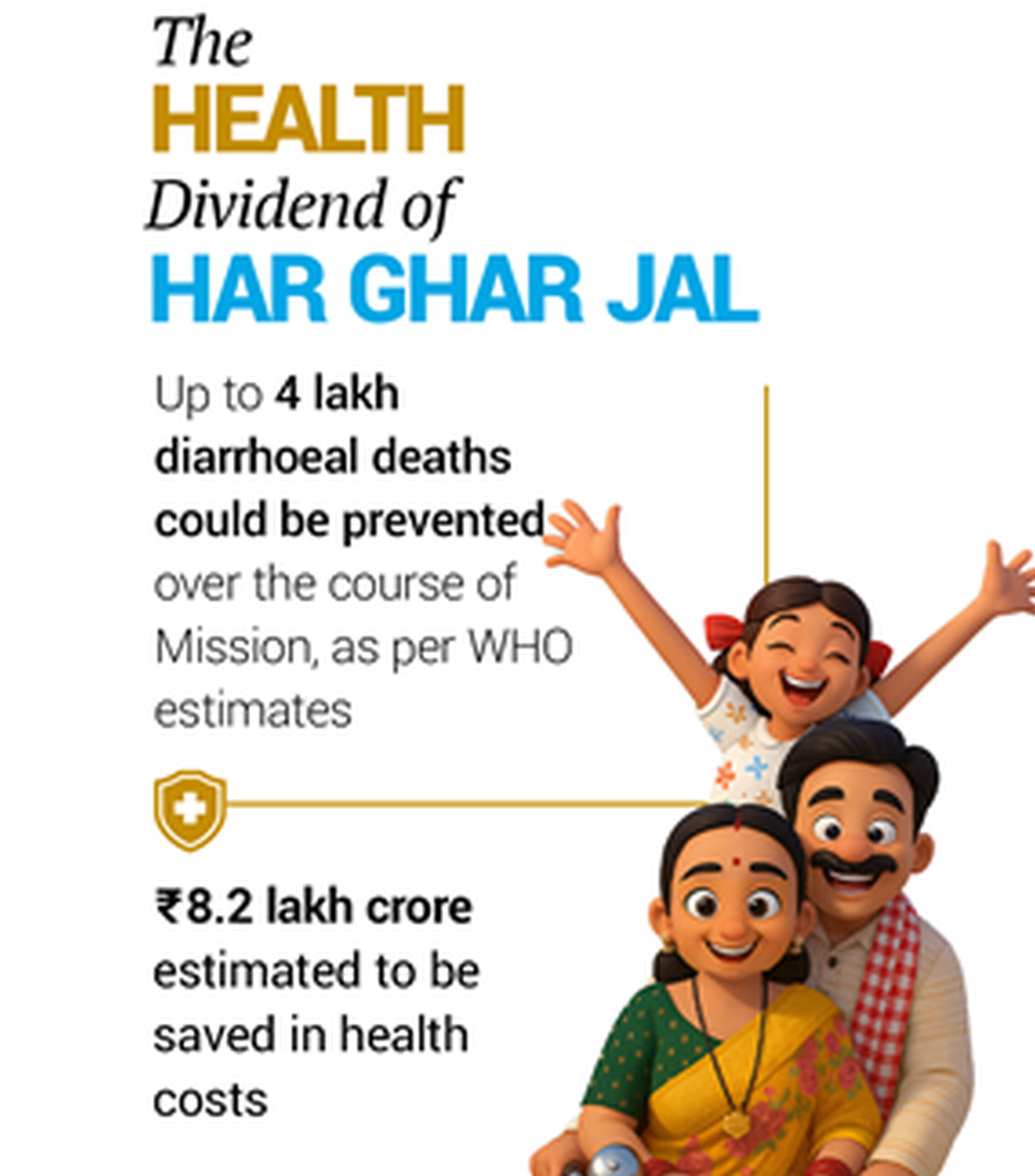
In December 2023, PM Modi has the New Pandit Deendayal Upadhyay Nagar-New Bhaupur Dedicated Freight Corridor Project built at around Rs. 10,900 crore. In addition, foundations stone were laid for many vital development projects, such as a new petroleum oil terminal at Mirzapur to be built at the cost of over Rs. 1050 crore, 69 rural drinking water schemes under Jal Jeevan Mission at the expense of Rs. 280 crore, construction of 150-bed capacity Critical Care Unit in BHU Trauma Center and redevelopment work of 8 Ganga Ghats.
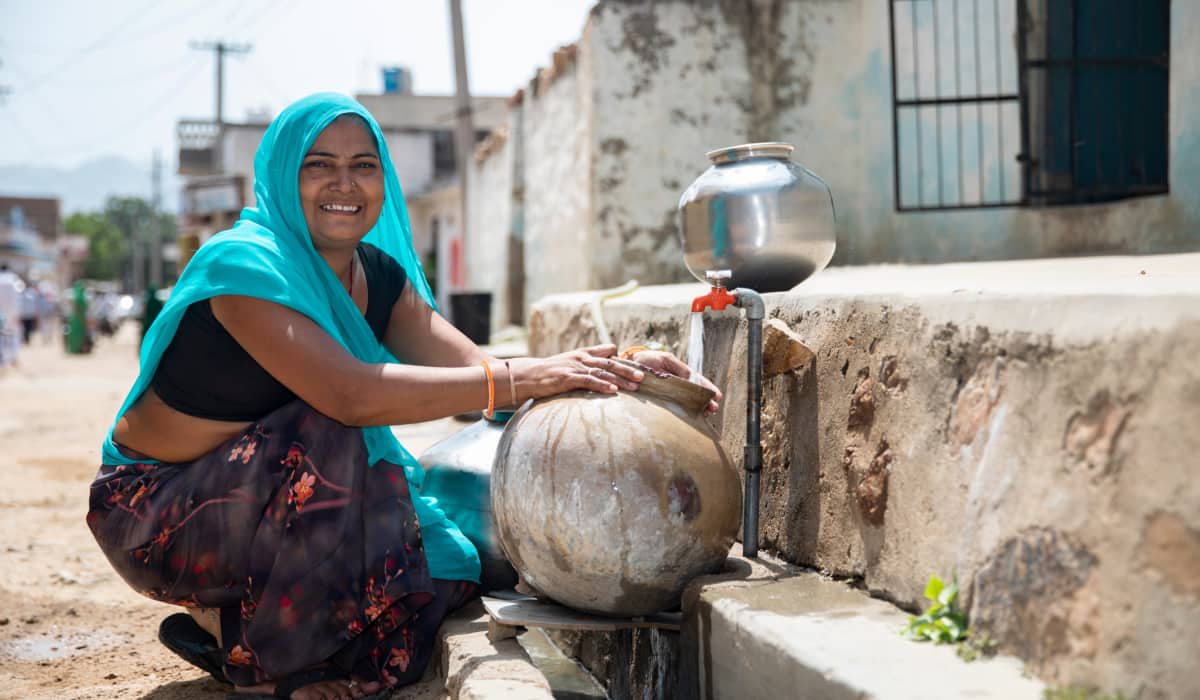
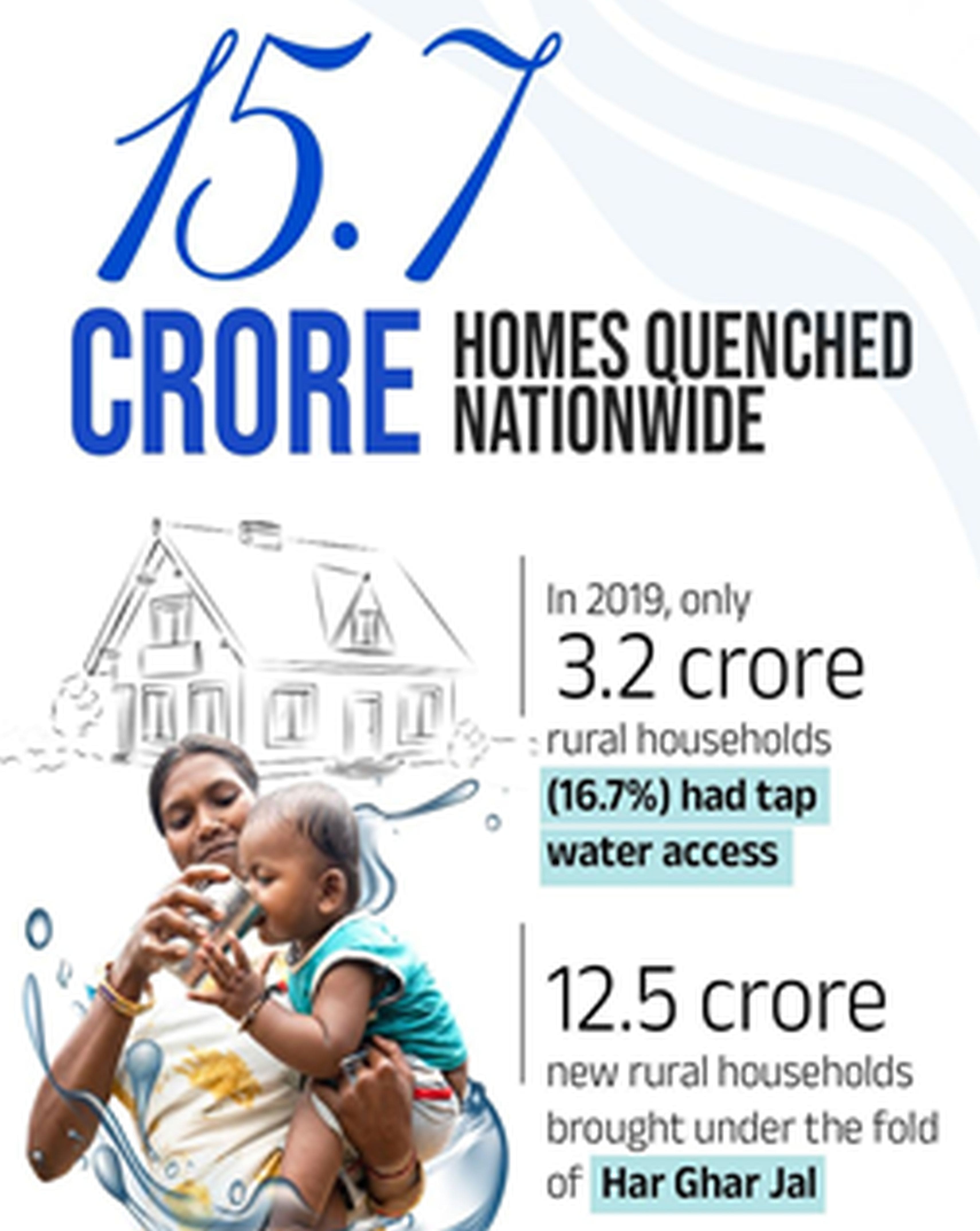
Improving healthcare and ensuring welfare has been a vital focus of the PM Modi-led government's agenda for Varanasi. The double-engine government efforts led to the establishment of medical colleges, hospitals, and wellness centres that enhanced access to quality healthcare services for residents across the constituency. 9.74 Lakh Ayushman Cards transforming Varanasi's Health landscape. A dynamic health ecosystem thrives with 13+ lakh ABHA IDs, 779 healthcare providers, and over 1000 enrolled professionals. Kashi is transforming into a significant medical hub of Purvanchal. Moreover, with 100% saturation of the target, everyone has a roof over his head in Varanasi. Over 90% of Varanasi homes are now connected to tap water.
PM Narendra Modi has proactively committed to tackling Varanasi's developmental issues and realising its enormous potential. The PM Modi-led government has put Varanasi on a path for sustained growth and prosperity with revolutionary measures involving infrastructure development, cultural preservation, tourism promotion, and empowering traditional industries. PM leadership will continue to play a crucial role in determining Varanasi's future as it symbolises India's spiritual and cultural legacies.