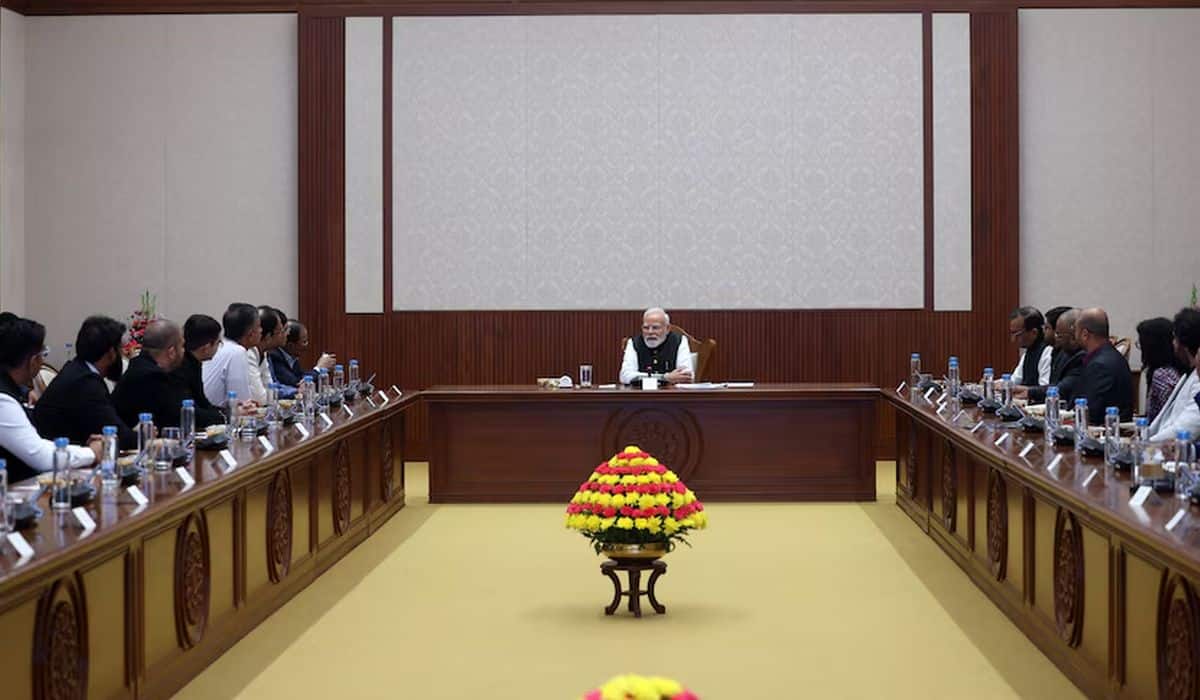
At the invitation of the Prime Minister of Australia the Honourable Anthony Albanese MP, the Honourable Prime Minister of India, Shri Narendra Modi visited Australia from 8-10 July 2026 for the Third Australia–India Annual Summit in Melbourne, Naarm, the traditional land of the Wurundjeri Woi-wurrung and Bunurong / Boon Wurrung peoples of the Kulin Nation.
Recalling the longstanding friendship between the two nations, rooted in historical ties, people-to-people linkages, shared strategic interests, and mutual respect for one another, the two Leaders reaffirmed their shared commitment to further consolidate and expand the India–Australia Comprehensive Strategic Partnership (CSP) to respond to emerging challenges in a rapidly evolving global environment, and explore new areas of cooperation beneficial for the peace, prosperity and stability of our shared region.
Deepening Defence and Maritime Security Cooperation
The Prime Ministers reaffirmed that defence and security cooperation is a cornerstone of the partnership in an increasingly complex strategic environment. They announced the Joint Declaration on Defence and Security Cooperation, reflecting a step change in the depth and ambition of the bilateral defence and security relationship, and contribution to regional strength and security.
The Prime Ministers welcomed the establishment of an Annual Defence Ministers’ Dialogue as a mechanism to enhance consultation and cooperation. They noted with satisfaction the growing frequency and complexity of defence exercises and exchanges under the Mutual Logistics Support Arrangement. They were pleased to note that the defence partnership now extends across all domains, and emphasised the importance of deepening interoperability, including with multilateral partners.
The Prime Ministers underscored the centrality of maritime cooperation to their shared vision for a peaceful, stable and prosperous Indo Pacific. The Leaders agreed to enhance maritime cooperation through the India-Australia Maritime Security Collaboration Roadmap. Through this, India and Australia reaffirm their shared commitment to a peaceful and prosperous Indo-Pacific recognising that effective maritime cooperation is essential to regional security. They agreed to collaborate in areas of information sharing, capability development, capacity building and operational coordination. The Leaders welcomed the conclusion of a Memorandum of Understanding between the Maritime Border Command and the Indian Coast Guard to support a secure maritime environment.
The Prime Ministers acknowledged the significance of defence industry, research and material cooperation. The Leaders welcomed the ongoing work to develop a Memorandum of Understanding for the Provision of Defence Articles and Defence Services, and efforts to promote connections between Australian and Indian defence industries, including through Australia’s first defence trade mission to India and the Australia-India Defence Industry Roundtable.
Acknowledging the significance of professional military education, joint research, wargaming and capacity building initiatives for future-ready military personnel, the Prime Ministers highlighted ongoing efforts to strengthen cooperation on professional military education. The Leaders encouraged continued strengthening of linkages between military education institutions of both countries. Both Leaders looked forward to the placement of a visiting military instructor from India at the Australian Defence College in 2028-2029. They welcomed Australia’s upcoming hosting of the fourth iteration of the General Rawat India-Australia Young Officers’ Exchange Program.
The Prime Ministers undertook to explore the establishment of a bilateral innovation framework to connect the ecosystems of both countries and accelerate collaboration among governments, industry, academia, and research institutions. They underscored the importance of expanding defence science and technology research cooperation into new areas to promote innovative solutions to advanced capability priorities.
Advancing Economic Security and Prosperity
The Prime Ministers welcomed continued growth in two way trade under the India–Australia Economic Cooperation and Trade Agreement (ECTA), and reducing non-tariff barriers, noting its tangible benefits for businesses and consumers in both countries. They re-affirmed their commitment to progressing an ambitious, balanced and mutually beneficial Comprehensive Economic Cooperation Agreement (CECA) to unlock the full potential of the economic relationship and strengthen prosperity for both countries. The Prime Ministers also underscored the importance of enhancing investment and supported increased engagement between private sector investors, including through stronger coordination of finance between relevant institutions of both countries.
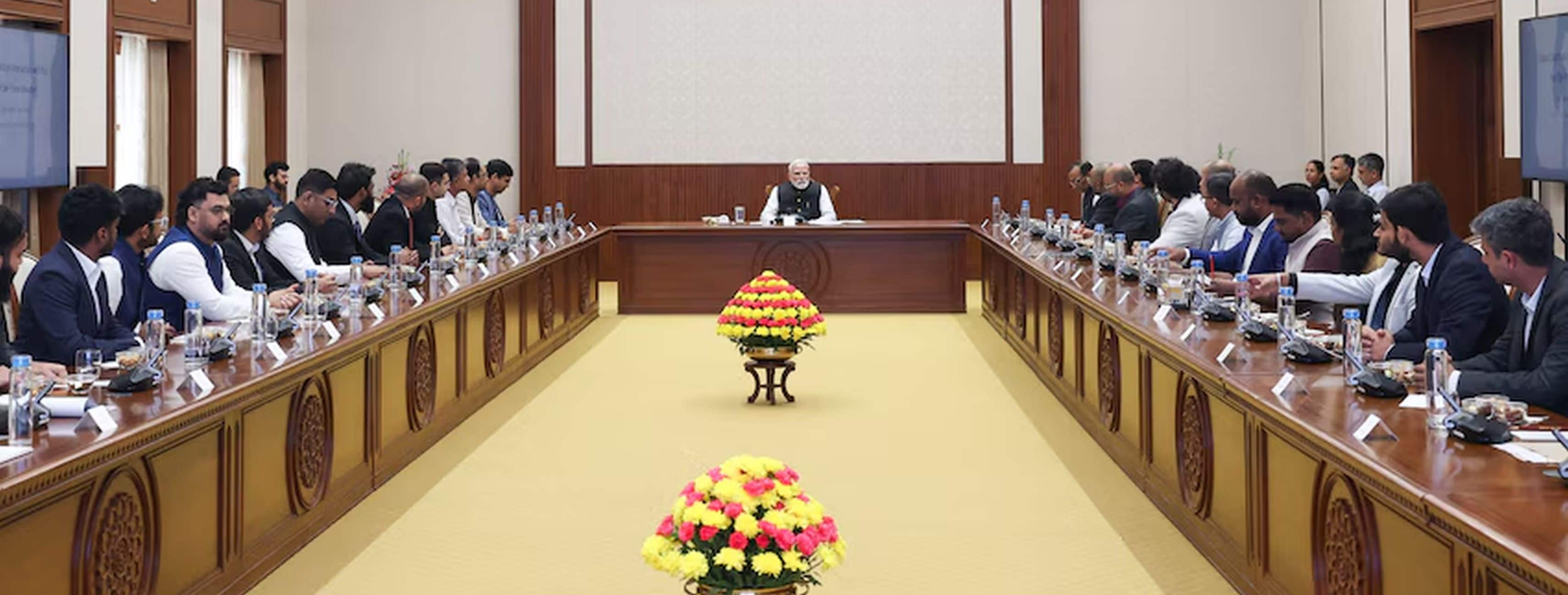
Underscoring the importance of industry led engagement, the Prime Ministers welcomed the convening of the CEO Forum during the visit, and reaffirmed support for stronger business to business linkages. The Leaders acknowledged the complementarities between “Make in India” and “Future Made in Australia” and the scope for deeper cooperation across manufacturing, technology and investment. The Leaders appreciated continued implementation of A New Roadmap for Australia’s Economic Engagement with India and welcomed the contributions of the inaugural Track 1.5 Dialogue held in Sydney in May 2026 in shaping practical pathways for expanded cooperation.
The Prime Ministers reaffirmed their commitment to cooperation in critical minerals. They underscored the importance of partnerships between Indian and Australian government agencies, public and private companies and research institutions to promote investment, secure long-term supply and offtake arrangements, and support the development of processing and value-addition capabilities. The Leaders affirmed that transparent, secure and resilient supply chains are central to our economic security. They acknowledged the importance of working together to support supply chain collaboration, particularly for energy, and critical minerals, including through bilateral initiatives and multilateral fora.
Driving Energy, Climate, Space and Technology Collaboration
The Prime Ministers emphasised the increasing importance of energy security and resource collaboration to our economies. They reaffirmed their commitment to deepening cooperation to support reliable, affordable and sustainable energy supply, recognising the critical role of renewable energy and electrification in accelerating the energy transition, strengthening energy security and supporting long-term economic prosperity. In this regard, they welcomed the Joint Statement on Energy Security.
Both Prime Ministers reaffirmed the importance of accelerating efforts to address climate change, recognising the Paris Agreement will be implemented to reflect equity and the principle of common but differentiated responsibilities and respective capabilities, in the light of different national circumstances and welcomed Australia’s leadership as COP31 President of Negotiations. The Leaders acknowledged that small island states and other vulnerable developing countries, like those in the Pacific and Indian oceans, are particularly affected by the impacts of climate change, reiterating the need to maintain momentum on global climate action and underscoring the importance of climate finance, technology transfer and capacity building support. The Leaders recognised progress under the India–Australia Renewable Energy Partnership, including initiatives such as the establishment and operationalisation of the Rooftop Solar Academy.
The Prime Ministers underscored the importance of harnessing technology and innovation to drive future growth and address shared challenges, acknowledging the strong people-to-people links which underpin technology cooperation and growth. Both Leaders agreed on an Australia-India Partnership on Cyber, Critical Technologies and Supply Chains (PACTS) to raise the ambition of our relationship on critical technologies, supply chain diversification, cyber security, digital resilience, and defence research. The Leaders were also pleased to welcome the signing of the Australia–Canada–India Technology and Innovation (ACITI) Partnership MOU, reaffirming their shared commitment to trusted partnerships as a foundation for cooperation in critical and emerging technologies.
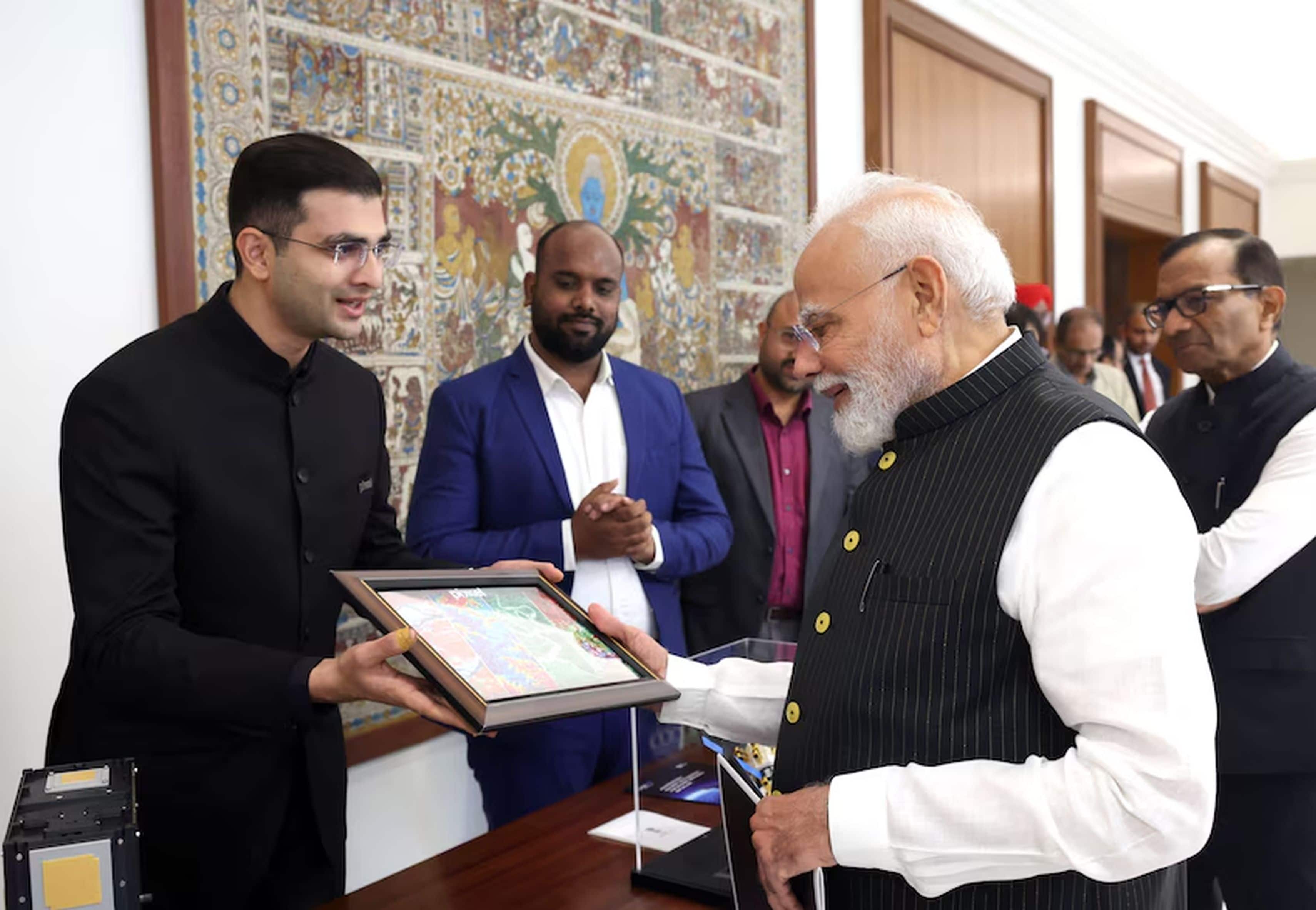
The Prime Ministers highlighted the importance of strengthening space cooperation, including industry-to-industry partnerships. The Leaders welcomed Australia’s continued support for India’s Gaganyaan Human Space Flight Program, including commissioning of a temporary space tracking terminal on Cocos Keeling Islands, and expressed hope to further deepen collaboration between the Indian Space Research Organisation (ISRO) and the Australian Space Agency (ASA).
Australia reiterated its strong support for India’s membership of the Nuclear Suppliers’ Group, and building on the Australia-India Nuclear Cooperation Agreement, both Prime Ministers welcomed finalisation and signature of the Administrative Arrangement, which will enable long-term Australian uranium exports to India for exclusively peaceful purposes and under IAEA safeguards.
Strengthening Education, Skills and People to People Links
The Prime Ministers underscored that people are at the heart of the partnership, noting that the Indian community in Australia was now Australia’s largest overseas-born group. The Leaders valued the important role the Indian Australian community played in Australia’s vibrant, multicultural society, and welcomed the announcement of $10 million for the Centre for Australia-India Relations' Maitri grants to deepen economic collaboration and people-to-people links. Building on the regular high level and ministerial engagement, the Prime Ministers also acknowledged strengthened parliamentary engagement, notably the establishment of a Parliamentary Friendship Group with Australia in India’s Lok Sabha, similar to the Parliamentary Friends of India Group in the Australian Parliament. Both Prime Ministers agreed that cooperation across democratic institutions, including Parliament, should continue.
The Prime Ministers highlighted expanding education collaboration, demonstrated by the growing number of Australian university campuses operating in India or approved to do so, and welcomed the issuance of the Letter of Intent (LoI) by the University Grants Commission (UGC) of India to Flinders University to establish its campus in Bengaluru, and the Letter of Approval (LoA) to Victoria University to operationalise its campus in Gurugram. Prime Minister Albanese emphasised that Indian students in Australia are welcomed and are valued members of Australian classrooms, campuses and communities. The Leaders also welcomed the agreement between the Western Australian Government and Government of India to support the establishment of a National Centre of Excellence for Skilling in Mining at the National Skill Training Institute, in Bhubaneswar, Odisha to expand vocational education and training cooperation.
The Prime Ministers acknowledged that sports is more than just a shared passion. It is a vital component of our bilateral relationship contributing to increased trade, tourism, and investment. The Leaders welcomed the India-Australia Sports Collaboration Roadmap to deepen sports cooperation between Australia and India, including on major sporting events as Australia and India prepare to host the 2032 Olympics and Paralympics in Brisbane and the 2030 Commonwealth Games in Ahmedabad.
Underlining the importance of cultural cooperation and the protection and preservation of cultural heritage, the Prime Ministers welcomed progress on the voluntary and unconditional repatriation of the First Nations ancestor held in India, and separately, the repatriation of Telugu remains housed in Australia. Prime Minister Modi thanked Prime Minister Albanese for the voluntary return to India of several cultural artefacts held in Australian collecting institutions.
Promoting a peaceful, stable and prosperous Indo Pacific
The Prime Ministers reaffirmed their shared commitment to an open and rules based Indo Pacific. They underlined the importance of being able to exercise rights and freedoms consistent with international law, particularly the United Nations Convention on the Law of the Sea (UNCLOS), including freedom of navigation and overflight, and emphasised that disputes must be resolved peacefully in accordance with international law. They strongly opposed any destabilising or unilateral action to change the status quo and undermine regional peace and stability.
The Prime Ministers reaffirmed their commitment to strengthening cooperation through regional and multilateral institutions to address shared challenges. They reiterated the importance of the Quad as a partnership that delivers practical and concrete outcomes for the Indo Pacific, and welcomed the substantive outcomes agreed by Quad Foreign Ministers in New Delhi in May 2026.
The Prime Ministers underlined the importance of deepening cooperation in the Indian Ocean region, including through the Indian Ocean Rim Association (IORA) under India's Chairship and welcomed continued engagement under regional initiatives. They welcomed search and rescue training for IORA Member States, conducted jointly by Australia and India at Maritime Rescue Coordination Centre (MRCC) Chennai in June, and Australia hosting the sixth meeting of the IORA Working Group on Maritime Safety and Security in Perth in June. They welcomed current cooperation activities under the Indo-Pacific Oceans Initiative (IPOI). Both Leaders welcomed further cooperation through the Australia-India-Indonesia trilateral mechanism, including exploring opportunities in maritime domain awareness, marine pollution, blue economy and through regional institutions.
Both Prime Ministers reaffirmed their commitment to the Pacific Islands Forum (PIF), recognising the importance of its 2050 Strategy for the Blue Pacific Continent and partnerships that reflect the collective priorities of the Pacific region. Prime Minister Albanese recognised India’s role in extending development partnership to Pacific Island countries, including through the Forum for India-Pacific Islands Cooperation (FIPIC) framework. The Prime Ministers reaffirmed their support for ASEAN centrality and the ASEAN led regional architecture and expressed unwavering support for the implementation of the ASEAN Outlook on the Indo Pacific (AOIP).
The Prime Ministers expressed concern over renewed escalation of tensions in the Middle East and called upon all parties to exercise restraint, de-escalate tensions, and ensure protection of civilians as well as the uninterrupted flow of energy supplies and commerce. They reiterated the importance of dialogue and diplomacy, and adherence to international law to achieve a peaceful and lasting solution to the conflict. Prime Ministers also exchanged views on the war in Ukraine, expressing concern at the tragic humanitarian consequences and called for a peaceful resolution to the conflict. They remained concerned by the situation in Myanmar and its impact on the region, reaffirming their support for ASEAN-led efforts, including the Five Point Consensus.
The Prime Ministers unequivocally condemned terrorism and violent extremism conducive to terrorism in all its forms and manifestations. They emphasised the importance of all countries combatting the threat of terrorism in a comprehensive and sustained manner, and called for action against globally proscribed terrorists and terror entities, including those listed by the United Nations Security Council 1267 Sanctions Committee, and their proxies, affiliates, sponsors and financiers. The Prime Ministers recognised the need for enhancing cooperation to effectively counter the challenges of combating terrorism. They committed to increase information sharing on terrorist threats in our region and explore opportunities for enhanced collaboration to counter radicalisation including online radicalisation, violent extremism conducive to terrorism and countering use of new and emerging technology for terrorist purposes, financing of terrorism, threats to critical infrastructure and the maritime domain. They reiterated their condemnation of terrorist attacks, including the horrific attacks perpetrated at Pahalgam and Bondi Beach.
The Prime Ministers underscored the need for urgent reform of the United Nations Security Council (UNSC), including greater permanent and non-permanent representation to better reflect contemporary geopolitical realities. In view of India’s longstanding contributions to multilateralism and the United Nations, Australia reiterated its support for India’s candidacy for a permanent seat in a reformed UNSC. Both Leaders reaffirmed their mutual support for each other’s non-permanent candidatures to the UNSC — India for the 2028–2029 term and Australia for the 2029–2030 term. They also emphasized the broader need for UN reforms to enhance the organization’s efficiency and effectiveness.
The Prime Ministers expressed satisfaction at the progress of bilateral engagements and affirmed their commitment to chart the next phase of the Comprehensive Strategic Partnership for mutual benefit as well as for a free, open, rules-based, peaceful and prosperous Indo-Pacific.