Today is September 11th. This day evokes two contrasting remembrances. The first dates back to 1893, when Swami Vivekananda delivered his iconic Chicago address. With the few words, “Sisters and Brothers of America,” he won the hearts of thousands present in the hall. He introduced the timeless spiritual heritage of India and the emphasis on universal brotherhood to the world stage. The second is the gruesome 9/11 attacks, when this very principle came under attack thanks to the menace of terrorism and radicalism.
There is something else about this day which is noteworthy. Today is the birthday of a personality who, inspired by the principle of Vasudhaiva Kutumbakam, has dedicated his entire life to societal transformation and strengthening the spirit of harmony and fraternity. For lakhs of people associated with the Rashtriya Swayamsevak Sangh, he is respectfully referred to as Param Pujya Sarsanghchalak. Yes, I am referring to Shri Mohan Bhagwat Ji, whose 75th birthday is, incidentally, falling in the same year when the RSS marks its centenary. I would like to convey my best wishes to him and pray for his long and healthy life.
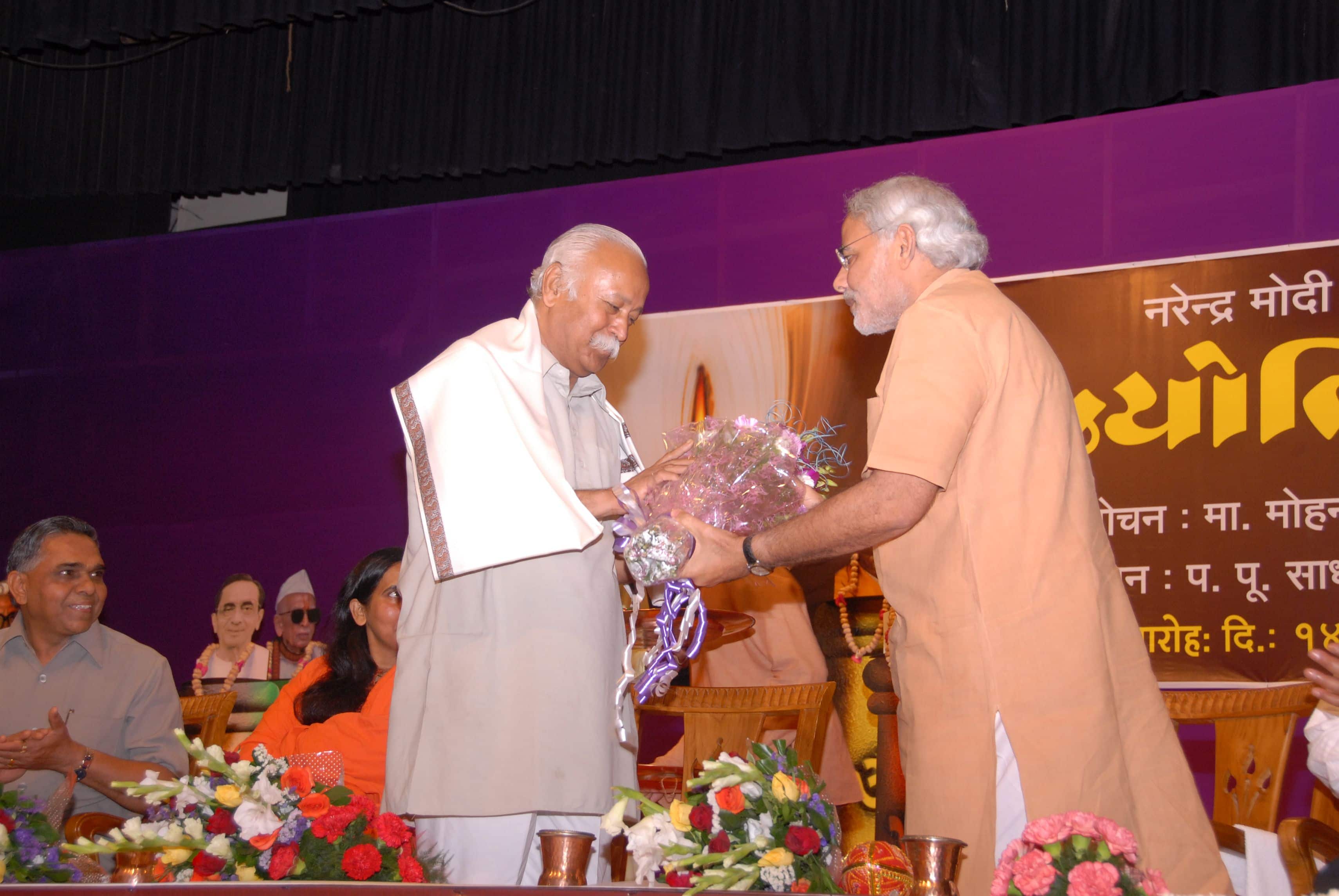
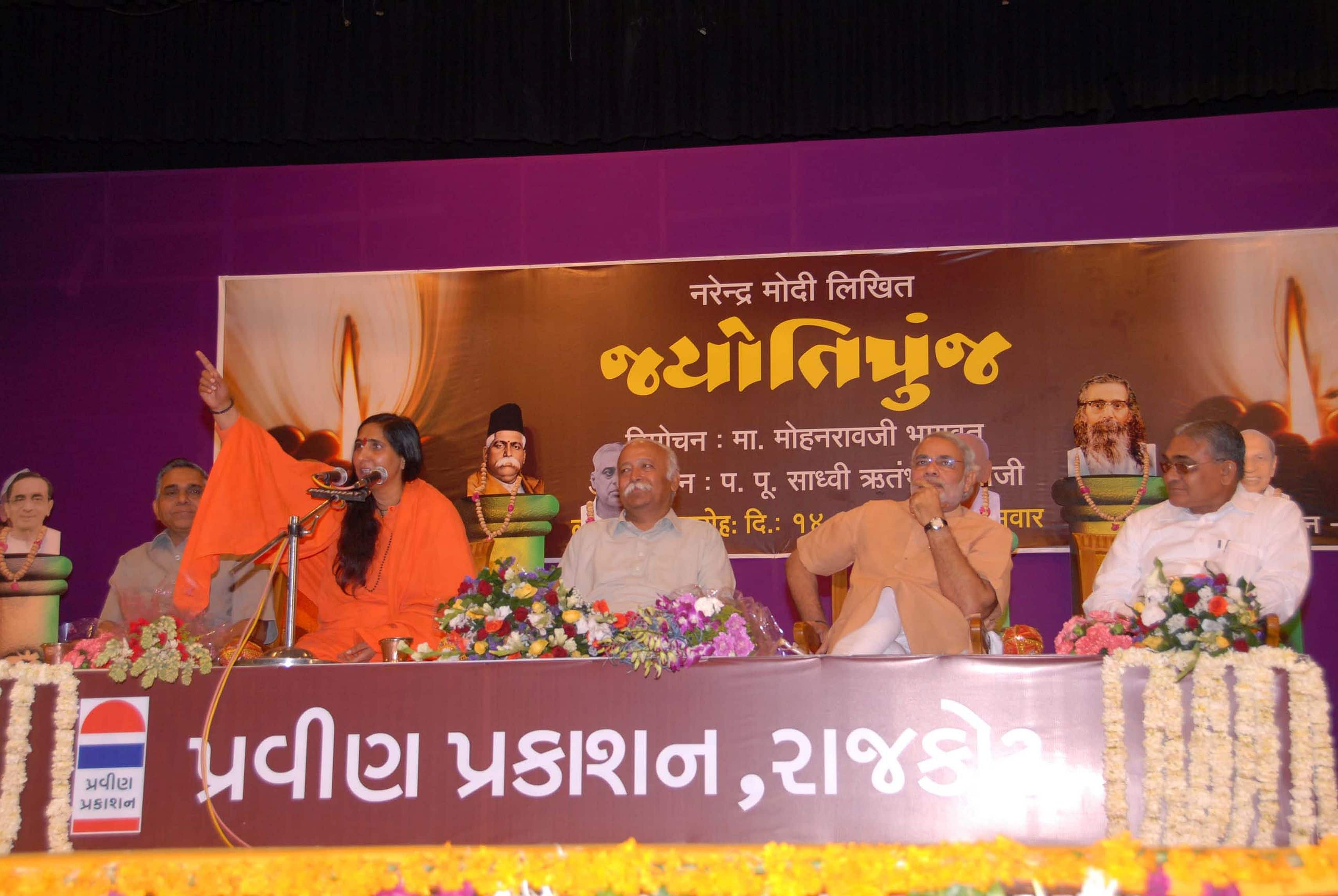
My association with Mohan Ji’s family has been very deep. I have had the good fortune of working closely with Mohan Ji’s father, the late Madhukarrao Bhagwat Ji. I have written extensively about him in my book, Jyotipunj. Along with his association with the legal world, he devoted himself to nation-building. He played a pivotal role in strengthening the RSS across Gujarat. Such was Madhukarrao Ji’s passion towards nation-building that it groomed his son, Mohanrao, to work towards India’s regeneration. It is as if Parasmani Madhukarrao prepared another Parasmani in Mohanrao.
Mohan Ji became a Pracharak in the mid-1970s. Upon hearing the word ‘Pracharak’, one may mistakenly think it refers to someone who is simply doing Prachar or campaigning, propagating ideas. But, those familiar with the working of the RSS understand that the Pracharak tradition is at the core of the organisation’s work. Over the last hundred years, thousands of young people, inspired by a patriotic zeal, have left their homes and families to dedicate their lives to realising the mission of India First.
His early years in the RSS coincided with a very dark period of Indian history. This was the time the draconian Emergency was imposed by the then Congress government. For every person who cherished democratic principles and wanted India to prosper, it was natural to strengthen the anti-Emergency movement. This is exactly what Mohan Ji and countless RSS Swayamsevaks did. He worked extensively in rural and backward areas of Maharashtra, especially Vidarbha. This shaped his understanding of the challenges faced by the poor and downtrodden.
Over the years, Bhagwat Ji held various positions in the RSS. He performed each and every one of those duties with great dexterity. Mohan Ji’s years as the head of the Akhil Bharatiya Sharirik Pramukh during the 1990s are still fondly remembered by many Swayamsevaks. During this period, he spent considerable time working in the villages of Bihar. These experiences further deepened his connect with grassroots issues. In 2000, he became the Sarkaryawah and here too, he brought his unique way of working, handling the most complex of situations with ease and precision. In 2009, he became the Sarsanghchalak and continues to work with great vibrancy.
Being Sarsanghchalak is more than an organisational responsibility. Extraordinary individuals have defined this role through personal sacrifice, clarity of purpose and unshakable commitment to Maa Bharti. Mohan Ji, in addition to doing full justice to the enormity of the responsibility, has also brought to it his own strength, intellectual depth and empathetic leadership, all of which is inspired by the principle of Nation First.
If I can think of two attributes Mohan Ji has held close to his heart and imbibed in his work style, they are continuity and adaptation. He has always steered the Organisation through very complex currents, never compromising on the core ideology we are all proud of and at the same time addressing the evolving needs of society. He has a natural connect with the youth and thus, has always focussed on integrating more youngsters with the Sangh Parivar. He is often seen engaging in public discourse and interacting with people, which has been very beneficial in today’s dynamic and digital world.
Broadly speaking, Bhagwat Ji’s tenure will be considered the most transformative period in the 100-year journey of the RSS. From the change in uniform to the modifications in the Shiksha Vargs (training camps), several significant changes occurred under his leadership.
I particularly remember Mohan Ji’s efforts during the COVID period, when humanity battled a once in a lifetime pandemic. In those times, continuing the traditional RSS activities became challenging. Mohan Ji suggested increased usage of technology. In the context of the global challenges, he remained connected with global perspectives while developing institutional frameworks.
At that time, all Swayamsevaks made every possible effort to reach out to those in need, while ensuring the safety of themselves and others. Medical camps were organised in several places. We also lost many of our hardworking Swayamsevaks, but such was the inspiration of Mohan Ji that their determination never wavered.
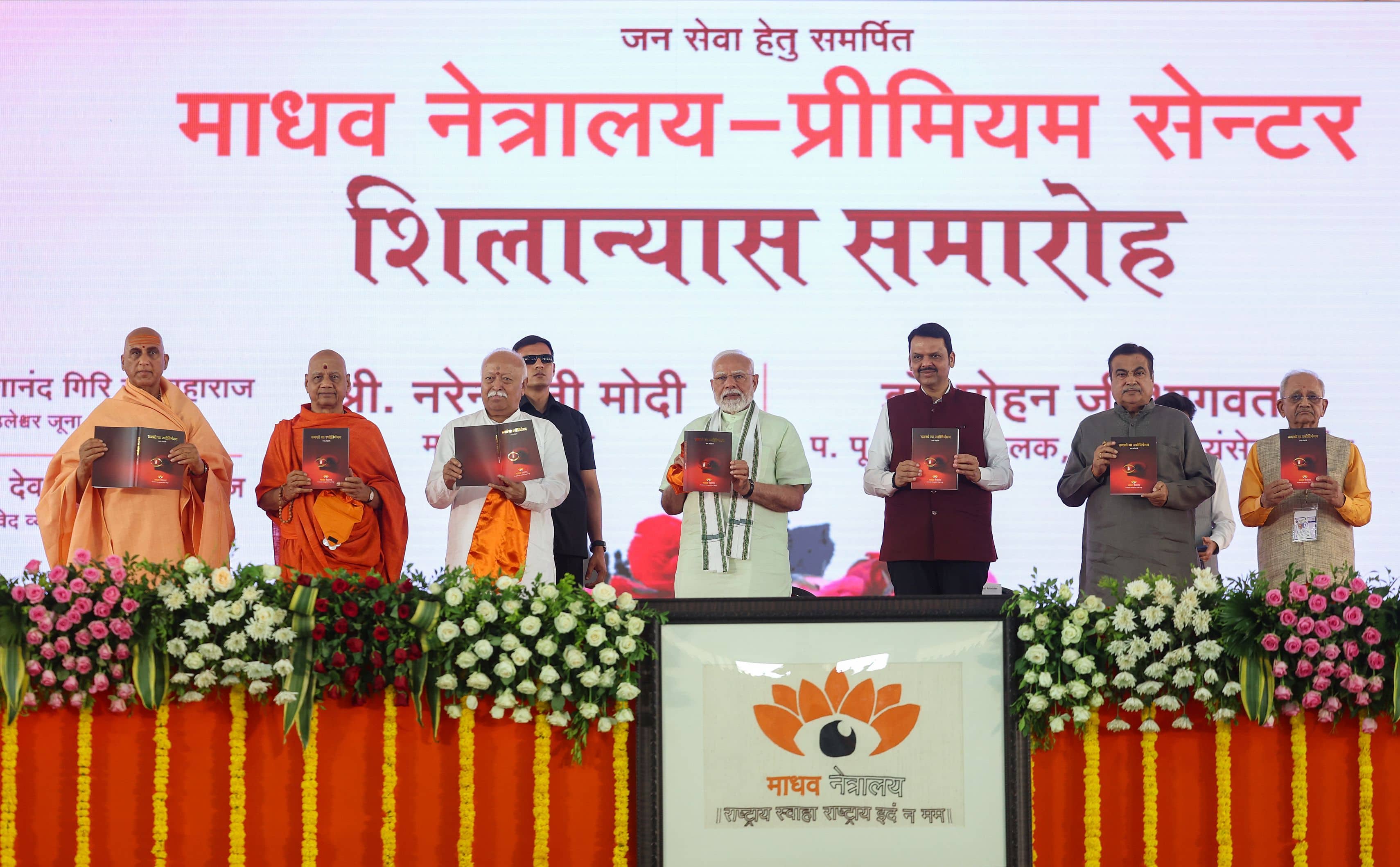
Earlier this year, during the inauguration of the Madhav Netra Chikitsalaya in Nagpur, I had remarked that the RSS is like an Akshayavat, an eternal banyan tree that energises the national culture and collective consciousness of our nation. The roots of this Akshayavat are deep and strong because they are anchored in values. The dedication with which Mohan Bhagwat Ji has committed himself to nurturing and advancing these values is truly inspirational.
Another admirable quality of Mohan Ji’s personality is his soft-spoken nature. He is blessed with an exceptional ability to listen. This trait ensures a deeper perspective and also brings a sense of sensitivity and dignity to his persona and leadership.
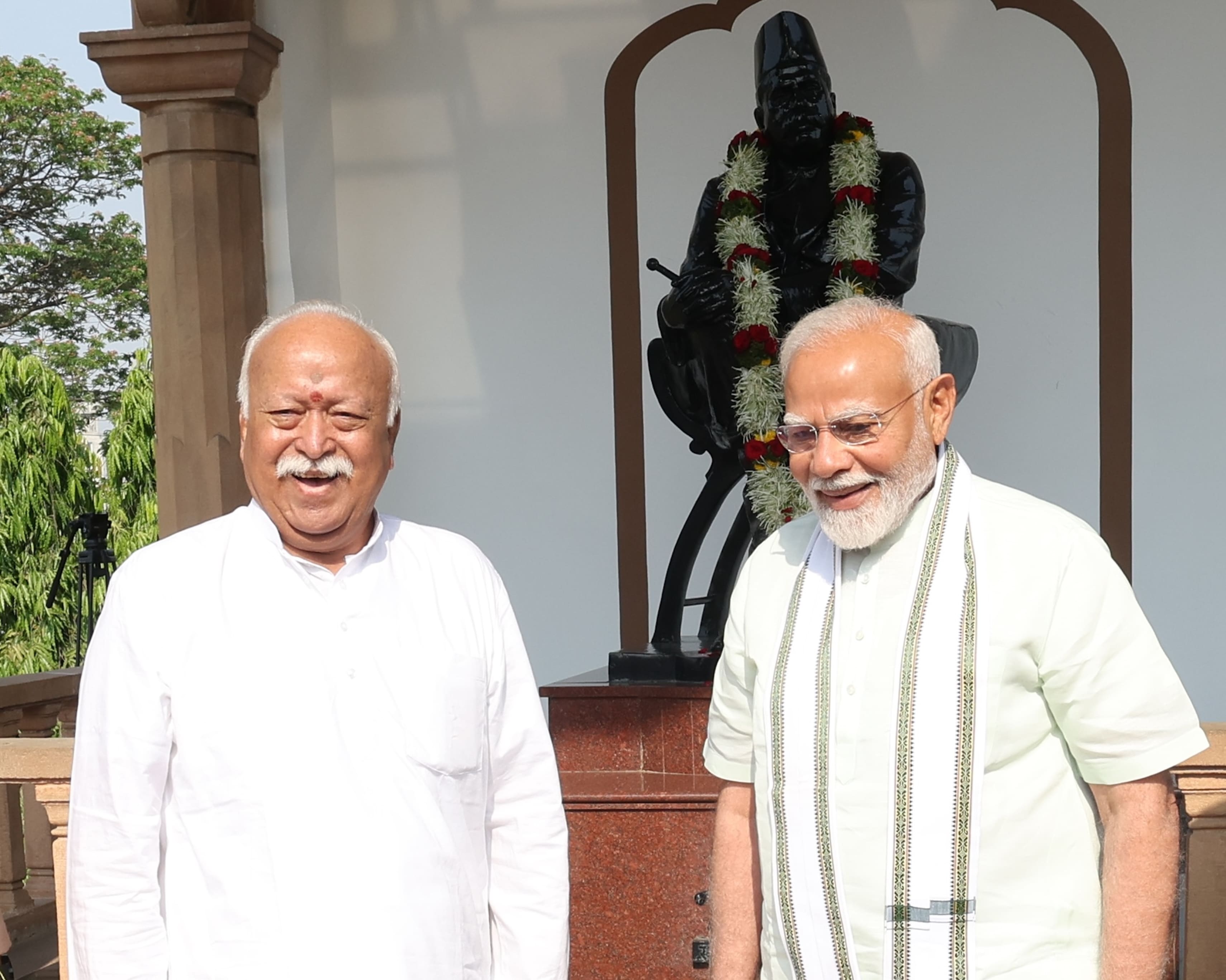
Here, I also want to write about the keen interest he has always shown towards various mass movements. From Swachh Bharat Mission to Beti Bachao Beti Padhao, he always urges the entire RSS family to add vigour through these movements. In order to further social well-being, Mohan Ji has given the ‘Panch Parivartan’, which includes social harmony, family values, environmental awareness, national selfhood and civic duties. These can inspire Indians from all walks of life. Every Swayamsevak dreams of seeing a strong and prosperous nation. To realise this dream, what is required is both clear vision and decisive action. Mohan Ji embodies both these qualities in abundance.
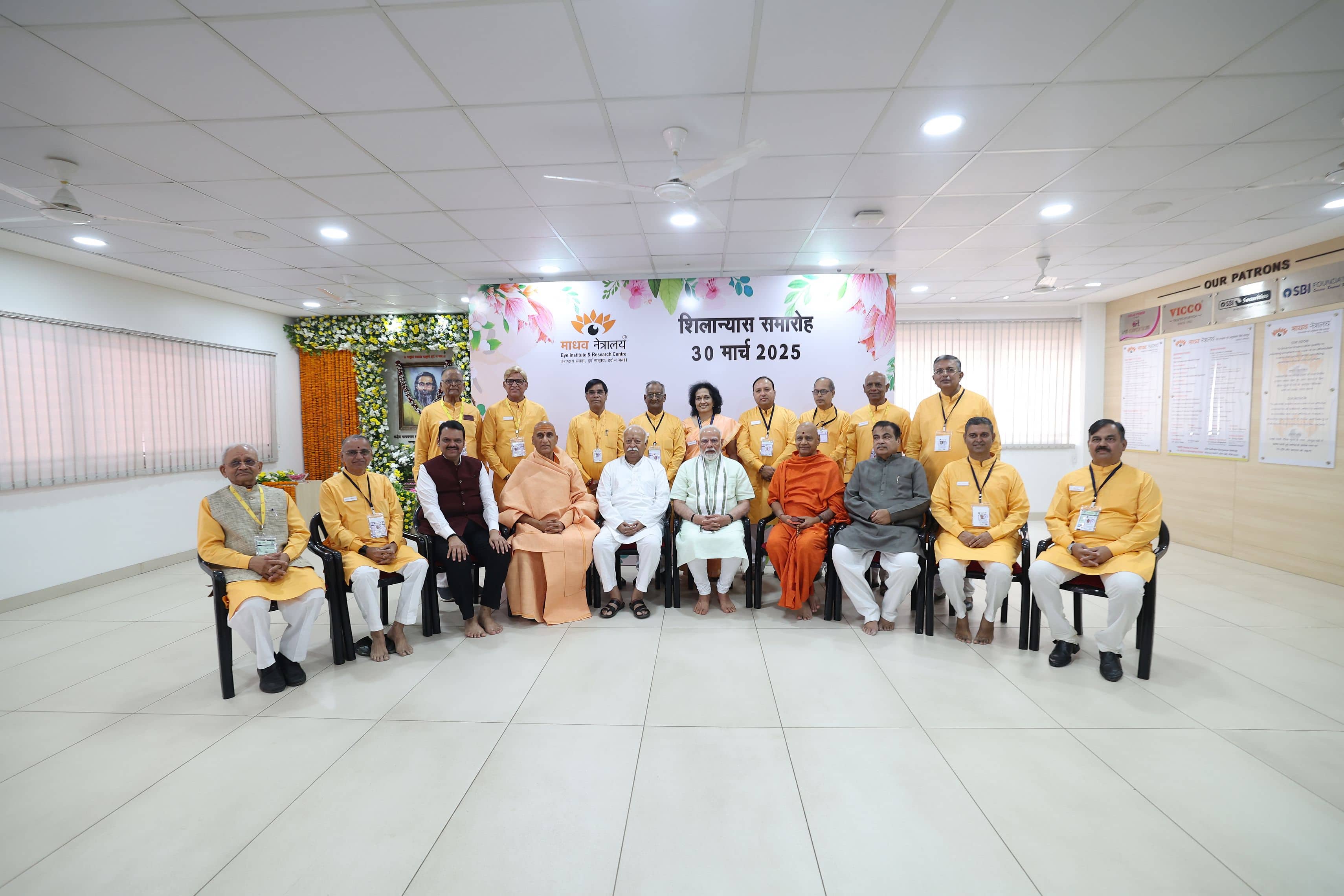
Bhagwat Ji has always been a strong votary of ‘Ek Bharat Shreshtha Bharat’, a firm believer in India’s diversity and the celebration of so many different cultures and traditions that are a part of our land.
Beyond his busy schedule, Mohan Ji has always found time to pursue passions like music and singing. Few people know that he is very versatile in various Indian musical instruments. His passion for reading can be seen in several of his speeches and interactions.
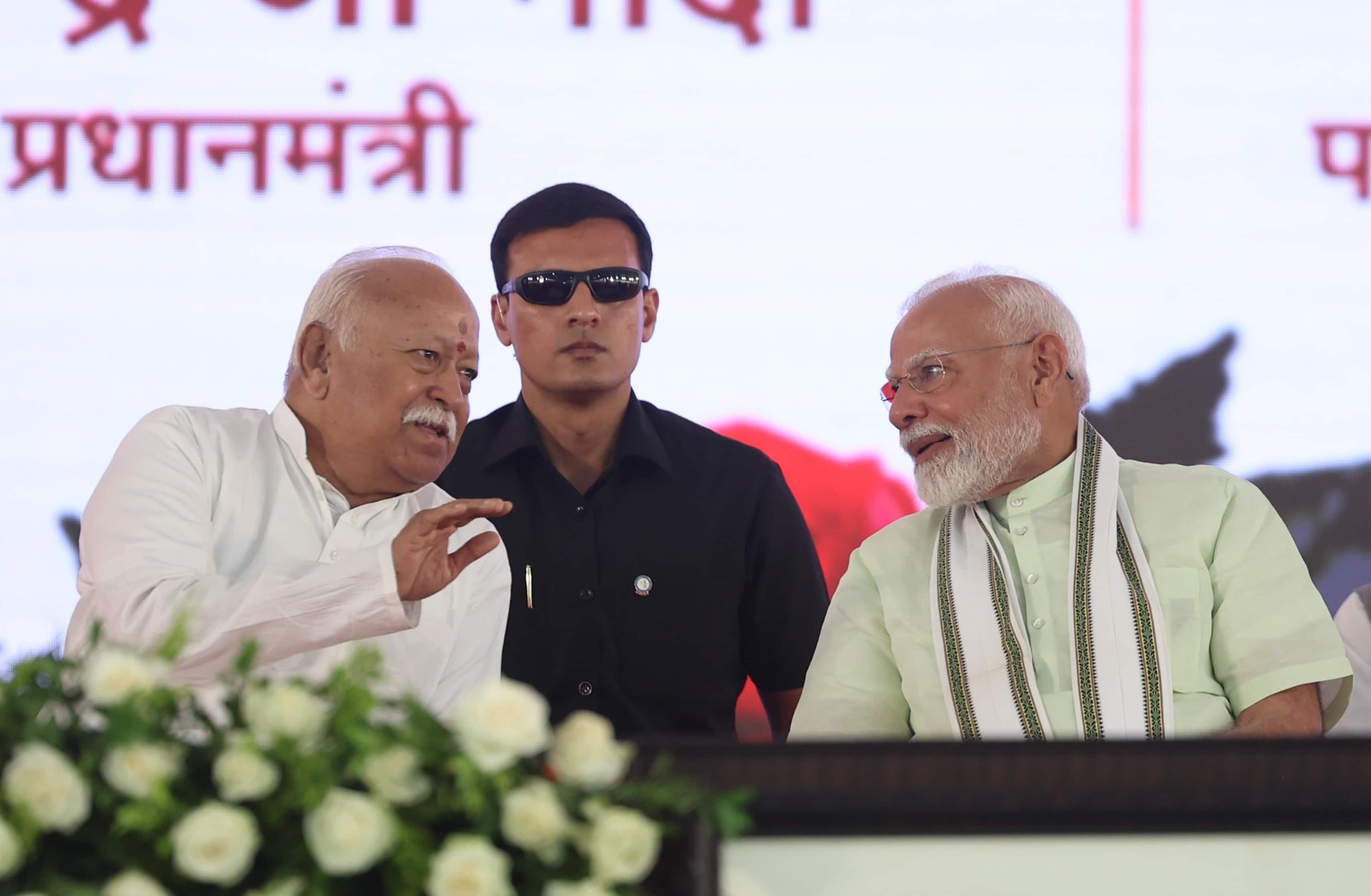
This year, in a few days from now, the RSS turns 100. It is also a pleasant coincidence that this year, Vijaya Dashami, Gandhi Jayanti, Lal Bahadur Shastri Jayanti and the RSS centenary celebrations are on the same day. It will be a historic milestone for lakhs of people associated with the RSS in India and the world. And, we have a very wise and hardworking Sarsanghchalak in Mohan Ji, steering the organisation in these times. I will conclude by saying that Mohan Ji is a living example of Vasudhaiva Kutumbakam, showing that when we rise above boundaries and consider everyone as our own, it strengthens trust, brotherhood and equality in society. I once again wish Mohan Ji a long and healthy life in service of Maa Bharti.