Published By : Admin |
November 12, 2014 | 19:41 IST
Share
Your Excellency, President U Thein Sein, I am grateful to you for organising this Summit and chairing the session with great statesmanship. Under your leadership, Myanmar is playing an important role in the region and it has also benefited India-ASEAN relations.
I am grateful to each of you for your views. They have further reinforced my confidence in the India-ASEAN Strategic Partnership.
Above all, like good friends, you all wish to see a successful and prosperous India.
I want to make a few points now. There are many similarities and convergences between us. India and ASEAN are second and third in terms of population. We are among the largest economies and among the three fastest growing economies in this century. Majority of us here belong to the developing world.
We have the strength and the potential of a young population. In India, 800 million people below the age of 35 years constitute a huge opportunity.
We have embarked on a new economic journey in India. We are emphasizing infrastructure, manufacturing, trade, agriculture, skill development, urban renewal, smart cities. Make in India is a new mission. We are placing as much emphasis on ease of doing business in India as we are on making policies attractive. I invite you to this new environment in India. Indian companies are also keep to invest in and trade with ASEAN.
I also assure you that there will be major improvement our trade policy and environment. We will also move ahead with connectivity projects with ASEAN with speed.
I also suggest that we conduct a review of our free trade agreement on goods to improve it further and make it beneficial to all. । also urge that the FTA on Service and Investment be brought into force at the earliest.
Many of you have spoken about the Regional Comprehensive Economic Partnership Agreement. It can be a springboard for economic integration and prosperity in the region. However, we should aim for a balanced Agreement, which is beneficial to all; and, is truly comprehensive in nature, by equally ambitious agenda with similar timelines for goods and services.
To deepen our connectivity, I am considering establishing, with your cooperation, a special facility or special purpose vehicle to facilitate project financing and quick implementation.
However, in this age, more than physical connectivity, we need Information Highways or i-ways. My experience is that even where road connectivity is poor, we can create vast economic opportunities and employment through i-ways.
India is prepared to provide all assistance and cooperation in this area.
ASEAN and India have large cities and are experiencing urbanization at a rapid pace. This is both a challenge and opportunity. Come and participate in building India`s 100 smart cities and renewal of 500 cities.
Science and technology and education are important areas of cooperation.
We should think ambitiously of what we can do in Renewal Energy and Energy efficiency. Let us think of a major ASEAN India Solar Project for research, manufacturing and deployment.
Space science can give us benefit in many sectors. We should quickly establish the new India-ASEAN Space-related Ground Station in Vietnam and start the project for upgrading the existing station in Indonesia.
As neighbours, India and ASEAN can gain a lot from cooperation in the disaster risk reduction, response and management. India is prepared to offer full assistance in capacity building, coordination and response in the region.
We should further enhance our cooperation in health, including traditional medicine, climate change and environment and forests.
Agriculture and food security is another area where I see great potential for cooperation, as some of you have mentioned.
We should move quickly towards mutual Recognition of Degrees. We should conduct more research and exchanges on our ancient links and how our shared heritage can be of use to the modern world.
Skill development is essential for creating employment opportunities for our youth and for our economic development. We should collaborate by sharing our respective areas expertise in skill development.
I personally lay great emphasis on people-to-people contacts. I would like to see increased contacts between students, youth, teachers, parliamentarians, diplomats, media, farmers, artists and experts.
Tourism has not grown the way it should. Today, of course, ASEAN region is the most popular destination for Indian tourists. I want to see further increase in ASEAN tourists in India. In this, the Buddhist circuit represents a vast opportunity.
Excellencies, we pay a lot of attention to economic prosperity and protecting our environment. Do we pay the same attention to the security and safety of our youth?
We have received a high level of security cooperation from ASEAN countries for which I am grateful.
But, we should further strengthen our cooperation on countering terrorism, extremism, drugs, arms, and money laundering.
Excellencies, Asia`s future is bright, but it also faces many challenges. Our progress and prosperity depends on peace and stability in the region.
There is wave of change in the world. New realities are emerging in the changed world. Globalisation is a fact of life. We are all affected by it and we have all benefited from it.
And, in this world, maritime trade and passage, and therefore, maritime security has become even more important. We all have the responsibility that we all follow international law and norms on maritime issues, as we do in the realm of air passage. In future, we will also need this in space.
For peace and stability in South China Sea, everyone should follow international norms and law. This includes the 1982 United Nations Convention on the Law of the Sea. We also hope that you will be able to successfully implement the Guidelines to the 2002 Declaration on Conduct and that the Code of Conduct on South China Sea can be concluded soon on the basis of consensus.
Finally, I would like to say that it is a great privilege to meet all of you here. This has doubled my confidence and enthusiasm about our relations with ASEAN.
I assure you of my sustained personal attention to relations with ASEAN so that we can meet our high expectations from this relationship.
UDF and LDF are causing double damage by encouraging fundamentalist forces and engaging in corruption: PM Modi
April 02, 2026
Share
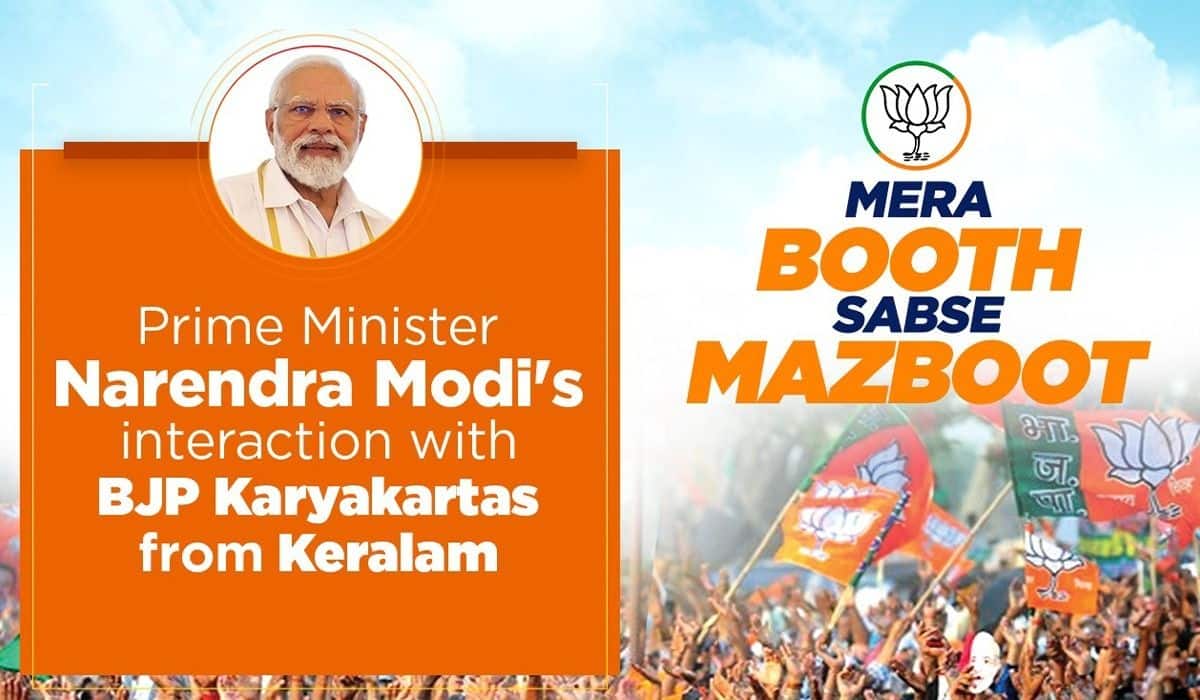
Win every booth, strengthen every connection, and Keralam will script a new chapter of development with BJP-NDA: PM Modi’s strong hope
Just like a true player peaks in crucial moments, karyakartas must now increase their intensity, outreach, and commitment as polling day approaches: PM drew an analogy from cricketer Sanju Samson’s career
The Congress and Left parties have constantly promoted appeasement and aligned with extremist elements for vote-bank politics: PM Modi to Keralam
Keralam’s youth are seeking change, driven by aspirations for better infrastructure, industry, and employment opportunities: PM Modi
नमस्कारम।
केरल में, केरलम में चुनाव प्रचार बहुत तेज़ी से आगे बढ़ रहा है। ये स्पष्ट है कि इस बार केरलम सिर्फ नई सरकार ही नहीं, नई व्यवस्था के लिए मन बना चुका है। इसमें बीजेपी-एनडीए के पक्ष में एक वेव चल रही है। ‘मेरा बूथ सबसे मज़बूत’ के मंत्र के साथ आप सभी बूथ पर काम कर रहे हैं, बीजेपी को मज़बूत कर रहे हैं। मैं आप सभी के अनुभव जानने के लिए बहुत उत्सुक हूं। चलिए, बातचीत की शुरुआत करते हैं। सबसे पहले कौन बात करने वाले हैं?
अनीताजी- नमस्ते मोदी जी, मेरा नाम अनीता कुमारी आर है। मैं तिरुवनंतपुरम ज़िले में चिरयिनकीझु में काम करती हूं बीजेपी के लिए। मैं एक आशा वर्कर भी हूं। मैं पिछले 15 साल बीजेपी में काम करती हूं। 19 साल से आशा वर्कर भी है। मैं बीजेपी में काम करने के लिए बहुत गर्व करती हूं और मैं संगठन मंडल की महासचिव भी हूं।
पीएम- अनीता जी, राजनीति के जो जानकार हैं वो कह रहे हैं कि तिरुवनंतपुरम में बीजेपी की जीत के बाद से पार्टी कार्यकर्ताओं और केरलम की जनता दोनों में बहुत जोश है। और मैं कुछ दिन पहले पालक्काड में एक सभा के लिए गया था। त्रिशूर में एक रोड शो भी किया था। मुझे हर जगह पर केरलम के लोगों का एक नया उत्साह, बीजेपी के प्रति एक अलग जोश दिखा है। इसे केरलम की पॉलिटिक्स में टर्निंग पॉइंट भी बताया जा रहा है। आपका ग्राउंड पर एक्सपीरियंस क्या है? आप क्या अनुभव कर रहे हैं?
अनीता जी- मोदी जी, मैं एक कोस्टल एरिया से आ रही हूं। पिछले सालों में ये एरिया में बीजेपी के लिए एक बूथ इंचार्ज को मिलना भी मुश्किल था। पर आज-कल उन्हीं लोगों, वो मछली पकड़ने वाले लोगों बहुत ज़्यादा नंबर में बीजेपी में आ रहे हैं। आजकल मैं उनके साथ काम करती हूं और मुझे पूरा विश्वास है कि आने वाले दिन में बीजेपी को ये कोस्टल एरिया में एक मज़बूत पार्टी हम सब मिलकर बनाएंगे।
पीएम- अनीता जी, आपने काफी अच्छी जानकारी दी है। आपका उत्साह भी आपके शब्दों में दिखाई दे रहा है। देखिए तिरुवनंतपुरम ने एक रास्ता दिखाया है। लेफ्ट और कांग्रेस वालों को लगता था कि कुछ भी हो, कितना ही बड़ा मिसरूल हो, मिसमैनेजमेंट हो, केरलम में बारी-बारी उनको ही मौका मिलेगा। तिरुवनंतपुरम ने उस परसेप्शन को तोड़ा है। इसलिए आप देखिए यूडीएफ और एलडीएफ एक-दूसरे से ज़्यादा इस बार बीजेपी को टारगेट कर रहे हैं।
सुहृत्तुक्कले,
मेरे कुछ सुझाव हैं जो आने वाले कुछ दिनों में काम आ सकते हैं। आज-कल क्रिकेट का सीजन चल रहा है और केरलम के लोगों के लिए इसमें भी एक सीखने की चीज़ है। जैसे हम अक्सर संजू सैमसन की परफॉर्मेंस में देखते हैं। संजू सैमसन को हमने वर्ल्ड कप में देखा कि जैसे-जैसे टूर्नामेंट में क्रंच सिचुएशन आती गई, नॉकआउट स्टेज आया, उनकी परफॉर्मेंस एकदम से पीक पर पहुंच गई। शुरू से लेकर लास्ट तक उनका फोकस, उनका कॉन्फिडेंस और उनकी इंटेंसिटी लगातार बढ़ती गई। यही एक सच्चे खिलाड़ी की पहचान होती है।
जब टीम को सबसे ज़्यादा ज़रूरत हो, तब वो अपना बेस्ट करके दिखाए। इसलिए जब वोटिंग का दिन आए और अब जो जितने दिन बचे हैं, बहुत ज़्यादा दिन तो बचे नहीं हैं, हमारी सक्रियता और हमारा संपर्क हर घर तक और ज़्यादा मज़बूत होना चाहिए। पहले अगर 6 घंटे काम करते थे तो अब 9 घंटे करना चाहिए। पहले 9 घंटा काम करते थे तो 12 घंटा करना चाहिए। पहले अकेले करते थे तो अब पूरे परिवार को मैदान में उतारना चाहिए। घर के सब सदस्यों को काम में लगाना चाहिए।
देखिए आप बूथ में काम करने वाले कार्यकर्ता हैं और हमें बूथ को मज़बूत बनाना है। बूथ मज़बूत होगा तो विजय पक्का होगा। और इसके लिए तो मेरा आग्रह है आपको 9 अप्रैल से पहले अपने बूथ के हर परिवार के पास कम से कम तीन बार जाना है और घर में बैठकर एक-एक व्यक्ति से बात करना है। एक-एक मतदाता को भाजपा के लिए वोट कराने के लिए आपको उसे समझाना है। उन्हें बताइए कि बीते वर्षों में केरलम में सेंट्रल गवर्नमेंट की स्कीम्स पर, इंफ्रास्ट्रक्चर प्रोजेक्ट्स के काम पर कैसे ये यूडीएफ-एलडीएफ वाले रुकावटें डालते गए। केरलम में ऐसी डबल इंजन सरकार चाहिए जो खुद भी काम करे और केंद्र के काम को भी आगे बढ़ाइए। अनीता जी आपको बहुत-बहुत शुभकामनाएं, आप जो भी क्षेत्र में काम करती है वहां पूरी तरह विजय प्राप्त कीजिए.. चलिए आगे चलते है अगले साथी कौन है।
विनीताजी- नमस्ते मोदी जी, मेरा नाम विनीता केके है। ज़िला वायनाड में मानंतवाडी में मैं रहती हूं। मैं वीबी जीरामजी में काम करती हूं और खेती भी करती हूं। आपके मैं 8 नंबर बूथ का अध्यक्ष हूं और आज आपके साथ बात करने में बहुत खुशी हुआ है।
पीएम- विनीता जी, मेरे लिए बहुत खुशी की बात है कि केरल के कोने में आपको काम करते देखना और आज आपसे बात करने का अवसर मिलना। आपसे मैं एक और बात जानना चाहता हूं। ये तो साफ-साफ नज़र आता है कि केरलम के लोग एलडीएफ और यूडीएफ की लूट से तंग आ चुके हैं। आप जब अपने बूथ पर लोगों से मिलते हैं तो वे बीजेपी से क्या एक्सपेक्ट करते हैं? क्या अपेक्षाएं हैं? वे केरलम में बीजेपी-एनडीए से कैसी सरकार की उम्मीद करते हैं?
विनीताजी- नमस्ते मोदी जी, जब हम घर-घर जाती हूं उस समय उधर के लोग कहते हैं कि हमारा केरल में मोदी जी जैसा एक सीएम चाहिए। मोदी मॉडल सत्ता चाहिए, सरकार चाहिए। केरल जो मुश्किलों में अब फंसी हुई है, इस मुश्किलों से बाहर आने के लिए हमें मोदी जी जैसा एक सीएम चाहिए और मोदी जी का सरकार जैसा सरकार चाहिए। केरल का लोग ये प्रतीक्षा में है।
पीएम- विनीता जी आप पब्लिक स्पीच देती हैं क्या? भाषण करती हैं क्या?
विनीताजी- थोड़ा-थोड़ा भाषण देती हूं और पिछले लोकल बॉडी इलेक्शन में कैंडिडेट भी थी। इसका एक्सपीरियंस है मेरे पास।
पीएम- विनीता जी आपको सुनकर के मैं सचमुच में बहुत मुझे आश्चर्य हुआ है कि आप अनुसूचित जनजाति समाज से और वो भी अत्यंत गरीब परिवार से और वो भी दैनिक मज़दूर के रूप में जीरामजी में काम करती हो और इतने बढ़िया तरीके से, इतने स्पष्ट शब्दों में आप शानदार बात करती हो। मुझे बहुत गर्व हुआ कि मेरी पार्टी में छोटे से छोटा कार्यकर्ता भी इतने सामर्थ्यवान हैं। सबसे पहले तो मैं आगे बात करने से पहले आपको इस बात के लिए बहुत बधाई देता हूं।
पीएम- विनीता जी, आपने जो कहा मुझे बहुत सच लगता है क्योंकि मैं पिछले दिनों जब केरलम में आया और चुनाव रैलियों में जो मैंने वातावरण देखा, उससे मुझे साफ लगता है कि केरलम इस बार बीजेपी-एनडीए को अवसर देने के लिए पूरी तरह से तैयार है। हमें केरलम की जनता के इस विश्वास को अब अटूट भरोसे में बदलना है।
मैं सभी केरलम के बूथ के कार्यकर्ताओं से आग्रह करना चाहूंगा और इसके लिए मैं आपसे कुछ बातें बताता रहता हूं जो आप अपने बूथ के मतदाताओं के बीच लेकर जा सकते हैं। आप अपने बूथ के लिए अगले 5 साल का रोडमैप बनाइए। बूथ के लोग जो परिवर्तन देखना चाहते हैं, इसमें उन अपेक्षाओं का ब्लूप्रिंट ही दिखाई देना चाहिए। बीजेपी-एनडीए सरकार उसके आधार पर आने वाले 5 वर्षों में इसके आधार पर काम करेगी। ये गारंटी मोदी की तरफ से आपको देनी है। आप लोगों को घर-घर जाकर के भरोसा दीजिए कि एक बार बीजेपी-एनडीए को ज़रूर वोट दें।
कांग्रेस और कम्युनिस्टों को आप सबने 75 साल दिए हैं। बीजेपी-एनडीए को 5 साल देकर देखिए। और बड़े विश्वास से बताइए, पूरे देश में हमें जहां-जहां मौका मिला है, हर राज्य में हमारे कार्यकर्ताओं ने वहां की अद्भुत सेवा की है। ये विश्वास के साथ बताइए। और विनीता जी, मैं तो चाहूंगा कि वहां के जो मीडिया वाले हैं वे आपकी और आपके सांसद की पब्लिक में डिबेट करवा दें। आप दोनों का आमने-सामने भाषण करवा दें। मैं पक्का मानता हूं, आप अपने सांसद से भी बहुत बढ़िया भाषण कर दोगी। चलिए आगे कौन साथी बात करेंगे।
श्रीकुमार- नमस्ते मोदी जी, मेरा नाम श्रीकुमार वी है। मैं 1998 से इंडियन आर्मी में काम किया। सिक्स मद्रास बसंतार यूनिट में था और 2016 में आर्मी से रिटायर होने के बाद अब बीजेपी में काम करता हूं। मैं मंडल सचिव हूं और पंदलम नगरपालिका म्युनिसिपैलिटी काउंसलर भी है।
पीएम- श्रीकुमार जी, आपने तो अपनी जवानी देश के लिए खपा दी है। एक सैनिक के नाते एक बहुत ही जज़्बे के साथ आपने देश के लिए जीवन जिया है। और मैंने देखा है कि जो पूर्व सैनिक हैं उनके दिल में देशभक्ति इतनी भरी रहती है कि वे हमेशा भाजपा को पसंद करते हैं। और आपने भाजपा के माध्यम से देश की सेवा जारी रखी है। इतना ही नहीं, आपको आपके वहां के लोगों ने भी सेवा करने का अवसर दिया, आपको चुन करके भेजा। मैं सबसे पहले तो आपको आपकी इस देशभक्तिपूर्ण प्रेरक यात्रा के लिए बहुत-बहुत बधाई देता हूं।
श्रीकुमार वी, केरल में जो स्टेटस को रहा है इससे सबसे ज्यादा बेचैन हमारे युवा रहे हैं। उनको लगता है कि एलडीएफ को सत्ता मिले या यूडीएफ को, यूथ की मजबूरी माइग्रेशन ही है। इसलिए वे इफ्रास्ट्रक्चर, इंडस्ट्री और स्टार्टअप्स को बढ़ावा देने वाली बीजेपी को मौका देना चाहते हैं। केरलम के युवा आपसे ज़रूर प्रेरणा लेते हैं, आपसे खुलकर के बातें भी करते होंगे। केरलम के युवा आपसे क्या कहते हैं?
पीएम- श्रीकुमार वी जी से हमारी बातचीत कट हो गई है, दोबारा कनेक्ट हो जाएगा तो श्रीकुमार वी जी के पास आऊंगा, तब तक हम आगे चलते हैं। आइए अब कौन बात करेंगे, श्रीकुमार वी जी से बाद में बात करेंगे।
दिलीपजी- नमस्कार मोदी जी.. मेरा नाम दिलीप कुमार है। मैं जिला मल्लापुरम, कोंडोट्टी से हूं। मैं 46वां बूथ का कार्यकर्ता हूं, मैं पिछले 15 साल से बीजेपी में कार्य कर रहा हूं। मेरे साथ मेरे पिता जी और माता जी भी हैं। हम सब आपके भाषण सुन रहे हैं।
पीएम- दिलीप कुमार जी सबसे पहले तो अपने माता-पिता को मेरा प्रणाम कहिएगा अच्छा मुझे बताइए केरल में जिस तरह कांग्रेस और कम्युनिस्ट करप्शन और कम्युनिज्म फैला रहा है उससे भी लोगों में बहुत गुस्सा है क्योंकि वो समाज को बांटने का काम करते हैं, एक-दूसरे से लड़ाई लड़ाने का काम करते हैं। यूडीएफ और एलडीएफ दोनों में कट्टरपंथियों के वोट के लिओ होड़ लगी हुई है। और आपको तो मालूम है आज-कल हम साफ देख रहे हैं कि वो गांधी जी वाली कांग्रेस बची नहीं है अब एक ऐसी कांग्रेस है जो माओवादी मुस्लिम लीगी कांग्रेस बन गई है। आप जब लोगों से मिलते होंगे तो आपसे भी लोग इसी प्रकार से बहुत सी बाते करते होंगे। मैं जरूर जानना चाहता हूं कि जमीन की हकीकतें क्या है।
दिलीपजी- मोदी जी आपने ठीक कहा। केरल में कम्युनिस्ट और कांग्रेस ऐसा काम करता है। इसका बहुत अच्छा उदाहरण है वेंगरा विधानसभा क्षेत्र से जो मुस्लिम लीग का कैंडिडेट है। इन्होंने कहा मज़हब है, मज़हब है, मज़हब है मेरे लिए पहला इश्यू। मैं इसके लिए काम करता है। जो मुस्लिम कम्युनिटी को पिछले 10 साल में जो नहीं मिला हम अगले 5 साल में हम मुस्लिम कम्युनिटी के लिए काम करेगा, सिर्फ उस कम्युनिटी के लिए काम करेगा ऐसा बोला। इसलिए ये दोनों यूडीएफ और एलडीएफ कट्टरपंथियों के पीछे हैं, उसके वोट के लिए सब कुछ करता है, इसके साथ गठबंधन करता है। मगर केरल का मलप्पुरम डिस्ट्रिक्ट का लोग आपकी तरह मोदी जी के जैसा एक सीएम चाहता है, ऐसा एक सरकार चाहता है।
पीएम- दिलीप जी आपने एक बहुत गंभीर विषय उठाया है। एलडीएफ और यूडीएफ करप्शन और कम्युनलिज्म तो फैला ही रहे हैं। ये केरलम का डबल नुकसान कर रहे हैं। एक तरफ ये वोट के लिए फंडामेंटलिस्ट ताकतों का इस्तेमाल कर रहे हैं और उनके एजेंडे से समाज को तोड़ने का ही काम कर रहे हैं। दूसरी तरफ ये हमारी आस्था से खिलवाड़ कर रहे हैं। भगवान अयप्पा के भक्तों के साथ ये क्या कर रहे हैं? वहां जो गोल्ड है उसको लेकर एलडीएफ और यूडीएफ कैसे मिलकर बेईमानी कर रहे हैं? कोऑपरेटिव बैंकों में आपकी जमा पूंजी को कैसे बर्बाद कर रहे हैं? ये सब कुछ जनता देख रही है। और दिलीप जी आपने कहा कि मेरे जैसा मुख्यमंत्री। देखिए मेरे लिए तो आप ही मोदी हैं। केरलम का मेरा एक-एक कार्यकर्ता मेरे लिए तो मोदी है। और इसलिए केरलम की जनता हमारे कार्यकर्ताओं को जहां भी सेवा करने का मौका देती है, वो पूरे समर्पण भाव से सिर्फ और सिर्फ राज्य की जनता की सेवा के लिए अपने आप को खपा देते हैं।
सुहृत्तुक्कले,
मैं सभी बूथ के कार्यकर्ताओं से आज कुछ बातें जरूर कहूंगा आपको बूथ पर ये दोनों एलडीएफ और यूडीएफ उनके कम्युनल और करप्ट एजेंडे को घर-घर जाकर एक्सपोज करना है। घर में जाकर के बैठकर के एक-एक घटना लोगों को याद कराना है। और साथ-साथ कुछ काम और भी करना चाहिए। आपके बूथ में ऐसे हर काम जिसमें करप्शन के आरोप हैं उनको लोगों को बताइए.. हर किसी को बताइए.. ये पैसा आपका है आपके पैसे लूटे गए हैं। लोगों में इस विषय पर चर्चा होनी चाहिए और ये जनता को लूटने वालों के लिए जनता में नफरत पैदा होनी चाहिए।
मैं सभी बूथ के कार्यकर्ताओं को ये भी कहना चाहूंगा कि आप जब लोगों के बीच जाएं तो बड़े विश्वास के साथ बताइए कि हमारी सबका साथ सबका विकास ये नीति की कितनी ताकत है। मैंने तो देखा है दुनिया के बड़े-बड़े नेताओं से मिलता हूं तो वो भी भारत में आज जो सरकार सबका साथ सबका विकास की बात कर रही है उसको बहुत एप्रेसिएट करते हैं। हमें घर-घर इस बात को पहुंचाना चाहिए बीजेपी की जो वेलफेयर स्कीम है आंकड़ो के साथ और मोबाइल फोन पर वीडियो-वीडियो ले जाकर के डेटा सहित तर्क भी चाहिए और तथ्य भी चाहिए सबको समझानी चाहिए.. और इसलिए गरीबों के घर हो, मुफ्त राशन हो, मुफ्त इलाज हो, नल हो ऐसी हर स्कीम का फायदा हर जाति, हर वर्ग के लोगों को कैसे मिल रहा है ये आप घर-घर जाकर के बताइए।
पीएम- दिलीप जी आप से बात करके बहुत अच्छा लगा। मैं कल्पना कर सकता हूं कि ऐसे समाज को तोड़ने वाली ताकतों के बीच में आप किस प्रकार से देशभक्ति का विचार लेकर के काम कर रहे हैं। आप भी बधाई के पात्र हैं वहां के सभी कार्यकर्ता बधाई के पात्र हैं। चलिए आगे चलते हैं, हमारे अगले साथी कौन हैं।
मुरलीधरन जी- नमस्ते मोदी जी, मैं एक सेवाविमुक्त मरीन इंजीनियर हूं। मैं बीजेपी का 151 बूथ का कार्यकर्ता हूं। मैं त्रिशूर ज़िला में नाट्टिका में काम करता हूं बीजेपी में।
पीएम- मुरलीधरन जी, आप तो इंजीनियर रहे हैं, सेवानिवृत्त हैं और जीवन के अनुभव लेकर के आज केरल के लोगों की सेवा करने के लिए भाजपा के कार्यकर्ता के रूप में अपना कार्य कर रहे हैं। ये सुनकर मुझे बहुत अच्छा लग रहा है। आपके पास तो काफी अनुभव है। मुरलीधरन जी बताइए। मुझे बताया गया है कि कांग्रेस ने दिल्ली में हुई एआई समिट में जो शर्मनाक हरकत की और उसको जिस तरह जस्टिफाई किया जा रहा है खुद आके कपड़े फाड़ दे दुनिया के सामने नंगा नाच करे ऐसा सब देखने के बाद केरलम के लोग बहुत नाराज है ऐसी हरकतें करने वाले केरलम में टेक्नोलॉजी और टूरिज्म के पोटेंशियल को तो समझ ही नहीं सकते। इन विषयों को लेकर लोग आपसे जरूर बात करते होंगे अपना गुस्सा बताते होंगे अपने नए-नए विचार बताते होंगे। मैं आपसे सुनना चाहता हूं कि धरती पर से क्या आवाज आ रही है।
मुरलीधरन जी- केरल में ज़्यादा से ज़्यादा लोग ये जो घटना हुआ है इसके खिलाफ है। वो सोचते हैं कि हम एआई में आगे जाना चाहिए। हमें टूरिज्म, टेक्नोलॉजी और पेट्रोलियम में बहुत अधिक आगे जाना चाहिए। इसका विकास होना चाहिए। केरल को भी फायदा मिलना चाहिए। ये जो कांग्रेस वाले ने किया वो गलत काम है ऐसा सोचता है। पर कुछ लोग ये भी जस्टिफाई करता है राजनीति के कारण। ऐसा घटनाओं को भी जस्टिफाई करता है। मगर ज़्यादा से ज़्यादा लोग हमारे सरकार के साथ है। वो कहता है कि ये गलत काम किया है कांग्रेस वालों ने।
पीएम- मुरलीधरन जी आपने सही बताया। टैलेंट, टेक्नोलॉजी, ट्रेड और टूरिज्म ये विकसित केरलम के लिए बहुत बड़ी ताकत है, बहुत बड़े स्तंभ हैं। बीजेपी-एनडीए का फोकस इन्हीं सब बातों पर है। आधुनिक केरलम ये हमारा लक्ष्य है। विकसित केरलम ये हमारा लक्ष्य है। केरलम के टैलेंट को दुनिया भर में और बड़ी पहचान दिलाने के लिए हम नौजवानों को स्किल बना रहा है। इमर्जिंग सेक्टर्स को उनके लिए खोला जा रहा है।
सभी मेरे बूथ के कार्यकर्ता भाई-बहनों, हम एक तरफ देश को मज़बूत बना रहे हैं, देश की साख बढ़ा रहे हैं। वहीं कांग्रेस दुनिया में भारत की ऐसी इमेज बना रही है जिससे कि देश की बदनामी हो। आप देखिए दुनिया भर में ढेर सारे ऐसे देश हैं जहां केरलम के बच्चे काम कर रहे हैं। आजकल वेस्ट एशिया में युद्ध चल रहा है। वहां केरलम के भी हमारे लाखों परिवारजन वहां रहते हैं। लेकिन कांग्रेस वाले ऐसे स्टेटमेंट दे रहे हैं जिससे वहां के देश स्वाभाविक है नाराज़ होंगे, वहां के लोग नाराज़ होंगे। और उसके कारण केरलम के जो लोग वहां रहते हैं उनको कैसी मुसीबत आ सकती है, कितना बड़ा संकट आ सकता है। लेकिन ये अपनी राजनीति के कारण ऐसी गैर-जिम्मेवार बातें करते हैं। ये हमारे बच्चों का जीवन खतरे में डाल रहे हैं। ग्लोबल लेवल पर इंडिया की इमेज को भी नुकसान कर रहे हैं।
मुरलीधरन जी, आपने वहां भी देखा होगा कार्यकर्ता भी बताते होंगे। आप सबको भी सभी बूथ कार्यकर्ताओं को केरलम के लोगों को और भी कुछ बातें बतानी चाहिए। ये कांग्रेस पार्टी की स्टाइल क्या है। इनके शाही परिवार के लोग ये नामदार वहां आ जाते हैं। दो-चार झूठ फेंक देते हैं और बिना जिम्मेवारी भाग जाते हैं। इन्होंने हिमाचल में ऐसा किया। आज हिमाचल की सरकार ने हिमाचल को बर्बाद कर के रखा है। वे कर्नाटक में भी बड़ी-बड़ी बातें करके गए थे कर्नाटक को बर्बाद कर के रखा है। तेलंगाना की भी यही दशा है यानि ये झूठी बातें करना झूठे वादे करना और गप्पें फेंकते रहना और भाग जाना यही उनका तरीका है। और ये सारी जानकारियां उपलब्ध है आप लोगों को बताइए कि जहां-जहां इनके पैर पड़े हैं कैसा विनाश किया है अब ये केरलम के विनाश पर लगे हुए हैं।
साथियों,
मेरे लिए बहुत खुशी की बात है केरलम के ऐसे जुझारू, ऐसे निष्ठावान और एक प्रकार से मैं कहूंगा तपस्वी कार्यकर्ताओं से मुझे बात करने का मौका मिला है। मैं जानता हूं आप लोगों ने कितना सहन किया है। मैं जानता हूं आप लोगों ने कितना संघर्ष किया है और मेरे लिए खुशी की बात है कि आज आप अपनी आंखों के सामने अपनी मेहनत से जो प्रगति की है, अब विजय की राह पर चल पड़े हैं। मेरी तरफ से आप सबको बहुत-बहुत शुभकामनाएं हैं। आप सभी की बातों से मेरा विश्वास और मज़बूत हो गया है। केरलम इस बार नया इतिहास बनाने जा रहा है। हमें ये ध्यान रखना है, हमें हर बूथ जीतना है। हमें अपना बूथ जीतना है। सभी मेरे साथियों, आप अभी से देश में जहां भी केरलम के लोग हैं उनसे संपर्क कीजिए। उन्हें बताइए कि 9 अप्रैल को अगर उनका वोट केरलम में है तो वोट पड़ना चाहिए। और अगर उनका वोट केरलम में नहीं है तो वो अपने गांव में रिश्तेदारों को फोन करके आग्रह करके बताएं कि जहां-जहां उन्होंने गए हैं कितनी प्रगति देखी है।
केरलम की प्रगति के लिए वोट करने के लिए वो अपने परिवार को समझाए, अपने गांव वालों को समझाए, अपने दोस्तों को समझाए। और आपको हर परिवार में माताओं-बहनों के पास ज़रूर जाना है और माताओं को बहनों को कहना कि मोदी जी ने विशेष आग्रह किया है कि आप इस बार कमल के निशान पर वोट डालिए, एनडीए को बीजेपी को विजयी बनाइए और पहली बार केरलम में एनडीए-बीजेपी की सरकार बनाइए। मेरी आप सबको बहुत-बहुत शुभकामनाएं हैं। शायद मैं परसों केरलम में आ रहा हूं तो फिर से एक बार आप सबके दर्शन करने का मौका मिल जाएगा। नमस्कारम।