The 50th Conference of Governors concluded at Rashtrapati Bhavan today laying emphasis on tribal welfare and issues related to water, agriculture, higher education and ease of living.
Five sub-groups of Governors submitted their reports on these issues, and deliberated and identified actionable points in which governors can play a facilitating role. The conference took keen interest in tribal welfare issue and pointed out that policies for tribal upliftment had to be tailored in accordance with local requirements.

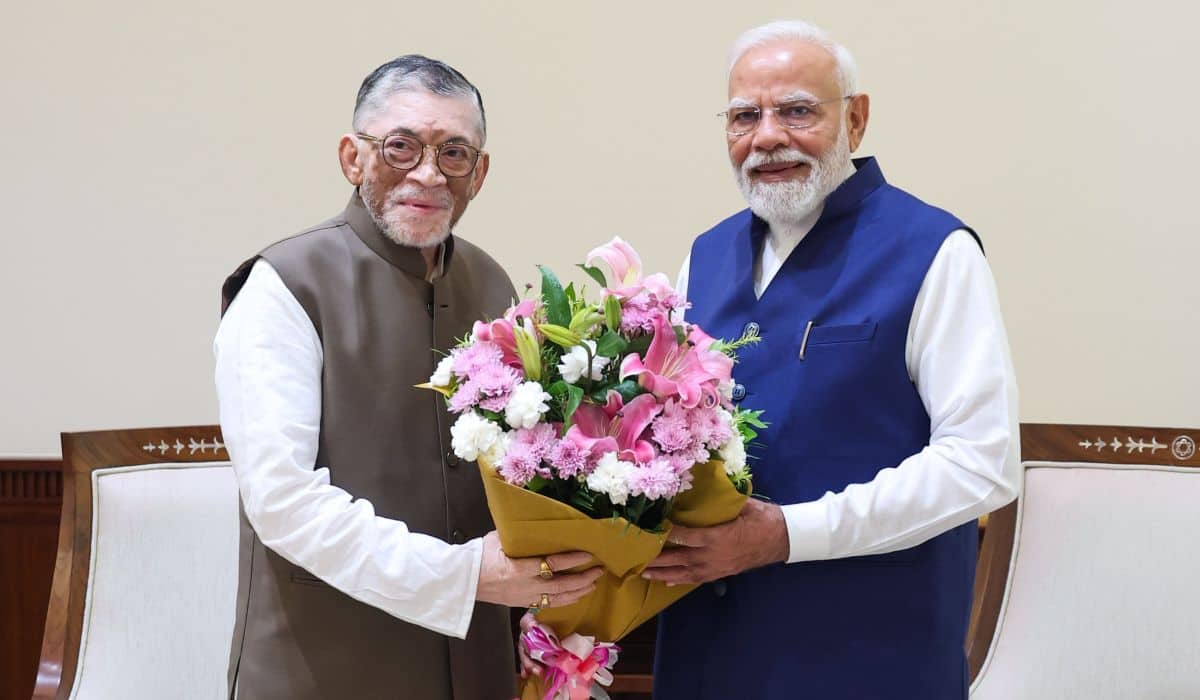
In his remarks, Prime Minister of India Shri Narendra Modi while congratulating the gathering for the successful conclusion of the 50th edition of the Conference, emphasized that for the future, even as it evolves with the times, the institution of this Conference should remain focused on ensuring national development and meeting the needs of common man.
While lauding the participants for coming up with valuable suggestions, Prime Minister urged the Governors, as first citizens, to enable discussions at state level so that ideas suitable to their local conditions are pursued vigorously.
With respect to development of tribal areas, the Prime Minister urged for the use of appropriate use of technology and adoption of progressive schemes in the sphere of sports and youth development. Prime Minister also asked for a mission mode focus to be given to meeting the development needs of the 112 aspirational districts, particularly those that fall in the tribal areas of the country and to ensure that they come up above the state and national averages on the relevant development indices at the earliest.

The Prime Minister said that the discussion on Jal Jeevan Mission in the Conference reflected the priority given by the Government to water conservation and water management techniques that emphasized functionality and were tailored to local conditions. In their role as Chancellors of Universities, the Prime Minister requested Governors to inculcate this message of good habits of water conservation amongst the youth and student community as well. Prime Minister also requested Governors to seek out ways of helping to publicize the message of traditional water related festivals like ‘Pushkaram’.
On the New Education Policy and the higher education sector, Prime Minister highlighted the important role that Governors could play to ensure that universities invest in high quality research that harnesses cost effective innovations and technology that uses platforms like hackathons etc. to foster a start-up culture, and also leads to job creation for the youth.
On Ease of Living initiatives, Prime Minister observed that state institutions need to strike the right balance between cutting red-tape and too much regulations on one hand and at the same time ensure that the primary needs related to basic sectors like health care and education were met in an affordable manner.

On agriculture, the Prime Minister advocated for a focus on development of agrarian economy by following a cluster approach that offered nuanced solutions. He requested that Governors could help to ensure adoption of international best practices through introduction of viable Demonstration projects where agriculture universities played a lead role.
President, Vice President and Home Minister also addressed the concluding session.