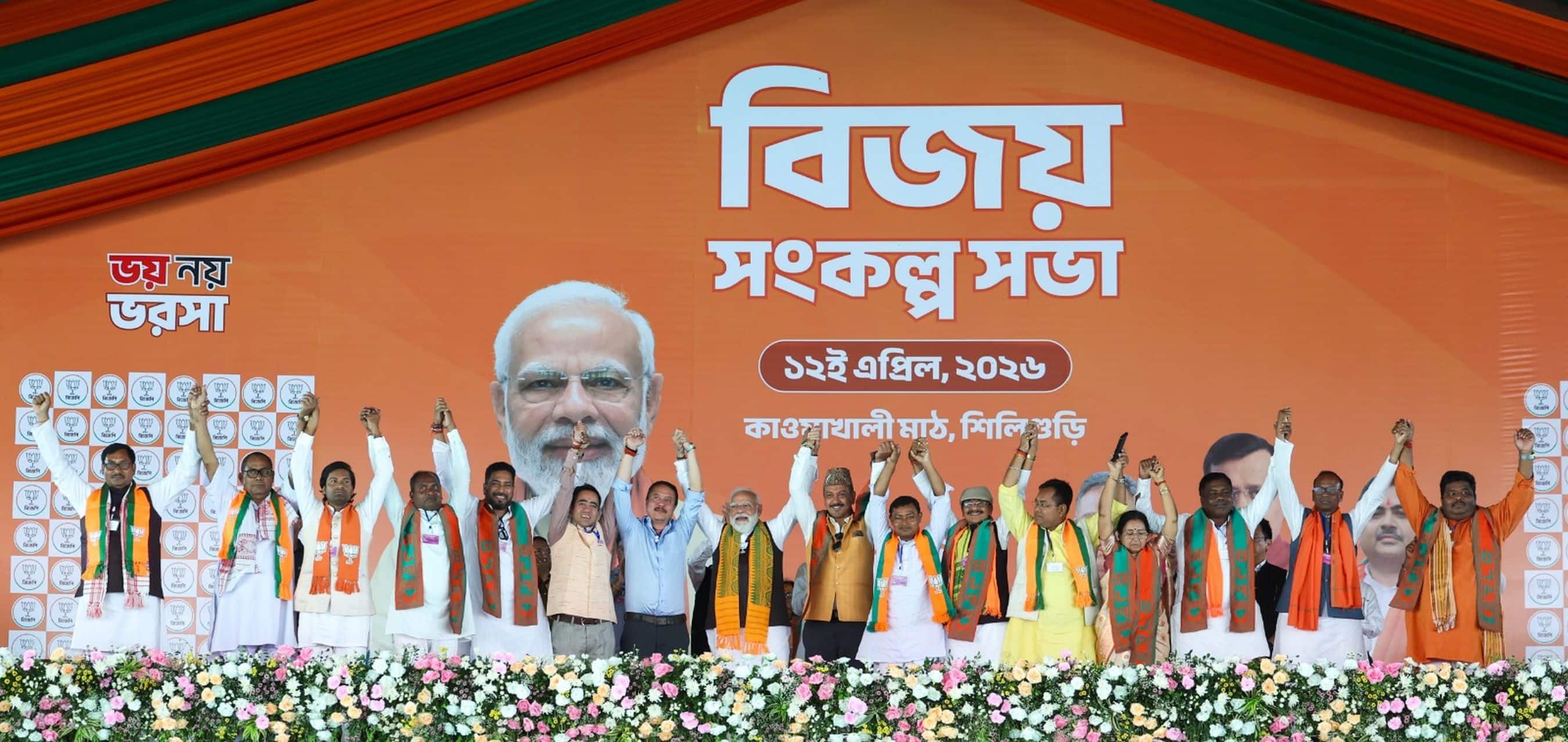


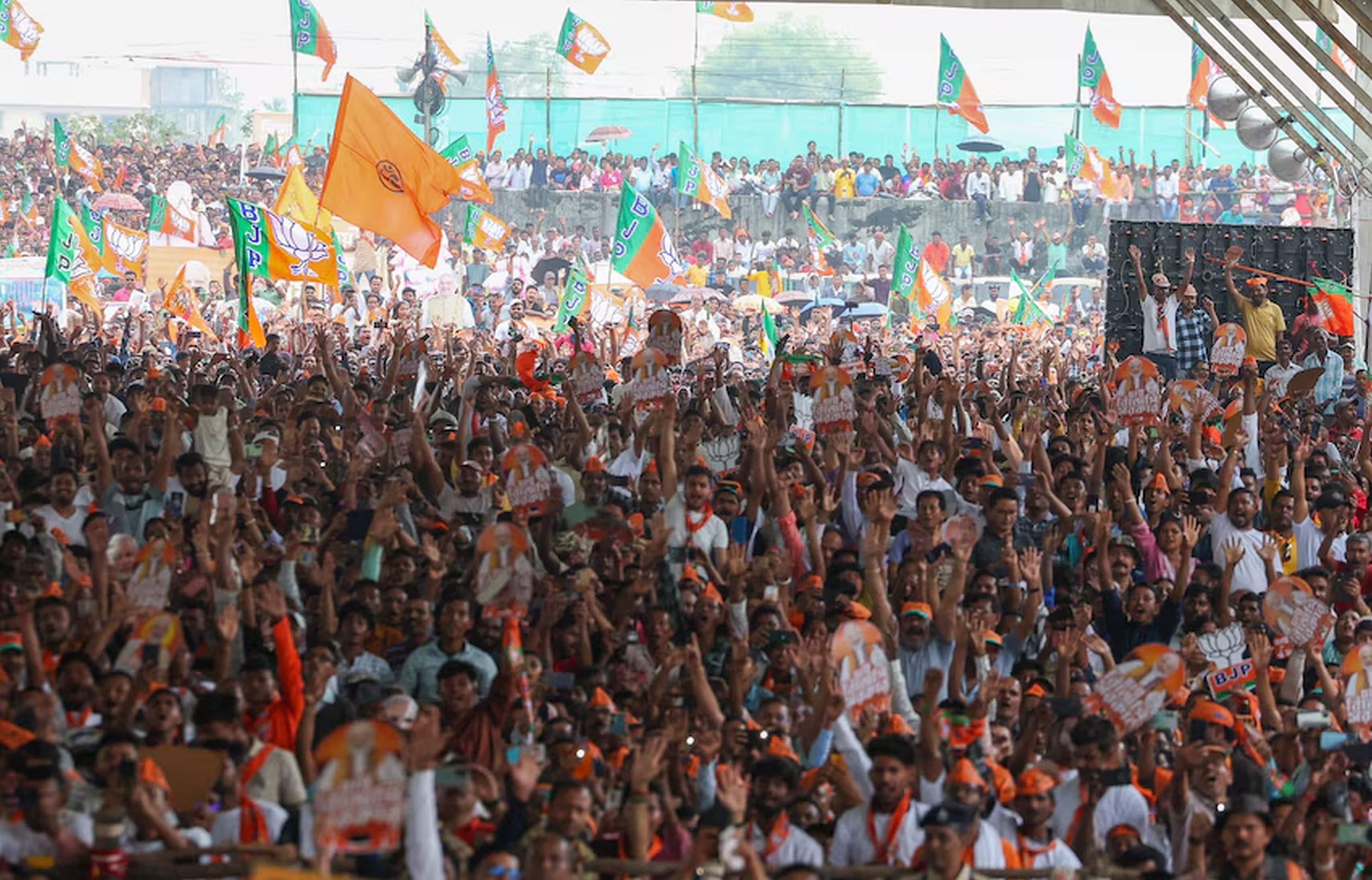
Ahead of the West Bengal Assembly elections, Prime Minister Narendra Modi today turbocharged the BJP’s campaign with a high-energy address in Siliguri, drawing massive public support. Addressing a packed rally in North Bengal, the PM launched a scathing attack on the ruling All India Trinamool Congress (TMC), accusing it of corruption, neglect and fostering a climate of fear.
Opening his speech with a personal connect to the region, PM Modi said, “Be it Darjeeling or Siliguri, I have come here many times. Every time, I receive immense love and blessings from the people. Yesterday’s 15-kilometre-long roadshow in Siliguri, filled with enthusiastic participation of youth and women, was truly incredible. Your affection and blessings are my greatest strength.”
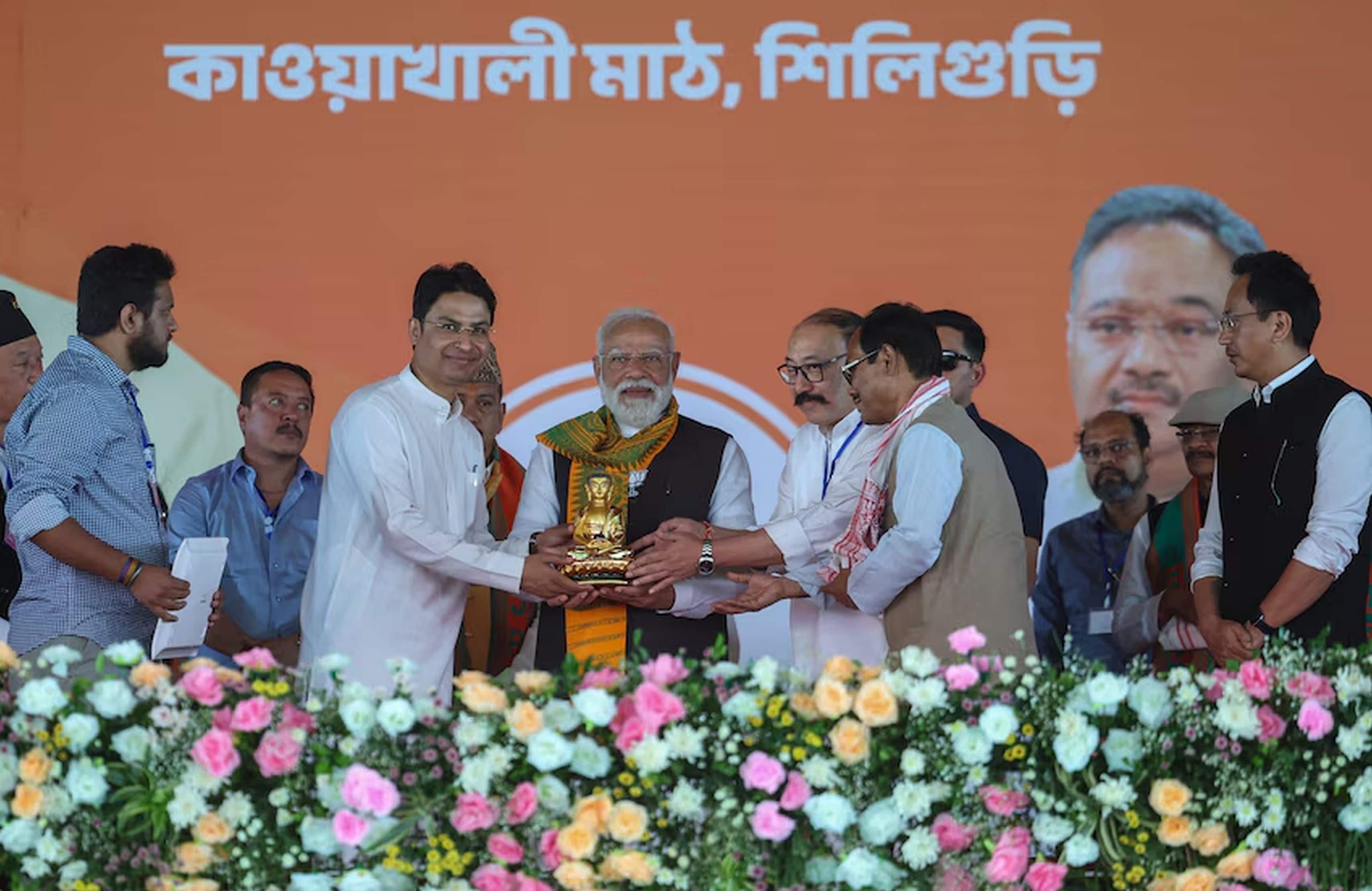
He added, “Today’s massive gathering is enough to give sleepless nights to TMC. This rally in Siliguri is signaling the end of TMC’s ‘maha-jungle raj’. Across Bengal, one voice is echoing - ‘Poriborton dorkar, chai BJP sarkar!’”
He underscored what he called 15 years of misgovernance by TMC. “A child who was in Class 1 fifteen years ago is voting in this election today. This is the time to evaluate performance. But TMC has not delivered work, only a record of corruption,” he said.
Highlighting alleged regional neglect, he remarked, “Siliguri is the gateway to North Bengal, yet infrastructure here has been deliberately ignored. Whether it is connectivity, industry or tourism, people have only received neglect. Even the funds sent by the Centre have been siphoned off by syndicates.”
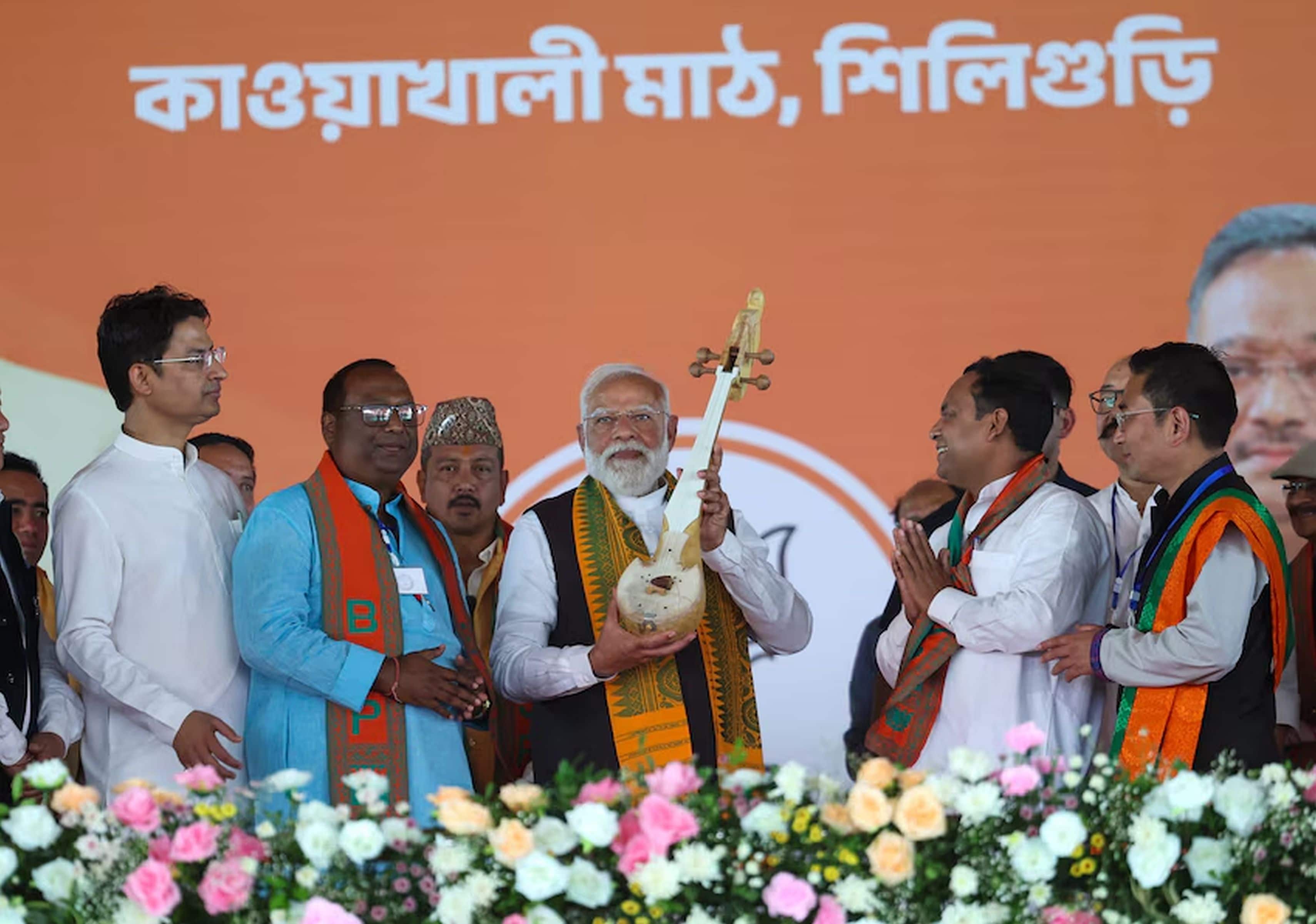
He further criticized the state government’s budget priorities, stating, “While thousands of crores are allocated elsewhere, North Bengal’s development continues to be sidelined. TMC is busy appeasing its vote bank instead of serving all sections equally.”
Emphasising Siliguri’s strategic importance, PM Modi said, “The Siliguri Corridor is not just a geographical term; it is an arm of Mother India. But TMC, driven by appeasement politics, has supported elements that have threatened this vital corridor. The country has a Tukde-Tukde gang and it threatened to cut off the Siliguri Corridor. They wanted to separate the northeast from the country. TMC, which indulges in appeasement politics, supports such people from the road to Parliament. This is the real face of TMC.”
He contrasted this with the Centre’s development push: “For BJP, Siliguri Corridor represents both national security and prosperity. Projects like the Sevoke-Rangpo railway line will directly connect Sikkim to the national rail network, boosting trade, tourism and employment for North Bengal’s youth.”
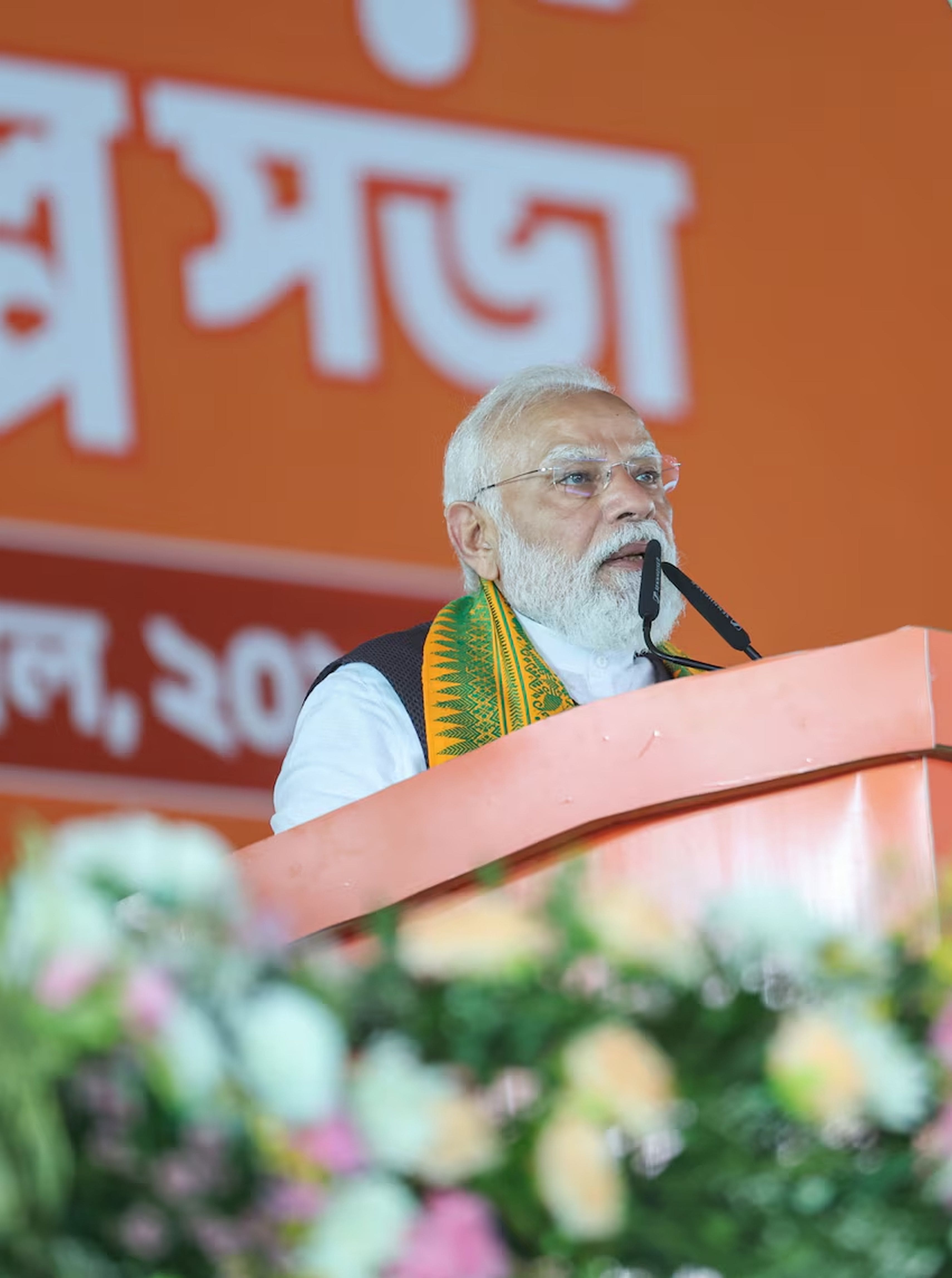
Outlining BJP’s roadmap, PM Modi said, “Under a double-engine government, Bengal will see double-speed development. We are committed to building modern engineering and medical colleges, a cancer hospital and a fashion designing institute in North Bengal.”
“We want the children of Bengal to have opportunities to play and excel in sports. That’s why BJP Bengal has announced plans to establish a Sports University in North Bengal. However, the TMC government is restricting the freedom of young women. They have created an atmosphere of fear among parents and women across the state,” he added.
Addressing tea garden workers, the PM noted, “Your tea’s flavour is known to me. But TMC has pushed tea gardens into distress. BJP will ensure land rights, housing, water, electricity, education and healthcare for every worker family.”
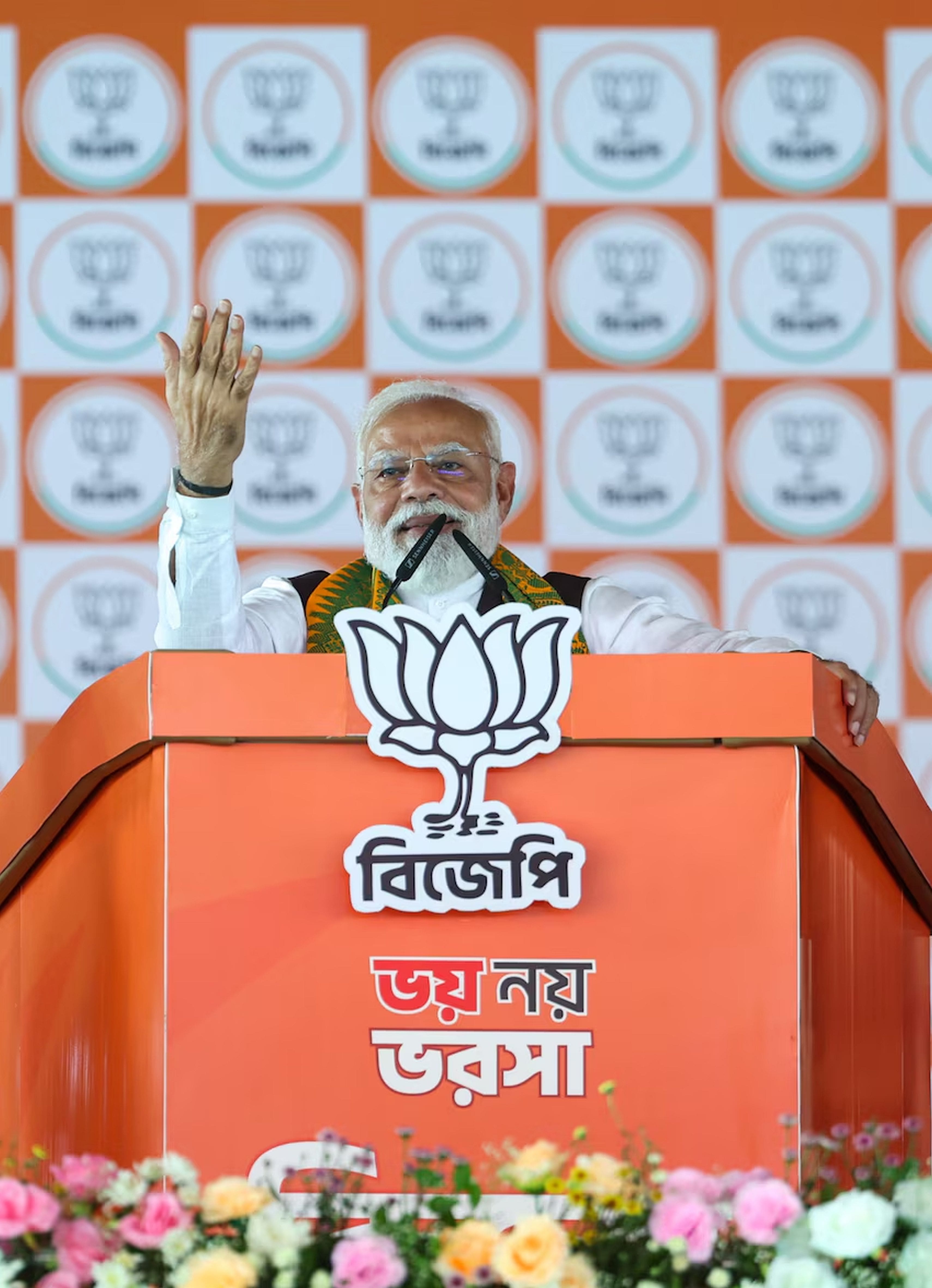
Raising concerns over law and order, the PM stated, “TMC has created fear among daughters and their families. “Modi guarantees justice in every case of crime against women. BJP will establish women police stations and help desks in every block and increase women’s recruitment in the police force,” he assured.
Announcing financial support, PM Modi said, “Bengal BJP has pledged ₹3,000 assistance for women. This money will reach directly into their bank accounts without any cut or commission.” “North Bengal is a land of immense talent. Tribal communities and Rajbanshi society have contributed greatly to India’s culture and progress. Our government is committed to preserving their language, traditions and identity,” he added.
In a strong closing appeal, PM Modi urged voters to give BJP an opportunity: “For 70 years, you gave chances to the Left, Congress and TMC. Now give Modi one chance, for the safety of daughters, for jobs for youth, for ending infiltration, for restoring law and order and for bringing back development.” He concluded with a powerful slogan, “Kamal khilao, ghuspaithiya bhagao! End fear, bring trust - this change is possible only with BJP.”
Click here to read full text speech
TMC ने काम नहीं... सिर्फ काले कारनामे ही किए हैं: PM @narendramodi in Siliguri, West Bengal
— narendramodi_in (@narendramodi_in) April 12, 2026
निर्मम सरकार ने, मदरसों के लिए करीब छह हज़ार करोड़ रुपए का बजट दिया गया है।
— narendramodi_in (@narendramodi_in) April 12, 2026
लेकिन इतने बड़े North Bengal के development के लिए...
बंगाल सरकार पर्याप्त बजट नहीं देती।
TMC सिर्फ अपने खास vote-bank के तुष्टिकरण में ही लगी हुई है: PM @narendramodi
TMC- Anti-North Bengal party है।
— narendramodi_in (@narendramodi_in) April 12, 2026
TMC – Anti-tribal party है।
TMC- Anti चाय-बागान party है।
TMC- महिला और युवा विरोधी party है: PM @narendramodi
देश में एक टुकड़े-टुकड़े गैंग है।
— narendramodi_in (@narendramodi_in) April 12, 2026
इस गैंग ने… सिलीगुड़ी कॉरिडोर को काटने की धमकी दी थी।
नॉर्थ-ईस्ट को देश से अलग करने की बात कही थी।
तुष्टिकरण से भरी ये TMC… ऐसे लोगों को सड़क से लेकर संसद तक समर्थन देती है।
ये ही TMC का असली चेहरा है: PM @narendramodi
TMC की निर्मम सरकार यहां बेटियों को बेड़ियों में बांध रही है: PM @narendramodi in Siliguri
— narendramodi_in (@narendramodi_in) April 12, 2026
TMC यहां 15 साल से इसलिए है... क्योंकि उसने भय का सम्राज्य बनाया है।
— narendramodi_in (@narendramodi_in) April 12, 2026
अब इस भय को हटाना है और बंगाल में भरोसा लाना है।
ये काम BJP ही कर सकती है: PM @narendramodi
कमल खिलाओ... घुसपैठिया भगाओ: PM @narendramodi in Siliguri, West Bengal
— narendramodi_in (@narendramodi_in) April 12, 2026