PM Modi chairs Roundtable with Indian AI Start-Ups

Published By : Admin | January 8, 2026 | 14:48 IST
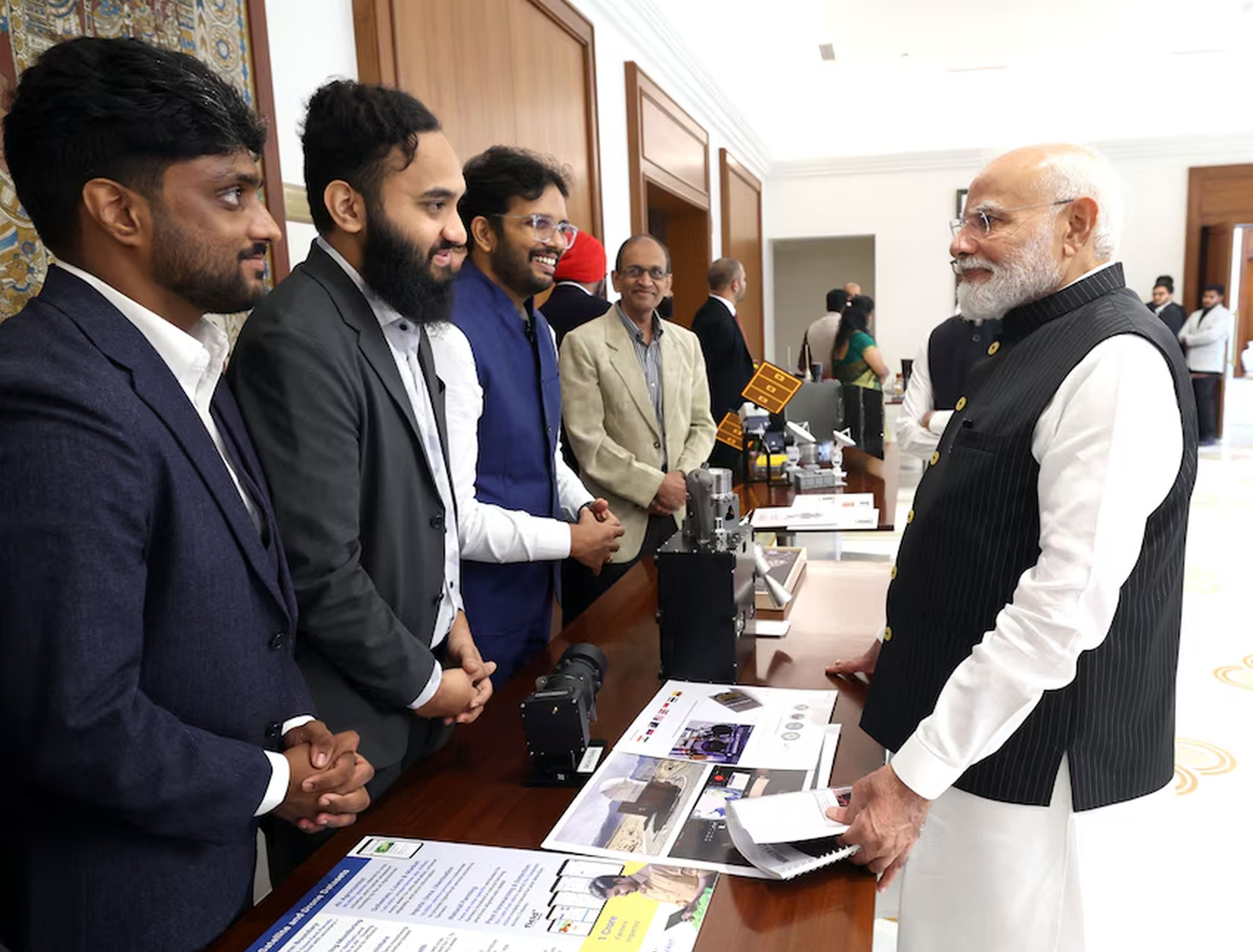
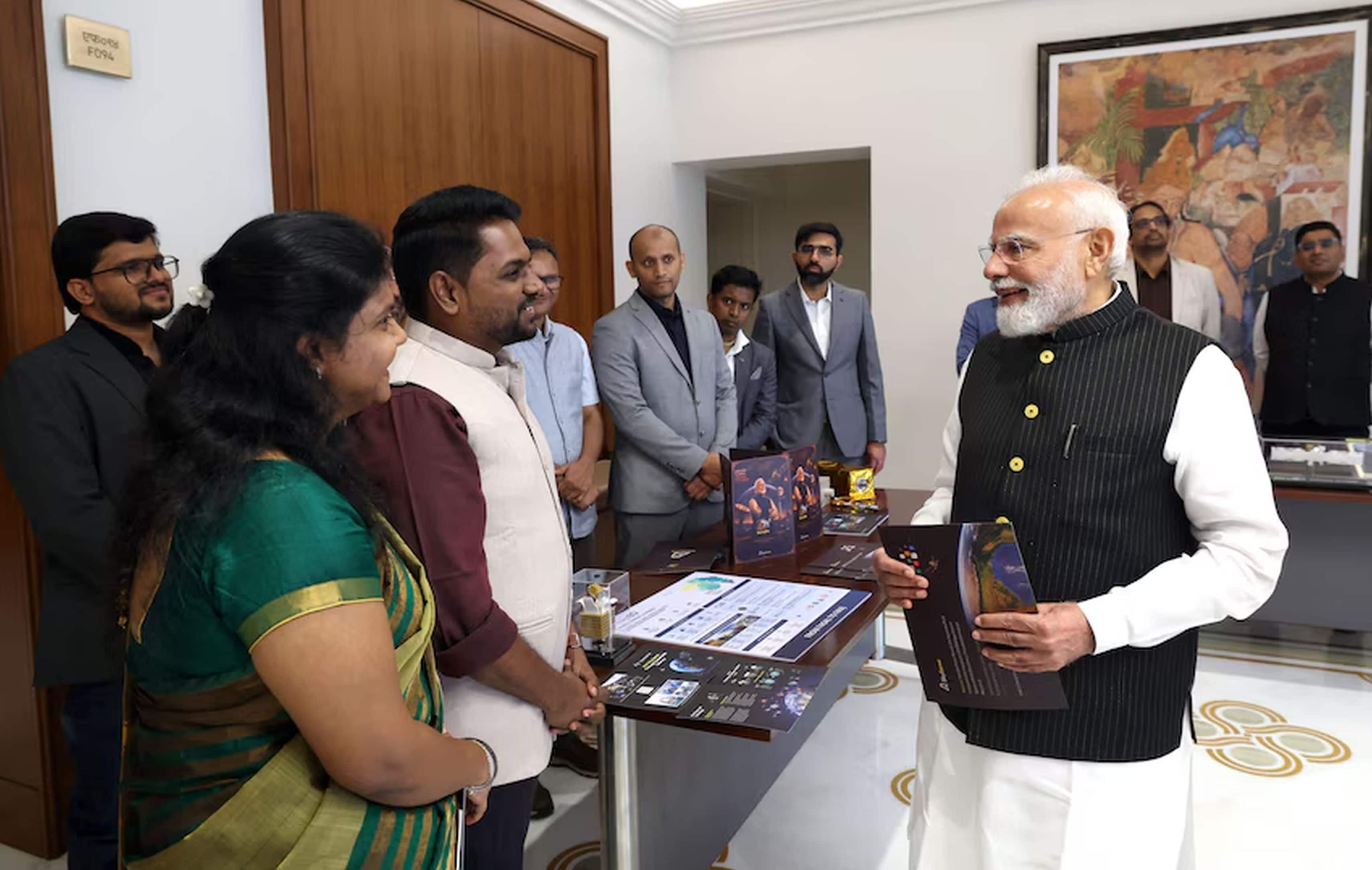
12 Indian AI Start-ups, who have qualified for the AI for ALL: Global Impact Challenge in the India AI Impact Summit 2026, present their ideas and work
These Start-ups are working in a diverse set of areas like healthcare, multilingual LLMs, material research, data analytics, engineering simulations among others
Start-ups highlight the rapid growth and vast future potential of the AI sector, observing that the centre of gravity of AI innovation & deployment is shifting towards India
Start-ups commended India’s strong commitment to advancing the artificial intelligence ecosystem
PM emphasises that startups and AI entrepreneurs are the co-architects of India’s future
PM suggests that Indian AI models should promote local and indigenous content and regional languages
PM emphasises the need to ensure that Indian AI models are ethical, unbiased, transparent, and based on data privacy principles
PM assures full government support for the success of their AI models

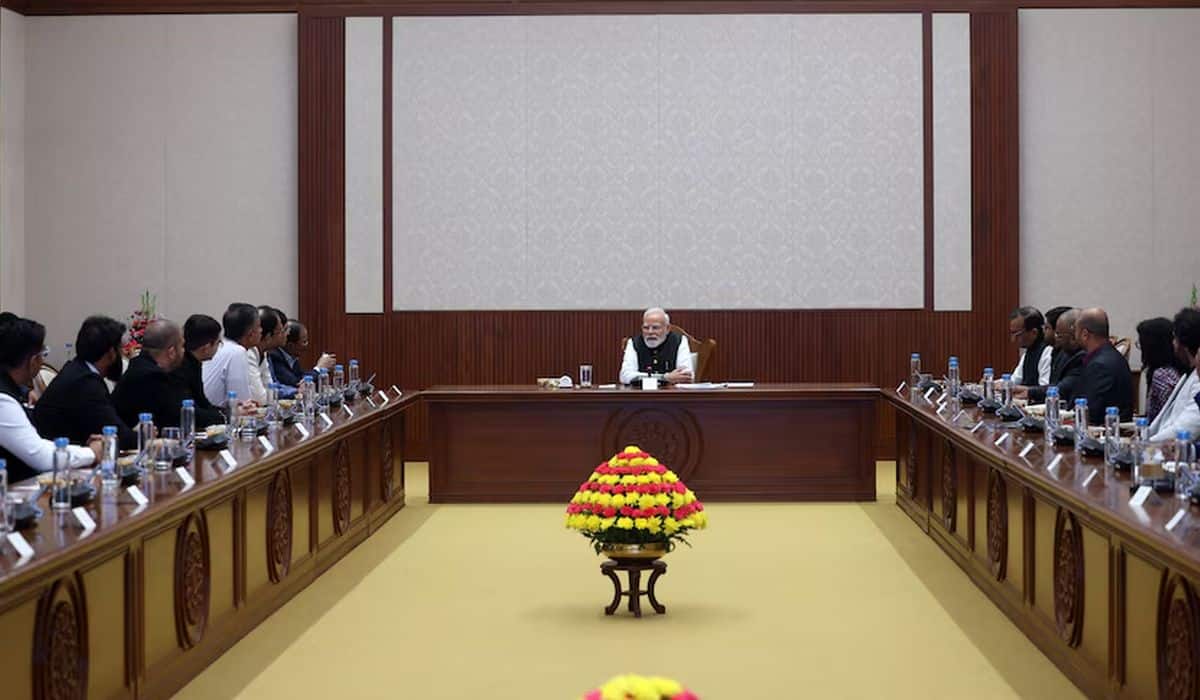
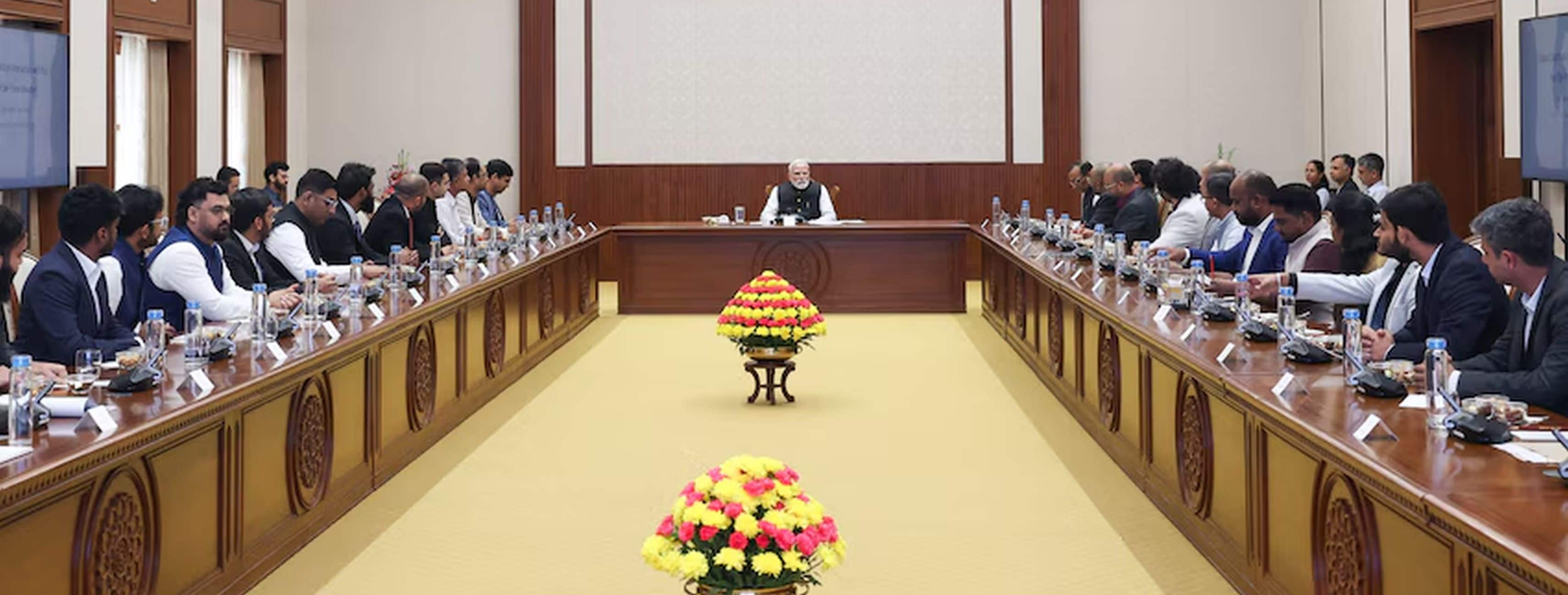
Prime Minister Shri Narendra Modi chaired Roundtable with Indian AI Start-Ups at his residence at 7, Lok Kalyan Marg earlier today.

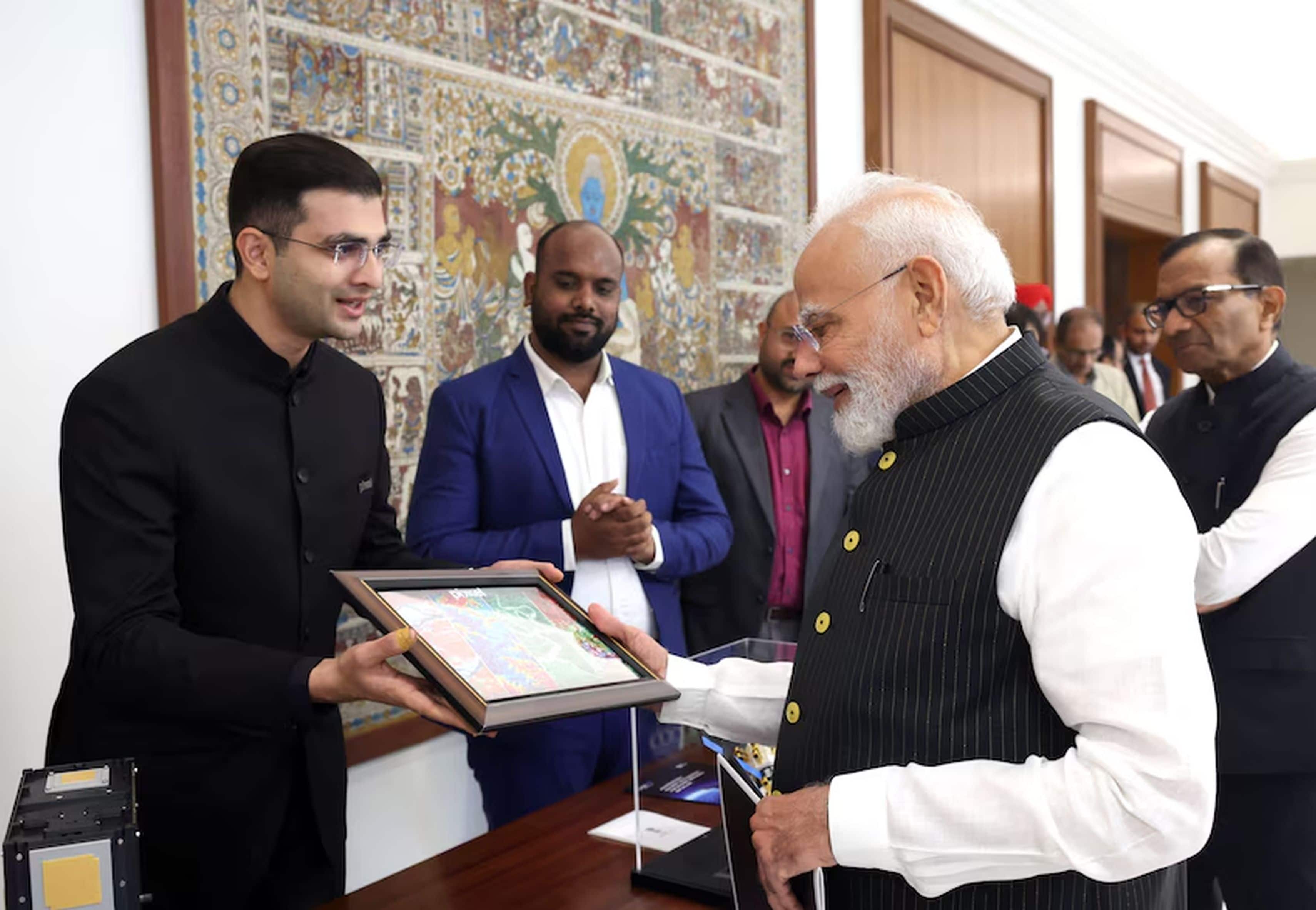
Ahead of the India AI Impact Summit 2026 to be held in India next month, 12 Indian AI start-ups who have qualified under Foundation Model Pillar in the Summit attended the roundtable and presented their ideas and work.
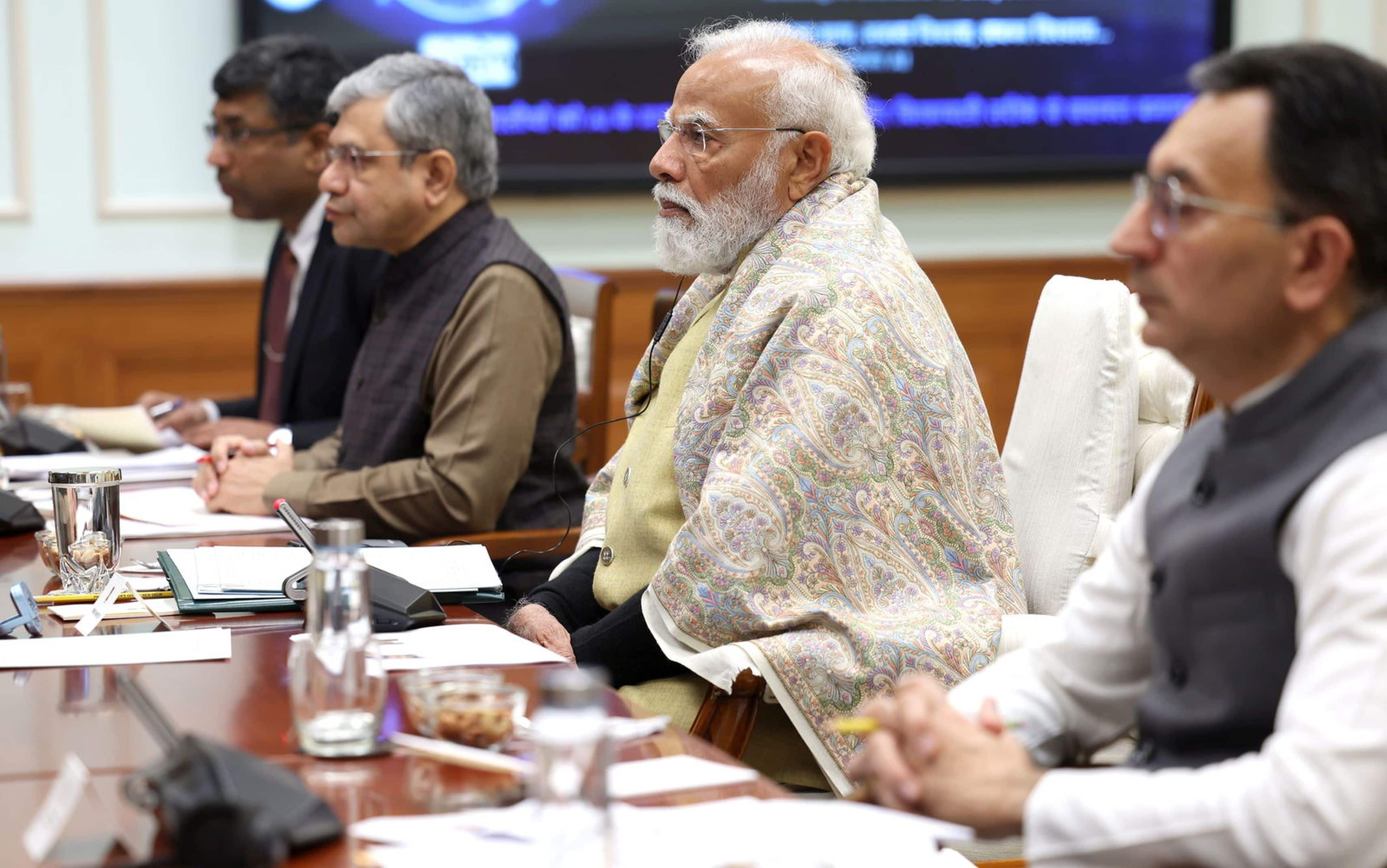
These Start-ups are working in a diverse set of areas including Indian language foundation models, multilingual LLMs, speech-to-text, text-to-audio and text-to-video; 3D content using generative AI for e-commerce, marketing, and personalized content creation; engineering simulations, material research and advanced analytics for data-driven decision-making across industries; healthcare diagnostics and medical research, among others.

The AI Start-Ups commended India’s strong commitment to advancing the artificial intelligence ecosystem in the country. They highlighted the rapid growth and vast future potential of the AI sector, observing that the centre of gravity of artificial intelligence innovation and deployment is beginning to shift towards India. The leaders said that India now offers a robust and enabling environment for AI development, firmly placing the country on the global AI map.
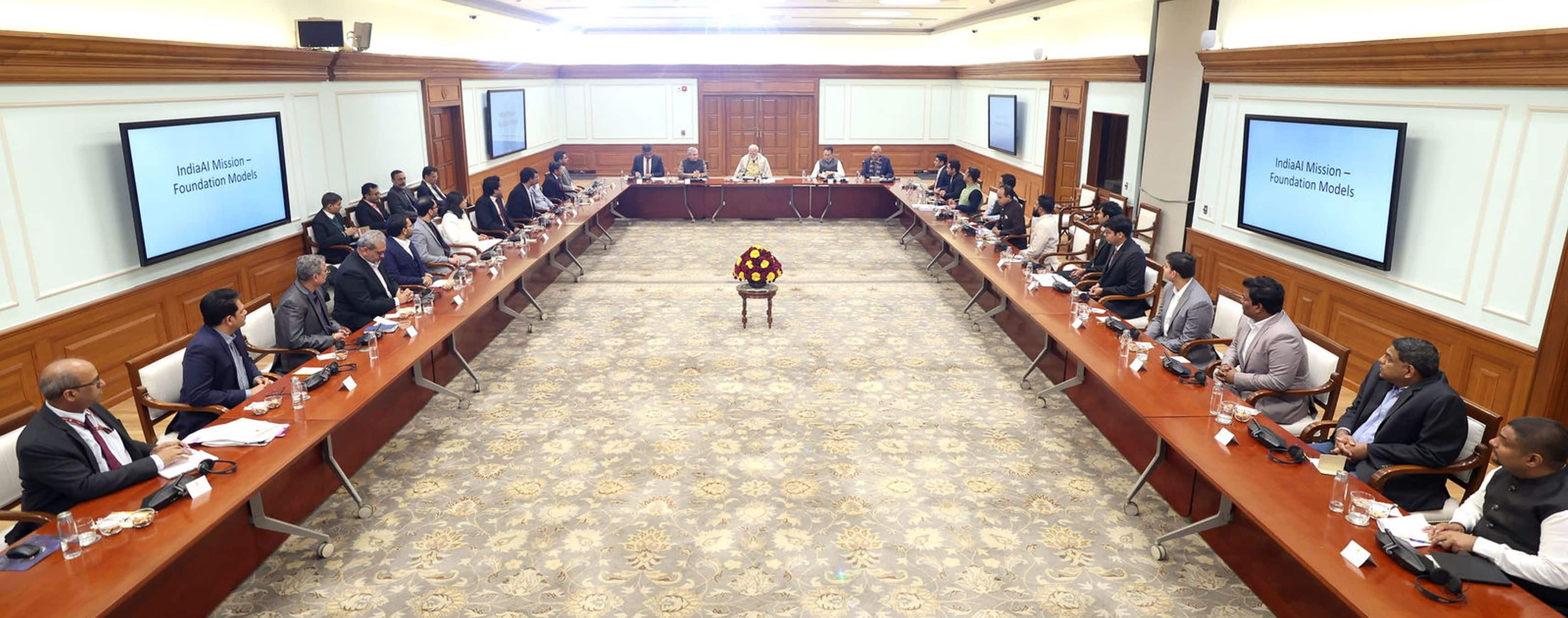
During the meeting, Prime Minister highlighted the importance of artificial intelligence in bringing about transformation in society. He noted that India will host the India AI Impact Summit next month, through which the country will play a major role in the technology sector. He highlighted that India is making efforts to bring about a transformation with & leveraging AI.

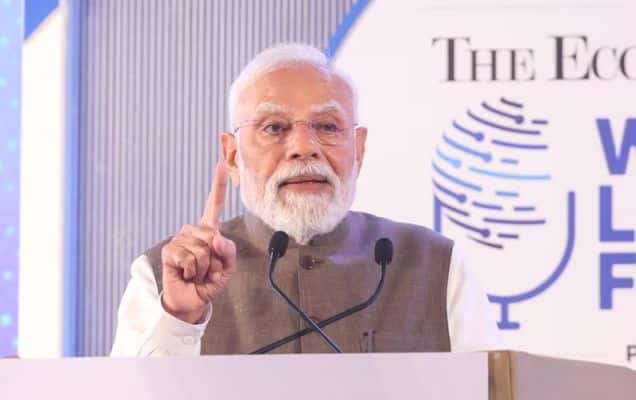
Prime Minister emphasised that startups and AI entrepreneurs are the co-architects of India’s future and said that the country has immense capacity for both innovation and large-scale implementation. He added that India should present a unique AI model to the world that reflects the spirit of “Made in India, Made for the World.”

Prime Minister said that the world’s trust in India is the country’s biggest strength. He emphasised the need to ensure that Indian AI models are ethical, unbiased, transparent, and based on data privacy principles. He said startups should also work towards global leadership from India, and noted that India can promote affordable AI, inclusive AI, and frugal innovation globally. He also suggested that Indian AI models should be distinct and should promote local and indigenous content and regional languages.

The meeting was attended by CEOs, Heads and representatives of Indian AI start-ups including Avataar, BharatGen, Fractal, Gan, Genloop, Gnani, Intellihealth, Sarvam, Shodh AI, Soket AI, Tech Mahindra and Zenteiq. Union Minister for Electronics and Information Technology, Shri Ashwini Vaishnaw and Minister of State, Shri Jitin Prasada were also present during the meeting.

Explore More
Today, the entire country and entire world is filled with the spirit of Bhagwan Shri Ram: PM Modi at Dhwajarohan Utsav in Ayodhya

Popular Speeches

Today, the entire country and entire world is filled with the spirit of Bhagwan Shri Ram: PM Modi at Dhwajarohan Utsav in Ayodhya
PM Modi’s Indonesia’s Prambanan Temple Visit Part Of His Mission To Revive Civilisational Heritage

Media Coverage

PM Modi’s Indonesia’s Prambanan Temple Visit Part Of His Mission To Revive Civilisational Heritage
NM on the go

Nm on the go

Always be the first to hear from the PM. Get the App Now!
...
India-Australia Joint Declaration on Defence and Security Cooperation
July 09, 2026

We, the Prime Ministers of India and Australia, drawn together by our ever closer bilateral ties, united in our determination to strengthen our nations’ strategic partnership and motivated by a common ambition for an open, peaceful, stable and prosperous Indo-Pacific, hereby commit to this Joint Declaration on Defence and Security Cooperation.

We reaffirm the vitality of our Comprehensive Strategic Partnership (CSP), established in 2020. Since the launch of our CSP, our strategic convergence has accelerated, our economic ties have deepened and the connections between our peoples – the living bridge between our nations – have grown stronger. We note our close engagement, both bilaterally and multilaterally, including with other partners through regional forums such as the Quad and other multilateral institutions, benefits both nations, and contributes to the security and prosperity of our shared region.

We also reflect on the great strides in our partnership fostered by the India-Australia Joint Declaration on Security Cooperation of 2009. We appreciate the enriching contributions to the partnership through various bilateral mechanisms including the Foreign Ministers’ Framework Dialogue (FMFD), the 2+2 Foreign and Defence Ministerial Dialogue and the Defence Ministers’ Dialogue.

We note with concern geostrategic uncertainty, and threats to regional peace and stability. We encourage all parties to work together peacefully and call for the resolution of disputes without the threat or use of force or coercion and in accordance with international law.

We reaffirm our unwavering commitment to an open, peaceful, stable and prosperous Indo-Pacific region underpinned by: a rules-based architecture based on adherence to international law; respect for sovereignty and territorial integrity; an open, stable and secure maritime domain underpinned by adherence to the 1982 United Nations Convention on the Law of the Sea (UNCLOS) including freedom of navigation and overflight; and effective, inclusive and transparent institutions.

We reaffirm our support for the Indian Ocean Rim Association (IORA), ASEAN and ASEAN-centred regional architecture, and the Pacific Islands Forum (PIF) as the premier forums for addressing challenges in these regions.

We recognise that our partnership must evolve to meet changing strategic circumstances, and commit to an acceleration in our advanced, integrated, and top-tier defence and security partnership. We will continue to strengthen strategic exchanges and conduct regular ministerial engagement that reflects the convergence of our strategic interests. We recognise a long-term vision of defence and security collaboration to enhance collective strength. This collaboration will contribute to both countries’ security and make an important contribution to regional peace and security.

We commit to strengthening our comprehensive defence cooperation, deepening strategic dialogue and intensifying cooperation, including by:

a. undertaking to consult on defence-related developments in the Indo-Pacific that affect shared interests;

b. increasing the complexity of our defence exercises, including with partners;

c. accelerating efforts to build interoperability and information sharing between defence forces;

d. expanding aircraft deployments from each other’s territories;

e. deepening connections between defence force personnel, including through exchanges, education and training, and liaison roles; and

f. exploring opportunities to cooperate in recruiting for skilled defence workforces.

We recognise the centrality of the maritime domain to our defence, security and economic interests, and will increase the depth, sophistication and regularity of maritime security cooperation. We will strengthen maritime cooperation through a India-Australia Maritime Security Collaboration Roadmap.

We will embrace the growing potential of defence industries on both sides through encouraging integration, industry engagement, and building supply chain resilience. We will deepen collaboration between our defence innovation ecosystems and develop arrangements for advanced defence science and technology collaboration.

We will work to promote the meaningful participation and leadership of women in the prevention of conflicts, the delivery of relief and recovery efforts, and the forging of lasting peace, affirming our commitment to uphold gender equality in peacekeeping operations and to advance the Women, Peace and Security agenda.

We commit to cooperating bilaterally, and with partners, to support regional economic prosperity and resilience. We will develop more diverse and resilient supply chains, critical infrastructure and connectivity, including for critical minerals and clean energy technologies.

We will work together to help shape a technology environment that meets our shared vision for a secure and resilient Indo-Pacific. We will work together to harness the potential of our cyber security and critical and emerging technology cooperation and information sharing mechanisms under the Australia-India Partnership on Cyber, Critical Technologies and Supply Chains (Australia-India PACTS), and bolster cooperation on strategic technologies.

We commit to increase information sharing on terrorist threats in our region, including entities and individuals, and explore opportunities for enhanced collaboration to counter violent extremism and terrorism in sectors, including in:

a. new and emerging technology;

b. financing of terrorism;

c. critical infrastructure and crowded spaces;

d. the maritime domain; and

e. online radicalisation.

We will continue our cooperation under the Migration and Mobility Partnership Arrangement, signed in 2023, which outlines ways to cooperate on the prevention of irregular migration, people smuggling, and trafficking in human beings. We will also continue our cooperation to combat transnational organised crime.

We seek a peaceful world free of nuclear weapons, and to this end reiterate our commitment to non-proliferation and global, complete, non-discriminatory and verifiable nuclear disarmament.

We commit to continued cooperation with other Indo-Pacific partners, including trilateral cooperation mechanisms and deeper engagement with partners through the Indo-Pacific Oceans Initiative. We will expand our cooperation with the United States of America and Japan, to build capability and cooperation towards our positive vision for an open, stable, peaceful and prosperous Indo-Pacific region.

We commit to deepen collaboration in Humanitarian Assistance and Disaster Relief (HADR) to offer rapid, coordinated and sustainable disaster response recognising our shared commitment to regional peace, security, prosperity and resilience. We will strengthen cooperation including through:

a. information sharing and expert exchanges; and

b. joint HADR exercises, including the Quad Indo-Pacific Logistics Network, which supports civilian response to large-scale natural disasters.

We commit to exploring opportunities for sharing of contingency planning, joint response and coordination during disasters and crises, including to support regional and global evacuation operations in third countries.

In the spirit of our Comprehensive Strategic Partnership, we commit fully to implementing this ambitious agenda to support a peaceful and stable Indo-Pacific region.