Cabinet approves ‘Natural Gas Marketing Reforms’

Published By : Admin | October 7, 2020 | 17:24 IST

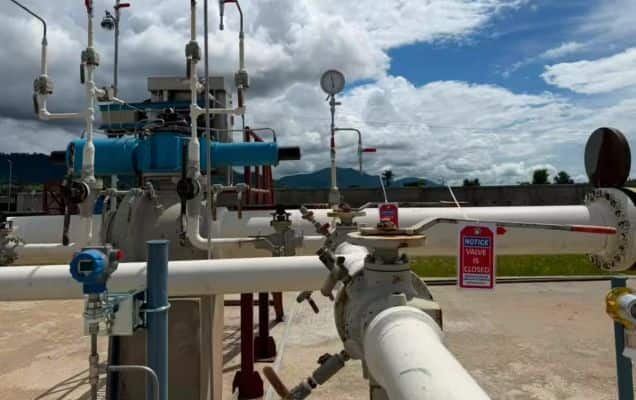
The Cabinet Committee on Economic Affairs chaired by the Prime Minister Shri Narendra Modi has approved ‘Natural Gas Marketing Reforms’, taking another significant step to move towards gas based economy. The objective of the policy is to prescribe standard procedure to discover market price of gas to be sold in the market by gas producers, through a transparent and competitive process, permit Affiliates to participate in bidding process for sale of gas and allow marketing freedom to certain Field Development Plans (FDPs) where Production Sharing Contracts already provide pricing freedom.

The policy aims to provide standard procedure for sale of natural gas in a transparent and competitive manner to discover market price by issuing guidelines for sale by contractor through e-bidding. This will bring uniformity in the bidding process across the various contractual regimes and policies to avoid ambiguity and contribute towards ease of doing business.

The policy has also permitted Affiliate companies to participate in the bidding process in view of the open, transparent and electronic bidding. This will facilitate and promote more competition in marketing of gas. However, rebidding will have to be done in case only affiliates participate, and there are no other bidders.

The policy will also grant marketing freedom to the Field Development Plans (FDPs) of those Blocks in which Production Sharing Contracts already provide pricing freedom.

These reforms will build on a series of transformative reforms rolled out by the Government in last several years. These reforms in gas sector will further deepen and spur the economic activities in the following areas:

  • The whole eco-system of policies relating to production, infrastructure and marketing of natural gas has been made more transparent with a focus on ease of doing business.
  • These reforms will prove very significant for Atmanirbhar Bharat by encouraging investments in the domestic production of natural gas and reducing import dependence.
  • These reforms will prove to be another milestone in moving towards a gas based economy by encouraging investments.
  • The increased gas production consumption will help in improvement of environment.
  • These reforms will also help in creating employment opportunities in the gas consuming sectors including MSMEs.
  • The domestic production will further help in increasing investment in the downstream industries such as City Gas Distribution and related industries.

The Government has taken transformative reforms in the upstream sector with a view to make investment easier focusing on ease of doing business. The Open Acreage Licensing Policy (OALP) which is investor driven acreage auction process, has increased substantial acreages in the country. No blocks were allocated between 2010 and 2017 which has impacted the long term viability of the domestic production. Since 2017 more than 1.6 lakh sq.km area under 105 exploration blocks have been allocated. This will ensure sustainability of the domestic production in long run.

Government brought a series of reforms in Gas sector and as a result investment of more than Rs. 70,000 crore is being made in the East coast. Gas production from East coast will contribute to Atmanirbhar Bharat by meeting increasing energy needs of the country.

In February 2019, Government implemented major reforms in upstream sector and brought paradigm shift by focusing on production maximization. Acreages under OALP rounds are being allocated based on work programme only in Cat II and Cat III basins.

The domestic gas production has complete marketing and pricing freedom. All discoveries and field development plans approved after 28 Feb, 2019 have complete market and pricing freedom.

Explore More
ਸ੍ਰੀ ਰਾਮ ਜਨਮ-ਭੂਮੀ ਮੰਦਿਰ ਧਵਜਾਰੋਹਣ ਉਤਸਵ ਦੌਰਾਨ ਪ੍ਰਧਾਨ ਮੰਤਰੀ ਦੇ ਭਾਸ਼ਣ ਦਾ ਪੰਜਾਬੀ ਅਨੁਵਾਦ

Popular Speeches

ਸ੍ਰੀ ਰਾਮ ਜਨਮ-ਭੂਮੀ ਮੰਦਿਰ ਧਵਜਾਰੋਹਣ ਉਤਸਵ ਦੌਰਾਨ ਪ੍ਰਧਾਨ ਮੰਤਰੀ ਦੇ ਭਾਸ਼ਣ ਦਾ ਪੰਜਾਬੀ ਅਨੁਵਾਦ
GIFT City scales new heights as India's 1st international finance and IT hub

Media Coverage

GIFT City scales new heights as India's 1st international finance and IT hub
NM on the go

Nm on the go

Always be the first to hear from the PM. Get the App Now!
...
Prime Minister Narendra Modi to inaugurate Samrat Samprati Museum and Kaynes Semicon Plant in Gujarat
March 30, 2026
On the occasion of Mahavir Jayanti, PM to inaugurate Samrat Samprati Museum at Koba Tirth in Gandhinagar
Museum showcases rich historical, cultural, and spiritual legacy of Jainism and will help visitors gain a chronological understanding of the evolution of Jainism and its profound cultural impact
Marking a significant milestone in India’s semiconductor journey, PM to inaugurate the Kaynes Semicon Plant at Sanand
It will be the second semiconductor facility to commence commercial production in India
Facility to contribute to building indigenous semiconductor packaging capacity, addressing critical gap in India’s chip ecosystem and furthering the vision of self-reliance
PM to lay foundation stone, inaugurate, and dedicate to the Nation multiple development projects worth more than ₹20,000 crore in Vav-Tharad
Projects span key sectors including Power, Railways, Road Transport & Highways, Health, Urban Development, Tribal Development, and Rural Development

Prime Minister, Shri Narendra Modi will visit Gujarat on 31st March 2026. At around 10 AM, Prime Minister will inaugurate the Samrat Samprati Museum in Gandhinagar. He will also address the gathering on the occasion. At around 12:45 PM, Prime Minister will inaugurate the Kaynes Semicon Plant at Sanand, Ahmedabad and also address a public gathering. Thereafter, Prime Minister will travel to Vav-Tharad where, at around 4 PM, he will lay the foundation stone, inaugurate, and dedicate to the nation multiple development projects worth more than ₹20,000 crore. He will also address the gathering on the occasion.

PM in Gandhinagar

On the occasion of Mahavir Jayanti, Prime Minister will inaugurate the Samrat Samprati Museum at Koba Tirth in Gandhinagar. Named after Samrat Samprati, the grandson of Ashoka and a revered figure in Jain tradition known for his commitment to non-violence and propagation of Jainism, the museum showcases the rich historical, cultural, and spiritual legacy of Jainism.

Located within the Mahavir Jain Aradhana Kendra campus, the museum features seven distinct wings, each dedicated to unique aspects of India’s civilizational traditions. It offers visitors a comprehensive journey through centuries of knowledge and heritage. The museum integrates traditional exhibits with modern digital and audio-visual installations, creating an immersive and engaging experience for visitors, researchers, and scholars.

The museum preserves and displays centuries-old rare relics, Jain artefacts, and traditional heritage collections. These include intricately crafted stone and metal idols, large Tirth Patta and Yantra Patta, miniature paintings, silver chariots, coins, and ancient manuscripts, all exhibited across seven grand galleries. Housing over two thousand rare treasures arranged in expansive halls, the museum enables visitors to gain a chronological understanding of the evolution of Jainism and its profound cultural impact.

PM in Sanand

Prime Minister will inaugurate the Kaynes Semicon Plant at Sanand GIDC, Ahmedabad. This will mark the commencement of commercial production at the facility, representing a significant milestone in India’s semiconductor journey.

Commercial production will start with the manufacturing of advanced Intelligent Power Modules (IPMs), which are critical components for automotive and industrial applications requiring compact, efficient, and reliable power switching systems. Each module comprises 17 chips and will be supplied to California-based Alpha and Omega Semiconductor (AOS). When all phases of the plant are completed, it will have the capacity to produce 6.33 million units per day.

The inauguration of the Kaynes Semicon Plant is a major step under the India Semiconductor Mission (ISM). It will be the second semiconductor facility, after Micron Technology, among the approved projects under the programme to commence commercial production.

The project holds particular significance as it establishes India’s second OSAT/ATMP (Outsourced Semiconductor Assembly and Test / Assembly, Testing, Marking, and Packing) unit entering the production phase. It also marks the entry of an Indian-origin Electronics Manufacturing Services (EMS) player into semiconductor manufacturing, thereby strengthening domestic capabilities.

The facility will contribute to building indigenous semiconductor packaging capacity, addressing a critical gap in India’s chip ecosystem, and furthering the vision of self-reliance in high-technology manufacturing.

PM in Vav-Tharad

Prime Minister will lay the foundation stone, inaugurate, and dedicate to the Nation multiple development projects worth more than ₹20,000 crore. These projects span key sectors including Power, Railways, Road Transport & Highways, Health, Urban Development, Tribal Development, and Rural Development.

Prime Minister will inaugurate the Ahmedabad-Dholera Expressway, an access-controlled highway built at a cost of over ₹5,100 crore. The expressway will enhance regional connectivity, support industrial development in the Dholera Special Investment Region (DSIR), and boost economic growth.

Prime Minister will lay the foundation stone for the construction of the 4-lane Idar–Badoli bypass section with paved shoulders. He will also lay the foundation stone for the upgradation of the Dholavira–Mauvana–Vauva–Santalpur section (Package-II) of NH-754K to a two-lane paved shoulder carriageway. These projects will strengthen highway infrastructure, improve connectivity to key regions including tourism destinations such as Dholavira, enhance logistics efficiency, and support socio-economic development.

Prime Minister will also lay the foundation stone of key road infrastructure projects, including the flyover at Bhaijipura Junction on the Gandhinagar–Koba–Airport Road, which will ease traffic congestion and provide organized parking space beneath the structure. The Flyover Bridge at PDPU Junction on Gandhinagar-Koba-Arodram Road will also be inaugurated. The road connecting Gandhinagar to the airport handles a daily traffic volume of over 140,000 vehicles. The flyover will ensure smooth and uninterrupted traffic flow from CH-0 Junction to the airport between Ahmedabad & Gandhinagar.

Prime Minister will inaugurate key power transmission projects including the Khavda Pooling Station-2 and associated transmission systems for evacuation of 4.5 GW renewable energy, with a combined cost of around ₹3,650 crore. These projects will strengthen renewable energy integration and transmission capacity.

In the rail sector, Prime Minister will dedicate to the Nation the Kanalus–Jamnagar doubling project (28 km), part of the Rajkot–Kanalus doubling project (111.20 km), and the quadrupling of the Gandhidham–Adipur section (10.69 km). These projects will enhance rail capacity, reduce congestion, improve operational efficiency, and enable faster movement of passengers and freight.

Prime Minister will also inaugurate the Himmatnagar–Khedbrahma gauge conversion project (54.83 km), which will improve rail connectivity and passenger movement in the region. He will also flag off the Khedbrahma–Himmatnagar–Asarwa train service.

Prime Minister will inaugurate and lay the foundation stone of 44 Urban Development projects worth around ₹5,300 crore across Gujarat, aimed at enhancing urban infrastructure and improving quality of life. Prime Minister will inaugurate various Health and Family Welfare initiatives including the inauguration of an 858-bed Rain Basera at Civil Hospital, Asarwa, Ahmedabad, and a similar facility at Gandhinagar Civil Hospital and GMERS Medical College, Gandhinagar.

Prime Minister will inaugurate Tourism projects including the Light and Sound Show at Rani ki Vav, Patan, the Water Screen Projection Show at Sharmishtha Lake, Vadnagar, and lay the foundation stone of tourism infrastructure works at Balaram Mahadev and Vishweshwar Mahadev in Banaskantha, aimed at enhancing tourism experience and promoting cultural heritage.

Prime Minister will dedicate to the nation two major water pipeline projects worth around ₹1,780 crore including the Kasara-Dantiwada Pipeline in Banaskantha and the Dindrol-Mukteshwar Pipeline across Patan and Banaskantha. Prime Minister will lay the foundation stone for the water supply scheme for Ambaji and surrounding rural areas. It will provide potable water to 34 villages and Ambaji town, benefiting approximately 1.5 lakh people in Danta and Amirgadh talukas of Banaskantha district. Prime Minister will also lay the foundation stones for three Sabarmati Riverfront expansion projects in Gandhinagar district, with a combined investment of around ₹1000 crore.

Prime Minister will inaugurate the Government Boys Hostel at Vejalpur, Ahmedabad. The facility will support tribal students pursuing higher education.