



I have been travelling in the North East for the past three days. Perhaps no other Prime Minister had the privilege of spending so much time with the people of North East, but I have been fortunate enough to get this opportunity. This is my last programme here. The love, welcome and respect that has been accorded to me by the residents of North East has overwhelmed me and I express my heartfelt gratitude and I am thankful to you all from the core of my heart.
My first programme in the North East was concerned with speed and this last one is concerned with energy. For progress energy is required and so is speed, but most importantly direction is needed. And for the Nation’s development we have chosen the North East Direction. There have been talks of Look East policy. Now is the time to move from Look East to Act East policy. And within the ambit of this Act East policy we want to move forward at great speed for the development of this region.
Today in Tripura the Central government in collaboration with the State government is launching the biggest project in terms of Capital investment worth Rs 10,000 crore for a 726 mega watt power project. Such a small state but such a huge investment for such a large project! This is an opportunity for Tripura to make a mark on the world map. The entire world is working in the direction of Climate change; talks are on to implement Kyoto Protocol. This project in Tripura will follow all the norms of Kyoto protocol thereby lending Tripura a chance to make a mark in the Green Energy movement.
Recently the SAARC Summit took place. The Prime Minister of Bangladesh Begum Hasina ji was also present. An important decision was taken in the SAARC summit. It was decided that the nations will strive together for energy production and use energy for mutual benefit as a common commodity.
Now that the SAARC Nations have agreed, I will request Bangladesh and I offer to provide electricity to Bangladesh if it intends to purchase it. We are in that position. And I am making this declaration from a place which has shared Bangladesh’s joys and grief during the period of its freedom movement and creation. The Minister of Bangladesh was telling me “I am visiting after 41 years and in 1971 when freedom movement was being fought I came here to seek refuge and today I have come again” and he was feeling very satisfied.
Some time back the Chief Minister was discussing new schemes regarding petroleum sector and fertilizers plant. We also want to develop the economy using gas based energy resources. The ONGC has doubled its budget related to gas production. They will be able to utilize this expanded budget in regions like Tripura which have abundant supply of gas and in turn rev up the nation’s economy. These energy projects will enhance the job possibilities for the youth of North East and that is what our major focus is.
A few days back I had been to Japan. We have signed an agreement with the government of Japan. The North East is also going to be benefitted by this agreement. The youth of North East is going to be benefitted by this agreement. India and Japan have taken a joint decision to try and create an economical corridor from North East to Myanmar. For this to happen so that the region grows fast we are emphasizing on this aspect so that Japan also lend its support to us. In my opinion the North East will no longer remain a neglected and secluded corner of India. The future of North East is bright. 21st century is called the Century of Asia. If this is so, that it is the century of Asia then North East is the door to all Asia and in a way it is a door to prosperity and I am seeing these possibilities. A comprehensive plan to strengthen the infrastructure with rail connectivity, road connectivity, removal of digital divide, benefit of marine routes needs to be put in place. As the Chief Minister was mentioning just now that all these facets should be incorporated in a one point programme. This one point programme is to bring in the newest infrastructure in the North East and open its horizons for progress and development.
Today I also wish to express my gratitude to the Prime Minister of Bangladesh Begum Hasina ji for her support. They have helped us considerably in bringing machinery and equipment to this place which otherwise would have been very difficult. Bangladesh has set an example of how two nations can come together for a project. This will also set a precedent for SAARC nations to see that how two neighbouring countries can come together for common welfare and produce such vital commodities like Power from even a small place like Tripura. This event sends out this positive message to the SAARC nations.
Not only this, if there is coordination among states, there is cooperation among states then such a major benefit can be achieved. In this project all the states of North East have taken collective responsibility for transmission. That the states take up collective responsibility itself lends a new hope for future development. I express my heartfelt gratitude to all the Chief Ministers of all the states for coming up and creating such an environment of cooperation. This is our Mantra too; Cooperation from all and Development for all. If we move ahead with this motto then we can scale many new heights.
In the entire North East there are a few sectors that I feel needs to be especially emphasized upon. In our country we respect our Tricolor. We all honour and respect our Tricolour. But I take inspiration from the tricolor for a four pronged revolution. I am talking of a multifaceted revolution.
One is Green Revolution. One of the colours of the tricolor is Green. Green gives us a message for green revolution. But in this second green revolution the people of the North East can make a difference by focusing on Organic Farming and the agricultural product which has a worldwide market to capture. A huge potential exists here for the same and we want to strengthen that.
Second is the White colour. There is ample scope for Milk revolution in the North East. There is unlimited potential for Animal Husbandry. We should focus on the second colour and think how to bring about this second Milk Revolution.
Third is the saffron colour. I am talking about a saffron revolution. We need a Green Revolution, a White revolution and a Saffron Revolution. When I talk of a Saffron Revolution some people may get alarmed. They will start thinking what is it that Modi is planning? Saffron is the colour of energy so when I talk of Saffron Revolution I am taking about an Energy Revolution. We should be benefitted by Solar Radiation. How do we strengthen solar energy potential? How do we incorporate energy into Gas based economy and provide an overall solution? We need to move forward bearing these factors in mind.
And fourth is the Blue colour of our Ashok Chakra. This blue colour symbolizes the strength of water, it represents the marine force. How do we strengthen our Marine force? The entire North East has immense water sources. It is the basin of Brahmputra. There are numerous waterfalls. So how do we channelize this blue revolution so that it changes our economy? How do we develop it to its fullest potential taking it to be a vital source of energy? This should be our focus.
With this four pronged revolution we intend to change the destiny of not only Tripura but the entire North East. We have to strengthen our efforts so that the youth here gets employment.
In India, the place with the largest wealth of natural resources and the greatest potential for tourism is the North East. No other State in India can match it. This region abounds in biodiversity. We have to attract the entire India here. And for this, connectivity needs to be emphasized. We have to enhance the connectivity by strengthening the rail connectivity, the road and the water connectivity. And so we have to move in a new direction where Tripura and the entire North East are able to scale new heights of development.
Today this 726 MW power project comes to completion. When the first stage got completed Honorable President came here. Today on final completion I have been given the privilege of coming here. I salute Tripura’s contribution in increasing the energy production. My heart is filled with pride and satisfaction as I dedicate this project to the Nation. I once again thank Bangladesh for its contribution. We offer to sell power to Bangladesh to meet its power requirements. India can work towards bringing light to Bangladesh also.
Thank You.
(The original speech was in Hindi, this is the English rendering. Original speech remains the authoritative version)
Published By : Admin |
December 1, 2014 | 12:57 IST
-
Share
-

-

-


Login or Register to add your comment
Explore More

Media Coverage
NTPC approves Rs 20,457 crore investment for 1,600 MW Lara Stage-III project

Nm on the go
Always be the first to hear from the PM. Get the App Now!

India-New Zealand relationship built on enduring friendship, shared values, common commitment: PM Modi in Auckland
July 11, 2026
-
Share
-
-
-
नमस्ते !
की ओरा New Zealand!
हम भारत के लोग सुनते आए थे, 20 साल के बाद। लेकिन आज चालीस साल बाद कोई भारतीय पीएम न्यूज़ीलैंड की धरती पर आया है। ये मेरा सौभाग्य है। मैं न्यूजीलैंड के सभी निवासियों के लिए, आप सभी लोगों के लिए, 140 करोड़ भारतीयों की शुभकामनाएं लेकर आया हूं।
साथियों,
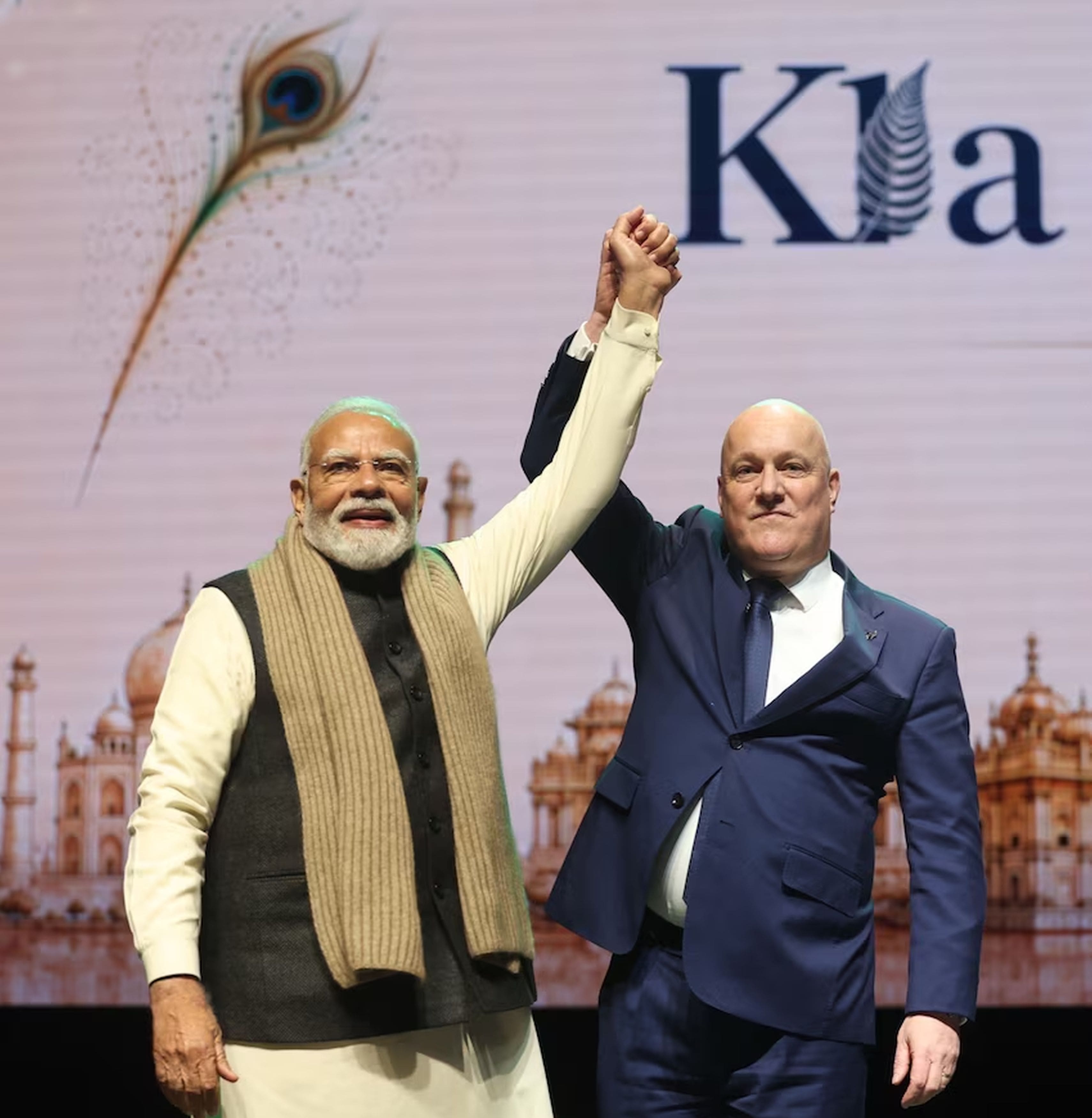
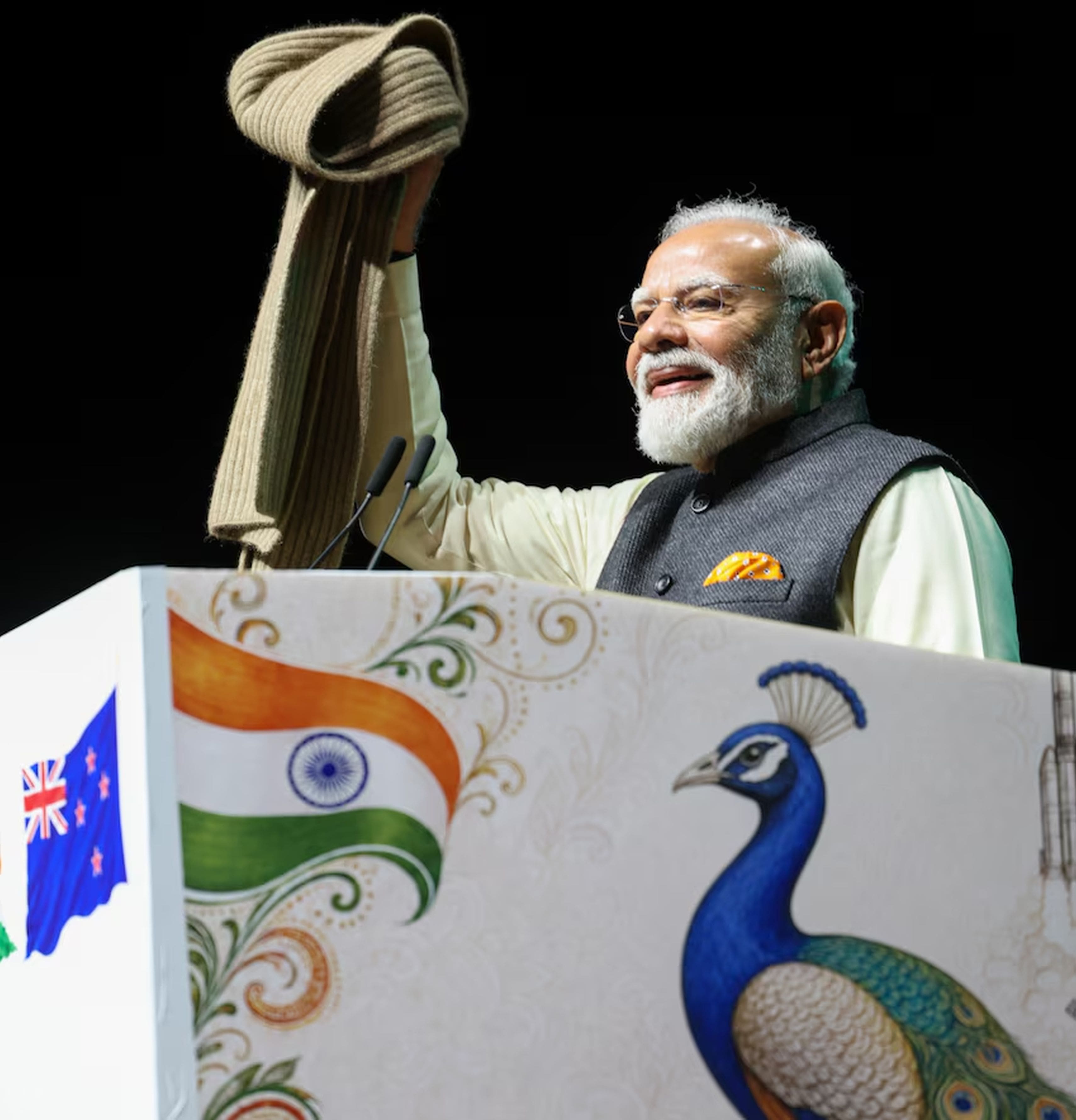
ये प्रधानमंत्री के रूप में भले ही मेरा पहला न्यूज़ीलैंड दौरा है। लेकिन 25-30 साल पहले, जब मैं किसी सरकार में भी हिस्सा नहीं था, सार्वजनिक जीवन में मुझे कोई जानता नहीं था, तब भी मुझे यहां न्यूजीलैंड आने का अवसर मिला था। और उस समय, मुझे किसी ने गिफ्ट में तीन चीजें दी थीं जो मैं वापस इंडिया लेकर के गया था। एक, यह मफ़लर। एक कैप, और एक दस्ताना। क्योंकि ठंड का मौसम था।
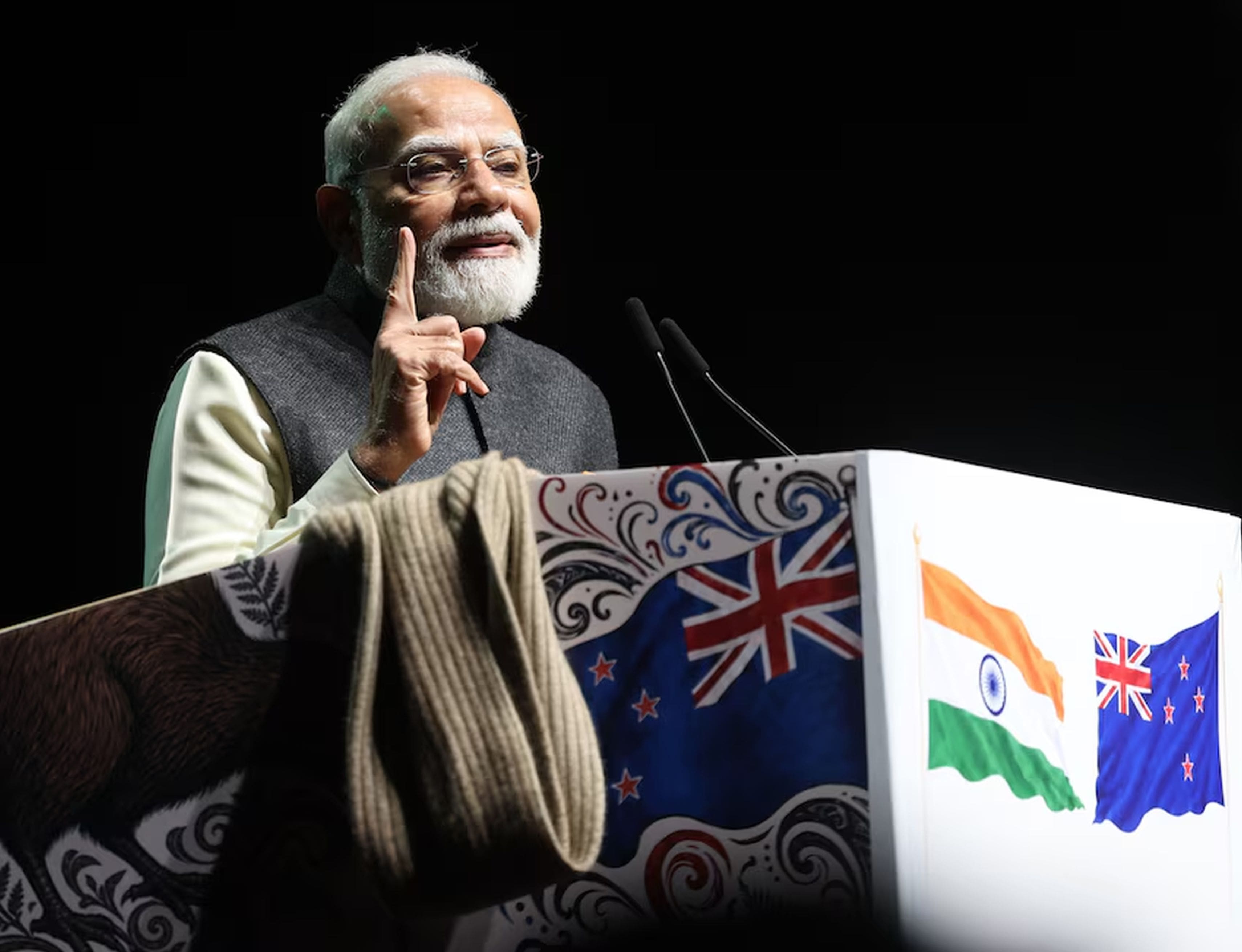
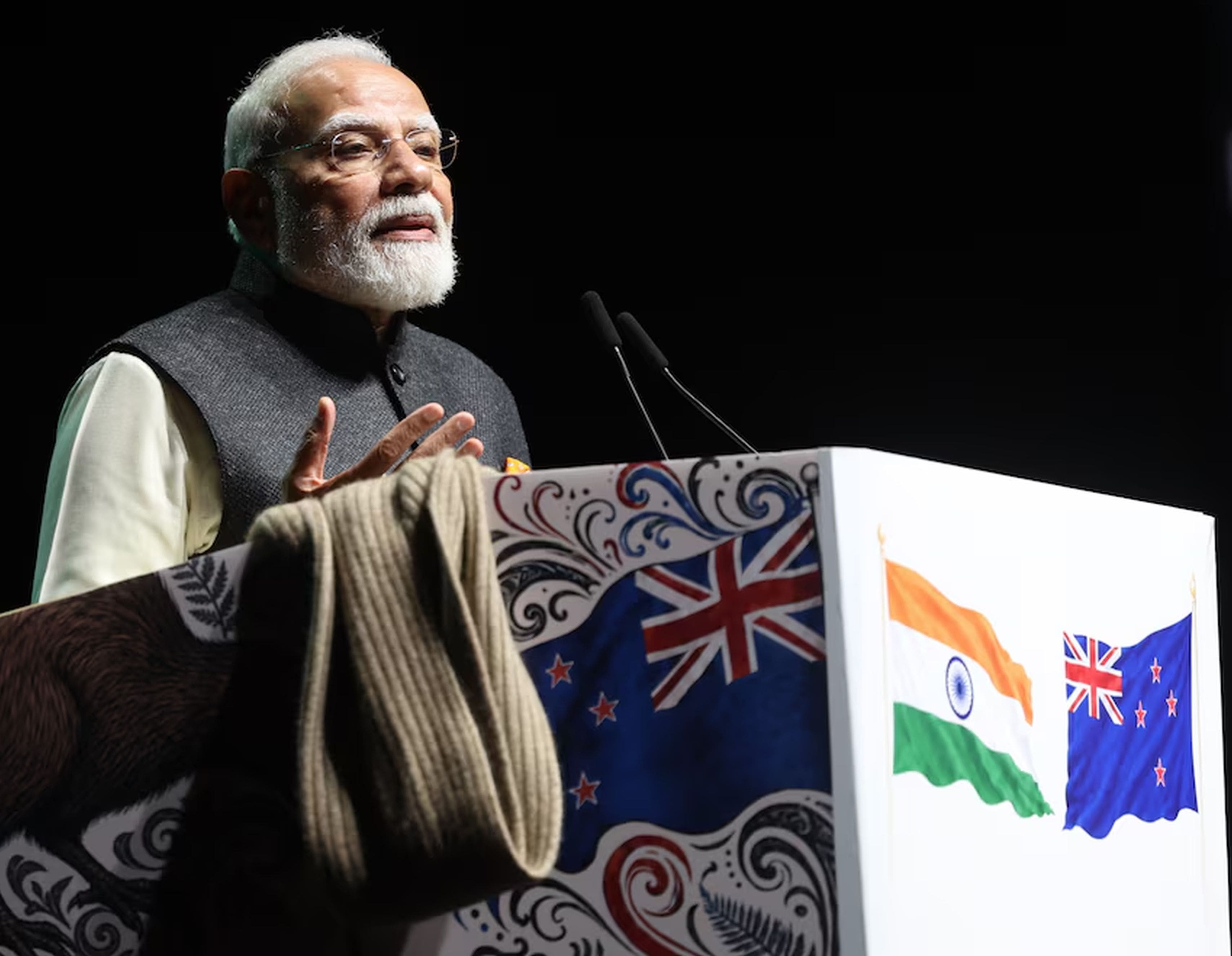
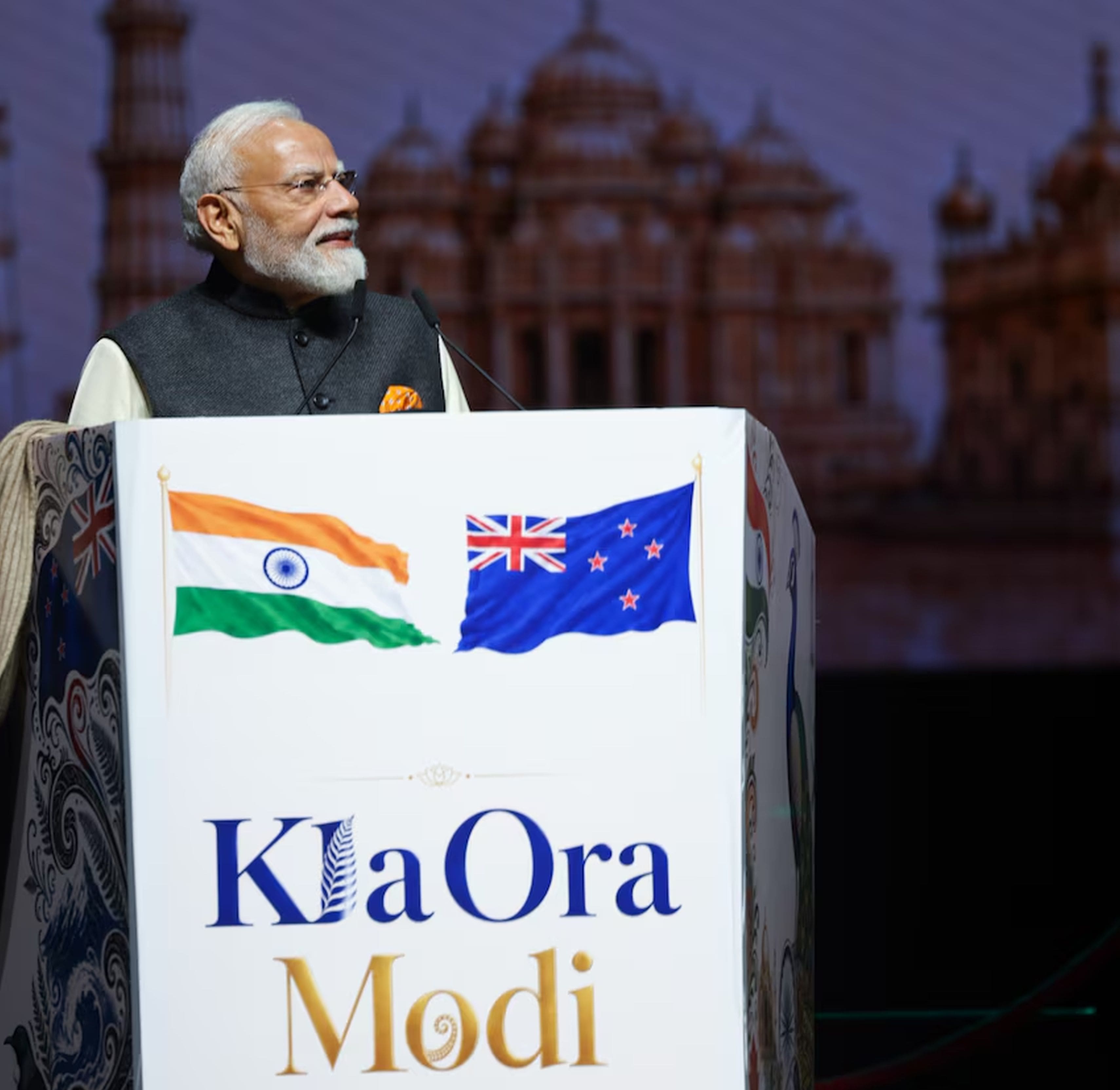
और उसमें से एक चीज़ मैं अभी यहां इस कार्यक्रम में भी लेकर आया हूं। यह मफ़लर जो आप देख रहे हैं, यह 25-30 साल पहले मुझे न्यूजीलैंड के एक साथी ने दिया था। इतने साल में मैंने कई बार इसका उपयोग किया, और आज भी इसे बहुत संभाल कर के रखा है। जैसे आपके प्यार को संभाल के रखता हूं।
इस बार जब मेरा यहां आने का कार्यक्रम बना, तो मैं विशेष तौर पर इसे अपने साथ लेकर के आया क्योंकि खबर थी कि ठंड ज्यादा है।
साथियों,
भारत और न्यूज़ीलैंड के रिश्ते में यादें भी हैं, दोस्ती भी है, वैल्यूज़ भी हैं और एक कमिटमेंट भी है। इस रिश्ते को न्यूज़ीलैंड की एक सुंदर परंपरा अच्छे से डिफाइन करती है। यहाँ सदियों से एक शब्द लोगों को जोड़ता आया है - वाका। वाका सिर्फ़ एक नाव का नाम नहीं है, वाका हमारी शेयर्ड जर्नी की प्रतीक है। और आज भारत-न्यूजीलैंड की यही वाका एक नई यात्रा पर निकलने के लिए तैयार है।
हमारे सामने अवसरों से भरा खुला समुद्र है, हवाएँ हमारे साथ हैं, समंदर की विशाल लहरें हमारे साथ हैं, इच्छाशक्ति का नीला आसमान हमारे साथ है, पाने को काफी कुछ है, और मैं जानता हूं, हम सफल होंगे।
साथियों,
मुझे इस यात्रा की सफलता पर पूरा भरोसा है, जानते हैं क्यों? मोदी नहीं, क्योंकि इसके असली नाविक आप सभी हैं। ऑकलैंड से वेलिंगटन तक, क्राइस्टचर्च से क्वीन्सटाउन तक, न्यूज़ीलैंड के कोने-कोने में फैला भारतीय समुदाय इस शेयर्ड जर्नी का एक नाविक है।
साथियों,
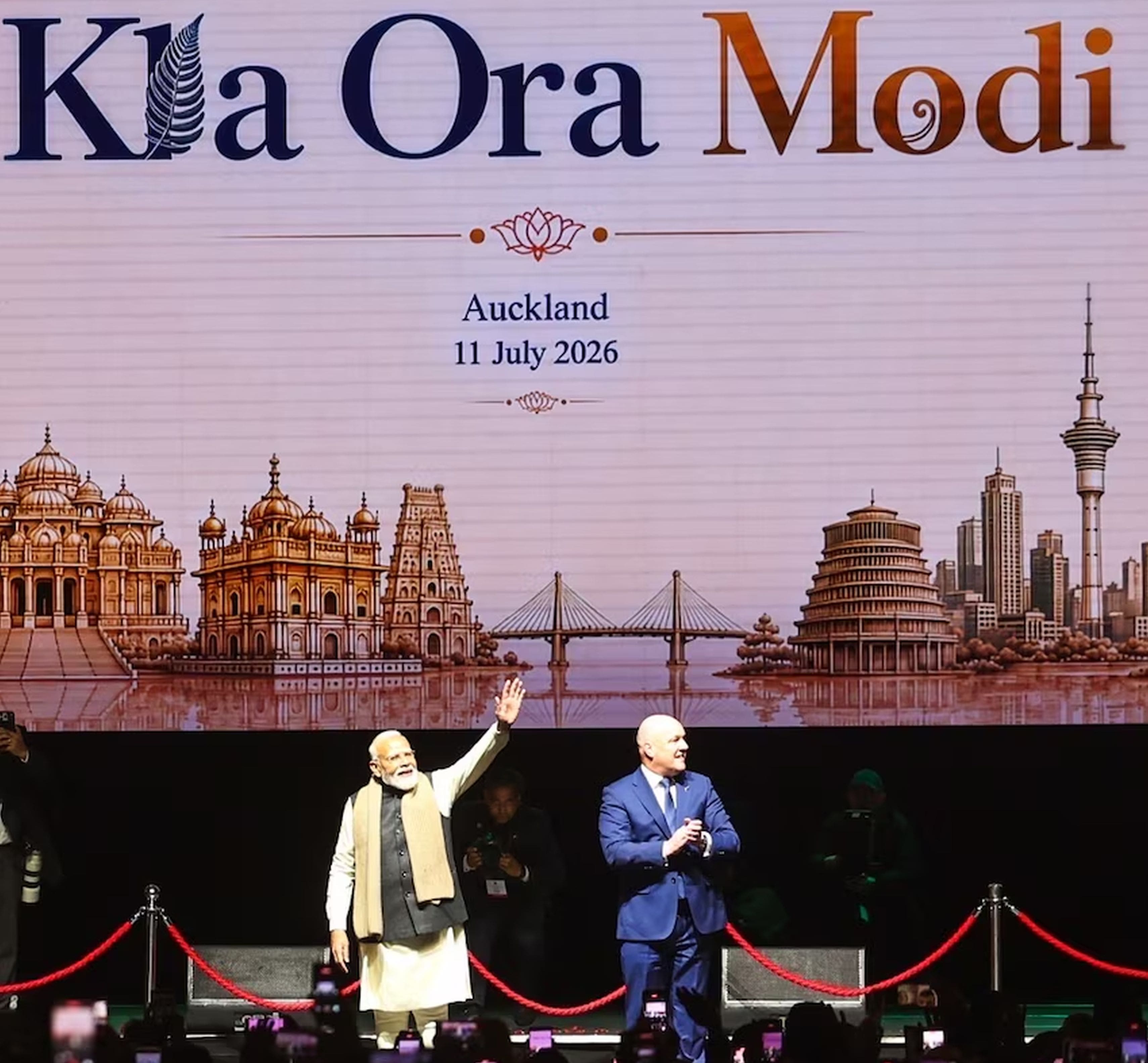
आगे बढ़ने से पहले, मैं अपने मित्र, प्राइम मिनिस्टर क्रिस्टोफर लक्सन, न्यूज़ीलैंड सरकार के सभी साथियों और यहां लेबर पार्टी के मंबर्स का अभिनंदन करूंगा।
ये दिखाता है कि भारत-न्यूज़ीलैंड रिश्ते को कितना बड़ा बाइ-पार्टिसन सपोर्ट है। इससे ये भी पता चलता है कीवी इंडियन कम्यूनिटी की अचीवमेंट्स आपका कंट्रीब्यूशन कितना बड़ा है। आप यहां आए किवी इंडियन कम्यूनिटी के इस उत्सव का हिस्सा बने इससे ये सेलिब्रेशन और वाइब्रेंट हो गया है।
आपने जिस गर्मजोशी से जिस स्नेह और उत्साह से, आप ने हम सभी का स्वागत किया है मैं आपका बहुत-बहुत आभारी हूं।
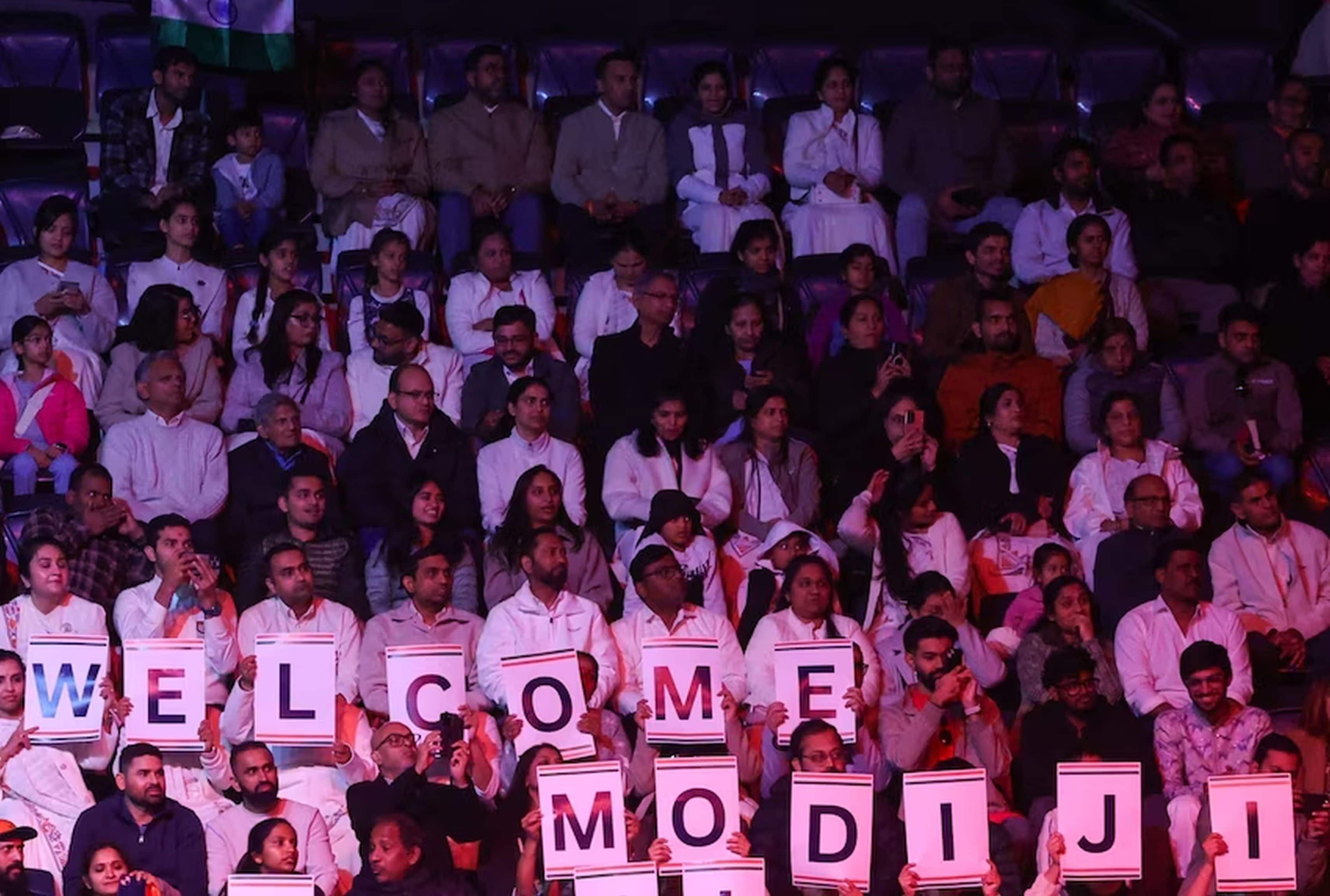
वैसे एक्सीलेंसी, किवी इंडियन कम्यूनिटी में भी सुपरहिट हैं। भारत के इंडिपेंडेंस डे पर आपने क्रिस हिपकिंस के साथ मिलकर दमादम मस्त कलंदर गाने पर जो डांस किया वो काफी वायरल हुआ। आपके वो मूव, Kiwi Indians के दिलों में छप गए हैं।
साथियों,
न्यूज़ीलैंड वाकई एक अद्भुत देश है। यहां पीस है, प्रॉसपैरिटी है, नेचर है, कल्चर है, और न्यूज़ीलैंड की असली ताकत, यहां के स्थानीय लोग हैं। न्यूज़ीलैंड के लोगों ने दिखाया है कि कोई देश जब एक जूनून, एक जज्बे के साथ आगे बढ़ता है, तो वो दुनिया को इंस्पायर करता है।
यहां जो किवी इंडियन कम्यूनिटी है, आप सभी को भी न्यूज़ीलैंड के दिलदार लोगों ने बहुत प्रेम से अपनाया है, अपनी टीम का हिस्सा बनाया है। उन्होंने आपके टैलेंट, आपके विजन पर ट्रस्ट किया है। और आज देखिए, न्यूज़ीलैंड की इकॉनॉमी हो, यहां की सोसायटी हो, किवी इंडियन्स नए-नए रंग भर रहे हैं।
न्यूजीलैंड वो जगह है जहां निखिल रविशंकर Air New Zealand के CEO बन सकते हैं। जहां आनंद सत्यानंद गवर्नर जनरल बन सकते हैं जहां क्रिकेट टीम में रचिन रविंद्र, ईश सोढी और एजाज़ पटेल जैसे टैलेंट को अवसर मिल सकता है।
न्यूजीलैंड वो जगह है जहां की सड़कों में भी भारतीय शहरों को सम्मान दिया गया है। कहीं खंडाला है। कहीं बॉम्बे हिल्स हैं। कहीं कोरोमंडल है।
कलकत्ता स्ट्रीट, दिल्ली क्रिसेंट, अमृतसर स्ट्रीट, ऐसे कितने ही नाम हैं। यहां रहते-रहते आप भी पूरे के पूरे Kiwi हो गए हैं। जैसे मुझे बताया गया है कि किसी भी विषय पर बात शुरू कीजिए थोड़ी ही देर में बात मौसम पर पहुँच जाती है!
साथियों,
मैं न्यूज़ीलैंड की लीडरशिप से जब भी मिला हूं, वो आप सभी की बहुत प्रशंसा करते हैं। प्रशंसा आपकी होती है, और माथा मेरा ऊंचा होता है।
साथियों,
आप सभी जानते हैं, कि भारत, हज़ारों वर्षों पुरानी सभ्यता है जो आज अपनी प्राचीनता को सहेजते हुए आधुनिकता को स्वीकार कर रहा है। हर युग में हर दौर में भारत ने खुद को ट्रांसफॉर्म किया है और इसका कारण है, हमारी सीखने की ललक।
भारत सबसे सीखता है हमारे लिए सामने वाले देश की जनसंख्या नहीं जनकल्याण की भावना मायने रखती है और इसलिए हमने न्यूज़ीलैंड से भी बहुत कुछ सीखा है और अब भी सीख रहे हैं।
न्यूज़ीलैंड, दुनिया का वो देश है जिसने सबसे पहले महिलाओं को वोटिंग का राइट दिया था। आज हम देखते हैं कि न्यूज़ीलैंड की सोसायटी में वीमेन, बहुत बड़े पैमाने में कंट्रीब्यूट कर रही हैं। भारत भी आज Women Led Development के मंत्र के साथ महिलाओं के लिए संभावनाओं के नए द्वार खोल रहा है।
साथियों,
रूरल इकॉनॉमी, कैसे किसी देश की तकदीर बदल सकती है ये न्यूज़ीलैंड ने करके दिखाया है। न्यूज़ीलैंड की ताकत, एग्रीकल्चर के इर्द-गिर्द बनाया गया एक एफिशियंट इकोसिस्टम है। ट्रेसेबिलिटी हो, फूड सेफ्टी हो, कंप्लायंस सिस्टम हो ये बहुत बड़ी प्रेरणा है। ये भारत जैसे, छोटे किसानों वाले बड़े एग्रीकल्चर नेशन के लिए बहुत बड़ी सीख है।
न्यूज़ीलैंड ने ज़ेस्प्री मॉडल से दिखाया है कि छोटे किसान भी बाज़ार के एक बड़े ब्रैंड बन सकते हैं। न्यूज़ीलैंड की क्लाइमेट-स्मार्ट प्रिसिजन फार्मिंग टेक्नॉलॉजी में भी हमारे लिए सीखने को बहुत कुछ है।
साथियों,
यहां के मानुका हनी को लिक्विड गोल्ड कहा जाता है। जैसे यहां हनी ट्रेडिशन और टेस्ट के अलावा हेल्थ एंड वेलनेस से जुड़ा है वैसे ही भारत के आयुर्वेद में भी हनी का बहुत बड़ा महत्व है। आपको ये जानकर अच्छा लगेगा कि भारत में भी हम बी-कीपिंग को लेकर एक मिशन चला रहे हैं। इससे भारत में हनी प्रोडक्शन में काफी बढ़ोतरी हुई है।
और आजकल तो हिमालय की ऊंचाइयों से जो हनी आता है, वो गोल्ड क्या, डायमंड बनता जा रहा है। मैं समझता हूं, न्यूजीलैंड से हम हनी प्रोडक्शन और बढ़ाने के बारे में भी बहुत कुछ सीख सकते हैं।
साथियों,
इस साल इंडिया–न्यूजीलैंड स्पोर्टिंग रिलेशन्स के सौ साल पूरे हो रहे हैं। सौ साल पहले हमारी हॉकी टीम न्यूजीलैंड खेलने आई थी। उस टूर में मेजर ध्यानचंद के शानदार परफॉर्मेंस की हर तरफ चर्चा हुई थी। उनकी हॉकी ने न्यूजीलैंड के लोगों का भी दिल जीत लिया था।
साथियों,
कंटेंट क्रिएटर्स की भाषा में कहूं, तो ये कोलैब का जमाना है। न्यूज़ीलैंड और भारत स्पोर्ट्स में भी बहुत ही शानदार कोलैब कर सकते हैं। जैसे एक उदाहरण रग्बी का है। मुझे अभी-अभी बताया गया है कि कुछ देर पहले ही ऑल ब्लैक ने रग्बी के मैच में शानदार जीत दर्ज की है। भारत रग्बी में न्यूजीलैंड से सीखना चाहता है। भारत भी रग्बी में आगे आए, इसके लिए हमें हमें कोच चाहिए, एक्सपर्ट्स चाहिए, इसमें न्यूज़ीलैंड इसमें हमारी बहुत help कर सकता है। हाल ही में भुवनेश्वर में “न्यूज़ीलैंड रग्बी” और “रग्बी इंडिया” के coaching program को मैं एक अच्छी शुरुआत मानता हूं।
साथियों,
आज यहां आने से पहले, मैं यहाँ न्यूज़ीलैंड के एक स्पोर्ट्स स्टार्टअप event में गया था। स्पोर्ट्स टेक में हो रहे इनोवेशन्स ने नए ideas ने वाकई मुझे प्रभावित किया। मुझे विश्वास है कि हम स्पोर्ट्स टेक में साथ मिलकर काफी कुछ कर सकते हैं।
भारत और न्यूज़ीलैंड का फ्यूचर, आपस में जुड़ा हुआ है। इसका एक उदाहरण, स्पेस सेक्टर भी है। भारत का चंद्रयान जब मून के साउथ पोल पर लैंड किया, पूरा न्यूजीलैंड नाच रहा था उस दिन। और उस दिन हम सबको गर्व हुआ।
अब आपको मैं गर्व की एक और बात बताता हूं। आपको गर्व दिलाने में इस सक्सेस में न्यूजीलैंड की टेक्नॉलजी का भी योगदान रहा है। न्यूजीलैंड की स्पेस कंपनी ने कई अवसरों पर हमारे साथ मिलकर काम किया है। हम इस सहयोग को और आगे ले जाने के लिए काम कर रहे हैं।
साथियों,
स्पेस सेक्टर ये बताने के लिए काफी है कि भारत और न्यूज़ीलैंड की इकॉनॉमी, एक-दूसरे को कितना कुछ दे सकती हैं। यही हमारे ट्रेड अग्रीमेंट की भी स्पिरिट है। ये ट्रेड अग्रीमेंट विकसित भारत की तरफ हमारी यात्रा को गति देगा। और भारत और न्यूज़ीलैंड दोनों के बिजनेस को नए अवसर देगा।
साथियों,
भारत और न्यूज़ीलैंड के बीच एक और बहुत बड़ी सम्मानता है। ये समानता, हमारे इंडिजनेस कल्चर की है, इंडिजनेस कल्चर को सेलिब्रेट करने, उसको संरक्षण देने की है। और आज मैं माओरी समाज को विशेष रूप से याद करना चाहता हूं।
मैंने हाका को केवल एक performance के रूप में ही नहीं देखा। मैंने हाका में, एक समाज की आत्मा देखी है। उसमें साहस है, आत्मसम्मान है, अपने पूर्वजों के प्रति श्रद्धा है, और पूरे समुदाय की सामूहिक शक्ति का एहसास है।
साथियों,
माओरी संस्कृति में एक बहुत सुंदर शब्द है- मना-कितांगा। इसका मतलब है, सम्मान देना, अपनापन देना, और पूरे मन से उसकी देखभाल करना। भारत में भी हम कहते हैं 'अतिथि देवो भवः।'
शब्द अलग हैं, परिवेश अलग हैं, पहनावा अलग हैं, भाषाएं अलग हैं, लेकिन भावना बिल्कुल एक ही है।
ऐसे ही माओरी संस्कृति में परिवार के लिए एक सुंदर शब्द है—फानो यानि परिवार। इसमें कई पीढ़ियाँ होती हैं। रिश्ते होते हैं। पूरा समुदाय होता है। भारत भी, परिवार को केवल एक सामाजिक व्यवस्था नहीं मानता, हमारे लिए फैमिली, एक इंस्टीट्यूशन है।
साथियों,
माओरी परंपरा का एक और सुंदर विचार है— काईत्या कितांगा। ये हमें सिखाती है कि हम प्रकृति के मालिक नहीं हैं। हम उसके संरक्षक हैं। भारत में भी कहा गया है— 'माता भूमिः पुत्रोऽहं पृथिव्याः।' पृथ्वी हमारी माता है। इसी सोच को आधार बनाते हुए हम भारत में धरती मां के संरक्षण के लिए, एक पेड़ मां के नाम, प्राकृतिक खेती मिशन, जैसे अनेकों अभियान चला रहे हैं।
साथियों,
मैं जानता हूं, हजारों किलोमीटर दूर रहते हुए भी आपके दिल के किसी न किसी कोने में, दिनभर की प्रक्रिया में कहीं न कहीं हिंदुस्तान झलकता ही रहता है, हिंदुस्तान बसता ही है। सही है कि नहीं है? शरीर यहां होगा, मन? और इसीलिए, आप भारत की हर उपलब्धि पर भी नज़र रखते हैं।
और जब क्रिकेट स्टेडियम में बैठकर के देखते हैं, तो बहुत सी चीज़ें देखने की छूट जाती हैं। लेकिन घर में टी.वी. पर बैठकर के जब देखते हैं, तो हर बारीकी का पता चलता है। वैसा ही, आपको भी भारत की हर बारीकी का पता चलता है। और यही बात हमें सबसे खास बनाती है।
भारतीय देश से बाहर जिस देश में रहते हैं, वहां उस देश की प्रगति में मदद करते हैं, और अपने देश के विकास की भी जानकारी रखते हैं।
साथियों,
हम जितना प्यार जन्मभूमि को करते हैं, उतना ही समर्पण कर्मभूमि को भी करते हैं।
साथियों,
वैश्विक चुनौतियों के बीच, आज भारत जिस तेजी से विकास कर रहा है वो अभूतपूर्व है। मैं आपके सामने देश की उपलब्धियों का भारत के सामर्थ्य का एक गुलदस्ता प्रस्तुत करुंगा। यह गुलदस्ता मैं आपके लिए लेकर के आया हूँ। और मैं पक्का मानता हूँ इस गुलदस्ते में आपकी पसंद का कोई न कोई फूल ज़रूर होगा, जो आपको सुंदर भी लगेगा और गर्व से भर भी देगा।
तो आप तैयार हैं? गुलदस्ता पेश करूँ? अब आपको ढूँढना है आपका फूल कहाँ है उसमें, या तो सारे के सारे फूल आपके हैं।
साथियों,
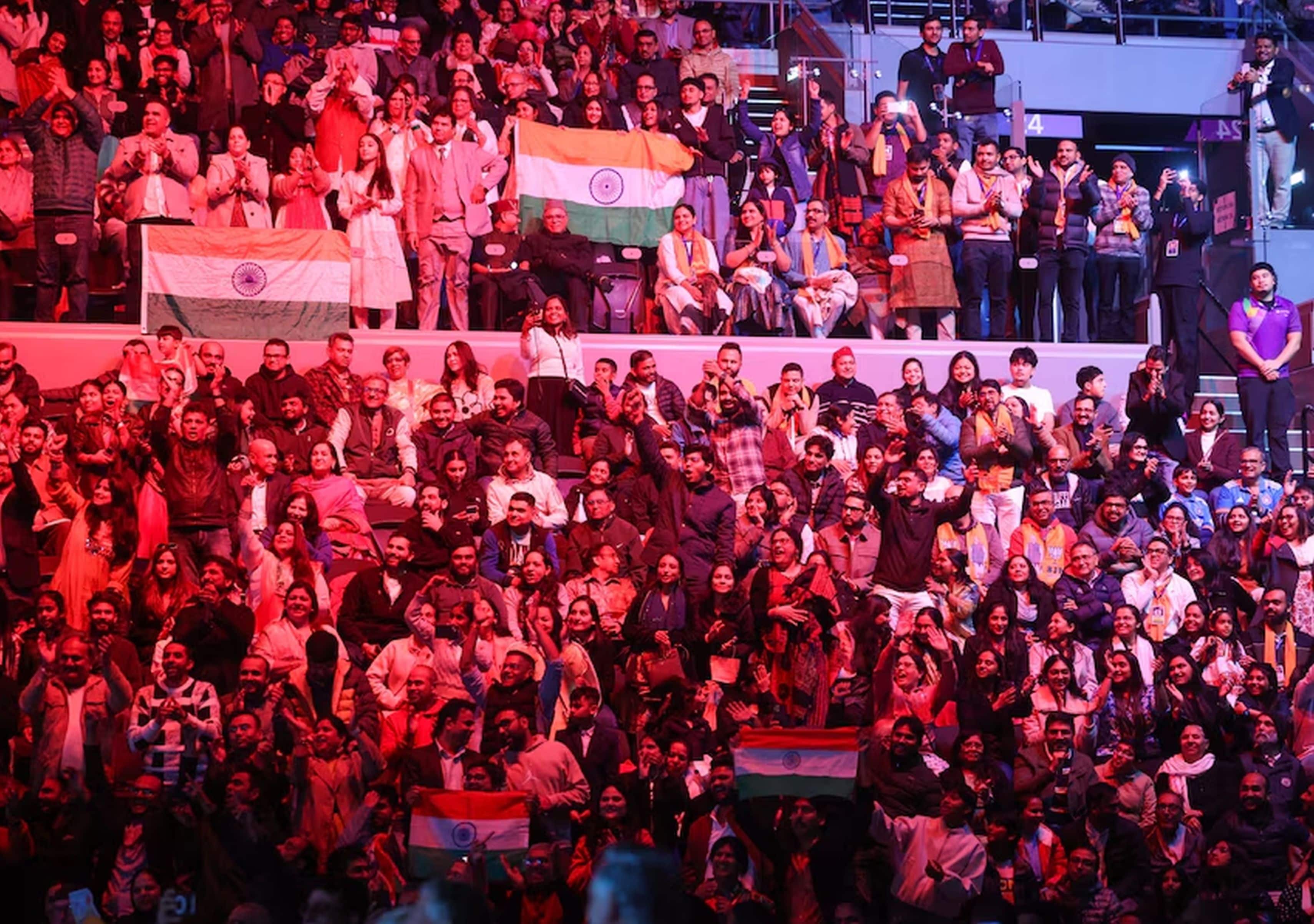
भारत आज दुनिया की fastest growing major economy है। भारत दुनिया का सबसे बड़ा Vaccine Producer है। भारत Mobile Data Consumption में दुनिया के अग्रणी देशों में है। आज भारत दुनिया का दूसरा सबसे बड़ा Mobile Manufacturer है। आज भारत दुनिया का दूसरा सबसे बड़ा Telecom Market है। आज भारत दुनिया का दूसरा सबसे बड़ा Wheat Producer है। आज भारत दुनिया का सबसे बड़ा Milk Producer है। आज भारत दुनिया का दूसरा सबसे बड़ा Fish Producer है।
साथियों,
इतना ही नहीं, आज भारत दुनिया का तीसरा सबसे बड़ा Automobile Market है। आज भारत दुनिया का तीसरा सबसे बड़ा Startup Ecosystem बन चुका है। भारत बहुत जल्द दुनिया का तीसरा सबसे बड़ा Renewable Energy Producer बनने जा रहा है। Solar Energy Capacity में भी भारत दुनिया के बड़े देशों में शामिल हो चुका है।
साथियों,
आज का भारत, दुनिया को विकास के नए मॉडल भी दे रहा है। आज भारत दुनिया के सबसे बड़े Digital Identity Platform का सफल संचालन कर रहा है। आज भारत में UPI के माध्यम से हर महीने अरबों Digital Transactions हो रहे हैं। भारत के Digital Public Infrastructure में आज दुनिया के दर्जनों देश दिलचस्पी दिखा रहे हैं। Drone Technology और Space Economy में भारत नई ऊंचाइयों को छू रहा है।
साथियों,
ये उस नए भारत की तस्वीर हैं, जो दिखाती हैं कि कैसे भारत न्यूजीलैंड की तरह की इकॉलॉजी और इकॉनॉमी दोनों में बैलेंस बनाकर चल रहा है।
साथियों,
भारत की इस ग्रोथ का एक और पहलू भी है, ये पहलू हमारी विरासत है, हमारी हैरिटेज है। भारत, जितना महत्व अपनी इकॉनॉमी और इकॉलॉजी को देता है, उतना ही फोकस, अपनी हैरिटेज पर भी करता है।
साथियों,
भारत कैसे काम करता है, इसका उदाहरण श्री गुरु ग्रंथ साहिब जी के पवित्र स्वरूप हैं। जब अफगानिस्तान में संकट आया, तो हम गुरू ग्रंथ साहिब के पवित्र स्वरूपों को पूरे मान के साथ भारत लेकर आए।
साथियों,
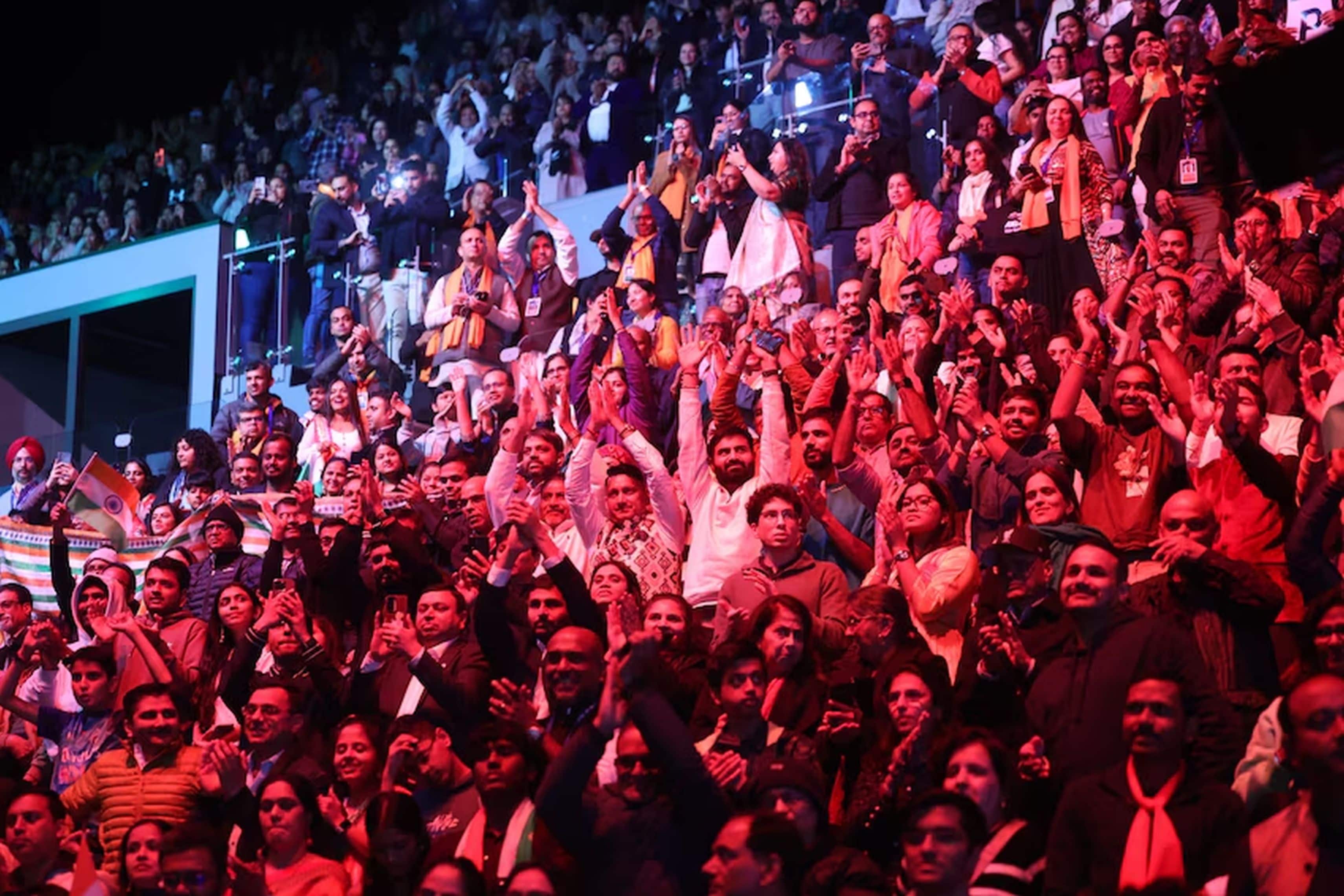
हमारे महान सिख गुरुओं ने पूरी मानवता को सेवा, साहस, समानता और करुणा का संदेश दिया है। दुनिया के हर हिस्से में गुरुद्वारे, सेवा के सेंटर हैं। कोई भूखा आए, उसे भोजन मिलता है। कोई संकट में हो, उसे सहारा मिलता है।
इसी माहौल में सिख कम्युनिटी के कुछ भाइयों और बहनों ने हमें बताया था कि श्री हरमंदिर साहिब में सेवा के लिए FCRA से जुड़ी कुछ परेशानियां आ रही हैं। हमने उस समस्या का तुरंत समाधान किया।
साथियों,
आप सभी श्री हेमकुंड साहिब जी के बारे में भी जानते हैं। हैं। हिमालय की ऊंचाइयों पर है। साल का लंबा समय बर्फ की चोटियों से घिरा रहता है। वहाँ अगर कोई दर्शन करने के लिए जाना चाहे तो बड़ा कठिन मार्ग है, बहुत कम लोग जा पाते हैं। खास करके हमारे सिख भाई-बहन वहाँ यात्रा के लिए जाते हैं।
वहाँ दर्शन के लिए जाने में, खास करके हमारे बुज़ुर्गों को, हमारे सिख भाई-बहनों को सहूलियत हो, इसलिए सरकार हेमकुंड साहिब तक रोपवे भी बनवा रही है।
साथियों,
हमारी ही सरकार ने साहिबजादों के शौर्य और बलिदान की अमर स्मृति में प्रति वर्ष 26 दिसंबर को ‘वीर बाल दिवस’ मनाना प्रारंभ किया है। आज यह दिवस पूरे देश के लिए, प्रेरणा का पर्व बन चुका है। आज केरलम से लेकर असम तक का बच्चा भी चारो साहिबजादों और माता गुजरी के बलिदान के बारे में जानने लगा है।
‘वीर बाल दिवस’ ने भारत के अनगिनत बच्चों के मन में युवाओं के हृदय में अटूट साहस का संचार किया है।
साथियों,
मैं आपसे पवित्र जोड़े साहब की भी बात करूंगा। मेरी सरकार में मेरे एक साथी हैं, श्रीमान हरदीप पुरी जी। पुरी परिवार के पूर्वज श्री गुरु गोबिंद सिंह जी के सेवादार थे। हरदीप पुरी जी ने मुझे यह बताया था की उनके परिवार ने श्री गुरु गोबिंद सिंह जी और माता साहिब कौर जी के “जोड़े साहब” 300 साल से संजो के रखे हैं।
बंटवारे के समय पुरी साहब के पूर्वज इन्हें सुरक्षित दिल्ली ले आए थे। पवित्र “जोड़े साहब” को उनका परिवार सिख संगत को सौंपना चाहता था जिससे की ज़्यादा से ज़्यादा लोग इनके दर्शन कर सकें।
फिर हमने एक समिति बनाई, जो सिख परंपराओं को जानते हैं, जानकारों की हमने advice ली और हमने निर्णय लिया कि इन पवित्र जोड़े साहब को वहां ले जाया जाए जहां श्री गुरु गोविंद सिंह जी के चरण पहली बार पावन भूमि पर आए, जहां उनका जन्म हुआ, यानी हमारे श्री पटना साहिब।
मुझे बहुत खुशी है कि अब यह पवित्र जोड़े साहब पटना साहिब की पावन भूमि पर है और यह मेरा सौभाग्य है कि उस पवित्र अवसर का मुझे साक्षी बनने का, वहां मौजूद रहने का सौभाग्य मिला था। मैं आपसे भी आग्रह करूंगा कि जब भी भारत जाएं, पटना साहिब में उनके दर्शन जरूर करें।
साथियों,
आज मैं यहां से बहुत सारा विश्वास, बहुत सारा प्यार, और बहुत सारी स्मृतियां लेकर जा रहा हूं। और मैं आपसे ये भी कहूंगा, इस बार भारतीय पीएम को न्यूज़ीलैंड आने में 40 साल लगे हैं, लेकिन अब इतना लंबा इंतज़ार आपको नहीं करना पड़ेगा। अब 40 साल नहीं लगेंगे, ये मोदी की गारंटी है।
और मोदी की गारंटी मतलब, गारंटी पूरा होने की गारंटी।
साथियों,
मैं आपसे एक आग्रह भी करना चाहता हूं। हमने कुछ समय पहले, हमारी इंडियन डायस्पोरा के बच्चों के लिए एक नया प्रयोग किया है। हमारे बच्चे भारत को समझें और भारत की विविधता की बात दुनिया तक पहुँचे, इसके लिए हमने भारत को जानो क्विज की शुरुआत की है। अभी इसका कर्टेन रेजर ही हुआ है, और हमारे साथियों ने इसमें ही जिस एनर्जी से पार्टिसिपेट किया है, मैं वही देखकर बहुत प्रभावित हूं।
अब हम इस इवेंट के सिक्स्थ एडिशन को और हाईटेक बना रहे हैं। बहुत सारे इवेंट्स इस बार ऐप के माध्यम से होने वाले हैं। मेरा आग्रह है कि यहाँ जितने भी युवा साथी हैं, वो इस कार्यक्रम का हिस्सा बनें। भारत को जाने और भारत की विरासत को न्यूजीलैंड के लोगों से जोड़ें।
साथियों,
मैं एक शानदार फ्यूचर सामने देख रहा हूं, जिसमें विकसित भारत की रोशनी भी है, और न्यूज़ीलैंड की प्रॉसपैरिटी भी है। इसी विश्वास के साथ, आप सभी का फिर से बहुत-बहुत धन्यवाद।
प्राइम मिनिस्टर लक्सन और उनकी टीम का आभार! न्यूज़ीलैंड की जनता का धन्यवाद!
एक बार फिर मेरे साथ बोलिए, भारत माता की जय! वंदे मातरम्!
थैंक यू !
की ओरा !
- Tags

- New Zealand
- Modi In New Zealand
- India First
- Indian Community
- Christopher Luxon
- India-New Zealand Strategic Partnership
- Opportunity
- Auckland
- Labour
- Independence Day
- Peace
- Culture
- Economy
- Cricket
- Sports
- Rachin Ravindra
- Ish Sodhi
- Ajaz Patel
- Jan Bhagidari
- Women-Led Development
- Nari Shakti
- Rural Development
- Agriculture
- Farmer Welfare
- Technology
- Health and Wellness Centre
- Ayurveda
- Honey
- Major Dhyan Chand
- Hockey
- Rugby
- Bhubaneswar
- Innovation
- Space Sector
- Chandrayaan 3
- Shiv Shakti
- People Connect
- Climate Change
- Māori Community
- Ek Pedh Maa Ke Naam
- Natural Farming
- Development
- Vaccine Maitri
- Mobile Manufacture
- Internet
- Telecom
- Connectivity
- Dairy Revolution
- Fisheries
- Automobile
- Startup
- Renewable Energy
- Solar Power
- UPI
- Digital India
- Digital Public Infrastructure
- Drone Rules
- Sikh Community
- Ropeway
- Veer Baal Diwas
- Keralam
- Assam
- Guru Gobind Singh
- Takht Sri Patna Sahib
- Speech


Posted via www.narendramodi.in