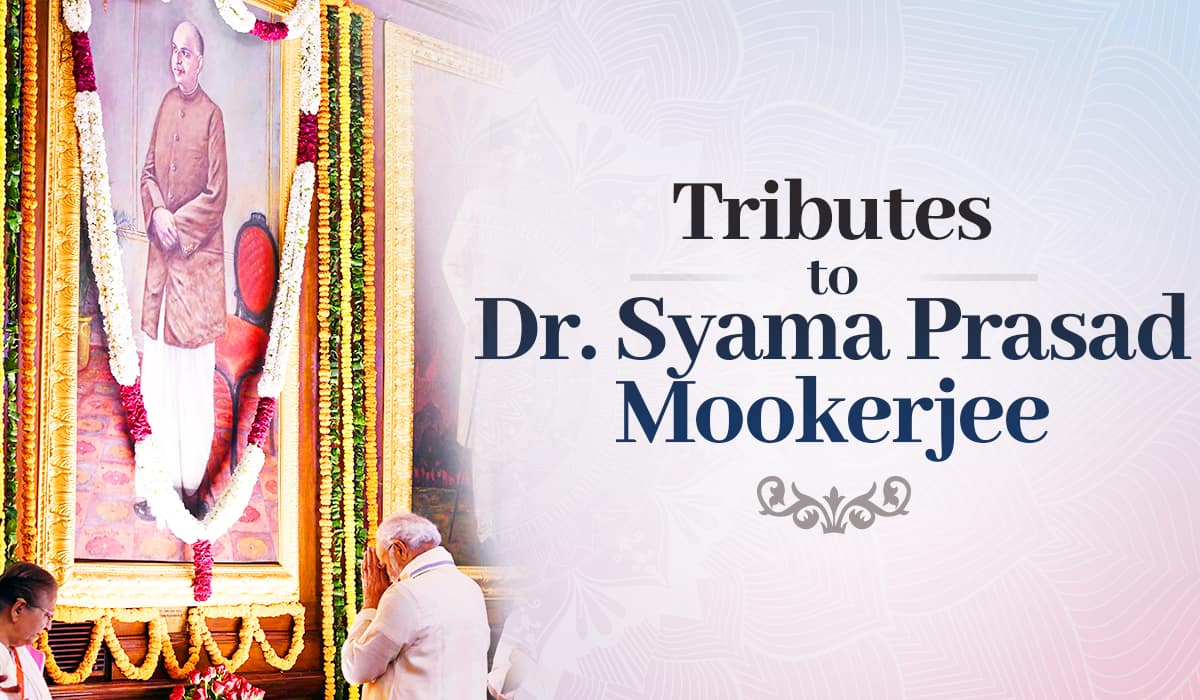
আজি ৬ জুলাই। আজিৰ এই দিনটো জাতীয়তাবাদ আৰু নিঃস্বাৰ্থ সেৱাৰ আদৰ্শক হৃদয়ত ৰোপণ কৰা অগণন লোকৰ বাবে এক বিশেষ দিন। মা ভাৰতীৰ প্ৰতি সাহস আৰু অদম্য দায়বদ্ধতাৰ পৰিচয় দি কালজয়ী নিদৰ্শন হৈ পৰা ড° শ্যামা প্ৰসাদ মুখাৰ্জীৰ ১২৫ সংখ্যক জন্ম জয়ন্তী আমি পালন কৰিছো। এই দিনটোত আমি তেওঁক স্মৰণ কৰিছো। আধুনিক ভাৰতৰ কমসংখ্যক নেতাইহে ড° শ্যামা প্ৰসাদ মুখাৰ্জীৰ দৰে ব্যক্তিৰ লেখীয়াকৈ বুদ্ধিমত্তা, জনসেৱা আৰু নৈতিক প্ৰত্যয়ক গভীৰভাৱে মূৰ্ত কৰি তুলিব পাৰিছে ।
শ্যামাপ্ৰসাদ মুখাৰ্জীয়ে এনে এক পৰিৱেশৰ মাজত জন্মগ্ৰহণ কৰিছিল যিটো পৰিৱেশত তেওঁ এক সুৰক্ষিত আৰু আৰামদায়ক জীৱন কটাব পাৰিলেহেঁতেন। তেওঁৰ পিতৃ ছাৰ আশুতোষ মুখাৰ্জী সেই সময়ৰ আগশাৰীৰ শিক্ষাবিদ আৰু বুদ্ধিজীৱীসকলৰ ভিতৰত অন্যতম আছিল। ভাগ্যই শ্যামা প্ৰসাদ মুখাৰ্জীৰ সন্মুখত বিশেষ সুবিধাৰ পথ মুকলি কৰি দিলেও তেওঁৰ বিবেকে তেওঁক ত্যাগ আৰু জাতীয় সেৱাৰ দিশলৈহে আকৰ্ষণ কৰিছিল। তেওঁ নিশ্চিত হৈছিল যে তেওঁ আৰ্তজনৰ দুখ দেখি বোবা দৰ্শক হৈ থাকিব নোৱাৰে। সেয়া লাগিলে ঔপনিৱেশিকতাবাদ, সাম্প্ৰদায়িকতাবাদ, মানৱীয় প্ৰত্যাহ্বান আদিৰ বিৰুদ্ধে যুঁজ দিয়াই হওক। তেওঁৰ এই যাত্ৰাত তেওঁ কেইবাটাও দুখজনক ঘটনাৰ সন্মুখীন হবলগীয়া হৈছিল, প্ৰথমে তেওঁ হেৰুৱাইছিল নিজৰ কেঁচুৱা সন্তানটিক আৰু পিছলৈ হেৰুৱাইছিল পত্নীক । তথাপিও এই ঘটনাসমূহে তেওঁৰ সংকল্পক অধিক গভীৰ কৰি তুলিছিল আৰু সেৱাৰ প্ৰতি তেওঁৰ অটল দায়বদ্ধতাক অধিক শক্তিশালী কৰিছিল ।
ড° শ্যামা প্ৰসাদ মুখাৰ্জীৰ ৰাজহুৱা জীৱনক সংজ্ঞায়িত কৰা এক বিশেষ আদৰ্শ আছিল, সেয়া আছিল ভাৰতৰ অবিভাজ্যতা। দেশ বিভাজনৰ উত্তাল পৰিস্থিতিৰ সময়ত তেওঁ দৃঢ়তাৰে থিয় দিছিল যাতে পশ্চিমবংগ ভাৰতৰ অবিচ্ছেদ্য অংগ হৈ থাকে। কেইবছৰমানৰ পাছত সেই প্ৰত্যয়ৰেই তেওঁ জম্মু-কাশ্মীৰলৈ আকৰ্ষিত হৈছিল। কাৰাদণ্ডই তেওঁৰ মনোবল ভাঙিব পৰা নাছিল আৰু অকশৰীয়া হৈ পৰা অৱস্থায়ো তেওঁক হতাশ কৰা নাছিল। তেওঁৰ জীৱনৰো হঠাৎ অন্ত পৰিছিল কাৰাবন্দিত্বৰ মাজতেই । যিসকল মানুহক তেওঁ নিজৰ কৰি লৈছিল, তেওঁলোকৰ পৰা বহু দূৰত তেওঁ অকশৰীয়া অৱস্থাতে চিৰদিনৰ বাবে চকু মুদিছিল। ইতিহাসৰ এনে কিছুমান মুহূৰ্ত আছে যেতিয়া ব্যক্তি এগৰাকীৰ চূড়ান্ত ত্যাগে ৰাজনীতিক অতিক্ৰম কৰি জাতীয় ভাবনাৰ ক্ষেত্ৰখনক উজ্জীৱিত কৰি তোলে । ডাঃ মুখাৰ্জীৰ শেষ যাত্ৰাও তেনে এক মুহূৰ্ত হৈয়েই আছে। আচাৰ্য বিনোৱা ভাৱেই কৈছিল যে ড° মুখাৰ্জীয়ে যি কামত বিশ্বাস কৰিছিল সেই কামৰ বাবে নিজকে বলিদান দিছিল। বহু বছৰৰ পিছত ২০১৯ চনত কাশ্মীৰৰ পৰা ৩৭০ আৰু ৩৫(ক) অনুচ্ছেদ বাতিল কৰাটোৱেই আছিল তেওঁৰ বলিদানৰ উপযুক্ত শ্ৰদ্ধাঞ্জলি।
ড° মুখাৰ্জীয়ে ভাৰত প্ৰথম আৰু ভাৰতীয় মূল্যবোধক প্ৰথম স্থান দিছিল। এনে কৰিবলৈ যাওঁতে তেওঁ সেই সময়ৰ গতানুগতিক মানসিকতাৰে পৰিচালিত হৈ থকা বহু অনুষ্ঠান পুনৰ নতুনকৈ গঢ় দিছিল। তেওঁ কলিকতা বিশ্ববিদ্যালয়ৰ কনিষ্ঠতম উপাচাৰ্য হিচাপে পৰিগণিত হৈছিল। অনন্য শৈলীৰে তেওঁ বিশ্ববিদ্যালয়খনলৈ দেশপ্ৰেমমূলক ভাবনাৰে আৰু ভৱিষ্যতৰ উত্তৰণৰ চিন্তাৰে ইতিবাচক পৰিৱৰ্তন আনিছিল। শিক্ষাবিদসকলৰ এখন সন্মিলনত ভাষণ দি ড০ মুখাৰ্জীয়ে কৈছিল “শিক্ষানুষ্ঠানসমূহক সম্ভাৱ্য কেৰাণী আৰু কম দৰমহা পোৱা কৰ্মচাৰী উৎপাদনৰ বাবে কাৰখানা হিচাপে চোৱাটো উচিত নহয়।আমি এনে ছাত্ৰ-ছাত্ৰীক উলিয়াই আনিব লাগিব, যিয়ে আমাৰ স্ব-শাসিত প্ৰতিষ্ঠানসমূহ, যেনে পৌৰ নিগম, প্ৰাদেশিক আৰু কেন্দ্ৰীয় বিধায়িনী প্ৰতিষ্ঠানসমূহক নেতৃত্ব প্ৰদান কৰিবলৈ সক্ষম হোৱাৰ লগতে বিত্ত, বাণিজ্য আৰু উদ্যোগ আদি জীৱনৰ বিভিন্ন ক্ষেত্ৰত কাম-কাজ পৰিচালনা কৰিবলৈ সক্ষম হ’ব লাগিব ।”
তেওঁৰ নেতৃত্বতে কলিকতা বিশ্ববিদ্যালয়ে পুথিভঁৰালৰ আন্তঃগাঁথনি উন্নত কৰা, বিজ্ঞানৰ গৱেষণাক উন্নীত কৰা, শিল্পকৰ্মৰ অধ্যয়নক উৎসাহিত কৰা আৰু কৃষিৰ পাঠ্যক্ৰম আৰম্ভ কৰাৰ দৰে অনন্য প্ৰচেষ্টা হাতত লৈছিল। ইয়াত মাত্ৰ কেইটামানৰ কথাহে উল্লেখ কৰিলো। তেওঁ ক্ৰীড়া, শিক্ষক প্ৰশিক্ষণ আৰু ছাত্ৰ কল্যাণৰ দৰে ক্ষেত্ৰসমূহৰ প্ৰতি গুৰুত্ব আৰোপ কৰিছিল। ছাত্ৰ-ছাত্ৰী আৰু প্ৰাক্তন ছাত্ৰ-ছাত্ৰীৰ মাজত মিলা-প্ৰীতি তথা সমন্বয়ৰ ভাব জগাই তুলিবলৈ তেওঁ ২৪ জানুৱাৰীৰ দিনটোক বিশ্ববিদ্যালয়ৰ প্ৰতিষ্ঠা দিৱস হিচাপে পালন কৰাৰ এক প্ৰথা আৰম্ভ কৰিছিল। তেওঁ গুৰুদেৱ ৰবীন্দ্ৰনাথ ঠাকুৰক বিশ্ববিদ্যালয়খনৰ বাবে এটা গীত ৰচনা কৰিবলৈ অনুৰোধ কৰিছিল।
তেওঁৰ উদ্যমী মনোভাবৰ আন এক উদাহৰণ তেওঁৰ জীৱনৰ পিছৰ অংশত দেখা যায়, যেতিয়া তেওঁ ভাৰতীয় জনসংঘ গঠনৰ সিদ্ধান্ত লৈছিল। যিটো সময়ত কংগ্ৰেছ পাৰ্টি সৰ্বব্যাপী আছিল, সেই সময়ত তেওঁ অনুভৱ কৰিছিল যে আমাৰ সাংস্কৃতিক শিপাৰ লগত সংলগ্ন হৈ থাকি ভাৰতৰ প্ৰগতিৰ বাবে মাত মাতিবলৈ বিকল্প কণ্ঠৰ প্ৰয়োজন আছে। জনসংঘৰ প্ৰতীক আছিল এটা চাকি , মাটিৰ চাকিক প্ৰতীক হিচাবে ব্যৱহাৰ কৰাৰ সিদ্ধান্তটো নিঃসন্দেহে উপযুক্ত আছিল। এগচি মাটিৰ চাকি দেখিবলৈ সামান্য যেন লাগিব পাৰে, তথাপিও ইয়াৰ নিজৰ পৰা বহু দূৰৈৰ আন্ধাৰ নাশ কৰাৰ শক্তি থাকে । জনসংঘই সক্ৰিয় হৈ থকা বছৰবোৰত আৰু তাৰ পাছৰ বছৰবোৰতো ঠিক তেনে কামেই কৰিছিল।
ভাৰতৰ প্ৰথম উদ্যোগ আৰু যোগান মন্ত্ৰী হিচাপে ড০ শ্যামা প্ৰসাদ মুখাৰ্জীৰ কাৰ্যকালত দেশে এগৰাকী প্ৰকৃত ৰাষ্ট্ৰনেতাক আৱিষ্কাৰ কৰিছিল। যিগৰাকী ব্যক্তিৰ উন্নয়নৰ ধাৰণা উল্লেখযোগ্যভাৱে ব্যাপক আৰু মানৱীয় আছিল। নতুনকৈ স্বাধীনতা লাভ কৰা দেশ এখনৰ বাবে তেওঁ উদ্যোগক মৰ্যাদা, সুযোগ আৰু আত্মবিশ্বাস ঘূৰাই অনাৰ মাধ্যম হিচাপে গ্ৰহণ কৰিছিল । তেওঁ সম্পদ সৃষ্টি আৰু মূল্য সংযোজনৰ বিষয়ত গুৰুত্ব আৰোপ কৰিছিল। দামোদৰ উপত্যকা নিগম, সিন্দ্ৰি সাৰ উদ্যোগ আৰু এক শক্তিশালী ঔদ্যোগিক নীতিৰ দৰে অগ্ৰণী পদক্ষেপৰ জৰিয়তে তেওঁ আধুনিক ভাৰতৰ ঔদ্যোগিক ভেটি স্থাপন কৰিছিল। তেওঁ একেসময়তে ভাৰতৰ পৰম্পৰাগত শক্তিসমূহ অৱহেলিত হৈ নাথাকে সেয়াও নিশ্চিত কৰিছিল। হস্ততাঁত, কুটিৰ উদ্যোগ, শিল্প আৰু বস্ত্ৰশিল্পৰ শ্ৰমিকসকলে তেওঁৰ মাজত সকলোৰে বাবে সমানে দায়বদ্ধ এগৰাকী ব্যক্তিক বিচাৰি পাইছিল।
ইয়াত মই ব্যক্তিগত অভিজ্ঞতাৰ এটাৰ বিষয়ে ক’ব বিচাৰিছো। ড° মুখাৰ্জীয়ে স্বাৱলম্বীতাৰ দৃষ্টিভংগীৰে প্ৰতিষ্ঠা কৰা সিন্দ্ৰি উদ্যোগটোক কেইবা দশক ধৰি দেশ পৰিচালনা কৰাসকলে অৱহেলা কৰিছিল। আমাৰ চৰকাৰে ইয়াৰ পুনৰুজ্জীৱনত অৰিহণা যোগোৱাৰ সুযোগ পোৱাত মই সন্মানিত অনুভৱ কৰিছো। সেই অনুষ্ঠানৰ বাবে তাত উপস্থিত হোৱাটো সঁচাকৈয়ে মোৰ বাবে এক বিশেষ মুহূৰ্ত আছিল।
ভাৰতৰ সভ্যতাৰ পৰম্পৰাই দীৰ্ঘদিন ধৰি আলোচনাৰ বিষয়টোত গুৰুত্ব দি আহিছে। ড° মুখাৰ্জীয়ে এই গণতান্ত্ৰিক মনোভাৱক মূৰ্ত কৰি তুলিছিল। তেওঁ পণ্ডিত নেহৰুৰ কেবিনেটত যোগদান কৰিছিল, প্ৰথম বছৰবোৰত দেশ গঠনৰ কামত ৰাজনৈতিক মতানৈক্যক অতিক্ৰম কৰিব লাগিব বুলি তেওঁ বিশ্বাস কৰিছিল। তেওঁ আন্তৰিকতা আৰু গঠনমূলক মনোভাৱেৰে সেৱা আগবঢ়াইছিল। কিন্তু যেতিয়া তেওঁ অনুভৱ কৰিছিল যে জাতীয় স্বাৰ্থ জড়িত হৈ থকা প্ৰশ্নবোৰে এক বেলেগ পথ দাবী কৰে, তেতিয়া তেওঁ মৰ্যাদাৰে পদত্যাগ কৰি দেশৰ বাবে প্ৰয়োজন বুলি বিশ্বাস কৰা ৰাজনৈতিক কাম-কাজত নিজকে উৎসৰ্গা কৰিছিল।
৭৫ বছৰ পূৰ্বে পণ্ডিত নেহৰুৱে এনে এক প্ৰথম সংশোধনী আনিছিল, যি আছিল বাক স্বাধীনতাৰ ওপৰত প্ৰত্যক্ষ আক্ৰমণ। নেহৰুৰ এনে পদক্ষেপৰ কঠোৰ সমালোচকৰ ভিতৰত ড° মুখাৰ্জী অন্যতম আছিল। কংগ্ৰেছে কি কৰিবলৈ সক্ষম সেই কথা তেওঁ সম্পূৰ্ণৰূপে বুজি পাইছিল। সময়ত তেওঁ কৰা ধৰাণাই সত্য বুলি প্ৰমাণিত হ’ল। ৭৫ বছৰ আগতে প্ৰথম সংশোধনী অনাসকলে ১৯৭৫ চনত জৰুৰীকালীন অৱস্থা জাপি দিছিল আৰু ৫০ বছৰ আগতে ৪২ সংখ্যক সংশোধনী আইন আনিছিল, যিয়ে পুনৰ উদাৰ গণতান্ত্ৰিক মূল্যবোধত আঘাত হানিছিল।
ড° মুখাৰ্জীয়ে মানৱীয় প্ৰচেষ্টা গ্ৰহণৰ পক্ষত বিশেষভাৱে থিয় দিছিল। ১৯৪৩ চনত যেতিয়া বংগত ভয়াৱহ দুৰ্ভিক্ষৰ সৃষ্টি হৈছিল, তেতিয়া ডাঃ মুখাৰ্জীয়ে ক্ষতিগ্ৰস্তসকলৰ সেৱাত নিজকে বিলীন কৰি দিছিল। তেওঁ কেইবাখনো কেণ্টিন আৰু সাহায্য কেন্দ্ৰ মুকলি কৰি মানুহক খাদ্য যোগান ধৰাৰ ব্যৱস্থা নিশ্চিত কৰিছিল । এফালে জনসাধাৰণৰ দুৰ্দশাই তেওঁক গভীৰভাৱে জোকাৰি গৈছিল, আনফালে ঔপনিৱেশিক শাসকসকলৰ সংবেদনহীনতাই তেওঁক মনোকষ্ট দিছিল। তেওঁ পঞ্চাশেৰ মন্বন্তৰ নামৰ এখন কিতাপ লিখিছিল, য’ত তেওঁ নিজৰ ক্ষোভ উজাৰি দিছিল। ১৯৪২ চনত যেতিয়া মেদিনীপুৰত ছুপাৰ চাইক্ল’ন হৈছিল , তেতিয়া তেওঁ স্বাভাৱিক অৱস্থা পুনৰ ঘূৰাই অনাৰ বাবে দিনে-ৰাতিয়ে দেহে কেহে খাটি প্ৰশংসিত হৈছিল।
কলকাতাৰ এখন মহাবিদ্যালয়ত ভাষণ দি ড০ মুখাৰ্জীয়ে যুৱক-যুৱতীসকলক আহ্বান জনাইছিল, “ তোমালোকে যি কামেই হাতত নোলোৱা কিয়, সেই কামটো গুৰুত্বসহকাৰে, পুংখানুপুংখভাৱে আৰু ভালদৰে কৰিবা”। ভাৰতবৰ্ষই বিকশিত ভাৰতৰ লক্ষ্যৰ দিশে আগবাঢ়ি যোৱাৰ লগে লগে আমি তেওঁক দিব পৰা আটাইতকৈ উত্তম শ্ৰদ্ধাঞ্জলি হ’ল- তেওঁ গভীৰভাৱে বিশ্বাস কৰা শক্তিশালী, সংহত, আত্মবিশ্বাসী আৰু উদাৰ ভাৰত গঢ়িবলৈ প্ৰতিদিনে চেষ্টা কৰি যোৱা। আজিৰ যুৱক-যুৱতীসকলক লৈ মই নিশ্চিত যে তেওঁলোকে সেয়া সঠিকভাবেই কৰিব।