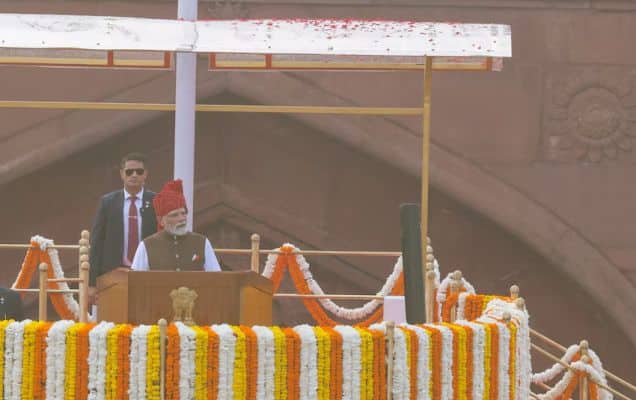
Riding high on the election campaigning, Prime Minister Modi addressed two major rallies in Amroha and Saharanpur in Uttar Pradesh today.

Expressing his gratitude for being awarded the highest civilian honour of the United Arab Emirates, the ‘Zayed Medal’ yesterday, PM Modi said, “This honor is not mine, it belongs to the 130 crore Indians and to millions of Indians actively participating in the progress of UAE. This award enhances the country’s global repute because the country is being led by a strong government that puts the people’s interests first.”

Taking on the Congress and its allies for demoralizing the Indian armed forces, Prime Minister Modi said, “These parties and their leaders sympathize with terrorists and separatists. They feel bad when India responds strongly to Pakistan’s terror activities or when we talk to Pakistan in a language it understands. Leaders of Congress, SP, BSP have publicly taken soft stands towards Pakistan and have even questioned the impact of Balakot airstrikes conducted by India. These statements have boosted the morale of terror sympathizers while demoralizing our armed forces. The people of India fully stand with our armed forces and will never put their faith in those parties that question their own army.” In this context, he explained how terror attacks became commonplace in major cities of Uttar Pradesh during the previous governments of Congress, SP and BSP and how perpetrators of some attacks were even let go by the SP-BSP governments.

Reminding his supporters about the Congress’ utter disregard for great leaders that did not belong to the ‘first-family’ of the Congress, Prime Minister Modi said, “The Congress defeated Babasaheb Ambedkar in polls to make people forget his great legacy and did not even let Babasaheb’s portrait to be hanged in the Parliament Hall. A similar fate was accorded to one of Babasaheb’s close aides and one of India’s great leaders Jogendra Nath Mandal, who also became the first Law Minister of Pakistan, but was insulted there for belonging to a particular community and chose to return to India, after which he was again humiliated by the Congress government here. This is the true face of the Congress which now pretends to honour Babasaheb for its vote-bank politics.”

Highlighting the questionable promises made in the Congress manifesto, Prime Minister Modi explained how several promises in the manifesto were not incriminating and derogatory to the repute of our armed forces while also demanding answerability from the Congress on the promise of apparently a softer approach towards convicted rapists. He termed the manifesto ‘Dhakosala-Patra’ and questioned how the Congress would ensure women’s safety with its softer approach on rapists. He further added, “While there are some in UP that talk about ‘Boti-Boti’ (Chopping into pieces), we (the BJP) talk about ‘Beti-Beti’ (Each daughter) and ensuring her safety. This is why the people of UP support us wholeheartedly.”


Bringing his power-packed address to a conclusion, PM Modi highlighted the achievements of his government during the past five years and said, “Our government has worked for everyone be it farmers, soldiers, youth, middle class or the poor. We are moving forward with our vision of ‘Sabka Saath, Sabka Vikas’ and will continue to put people’s welfare first.” Lastly, he urged the people to support the BJP in the upcoming Lok Sabha elections and ensure that a strong and decisive government assumes power in May 2019.
कल ही आपके इस प्रधानसेवक को संयुक्त अरब अमीरात ने वहां का सर्वोच्च नागरिक सम्मान - ज़ायद मेडल देने का ऐलान किया है।
— narendramodi_in (@narendramodi_in) April 5, 2019
मैं यूएई की सरकार और वहां की जनता का हृदय से आभार व्यक्त करता हूं: PM @narendramodi
ये सम्मान मोदी का नहीं है, बल्कि 130 करोड़ भारतीयों का है, खाड़ी देशों के विकास में योगदान दे रहे लाखों भारतीयों का है: PM @narendramodi
— narendramodi_in (@narendramodi_in) April 5, 2019
देश की साख रहे, इसके लिए मजबूत सरकार का होना बहुत जरूरी है।
— narendramodi_in (@narendramodi_in) April 5, 2019
मजबूत सरकार ही कड़े और बड़े फैसले ले पाती है, देश को आगे बढ़ा पाती है: PM @narendramodi in Amroha
आतंकियों को उन्हीं की भाषा में जवाब देना, कुछ लोगों को पसंद नहीं आ रहा।
— narendramodi_in (@narendramodi_in) April 5, 2019
जब भारत डंके की चोट पर दुश्मन को मारता है, तब कुछ लोग भारत में रो रहे हैं।
जब पाकिस्तान पूरी दुनिया के सामने बेनकाब हो रहा है, तो ये पाकिस्तान के पक्ष की बातें कर रहे हैं, वहां पर हीरो बन रहे हैं: PM
कांग्रेस हो, समाजवादी पार्टी हो, बहुजन समाज पार्टी हो, आतंकवाद पर इसी नर्म रवैये की वजह से कुछ लोगों के हौसले बुलंद हुए हैं।
— narendramodi_in (@narendramodi_in) April 5, 2019
इन दलों ने सिर्फ आतंक को ही मदद नहीं दी है, इन्होंने आपके जीवन, आपके अस्तित्व को भी संकट में भी डालने का काम किया है: PM @narendramodi in Amroha
उन दिनों को याद कीजिए, जब उत्तर प्रदेश में सपा की सरकार थी, बसपा की सरकार थी, दिल्ली में कांग्रेस की सरकार थी तब क्या होता था: PM @narendramodi
— narendramodi_in (@narendramodi_in) April 5, 2019
कभी लखनऊ में धमाके होते थे, कभी रामलला की जन्मभूमि अयोध्या में धमाके होते थे, कभी भगवान भोलेनाथ की नगरी काशी को दहला दिया जाता था, कभी रामपुर के CRPF कैंप पर हमला हो जाता था: PM @narendramodi
— narendramodi_in (@narendramodi_in) April 5, 2019
अकसर इन हमलों के तार यूपी के अलग-अलग इलाकों तक जाते थे।
— narendramodi_in (@narendramodi_in) April 5, 2019
देश की एजेंसियां बहुत मेहनत से उन हमलों में शामिल लोगों को पकड़ती थीं।
लेकिन वोटबैंक की अपनी सियासत की वजह से बुआ-बबुआ की सरकारें उन्हें छोड़ देती थीं: PM @narendramodi
बीते 5 वर्षों से धमाके रुक गए क्योंकि दिल्ली में आपने साफ नीयत वाला चौकीदार बिठा दिया है।
— narendramodi_in (@narendramodi_in) April 5, 2019
आतंकियों को पता है कि वो एक गलती करेंगे तो मोदी उन्हें पाताल में भी खोजकर सज़ा देगा।
मोदी आतंक को वोटबैंक से नहीं तौलता, तभी आतंक के मददगार आज जेल में बंद हैं: PM @narendramodi in Amroha
देश को आगे बढ़ाना है तो हम सब को मिलकर साथ चलना होगा।
— narendramodi_in (@narendramodi_in) April 5, 2019
कुछ लोग हैं जो देश को बांटने की कोशिश कर रहे हैं, अलग-अलग जातियों के नाम पर अलग करने की कोशिश कर रहे हैं।
ऐसे लोगों के स्वार्थ को समझिए: PM @narendramodi in Amroha
सिर्फ एक परिवार की पहचान बनाने के लिए प्रतिष्ठा के लिए, एक परिवार के स्वार्थ की सिद्धि के लिए कांग्रेस ने बाबा साहेब आंबेडकर का भी अपमान किया था।
— narendramodi_in (@narendramodi_in) April 5, 2019
कांग्रेस ने उन्हें चुनाव में हराया था, देश के प्रति बाबा साहेब के योगदान को भुलाने की साजिश रची थी: PM @narendramodi in Amroha
बाबा साहेब ने उस परिवार को चुनौती थी, इसलिए बाद की पीढ़ियों ने भी बाबा साहेब से निरंतर बदला लिया।
— narendramodi_in (@narendramodi_in) April 5, 2019
वो तो आज वोटबैंक की मजबूरी है, जो कांग्रेस बाबा साहेब का नाम लेती है, वरना ये वही कांग्रेस है जिसने दशकों तक उनकी फोटो तक संसद में लगने नहीं दी थी: PM @narendramodi in Amroha
उसी दौर में हमारे देश में एक और महान नेता हुए थे जोगेंद्र नाथ मंडल।
— narendramodi_in (@narendramodi_in) April 5, 2019
आपने उनका नाम नहीं सुना क्योंकि आजादी के बाद की कांग्रेस सरकारों ने उनके इतिहास को भी आपके सामने नहीं आने दिया: PM @narendramodi
जोगेंद्र नाथ मंडल, बाबा साहेब के बहुत करीबी साथी थे।
— narendramodi_in (@narendramodi_in) April 5, 2019
कानून के विद्वान थे।
लेकिन जिन्ना के बहकावे में आकर, बंटवारे के समय वो पाकिस्तान चले गए थे: PM @narendramodi
वो पाकिस्तान के पहले कानून मंत्री बने, वहां का संविधान बनाने में बड़ी भूमिका निभाई थी, लेकिन इसके बावजूद उनको वहां अपमानित किया गया, एक वर्ग का होने की वजह से उनका जीना मुश्किल कर दिया गया: PM @narendramodi
— narendramodi_in (@narendramodi_in) April 5, 2019
लेकिन पाकिस्तान से वापस आने के बाद तब की कांग्रेस सरकार ने उनके साथ और बुरा किया।
— narendramodi_in (@narendramodi_in) April 5, 2019
अपनी मृत्यु तक वो बहुत ही मुश्किल परिस्थितियों में रहे: PM @narendramodi
बाबू जगजीवन राम अगर आज जीवित होते तो सर्जिकल स्ट्राइक और एयर स्ट्राइक पर कांग्रेस द्वारा सवाल उठाए जाने पर उन्हें कितनी पीड़ा होती।
— narendramodi_in (@narendramodi_in) April 5, 2019
यदी कांग्रेस और महा मिलावट वाले जीतते हैं तो बाबूजी के आदर्शों का कभी सम्मान नहीं होगा: PM @narendramodi in Amroha
वोटबैंक की पॉलिटिक्स ने देश का बहुत नुकसान किया है।
— narendramodi_in (@narendramodi_in) April 5, 2019
याद करिए, पश्चिमी यूपी में पहले गुंडागर्दी की, कानून व्यवस्था की क्या स्थिति थी?
समाजवादी पार्टी की सरकार के समय अपराधियों को खुली छूट मिल गई थी: PM @narendramodi
ये अमरोहा, ये शामली, पूरा पश्चिमी उत्तर प्रदेश, ऐसा कोई दिन नहीं होता था, जब बेटियों के साथ अत्याचार की, व्यापारियों के साथ लूट-पाट की, वारदातें नहीं होतीं थीं।
— narendramodi_in (@narendramodi_in) April 5, 2019
कितनी ही बेटियों ने इस वजह से स्कूल जाना तक छोड़ दिया था: PM @narendramodi
गुंडा गर्दी हो, बिजली की समस्या हो, खराब सड़कें हों, ये एक बड़ा कारण था जिसकी वजह से यहां उद्योग लगाने से लोग डरने लगे थे।
— narendramodi_in (@narendramodi_in) April 5, 2019
इस स्थिति को बदलने के लिए, निवेशकों को विश्वास दिलाने की एक ईमानदार कोशिश की जा रही है: PM @narendramodi in Amroha
सौभाग्य योजना के तहत यूपी के 77 लाख गरीब परिवारों के घरों तक मुफ्त में बिजली कनेक्शन पहुंचा है, तो अमरोहा और शामली में एक लाख से अधिक गरीब परिवारों को रोशनी मिल चुकी है।
— narendramodi_in (@narendramodi_in) April 5, 2019
कई गांव जो गंगा जी की गोद में बसे थे, वहां खंभे नहीं लग सकते थे, फिर भी सोलर पैनल से बिजली पहुंचाई गई: PM
कनेक्टिविटी के साथ-साथ बैंकों को छोटे उद्यमियों और युवाओं के लिए बैंकों से ऋण को बहुत आसान कर दिया है।
— narendramodi_in (@narendramodi_in) April 5, 2019
अब तो छोटे उद्यमियों के लिए 1 करोड़ रुपए तक के ऋण की स्वीकृति ऑनलाइन करने की भी व्यस्था हमने की है: PM @narendramodi in Amroha
जवान हों, नौजवान हों या फिर किसान, चौकीदार की सरकार ने हर हित की रक्षा करने का काम किया है।
— narendramodi_in (@narendramodi_in) April 5, 2019
गन्ना किसानों का पैसा उसी सीज़न में चुकाया जाए, इसका गंभीर प्रयास हो रहा है: PM @narendramodi in Amroha
फसल की लागत का डेढ़ गुणा समर्थन मूल्य देने की बरसों पुरानी मांग को पूरा करने का काम भी भाजपा सरकार ने ही किया है।
— narendramodi_in (@narendramodi_in) April 5, 2019
यूपी के 2 करोड़ से अधिक किसान परिवारों को हज़ारों करोड़ रुपए की सीधी मदद हर वर्ष मिलनी शुरु हुई है: PM @narendramodi in Amroha
जब भारत डंके की चोट पर दुश्मन को मारता है तब कुछ लोगों को हिन्दुस्तान में रोना आता है।
— narendramodi_in (@narendramodi_in) April 5, 2019
कुछ लोग पाकिस्तान में हीरो बनने की स्पर्धा कर रहे हैं: PM @narendramodi in Amroha pic.twitter.com/C0A79vM6Bf
सहारनपुर, कैराना और मुजफ्फरपुर समेत पूरे पश्चिमी यूपी में ये फैला रहे हैं कि सहारनपुर एक नई प्रयोगशाला है।
— narendramodi_in (@narendramodi_in) April 5, 2019
लेकिन आप याद करिए, जब दिल्ली में महामिलावट की सरकार थी और यहां सपा की सरकार थी, तब एक प्रयोग इन्होंने मुज़फ्फरनगर में भी किया था: PM @narendramodi
जात-पात, बिरादरी के आधार पर कैसे जुल्म हुए, बेटियों के साथ क्या-क्या अन्याय हुआ, कितना अत्याचार हुआ, वो सब याद करिए: PM @narendramodi
— narendramodi_in (@narendramodi_in) April 5, 2019
बहन जी, उन दिनों को अपने स्वार्थ के लिए भुला सकती हैं, लेकिन क्या उत्तर प्रदेश भूल सकता है?
— narendramodi_in (@narendramodi_in) April 5, 2019
सहारनपुर के बाज़ारों में वो आगज़नी, व्यापारियों के साथ वो अत्याचार, क्या यूपी वो दिन भुला सकता है: PM @narendramodi
शामली में, कैराना का वो मॉडल जब घरों पर, दुकानों पर, कब्जे वाले गिरोह खुलेआम घूमा करते थे, पलायन के वो दिन अपने राजनीतिक फायदे के लिए बुआ-बबुआ भुला सकते हैं, लेकिन क्या आप उसको भूल सकते हैं: PM @narendramodi
— narendramodi_in (@narendramodi_in) April 5, 2019
चौधरी अजीत सिंह ने तो इस स्वार्थ में सारी हदें ही पार कर दी हैं।
— narendramodi_in (@narendramodi_in) April 5, 2019
तब अपने राजनैतिक स्वार्थ के लिए वो चुप रहे और आज भी अपने स्वार्थ के लिए वो इस क्षेत्र में आप पर हुए अत्याचारों को भूल गए हैं: PM @narendramodi
उनकी ज़ुबान दंगों के संरक्षकों के विरुद्ध नहीं उठती, हां इस चौकीदार को गाली देने के लिए वो गली-गली घूम रहे हैं।
— narendramodi_in (@narendramodi_in) April 5, 2019
छोटे चौधरी तो उनसे भी आगे बढ़ गए हैं: PM @narendramodi
चौधरी साहब को ये याद दिलाना आपका दायित्व है, कि उनका भी ठेका किसी ने आपको नहीं दिया है।
— narendramodi_in (@narendramodi_in) April 5, 2019
हमेशा राष्ट्रहित के लिए, किसान हित के लिए समर्पित रहे चौधरी चरण सिंह जी को आज इन बयानों से कितना दुःख हो रहा होगा, आप समझ सकते हैं: PM @narendramodi
इन महामिलावटी लोगों के आचरण से पता चलता है कि सत्ता में आने पर वे कैसे कार्य करेंगे।
— narendramodi_in (@narendramodi_in) April 5, 2019
पिछड़ों के हितों की रक्षा कभी नहीं की जाएगी।
याद रखिए, कांग्रेस हमेशा से पिछड़ों की विरोधी रही है।
संसद में राजीव गांधी ने मंडल कमीशन का विरोध किया।
कांग्रेस को ओबीसी कमीशन पर भी ऐतराज है: PM
आपके इस चौकीदार के लिए किसान हो, जवान हो या फिर नौजवान, सबको सुरक्षा, सबकी समृद्धि और सबको सम्मान, यही ध्येय हमारा रहा है और रहेगा: PM @narendramodi
— narendramodi_in (@narendramodi_in) April 5, 2019
यहां तो बोटी-बोटी करने वाले साहब भी हैं।
— narendramodi_in (@narendramodi_in) April 5, 2019
याद रखिएगा वो बोटी-बोटी की धमकी देने वाले लोग हैं और हम बेटी-बेटी को सुरक्षा और सम्मान देने वाले लोग हैं: PM @narendramodi in Saharanpur
मैं अपनी मुस्लिम बहनों-बेटियों को स्पष्ट कहना चाहता हूं -
— narendramodi_in (@narendramodi_in) April 5, 2019
कांग्रेस, सपा और बसपा के राज में मुस्लिम महिलाओं का शोषण जारी रहेगा।
वे ट्रिपल तलाक के खिलाफ कानून को कभी अनुमति नहीं देंगे और यह सुनिश्चित करेंगे कि हम जो अध्यादेश लाए, उसे कभी पारित न किया जाए: PM @narendramodi
कांग्रेस ने अपने ढकोसलापत्र में जो लिखा है, उसका मतलब ये निकलता है कि बेटियों के साथ राक्षसी अपराध करने वालों को भी अब जेल नहीं जमानत दे दी जाएगी।
— narendramodi_in (@narendramodi_in) April 5, 2019
ऐसी सोच वालों को देश माफ करेगा क्या?
यूपी के लोग माफ करेंगे क्या?
ये बेटियों को सुरक्षा दे पाएंगे क्या: PM @narendramodi
कांग्रेस ने ही तो बाबा साहब अंबेडकर का भी अपमान किया था।
— narendramodi_in (@narendramodi_in) April 5, 2019
नामदारों ने खुद को भारत रत्न दे दिया लेकिन बाबा साहब को भारत रत्न तब मिला जब बीजेपी ताकतवर हुई।
देश और दुनियाभर में बाबा साहब से जुड़े स्मारक बेरुखी का शिकार रहे, हमने पंचतीर्थ बनाकर बाबा साहब की स्मृति को सम्मान दिया: PM
जिन्होंने बाबा साहब का अपमान किया वही कांग्रेस के नेता इस चौकीदार को शौचालय का चौकीदार कहते हैं।
— narendramodi_in (@narendramodi_in) April 5, 2019
मेरे लिए तो ये सम्मान की बात है लेकिन कांग्रेस की सोच साफ-सफाई के काम से जुड़े करोड़ों चौकीदारों का अपमान है: PM @narendramodi
मुझे एक और बात से हैरानी होती है।
— narendramodi_in (@narendramodi_in) April 5, 2019
जब मैंने कुंभ में स्वच्छता से जुड़े साथियों के पैर धोए, उसका मज़ाक उड़ाने के लिए बहन जी के पास पूरा समय था: PM @narendramodi
लेकिन सफाई-कर्मचारियों के कांग्रेस द्वारा अपमान पर उन्होंने बयान तक जारी नहीं किया।
— narendramodi_in (@narendramodi_in) April 5, 2019
ये भी स्वार्थ की नीति है, जो सामान्य जन के सम्मान पर भारी पड़ जाती है: PM @narendramodi
सपा-बसपा का काम मिलें और कारखाने बंद करने का था और हमारा खुलवाने का।
— narendramodi_in (@narendramodi_in) April 5, 2019
इन्होंने गन्ना मिलों के साथ भी यही किया और सहारनपुर के लकड़ी उद्योग को भी नहीं बख्शा: PM @narendramodi
पिछले 21 साल से यहां पर आरा मशीनें नहीं लग पा रही थीं।
— narendramodi_in (@narendramodi_in) April 5, 2019
योगी जी की सरकार ने आपकी परेशानी को समझा और सुलझाने का प्रयास किया है: PM @narendramodi
आपका एक-एक वोट उन महामिलावटी लोगों को सबसे करारा जवाब होगा जो विकास की राजनीति में नहीं बल्कि वोटबैंक की राजनीति में भरोसा करते हैं: PM @narendramodi in Saharanpur
— narendramodi_in (@narendramodi_in) April 5, 2019
जब आप मतदान करें, तो याद रखें कि भाजपा को दिया गया आपका एक-एक वोट:
— narendramodi_in (@narendramodi_in) April 5, 2019
महिलाओं की सुरक्षा सुनिश्चित करेगा।
मेहनती व्यापारियों को गुंडों और माफिया से बचाएगा।
किसानों के लिए खुशहाली लाएगा।
मजदूरों को जीने का सम्मान देगा: PM @narendramodi
युवाओं के सपने और आकांक्षाओं को पूरा करेगा।
— narendramodi_in (@narendramodi_in) April 5, 2019
हमारी सेना के मनोबल को बढ़ाएगा।
हिंसा के बजाय देश में शांति का वातावरण बनाएगा।
हमारे महान स्वतंत्रता सेनानियों के सपनों को पूरा करेगा।
न्यू इंडिया के सपनों को पंख देगा: PM @narendramodi