Today's centre of attraction Shri Dilipbhai, Shri Ashok Advani, Shri Shashi Ruia and all the other respected people present over here.
I AM THANKFUL to Ashokji that I got a chance to meet you people. I congratulate Dilipbhai for the honoured award received. I know Dilipbhai for many years; he speaks very little and is shy by nature. But he has conquered new heights and will continue to do it.
Speaking of the pharmaceutical industry ... in the whole of India, Gujarat has contributed the most, and, to top it all, Gujarati people are the most involved in this industry outside India. The core fact behind it comes from the so-called game changers denned these days - our ancestors who started the first pharmacy college in India 50 years ago in Ahmedabad. Due to the foundation of this college, human resource developed in the country and India found its roots in this sector.
I am being introduced as the longest running chief minister and I want to cite a small example - when I got the responsibility of Gujarat state for the first time, our state was financially deficit. We had a total deficit of Rs. 6,7OO crore, and, today, we are a surplus state.
When I started my career as the chief minister of Gujarat, people used to request power supply for just dinner purposes, which shows that Gujarat was short of power supply. From there, we started our journey in the power sector and now we are the only state in the country where three-phase uninterrupted power is being supplied. We don't know the meaning of load shedding. In the rest of the country, if power supply is received, it becomes news; while in Gujarat, news is created when there are power cuts. We had a deficit of 2,000 MW but, with our innovations, the situation has changed. In our country, all state-owned electricity companies are in huge debt. When I became Gujarat's CM, our power companies were making Rs. 2,600 crore losses per year. I added Rs. 900 crore to it by giving discount to schools and farmers, and the total reached Rs. 3,500 crore. We are now Rs. 700 crore profits. During the last 10 years, we have doubled the power production and it is great to know that we haven't increased the tariff by a single rupee. We can do this by taking precautions and stopping leakages.
We initiated solar energy power production. Gujarat was the first state in the country that introduced the solar policy and then the Central government followed with the same. When we started the policy, we quoted a rate of Rs. 12, while the Central government quotes Rs. 19. And it was made mandatory that suppliers go for them. But it went the other way round and they came to us at less rates and now Gujarat is a world leader in the field of solar energy production. It's been seen that all public sector units have a definite end. In our state, we have many well-known companies which were in debt and they were funded by the government in 2001. We concentrated on many issues and professionalised them and now they have become four times profitable. Things can be changed if we give proper attention and Gujarat is the best example.
In the agricultural sector during the last 20 years, all the governments have been targeting 4 per cent growth, which has still been unachievable. Gujarat is a state where we face draught in seven out of every 10 years, and we only have the Narmada River. We started a mass movement of rain water harvesting and made lakhs of check dams to stop water. And Gujarat is the only state where the water table has increased from 3 metres to 13 metres. You'll be happy to know that our agricultural growth is 11 per cent, while other states do not have even 4 per cent growth in the last 10 years. In 2001, total production of cotton in Gujarat was 23 lakh bales, whereas today the number has reached 1.23 crore; but, for some reason, today, the Central government has banned the export, which is adversely affecting trade relations with other countries. No buyer will take interest if the policies of the government fluctuate. Our prime minister is an economist; yet, I don't know why this decision was taken. Last year, due to the fluctuating policies of this government, farmers in Gujarat faced a total loss of Rs. 14, 000 crore.
In Gujarat, we conduct cattle healthcare camps, where we have eradicated 112 common cattle diseases. Gujarat is the only state in the world where we conduct cattle cataract operations and dental check-ups. Due to this, I guarantee that if you have tea in Singapore, it will contain milk from Gujarat.
We were not known for our agricultural sector, but now I guarantee that if you visit Europe, you will find bhindi (lady's finger), which are grown in Bardoli (Gujarat). And, you will also find in Afghanistan tomatoes that have come from Gujarat, We are also concentrating on service and tourist sectors. We all know that Gujaratis are the best tourists, but Gujarat had no attractions for the tourism sector - apart from the Gir forest and Somnath and Dwarka temples. In the last three years, we had commenced aggressive campaigns for it and now Gujarat tourism has grown by 40 per cent, which is double the growth figure for Indian tourism. We are growing in all sectors - whether it is service, agriculture or tourism. This was possible because we turned development into a mass movement. We took an example from our freedom struggle in which many individuals gave up their lives. But Mahatma Gandhi's contribution, whereby he converted our freedom struggle into a mass movement that resulted in our freedom, was unique. In this manner, development should be a mass movement in which every individual in the country should think of the country's development. We created this type of environment in Gujarat. Now we have started to see the future. When I came into power, there were 11 universities in my state and now we have 41. We are initiating a world-class intimation centre - 'I CREATE' - which will help the young people innovate with a spark and thus help in our growth.
Till date, India imports a lot of weapons and equipment for defence purposes. Gujarat is taking initiatives to make India self-sufficient in the sector of defence by bringing out a new policy -for those interested in this field; we will make Gujarat a heavenly place for them. In this way, we will help our nation in its defence.
Gujarat is coming up with many new cities -states within the state - which are very modern. You all must have heard of our gift city, Dholka, which is coming up. It is a special investment region that is double the size of Shanghai and will be the biggest in the world. All of you can imagine how much Gujarat will benefit from it and Mumbai will directly benefit from it because all the money earned in Gujarat is being deposited in banks located in Mumbai. I don't have a problem with that. I wish luck to the bankers over here. I am thankful to have got the opportunity to come here and I again congratulate Mr Dilipbhai and his family.
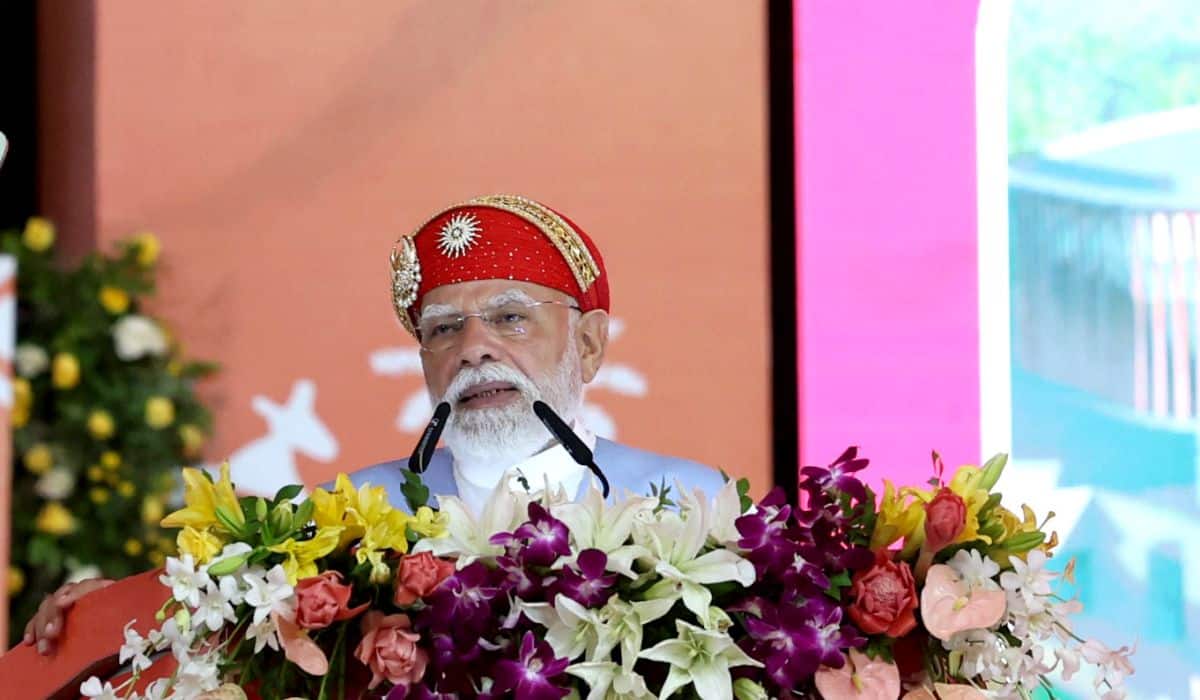
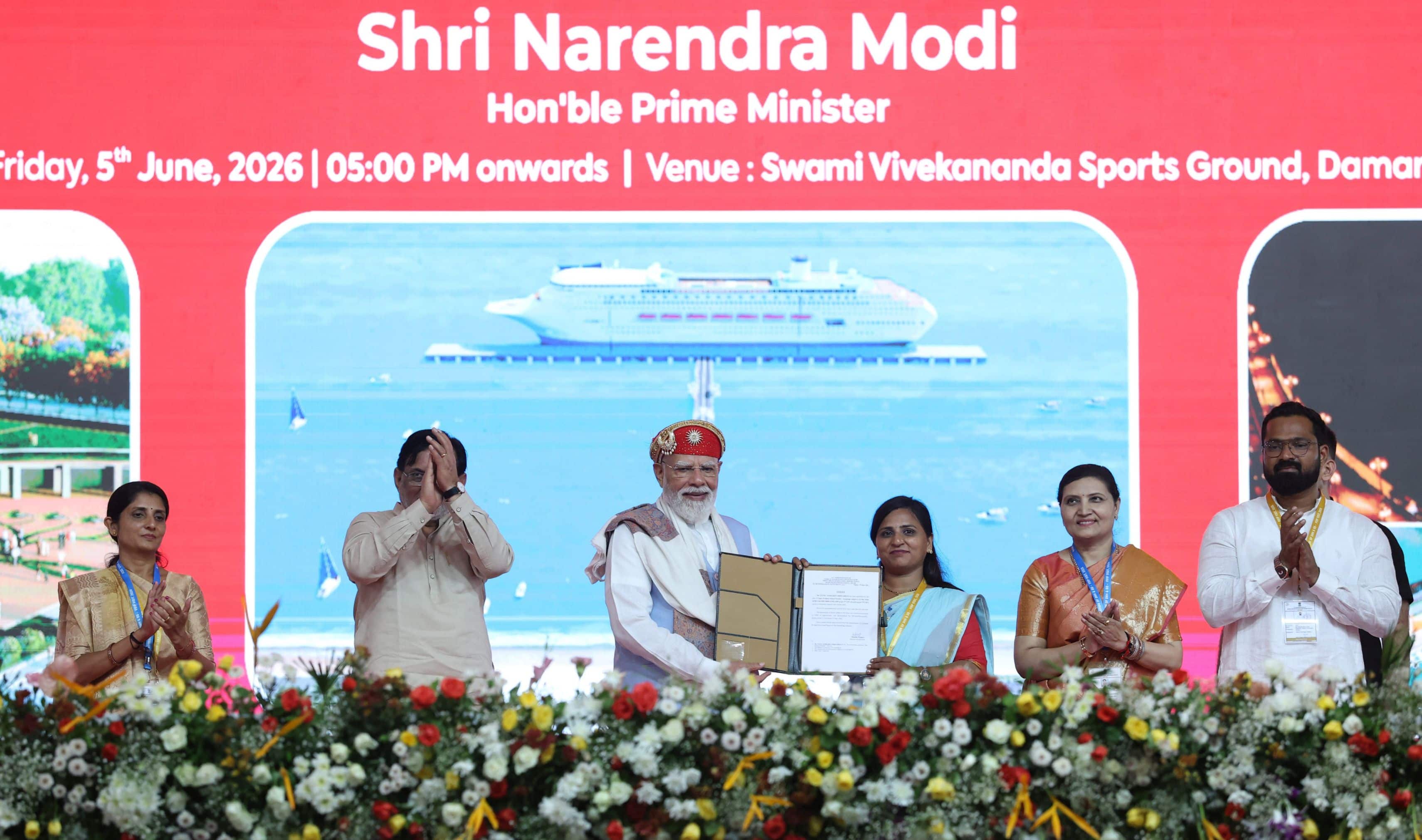
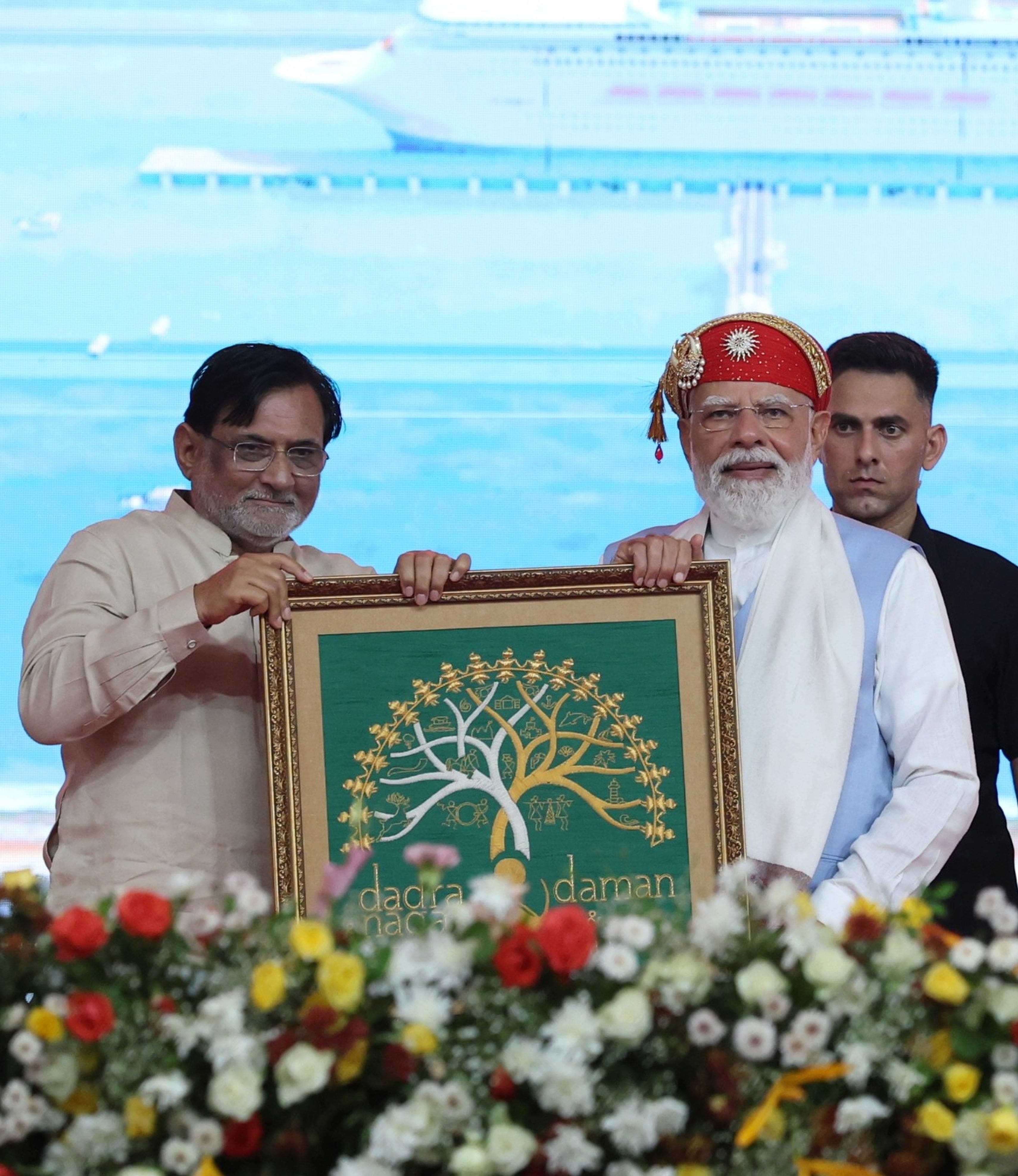
డామన్లో వివిధ అభివృద్ధి పనులకు శంకుస్థాపన...జాతికి అంకితం చేసిన సందర్భంగా ప్రధానమంత్రి ప్రసంగం
June 05, 2026
Share
The launch of projects across healthcare, aviation, tourism and infrastructure marks a new development push for Daman that will transform lives across the UT: PM
The data released today reflects the strength of India's economy, with growth of 7.7% in FY 2025–26 and 7.8% in the quarter ending March 31: PM
Even amid severe global challenges, the collective efforts of 1.4 billion Indians have ensured that India is not only sustaining itself but also staying ahead of the curve: PM
The National Family Health Survey clearly reflects the government's focus on healthcare. While most deliveries in India earlier took place outside hospitals, today over 90% of all deliveries occur in hospitals: PM
Thanks to Mission Indradhanush, child immunization coverage in India has risen from 60% before 2014 to nearly 90% today: PM
భారత్ మాతా కీ జై!
భారత్ మాతా కీ జై!
దాద్రా, నగర్ హవేలీ, డామన్, డయ్యూ అడ్మినిస్ట్రేటర్ ప్రఫుల్ భాయ్ పటేల్, పార్లమెంటులో నా సహచరులు కళాబెన్ డెల్కర్, డామన్ మున్సిపల్ కౌన్సిల్ ప్రెసిడెంట్ దీపికా తాండేల్ , డామన్ జిల్లా పంచాయతీ చైర్మన్ ధర్మ్ బాబు పటేల్, సిల్వస్సా మున్సిపల్ కౌన్సిల్ చైర్మన్ సోమనాథ్ దేవ్ రే , దాద్రా, నగర్ హవేలీ జిల్లా పంచాయతీ చైర్పర్సన్ నిషా భవ్సార్, డయ్యూ మున్సిపల్ కౌన్సిల్ చైర్మన్ హరీష్ కపాడియా , డయ్యూ జిల్లా పంచాయతీ చైర్పర్సన్ కోటియా రంజితాబెన్, పెద్ద సంఖ్యలో తరలివచ్చిన నా ప్రియమైన సోదరీ సోదరులారా,
మీరంతా ఇక్కడకు ఎలాగైతే వచ్చారో అలాగే లక్షద్వీప్లో కూడా పెద్ద సంఖ్యలో ప్రజలు వీడియో కాన్ఫరెన్స్ ద్వారా మనతో అనుసంధానమయ్యారు. ఈరోజు లక్షద్వీప్లో అభివృద్ధికి ఒక కొత్త ఆరంభం జరిగింది. లక్షద్వీప్ ప్రజల జీవితాల్లో విప్లవాత్మక మార్పులు తీసుకువచ్చే ఒక కొత్త ప్రాజెక్టును ఈరోజు ప్రారంభించడంతో పాటు కొన్ని పథకాలకు శంకుస్థాపనలు కూడా చేశాం.
మిత్రులారా,
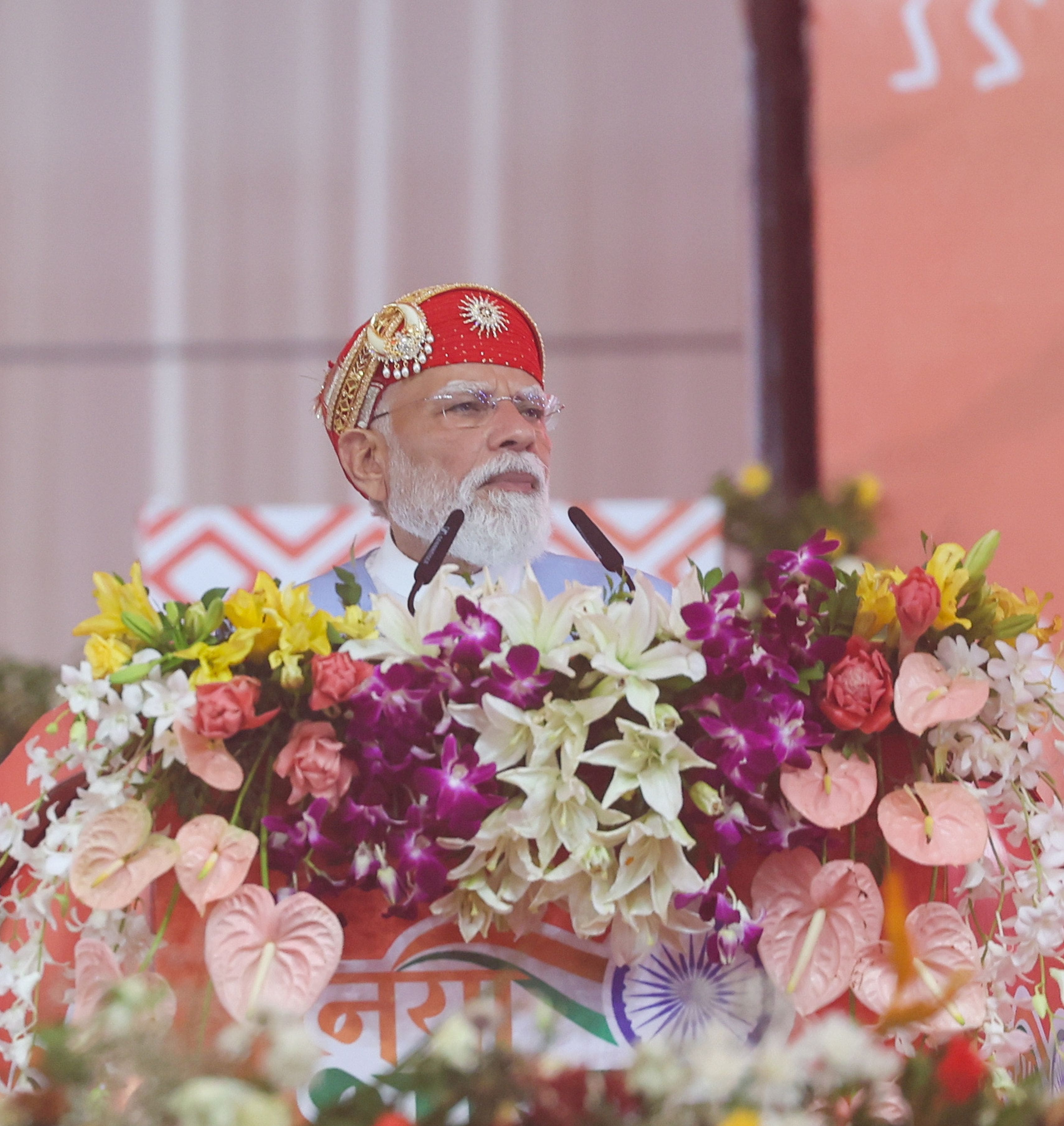
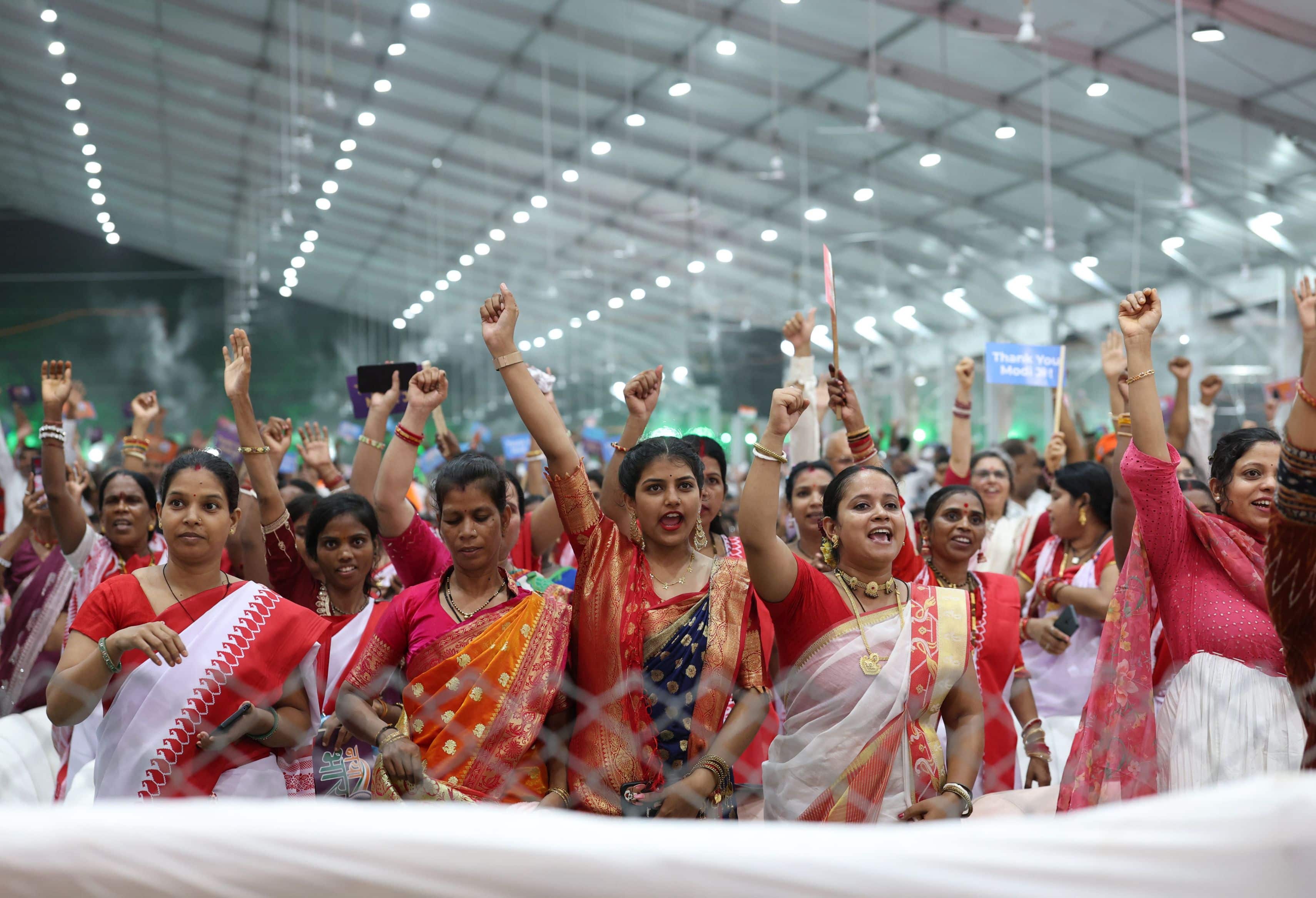
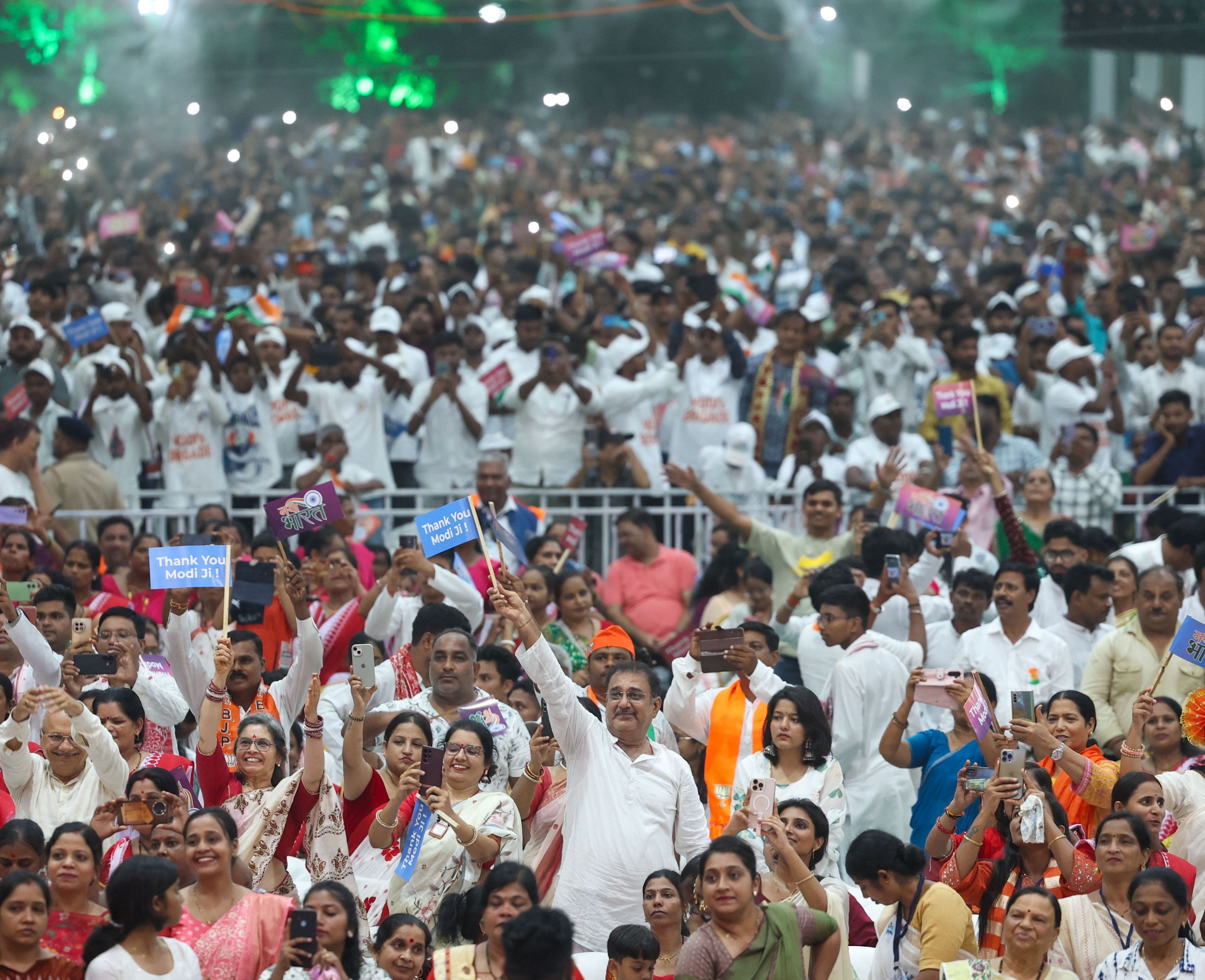
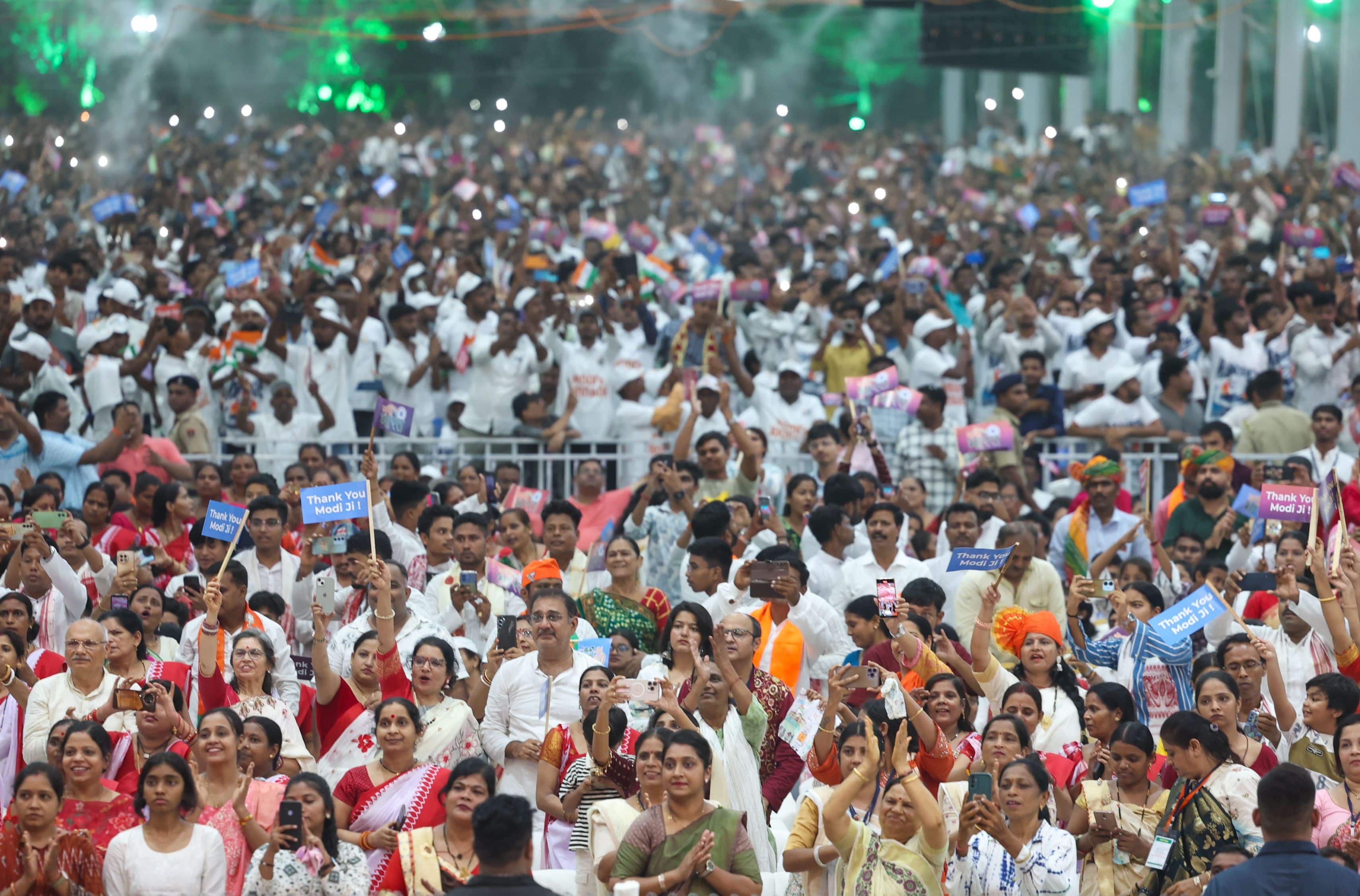
కొన్నేళ్ల క్రితం నేను మీ మధ్యకు వచ్చినప్పుడు, మన డామన్ వేగంతో మినీ ఇండియాగా మారుతోందని చెప్పాను. ఈరోజు చూస్తుంటే, ఎడమ వైపు మొత్తం బెంగాల్, కుడి వైపున మొత్తం అస్సాం కనిపిస్తోంది. డామన్ నిజంగానే మినీ ఇండియాకు సజీవ ఉదాహరణగా మారింది. ఇక్కడి వైవిధ్యం, వివిధ ప్రాంతాల నుంచి వచ్చి ఇక్కడ కలసి నివసిస్తున్న మీరంతా మొత్తం భారత్ అందమైన రూపాన్ని ఆవిష్కరిస్తున్నారు. మాకు ఆశీస్సులు అందించడానికి ఇంత పెద్ద సంఖ్యలో ఇక్కడికి తరలివచ్చినందుకు మీ అందరికీ నా హృదయపూర్వక ధన్యవాదాలు.
సోదరీ,సోదరులారా,
డామన్, డయ్యూకు అనేకసార్లు వచ్చే అవకాశం నాకు లభించింది. దాద్రా, నగర్ హవేలీలను కూడా నేను సందర్షిస్తూనే ఉంటాను. నేను ముఖ్యమంత్రిగా లేదా ప్రధాన మంత్రిగా లేని రోజుల్లో కూడా ఇక్కడికి ఎన్నోసార్లు వచ్చేవాడిని. కానీ ఇప్పుడు నేను ఇక్కడికి వచ్చి ఇక్కడి సుపరిపాలనను, పాలనా నమూనాను చూస్తుంటే చాలా సంతోషంగా అనిపిస్తోంది. ప్రతిసారీ నేను గతంతో పోల్చి చూసుకున్నప్పుడు ఈ ప్రాంతం అభివృద్ధి పథంలో ఎన్నో మైళ్ల దూరం ముందుకు సాగిందని నాకు అనిపిస్తుంది.
మిత్రులారా,
దశాబ్దాలుగా దాద్రా, నగర్ హవేలీ, డామన్, డయ్యూ ప్రజలు అభివృద్ధి గురించి కలలు కన్నారు. ఆ కలలు కన్న పూర్వ తరాల వారు వెళ్లిపోయారు. కానీ, తమ తల్లిదండ్రులు, తాతముత్తాతలు కన్న కలలు ఈరోజు తమ కళ్ల ముందే సాకారం కావడం ప్రస్తుత తరం వారు స్వయంగా చూస్తున్నారు. ఈరోజు కూడా ఇక్కడ అనుసంధానం, ఆరోగ్యం, విద్య, పర్యాటకం, పట్టణ మౌలిక సదుపాయాలకు సంబంధించిన అనేక ప్రాజెక్టులను ప్రారంభించడంతో పాటు, కొన్నింటికి శంకుస్థాపనలు కూడా చేశాం. ఈ అభివృద్ధి పనులు డామన్ ప్రజలకే కాకుండా ఈ కేంద్రపాలిత ప్రాంతం మొత్తానికి జీవనాన్ని మరింత సులభతరం చేస్తాయి. యువతకు సరికొత్త అవకాశాలను సృష్టిస్తాయి. ఈ పనుల వెనుక ప్రఫుల్ భాయ్ పటేల్ దూరదృష్టి, ఆయన, ఆయన బృందం పడిన కష్టం స్పష్టంగా కనిపిస్తోంది. ఇందుకు గాను నేను ప్రఫుల్ భాయ్ని, ఆయన బృందాన్ని కూడా అభినందిస్తున్నాను. లక్షద్వీప్, దాద్రా, నగర్ హవేలీ ప్రజలకు ఈ సందర్భంగా నా హృదయపూర్వక అభినందనలు, శుభాకాంక్షలు.
మిత్రులారా,
నేను ఈరోజు మీ మధ్యకు వచ్చిన తరుణంలో, ఒక సంతోషకరమైన వార్త అందింది. నేను ఈ ఉదయం ఢిల్లీ నుంచి బయలుదేరినప్పటికీ, ఇప్పుడే అందిన గణాంకాలు, అందిన వార్త నిజంగా ఎంతో సంతోషాన్ని కలిగిస్తున్నాయి. ఈ ఆనందాన్ని నేను మీతో కూడా పంచుకోవాలని అనుకుంటున్నాను. ఈరోజు వచ్చిన గణాంకాలు భారత ఆర్థిక వ్యవస్థ పునాది ఎంత బలంగా ఉందో స్పష్టంగా తెలియజేస్తున్నాయి. ఇప్పుడే ముగిసిన 2025-26 ఆర్థిక సంవత్సరంలో భారత్ 7.7 శాతం వృద్ధి రేటును సాధించింది. మార్చి 31తో ముగిసిన చివరి త్రైమాసికంలో కూడా భారత వృద్ధి రేటు 7.8 శాతంగా నమోదైంది. ప్రపంచంలోనే అత్యంత వేగంగా వృద్ధి చెందుతున్న పెద్ద ఆర్థిక వ్యవస్థ మనదే. ఇది ప్రతి భారతీయుడు గర్వించదగ్గ విషయం. ఇదే మన దేశ ప్రగతి వేగం. ఈరోజు దేశం సంస్కరణల ఎక్స్ప్రెస్ లా దూసుకుపోతోంది. ఇంతటి భారీ మౌలిక సదుపాయాల అభివృద్ధిని దేశం నేడు కళ్లారా చూస్తోంది. పేదల సంక్షేమం కోసం ఇంత పెద్ద ఎత్తున పనులు జరుగుతున్నాయి. ఈ అన్ని ప్రయత్నాల ఫలితంగానే, ఈరోజు మన దేశం ప్రపంచంలోనే అత్యంత వేగంగా వృద్ధి చెందుతున్న పెద్ద ఆర్థిక వ్యవస్థగా ముందుకు సాగుతోంది. ప్రపంచమంతా సంక్షోభాల్లో కొట్టుమిట్టాడుతోందని, ప్రపంచ దేశాల ఆర్థిక వ్యవస్థలన్నీ ప్రశ్నార్థకంలో మునిగిపోయాయని మనందరికీ తెలుసు. అయితే, అంతర్జాతీయంగా ఇంతటి గడ్డు కాలం నడుస్తున్నప్పటికీ, 140 కోట్ల మంది దేశప్రజల సామూహిక ప్రయత్నాలతో భారత్ తనను తాను నిలబెట్టుకోవడమే కాకుండా, అందరికంటే ముందుండటంలోనూ విజయం సాధిస్తోంది. ఆర్థిక రంగంలో ఈ సరికొత్త శిఖరాన్ని అధిరోహించినందుకు దేశప్రజలందరికీ నేను ఎన్నో అభినందనలు తెలియజేస్తున్నాను. ప్రపంచవ్యాప్తంగా నెలకొన్న ఈ సంక్షోభాలను ఎదుర్కొంటూనే, మన దేశం దృఢ సంకల్పంతో, సంస్కరణ, పనితీరు, మార్పు పథంలో అత్యంత వేగంగా ముందుకు సాగుతుందని నేను దేశానికి మరోసారి హామీ ఇస్తున్నా. ఇది దేశప్రజలకు నా హామీ.
మిత్రులారా,
ఈరోజు మనకు అభివృద్ధి ఎంత ముఖ్యమో, మన అభివృద్ధి నమూనా సుస్థిరంగా ఉండేలా చూసుకోవడం కూడా అంతే ముఖ్యం. ఈరోజు ప్రపంచ పర్యావరణ దినోత్సవం రోజున మన కేంద్రపాలిత ప్రాంతం ఈ సంకల్పాన్ని నిజం చేస్తోంది. ఈరోజు ఒకవైపు వేల కోట్ల రూపాయల విలువైన అభివృద్ధి ప్రాజెక్టులకు ఇక్కడ శంకుస్థాపనలు, ప్రారంభోత్సవాలు జరిగాయి. అదే సమయంలో, అమ్మ పేరిట ఒక మొక్క (ఏక్ పేడ్ మా కే నామ్) కార్యక్రమం కింద ఇక్కడ దాదాపు లక్షా ఒక్క చెట్లను, లక్ష మొక్కలను నాటడం జరుగుతోంది. ఇది ప్రభుత్వ భవనాలలో 100 శాతం సౌరశక్తిని వినియోగించే అద్భుతమైన ఘనతను సాధించిన కేంద్రపాలిత ప్రాంతమని చెప్పడానికి నేను ఎంతో గర్విస్తున్నాను. ఈరోజు డయ్యూలో పగటిపూట విద్యుత్ అవసరాలన్నీ కేవలం సౌరశక్తి ద్వారానే తీరుతున్నాయి, ఈ ప్రక్రియను మనం మరింత ముందుకు తీసుకెళ్లాల్సి ఉంది. ఇళ్లలో కూడా సౌరశక్తి ద్వారానే విద్యుత్ అందుబాటులోకి రావాలి. అంతేకాదు, మిగిలిన అదనపు విద్యుత్ ద్వారా కుటుంబాలు ఆదాయాన్ని కూడా గడించాలి. ఇందుకోసం రూఫ్టాప్ సోలార్ ప్లాంట్ల ఏర్పాటుకు శ్రీకారం చుట్టాం. ఈ విజయాలను సాధించినందుకు మీ అందరికీ అభినందనలు.
మిత్రులారా,
దీనితో పాటు, ప్రస్తుతం డామన్ ప్రజలు పరిశుభ్రత ప్రచారం నిర్వహిస్తున్నారని కూడా నాకు సమాచారం అందింది. డామన్ ప్రజా జీవిత సంస్కృతిలో పరిశుభ్రత ఎలా ఒక భాగమైపోయిందో ఇది తెలియజేస్తోంది. ఈ సంస్కృతి ఇక్కడి పరిశుభ్రత ప్రయత్నాలలో స్పష్టంగా కనిపిస్తోంది. ప్రజల భాగస్వామ్యంతో కూడిన ఈ ప్రయత్నాలకు గాను డామన్ ప్రజలను నేను అభినందిస్తున్నాను.
మిత్రులారా,
కేంద్రపాలిత ప్రాంతాలుగా దాద్రా,నగర్ హవేలీ, డామన్, డయ్యూ భారతదేశ అస్తిత్వానికి, వారసత్వానికి ప్రతీకలు. అందుకే, వీటి అభివృద్ధి కోసం మనం నిర్దేశించుకున్న లక్ష్యాలు సాధరణమైనవి కావు. గత సంవత్సరం నేను సిల్వస్సాకు వచ్చినప్పుడు మీకు సింగపూర్ ఉదాహరణ చెప్పడం నాకు గుర్తుంది. ఒకప్పుడు సింగపూర్ కేవలం ఒక చిన్న మత్స్యకార గ్రామం అని నేను చెప్పాను. కానీ సింగపూర్ ప్రజలు కలలు కన్నారు. పెద్ద పెద్ద లక్ష్యాలను నిర్దేశించుకున్నారు. ఈరోజు అదే సింగపూర్ ప్రపంచంలోనే అతిపెద్ద వ్యాపార కేంద్రంగా అవతరించింది. ఈరోజు దాద్రా, నగర్ హవేలీ, డామన్, డయ్యూ కూడా సరిగ్గా అలాంటి కలనే కంటున్నాయి. నమో ఎయిర్పోర్ట్, దమన్గంగా నదిపై నిర్మించనున్న ఐకానిక్ బ్రిడ్జి, బీచ్ ఫ్రంట్ లో నిర్మించబోయే కన్వెన్షన్ సెంటర్ వంటి ప్రాజెక్టులు - ఇలాంటి మౌలిక సదుపాయాల ద్వారా మనం భవిష్యత్తు కోసం పెద్ద పెద్ద సంకల్పాలకు పునాది వేస్తున్నాం. ఈ ప్రాజెక్టుల వల్ల మీ ప్రయాణాలు మరింత సులభతరం అవుతాయి. ఇక్కడ వ్యాపార రంగంలో సరికొత్త అవకాశాలు వస్తాయి. డామన్కు ఇరువైపులా అభివృద్ధి వేగం మరింత పుంజుకుంటుంది.
మిత్రులారా,
ఇక్కడ ఆతిథ్య రంగ ఆర్థిక వ్యవస్థకి సంబంధించిన అవకాశాలు పెరుగుతాయి, దీనితో పాటు ట్రాన్స్పోర్ట్ నగర్ వంటి సౌకర్యాలు కూడా ఇక్కడి వాణిజ్యానికి, రవాణా రంగానికి సరికొత్త వేగాన్ని అందిస్తాయి.
మిత్రులారా,
ఈ ప్రాంతంలో సముద్ర ఆధారిత ఆర్థిక వ్యవస్థ కోసం మనం సిద్ధం చేసిన లక్ష్యం అత్యాధునిక మౌలిక సదుపాయాల బలం ద్వారానే సాకారం అవుతుంది. అందువల్లనే, ఈరోజే లక్షద్వీప్లోని కల్పేని, కద్మత్ దీవులలో ఆధునిక నౌకాశ్రయాలకు శంకుస్థాపన జరుగుతోంది. ఈ ప్రయత్నాలన్నీ బ్లూ ఎకానమీ రంగంలో దేశ బలాన్ని మరింత పెంచుతాయి. నేను ముందు చెప్పినట్లుగా, ఇవి లక్షద్వీప్ రూపురేఖలను, భవితవ్యాన్ని మార్చివేసే సరికొత్త కార్యక్రమాలు.
మిత్రులారా,
పేదలు, వెనుకబడినవారు, గిరిజనులు, మధ్యతరగతి ప్రజల జీవితాలలో మార్పు రావడం బీజేపీ ప్రభుత్వంలో, మా ఎన్డీయే ప్రభుత్వంల, మాకు అభివృద్ధికి సంబంధించిన మొదటి ప్రామాణికం. ఇందుకోసం ఆరోగ్య రంగం మాకు అత్యంత ప్రాధాన్యత కలిగిన రంగం. గత కొన్నేళ్లుగా, దేశం ఆరోగ్య సంరక్షణ దిశగా ఒక సమగ్రమైన దృక్పథంతో ముందుకు సాగింది. చికిత్సకు సంబంధించిన ప్రతి సమస్యనూ మేం పరిష్కరించాం. ఈరోజు అత్యంత పేదవాడికి కూడా ఆయుష్మాన్ కార్డ్ అందుబాటులో ఉంది. వారికి 5 లక్షల రూపాయల వరకు ఉచిత వైద్య చికిత్స భరోసా లభిస్తోంది. వ్యాధులను సకాలంలో గుర్తించడానికి ప్రధానమంత్రి ఆయుష్మాన్ ఆరోగ్య కేంద్రాలు ఏర్పాటయ్యాయి. జన ఔషధి కేంద్రాల ద్వారా తక్కువ ధరలకే మందులు కూడా లభిస్తున్నాయి. ఈ సౌకర్యాలను మరింత మెరుగ్గా, ఆధునికంగా మార్చేందుకు ఈరోజు ఆయుష్మాన్ భారత్ డిజిటల్ మిషన్ ద్వారా ఆరోగ్య సేవలను సాంకేతికతతో అనుసంధానించడం జరుగుతోంది.
మిత్రులారా,
ఆయుష్మాన్ కార్డులు, జన ఔషధి కేంద్రాల వల్ల పేద మధ్యతరగతి ప్రజలకు దాదాపు 2.25 లక్షల కోట్ల రూపాయలు వృథాగా ఖర్చు కాకుండా ఆదా అయ్యాయి.
సోదరీ,సోదరులారా
కేంద్ర ప్రభుత్వ విధానాల వల్ల ఈ ప్రాంత ప్రజలకు కూడా ఎంతో మేలు చేకూరింది. ఒకప్పుడు ఇక్కడ మెరుగైన చికిత్సా సౌకర్యాల కొరత ఉండేది. కనీసం ఒక మెడికల్ కాలేజీ కూడా ఇక్కడ ఉండేది కాదు. కానీ ఇప్పుడు ఇక్కడ ఒక మెడికల్ కాలేజీ ఏర్పాటయింది. అందులో పోస్ట్-గ్రాడ్యుయేషన్ చదువులు కూడా ప్రారంభమయ్యాయి. సిల్వస్సాలోని నమో హాస్పిటల్ గత ఏడాది కాలంగా వేలాది మంది ప్రజలకు సేవలందిస్తోంది. ఈరోజు డామన్లో కూడా నమో హాస్పిటల్ ప్రారంభోత్సవం జరిగింది. ఈ ప్రాంత ప్రజలకు ఇప్పుడు మరింత మెరుగైన ఆరోగ్య సంరక్షణ సౌకర్యాలు అందుబాటులోకి వస్తాయి.
మిత్రులారా,
జాతీయ కుటుంబ ఆరోగ్య సర్వే ఫలితాలను చూస్తే మా ప్రభుత్వం ఆరోగ్య రంగానికి ఎంతటి ప్రాధాన్యత ఇస్తుందో స్పష్టంగా అర్థమవుతుంది. ఒకానొక సమయంలో భారతదేశంలో అత్యధిక శాతం ప్రసవాలు ఆసుపత్రులలో జరిగేవి కావు. కానీ ఈరోజు దేశంలో 90 శాతానికి పైగా ప్రసవాలు ఆసుపత్రులలోనే జరుగుతున్నాయి. దీనివల్ల మాతృ మరణాల రేటు, శిశు మరణాల రేటు గణనీయంగా తగ్గాయి. మిషన్ ఇంద్రధనుష్ కారణంగా, బాలల వ్యాక్సినేషన్ రంగంలో కూడా భారత్ అద్భుతమైన పురోగతిని సాధించింది. 2014 కంటే ముందు, దేశంలో కేవలం 60 శాతం మంది పిల్లలకు మాత్రమే పూర్తి స్థాయిలో వ్యాక్సినేషన్ అందేది. కానీ ఈరోజు ఆ సంఖ్య దాదాపు 90 శాతానికి పెరిగింది. ఆరోగ్య భద్రత రంగంలో కూడా ఒక పెద్ద మార్పు వచ్చింది. 2014 కంటే ముందు, 30 శాతం కంటే తక్కువ కుటుంబాలు మాత్రమే ఆరోగ్య బీమా పథకాలతో అనుసంధానమై ఉండేవి. ఈరోజు ఆయుష్మాన్ భారత్ ఆ గణాంకాలను కూడా పూర్తిగా మార్చేసింది. ఇప్పుడు 60 శాతానికి పైగా కుటుంబాలు ఈ ఆరోగ్య భద్రతా రక్షణను పొందుతున్నాయి.
మిత్రులారా,
ఆరోగ్య రంగంలో ప్రభుత్వం చేపట్టిన ఈ ప్రయత్నాల వల్ల ఎవరైనా అత్యధికంగా లబ్ధి పొంది ఉంటే, అది నా దేశంలోని మహిళా శక్తి మాత్రమే.
మిత్రులారా,
ఇంతకుముందు ఈ ప్రాంతానికి చెందిన యువత ఉన్నత చదువుల కోసం వెలుపలి ప్రాంతాలకు వెళ్లాల్సి వచ్చేది. కానీ ఈరోజు ఇక్కడ ఒకటి కాదు, అనేక జాతీయ స్థాయి విద్యాసంస్థలు ఏర్పాటయ్యాయి. ఇటీవలి సంవత్సరాలలో ఇక్కడ సరికొత్త పాఠశాల భవనాలను నిర్మించారు. పాఠశాలల్లో స్మార్ట్ తరగతి గదులు కూడా అందుబాటులోకి వచ్చాయి. వీటి ద్వారా 40 వేల మందికి పైగా విద్యార్థులు లబ్ధి పొందుతున్నారు. ఈ కేంద్రపాలిత ప్రాంతం విద్యారంగంలో క్రమక్రమంగా ముందుకు సాగుతుండటం నాకు ఎంతో సంతోషాన్ని కలిగిస్తోంది. ఇక్కడ స్వామి వివేకానంద ఎడ్యుకేషన్ హబ్ వంటి అనేక నిర్మాణ పనులు జరుగుతున్నాయి.
సొదరీ,సోదరులారా,
ఈ విద్యా విప్లవంలో మన కుమార్తెలు వెనుకబడిపోకూడదన్నది కూడా మా సంకల్పం. ఇందుకోసం ఎన్నో పెద్ద పెద్ద ప్రయత్నాలు జరుగుతున్నాయి. ఇక్కడి కుమార్తెలకు సరస్వతి సైకిల్ యోజన, సరస్వతి విద్యా యోజన'వంటి పథకాలు ఎంతగానో సహాయపడుతున్నాయి.
మిత్రులారా,
ఈరోజు దేశంలోని యువతకు డిగ్రీలతో పాటు సరైన దిశా నిర్దేశం కూడా లభించాలన్నదే భారతదేశ ప్రయత్నం. స్థానిక ప్రతిభను ప్రపంచవ్యాప్త అవకాశాలతో అనుసంధానించేలా వారికి తగిన అవకాశాలు, పరిజ్ఞానం లభించాలి. డిజైన్, న్యాయశాస్త్రం, ఇంజనీరింగ్, వైద్య విద్య, ఐటీ, డ్రోన్, పునరుత్పాదక ఇంధనం వంటి రంగాలలో మన ప్రస్తుత సన్నద్ధత భారతదేశ మానవ వనరులను మరింత బలోపేతం చేస్తుంది. అందువల్లనే, వృత్తివిద్యా సంస్థల విస్తరణ అత్యంత ప్రాధాన్యత సంతరించుకుంది.
మిత్రులారా,
ఈరోజు నేషనల్ ఇన్స్టిట్యూట్ ఆఫ్ ఫ్యాషన్ టెక్నాలజీ 18వ క్యాంపస్కు శంకుస్థాపన జరిగింది. ఈ సంస్థ ఇక్కడి యువతకు అంతర్జాతీయ స్థాయి పరిజ్ఞానాన్ని, అవకాశాలను అందిస్తుంది. ఐటీఐ, డామన్లో డ్రోన్ టెక్నీషియన్ వంటి సరికొత్త కోర్సులు కూడా ప్రారంభమయ్యాయి. పీఎం విశ్వకర్మ, పీఎం సూర్య ఘర్ ఉచిత విద్యుత్ పథకానికి సంబంధించిన శిక్షణా కార్యక్రమాలు కూడా ఇక్కడి యువతకు ఎంతో ప్రయోజనంచేకూరుస్తున్నాయి.
మిత్రులారా,
దేశంలో క్రీడలను కూడా ఒక సరికొత్త ఆలోచనతో ముందుకు తీసుకువెడుతున్నాం. మన క్రీడలు ఇకపై కేవలం పెద్ద నగరాలకో లేదా పెద్ద పెద్ద స్టేడియాలకో మాత్రమే పరిమితం కాదు. ఖేలో ఇండియా వంటి ప్రయత్నాలు యువత తమ ప్రతిభను చాటుకోవడానికి ఒక సరికొత్త వేదికను అందించాయి. దీనివల్ల, క్రీడల రంగంలో చిన్న చిన్న ప్రాంతాల నుంచి కూడా పిల్లలు జాతీయ స్థాయికి దూసుకువస్తున్నారు. ఈ ప్రాంతం కూడా దానివల్ల ఎంతో లబ్ధి పొందింది. ఈరోజు డయ్యూ సముద్ర తీర క్రీడలకు ఒక పెద్ద కేంద్రంగా ఆవిర్భవించింది. ఘోఘ్లా బీచ్లో నిర్వహించిన బీచ్ గేమ్స్ ఈ ప్రాంతం వైపు దేశం దృష్టిని ఆకర్షించేలా చేశాయి. ఈరోజు ఇక్కడ ఆధునిక క్రీడా మౌలిక సదుపాయాలు నిరంతరం అభివృద్ధి చెందుతున్నాయి. ఖాన్వేల్లోని ఫుట్బాల్ సెంటర్, డామన్లోని వాలీబాల్ ట్రైనింగ్ సెంటర్ ఇక్కడి క్రీడా సంస్కృతిని మరింత బలోపేతం చేస్తున్నాయి.
మిత్రులారా,
ఈరోజు దేశం ప్రధాన దృష్టి పర్యాటక రంగం పైనే ఉంది. పర్యాటక రంగం ద్వారా స్థానిక కళలు, సంస్కృతిని ప్రోత్సహించాలన్నదే మా ప్రయత్నం. చిన్న చిన్న ప్రాంతాలను కూడా పెద్ద పెద్ద అవకాశాలతో అనుసంధానించాలి. దేఖో అప్నా దేశ్ వంటి ప్రయత్నాలు దేశంలోని వైవిధ్యాన్ని తెలుసుకోవడానికి ప్రజలను ఎంతగానో ప్రేరేపించాయి. ఈరోజు భారతదేశంలో వారసత్వ పర్యాటకం, సముద్ర తీర పర్యాటకం, పర్యావరణ హిత పర్యాటకం, సాహస పర్యాటకం వంటివి సరికొత్త శక్తిని పుంజుకుంటున్నాయి.
మిత్రులారా,
దాద్రా, నగర్ హవేలీ, డామన్,డయ్యూలలో పర్యాటక రంగం కూడా అపారమైన అవకాశాలు ఉన్న రంగం. ఈ ప్రాంతంలో సహజసిద్ధమైన అందాలున్నాయి. అందుకే పర్యాటక రంగానికి సంబంధించి దేశం అమలు చేసిన విధానాల వల్ల దాద్రా, నగర్ హవేలీ, డామన్, డయ్యూలకు ఎంతో మేలు జరిగింది. 2021లో దాదాపు 6 లక్షల మంది పర్యాటకులు ఇక్కడికి వచ్చారు. 2025 నాటికి ఈ సంఖ్య దాదాపు 50 లక్షలకు పెరిగింది. అంటే కేవలం కొద్ది సంవత్సరాల వ్యవధిలోనే పర్యాటకుల రాక దాదాపు పది రెట్లు పెరిగింది. మెరుగైన మౌలిక సదుపాయాలు, మెరుగైన వసతులు, పరిశుభ్రమైన సముద్ర తీరాల వల్లే ఇది సాధ్యమైంది. డామన్ నైట్ మార్కెట్, రామ్సేతు సీ-ఫ్రంట్, నమోపథ్ సీ-ఫ్రంట్, నానీ డామన్ కోట, గంగేశ్వర్ ఆలయ సముదాయం వంటి అనేక ప్రదేశాలు ఈరోజు ఈ మొత్తం ప్రాంతానికి ఒక సరికొత్త గుర్తింపుగా మారుతున్నాయి.
మిత్రులారా,
దాద్రా, నగర్ హవేలీ, డామన్,డయ్యూల కలలను సాకారం చేయడానికి మనం ఇక్కడి పారిశ్రామిక బలాన్ని కూడా మరింత పెంచాల్సి ఉంది. ఈ కేంద్రపాలిత ప్రాంతం మనిషి తయారీ నూలు రంగంలో తనకంటూ ఒక ప్రత్యేక గుర్తింపును సంపాదించుకోవడం ఎంతో గర్వకారణం. దాద్రా,నగర్ హవేలీలను జాతీయ మ్యాన్-మేడ్ ఫైబర్ క్యాపిటల్ గా గుర్తిస్తారు. ప్లాస్టిక్ ఎగుమతుల్లో కూడా ఈ ప్రాంతం నిరంతరం పురోగమిస్తోంది. ఇక్కడి పరిశ్రమలకు, ఎంఎస్ఎంఈలకు మద్దతుగా నిలిచేందుకు ప్రభుత్వం కూడా నిరంతర ప్రయత్నాలు చేస్తోంది. ఇక్కడి ఎంఎస్ఎంఈలు, ఇతర పరిశ్రమలకు కోట్ల రూపాయల పైగా ఆర్థిక సహాయం అందించాం. ఈ కేంద్రపాలిత ప్రాంతంలోని చిన్న, కుటీర పరిశ్రమలకు సరికొత్త అవకాశాలు లభిస్తున్నాయి. రాబోయే కాలంలో ఈ ప్రాంతం తయారీ రంగానికి ఒక పెద్ద కేంద్రంగా మారుతుందని నా గట్టి విశ్వాసం.
మిత్రులారా,
సున్నితమైన పాలన, అభివృద్ధి దృక్పథం తోడైనప్పుడు క్షేత్రస్థాయిలో మార్పు అనేది అత్యంత వేగంగా రూపుదిద్దుకుంటుంది. దాద్రా, నగర్ హవేలీ, డామన్, డయ్యూలలో మా ప్రయత్నాల ఫలితాలను చూడటం ఎంతో సంతృప్తిని కలిగిస్తోంది. ఈ గడ్డపై ఉన్న ప్రజలపై నాకు పూర్తి నమ్మకం ఉంది. ఇక్కడి యువత, ఇక్కడి తల్లులు, అక్కాచెల్లెళ్ళు, ఇక్కడి రైతులు, కళాకారులు, కార్మికులు, పారిశ్రామికవేత్తలు రాబోయే సంవత్సరాల్లో ఈ అభివృద్ధి ప్రయాణాన్ని మరింత ముందుకు తీసుకువెళతారు. మీ కలలను సాకారం చేసుకోవడానికి కేంద్ర ప్రభుత్వం మీకు ఎల్లప్పుడూ అండగా, భుజం భుజం కలిపి నిలుస్తుందని నేను మీకు హామీ ఇస్తున్నాను. ఈ నమ్మకంతో, ఈ అభివృద్ధి ప్రాజెక్టుల సందర్భంగా మీ అందరికీ మరొక్కసారి నా హృదయపూర్వక అభినందనలు. నాతో కలిసి పలకండి.. భారత్ మాతా కీ జై! భారత్ మాతా కీ జై! భారత్ మాతా కీ జై!