

Prime Minister Shri Narendra Modi visited Himachal Pradesh on 9th September 2025 to review the flood situation and damage caused due to cloudbursts, rains and landslides in affected areas of Himachal Pradesh.
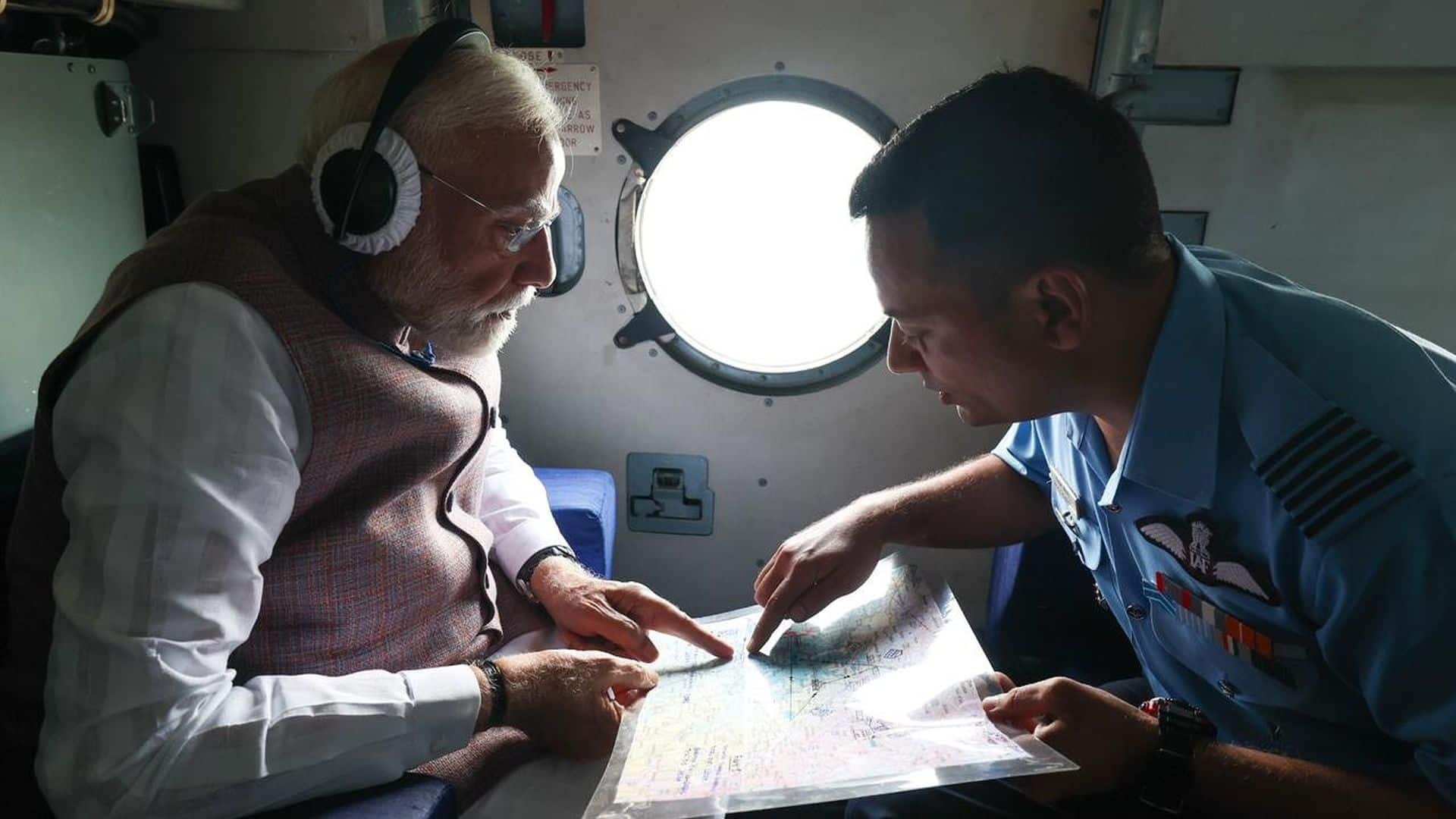
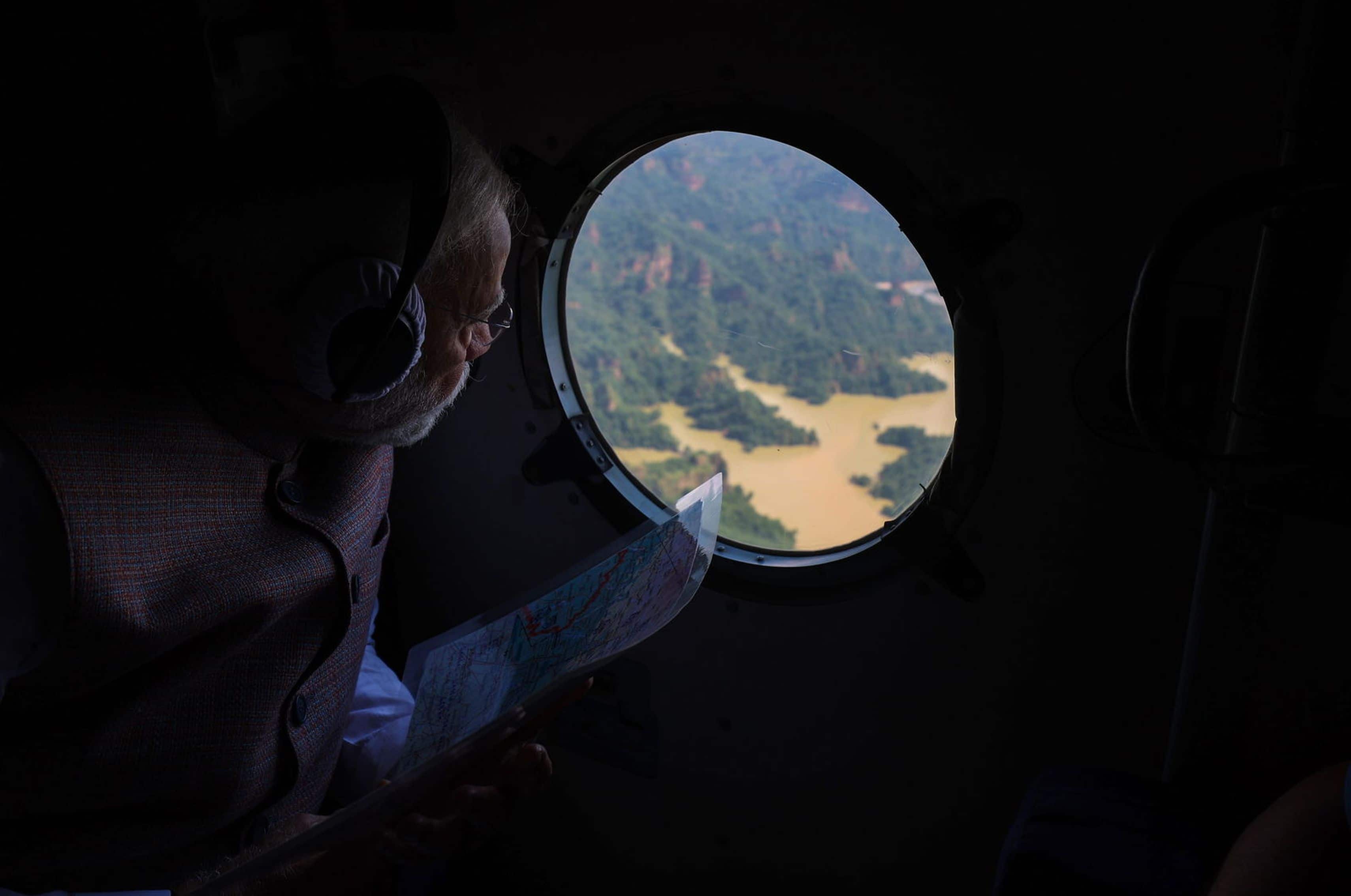
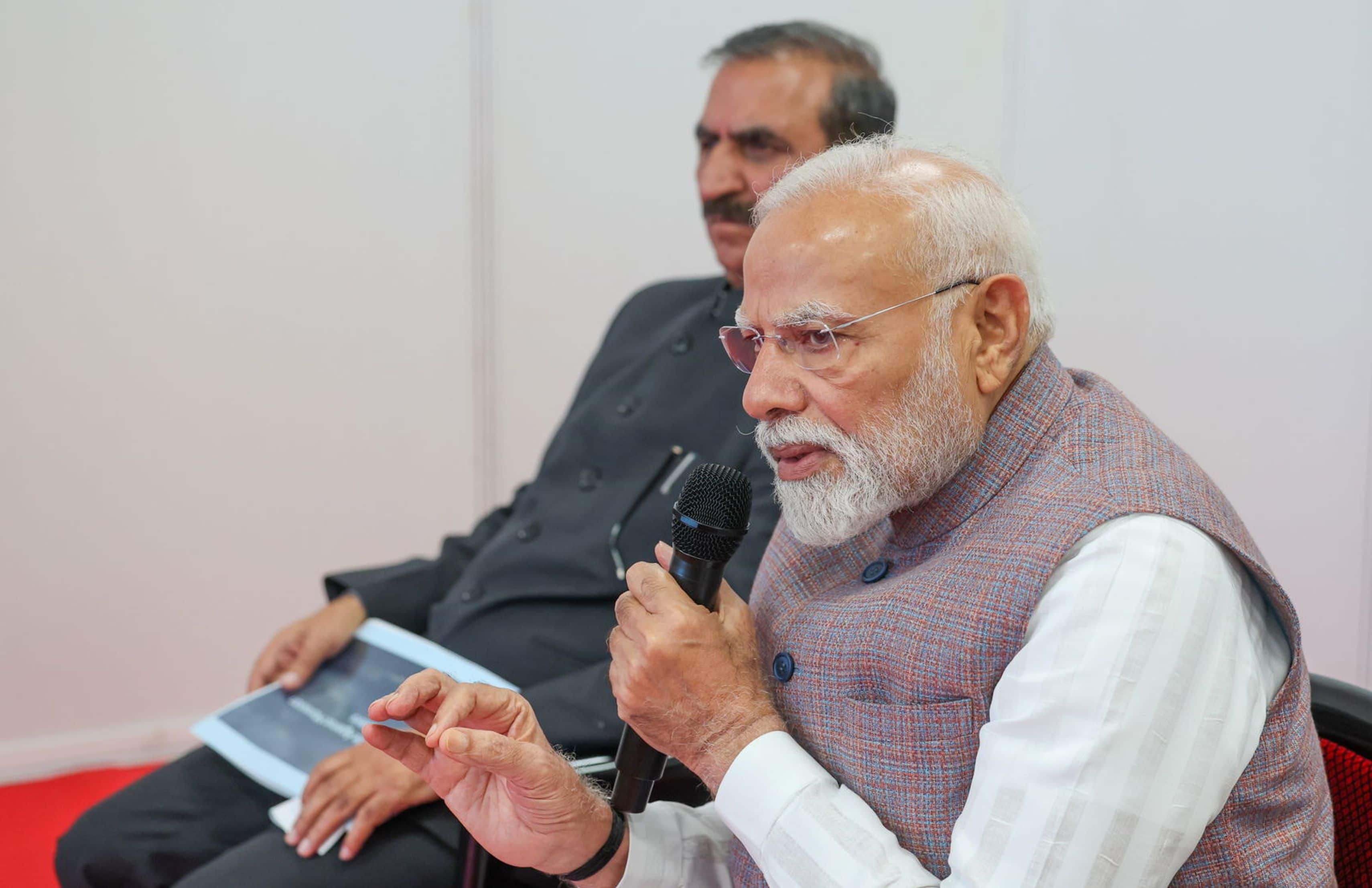
Prime Minister first conducted an aerial survey of flood affected areas of Himachal Pradesh. Thereafter, PM Modi had an official meeting in Kangra to review the relief and rehabilitation measures undertaken as well as assess the damage that has occurred in Himachal Pradesh. PM Modi announced a financial assistance of Rs. 1500 crore for Himachal Pradesh. There will be advance release of the second instalment of SDRF and PM Kisan Samman Nidhi.
PM asked for a Multi-dimensional view to be taken to get the entire region and people back on its feet. These would be done through multiple ways, like rebuilding homes through PM Awas Yojana, restoration of national highways, rebuilding schools, provision of relief under PMNRF along with release of Mini Kits for livestock.
Recognizing the critical need to support the agricultural community, additional assistance will be provided specifically targeted at farmers who currently lack power connections.
Under the PM Awas Yojana, geotagging of damaged houses will be done. This will help in accurate damage assessment and faster delivery of aid to those affected.
To ensure uninterrupted education, schools will be able to report and geotag damages, enabling timely assistance under the Samagra Shiksha Abhiyan.
Construction of recharge structures for water harvesting to help collect and store rainwater will be done. These efforts will improve groundwater levels and support better water management.
The Union Government has already sent Inter-Ministerial Central teams to visit Himachal Pradesh to assess the extent of damage, and based on their detailed report further assistance will be considered.
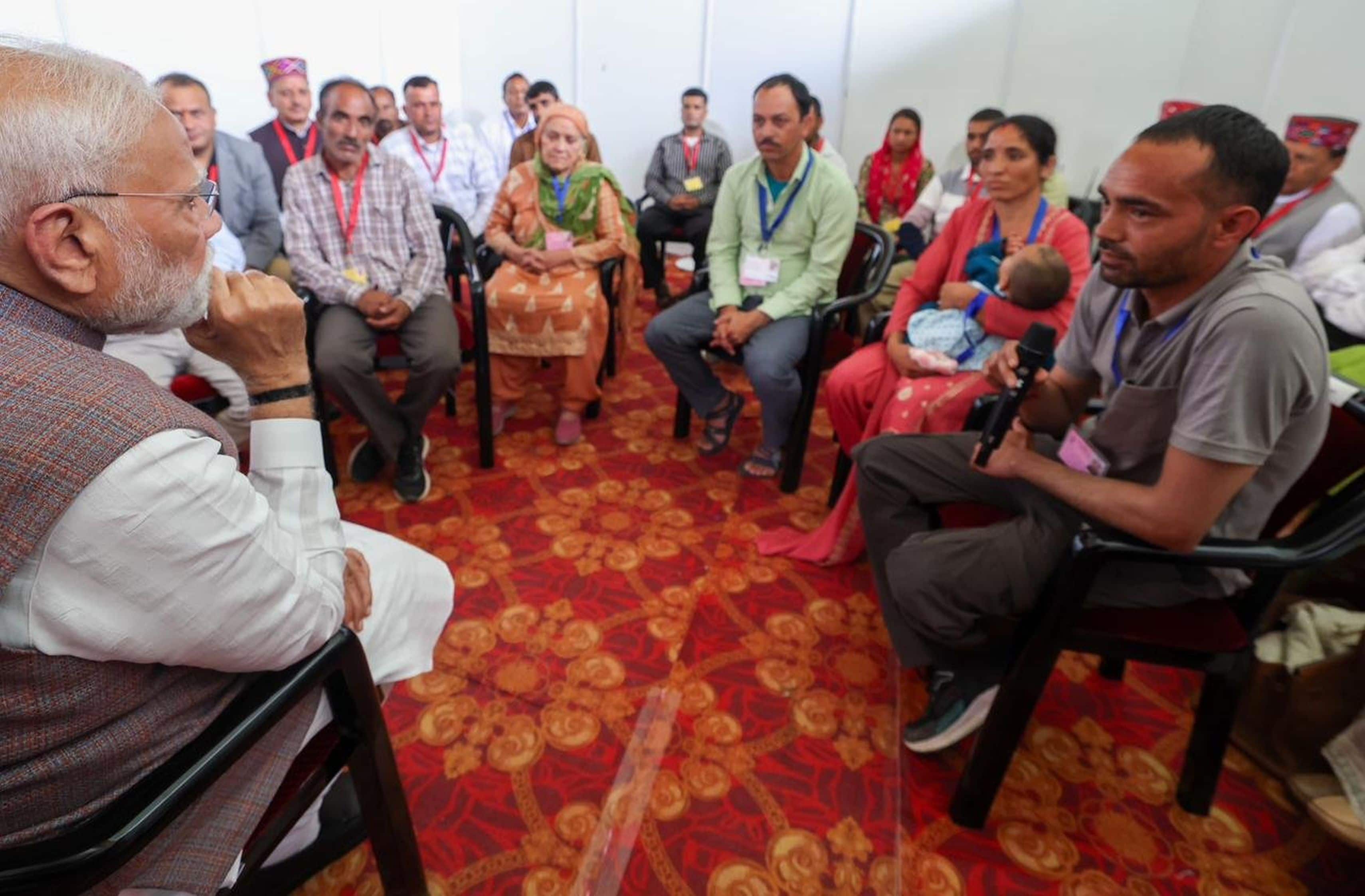
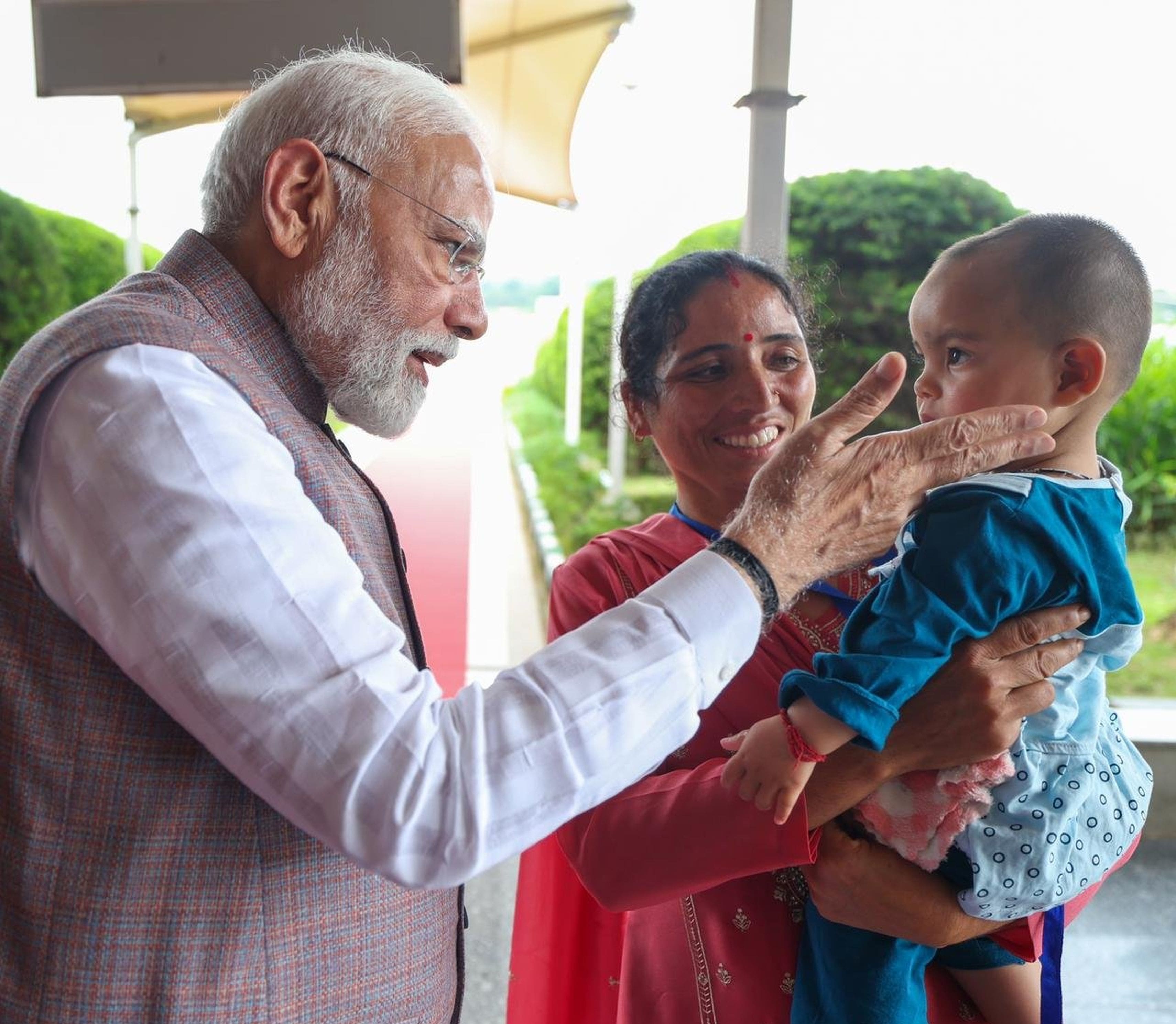
Prime Minister also met families who were affected by the calamity. He expressed his condolences and deep sorrow to the family members of those who have lost their lives. He stated that the Union Government will work closely with the State Government at this difficult time and extend all possible assistance.
PM Modi also announced an ex-gratia of Rs.2 lakh to the next of kin of the deceased and Rs.50,000 to the seriously injured in the floods and natural calamity.

The Prime Minister announced that children orphaned due to the recent floods and landslides will be extended comprehensive support under the PM CARES for Children scheme. This will ensure their long-term welfare.
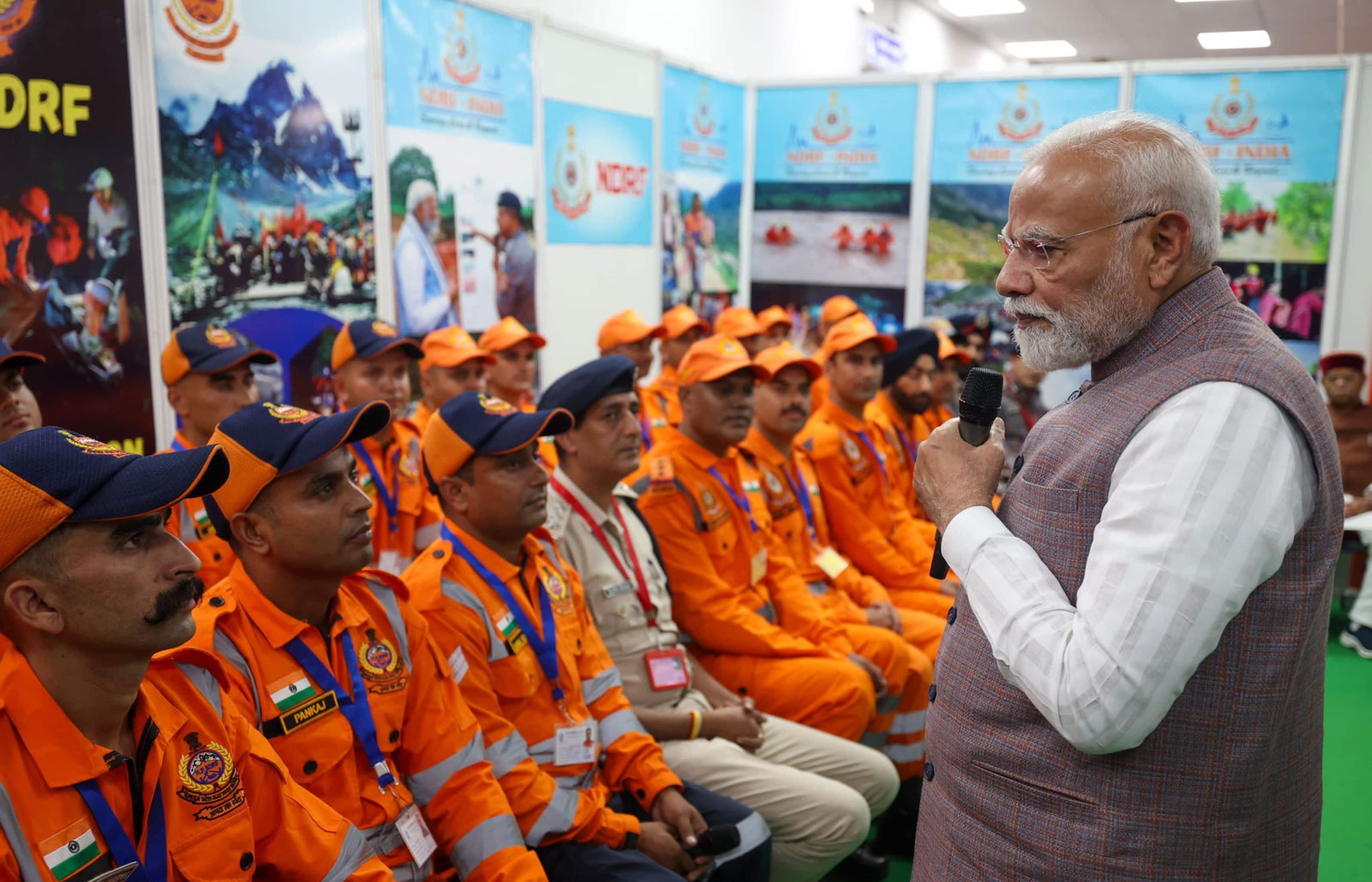
Prime Minister also stated that all assistance under disaster management rules are being made including advance disbursements to the States. He appreciated the efforts of the personnel of NDRF, SDRF, Army, State administration and other service-oriented organisations for making efforts in immediate relief and response. The Central government will further review the assessment based on the memorandum of the State as well as the report of the Central teams.
Prime Minister acknowledged the gravity of the situation and assured that the Central Government will make all efforts to address the situation.
Undertook an aerial survey to assess the situation in the wake of flooding and landslides in Himachal Pradesh. We stand firmly with the people in this difficult time and all efforts are being made to ensure continuous support to those affected. pic.twitter.com/Plryw5JDS0
— Narendra Modi (@narendramodi) September 9, 2025
हवाई सर्वेक्षण के जरिए हिमाचल प्रदेश में बाढ़ और लैंडस्लाइड की स्थिति का जायजा लिया। इस कठिन समय में हम प्रदेश के अपने भाई-बहनों के साथ पूरी मजबूती से खड़े हैं। इसके साथ ही प्रभावित लोगों की मदद के लिए कोई कोर-कसर नहीं छोड़ रहे हैं। pic.twitter.com/PS0klVwo5c
— Narendra Modi (@narendramodi) September 9, 2025
हिमाचल प्रदेश में भारी बाढ़ और लैंडस्लाइड से प्रभावित कुछ लोगों से बातचीत की। उनकी पीड़ा के साथ ही त्रासदी से हुआ नुकसान मन को व्यथित करने वाला है। खराब मौसम का संकट झेल रहे हर व्यक्ति तक राहत और सहायता पहुंचे, इसके लिए हम पूरी तरह से प्रतिबद्ध हैं। pic.twitter.com/KfpyriuLwq
— Narendra Modi (@narendramodi) September 9, 2025
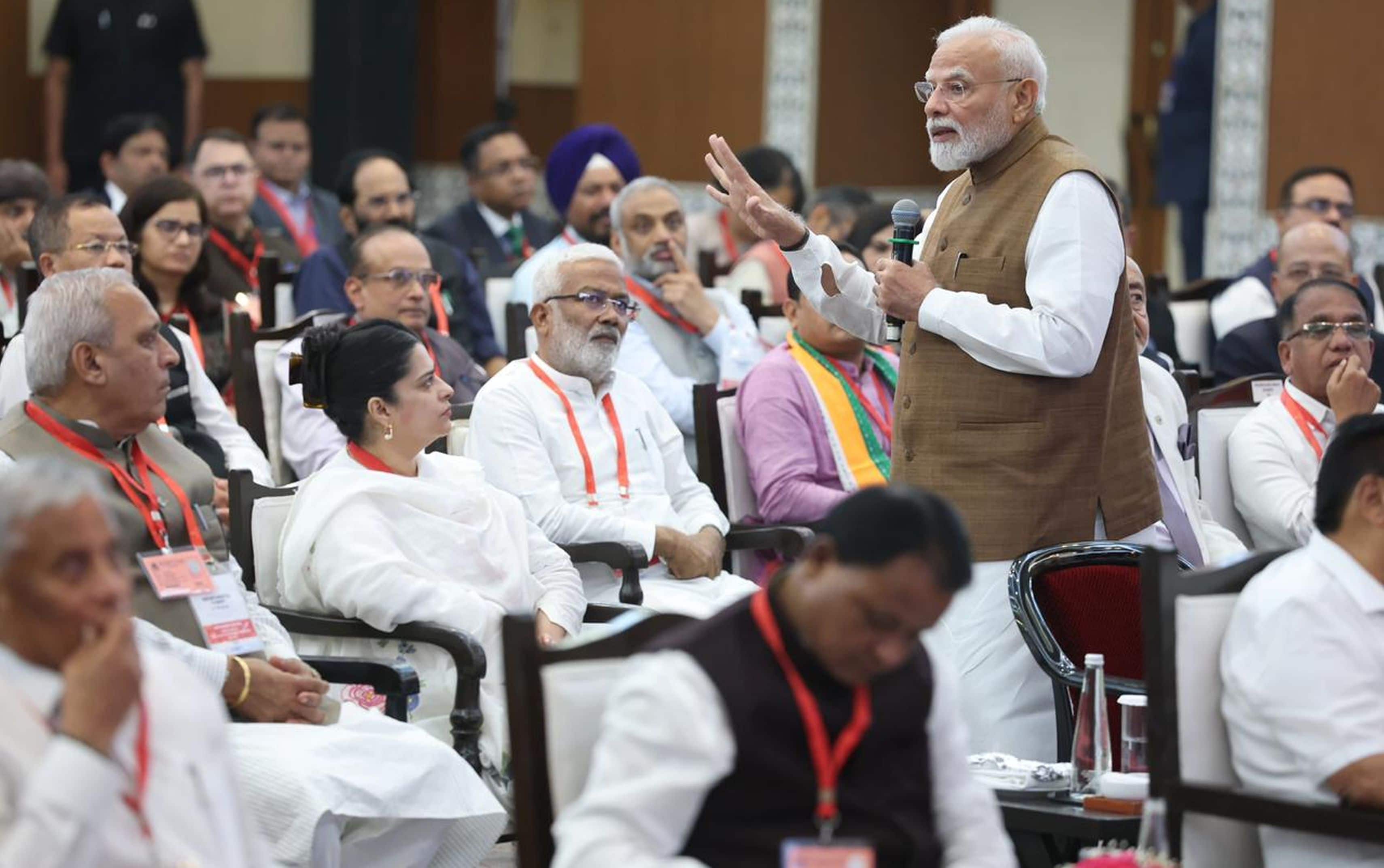
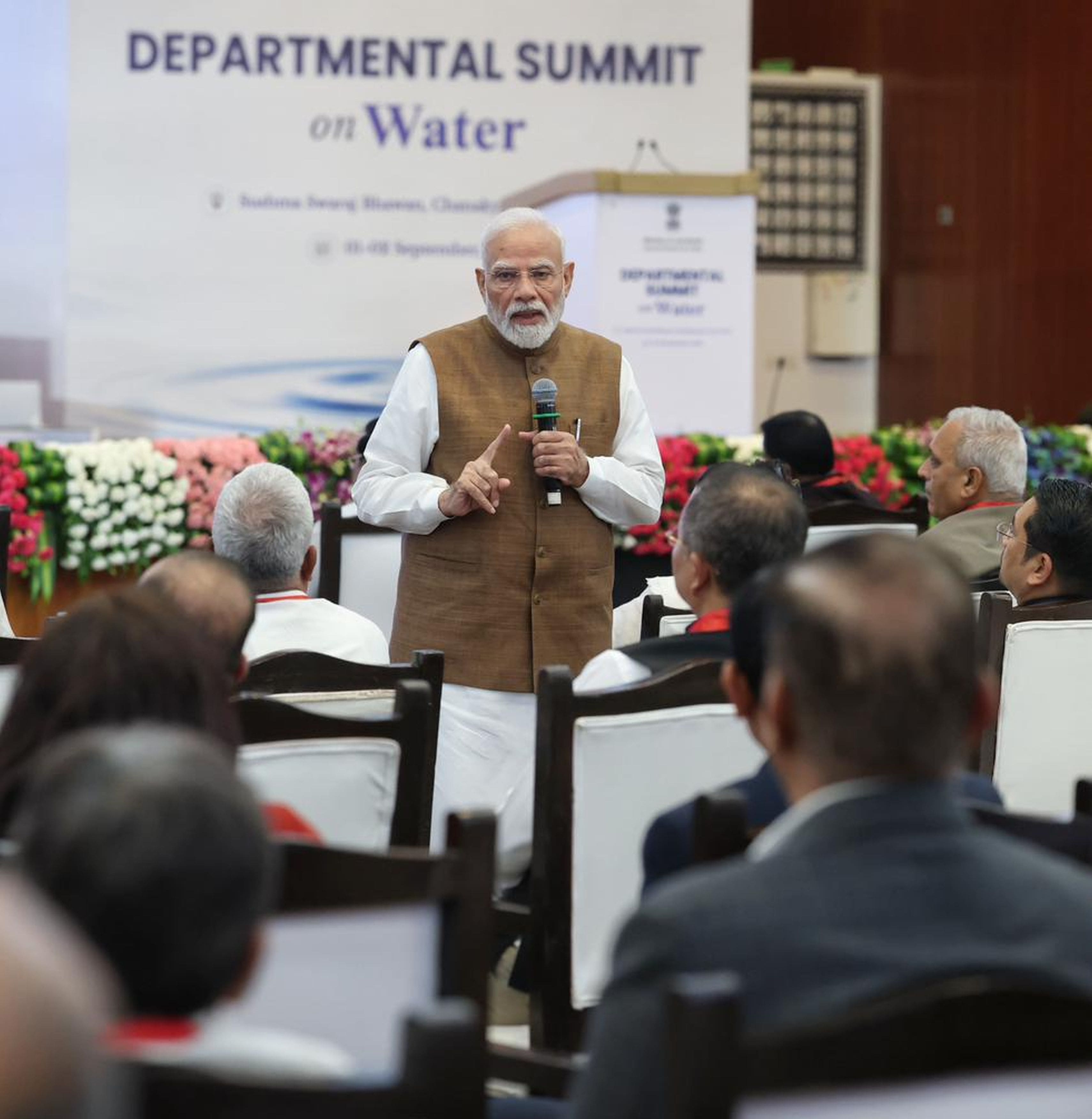
Chaired a review meeting with Chief Minister Sukhvinder Singh Sukhu, MPs, leaders and other officials. My thoughts are with all those who have lost their loved ones due to the floods and landslides in Himachal Pradesh. Centre will work closely with the State Government to… pic.twitter.com/XtgQaQ1len
— Narendra Modi (@narendramodi) September 9, 2025
हिमाचल प्रदेश के मुख्यमंत्री सुखविंदर सिंह सुक्खू, सांसदों, नेताओं और अन्य अधिकारियों के साथ एक समीक्षा बैठक की। राज्य में आई बाढ़ और लैंडस्लाइड में जिन्होंने अपने प्रियजनों को खोया है, मेरी संवेदनाएं उनके साथ हैं। केंद्र मौजूदा चुनौती से निपटने में राज्य सरकार के साथ मिलकर काम… pic.twitter.com/cpueWv9WvO
— Narendra Modi (@narendramodi) September 9, 2025