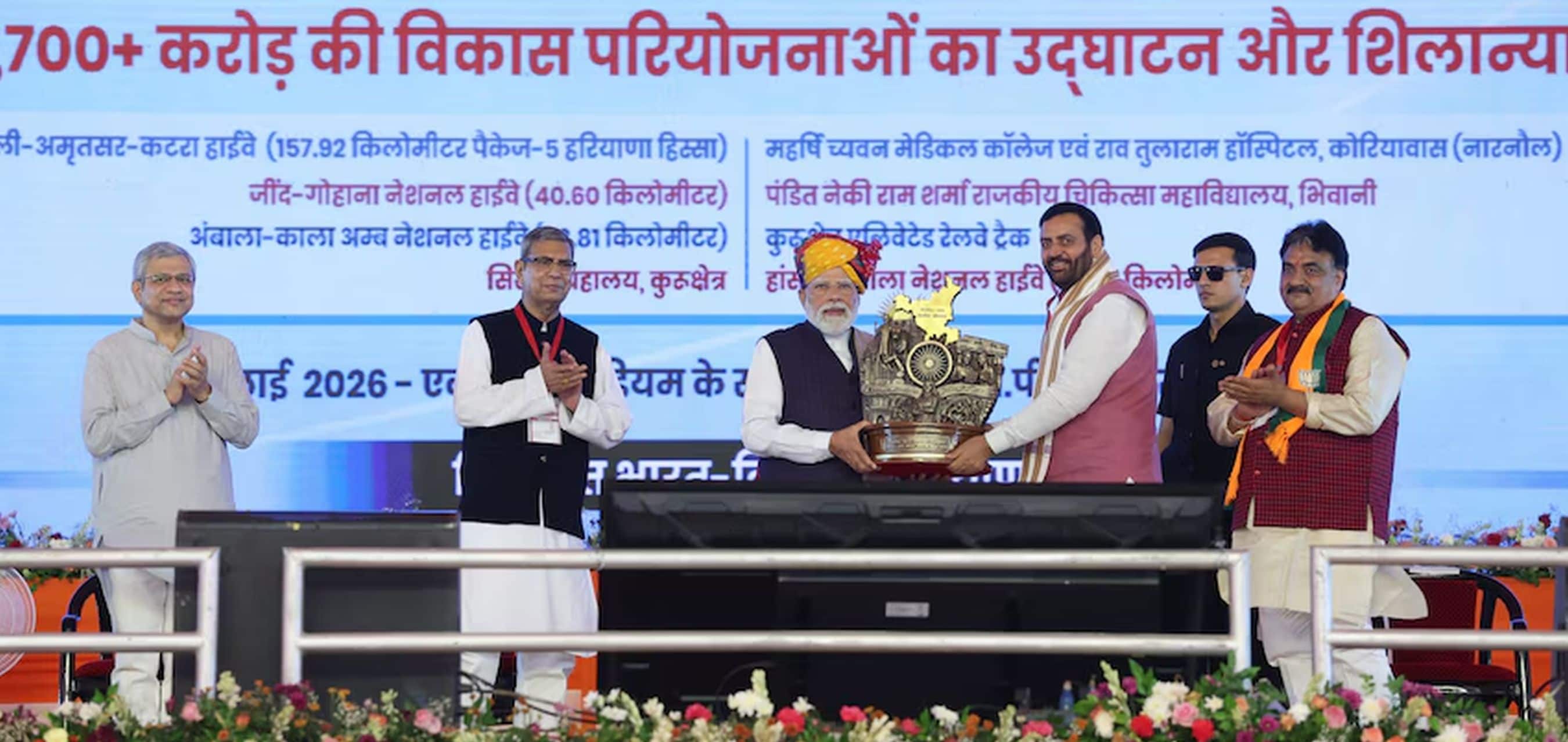


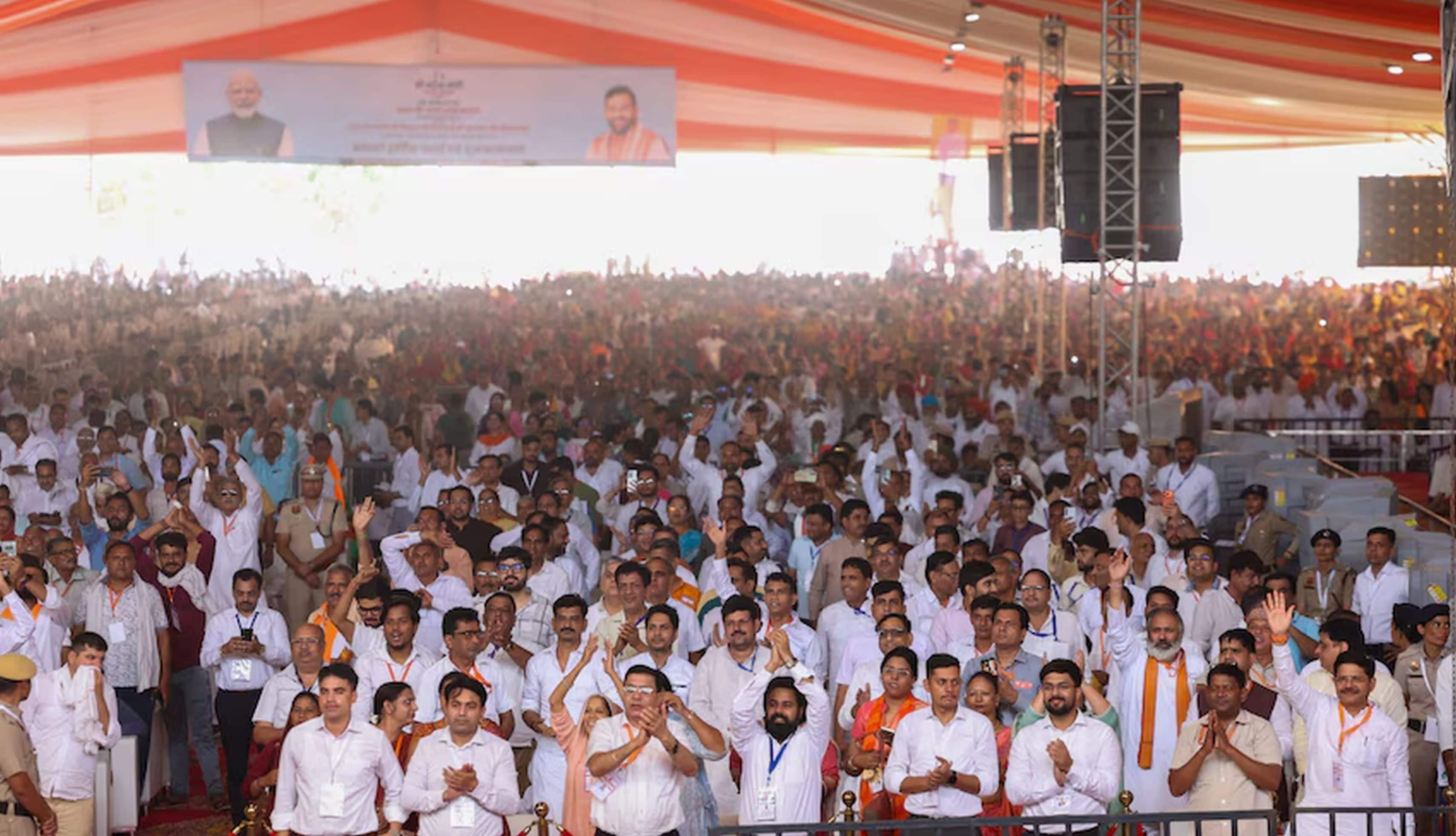
Prime Minister Shri Narendra Modi today laid the foundation stone and dedicated to the nation various development projects worth around ₹14,700 crore in Jind, Haryana. Expressing profound joy upon arrival at the site, the Prime Minister highlighted the region's rich historical, martial, and spiritual legacy, uniquely blessed by the Shakti Peeth Mata Jayanti. Recalling his initial visits to the city decades ago for organizational duties, he fondly recalled the unforgettable affection he received, intrinsically linked to local culinary staples like Murrah buffalo dairy, desi bura, and ghevar. "This is no ordinary land; it is a profound land of history, bravery, religion, and immense pride," observed Shri Modi.
Contrasting the timeless local flavors with the dramatically transformed developmental landscape of the region, the Prime Minister positioned the city as a shining reflection of the good governance model. Emphasizing that the entire state has firmly embarked on a new trajectory of progress over the past years, he noted that the day's events are actively infusing this mission with powerful fresh momentum. "Today's program is filling this exact mission of the government with completely new energy," asserted Shri Modi.
Declaring that the region's name has now been permanently etched into the pages of history, the Prime Minister proudly announced the launch of the country's first hydrogen-powered train. Drawing a visionary parallel to the historic first train journey between Bombay and Thane, he stated that future generations will similarly immortalize this corridor whenever advanced green mobility is discussed. "I congratulate all of you and the entire country for this momentous step related to the deep modernization of Indian Railways," affirmed Shri Modi.
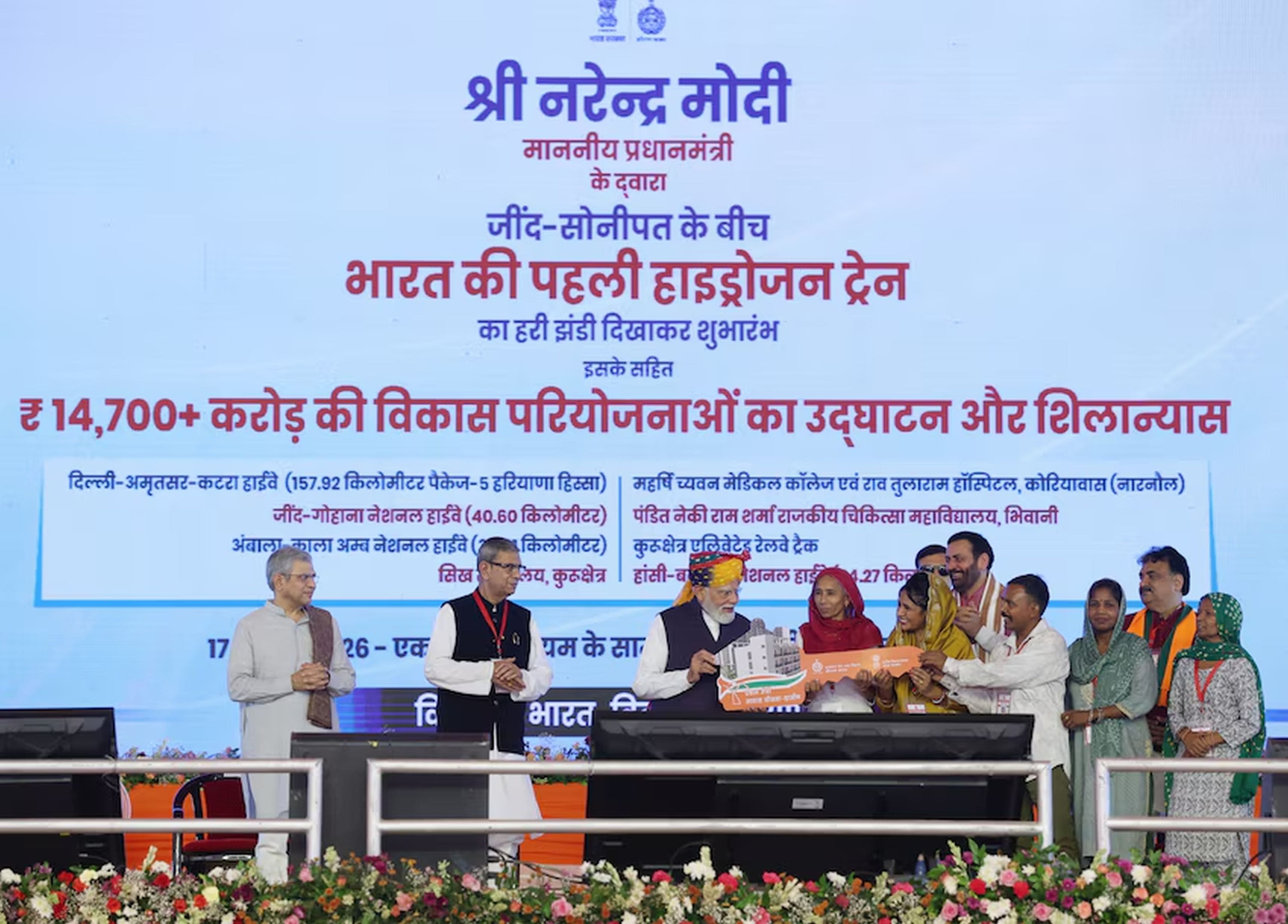
Detailing the massive infrastructural push, the Prime Minister listed over Rs 14,000 crore worth of new projects spanning railways, highways, and cultural heritage dedicated directly to the state's welfare. Highlighting a massive healthcare expansion, he announced the dedication of Pandit Neki Ram Sharma Medical College in Bhiwani and Maharishi Chyavan Medical College along with Rao Tularam Hospital in Narnaul, aimed at creating pristine new avenues for aspiring medical professionals. "These new institutions will make the healthcare services of Haryana even more empowered and highly accessible," noted Shri Modi.
Appreciating the immense civic dedication demonstrated by the local populace, the Prime Minister commended the profound seriousness with which they embraced the cleanliness welcome initiative prior to his arrival. Expressing great contentment at witnessing the community actively and freshly engaging in the sanitation campaign, he called for permanently sustaining this grassroots momentum. "We must systematically make cleanliness an integral part of our everyday lives in this exact manner," affirmed Shri Modi.
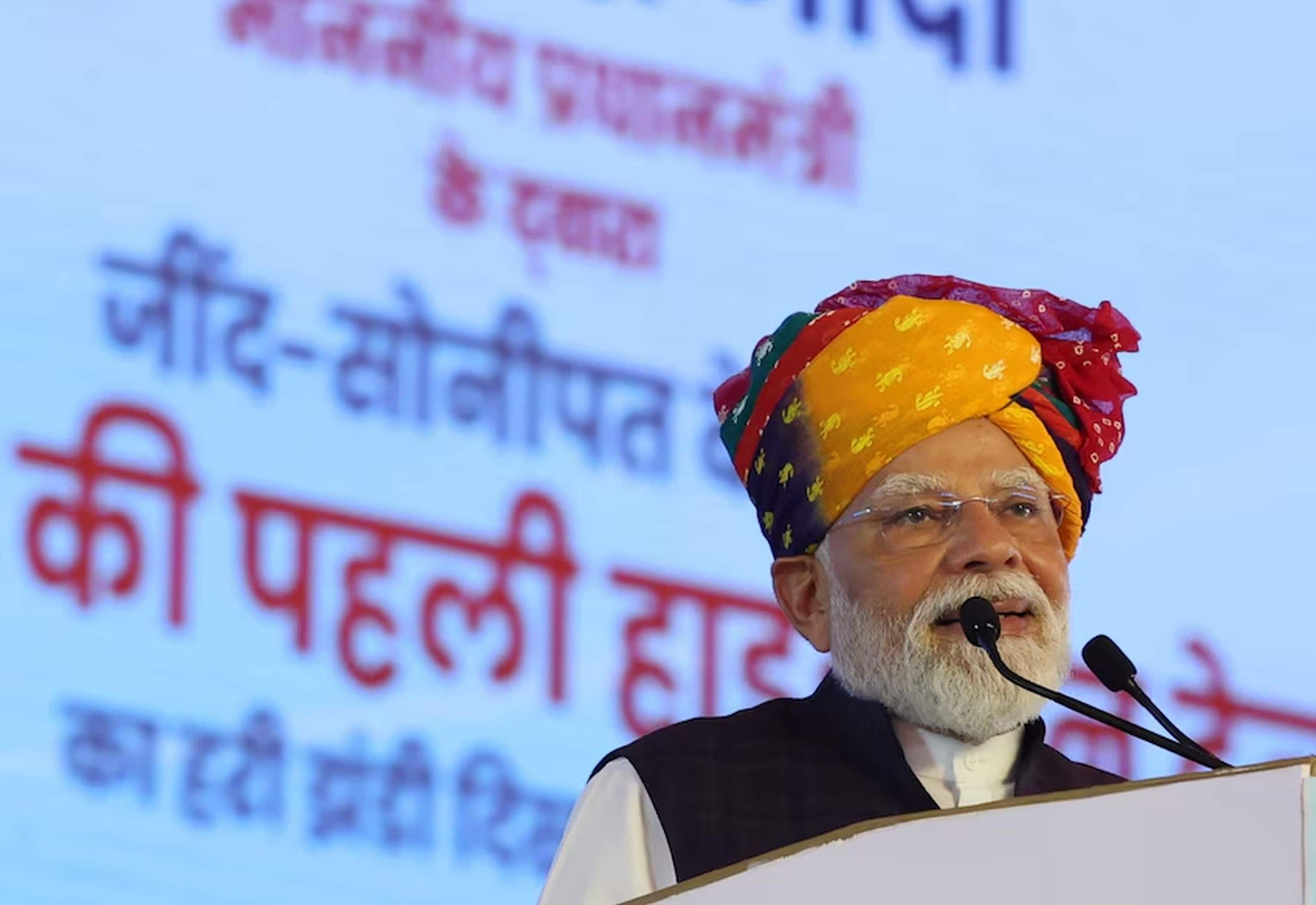
Tracing the technological evolution of the global railway sector, the Prime Minister recalled how the 19th century was fundamentally defined by steam engines while the 20th century was defined by electrical power. Looking toward the future, he emphasized that the 21st century will be driven by hydrogen mobility, officially starting with the newly inaugurated 90-kilometer route between Jind and Sonipat. "Today, Indian Railways has taken a massive leap in this 21st-century technology, which holds immense potential for future expansion," observed Shri Modi.
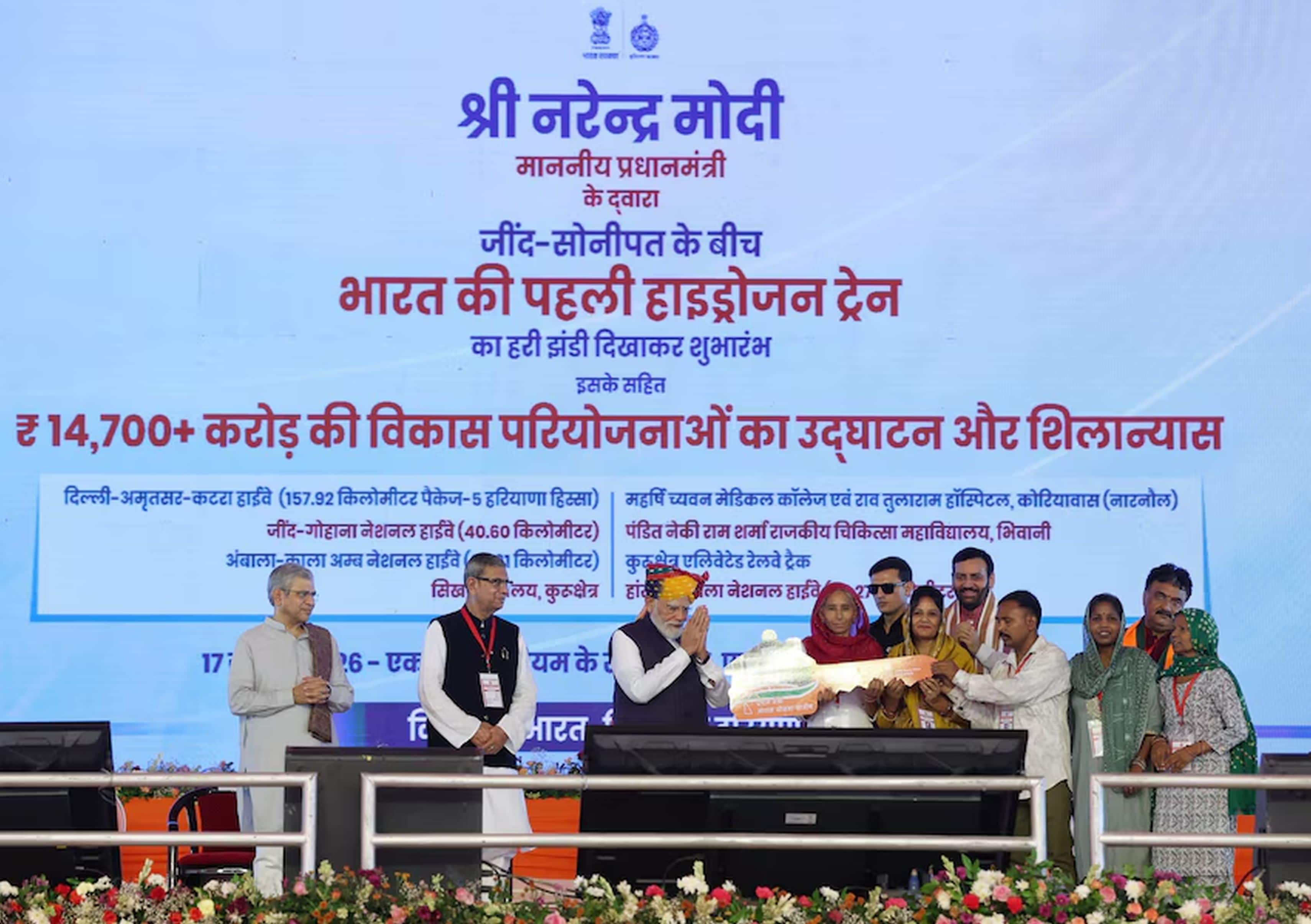
Putting the nation's achievement into a global perspective, the Prime Minister noted that hydrogen train technology only came into practical existence worldwide 7-8 years ago. He highlighted that only a highly exclusive handful of nations currently possess the capability to operate such trains, and even those remain in preliminary stages. "You will be immensely proud to hear about the true capabilities of this newly launched Indian hydrogen train," remarked Shri Modi.
Revealing the technical specifications of the new transport marvel, the Prime Minister described the newly launched train as the most powerful of its kind globally, boasting a formidable 3,200-horsepower capacity and comprising ten coaches. Contrasting it with international counterparts that typically feature only three to four coaches, he proudly highlighted the nation's bold operational dominance on its very first attempt. “India has successfully demonstrated its prowess by running a hydrogen train with ten full coaches straightaway,” asserted Shri Modi.
Celebrating the indigenous nature of this green mobility milestone, the Prime Minister emphasized that the entirely smoke-free train is a resounding, tangible triumph of the domestic manufacturing initiative. He credited brilliant domestic engineers for completely designing the advanced system and local manufacturing companies for flawlessly executing its construction. "This is a highly successful and proud example of the Make in India initiative," noted Shri Modi.
Explaining the highly unique operational requirements of this advanced technology, the Prime Minister pointed out that hydrogen trains necessitate completely distinct infrastructure and specialized, segregated support systems. Anticipating the rapid establishment of new factories and associated facilities to meet these specific network needs in the immediate future, he projected a massive localized economic ripple effect. "This advanced train network is absolutely guaranteed to create numerous new employment opportunities for the youth of Haryana," affirmed Shri Modi.
Shifting focus to critical geopolitical challenges, the Prime Minister highlighted the strategic logistical advantages derived from the massive transformations within Indian Railways over the past twelve years. Pointing to the ongoing volatile conflict in West Asia, he explained how the indispensable supply maritime routes for petroleum, diesel, LPG, and fertilizers have been continuously surrounded by severe disruptions for months. "Through this vital maritime route, India imports a massive quantity of essential fuels and agricultural inputs," observed Shri Modi.
Hypothesizing the devastating national impact of such a global fuel crisis prior to 2014, the Prime Minister noted that the previous heavy reliance on diesel would have inevitably and completely paralyzed the national railway network. Revealing that a mere 30 percent of the network was electrified between 1925 and 2014, he celebrated the administrative push that has now electrified nearly 99 percent of the national grid and 100 percent of the state's tracks. "Because of complete electrification, our trains continued to run completely uninterrupted despite the severe global oil crisis," asserted Shri Modi.
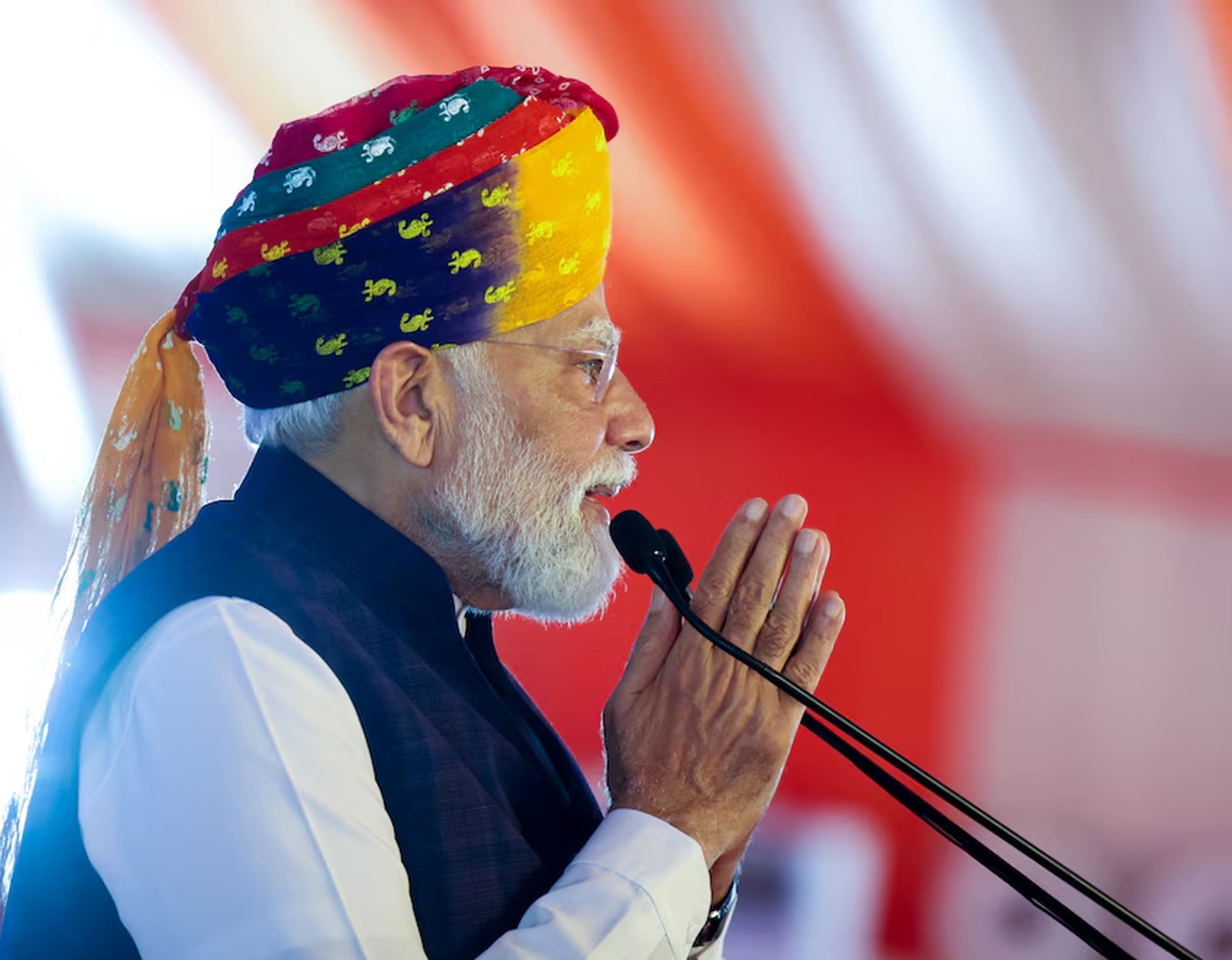
Underscoring the dual socio-economic benefits of enhanced connectivity, the Prime Minister explained that expansive road and rail networks simultaneously provide immense public convenience while exponentially accelerating regional development. Officially launching the local section of the Delhi-Amritsar-Katra Expressway, the Jind-Gohana National Highway, and the Ambala-Kala Amb four-lane project, he envisioned many interstate logistical benefits. "Such expansive connectivity work provides immense comfort while heavily multiplying the speed of overall development," noted Shri Modi.
Detailing the logistical transformation of the host district, the Prime Minister pointed out that the city is now strategically connected by five distinct national highways. Outlining the immense economic advantages of this upgrade, he stressed that farmers and livestock breeders will now enjoy significantly cheaper and easier access to major commercial markets. "This robust connectivity will actively empower industries, give wings to tourism, and create new employment on a massive scale," affirmed Shri Modi.
Reflecting on his highly successful recent diplomatic tours to Indonesia, Australia, and New Zealand, the Prime Minister highlighted the numerous publicized international bilateral agreements secured by the nation. However, he drew special attention to a crucial, yet underreported, strategic topic of discussion that holds immense, direct significance for the region's young demographic. "There is one specific subject heavily linked to the youth of Haryana that has not been discussed as much, and that is sports," remarked Shri Modi.
Elaborating on the strategic dialogues held with foreign governments, the Prime Minister revealed extensive upcoming international collaborations aimed at revolutionizing the athletic and competitive sector. Anticipating joint initiatives focusing on the broader sports industry and elite athlete training methodologies, he projected immense localized skill benefits. "By working together with these nations, we are going to accomplish significant work in the sports industry in the coming times," asserted Shri Modi.
Detailing the domestic overhaul of athletic infrastructure, the Prime Minister explained how sports are being actively and systematically transformed into a major, viable medium for both fitness and employment. Citing the successful implementation of the new National Sports Policy and the Khelo Bharat Niti, he praised the unprecedented financial and institutional backing provided to athletes through highly effective schemes like Khelo India and TOPS. "The state government here is also providing tremendous, continuous encouragement to sports and our dedicated athletes," observed Shri Modi.
Addressing the young athletes directly, the Prime Minister shifted from infrastructure milestones to upcoming massive global competitive platforms. Announcing India's preparations to host the 2030 Commonwealth Games and the ambitious national bid for the 2036 Olympic Games, alongside the World Police and Fire Games in Ahmedabad, he urged local competitors to train with maximum intensity. "I assure you that the government will completely provide you with every necessary facility for your rigorous preparation," affirmed Shri Modi.
Praising the highly localized governance model, the Prime Minister commended the state administration for strictly adhering to the mantra of inclusive development under the leadership of the Chief Minister. Highlighting the strict implementation of transparent, merit-based employment practices devoid of bribery or nepotism, he acknowledged the immense political difficulty of enacting such systemic reforms
Reaffirming the government's unwavering structural commitment to agricultural welfare, the Prime Minister recognized the local market as one of the largest in the state and highlighted the massive financial benefits delivered directly to cultivators. Quantifying this institutional support, he revealed that state farmers have received approximately Rs 8,000 crore through the PM Kisan Samman Nidhi, with local farmers receiving a highly significant portion. "Over 600 crore rupees have already been directly transferred to our hardworking farmers here in Jind alone," asserted Shri Modi.
Celebrating the deep-rooted cultural and spiritual ethos of the nation, the Prime Minister identified the region as a massive, living epicenter of this rich historical heritage. Invoking the glorious legacy of Maharaja Ranjit Singh and the sacred faith of the Pandavas, he pointed to revered local pilgrimage sites that continue to draw millions of devoted followers. "This is the exact glorious heritage of faith and spirituality that modern India actively preserves today," remarked Shri Modi.
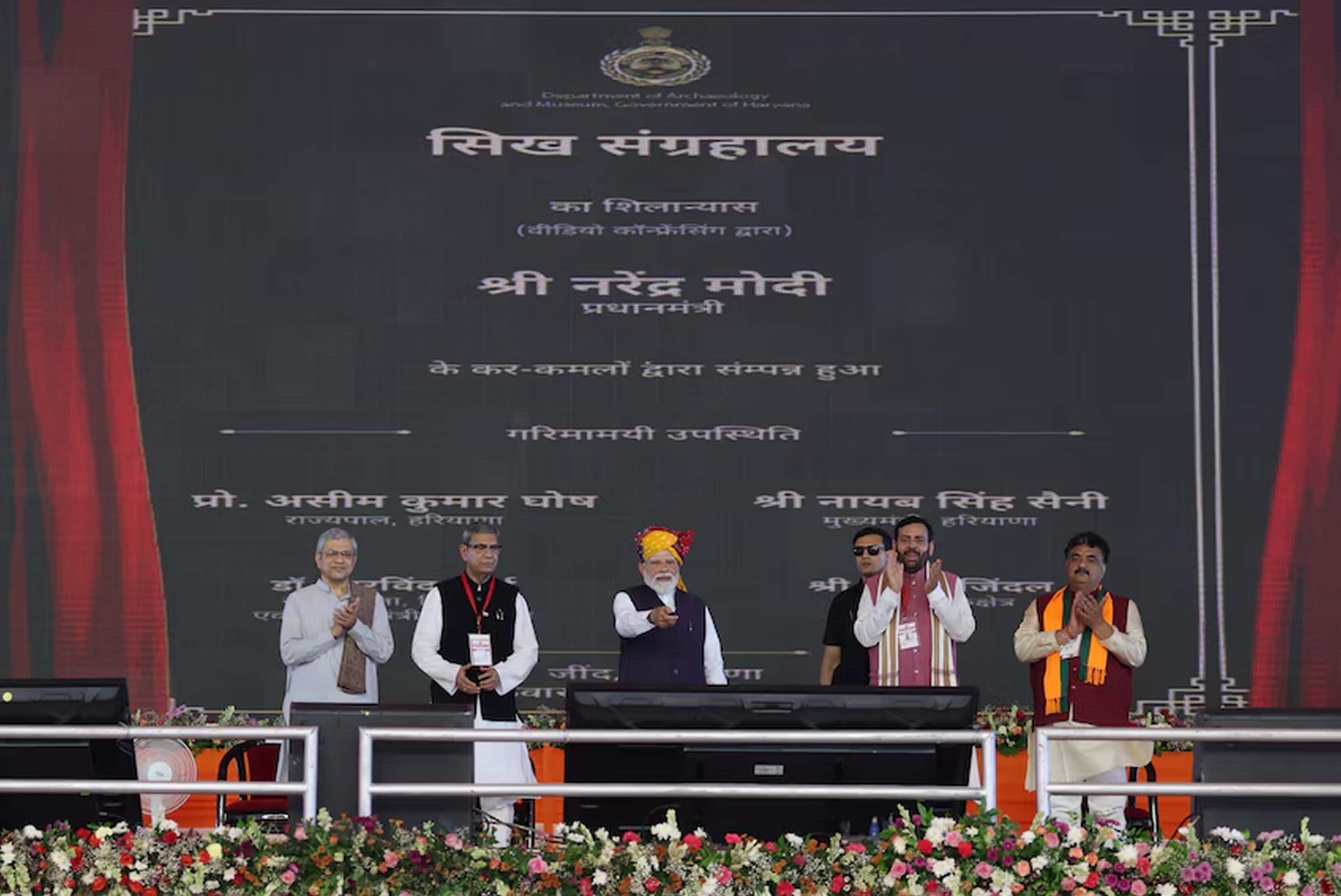
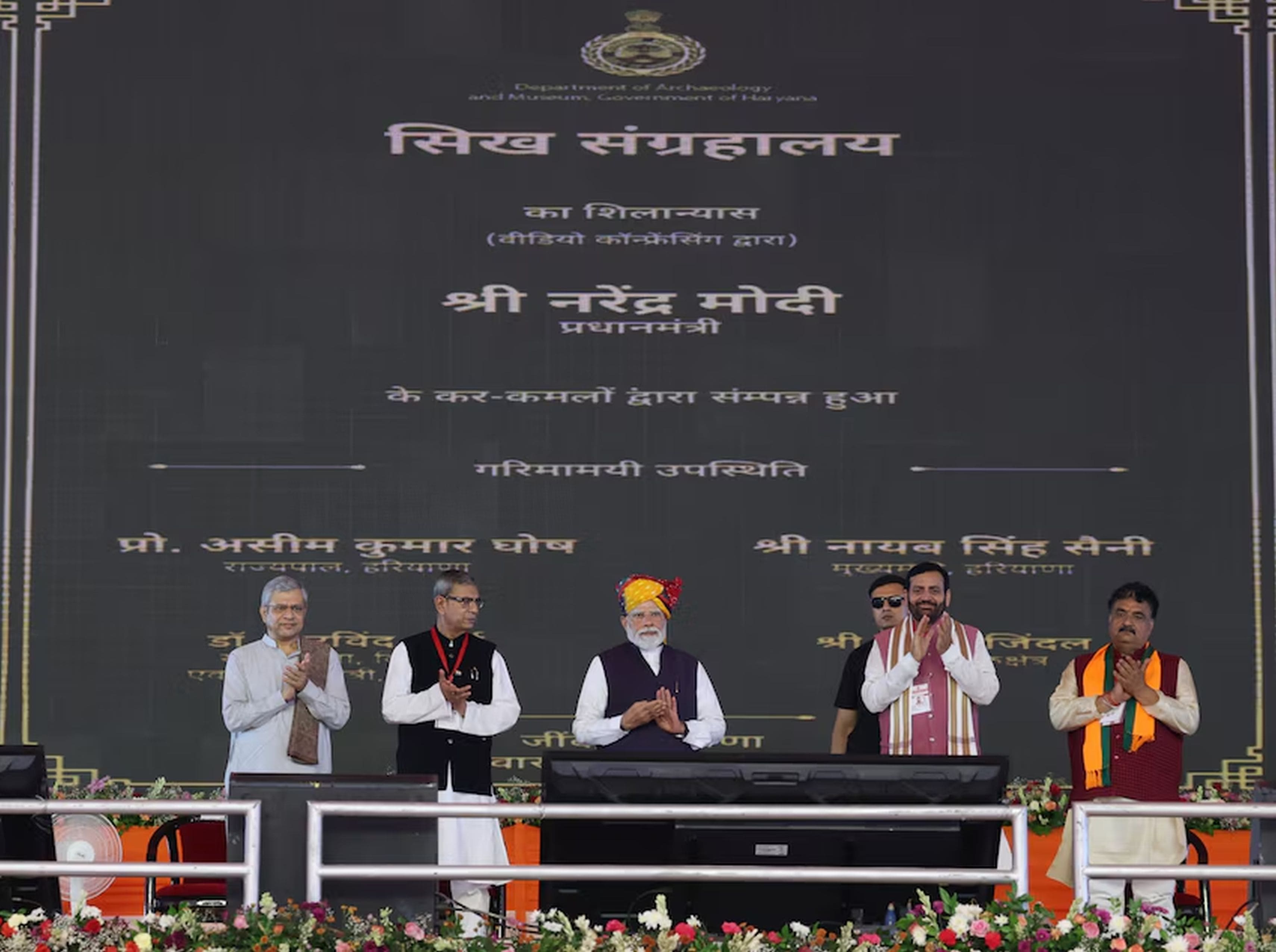
Linking this profound reverence for the past with future educational and cultural endeavors, the Prime Minister noted that the nation remains deeply committed to passing its history down to the next generation with complete respect. To materialize this goal, he officially announced the foundation stone laying for a brand new Sikh Museum in Kurukshetra. "This new museum will successfully and proudly transmit the great Guru tradition of India to our upcoming generations," affirmed Shri Modi.
Concluding his address, the Prime Minister described the state as racing along a rapid path of development powered equally by the dual economic wheels of agriculture and industry. Blessing the newly inaugurated projects to further massively accelerate this momentum, he expressed absolute confidence in the region's vital contribution to the national journey. "This rapid development of Haryana will undoubtedly and powerfully energize our ongoing journey toward a fully developed India," asserted Shri Modi.
Click here to read full text speech
India gets its first hydrogen train. pic.twitter.com/Ep7dZJZa0q
— PMO India (@PMOIndia) July 17, 2026
Connectivity not only enhances convenience but also multiplies the pace of development. pic.twitter.com/g4SaJoCIEl
— PMO India (@PMOIndia) July 17, 2026
Building a stronger sporting ecosystem. pic.twitter.com/W0i1KCPHfm
— PMO India (@PMOIndia) July 17, 2026