"Odisha has significantly benefited from the policies implemented by the Central Government in the last decade. The state has been a major beneficiary of the reforms introduced in the field of mining. After the change in mining policy, Odisha's income has increased tenfold." - PM Narendra Modi, Address at inauguration & foundation stone laying ceremony of various projects at Sambalpur, Odisha.
Odisha has seen a new era of development under the government led by Prime Minister Narendra Modi. The government has embarked on an unparalleled path to expedite development, improve welfare, and safeguard Odisha's rich cultural legacy. It has shown its unrelenting dedication to achieving Odisha's full potential and promoting inclusive growth through several strategic initiatives and policies. From infrastructural transformation to job generation to tribal upliftment, a holistic approach has been adopted to make Odisha the economic and cultural hub of Eastern India.
One of the cornerstones of the Modi government's agenda for Odisha has been the focus on infrastructure development. Significant investments have been made in improving road and rail connectivity, upgrading airports, expanding national highways, modernising railway networks, etc. These efforts have facilitated smoother transportation and spurred regional economic growth and trade. The major infrastructure projects are the extension of existing National Highways, widening & strengthening or building bypasses. In addition, Airstrips at Amarda, Jeypore, Jharsuguda, Rangeilunda, Rourkela and Utkela in Odisha have been shortlisted for development under UDAN and to operate flights under this scheme. Flight operations have commenced from Jharsuguda, Jeypore and Rourkela airports after the revival of these airports.
A major push has been given to the railway sector in the last decade. In 2014-23, 1,583 km sections (384 Km New Line and 1,199 Km Doubling) falling entirely/partly in the State of Odisha have been commissioned. The average commissioning rate is 175.89 Km per year, 229% times higher than in 2009-14, when it was 53.4 Km/year). In addition, Odisha is connected to the Vande Bharat Network. Vande Bharat Express flagged off in May 2023, connecting Puri and Howrah, transpassing multiple Odisha and West Bengal districts. During his visit to Odisha in 2023, PM Modi laid the foundation stone of railway projects worth more than Rs 8000 crores in Odisha. These include the redevelopment of Puri and Cuttack railway stations, doubling of the Sambalpur-Titlagarh rail line, a new broad gauge rail line between Angul – Sukinda; the third line connecting Manoharpur – Rourkela – Jharsuguda – Jamga and a new broad-gauge line between Bichhupali – Jhartarbha. The development of the doubled Sambalpur-Talcher rail section and the newly constructed rail line from Jhartarbha to Sonepur has enhanced rail connectivity in the state. The Puri-Sonepur Express now links Subarnapur district, easing access for devotees to witness Lord Jagannath's darshan. With 100% electrification of the rail network in Odisha, railway infrastructure in the state has reached new heights.
The state of Odisha has emerged as a pivotal centre for education and skill advancement. Because of the Modi government's initiatives, major educational institutions in the past decade have revolutionised opportunities for regional youth. Several such establishments have been set up, from IISER Berhampur to the Institute of Chemical Technology in Bhubaneswar. The recent establishment of IIM Sambalpur further solidifies Odisha's position as a state with a premier management institute.
The government has sanctioned 104 Eklavya Model Residential Schools (EMRSs), including 8 EMRSs in the Kandhamal district. One hundred fourteen blocks in Odisha have been shortlisted to establish EMRS. PM Modi inaugurated AIIMS Bhubaneswar in a full-fledged manner, which has a capacity of 1,500 beds in 2014. From 8 medical colleges in the UPA era to 15 colleges in the NDA era ensure quality medical education for state students.
Every visit of PM Modi to the state has opened the floodgate for the announcement or laying the foundation of development ventures in the state. During his recent visit to the state in February 2024, developmental projects worth Rs. 70 thousand crore have been granted to the state. Over the past decade, investments exceeding Rs. 1.25 lakh crore have poured into Odisha's petroleum and petrochemical sector. The state has received a twelvefold increase in budget allocation for railway development. Through the Pradhan Mantri Gramin Sadak Yojana, approximately 50 thousand kilometres of roads have been constructed in Odisha's villages, and over 4000 kilometres of new national highways within the state have been built. In addition, Odisha has significantly benefited from mining reforms, with its income increasing tenfold after policy adjustments. The Modi Government established the District Mineral Foundation, ensuring a portion of mineral revenue is allocated for local development. Odisha has received over Rs. 25,000 crores from this initiative.
Odisha boasts a rich cultural heritage, encompassing ancient temples, traditional art forms, and vibrant festivals. The Modi government has taken steps to preserve and promote Odisha's cultural legacy through initiatives such as developing heritage sites, the promotion of handicrafts and handlooms, and organising cultural events and festivals. Under the PRASAD Scheme, Rs. 50 crore sanctioned for the development of Shree Jagannath Dham. The Prime Minister also inaugurated the archaeological museum at Lalitgiri, one of the earliest Buddhist settlements 120 km north of Bhubaneshwar. To honour the brave fighters from the state, a coin and stamp were released to commemorate the Paika Rebellion.
The state also has a prominent share of the tribal population. Under the leadership of PM Modi, the government has unveiled various programmes to bring welfare to everyone. 170 Van Dhan Vikas Kendras (VDVKs) have been sanctioned supporting 50,094 beneficiaries, out of these, 3 VDVKs have been sanctioned in Nabarangapur, 26 in Koraput, and 9 in Malkangiri district of Odisha. National Scheduled Tribes Finance and Development Corporation (NSTFDC), which extends concessional loans to eligible Scheduled Tribe persons, disbursed loans amounting to Rs. 8347.57 lakhs to 72,351 beneficiaries.
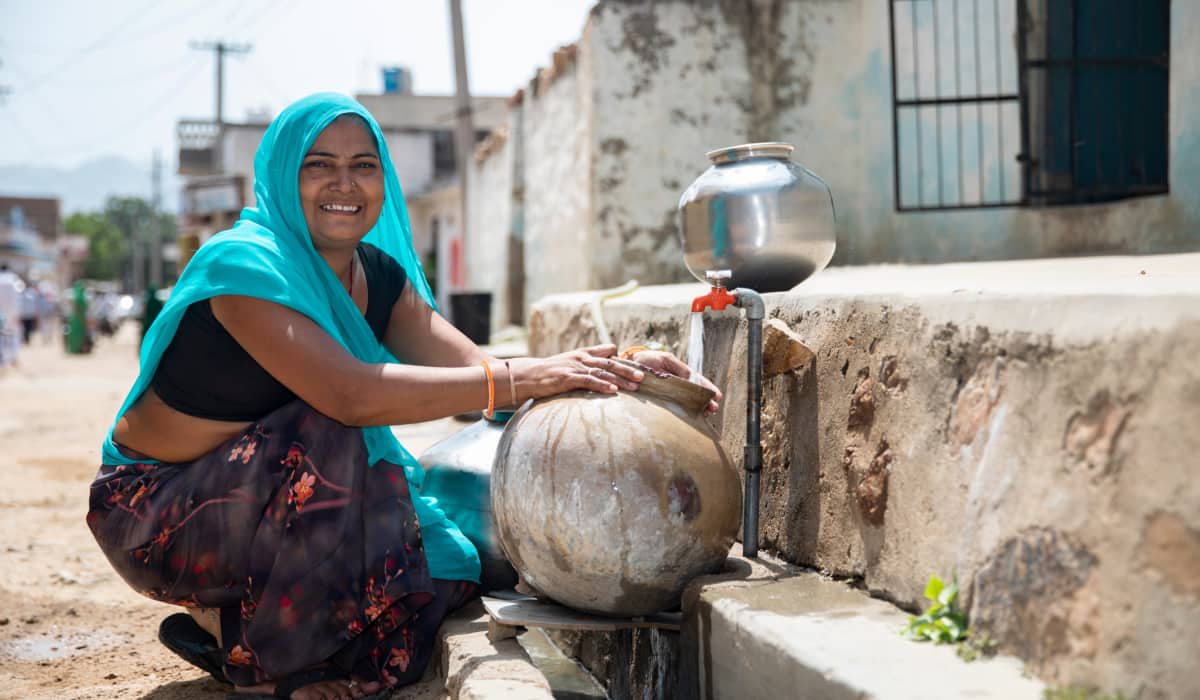
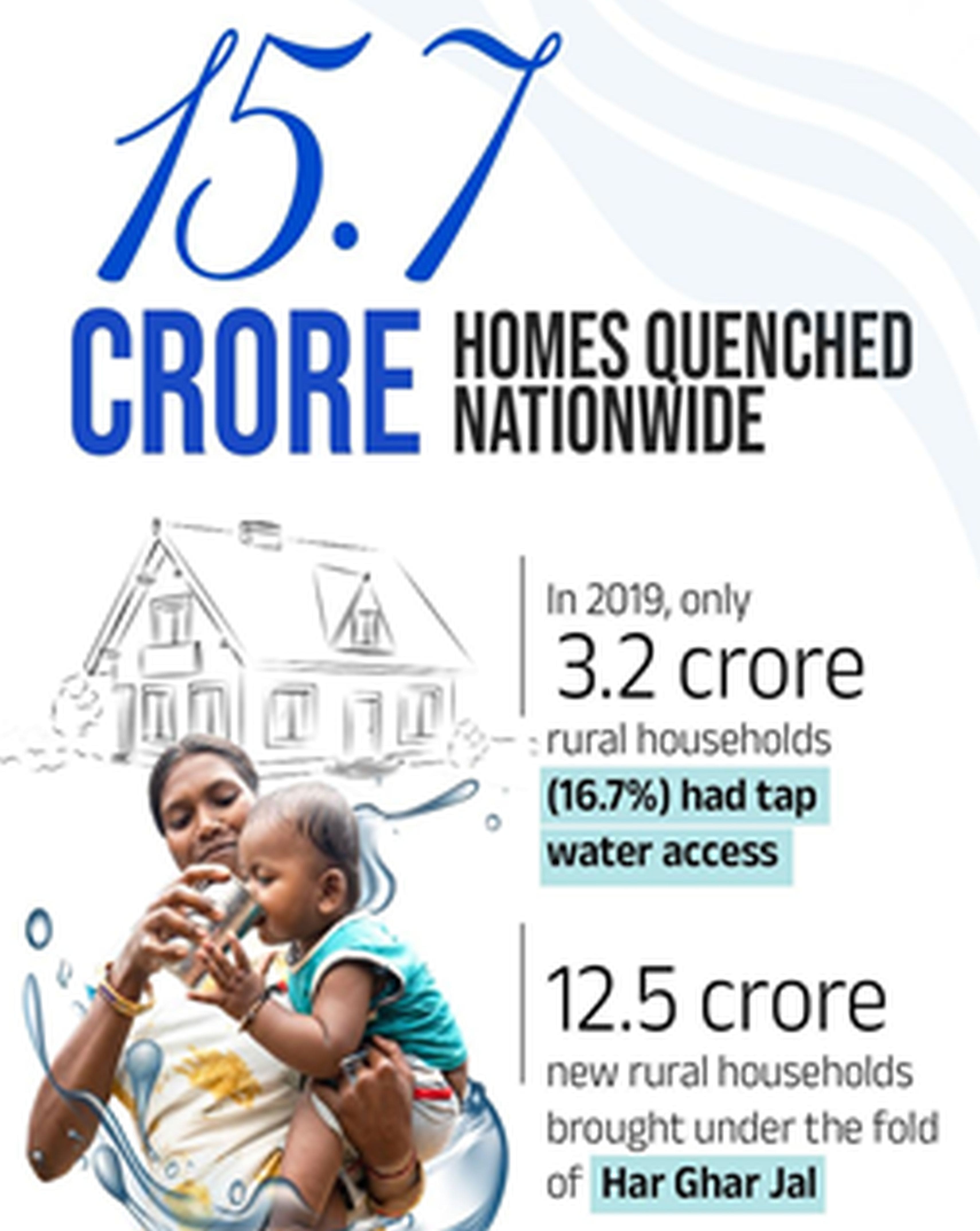
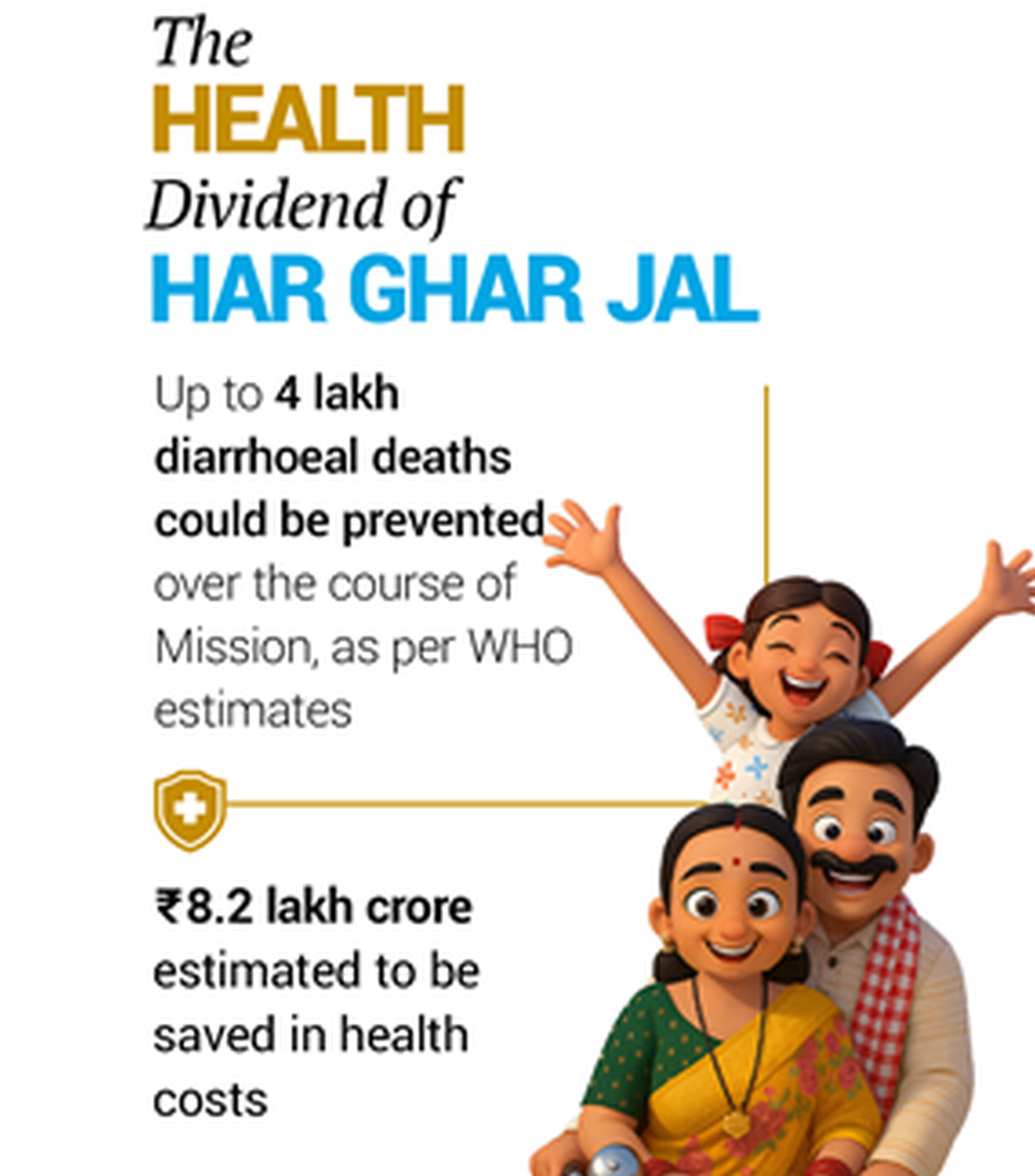
The PM Modi government has prioritised the welfare of people in Odisha through various initiatives aimed at enhancing livelihoods and improving living standards. Schemes such as the Pradhan Mantri Awas Yojana, Ayushman Bharat, and Pradhan Mantri Gram Sadak Yojana have played pivotal roles in providing housing, healthcare, and connectivity to the people of Odisha, ensuring a better quality of life for all. Under the Jal Jeevan Mission, more than 60 lakh households received tap water connections. More than 27 lakh houses are sanctioned under PMAY-G.
The initiatives undertaken by the PM Modi-led government in Odisha reflect its holistic approach towards development, welfare, and cultural preservation. By investing in infrastructure, promoting industrial growth, empowering tribal communities, enhancing healthcare services, and preserving cultural heritage, the government is paving the way for a prosperous future for Odisha, ensuring the state's rich cultural legacy continues to thrive and receive recognition.