“During one of my earlier visits to Mizoram, I had promised to work for ‘Transformation by Transportation’. Since then, a revolution has happened across sectors.”
- PM Modi
Over the past decade, Mizoram has witnessed significant development under the visionary leadership of Prime Minister Narendra Modi. The state, nestled in the serene Northeast of India, has experienced remarkable progress across various sectors, ranging from welfare initiatives to infrastructural advancements. Let's delve into the transformative changes that have unfolded in Mizoram over the last ten years.
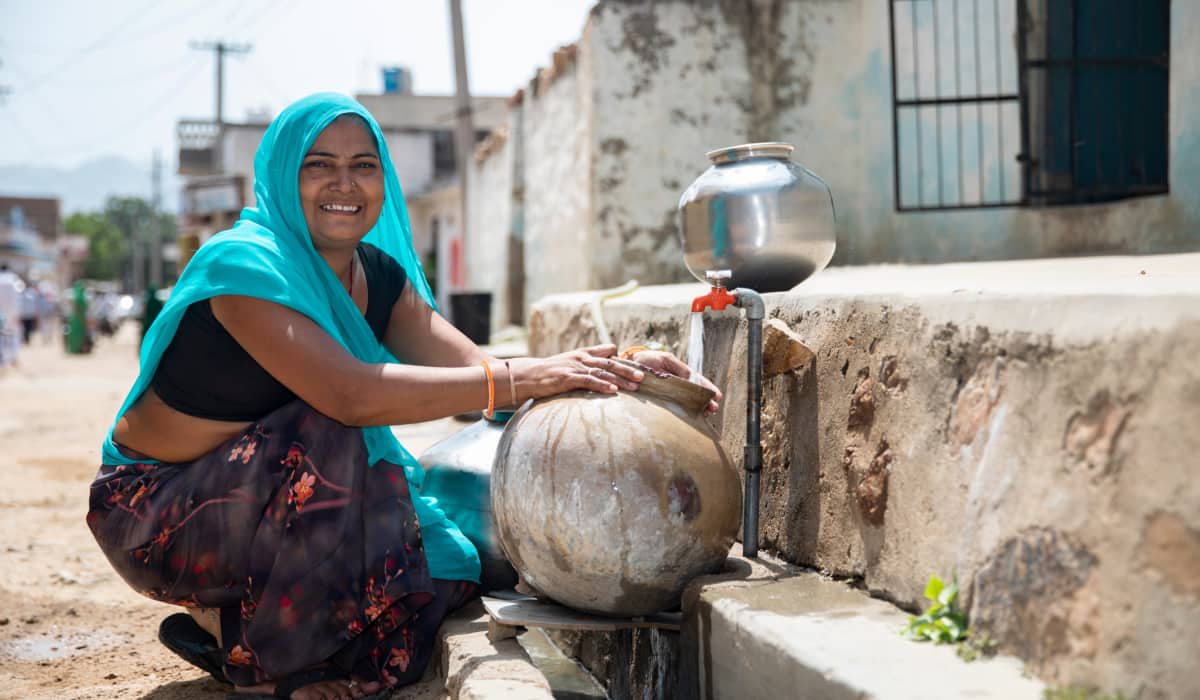
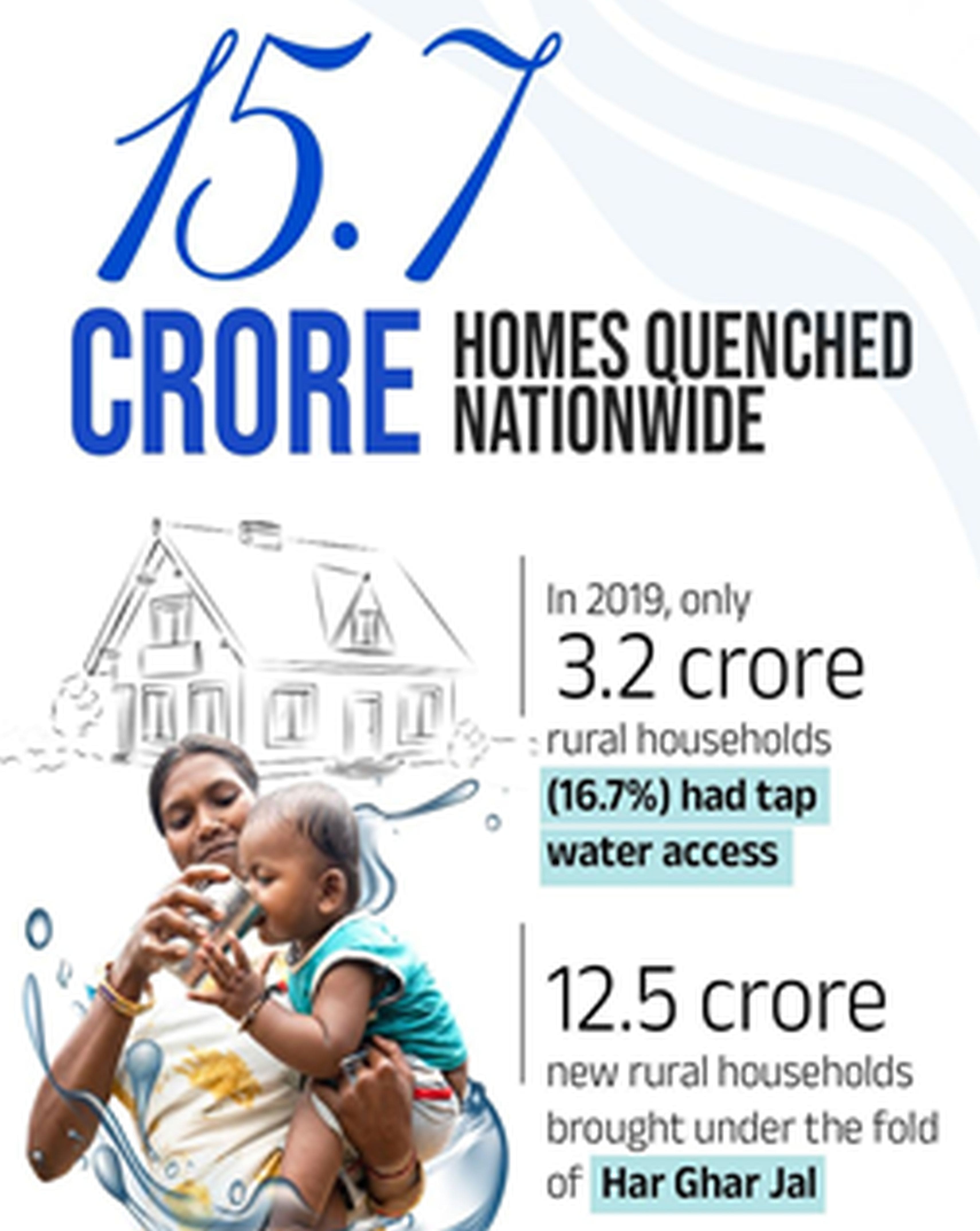
Under the flagship schemes of the Modi government, Mizoram has seen substantial improvements in welfare measures. The government provides free food grains to 80 crore people under PM Garib Kalyan Yojana. Over 6.8 lakh individuals from the state benefit from this massive outreach. Pradhan Mantri Awas Yojana, which aims at providing Housing for All, has sanctioned over 69,000 houses in Mizoram. The Jal Jeevan Mission, on the other hand, has ensured tap water connections to around 1.24 lakh households, marking a significant stride towards water accessibility. It is noteworthy that Mizoram has achieved coverage of 100% rural households under the Mission as against a nominal coverage (6.9%) in 2019.
Moreover, initiatives like Swachh Bharat Mission have led to the construction of nearly 60,000 toilets, concretising a culture of sanitation and hygiene. The implementation of Ayushman Bharat has benefitted over 5.3 lakh individuals, ensuring access to quality healthcare along with availability of affordable medicines via 12 functional Jan Aushadhi Kendras. Additionally, schemes like PM Ujjwala Yojana have provided nearly 36,000 beneficiaries with LPG connections, enhancing cooking facilities and safety.
The central government has also extended substantial support to annadatas in the country. PM KISAN is one such pioneering initiative. Today over 77,000 farmers in Mizoram benefit from this scheme. In terms of financial inclusion, over 3.7 lakh Jan Dhan accounts have been opened in the state, out of which 53% are women-owned.
Prime Minister Modi's focus on youth empowerment and employment generation is evident in Mizoram's developmental landscape. The approval of the Uttar Poorva Transformative Industrialisation Scheme, 2024 (UNNATI – 2024), underscores the government's commitment to fostering industries and creating job opportunities in the North East Region.
Furthermore, schemes like PM Mudra Yojana and Standup India have facilitated financial assistance to aspiring entrepreneurs, with a significant portion benefitting individuals from marginalised communities. While over Rs. 2,100 crore have been sanctioned under PM Mudra Yojana with over 1.3 lakh beneficiaries, Rs. 141 crore have been allocated to 589 entrepreneurs under Standup India (95% of these beneficiaries belong to the SC/ST category).
The PM SVANidhi scheme has empowered over 2,100 street vendors, particularly women, by providing them with necessary support for their businesses.
In the spirit of national development and cooperative federalism, PM Modi’s government has ended the historical neglect that the North East region has faced at the hands of previous governments. Mizoram has witnessed a substantial increase in central transfers and grants-in-aid under the Modi government. Tax devolution has surged by over 590%, reflecting the government's commitment to equitable distribution of resources. Grants-in-aid have also increased by over 81%. Since FY 2020-21, over Rs. 1,400 crore have been provided as 50-year interest free loans to Mizoram (till 27 Feb 2024) as part of the special assistance package in the wake of Covid-19 pandemic.
Moreover, the state has emerged as a significant beneficiary in the GST regime, recording impressive revenue growth rates. This reflects the success of tax reforms in bolstering fiscal stability and promoting economic growth in Mizoram.
In addition, infrastructure development has been a cornerstone of Mizoram's progress in the last 10 years. The completion of the 60 MW Tuirial Hydro Power project under the Modi government is a key example here.
Further, Aizawl's selection under the Smart Cities Mission and development of Aibawk as a RURBAN cluster exemplify the government's commitment towards modernisation of infrastructure.
Additionally, significant investments have been made in roadways and railways, enhancing connectivity within the state and beyond while also facilitating economic growth and regional integration.
Under the Bharatmala Pariyojana, development of 593 km of National Highway corridors with a tentative total capital cost of over Rs. 11,000 crore has been approved for the state. Mizoram has been connected with the Borad Gauge network of Indian Railways at Bairabi for passenger train services back in 2016. The Bairabi-Sairang Rail Line Project (51.38 km) for Capital Rail Connectivity to Mizoram is underway and will bring a major boost to connectivity on completion. Sairang Railway Station (Aizawl) is also being redeveloped under the Amrit Bharat Station Scheme.
In terms of airways, two new air routes have been operationalised in the state under UDAN, the Regional Connectivity Scheme. Lengpui airport in the state has been covered under Krishi Udan Scheme to assist farmers in transporting their produce.
Moreover, the development of modern infra and extended connectivity has benefitted the tourism industry in the state. To complement this, over Rs. 150 crore have been sanctioned for the development of Thenzawl & South Zone and Eco-Adventure Circuit under the Swadesh Darshan Scheme. Over Rs. 40 crore have also been provided for development of infrastructure for tourism under the PRASHAD scheme of the central government.
The developmental journey of Mizoram under Prime Minister Narendra Modi's leadership is a testament to the government's unwavering commitment to inclusive growth and sustainable development. From welfare initiatives to infrastructural advancements, the transformative changes witnessed in Mizoram over the past decade lay a strong foundation for a prosperous and vibrant future. As the state continues on its path of progress, guided by visionary leadership and collective efforts, it is poised to realise its full potential and emerge as a shining beacon of development in the Northeast region of India.