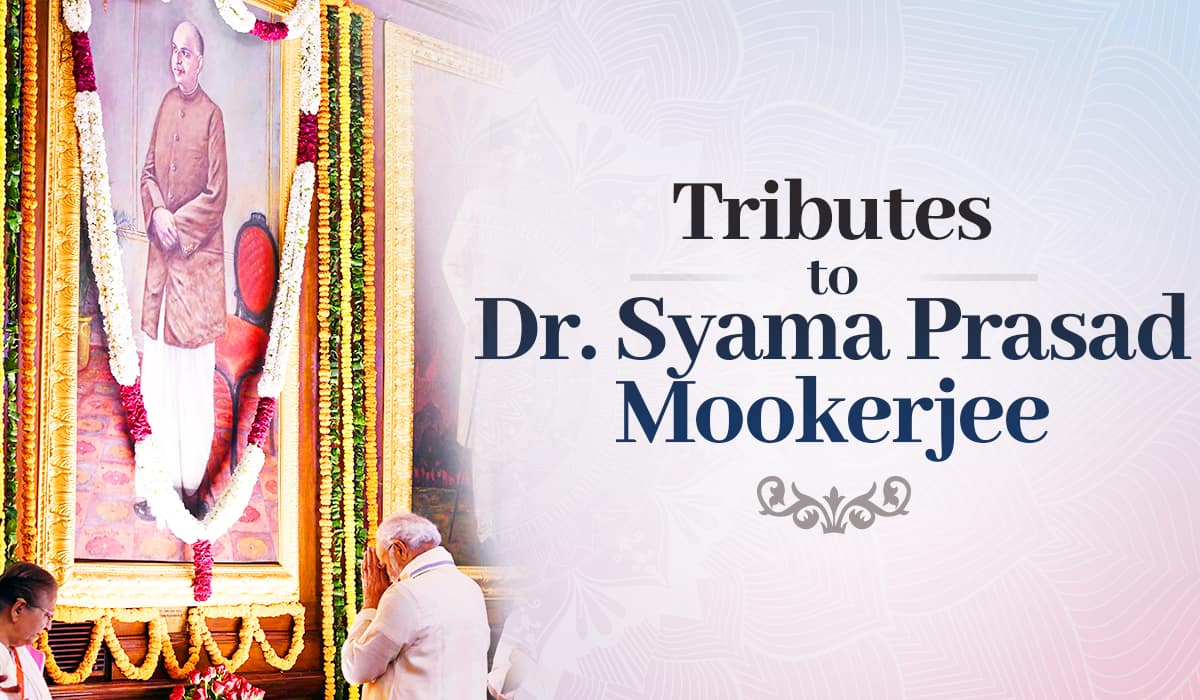
ಇಂದು, ಜುಲೈ 6, ರಾಷ್ಟ್ರೀಯತೆ ಮತ್ತು ನಿಸ್ವಾರ್ಥ ಸೇವೆಯ ಆದರ್ಶಗಳನ್ನು ಗೌರವಿಸುವ ಅಸಂಖ್ಯಾತ ಜನರಿಗೆ ವಿಶೇಷ ದಿನವಾಗಿದೆ. ನಾವು ಡಾ. ಶ್ಯಾಮ ಪ್ರಸಾದ್ ಮುಖರ್ಜಿಯವರ 125ನೇ ಜನ್ಮ ಜಯಂತಿಯನ್ನು ಸ್ಮರಿಸುತ್ತಿದ್ದೇವೆ. ಅವರ ಜೀವನವು ಮಾ ಭಾರತಿಯ ಬಗೆಗಿನ ಧೈರ್ಯ ಮತ್ತು ಅಚಲ ಬದ್ಧತೆಗೆ ಎಂದೆಂದಿಗೂ ಮಾದರಿಯಾಗಿದೆ. ಆಧುನಿಕ ಭಾರತದಲ್ಲಿ ಡಾ. ಶ್ಯಾಮ ಪ್ರಸಾದ್ ಮುಖರ್ಜಿಯವರಷ್ಟು ಆಳವಾಗಿ ಬುದ್ಧಿವಂತಿಕೆ, ಸಾರ್ವಜನಿಕ ಸೇವೆ ಮತ್ತು ನೈತಿಕ ದೃಢತೆಯ ಸಂಗಮವನ್ನು ಹೊಂದಿದ್ದ ನಾಯಕರು ಬಹಳ ಕಡಿಮೆ.
ಯುವ ಶ್ಯಾಮ ಪ್ರಸಾದ್ ರವರು ತಮಗೆ ಸುಲಭವಾಗಿ, ಸಂರಕ್ಷಿತ ಮತ್ತು ಸುಖಮಯ ಜೀವನವನ್ನು ನೀಡಬಲ್ಲಂತಹ ಪರಿಸರದಲ್ಲಿ ಜನಿಸಿದ್ದರು. ಅವರ ತಂದೆ ಸರ್ ಅಶುತೋಷ್ ಮುಖರ್ಜಿಯವರು ಆ ಕಾಲದ ಪ್ರಮುಖ ಶಿಕ್ಷಣ ತಜ್ಞರು ಮತ್ತು ಬುದ್ಧಿಜೀವಿಗಳಲ್ಲಿ ಒಬ್ಬರಾಗಿದ್ದರು. ಆದರೆ, ವಿಧಿಯು ಅವರ ಮುಂದೆ ಸೌಲಭ್ಯಗಳ ಹಾದಿಯನ್ನು ಇರಿಸಿದ್ದರೂ, ಅವರ ಆತ್ಮಸಾಕ್ಷಿಯು ಅವರನ್ನು ತ್ಯಾಗ ಮತ್ತು ರಾಷ್ಟ್ರ ಸೇವೆಯ ಹಾದಿಯತ್ತ ಕೊಂಡೊಯ್ಯಿತು. ವಸಾಹತುಶಾಹಿ, ಕೋಮುವಾದ, ಮಾನವೀಯ ಸವಾಲುಗಳು ಹೀಗೆ ಆ ಕಾಲದ ಯಾವುದೇ ಪ್ರಕ್ಷುಬ್ಧತೆಯ ವಿಷಯದಲ್ಲಿ ಮೌನ ಪ್ರೇಕ್ಷಕರಾಗಿ ಉಳಿಯಲು ಅವರಿಗೆ ಸಾಧ್ಯವಿರಲಿಲ್ಲ. ಈ ಹಾದಿಯಲ್ಲಿ ಅವರು ತಮ್ಮ ಶಿಶುವಿನ ಮರಣ ಮತ್ತು ನಂತರ ಪತ್ನಿಯ ಅಗಲಿಕೆಯಂತಹ ಆಳವಾದ ವೈಯಕ್ತಿಕ ದುರಂತಗಳನ್ನು ಅನುಭವಿಸಿದರು. ಆದರೂ, ಈ ದುರಂತಗಳು ಅವರ ಸಂಕಲ್ಪವನ್ನು ಇನ್ನಷ್ಟು ದೃಢಗೊಳಿಸಿದವು ಮತ್ತು ಸೇವೆಯ ಬಗೆಗಿನ ಅವರ ಬದ್ಧತೆಯನ್ನು ಹೆಚ್ಚಿಸಿದವು.
ಡಾ. ಶ್ಯಾಮ ಪ್ರಸಾದ್ ಮುಖರ್ಜಿಯವರ ಸಾರ್ವಜನಿಕ ಜೀವನವನ್ನು ವ್ಯಾಖ್ಯಾನಿಸುವ ಒಂದು ಆದರ್ಶವಿದ್ದರೆ, ಅದು ಭಾರತದ ಅವಿಭಾಜ್ಯತೆ. ದೇಶ ವಿಭಜನೆಯ ಪ್ರಕ್ಷುಬ್ಧತೆಯ ಸಂದರ್ಭದಲ್ಲಿ ಪಶ್ಚಿಮ ಬಂಗಾಳ ಭಾರತದ ಅವಿಭಾಜ್ಯ ಅಂಗವಾಗಿ ಉಳಿಯುವುದನ್ನು ಖಚಿತಪಡಿಸಿಕೊಳ್ಳಲು ಅವರು ದೃಢವಾಗಿ ನಿಂತರು. ಕೆಲವು ವರ್ಷಗಳ ನಂತರ, ಅದೇ ದೃಢ ನಂಬಿಕೆ ಅವರನ್ನು ಜಮ್ಮು ಮತ್ತು ಕಾಶ್ಮೀರದತ್ತ ಸೆಳೆಯಿತು. ಸೆರೆವಾಸ ಅವರನ್ನು ನಿರುತ್ಸಾಹಗೊಳಿಸಲಿಲ್ಲ ಮತ್ತು ಏಕಾಂತತೆ ಅವರನ್ನು ಕುಗ್ಗಿಸಲಿಲ್ಲ. ತಾವು ಯಾರ ಹಿತಕ್ಕಾಗಿ ಹೋರಾಡಿದ್ದರೋ, ಅಂತಹ ಅಸಂಖ್ಯಾತ ಜನರಿಂದ ದೂರವಿದ್ದಾಗಲೇ ಬಂಧನದಲ್ಲಿ ಅವರ ಜೀವನವು ಅಕಾಲಿಕವಾಗಿ ಕೊನೆಗೊಂಡಿತು. ಇತಿಹಾಸದಲ್ಲಿ ಒಬ್ಬ ವ್ಯಕ್ತಿಯ ಅಂತಿಮ ತ್ಯಾಗವು ರಾಜಕೀಯವನ್ನು ಮೀರಿ ರಾಷ್ಟ್ರೀಯ ಸ್ಮರಣೆಯ ಭಾಗವಾಗುವ ಕೆಲವು ಕ್ಷಣಗಳು ಬರುತ್ತವೆ. ಡಾ. ಮುಖರ್ಜಿಯವರ ಕೊನೆಯ ಪಯಣ ಅಂತಹ ಒಂದು ಕ್ಷಣವಾಗಿದೆ. ಆಚಾರ್ಯ ವಿನೋಬಾ ಭಾವೆಯವರು, "ಡಾ. ಮುಖರ್ಜಿಯವರು ತಮಗೆ ನಂಬಿಕೆಯಿದ್ದ ಉದ್ದೇಶಕ್ಕಾಗಿ ತಮ್ಮನ್ನೇ ಬಲಿದಾನ ಮಾಡಿಕೊಂಡರು" ಎಂದು ಹೇಳಿದ್ದರು. ಹಲವು ವರ್ಷಗಳ ನಂತರ, 2019ರಲ್ಲಿ ಜಮ್ಮು ಮತ್ತು ಕಾಶ್ಮೀರಕ್ಕೆ ಸಂಬಂಧಿಸಿದ 370 ಮತ್ತು 35(ಎ) ವಿಧಿಗಳ ರದ್ದು ಅವರ ಹುತಾತ್ಮತೆಗೆ ನೀಡಿದ ಅತ್ಯಂತ ಸೂಕ್ತ ಗೌರವವಾಗಿದೆ.
ಡಾ. ಮುಖರ್ಜಿಯವರು ಭಾರತಕ್ಕೆ ಮತ್ತು ಭಾರತೀಯ ಮೌಲ್ಯಗಳಿಗೆ ಮೊದಲ ಆದ್ಯತೆ ನೀಡಿದರು. ಆ ಕಾಲದ ಸಾಂಪ್ರದಾಯಿಕ ಮನಸ್ಥಿತಿಯನ್ನು ವಿರೋಧಿಸುವ ಸಂಸ್ಥೆಗಳನ್ನು ನಿರ್ಮಿಸುವ ಮತ್ತು ವ್ಯವಸ್ಥೆಗಳನ್ನು ರೂಪಿಸುವ ಮೂಲಕ ಅವರು ಇದನ್ನು ಸಾಧಿಸಿದರು. ಅವರು ಕಲ್ಕತ್ತಾ ವಿಶ್ವವಿದ್ಯಾನಿಲಯದ ಅತಿಕಿರಿಯ ಉಪಕುಲಪತಿಯಾದರು. ತಮ್ಮ ವಿಶಿಷ್ಟ ಶೈಲಿಯಲ್ಲಿ, ದೇಶಭಕ್ತಿಯುತ ಮತ್ತು ಭವಿಷ್ಯದ ದೃಷ್ಟಿಯುಳ್ಳ ಸಕಾರಾತ್ಮಕ ಬದಲಾವಣೆಗಳನ್ನು ಅವರು ತಂದರು. ಶಿಕ್ಷಣ ತಜ್ಞರ ಸಮಾವೇಶವೊಂದರಲ್ಲಿ ಮಾತನಾಡುತ್ತಾ, ಡಾ. ಮುಖರ್ಜಿಯವರು, "ಶೈಕ್ಷಣಿಕ ಸಂಸ್ಥೆಗಳನ್ನು ಕೇವಲ ಗುಮಾಸ್ತರು ಮತ್ತು ಕಡಿಮೆ ಸಂಬಳ ಪಡೆಯುವ ಸಿಬ್ಬಂದಿಯನ್ನು ಸಿದ್ಧಪಡಿಸುವ ಕಾರ್ಖಾನೆಗಳೆಂದು ನೋಡುವುದು ತಪ್ಪು. ನಾವು ಪುರಸಭೆಗಳು, ಪ್ರಾಂತೀಯ ಮತ್ತು ಕೇಂದ್ರ ಶಾಸನಸಭೆಗಳಂತಹ ನಮ್ಮ ಸ್ವಯಂ-ಆಡಳಿತ ಸಂಸ್ಥೆಗಳಿಗೆ ನಾಯಕತ್ವವನ್ನು ನೀಡಬಲ್ಲ ಹಾಗೂ ಹಣಕಾಸು, ವಾಣಿಜ್ಯ ಮತ್ತು ಕೈಗಾರಿಕಾ ಕ್ಷೇತ್ರಗಳಂತಹ ಜೀವನದ ವಿವಿಧ ಕ್ಷೇತ್ರಗಳಲ್ಲಿ ವ್ಯವಹಾರಗಳನ್ನು ನಿರ್ವಹಿಸಬಲ್ಲ ವಿದ್ಯಾರ್ಥಿಗಳನ್ನು ಸಿದ್ಧಪಡಿಸಬೇಕು" ಎಂದು ಅವರು ಅದ್ಭುತವಾಗಿ ಹೇಳಿದ್ದರು.
ಅವರ ನೇತೃತ್ವದಲ್ಲಿ, ಕಲ್ಕತ್ತಾ ವಿಶ್ವವಿದ್ಯಾನಿಲಯವು ಗ್ರಂಥಾಲಯದ ಮೂಲಸೌಕರ್ಯಗಳನ್ನು ಸುಧಾರಿಸುವುದು, ವಿಜ್ಞಾನದಲ್ಲಿ ಸಂಶೋಧನೆಯನ್ನು ಉತ್ತೇಜಿಸುವುದು, ಕಲಾಕೃತಿಗಳ ಅಧ್ಯಯನವನ್ನು ಪ್ರೋತ್ಸಾಹಿಸುವುದು ಮತ್ತು ಕೃಷಿಯಲ್ಲಿ ಕೋರ್ಸ್ಗಳನ್ನು ಸ್ಥಾಪಿಸುವಂತಹ ವಿಶಿಷ್ಟ ಪ್ರಯತ್ನಗಳನ್ನು ಕೈಗೊಂಡಿತು. ಕ್ರೀಡೆ, ಶಿಕ್ಷಕರ ತರಬೇತಿ ಮತ್ತು ವಿದ್ಯಾರ್ಥಿ ಕಲ್ಯಾಣದಂತಹ ಕ್ಷೇತ್ರಗಳತ್ತ ಅವರು ಗಮನ ಸೆಳೆದರು. ವಿದ್ಯಾರ್ಥಿಗಳು ಮತ್ತು ಹಳೆಯ ವಿದ್ಯಾರ್ಥಿಗಳಲ್ಲಿ ಹೆಮ್ಮೆಯ ಭಾವನೆಯನ್ನು ಮೂಡಿಸಲು, ಅವರು ಜನವರಿ 24 ಅನ್ನು ವಿಶ್ವವಿದ್ಯಾನಿಲಯದ ಸ್ಥಾಪನಾ ದಿನವನ್ನಾಗಿ ಆಚರಿಸುವ ಪದ್ಧತಿಯನ್ನು ಪ್ರಾರಂಭಿಸಿದರು. ವಿಶ್ವವಿದ್ಯಾನಿಲಯಕ್ಕಾಗಿ ಗೀತೆ ರಚಿಸಲು ಅವರು ಸ್ವತಃ ಗುರುದೇವ ಟ್ಯಾಗೋರ್ ಅವರನ್ನೇ ಕೋರಿದ್ದರು.
ಈ ಮನೋಭಾವದ ಮತ್ತೊಂದು ಉದಾಹರಣೆಯನ್ನು ಅವರ ಜೀವನದ ನಂತರದ ಭಾಗದಲ್ಲಿ, ಅವರು ಭಾರತೀಯ ಜನಸಂಘವನ್ನು ಸ್ಥಾಪಿಸಲು ನಿರ್ಧರಿಸಿದಾಗ ಕಾಣಬಹುದು. ಕಾಂಗ್ರೆಸ್ ಪಕ್ಷವು ಸರ್ವವ್ಯಾಪಿಯಾಗಿದ್ದ ಸಮಯದಲ್ಲಿ, ನಮ್ಮ ಸಾಂಸ್ಕೃತಿಕ ಬೇರುಗಳೊಂದಿಗೆ ಸಂಪರ್ಕ ಹೊಂದಿರುವಂತೆಯೇ ಭಾರತದ ಪ್ರಗತಿಗಾಗಿ ಧ್ವನಿ ಎತ್ತಲು ಪರ್ಯಾಯ ವೇದಿಕೆಯ ಅಗತ್ಯವಿದೆ ಎಂದು ಅವರು ಭಾವಿಸಿದರು. ಪಕ್ಷದ ಚಿಹ್ನೆಯು ಮಣ್ಣಿನ ದೀಪವಾಗಿದ್ದುದು ಬಹಳ ಅರ್ಥಪೂರ್ಣವಾಗಿತ್ತು. ಒಂದು ದೀಪವು ಚಿಕ್ಕದಾಗಿ ಕಾಣಿಸಬಹುದು, ಆದರೆ ಅದು ತನ್ನ ಸುತ್ತಲಿನ ಕತ್ತಲೆಯನ್ನು ಹೋಗಲಾಡಿಸುವ ಶಕ್ತಿಯನ್ನು ಹೊಂದಿದೆ. ಜನಸಂಘವು ಸಕ್ರಿಯವಾಗಿದ್ದ ವರ್ಷಗಳಲ್ಲಿ ಮತ್ತು ನಂತರದ ದಿನಗಳಲ್ಲಿ ಮಾಡಿದ್ದು ಕೂಡ ಇದನ್ನೇ.
ಭಾರತದ ಕೈಗಾರಿಕಾ ಮತ್ತು ಪೂರೈಕೆ ಸಚಿವರಾಗಿ ಡಾ. ಶ್ಯಾಮ ಪ್ರಸಾದ್ ಮುಖರ್ಜಿ ಅವರ ಅಧಿಕಾರಾವಧಿಯು, ಅಭಿವೃದ್ಧಿಯ ಕುರಿತಾದ ಅವರ ಸಮಗ್ರ ಮತ್ತು ಮಾನವೀಯ ದೃಷ್ಟಿಕೋನವನ್ನು ಹೊಂದಿದ್ದ ಒಬ್ಬ ರಾಜನೀತಿಜ್ಞರನ್ನು ಅನಾವರಣಗೊಳಿಸುತ್ತದೆ. ಅವರು ಕೈಗಾರಿಕೆಯನ್ನು ನವತಂತ್ರದ ಭಾರತಕ್ಕೆ ಘನತೆ, ಅವಕಾಶ ಮತ್ತು ಆತ್ಮವಿಶ್ವಾಸವನ್ನು ಮರಳಿ ತರುವ ಸಾಧನವಾಗಿ ನೋಡಿದರು. ಅವರು ಸಂಪತ್ತಿನ ಸೃಷ್ಟಿ ಮತ್ತು ಮೌಲ್ಯವರ್ಧನೆಯನ್ನು ಗೌರವಿಸಿದರು. ದಾಮೋದರ ವ್ಯಾಲಿ ಕಾರ್ಪೊರೇಷನ್, ಸಿಂಧ್ರಿ ರಸಗೊಬ್ಬರ ಕಾರ್ಖಾನೆ ಮತ್ತು ಬಲಿಷ್ಠ ಕೈಗಾರಿಕಾ ನೀತಿಯಂತಹ ಪ್ರವರ್ತಕ ಉಪಕ್ರಮಗಳ ಮೂಲಕ ಆಧುನಿಕ ಕೈಗಾರಿಕಾ ಭಾರತದ ಅಡಿಪಾಯವನ್ನು ಹಾಕುವಾಗ, ಅವರು ಭಾರತದ ಸಾಂಪ್ರದಾಯಿಕ ಶಕ್ತಿಗಳು ನಿರ್ಲಕ್ಷ್ಯಕ್ಕೆ ಒಳಗಾಗದಂತೆ ಏಕಕಾಲದಲ್ಲಿ ನೋಡಿಕೊಂಡರು. ಕೈಮಗ್ಗ, ಕುಟೀರ ಕೈಗಾರಿಕೆಗಳು, ಕುಶಲಕರ್ಮಿಗಳು ಮತ್ತು ಜವಳಿ ಕಾರ್ಮಿಕರು ಅವರಲ್ಲಿ ಸಮಾನವಾದ ಬದ್ಧತೆಯುಳ್ಳ ಚಾಂಪಿಯನ್ ಅನ್ನು ಕಂಡುಕೊಂಡರು.
ಇಲ್ಲಿ, ನಾನು ವೈಯಕ್ತಿಕ ಅನುಭವವನ್ನು ಹಂಚಿಕೊಳ್ಳಲು ಬಯಸುತ್ತೇನೆ. ಸ್ವಾವಲಂಬನೆಯ ಸ್ಪಷ್ಟ ದೃಷ್ಟಿಯೊಂದಿಗೆ ಡಾ. ಮುಖರ್ಜಿಯವರು ಸ್ಥಾಪಿಸಲು ಶ್ರಮಿಸಿದ ಸಿಂಧ್ರಿ ಕಾರ್ಖಾನೆಯನ್ನು, ಹಲವು ದಶಕಗಳ ಕಾಲ ದೇಶವನ್ನು ಆಳಿದವರು ನಿರ್ಲಕ್ಷಿಸಿದ್ದರು. ನಮ್ಮ ಸರ್ಕಾರಕ್ಕೆ ಅದರ ಪುನರುಜ್ಜೀವನಕ್ಕೆ ಕೊಡುಗೆ ನೀಡುವ ಅವಕಾಶ ದೊರೆತಿದ್ದು ನನ್ನ ಪಾಲಿಗೆ ಹೆಮ್ಮೆಯ ವಿಷಯವಾಗಿದೆ. ಆ ಕಾರ್ಯಕ್ರಮದಲ್ಲಿ ಭಾಗವಹಿಸಿದ್ದು ನಿಜಕ್ಕೂ ಅತ್ಯಂತ ವಿಶೇಷ ಕ್ಷಣಗಳಲ್ಲಿ ಒಂದಾಗಿದೆ.
ಭಾರತದ ನಾಗರಿಕತೆಯ ಪರಂಪರೆಯು ದೀರ್ಘಕಾಲದಿಂದಲೂ ಸಂವಾದ ಮತ್ತು ಚರ್ಚೆಗಳನ್ನು ಸಂಭ್ರಮಿಸಿದೆ. ಡಾ. ಮುಖರ್ಜಿಯವರು ಈ ಪ್ರಜಾಸಾಮಾಜಿಕ ಮನೋಭಾವವನ್ನು ಸಾಕಾರಗೊಳಿಸಿದ್ದರು. ದೇಶ ನಿರ್ಮಾಣದ ಕಾರ್ಯವು, ರಾಜಕೀಯ ಭಿನ್ನಾಭಿಪ್ರಾಯಗಳನ್ನು ಮೀರಿದ್ದು ಎಂದು ನಂಬಿ, ಅವರು ಪಂಡಿತ್ ನೆಹರು ಅವರ ಸಂಪುಟಕ್ಕೆ ಸೇರಿದರು. ಅವರು ಪ್ರಾಮಾಣಿಕತೆಯಿಂದ ಮತ್ತು ರಚನಾತ್ಮಕ ಮನೋಭಾವದಿಂದ ಸೇವೆ ಸಲ್ಲಿಸಿದರು. ಆದರೆ, ರಾಷ್ಟ್ರೀಯ ಪ್ರಾಮುಖ್ಯತೆಯ ಪ್ರಶ್ನೆಗಳು ಭಿನ್ನ ಹಾದಿಯನ್ನು ಬಯಸುತ್ತವೆ ಎಂದು ಅವರಿಗೆ ಅನ್ನಿಸಿದಾಗ, ಅವರು ಘನತೆಯಿಂದ ಅಧಿಕಾರ ತ್ಯಜಿಸಿದರು ಮತ್ತು ರಾಷ್ಟ್ರಕ್ಕೆ ಅಗತ್ಯವೆಂದು ಅವರು ನಂಬಿದ್ದ ರಾಜಕೀಯ ಕೆಲಸಕ್ಕಾಗಿ ತಮ್ಮನ್ನು ಸಂಪೂರ್ಣವಾಗಿ ಸಮರ್ಪಿಸಿಕೊಂಡರು.
75 ವರ್ಷಗಳ ಹಿಂದೆ, ಪಂಡಿತ್ ನೆಹರು ಅವರು ಮೊದಲ ತಿದ್ದುಪಡಿಯನ್ನು ತಂದರು, ಇದು ವಾಕ್ ಸ್ವಾತಂತ್ರ್ಯದ ಮೇಲಿನ ನೇರ ದಾಳಿಯಾಗಿತ್ತು. ಡಾ. ಮುಖರ್ಜಿಯವರು ಇದನ್ನು ತೀವ್ರವಾಗಿ ಟೀಕಿಸಿದವರಲ್ಲಿ ಒಬ್ಬರಾಗಿದ್ದರು. ಕಾಂಗ್ರೆಸ್ ಏನು ಮಾಡಲು ಸಮರ್ಥವಾಗಿದೆ ಎಂಬುದನ್ನು ಅವರು ಸಂಪೂರ್ಣವಾಗಿ ಅರಿತಿದ್ದರು. ಮತ್ತು ಅವರು ಹೇಳಿದ್ದು ನಿಜವಾಯಿತು. 75 ವರ್ಷಗಳ ಹಿಂದೆ ಮೊದಲ ತಿದ್ದುಪಡಿಯನ್ನು ತಂದವರು, 1975 ರಲ್ಲಿ ತುರ್ತು ಪರಿಸ್ಥಿತಿಯನ್ನು ಹೇರಿದರು ಮತ್ತು 50 ವರ್ಷಗಳ ಹಿಂದೆ 42ನೇ ತಿದ್ದುಪಡಿ ಕಾಯಿದೆಯನ್ನು ತಂದರು, ಇದು ಮತ್ತೊಮ್ಮೆ ಉದಾರವಾದಿ ಪ್ರಜಾಸತ್ತಾತ್ಮಕ ಮೌಲ್ಯಗಳ ಮೂಲದ ಮೇಲೆ ದಾಳಿ ಮಾಡಿತು.
ಡಾ. ಮುಖರ್ಜಿಯವರು ತಮ್ಮ ಮಾನವೀಯ ಪ್ರಯತ್ನಗಳಿಗಾಗಿಯೂ ಜನಪ್ರಿಯರಾಗಿದ್ದರು. 1943 ರಲ್ಲಿ ಬಂಗಾಳದಲ್ಲಿ ಅತಿ ಭೀಕರ ಬರಗಾಲ ಉಂಟಾದಾಗ, ಡಾ. ಮುಖರ್ಜಿಯವರು ಸಂತ್ರಸ್ತರಿಗೆ ಸೇವೆ ಸಲ್ಲಿಸುವುದರಲ್ಲಿ ಮಗ್ನರಾದರು. ಜನರಿಗೆ ಆಹಾರ ಒದಗಿಸಲು ಹಲವಾರು ಕ್ಯಾಂಟೀನ್ಗಳು ಮತ್ತು ಪರಿಹಾರ ಕೇಂದ್ರಗಳನ್ನು ತೆರೆಯುವುದನ್ನು ಅವರು ಖಚಿತಪಡಿಸಿದರು. ಒಂದು ಕಡೆ, ಅವರು ತಮ್ಮ ಜನರ ಸಂಕಷ್ಟದಿಂದ ತೀವ್ರವಾಗಿ ನೊಂದಿದ್ದರೆ, ಇನ್ನೊಂದೆಡೆ ವಸಾಹತುಶಾಹಿ ಆಡಳಿತಗಾರರ ಸಂವೇದನಾಹೀನತೆಯು ಅವರನ್ನು ಅಸಹ್ಯಪಡುವಂತೆ ಮಾಡಿತ್ತು. ಅವರು 'ಪಂಚಶೇರ್ ಮನ್ವಾಂತರ್' (ಐವತ್ತರ ಕ್ಷಾಮ) ಎಂಬ ಪುಸ್ತಕವನ್ನೂ ಬರೆದರು, ಅದರಲ್ಲಿ ಅವರು ತಮ್ಮ ನೋವನ್ನು ವ್ಯಕ್ತಪಡಿಸಿದರು. 1942 ರಲ್ಲಿ ಮಿಡ್ನಾಪುರದಲ್ಲಿ ಸೂಪರ್ ಸೈಕ್ಲೋನ್ ಅಪ್ಪಳಿಸಿದಾಗ, ಪರಿಸ್ಥಿತಿಯನ್ನು ಸಾಮಾನ್ಯ ಸ್ಥಿತಿಗೆ ತರಲು ಅವರು ಮಾಡಿದ ಪ್ರಯತ್ನಗಳು ವ್ಯಾಪಕವಾಗಿ ಶ್ಲಾಘನೆಗೆ ಒಳಗಾದವು.
ಕೋಲ್ಕತ್ತಾದ ಕಾಲೇಜೊಂದರಲ್ಲಿ ಮಾತನಾಡುತ್ತಾ, ಡಾ. ಮುಖರ್ಜಿಯವರು "ನೀವು ಯಾವುದೇ ಕೆಲಸವನ್ನು ಕೈಗೆತ್ತಿಕೊಂಡರೂ, ಅದನ್ನು ಗಂಭೀರವಾಗಿ, ಸಂಪೂರ್ಣವಾಗಿ ಮತ್ತು ಚೆನ್ನಾಗಿ ಮಾಡಿ; ಅದನ್ನು ಅರ್ಧಕ್ಕೆ ಬಿಡಬೇಡಿ ಅಥವಾ ಅಪೂರ್ಣವಾಗಿ ಬಿಡಬೇಡಿ, ನೀವು ನಿಮ್ಮ ಅತ್ಯುತ್ತಮ ಪ್ರಯತ್ನವನ್ನು ನೀಡುವವರೆಗೂ ಎಂದಿಗೂ ತೃಪ್ತರಾಗಬೇಡಿ." ಎಂದು ಅವರು ಯುವಕರಿಗೆ ಕರೆ ನೀಡಿದರು. ಭಾರತವು 'ವಿಕಸಿತ ಭಾರತ'ದ ಗುರಿಯತ್ತ ಮುನ್ನಡೆಯುತ್ತಿರುವಾಗ, ನಾವು ಅವರಿಗೆ ಸಲ್ಲಿಸಬಹುದಾದ ಅತ್ಯುತ್ತಮ ಗೌರವವೆಂದರೆ, ಅವರು ಆಳವಾಗಿ ನಂಬಿದ್ದ ಬಲಿಷ್ಠ, ಸಂಘಟಿತ, ಆತ್ಮವಿಶ್ವಾಸವುಳ್ಳ ಮತ್ತು ಸಹಾನುಭೂತಿಯುಳ್ಳ ಭಾರತವನ್ನು ನಿರ್ಮಿಸಲು ಪ್ರತಿದಿನ ಶ್ರಮಿಸುವುದು. ಮತ್ತು ಇಂದಿನ ಯುವಕರನ್ನು ನೋಡಿದಾಗ, ಅವರು ಸಂದರ್ಭಕ್ಕೆ ತಕ್ಕಂತೆ ಮುಂದೆ ಬಂದು, ನಿಖರವಾಗಿ ಅದನ್ನೇ ಮಾಡುತ್ತಾರೆ ಎಂಬ ದೃಢವಾದ ನಂಬಿಕೆ ನನಗಿದೆ.
- ಪ್ರಧಾನಮಂತ್ರಿ ಶ್ರೀ ನರೇಂದ್ರ ಮೋದಿ