“The people of Bengal carry the spirit of Nation First even in tourism. And today, as connectivity is expanding in the country and the railways, highways, I-ways and the waterways are becoming modern, Ease of Travel is also expanding equally. The people of Bengal are also getting a huge benefit out of this”.
Prime Minister Narendra Modi, December 2022
Under the leadership of Prime Minister Narendra Modi, West Bengal has witnessed a plethora of transformative changes across various sectors, marking a significant shift in its developmental landscape. From infrastructure to healthcare, from financial inclusion to rural development, the state has seen substantial progress under the Modi government's tenure.
Beginning with infrastructure development, the railways sector has undergone a remarkable transformation. Over the period from 2014 to 2023, West Bengal saw the commissioning of over 1,100 kilometers of railway sections. The fiscal year 2023-24 witnessed an unprecedented budget outlay of Rs. 11,970 crore for railway projects in the state, marking a 173% increase compared to the average annual budget outlay from 2009 to 2014. Additionally, 44 ongoing projects covering a total length of 4,209 kilometers of railway lines are underway. Moreover, initiatives like the Amrit Bharat Station Scheme aim to develop 98 railway stations in West Bengal, further enhancing connectivity and transportation infrastructure.
When it comes to rural roads, the Modi government constructed over 21,000 kms of rural roads in West Bengal. In terms of highways, West Bengal has seen substantial improvements in its road network. Since 2014, National Highways Authority of India (NHAI) has constructed over 1,200 kilometers of roads in the state, with an additional 2,171 kilometers upgraded and improved over the past ten years.
In addition to the remarkable strides made in roads and railways, the Modi government's tenure has witnessed substantial progress in addressing basic necessities, further enhancing the quality of life for the people of West Bengal. Under the Pradhan Mantri Awas Yojana (Gramin), over 34 lakh houses have been completed in rural areas, providing shelter to thousands of families and contributing to rural development. Additionally, the Pradhan Mantri Awas Yojana (Urban) has facilitated the completion of over 3.6 lakh houses in urban areas, addressing the housing needs of the urban populace. Additionally, 7.32 lakh households in West Bengal have been electrified, bringing light and power to previously underserved areas and improving the overall quality of life for residents.
Sanitation infrastructure in west Bengal has also received significant attention, with the construction of over 81 lakh toilets under the Swachh Bharat Mission. Additionally, efforts to achieve Open Defecation Free (ODF+) status have been successful in over 32,800 villages in West Bengal, reflecting the government's commitment to improving sanitation and hygiene practices across the state.
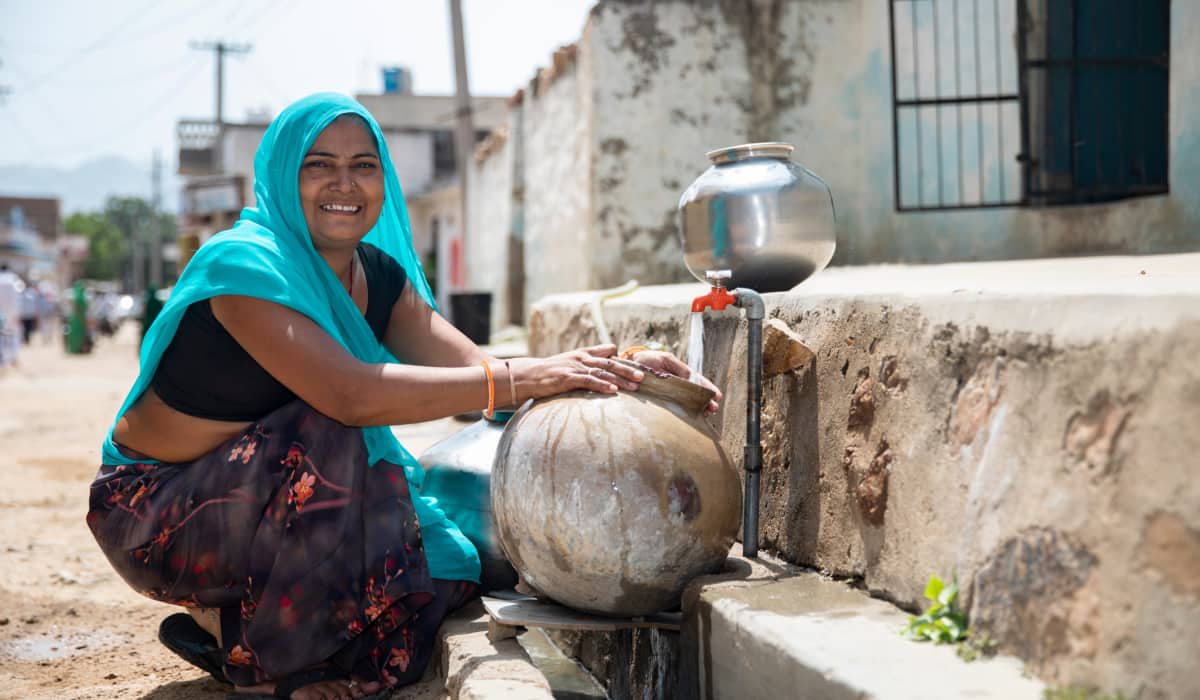
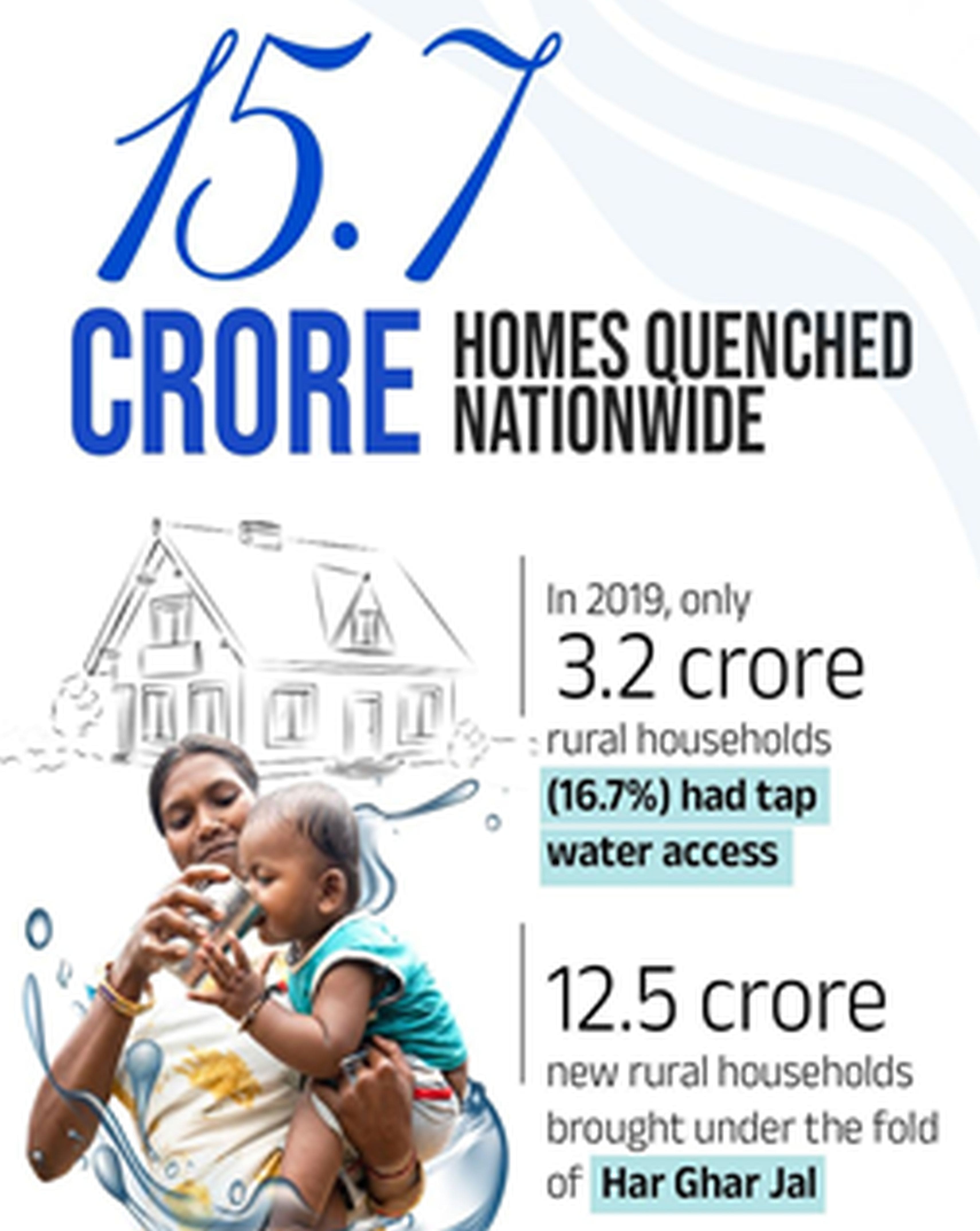
Furthermore, access to clean and safe drinking water has been significantly improved through the Jal Jeevan Mission, with more than 73 lakh additional rural households in West Bengal being provided with tap water connections. This initiative has not only ensured access to potable water but has also promoted public health and sanitation in rural communities.
Moreover, substantial progress has been achieved in enhancing healthcare infrastructure, with the completion and operationalization of AIIMS Kalyani and the approval for the upgradation of four medical colleges in West Bengal. Additionally, the establishment of State Cancer Institutes and 11 new medical colleges across various districts underscores the government's commitment to providing quality healthcare services to the people of West Bengal.
Tourism infrastructure development like the Swadesh Darshan scheme and PRASAD scheme have also enhanced the state's tourism potential, with projects like the Beach Circuit and development at Belur Math attracting tourists and fostering economic growth in the region.
Financial inclusion has been another key area of focus, with 4.87 crore bank accounts opened in West Bengal under the Pradhan Mantri Jan Dhan Yojana. This initiative has played a pivotal role in bringing banking services to the doorsteps of millions, thereby fostering financial empowerment and inclusion among the masses.
Women empowerment has been prioritized through initiatives such as the mobilization of 1.2 crore women from rural households into 11.78 lakh Self Help Groups (SHGs) under the Deendayal Antyodaya Yojana-National Rural Livelihood Mission (DAY-NRLM). Furthermore, schemes like Mission Saksham Anganwadi & Poshan 2.0 have facilitated the operationalization of 1.19 lakh Anganwadi Centres, benefiting over 97 lakh beneficiaries. The establishment of 34 Shakti Sadans and the registration of over 77,000 women-owned MSMEs on the Udyam Registration Portal have further bolstered women's economic empowerment in the state.
Farmers have witnessed significant strides in empowerment, with over 51.14 lakh farmers receiving benefits worth over Rs. 7,380 crore under the PM KISAN scheme. Additionally, interventions such as micro-irrigation under the Per Drop More Crop scheme and participation in the eNAM platform have further enhanced agricultural productivity and market access for farmers in West Bengal.
Efforts towards the empowerment of the poor and marginalized have also yielded promising outcomes, with direct benefit transfers (DBT) amounting to Rs. 42,354 crore in West Bengal during FY 2022-23. Moreover, initiatives like the Pradhan Mantri Shram Yogi Maan-Dhan scheme have provided a monthly pension of Rs. 3,000 to over 1.1 lakh unorganized sector workers in the state, and PM SVANidhi Yojana has extended financial support to more than 1.74 lakh street vendors, while the Post Matric Scholarship Scheme has benefited 2.74 lakh SC students.
Moreover, entrepreneurship and industry have flourished under the support of the Modi government, with over 75 lakh loans sanctioned under the MUDRA Yojana and the recognition of 3,200+ startups under the Startup India initiative. Moreover, the registration of 26.5 lakh MSMEs on the Udyam Portal and the establishment of 5 Software Technology Parks one each at Durgapur, Haldia, Kharagpur, Kolkata and Siliguri, have contributed to the state's economic growth and job creation.
In conclusion, the transformative changes witnessed in West Bengal under PM Modi's leadership encompass wide aspects of daily life, ranging from basic necessities such as housing, access to clean water, electricity, and sanitation, transport infrastructure and financial inclusion and to women empowerment and rural development. These initiatives have not only improved the overall well-being and quality of life for millions but also laid the foundation for a more prosperous and inclusive future for the state.