"Saturation is true secularism. Saturation is true social justice. This saturation is the guarantee of Modi to Goa and the country."
-PM Narendra Modi, At the Viksit Bharat-Viksit Goa Programme
Goa, an Indian state known for its sun-kissed beaches, vibrant culture, and rich heritage, is tucked away along an exquisite coastline. The government, led by Prime Minister Narendra Modi, has performed a pivotal role in raising Goa's status to an outstanding symbol of development and wealth by implementing various programmes, including social welfare initiatives, infrastructure development, and heritage conservation activities. The state has seen unprecedented progress and development under the double-engine government. A great exemplifier of 'Ek Bharat Shreshtha Bharat,' Goa upholds a unique identity among the states in India and is a preferred destination for tourists across the globe.
Every thriving economy is built on its infrastructure. The Modi government, therefore, has given Goa's infrastructure a lot of attention. Prioritising projects like building highways, expanding port infrastructure, and developing airports have given impetus to connectivity and promoted economic growth in the state. In addition to enhancing transportation connections, initiatives like building the country's second-longest cable bridge, Zuari Bridge, and enhancing Mopa International Airport have established the groundwork for Goa's sustainable growth. Developed at around Rs 2,870 crores, the Manohar International Airport of Goa has been built on sustainability principles, a testament to environment-friendly world-class infrastructure.
Every visit of PM Modi to Goa has opened floodgates of new possibilities and rapid growth and development of the state. The foundation stone-laying ceremony for development projects worth 1300 crore rupees occurred in Goa during PM Modi's visit in February 2024. These initiatives, primarily concentrating on tourism, healthcare, and education, will speed up Goa's development. In 2024, the National Institute of Technology and the National Institute of Water Sports opened new campuses to strengthen the state's educational infrastructure.
One of the primary objectives of PM Modi's government's agenda in Goa revolves around guaranteeing the well-being of the state's people. Numerous programmes for social welfare have been implemented in Goa to ensure welfare for all the state's inhabitants. Ayushman Bharat and the Pradhan Mantri Awas Yojana (PMAY) have given affordable housing and healthcare access. At the same time, the Beti Bachao Beti Padhao programme aims to empower women and promote gender equality. Numerous people and families across the state have witnessed profound changes in their lives due to these initiatives.
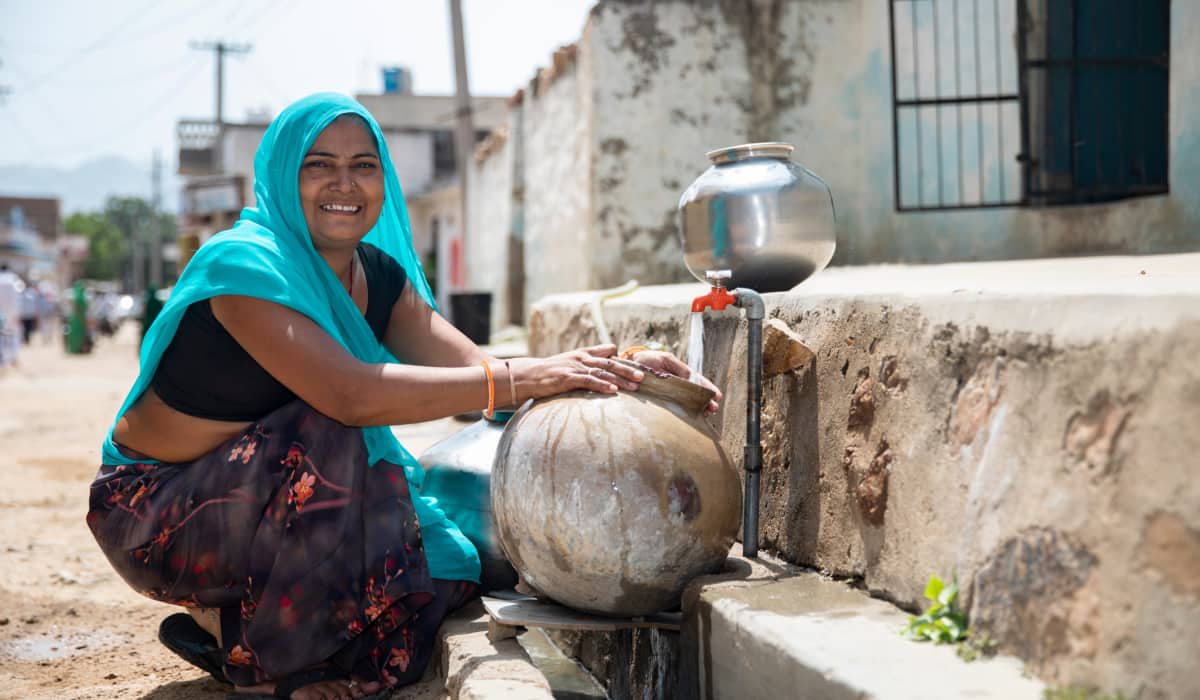
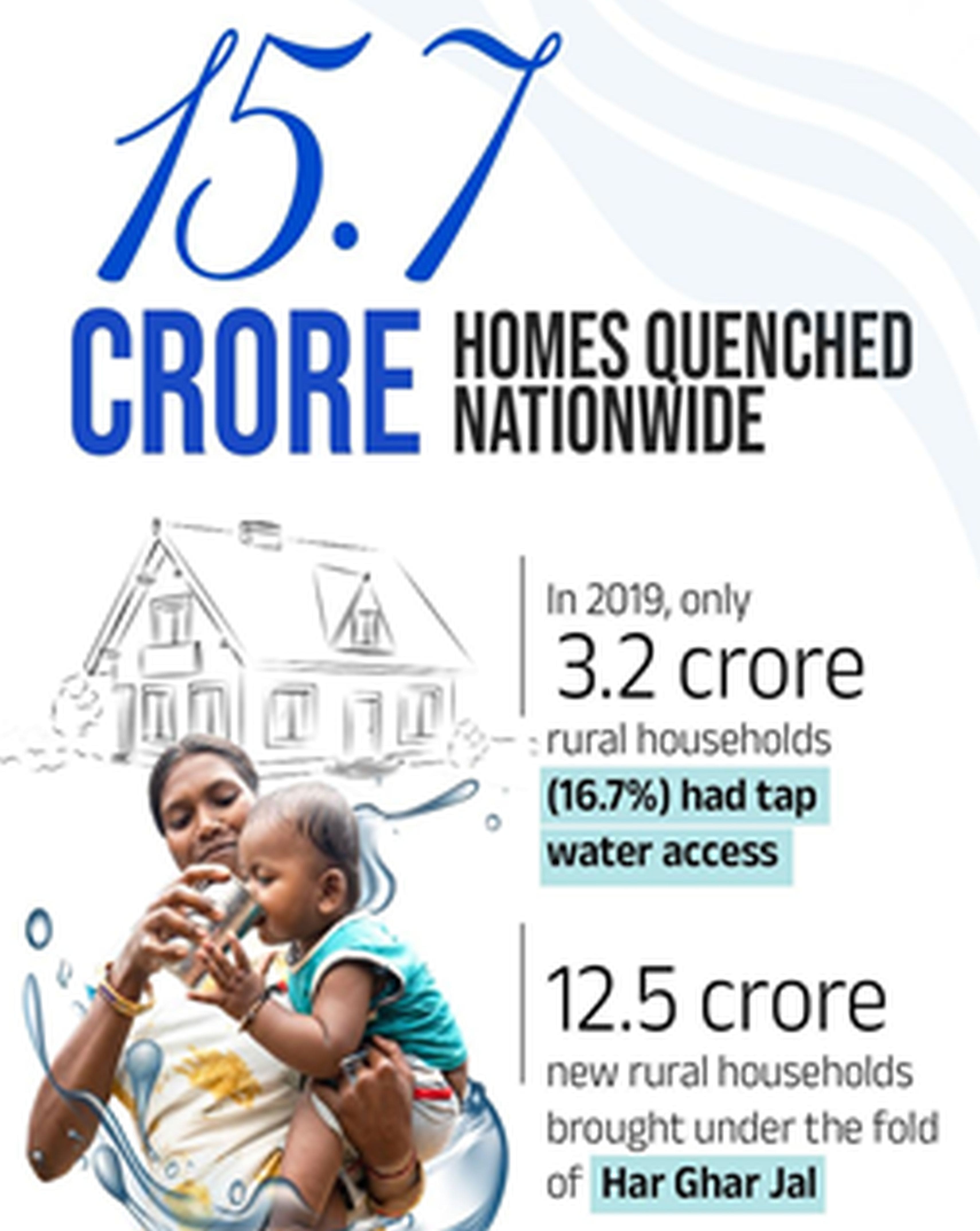
The success of the "Swayampurna Goa" campaign is unprecedented, making its residents among the happiest in the country. With the double-engine government, Goa's development is rapidly progressing. The state boasts 100% household access to piped water, electricity connections, and LPG coverage. Furthermore, Goa is entirely kerosene-free and has achieved a state free from open defecation. It has also reached 100% saturation in numerous flagship schemes of the central government.
The rich cultural legacy of Goa is a source of pride for its people and a draw for visitors from all over the world. The Goa cultural history is being promoted and protected by the Modi government, which understands how important it is to preserve this cultural legacy. To guarantee that Goa's cultural identity stays vibrant and intact for future generations to treasure, efforts have been made to protect historic places, support traditional arts and crafts, and celebrate local festivals. Under Swadesh Darshan 2.0, Porvorim to Colva Beach in Goa has been identified for development as a tourist-friendly destination. Moreover, with the completion of the ropeway linking Panaji to Reis Magos, tourism in the area is expected to surge, accompanied by the development of modern amenities. Due to better connectivity and tourist-friendly infrastructure, Goa witnessed over 4 lakh foreign tourists in 2023.
To maintain Goa's status as a tourist-favoured destination, it is equally necessary to follow sustainability principles. It is essential to preserve Goa's pristine ecology and natural beauty. The biodiversity and ecological balance of the state are being safeguarded by several initiatives launched by the PM Modi-led- government. The government has aggressively backed projects that follow renewable energy and sustainable tourism practices to reduce Goa's carbon footprint and encourage environmentally friendly growth. The Centre sanctioned a project to control pollution in River Sal at Navelim town in Goa for Rs. 61.74 crore in 2018.
Under the visionary leadership of PM Modi, the double-engine government has ushered in an era of growth and prosperity in Goa. The state is witnessing positive outcomes of the policies of the PM Modi-led government. From infrastructure to tourism to making Goa an educational hub, the central government is working towards making Goa a self-reliant state with significant strides. The future of Goa will be shaped by government initiatives that ensure growth for future generations as the state sets off on a path of sustainable development and inclusive progress.