Women's lives in rural India have undergone a complete transformation since 2014. Through several govt. efforts, they have been freed from drudgeries such as travelling miles to fill water, being subjected to smoke-filled kitchens and having no access to a clean toilet. The government has placed paramount importance on enabling women to head change, which is visible through more women opting for micro-financing loans, having access to bank accounts to receive direct benefits, having access to health insurance and much more.
The PM Modi-led government has strived to work towards the holistic empowerment of women in all walks of life. PM Modi’s identification of the unstoppable force of ‘Nari Shakti’ as one of the four essential pillars guiding progress stems from his conviction that while no one can empower women directly, providing opportunities for women to empower themselves is key. He believes that when women thrive, not only does the nation prosper, but the entire world prospers.
Empowering Women Farmers
Women in India's agricultural sector play a significant role in contributing to household income. However, PM Modi's leadership has opened up new opportunities for women, helping them achieve financial independence. Under the PM Kisan Samman Nidhi (PM-KISAN) scheme, over Rs. 57,628 crore has been disbursed to more than 3 crore women beneficiaries (as of June 2023) . The scheme guarantees annual income support of Rs. 6,000, providing socio-economic security in three equal instalments to all land-holding farmer families.
A landmark effort to empower women working in the agriculture sector involves the deployment of 15,000 drones and making 'drone didis' out of women—(SHGs) under the Pradhan Mantri Mahila Kisan Drone Kendras initiative. Under this 'Drone Ki Udaan' program, these SHGs will undergo training on drone operation and maintenance. Additionally, Lead Fertiliser Companies will play a crucial role as operational intermediaries in facilitating the distribution of Nano Urea and pesticides between farmers and SHGs.
Removing Drudgeries, Ensuring Dignity: Easing Women's Lives
In PM Modi’s governance, a multifaceted approach has been adopted to empower women and enhance living conditions. Rural households now have access to clean water, sanitation, energy, and better housing, enabling Nari Shakti to shape a progressive rural India.
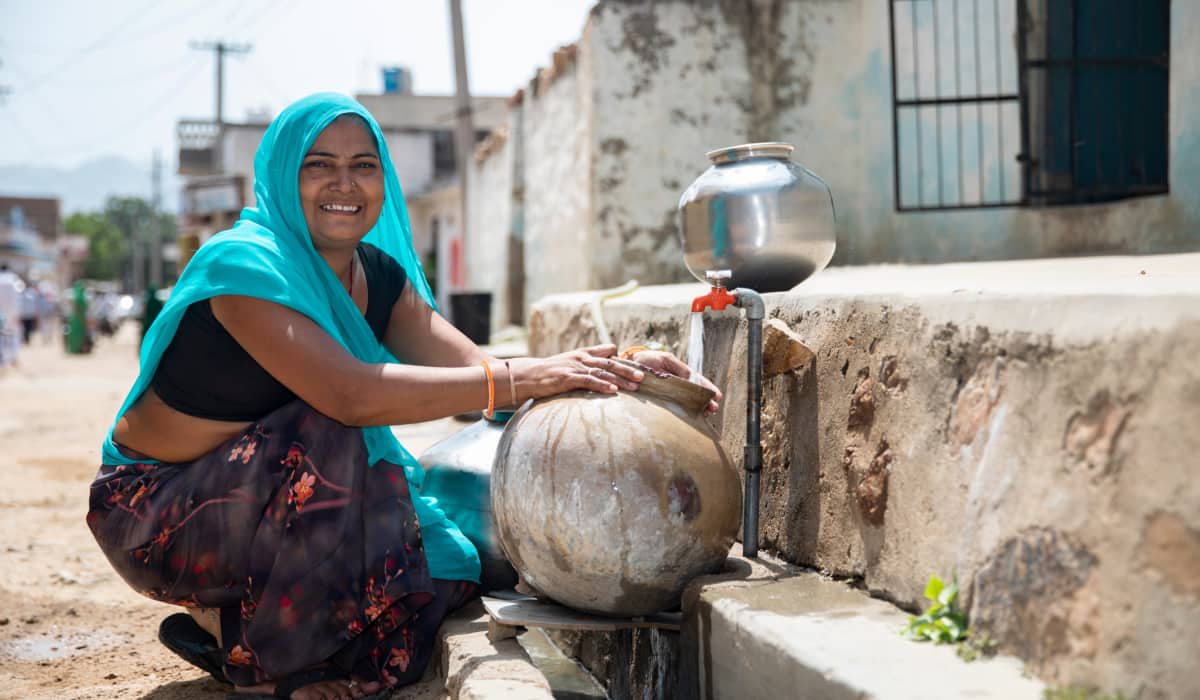
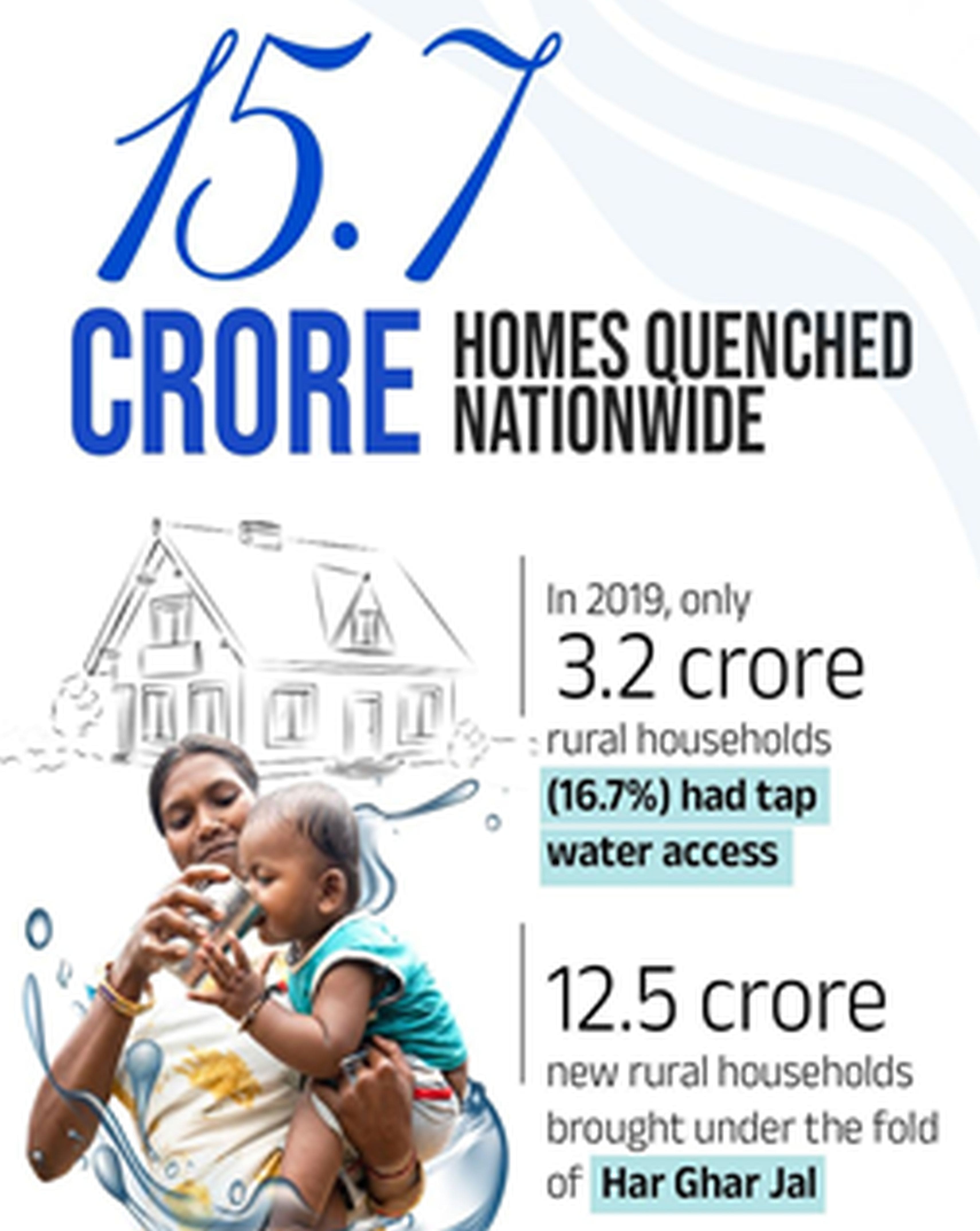
Over 13 crore tap water connections in rural households signify a considerable stride, with 8 states and Union Territories achieving Har Ghar Nal Se Jal status, ensuring 100% coverage. Approximately 10 lakh women have received training in using field safety kits for adequate water supply. Additionally, women constitute 50% of the members in nearly 5 lakh Village Water and Sanitation Committees or paani samitis.
9.8 crore plus LPG connections under PM Ujjwala Yojana have freed women from respiratory illnesses and granted them ownership of these connections. Swachh Bharat Mission’s impact with over 11 crore toilets constructed has not only ensured dignity and safety for women but also resulted in significant financial savings. Rs. 8,000 per household per year was saved in villages where toilets were constructed and villages holding the status of Open Defecation Free+ saw savings amounting to Rs. 24,000 per household per year.
To replace kerosene lamps and ensure access to electricity, the SAUBHAGYA scheme has been instrumental in brightening rural communities and improving the quality of life for countless individuals. Over 2.86 crore electricity connections have illuminated rural areas, rendering kerosene lamps a thing of the past.
PM Awas Yojana or the scheme aimed at ensuring ‘Housing for All" has contributed to dignified living conditions across the nation becoming a reality. India's Nari Shakti has significantly benefited from this scheme, with women gaining ownership of 70% or 2 crore houses constructed under the PM Awas Yojana. For promoting empowerment through property ownership, the scheme stipulates that at least one of the house owners must be a woman, with a specific emphasis on widows, single women, and marginalised communities.
Financially Empowering the Nari Shakti
When PM Modi asserted, "When women prosper, the world prospers," he underscored the pivotal role of women's economic empowerment in driving overall growth. Additionally, he emphasised the transformative impact of women's access to education, noting that an empowered woman not only uplifts her community but also contributes significantly to the progress of the entire nation.
The sanctioning of 43 crore MUDRA loans has facilitated eight crore new households, empowering individuals to realise their entrepreneurial dreams. The PM MUDRA Yojana has supported over 29 crore women entrepreneurs, with each business funded employing at least two people. Remarkably, Stand-Up India has seen over 80% of its beneficiaries being women from mostly SC and ST backgrounds.
A rise in membership in Self-Help Groups also indicates financial empowerment among rural women. 9 crore women are actively known to participate in SHGs, which foster economic independence. Moreover, the PM Jan Dhan Yojana has significantly increased financial inclusion, creating over 50 crore bank accounts, with over 27 crore female beneficiaries. To ensure ease in banking, 99.63% of 6 lakh villages are covered by banking outlets, and over 34 crore RuPay debit cards issued have made banking and transactions more accessible.
Healthier Mothers Building a Healthier Nation
Over 10 crore beneficiaries have availed themselves of the POSHAN Abhiyan- the scheme which ensures women get timely help and guidance about nutritional and balanced diets and preventing several diseases that arise out of an imbalanced diet. Special attention is also given to pregnant and lactating mothers.
Several schemes being implemented for mothers have ensured safer pregnancies, screening diseases and early intervention in treatments leading to healthier mothers. The PM Matru Vandana Yojana has facilitated Direct Benefit Transfer to 3 crore+ pregnant women and lactating mothers (as of August 2023). Health insurance coverage has also been extended to more than 75 crore poor citizens under Ayushman Bharat Cards. Motherhood has relatively become a much more secure experience for women, with an impressive 95% opting for institutional delivery. 3.84 crore antenatal check-ups conducted under PM Surakshit Matritva Abhiyan and 8.27 Crore women screened for Breast Cancer in Ayushman Bharat Health and Wellness Centres have ensured timely intervention for mothers who might be at risk and reducing Maternal Mortality Rate from 130 to 97 lakh per live birth from 2014-16 to 2018-20 respectively.
Thus, from economic empowerment to healthcare, sanitation, and beyond, the impact of schemes aimed at enabling women-led development is tangible, creating a New India that values and nurtures the strengths of its women. As India continues on this path, the resilience and dynamism of Nari Shakti will undoubtedly play a pivotal role in shaping the future landscape of rural India.