"Chhattisgarh is like a powerhouse of development of the country. And the country will also get the push to move forward only when its powerhouses work with their full strength. With this thinking, in the last nine years, we have worked relentlessly for the all-round development of Chhattisgarh. We can see the results of that vision and those policies here today." - PM Narendra Modi, Address at the launch of Rail Sector Projects in Raigarh, Chhattisgarh
Chhattisgarh, a state with a rich cultural legacy and a long history, is located in India's centre. It uniquely combines tradition and modernity as the home of historic temples, forests, and thriving tribal cultures. Despite being rich in natural resources, the state went through various issues ranging from multiple scams by the previous state government to development disparity in tribal areas. The government, led by Prime Minister Narendra Modi, has set out to promote the state's growth while safeguarding its rich cultural heritage and bringing holistic development to the state.
Under the leadership of Prime Minister Narendra Modi, the government has rolled out numerous initiatives in Chhattisgarh to catalyse development across diverse sectors. A major push has been given for infrastructure development in Chhattisgarh since it understands how crucial robust infrastructure is for economic growth and bridging development deficit. Under Prime Minister Modi's leadership, from highways to medical facilities to sports arenas, the government is committed to initiating an infrastructure revolution in Chhattisgarh.
In 2023, Prime Minister Modi unveiled significant rail sector projects valued at approximately Rs. 6,350 crores in Chhattisgarh. These projects encompass the Chhattisgarh East Rail Project Phase-I, the establishment of a third rail line between Champa and Jamga, the creation of a third rail line between Pendra Road to Anuppur, and the implementation of a Merry-Go-Round (MGR) system linking Talaipalli Coal Mine to NTPC Lara Super Thermal Power Station (STPS). These newly developed rail lines are poised to enhance regional connectivity, consequently fostering a rise in tourism and employment prospects.
Additionally, during his visit to the state, the Prime Minister laid the foundation stone for 50-bedded 'critical care blocks' across nine districts of Chhattisgarh. These essential blocks are part of the Pradhan Mantri – Ayushman Bharat Health Infrastructure Mission (PM-ABHIM) and are constructed in Durg, Kondagaon, Rajnandgaon, Gariaband, Jashpur, Surajpur, Surguja, Bastar, and Raigarh Districts. The construction of these blocks, with a collective budget exceeding Rs. 210 crores, reflects the government's commitment to enhancing healthcare infrastructure in the state.
In addition, under the Smart Cities Mission, Raipur and Bilaspur are being developed as smart cities with world-class amenities. A total of 4 infrastructure projects under the Khelo India Scheme are also developed in the state to promote sporting talent. A total of 2103.74 MU of electric power has been generated in the State of Chhattisgarh from various Renewable Energy sources during the financial year 2022-23.
In October 2023, the Modi government launched infrastructure projects valued at approximately Rs 27,000 crore for the state. These efforts aim to enhance connectivity between Chhattisgarh and the rest of the country, focusing on developing roads and railways. Chhattisgarh now has fully electrified railway tracks and is connected with the Vande Bharat Train service. Additionally, over 30 stations in the state are undergoing upgrades under the Amrit Bharat Station Yojana.
A significant infrastructure boost to the state is the launch of NMDC Steel Ltd's Steel Plant in Nagarnar, Bastar district. Constructed at Rs 23,800 crores, this greenfield project will manufacture top-notch steel. Expected to generate thousands of jobs within the plant and its associated industries, the steel plant will elevate Bastar's status in the global steel sector and catalyse socioeconomic progress in the region.
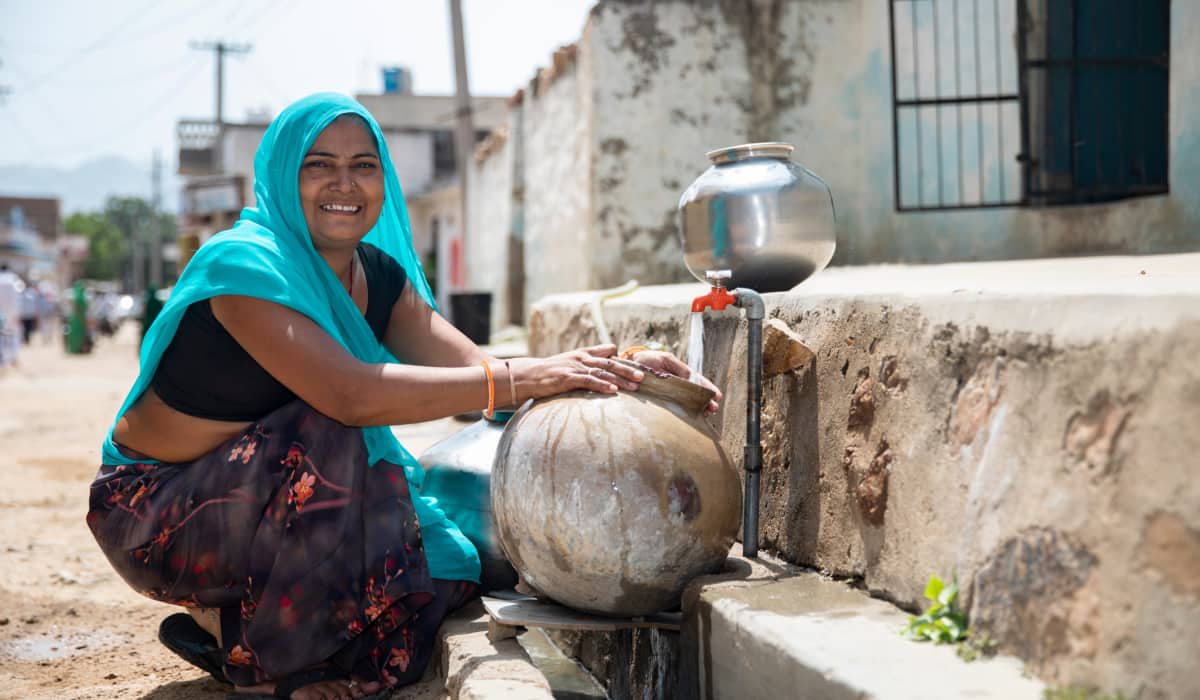
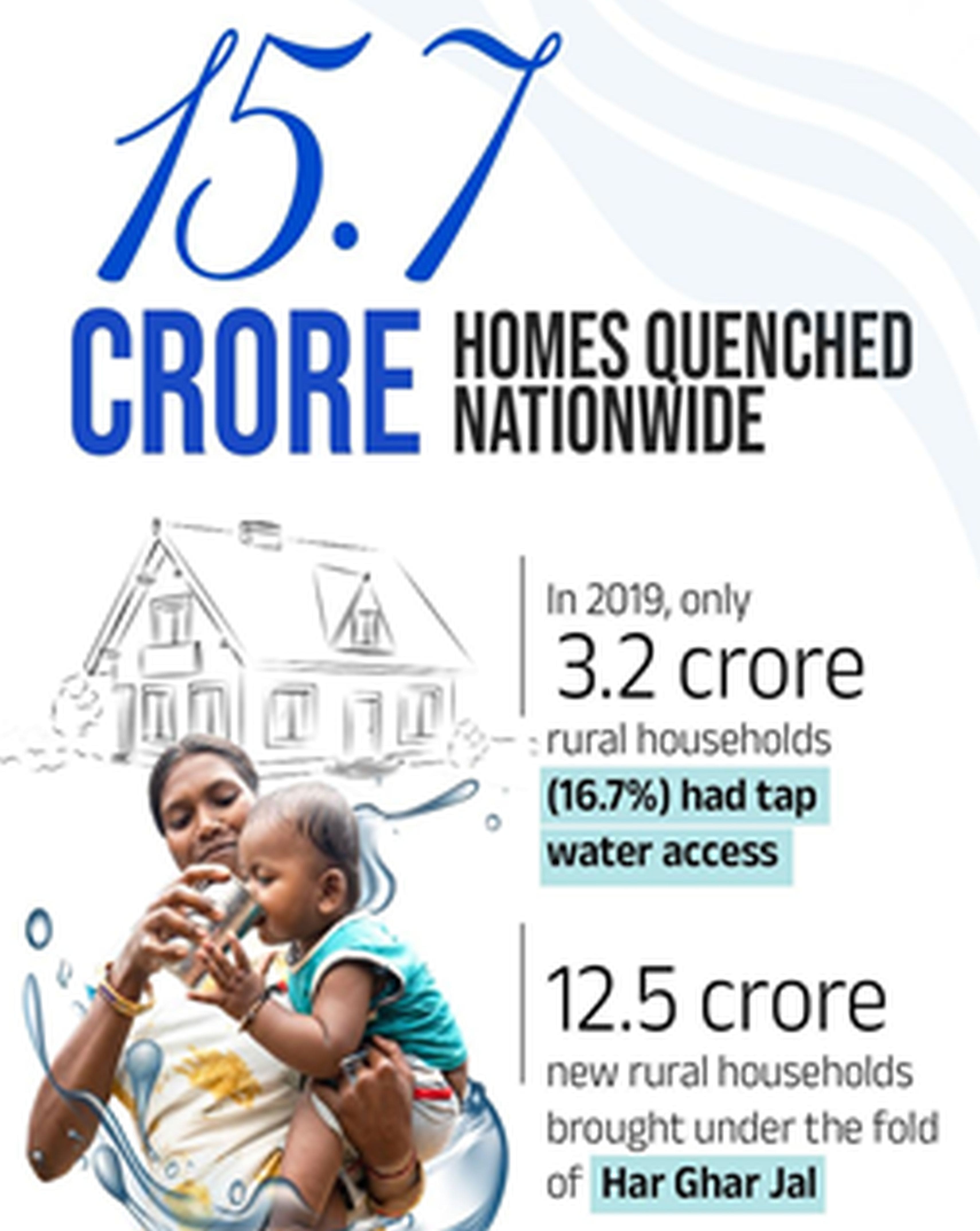
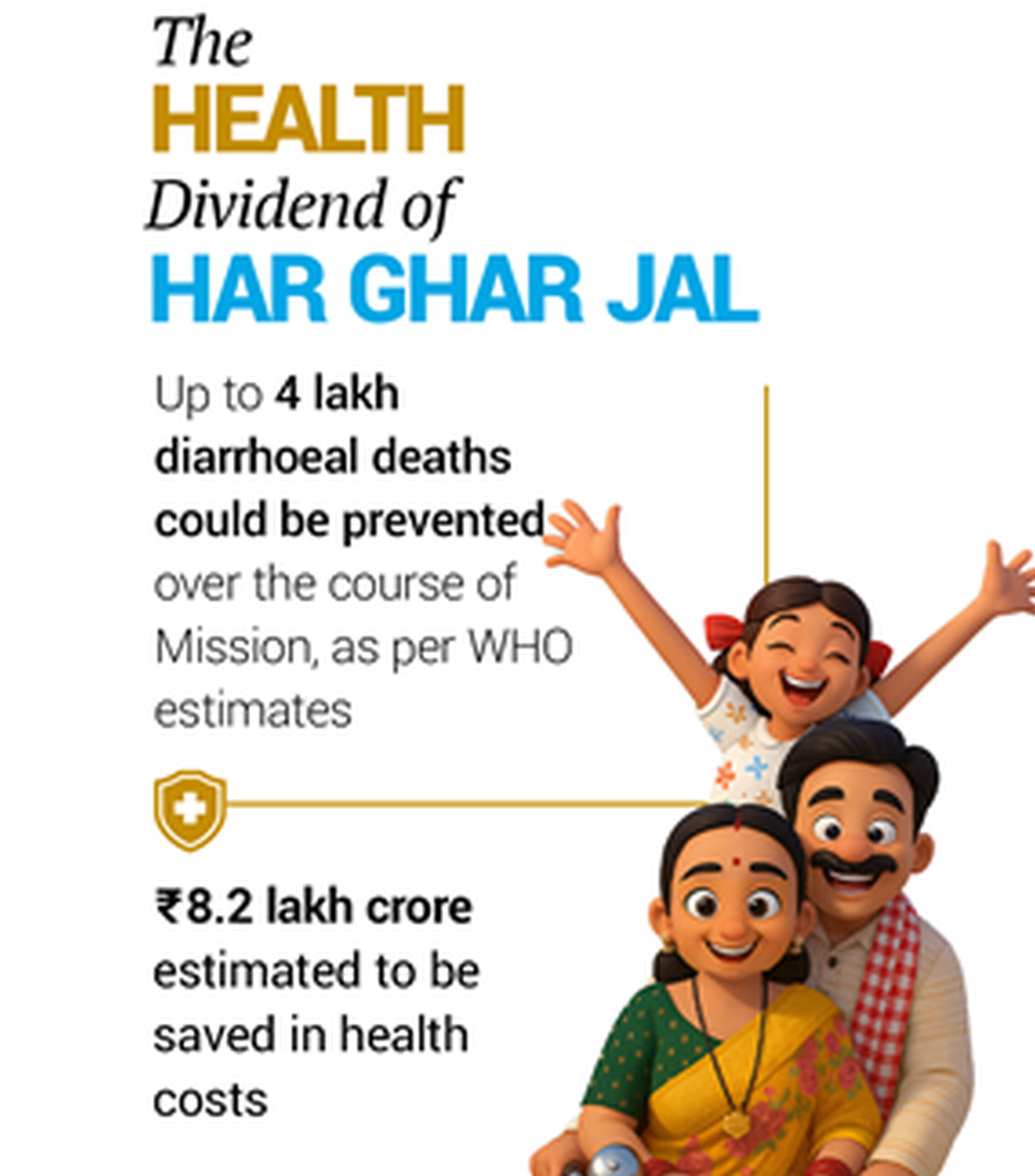
Inspired by PM Modi's vision of 'Sabka Sath Sabka Vikas', multiple initiatives such as Pradhan Mantri Awas Yojana (PMAY), Jal Jeevan Mission, PM POSHAN, National Sickle Cell Anaemia Elimination Mission, and others are bringing all-around welfare to the people. Pradhan Mantri Awas Yojana (PMAY) endeavours to provide economical housing solutions in rural and urban areas, benefiting many residents in Chhattisgarh. Nearly 10 lakh houses are constructed in Chhattisgarh under PMAY-G, of which people from SC and ST communities own 60% of houses. Chhattisgarh has 77 % coverage, with 38 lakh plus households having tap water connections under Jal Jeevan Mission as of February 2024. A total of 16,868,773 beneficiaries are covered under PM Jan Dhan Yojana as of July 2023. With over 52 thousand Anganwadi Centers in 33 districts of Chhattisgarh, the government led by PM Modi is committed to providing nutritional support and early education facilities. In addition, 74 EMRS in Chhattisgarh have opened to promote quality education for more than 19 thousand tribal students nationwide. In healthcare, central government initiatives such as Ayushman Bharat have recorded an excellent response in the state. More than two crore ABHA cards are allotted under the Ayushman Bharat Scheme as of February 2024.
Since 2014, the government has been committed to promoting the unique culture of Indian states. With this aim, the government led by PM Modi has carried out multiple initiatives in Chhattisgarh to promote its unique cultural heritage and make it a favoured destination for tourists. The rich cultural history of these indigenous people has been preserved and promoted by the PM Modi-led government. Under the PRASHAD scheme, a project, 'Development of Maa Bamleshwari Devi Temple, was sanctioned in Chhattisgarh in 2020-21 for Rs. 43.33 crore. Similarly, under Swadesh Darshan, the Rs. 96.10 crore project, including development at Mainpat, Kamleshwarpur, and Maheshpur sites in the Surguja district of Chhattisgarh, has been physically completed.
The efforts undertaken by the government led by PM Modi for Chhattisgarh underscore its commitment to fostering balanced development while preserving the region's diverse cultural heritage. The government aims to unlock Chhattisgarh's full potential and propel it towards a prosperous future rooted in tradition yet embracing modernity.