India has emerged as the centre of global attention. This is due to the innovative zeal of our people. Today, the world sees India with hope and confidence. They appreciate the manner in which the pace of progress has been accelerated with next-generation reforms, which are cross-sectoral and amplify the nation’s growth potential.
I have been telling many people that India has boarded the Reform Express.
The primary engine of this Reform Express is India’s demography, our young generation and the indomitable spirit of our people.
2025 will be remembered as a year for India when it focused on reforms as a continuous national mission, building on the ground covered over the past 11 years. We modernised institutions, simplified governance, and strengthened the foundations for long-term, inclusive growth.
We moved ahead decisively…with higher ambition, faster execution and deeper transformation. The reforms have been about enabling citizens to live with dignity, entrepreneurs to innovate with confidence and institutions to function with clarity and trust.
Let me cite a few examples of the reforms undertaken.
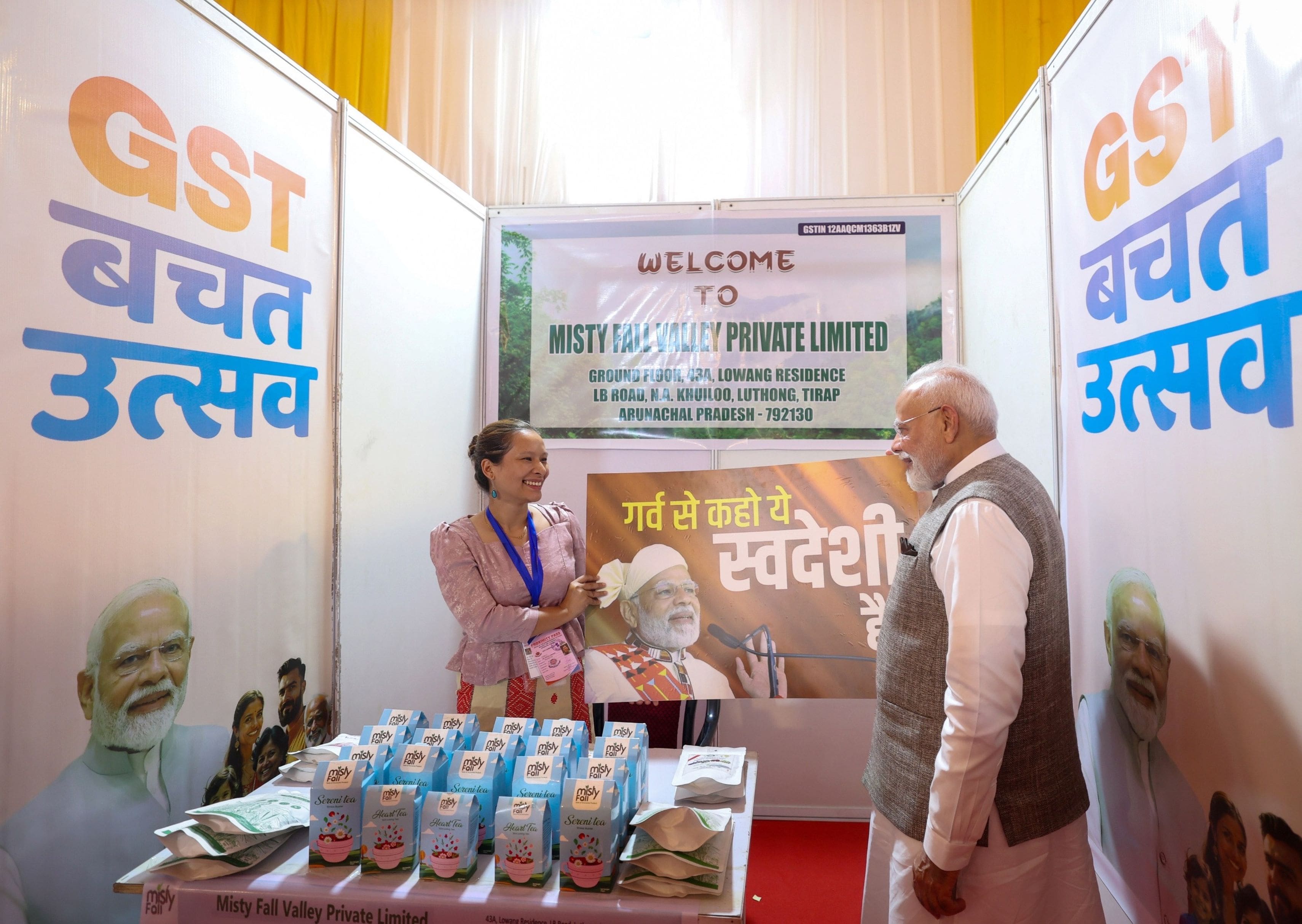
GST reform:
• A clean two-slab structure of 5% and 18% has been implemented.
• The burden has been eased on households, MSMEs, farmers and labour-intensive sectors.
• The purpose is to ensure dispute reduction and better compliance.
• This reform has boosted consumer sentiment and demand. Sales have grown in the festive season.
Unparalleled relief for the middle class:
• In a first, individuals earning up to Rs. 12 lakh a year faced no income tax at all.
• Obsolete Income-tax Act of 1961 has been replaced with the modern and simple Income Tax Act, 2025.
• Together, these reforms mark India’s move towards a transparent, technology-driven tax administration.
Boost to small and medium businesses:
• Definition of “small companies” has been expanded to include firms with turnovers up to Rs. 100 crore.
• Compliance burdens and associated costs for thousands of companies will get reduced.
100% FDI Insurance reform:
• 100% FDI permitted in Indian insurance companies.
• This will give a fillip to insurance penetration and security for the people.
• Apart from enhanced competition, it would offer better insurance choices and improved service delivery for the people.
Securities Market Reform:
• Securities Market Code Bill has been introduced in Parliament. It will enhance governance norms in SEBI, also enhance investor protection, reduce compliance burden and enable a technology-driven securities market for a Viksit Bharat.
• Reforms will ensure savings thanks to reduced compliances and other overheads.
Maritime and Blue Economy Reforms:
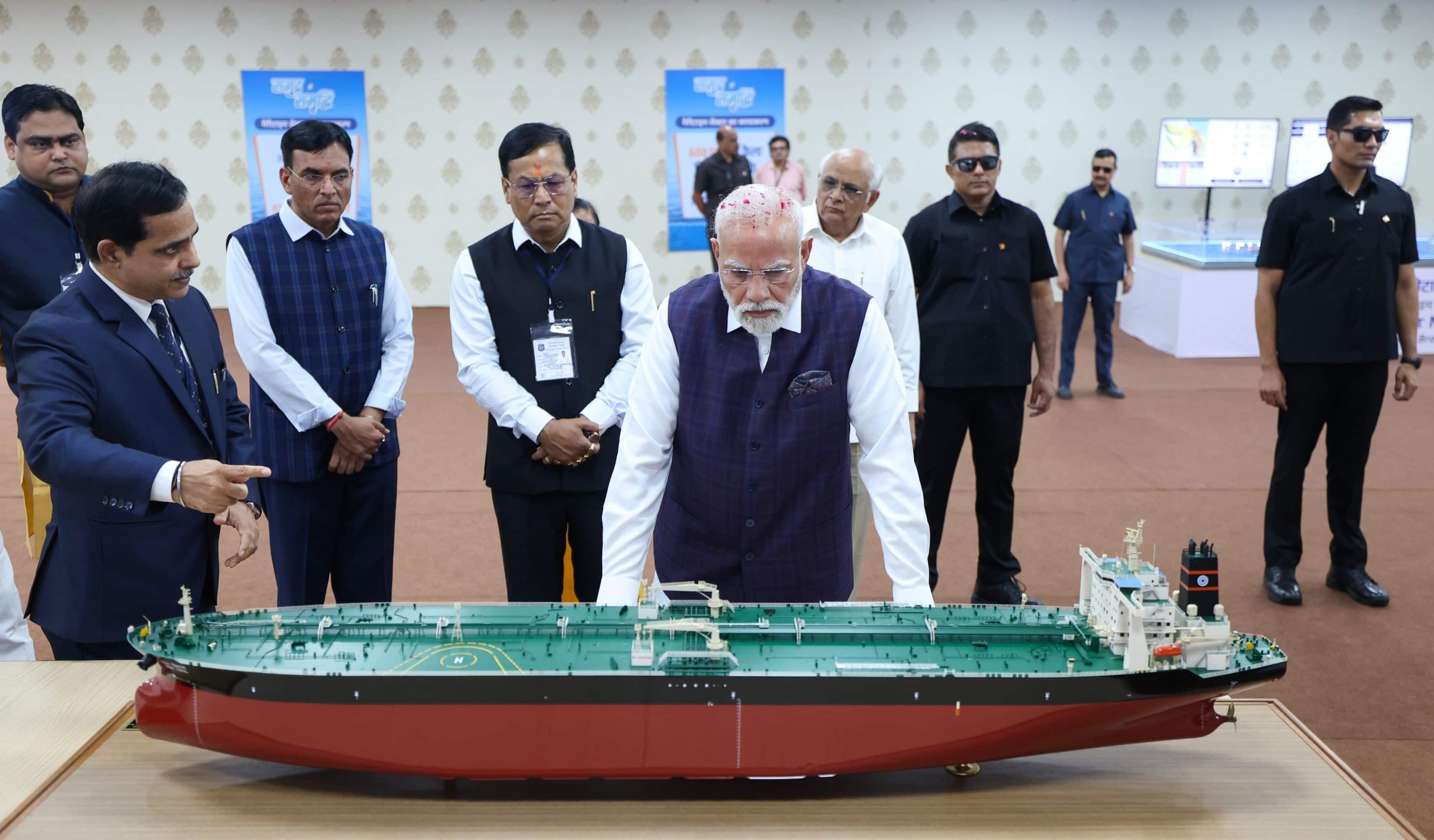
• In a single Parliament session, the Monsoon Session, five landmark maritime legislations were passed: the Bills of Lading Act, 2025; the Carriage of Goods by Sea Bill, 2025; the Coastal Shipping Bill, 2025; the Merchant Shipping Bill, 2025; and the Indian Ports Bill, 2025.
• These reforms simplify documentation, make dispute resolution easier and reduce logistics costs.
• Outdated Acts dating back to 1908, 1925 and 1958 have also been replaced.
Jan Vishwas…Ending the Era of Criminalisation:
• Hundreds of outdated laws have been scrapped.
• 71 Acts have been repealed through the Repealing and Amendment Bill, 2025.
Boosting Ease of Doing Business:
• A total of 22 QCOs were revoked across synthetic fibres, yarns, plastics, polymers, and base metals, while 53 QCOs were suspended in various steel, engineered, electrical, alloy, and consumer end product categories, covering a broad spectrum of industrial and consumer materials.
• This will increase India’s share of apparel exports; lower production costs in diverse industries like footwear, automobiles; ensure lower prices for domestic consumers for electronics, bicycles and automotive products.
Historic labour reforms:
• Labour laws have been reshaped, merging 29 fragmented laws into four modern codes.
• India has created a labour framework that secures the interests of workers while boosting the business ecosystem.
• The reforms focus on fair wages, timely payment of wages, smoother industrial relations, social security and safer workplaces.
• They ensure greater female participation in the workforce.
• Unorganised workers including contract workers are brought under the ESIC and EPFO expanding the coverage of formal workforce.
Diversified and expanded markets for Indian products:
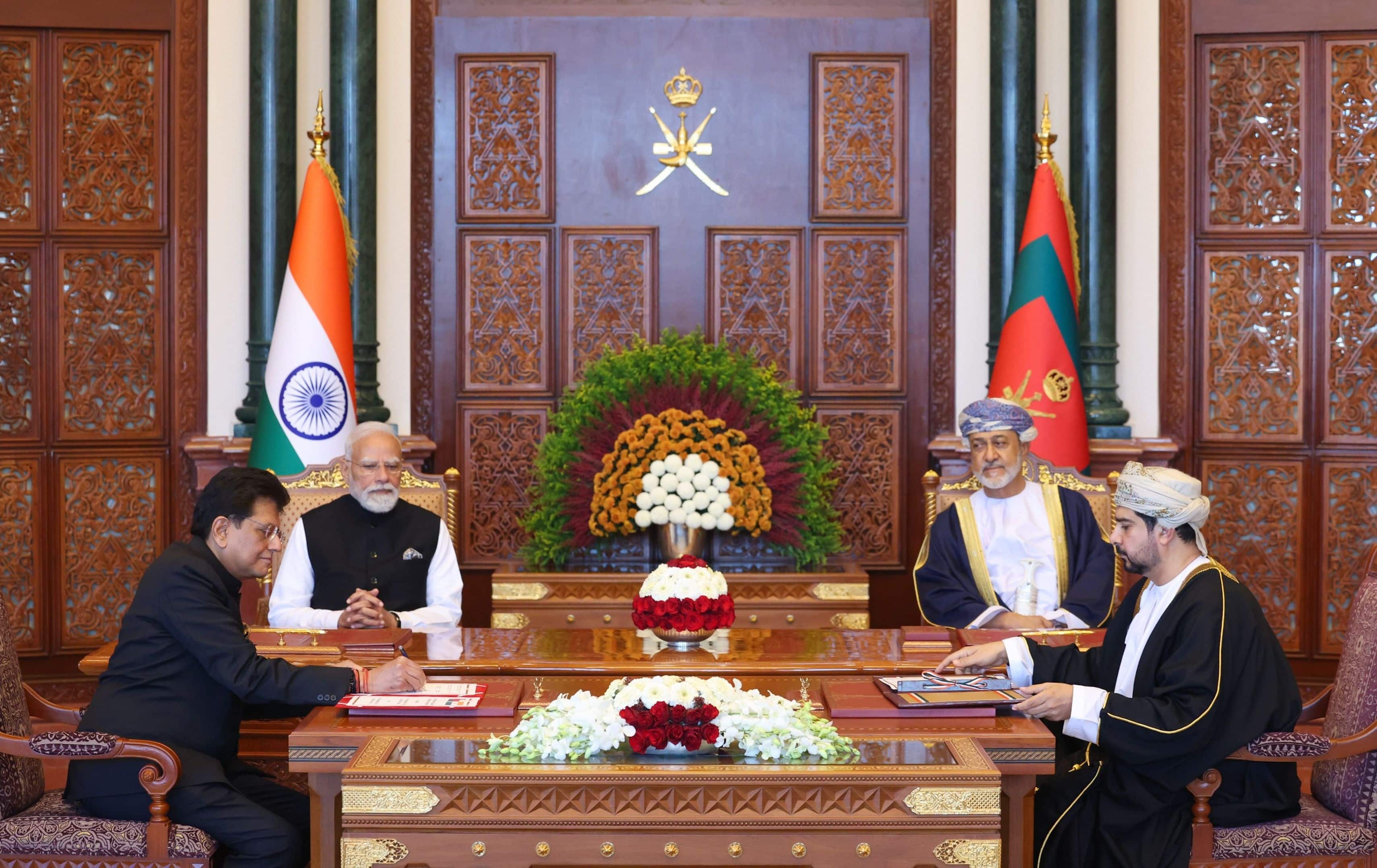
Trade deals inked with New Zealand, Oman and Britain. These will add to investments, boost job creation and also encourage local entrepreneurs. They reinforce India’s position as a trusted and competitive partner in the global economy.
The FTA with the European Free Trade Association, comprising Switzerland, Norway, Iceland and Liechtenstein, has been operationalised. This marks India’s first FTA with developed European economies.
Nuclear Energy Reforms:
The SHANTI Act is a transformational step in India’s clean-energy and technology journey.
• Ensures a strong framework for the safe, secure and responsible expansion of nuclear science and technology.
• Enables India to meet the rising energy demands of the AI era, like powering data centres, advanced manufacturing, green hydrogen and high-technology industries.
• Promotes the peaceful application of nuclear technologies in healthcare, agriculture, food security, water management, industry, research and environmental sustainability, supporting inclusive growth and improved quality of life.
• Opens new pathways for private sector participation, innovation and skill development. Creates opportunities for India’s youth to lead in frontier technologies and next-generation energy solutions.
This is an opportune moment for investors, innovators and institutions to partner with India, to invest, innovate and build a clean, resilient and future-ready energy ecosystem.
A Landmark reform in Rural Employment guarantee:
• Viksit Bharat- G RAM G Act, 2025 Rozgar Guarantee framework raises employment guarantee from 100 to 125 days.
• This will result in increased spending towards strengthening village infrastructure and livelihoods.
• The aim is to turn rural work into a means to ensure higher incomes and better assets.
Education Reforms:
Bill has been introduced in Parliament.
• Single, unified higher education regulator will be established.
• Multiple overlapping bodies like the UGC, AICTE, NCTE will be replaced with the Viksit Bharat Shiksha Adhishthan.
• Institutional autonomy will be strengthened, with innovation and research boosted.
What makes the reforms of 2025 significant is not only their dimension but also their underlying philosophy. Our Government has prioritised collaboration over control and facilitation over regulation in the true spirit of a modern democracy.
These reforms were designed with empathy, recognising the realities of small businesses, young professionals, farmers, workers and the middle class. They were shaped by consultation, guided by data and anchored in India’s constitutional values. They add momentum to our decade-long efforts to move away from a control-based economy to one that operates within a framework of trust, keeping the citizen at its core.
These reforms are aimed towards building a prosperous and self-reliant India. Building a Viksit Bharat is the polestar of our development trajectory. We will continue pursuing the reform agenda in the coming years.
I urge everyone in India and abroad to deepen their bond with the India growth story.
Keep trusting India and investing in our people!